
From Courchevel's Palace hotels to Megève's Rothschild heritage, a guide to the best luxury ski stays, Michelin-starred dining and season dates in the French Alps for 2026–27.
Read moreWhistler: Fairmont Chateau vs. Four Seasons
QUICK TAKE
Both the Fairmont Chateau Whistler and Four Seasons Resort Whistler are five-star properties delivering exceptional mountain experiences, but they cater to different travel styles. The Fairmont is the ultimate ski-in/ski-out choice for skiers who want to live at the center of the action. The Four Seasons is the better fit for families, groups, or anyone who wants space, privacy, and a more residential feel without sacrificing world-class service.
Two Icons at the Base of the Same Mountain. Two Very Different Experiences.
Whistler delivers on every front. The real question is how you want to experience it.
At the base of Blackcomb Mountain sit two of the most iconic luxury properties in North America: Fairmont Chateau Whistler and Four Seasons Resort Whistler. Both are exceptional. Both offer five-star service. But the feeling of staying at each is entirely different, and that distinction shapes your trip more than most travelers expect.
KJ Travel Advisors Kate & Lenni recently spent time at both properties. What became clear is that choosing between them isn’t about which is better. It’s about which one aligns with how you want your days to unfold.
Fairmont Chateau Whistler
The Setting
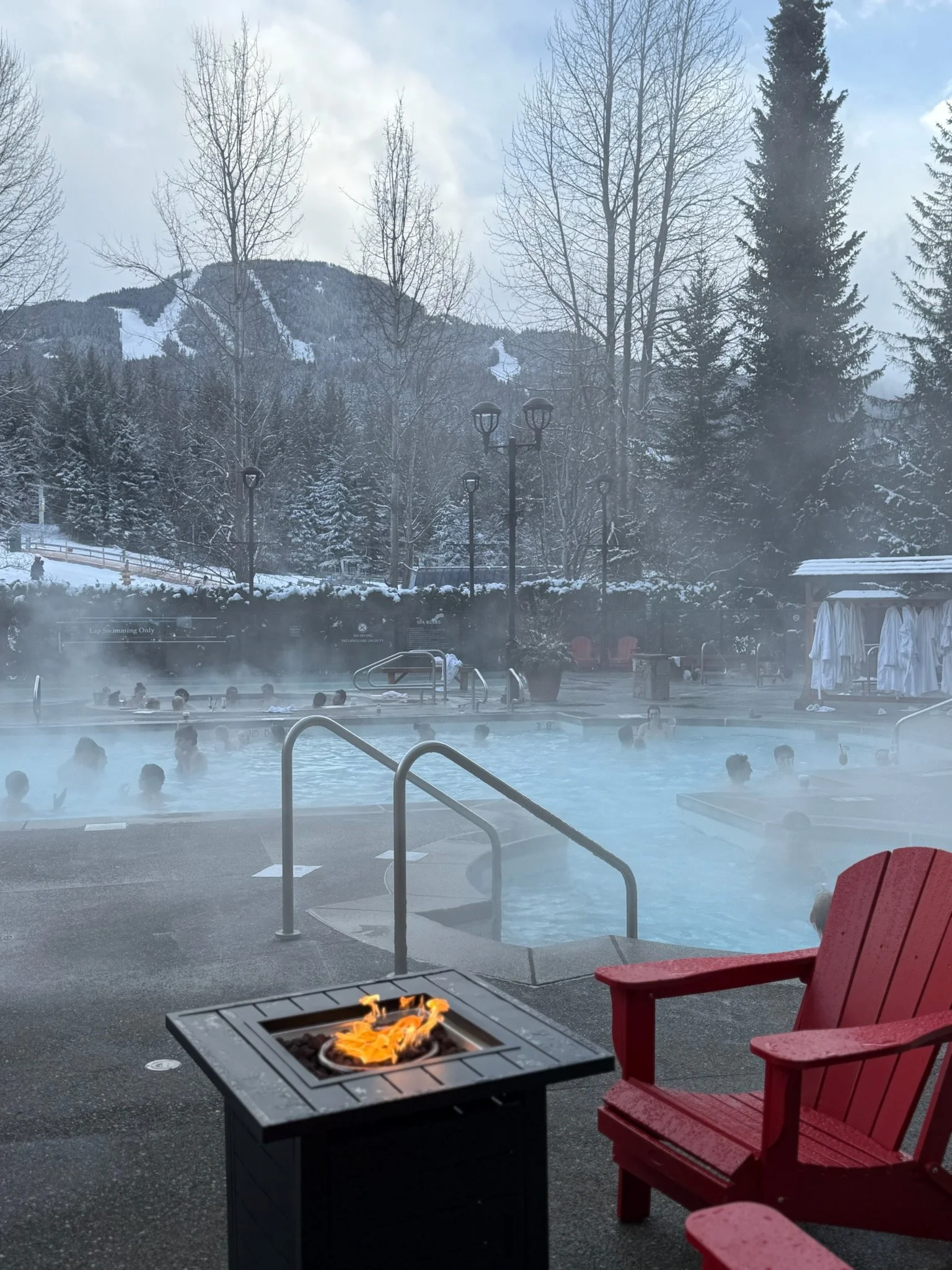
There’s a certain kind of ease that comes from staying at the Fairmont Chateau Whistler, and it starts the moment you step outside. This is widely considered the most seamless ski-in/ski-out luxury hotel experience on Blackcomb Mountain, and that level of access changes everything for clients. On a cold powder morning, there’s no coordination, no waiting, no extra steps. You’re simply on the mountain and good to go.
The hotel sits right at the base, surrounded by the movement and energy of the resort. It feels lively, social, and very much at the center of it all. For travelers who want to be immersed in the rhythm of Whistler, this setting is for you.
Fairmont Gold: A Hotel Within a Hotel
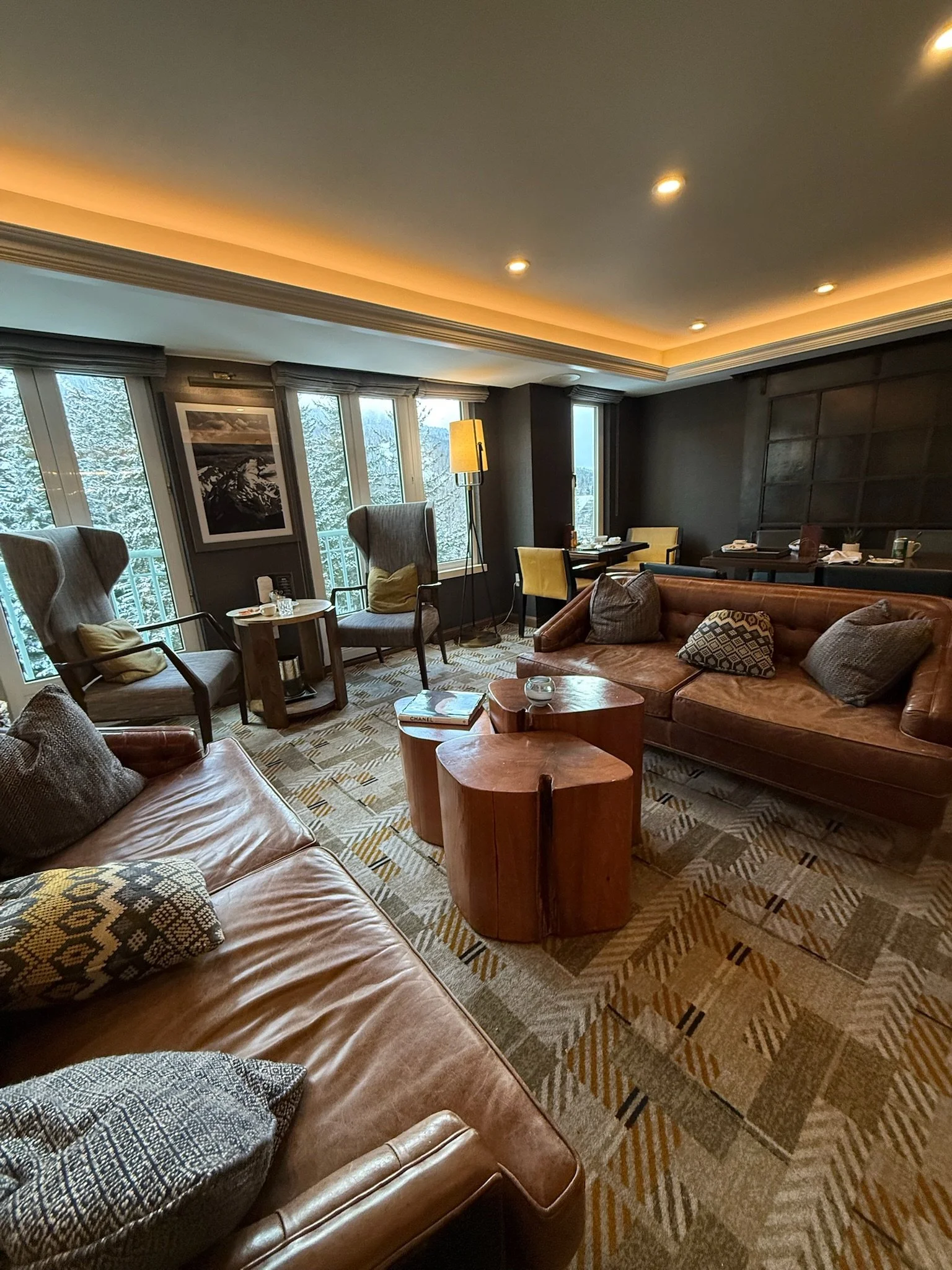
The Gold level at the Chateau is where the experience shifts into something more exclusive. Think of it as a private club layered on top of an already excellent resort. Gold rooms on dedicated floors have been updated and include fireplaces, which is the kind of detail that makes a mountain property feel like it's supposed to. The private Gold Lounge is the heart of the experience: dedicated check-in, a personal concierge, and all-day dining that covers continental breakfast, mid-day snacks, coffee and tea, and evening cocktail canapés with complimentary beverages.
The Rooms
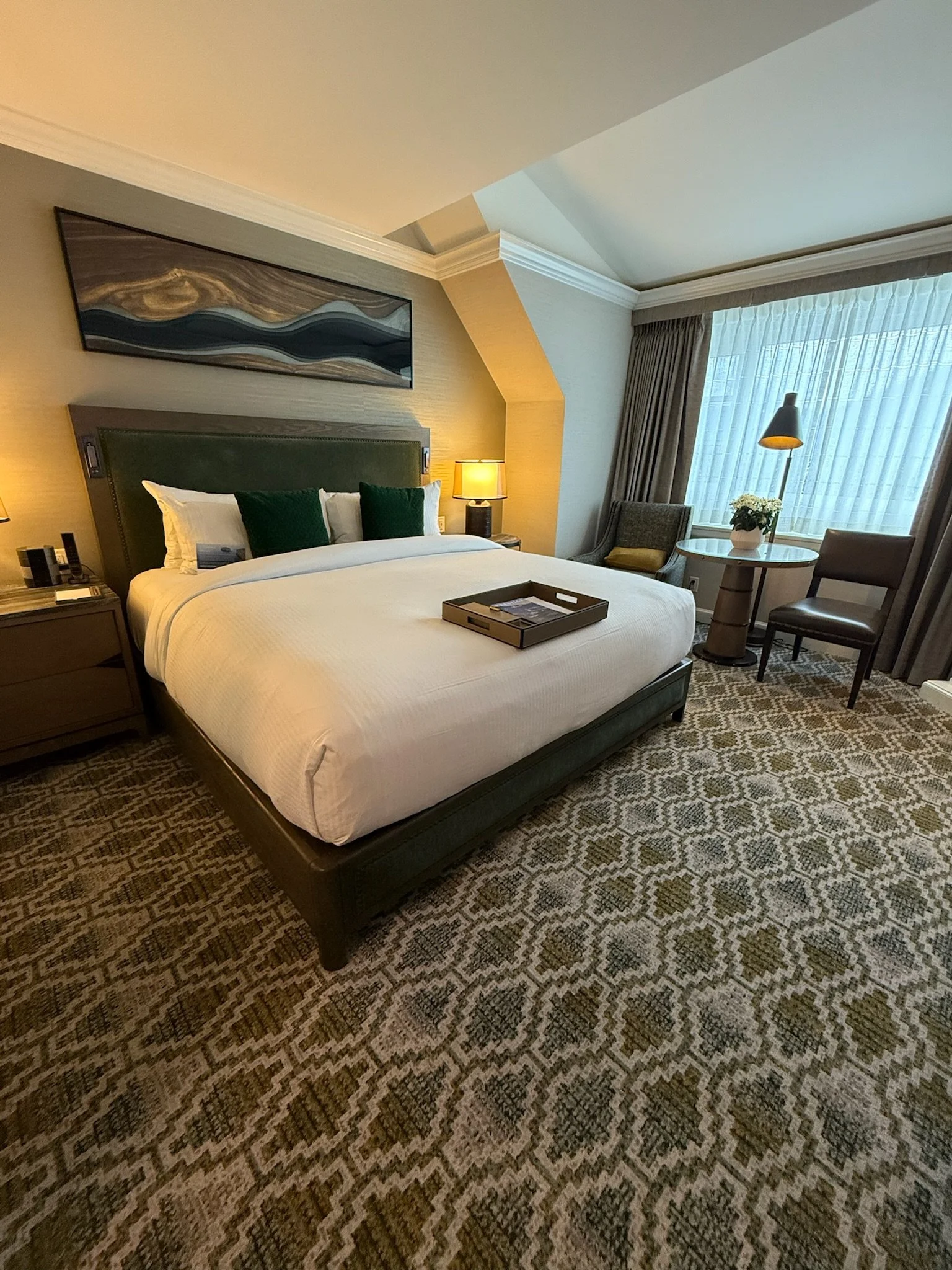
The rooms lean into a classic alpine style. Warm, comfortable, and well-appointed, they feel appropriate to the setting rather than overly designed. Fireplaces in select categories add that essential mountain touch, especially after a long day on the slopes.
That said, the Chateau is not built around large residential-style accommodations. The largest suite configuration is a 2-bedroom that sleeps six, but for larger groups or multi-generational travel, space can feel limited compared to other options in Whistler.
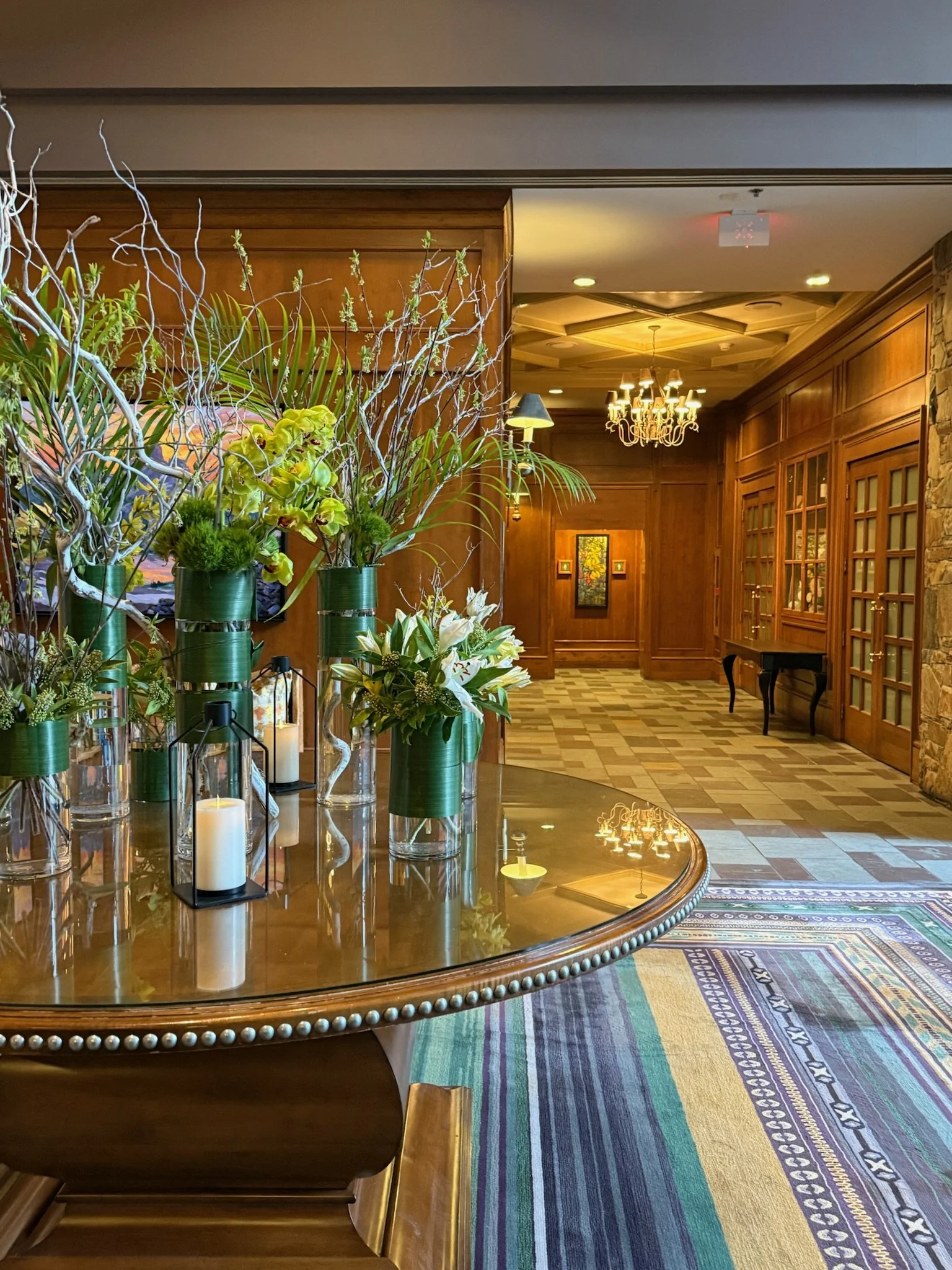
Beyond the Room
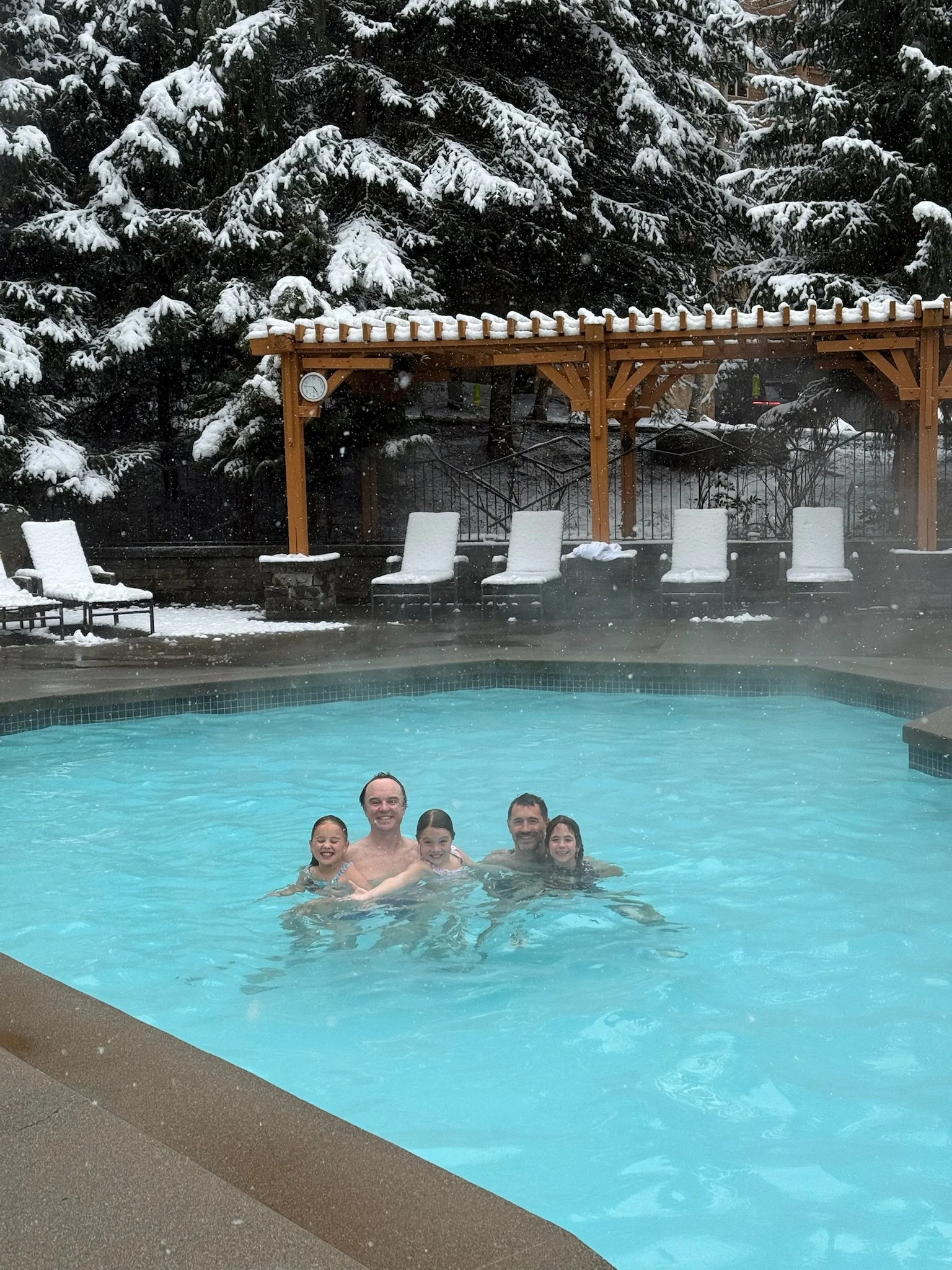
Life at the Chateau naturally extends beyond the room. The indoor/outdoor heated pool, multiple dining venues, and the steady hum of après-ski create a sense of momentum that carries throughout the day.
This is a property where everything revolves around access and energy. Skiing flows easily into après, and from there into dinner, without ever feeling like you’ve left the center of the action.
Four Seasons Resort Whistler
The Setting
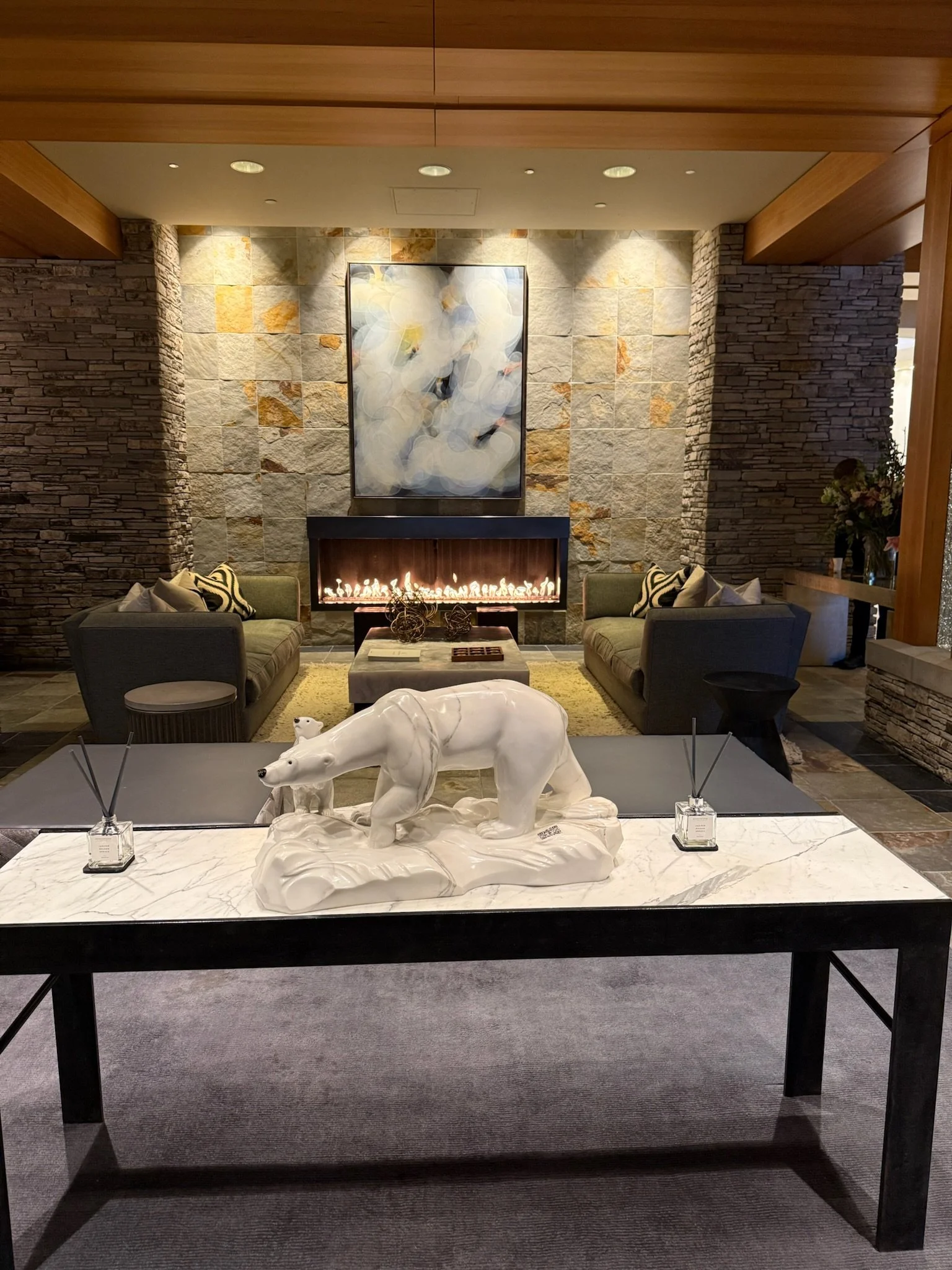
The Four Seasons sits just off the main Whistler Village, close enough that guests are never far from anything, but set back enough that the property has a calm and residential quality.
You’re still only minutes from the lifts, and the hotel makes that distance feel effortless with a well-run shuttle and ski concierge service. But that small separation creates a noticeable shift in pace. The experience feels quieter, more intentional, and less tied to the constant movement of the resort.
The Residences
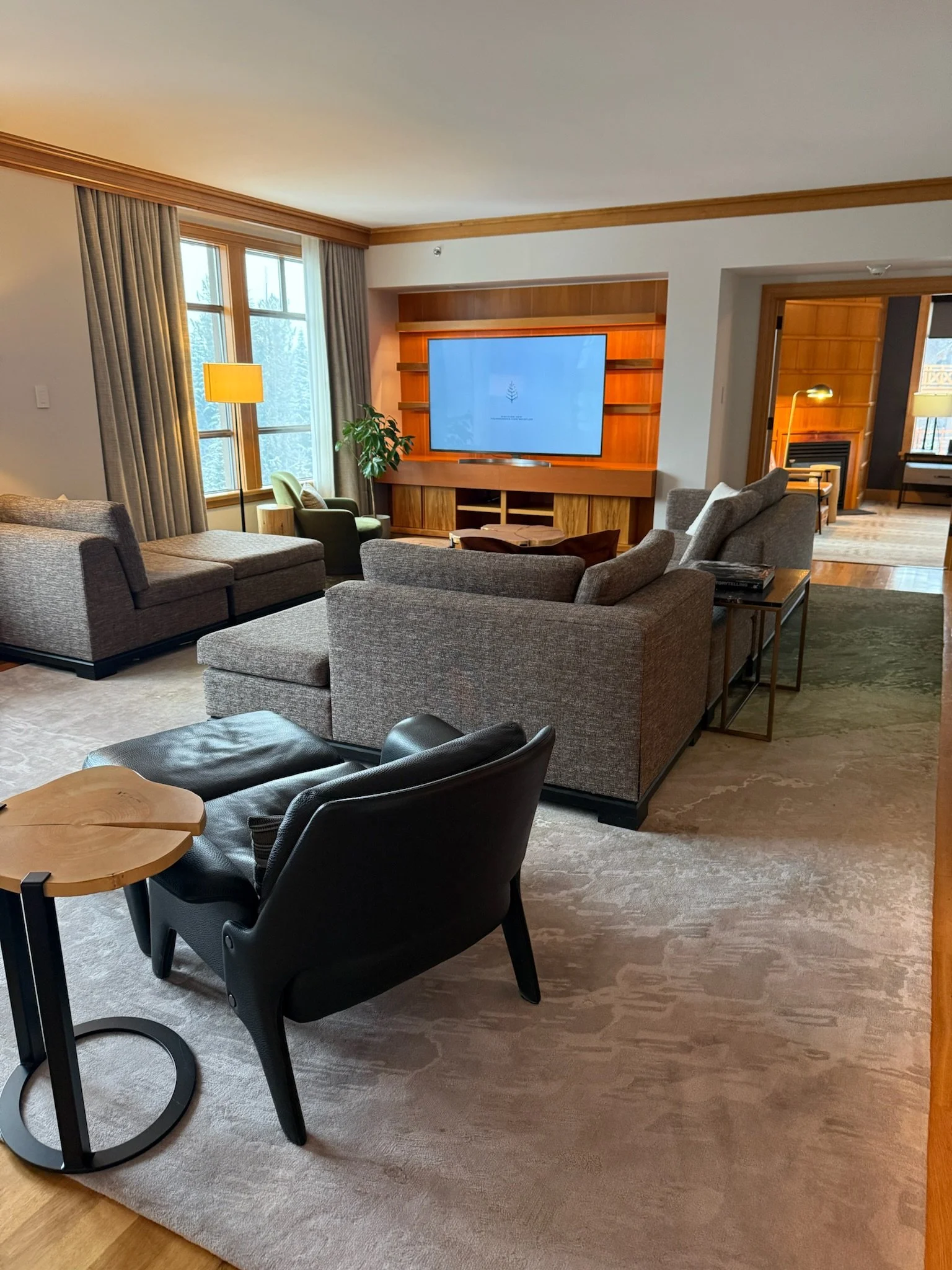
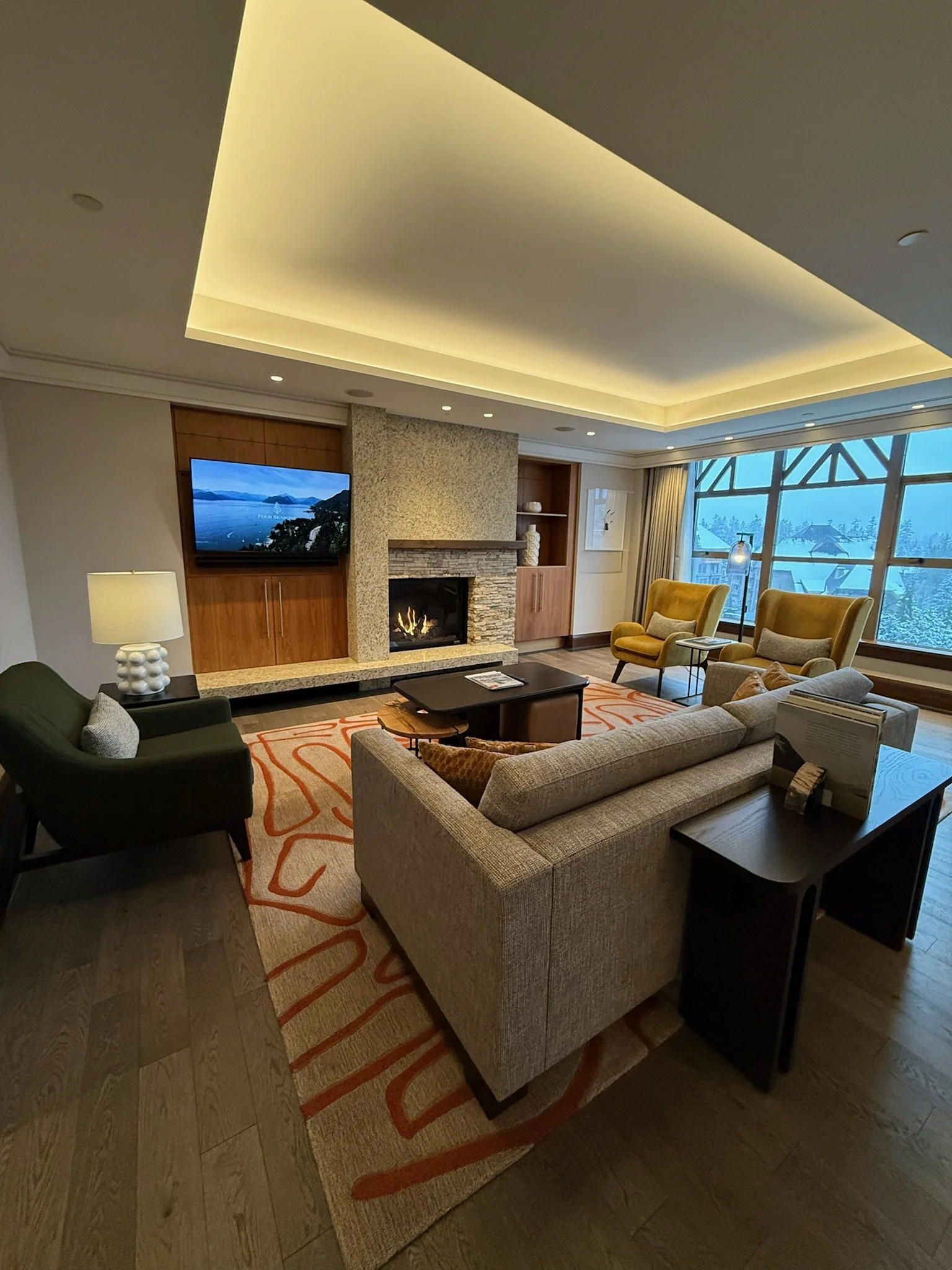
For families and larger groups, this is where the Four Seasons truly stands apart. The residences are designed to feel like a private alpine home away from home, with two- to four-bedroom configurations, full kitchens, and generous living spaces that allow everyone to gather comfortably.
What makes them particularly appealing is the flexibility they offer. Groceries can be stocked prior to arrival, and the concierge can arrange in-residence dining experiences or coordinate private chefs when desired. At the same time, you still have full access to the hotel’s services, from the spa to the ski concierge.
It’s a balance that solves one of the most common challenges in luxury travel: having space and privacy without giving up service.
Service & Amenities
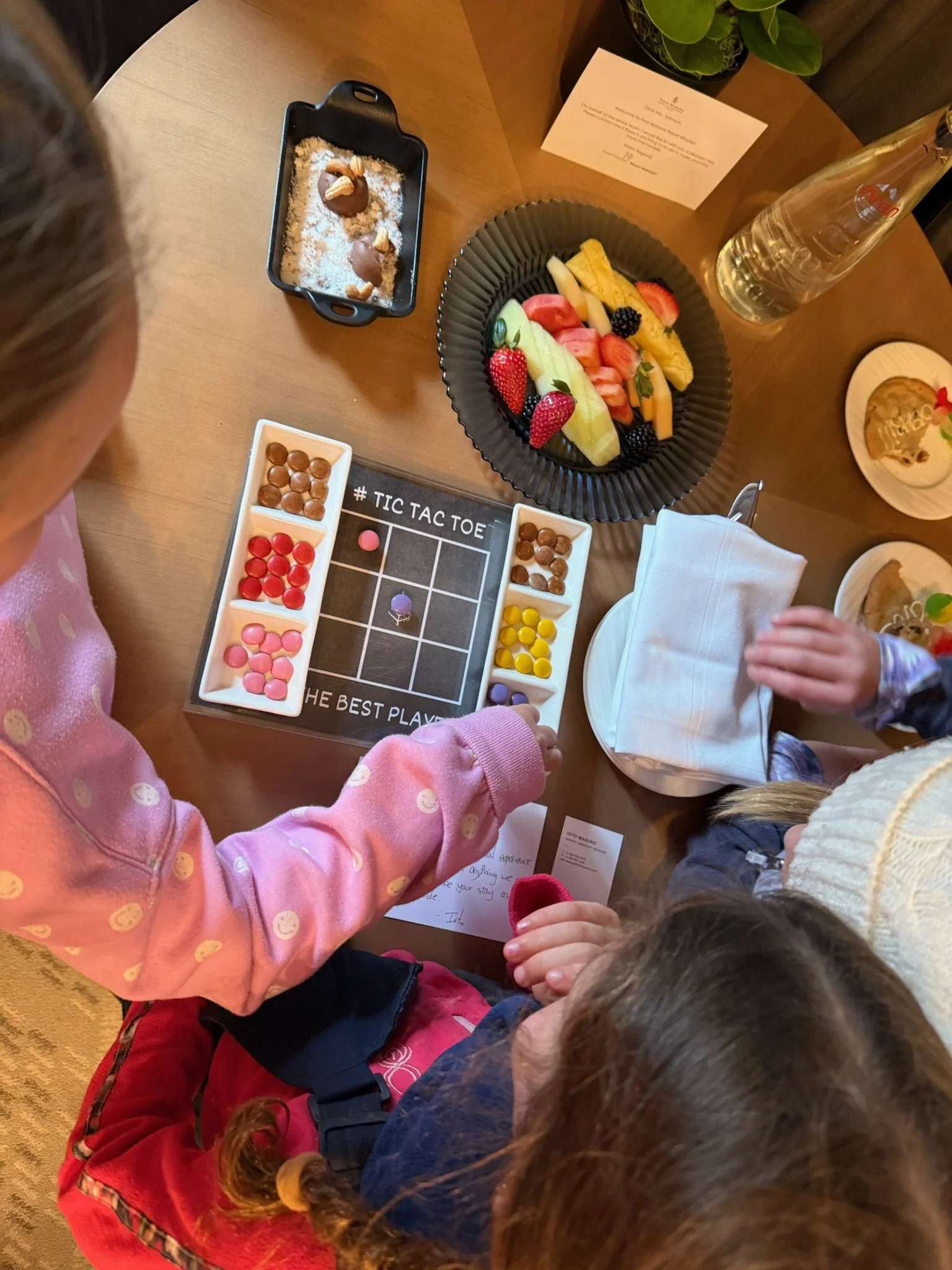
The Four Seasons runs on a level of anticipatory service that the brand is rightly famous for. The recently renovated spa is excellent, Kate visited and came away genuinely impressed with both the quality of the treatments and the design of the space. Daily complimentary afternoon wine tasting, along with s'mores and seasonal treats, gives the property a warmth that goes beyond the standard luxury checklist.
For families, the Four Seasons has put real thought into programming. There's a dedicated kids and teen room with video games, air hockey, and other activities. Weekend kids' entertainment programming means younger guests are genuinely looked after, and parents can enjoy their own time as well.
The Spa
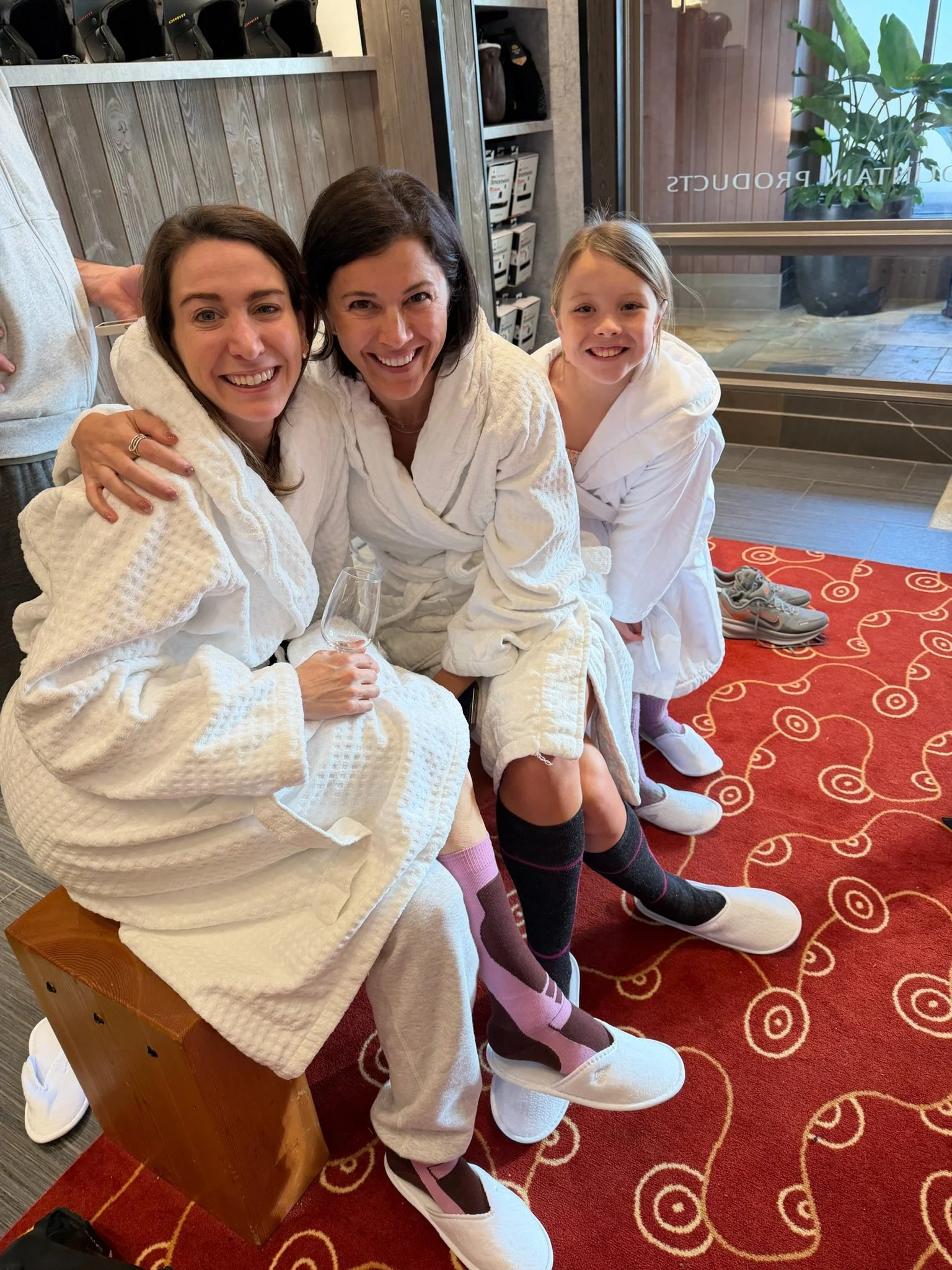
The recently renovated spa at the Four Seasons Whistler is worth building into the itinerary deliberately, not just as a rainy-day fallback or as a recovery after hitting the slopes. The treatments are thoughtful, the space is beautifully designed.
Whistler: More Than a Ski Destination
Whistler is one of those rare destinations that truly delivers in every season. In winter, it’s known for its world-class skiing experience and snowboarding across Whistler and Blackcomb, with terrain that appeals to everyone from first-timers to seasoned skiers. But the experience extends far beyond the slopes. Heli-skiing opens access to vast, untouched backcountry, while dog sledding, snowmobiling, snowshoeing and tubing offer memorable alternatives for non-skiers and adventure seekers alike. In summer, the landscape transforms completely. Guided wildlife viewing experiences (often centered around black bear sightings) offer a safari-style perspective on the region, while excursions to nearby glaciers provide a striking, unexpected view of British Columbia’s alpine terrain. It’s a destination that naturally invites repeat visits, as each season reveals a completely different side of the mountain.
Which Whistler Stay Is Right for You?
Whether you're drawn to the ski-in/ski-out access at the Fairmont Chateau or the residential luxury of the Four Seasons, the KJ Travel team knows both properties firsthand.
Get in touch with a KJ Travel advisor and let us build the Whistler experience that's right for you.
Frequently Asked Questions
Is the Fairmont Chateau Whistler or Four Seasons Whistler better for skiers?
The Fairmont Chateau Whistler is the stronger choice for dedicated skiers. Its ski-in/ski-out access directly onto Blackcomb Mountain is unmatched, there's no shuttle, no coordination, just immediate access to the slopes from the hotel door.
Which Whistler luxury hotel is better for families?
The Four Seasons Resort Whistler is the standout choice for families. The multi-bedroom residences with full kitchens, dedicated kids and teen programming, and the property's quieter setting make it exceptionally well-suited to family travel.
What is Fairmont Gold at Chateau Whistler?
Fairmont Gold is an elevated tier of rooms and service within the Chateau, offering access to a private lounge, dedicated concierge, and all-day food and beverage service including continental breakfast and evening cocktail canapés. It functions as a hotel-within-a-hotel experience.
Does the Four Seasons Whistler have ski-in/ski-out access?
The Four Seasons is not directly ski-in/ski-out in the same way as the Fairmont, but it is only minutes from the lifts and provides a complimentary shuttle and dedicated ski concierge to make the connection seamless.
How far in advance should I book a luxury Whistler ski trip?
Peak ski season at Whistler (particularly around the holidays and February) books out well in advance. We recommend reaching out to a travel advisor at least six to nine months ahead to secure preferred room categories and availability at both properties.
Can a travel advisor help me choose between these two properties?
Absolutely. Both hotels offer different experiences, and the right fit depends on your group size, travel style, and priorities. A KJ Travel advisor can walk you through the details and handle everything from booking to pre-arrival coordination.
Courchevel vs Val d'Isère: Which French Alps Ski Resort is Right for You?
When travelers dream of skiing in the French Alps, two names consistently rise to the top: Courchevel and Val d'Isère. Both destinations have earned their legendary status through decades of delivering exceptional experiences. Yet beneath the surface of five-star service and pristine powder lies a fundamental difference in character. Understanding these distinctions makes all the difference in planning the perfect alpine escape.
The Tale of Two Alpine Icons
Courchevel, with its collection of five distinct villages cascading down the mountainside, epitomizes refined mountain living. The most famous village, Courchevel 1850, sits like a jewel box of luxury, where ski-in/ski-out chalets command premium positions and Michelin-starred restaurants outnumber those in most capital cities.
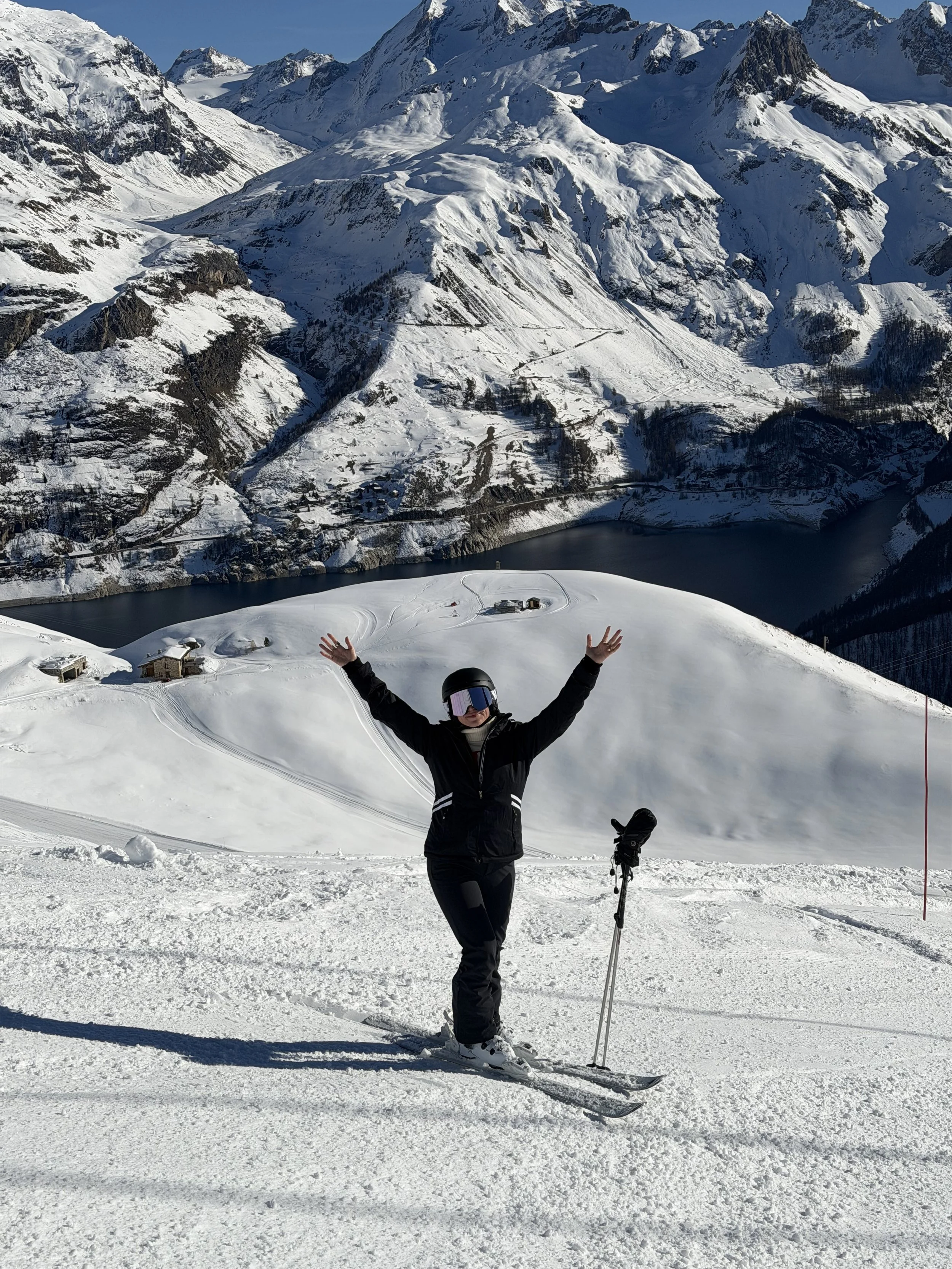
Val d'Isère presents a different story. This high-altitude village, nestled at the end of the Tarentaise Valley, maintains authentic Savoyard charm with its 17th-century baroque church and stone chalets. The atmosphere buzzes with energy as skiers gather at legendary venues where the party starts on the mountain and continues well past midnight. The terrain demands respect, this is where Olympic champions train and weekend warriors challenge themselves on famous faces like La Face de Bellevarde.
Understanding the Terrain: Where You'll Ski
Courchevel: The Three Valleys Advantage
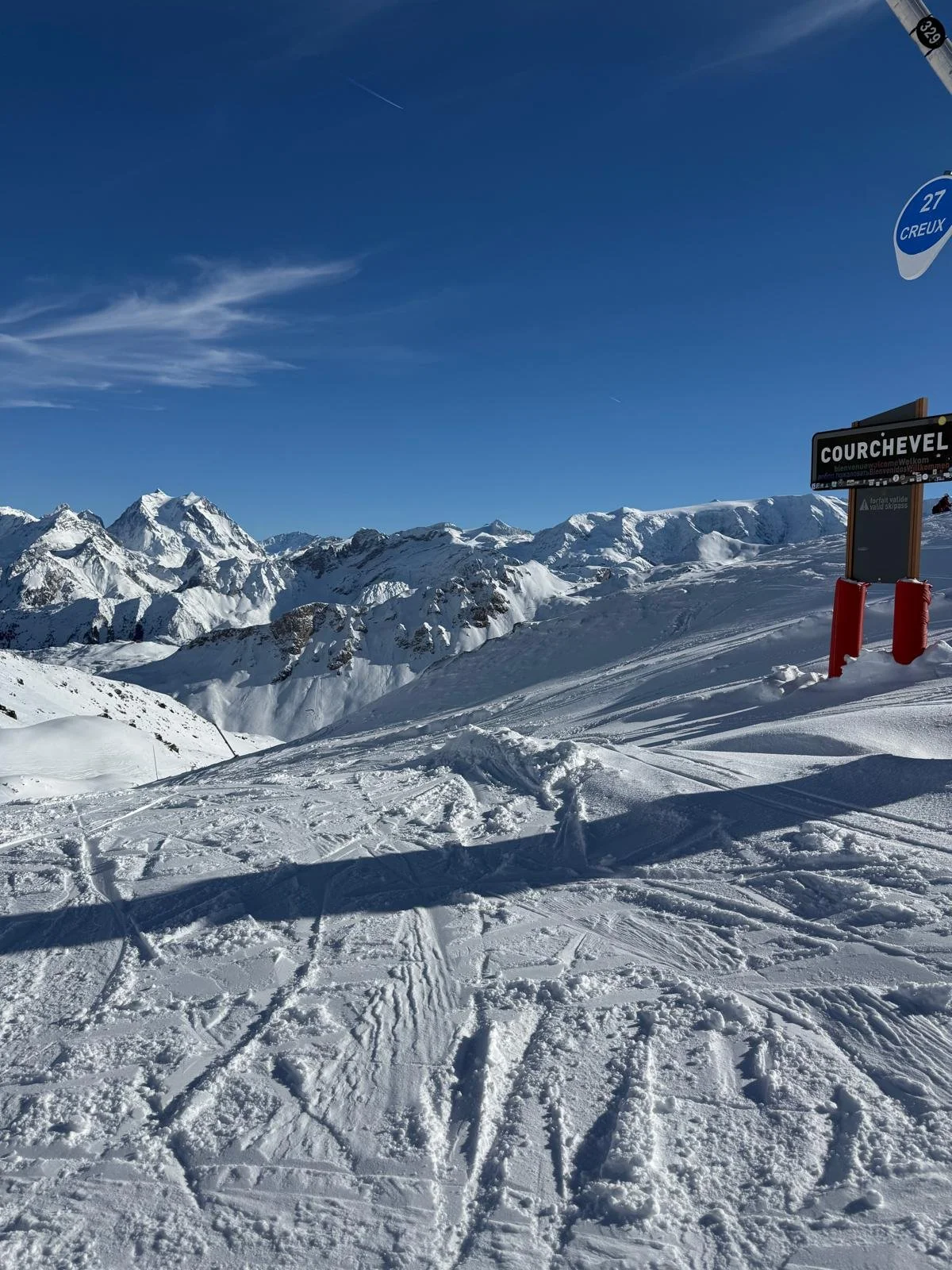
For beginners, Courchevel delivers confidence-building terrain. The Pralong and Golf zones offer gentle magic carpet lifts and protected spaces where first-timers can find their ski legs without dodging experts. Intermediate skiers discover endless blue and red runs through tree-lined passages, while advanced skiers access serious challenges in couloirs and off-piste areas throughout the Three Valleys network.
The logistics work seamlessly. Every village connects via lifts or shuttle buses. Ski school meeting points sit conveniently near accommodations. Even on busy February half-term weeks, the vastness of the terrain absorbs crowds.
Val d'Isère: Big Mountain Character
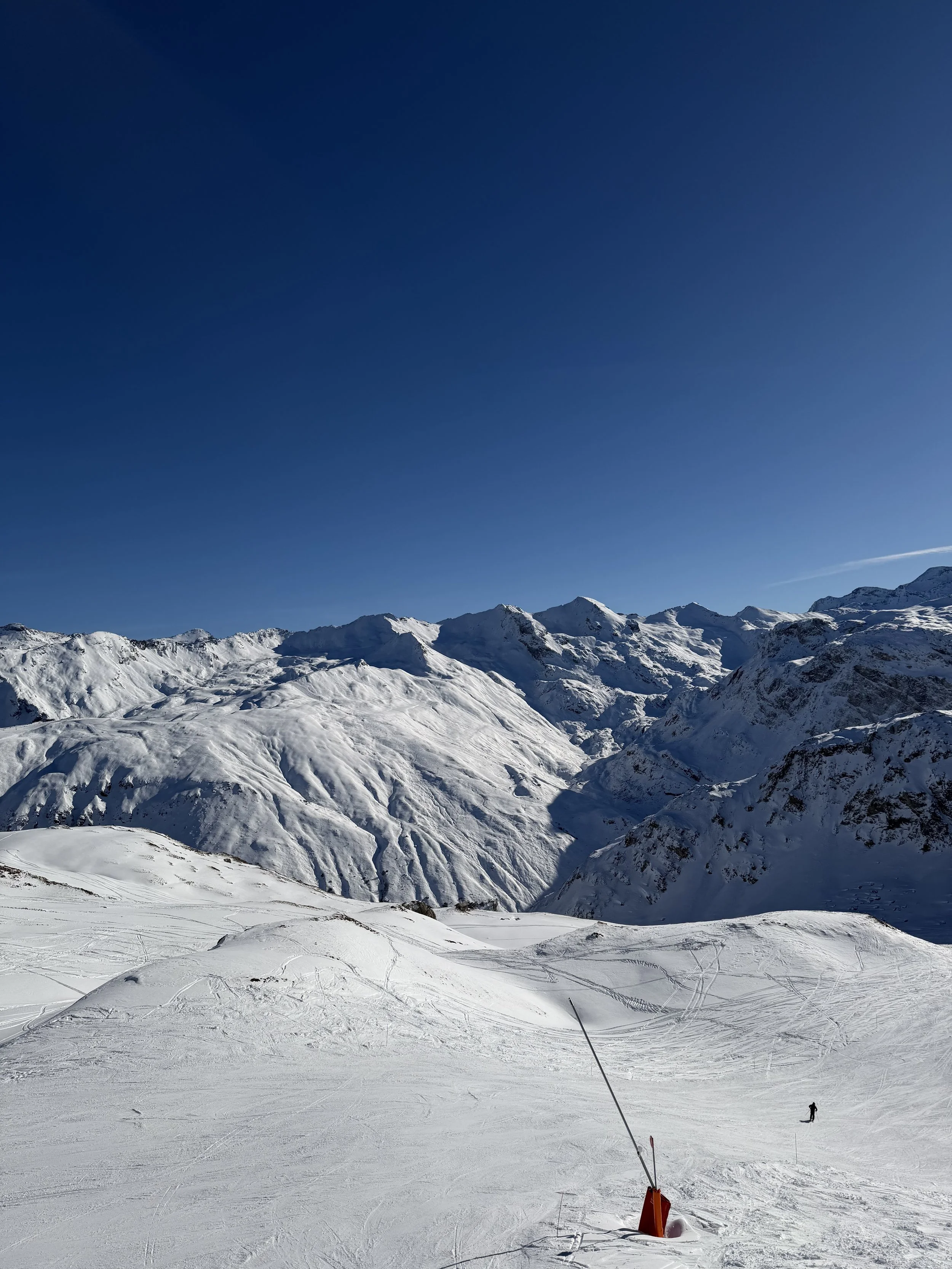
The terrain leans toward confident skiers. While beginners have adequate green runs near the Solaise area with dedicated magic carpets and a family-friendly Day Lodge, Val d'Isère shines for intermediates and experts. Red runs roll with satisfying pitch, blacks deliver true challenges, and off-piste opportunities attract powder hunters from around the globe. The famous Face de Bellevarde (site of Olympic downhill races) serves as both a thrilling descent and a reminder that this resort doesn't hold your hand.
One consideration: those final runs into the village can intimidate. La Face and alternative routes skew toward red and black difficulty, which may stress intermediate families at day's end. The solution? Take the lifts down or plan your timing carefully.
The Luxury Factor: Where You'll Stay
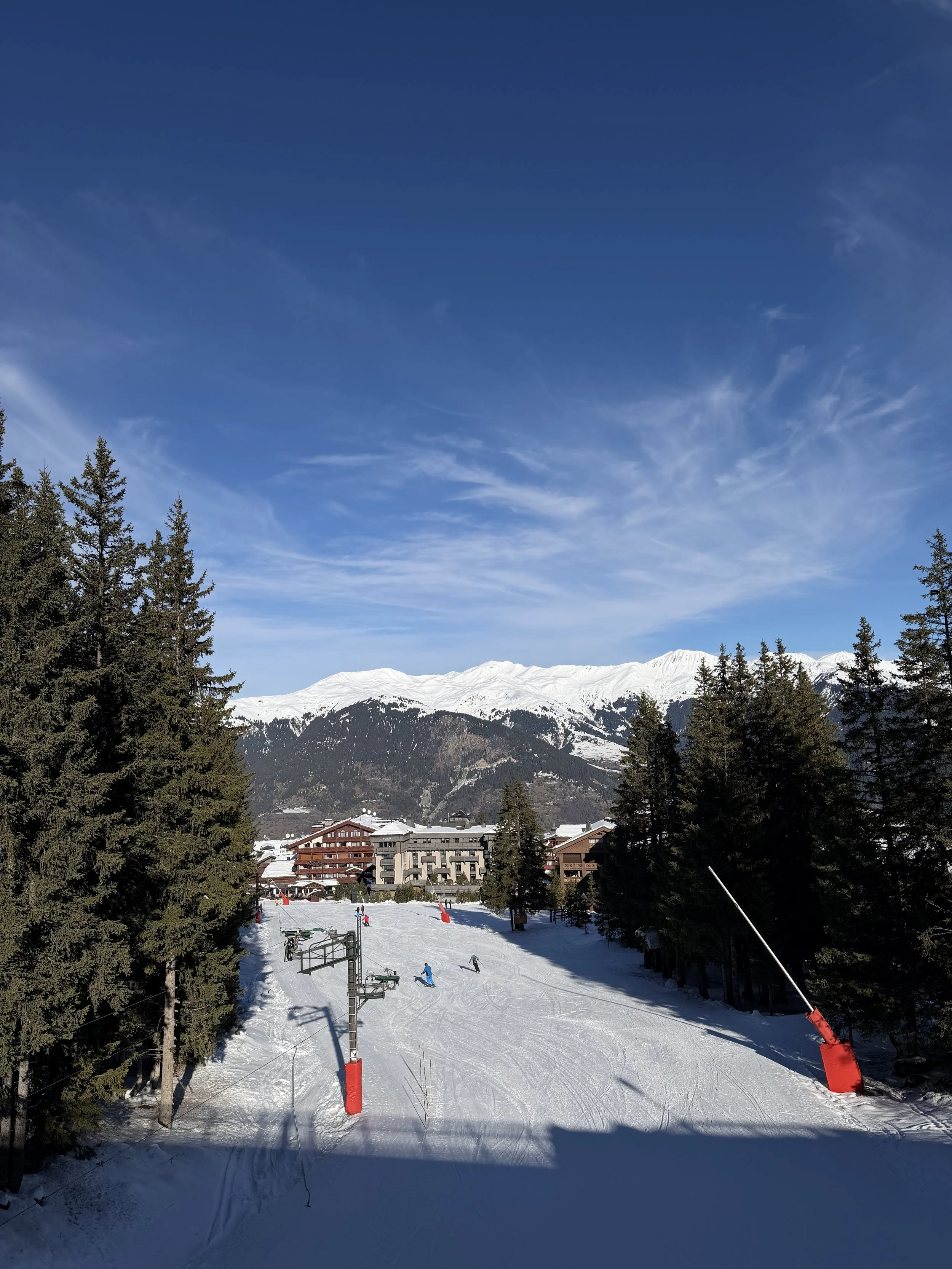
Courchevel 1850 owns the title of world's best collection of ski chalets and hotels. These properties are the epitome of mountain luxury. The ski-in/ski-out access proves genuine, step out the door, clip into bindings, and glide directly onto perfectly groomed runs. Lenni really appreciated how seamless ski service can be in these properties: you can come down in slippers, the team helps you into your boots, and your skis are staged outside by your room number.
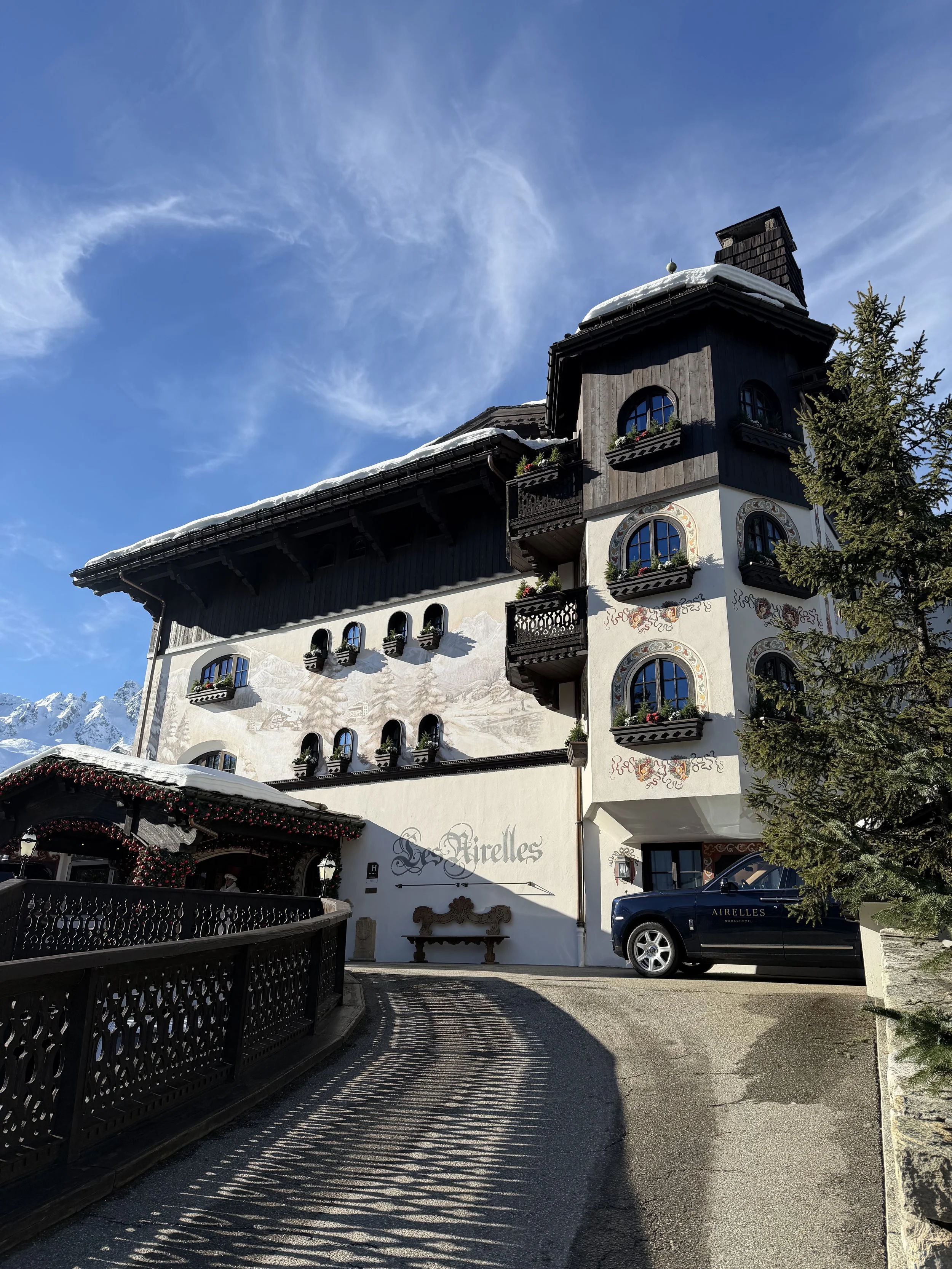
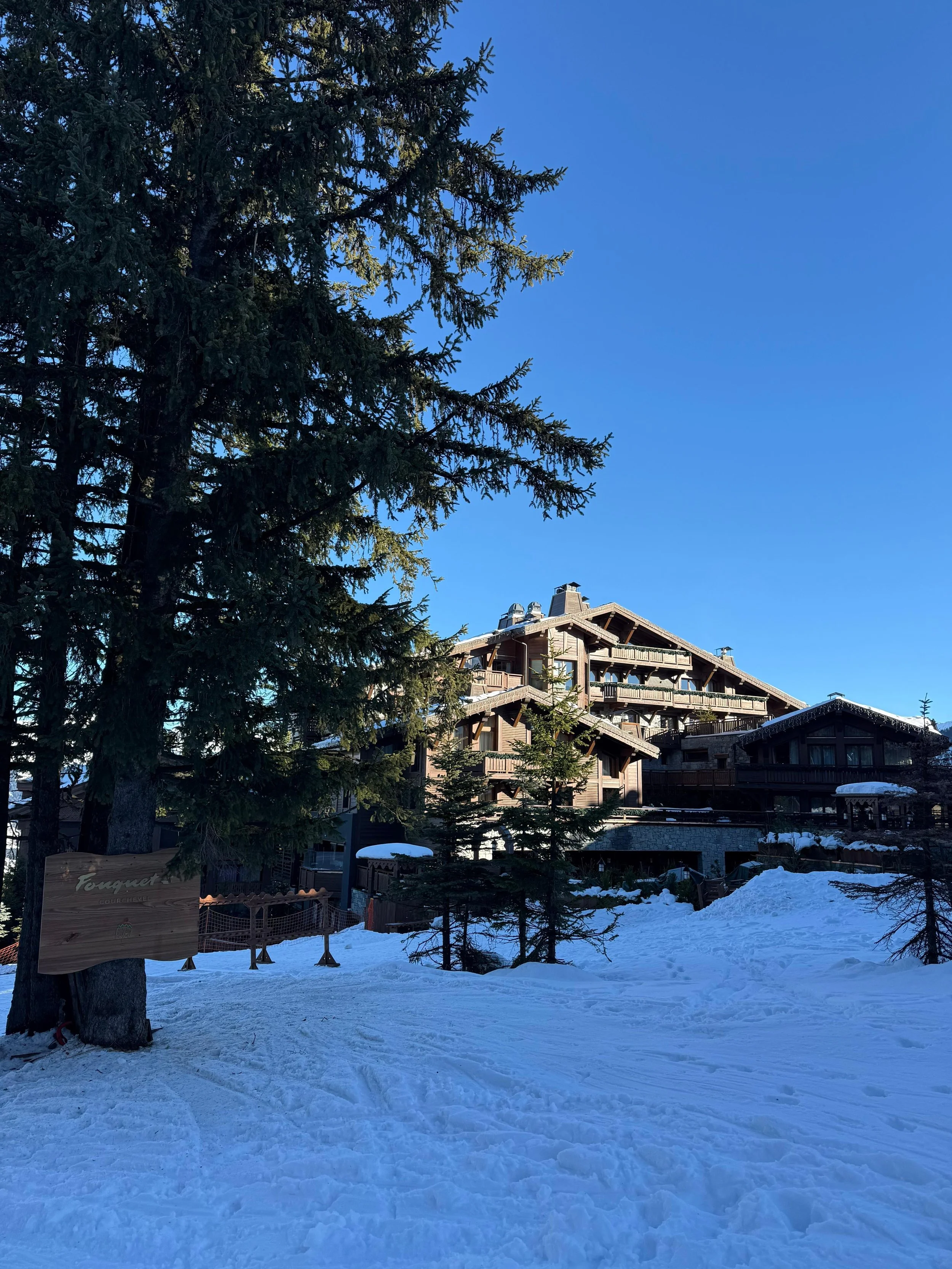
Hotels match this standard. Properties like Cheval Blanc, K2 Palace, L'Apogée, Fouquet's Courchevel and Aman Le Mélézin deliver palace-level experiences with direct piste access, ski butlers to handle equipment, and restaurant options for the most refined palates. The altiport allows private jet arrivals, making this the choice for those who value time as much as arriving in style.
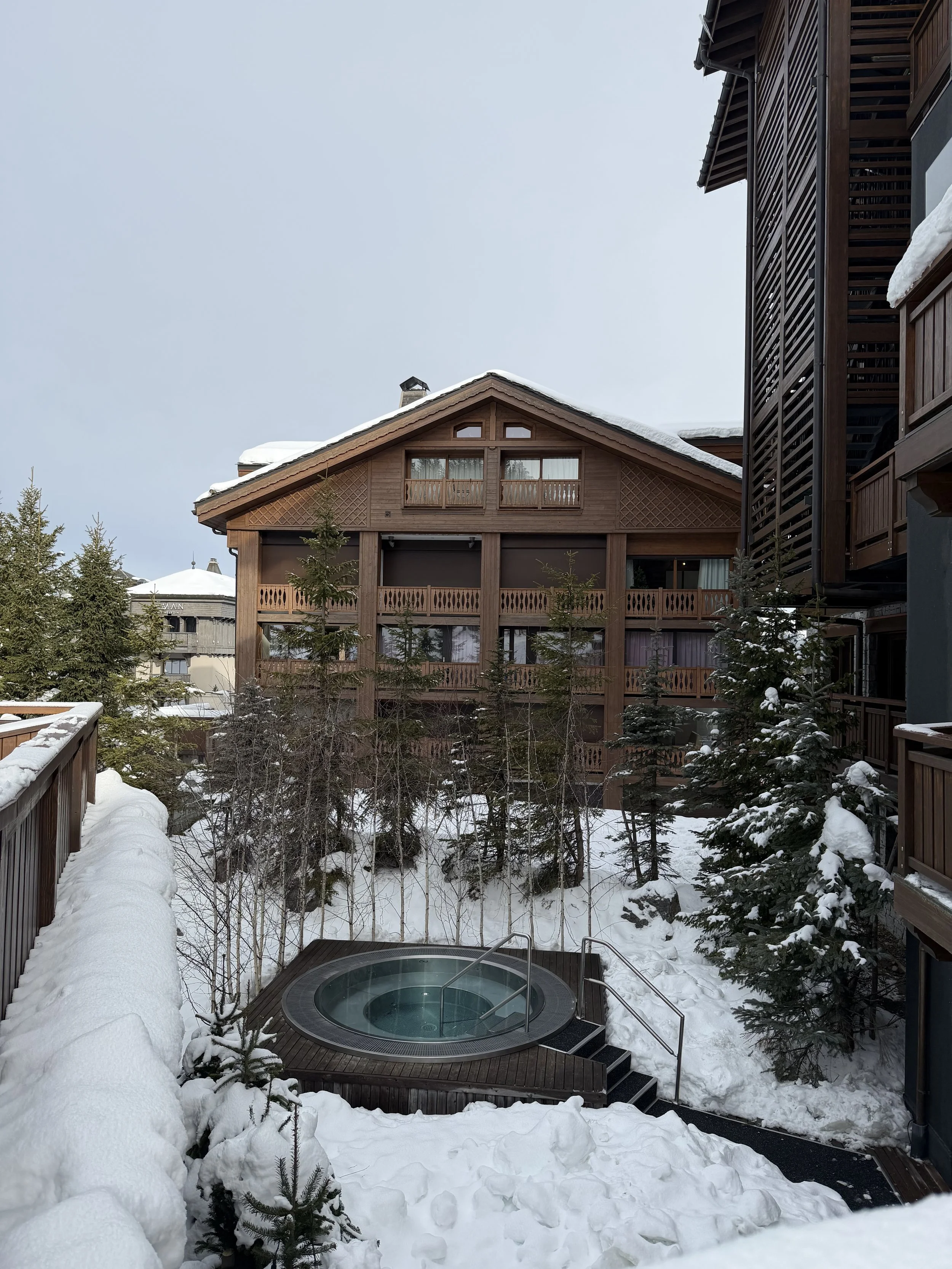
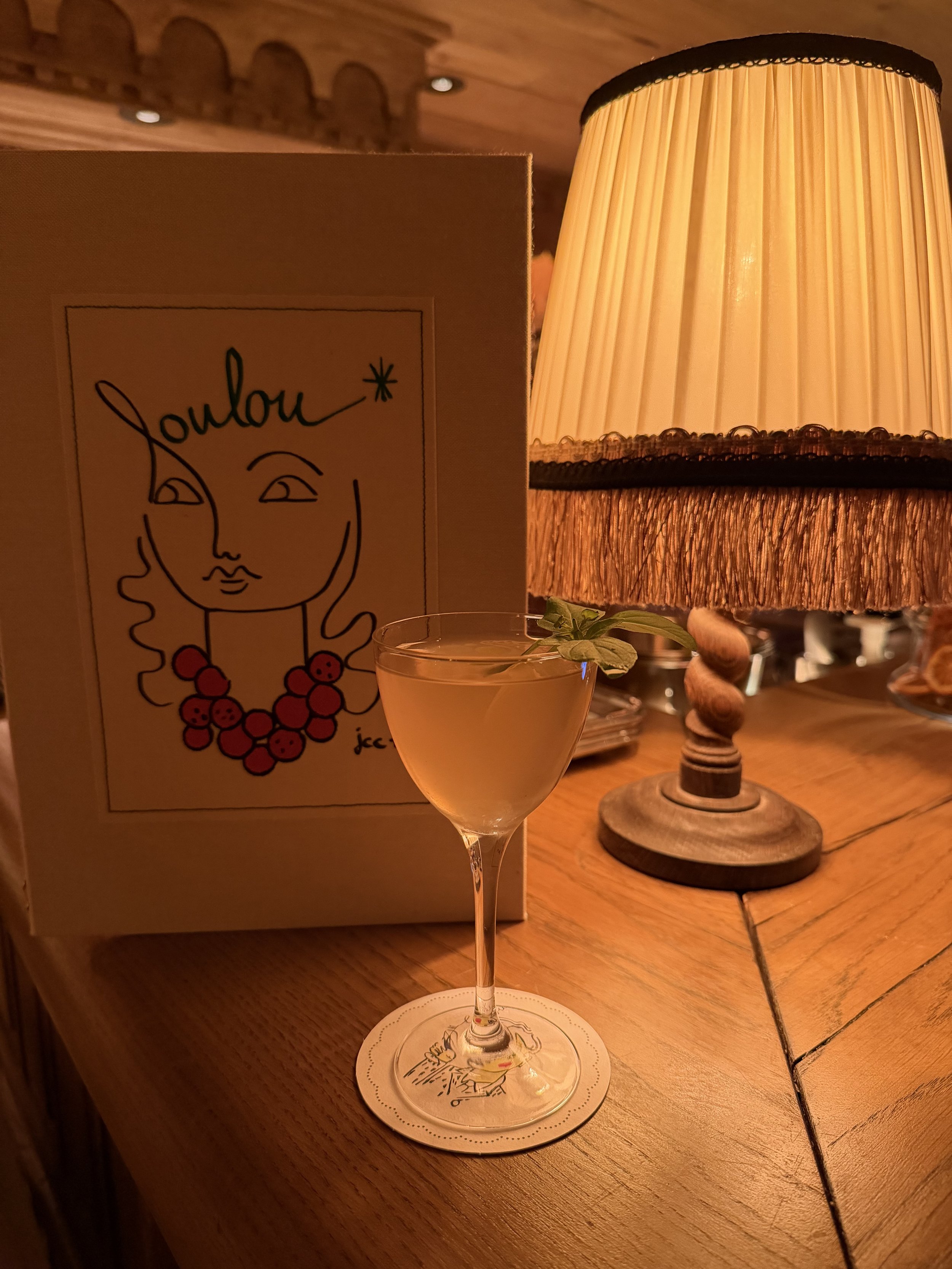
Fouquet's Courchevel is a cozy, intimate option, more warm and tucked-in than see-and-be-seen, with details like heated floors and a single all-day dining anchor (LouLou) that works well for breakfast, lunch, and dinner.
For families, Lenni really liked Barrière’s kids club setup: it can run until 10pm at no extra cost, and it includes dinner plus activities (they have themed nights like a pool party, bowling outings, and more).
Airelles (Courchevel) is a smart half-board option, meaning breakfast plus a daily meal is included, with several on-property restaurants covered (a buffet option plus local specialties like fondue, and Italian), while Matsuhisa is à la carte.
She loved the always available snacks and the fact that guests often get one included activity per day (examples she saw: snowmobiling, dog sledding, cooking or pastry classes, mixology, horse-drawn carriage, and even first tracks).
Another Airelles detail luxury travelers appreciate: two cinemas that can often be privatized without an extra fee.
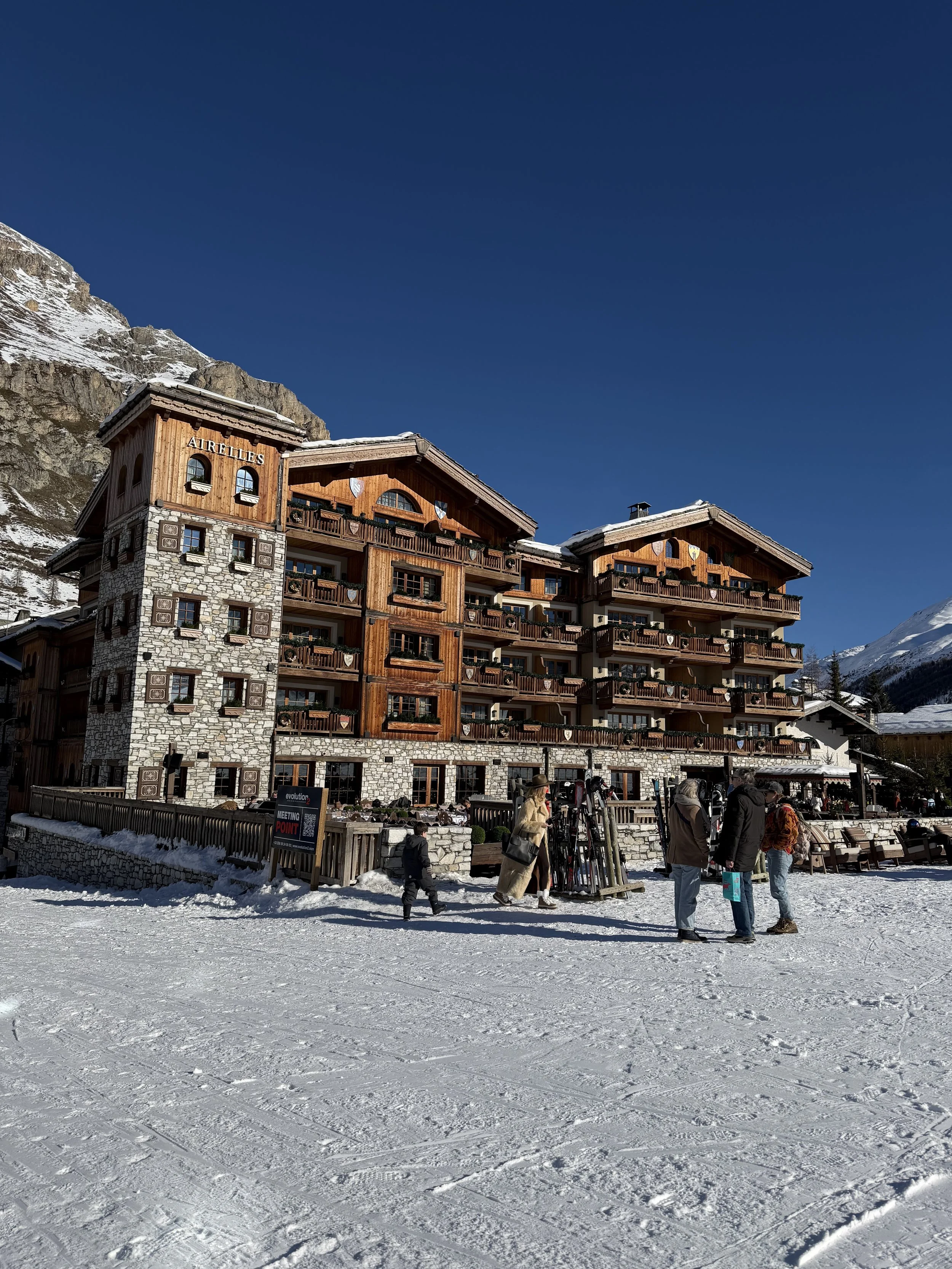
Val d'Isère offers exceptional accommodations but with different character. Luxury hotels like Airelles Val d'Isère, Les Barmes de l'Ours (both ski-in/ski-out) and Le Blizzard provide five-star service in the village center. Lenni described Airelles Val d’Isère as ultra-luxe in every way, with the kind of service that feels personal from the first hour: minibar included, snacks available throughout the day, nightly turndown gifts (often personalized), and a team that quickly learns your name and preferences. She also noted that half-board (or full board) is often the standard way guests book it, which can feel like a real value once you see the food and service level.
Lenni pointed out that many of the top hotels are close enough to make evenings easy: a short walk into town for bars and dining, or a quick hop in the hotel car when it is cold and late.
Family Considerations: Where Your Kids Will Thrive
Courchevel built its reputation on family-friendly design. The Village des Enfants creates an enclosed ski area exclusively for children, where young skiers build confidence without worrying about fast-moving traffic. Hotels and chalets typically include kids' clubs, babysitting services, and family-friendly amenities. The logistics favor families. Green runs lead back to every village, allowing beginners to ski home confidently.
Courchevel can feel easy for families staying in five-star hotels: ski school access is simple, instructor meet-ups can happen right at the hotel ski room, and the hotel teams handle the ski flow so parents are not juggling gear in the morning.
Val d'Isère welcomes families but requires more planning. The resort holds the Famille Plus label, indicating commitment to family services. Ski schools excel here too, with dedicated areas and professional instruction.
Activities include dog sledding, ice driving, snowshoeing, and access to the Vanoise National Park for wildlife watching. However, steeper home runs and more challenging overall terrain mean parents need to coordinate logistics more thoughtfully. Families with confident young skiers will thrive; those with timid beginners might find Courchevel's gentler options more suitable.
Lenni’s practical note for parents choosing Airelles (Courchevel): the kids club runs long hours (roughly 9am–10pm), but meals may depend on the property setup (she saw meals included at Barrière’s kids club, while Airelles’ kids club did not include meals, and nanny support may be required for younger children under 6).
Dining and Après: Lenni's recommendations
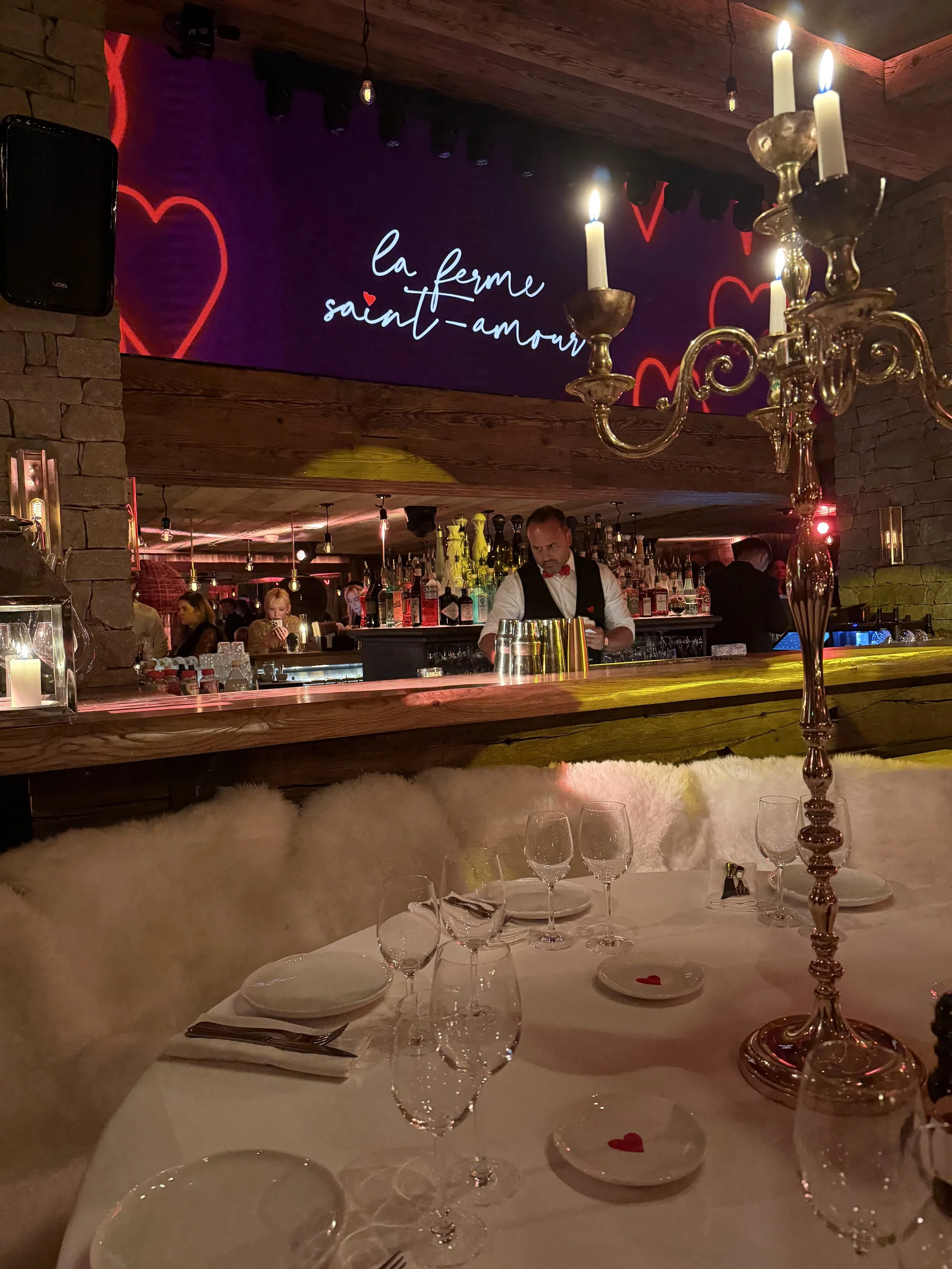
Courchevel restaurant picks Lenni recommended: Le Ferme Saint-Amour, Kinugawa, L’Adventure, and Alessandro.
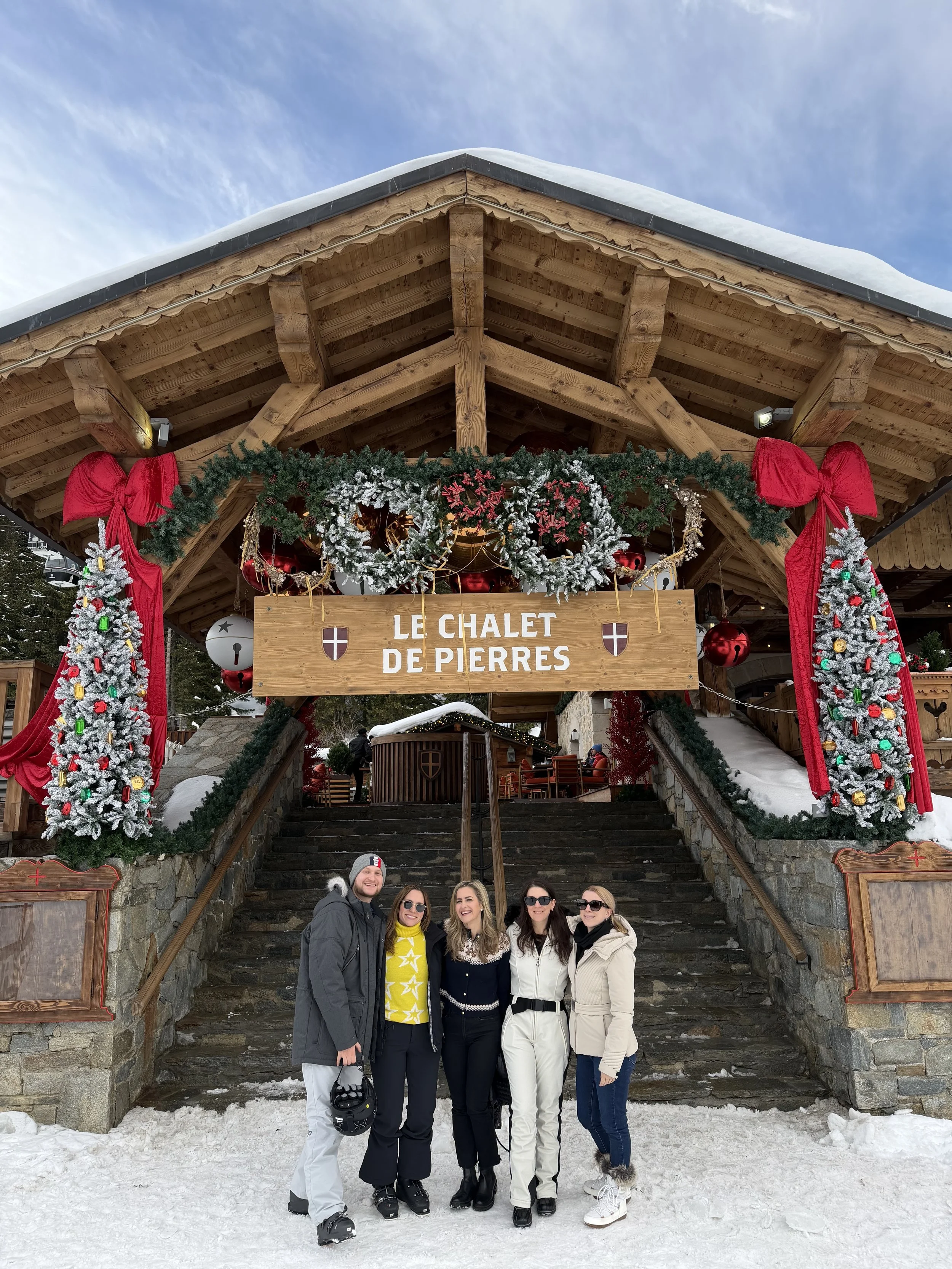
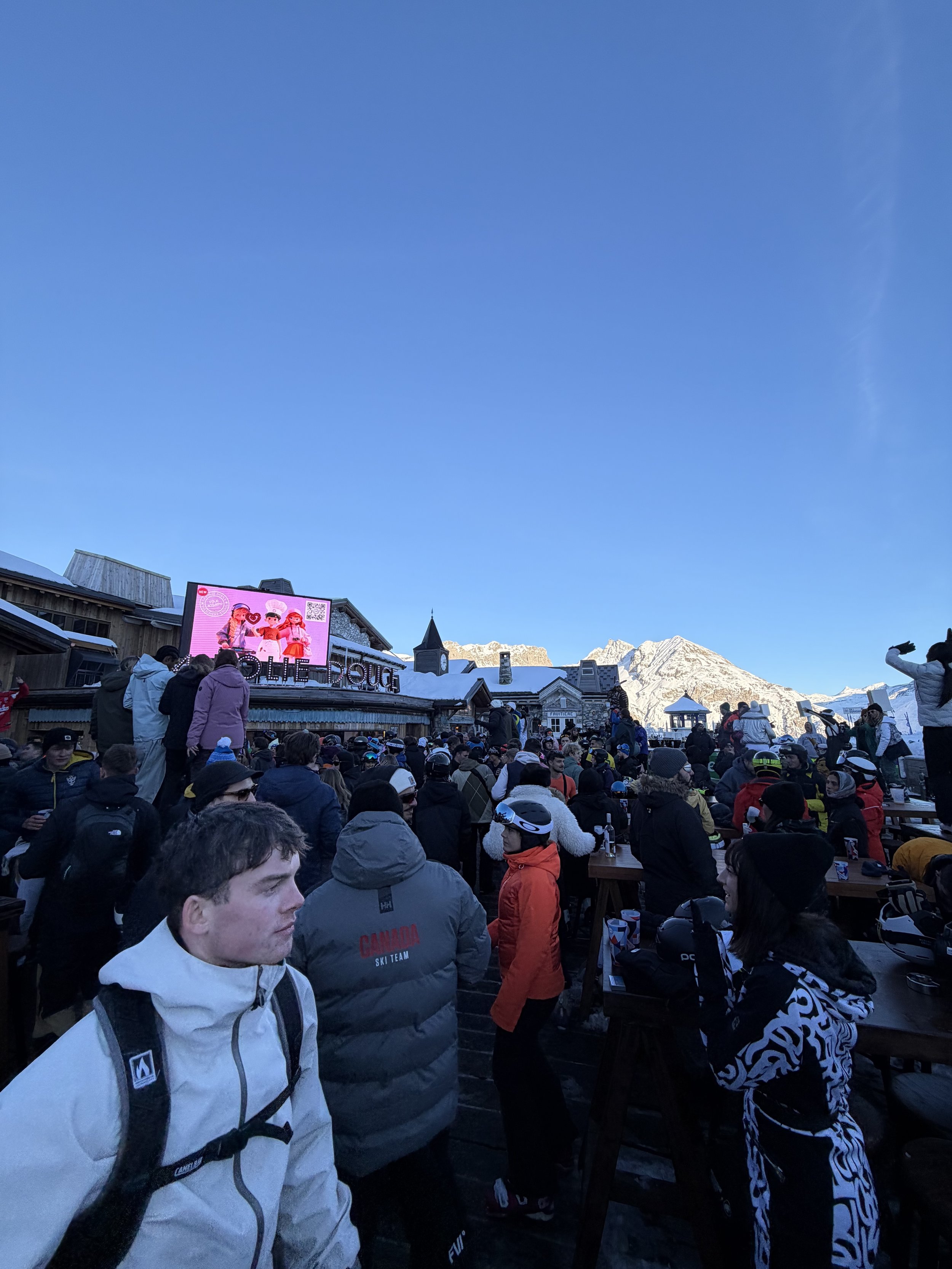
Courchevel après and lunch spots Lenni thinks are fun: Cap Horn, Bagatelle, LouLou, Chalet de Pierres (a great mountain lunch), and La Folie Douce in Méribel
Val d’Isère restaurant picks Lenni recommended: Le Garage, The XV, Fondue Factory, La Carrousel, and Le Panoramic (just for lunch).
Making Your Choice: Which Resort Fits Your Group?
Choose Courchevel if you:
Travel with mixed skiing abilities, especially beginners
Value ski-in/ski-out convenience and seamless logistics
Prefer Michelin dining and polished après-ski
Want the security of always having easy routes home
Enjoy exploring massive terrain
Seek the ultimate in chalet luxury and impeccable service
Want the most “handled” ski experience, with hotel-based fittings, ski valets, and ski school meet-ups that can start right in the hotel
Choose Val d'Isère if you:
Ski at intermediate level or above with confidence
Thrive on big-mountain energy and challenging terrain
Love lively après-ski that continues into the night
Appreciate authentic village character with modern luxuries
Want snow-sure conditions with high-altitude reliability
Value both luxury accommodations and genuine Alpine spirit
Care about top-tier service that feels personal and proactive, especially at properties like Airelles Val d’Isère, where Lenni felt “they don’t say no” and the concierge can truly move mountains
Practical Planning Details
Both resorts sit roughly 2-2.5 hours from Geneva or Lyon airports. Chambéry Airport offers closer access to Courchevel (90 minutes) and Val d'Isère (2 hours). Private transfers provide the most seamless journey, while helicopter transfers from Geneva deliver the ultimate arrival experience. Train connections run to nearby Bourg-Saint-Maurice or Moutiers, with private shuttle services completing the journey.
Best times to visit: February and March are often the safest all-around window, by then the snow base is typically well established, and March brings longer days with brighter, more springlike light. Both destinations are designed for snow reliability with high-altitude terrain. You can ski beautifully in December, but conditions are more variable week to week than mid-winter. April can still deliver great spring skiing; Courchevel typically closes in mid-to-late April (with some sectors closing earlier), while Val d’Isère commonly runs into early May.
Which French Alp destination is calling you?
For information on logistics and more get in touch with a KJT Advisor today!