
Quick Take
Mallorca is one of Spain’s most refined luxury destinations, offering far more than a traditional beach escape. The island brings together five-star hotels, private villas, historic villages, mountain scenery, excellent food and wine, boating, wellness, and a polished Mediterranean pace.
Its appeal is in the mix: Palma’s culture, the Serra de Tramuntana mountains, elegant countryside estates, private yacht days, vineyard visits, long lunches, and hotels that feel deeply connected to their surroundings.
Mallorca works beautifully for couples, families, multigenerational trips, retired travelers, and anyone looking for a softer, more layered way to experience Europe.
Mallorca Is More Than a Beach Destination
Mallorca has long been known for its coastline, but the island’s luxury appeal goes much deeper than the sea.
On a recent visit, Kate explored the island firsthand, from Palma and the Tramuntana mountains to its coastal hotels, private coves, and countryside escapes. Her time on the ground confirmed what makes Mallorca so special for luxury travelers: the island offers far more than one kind of experience.
This is an island where travelers can wake up in a restored fortress above the Mediterranean, spend the afternoon exploring stone villages in the mountains, and end the day with dinner in Palma’s historic old town. It is polished, scenic, and easy to enjoy, but it has many layers.
That is what makes Mallorca so compelling for discerning travelers. It does not rely on one thing. The island has beaches, yes, but it also has culture, food, wine, architecture, wellness, private estates, art, and some of the most beautiful hotel settings in the Mediterranean.
For travelers who have already done the Amalfi Coast, the South of France, Ibiza, or the Greek islands, Mallorca offers something slightly different. It can be lively, but it can also be quiet. It can be glamorous, but the best version of the island is more understated than flashy.
Palma: Culture, Design, Dining, and City Energy
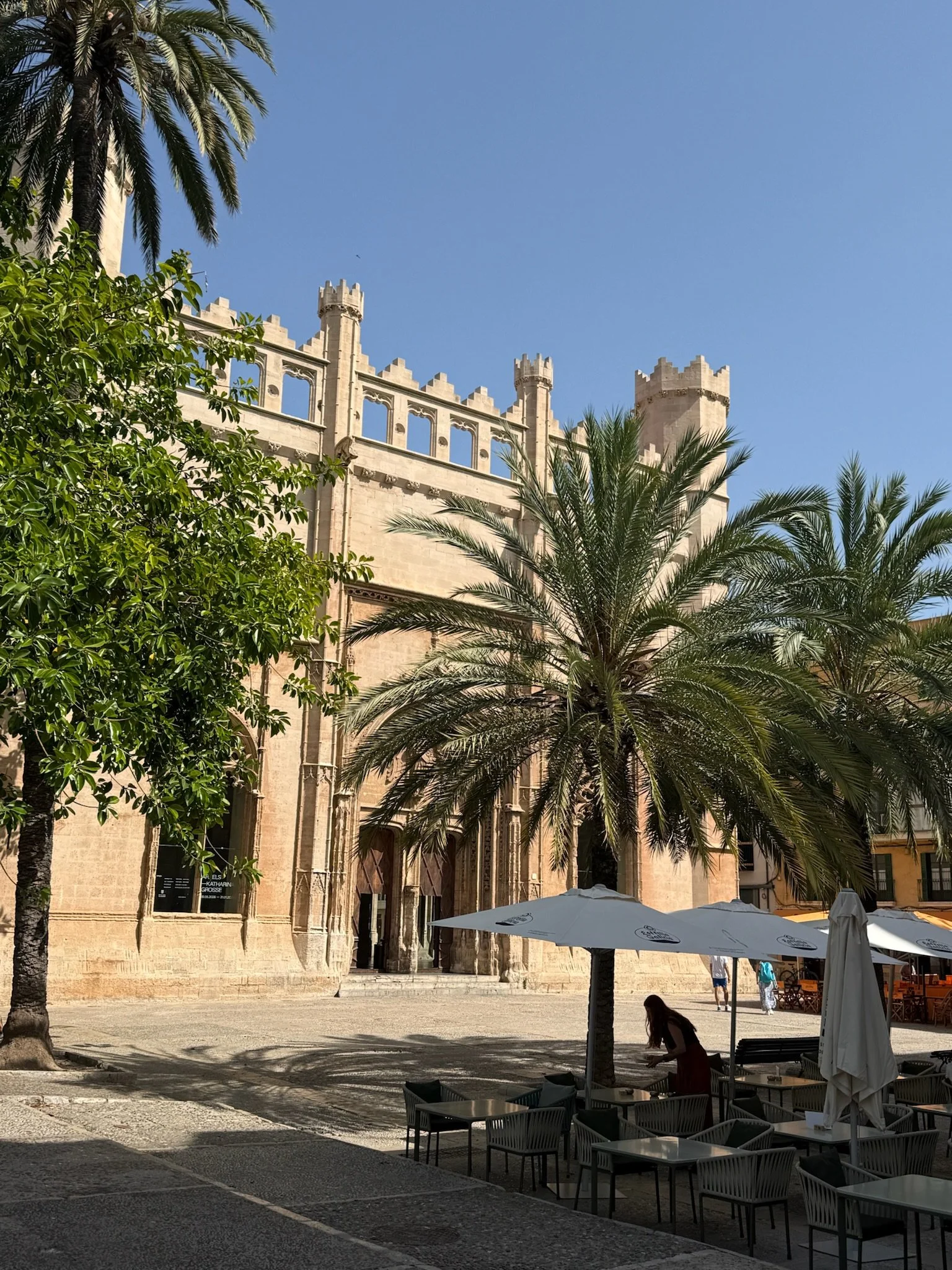
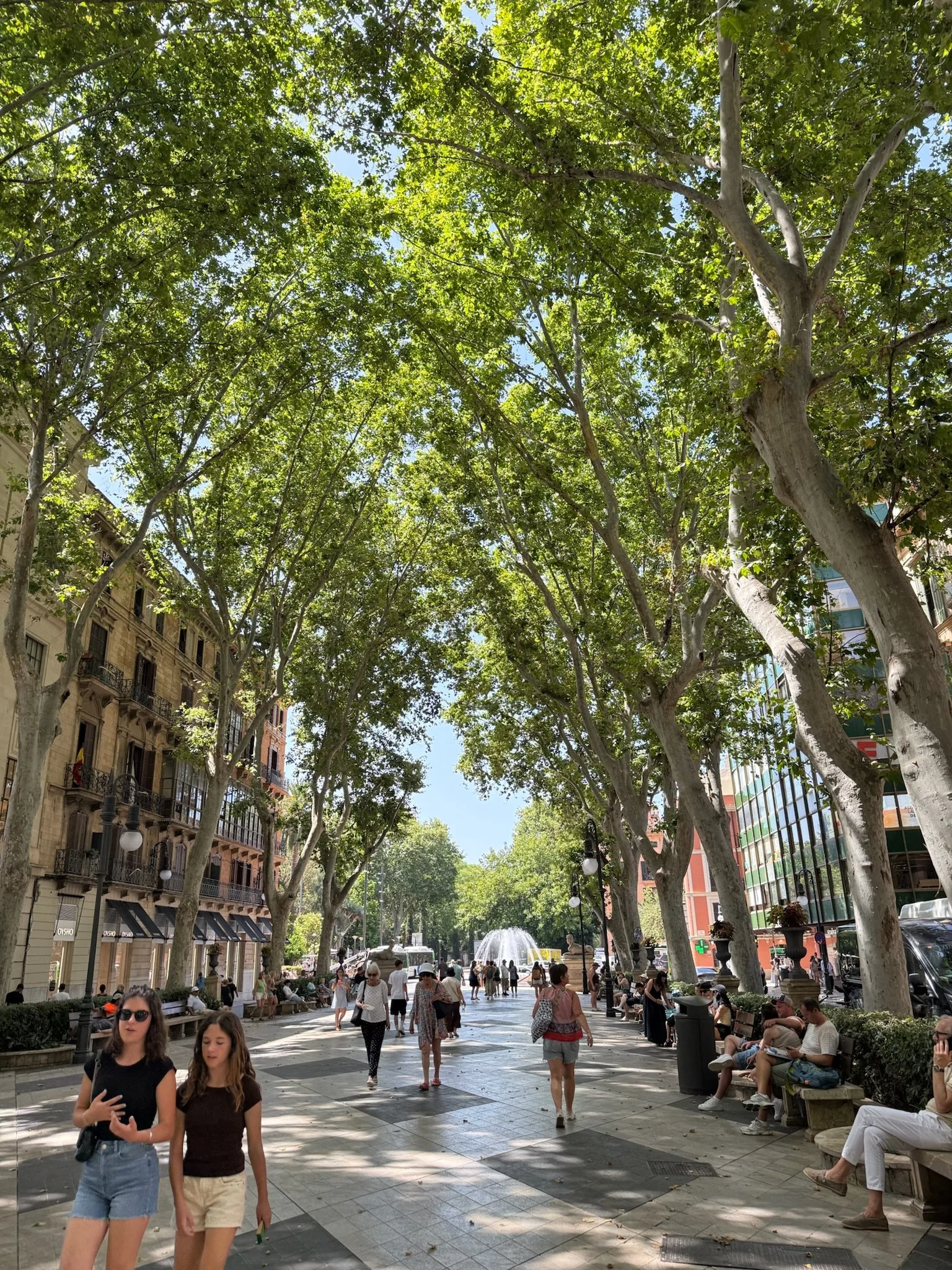
Palma is one of the reasons Mallorca stands apart from other island destinations. Many Mediterranean islands are centered almost entirely around beach towns and resorts. Mallorca has Palma, a real city with history, architecture, shopping, galleries, restaurants, and a beautiful waterfront.
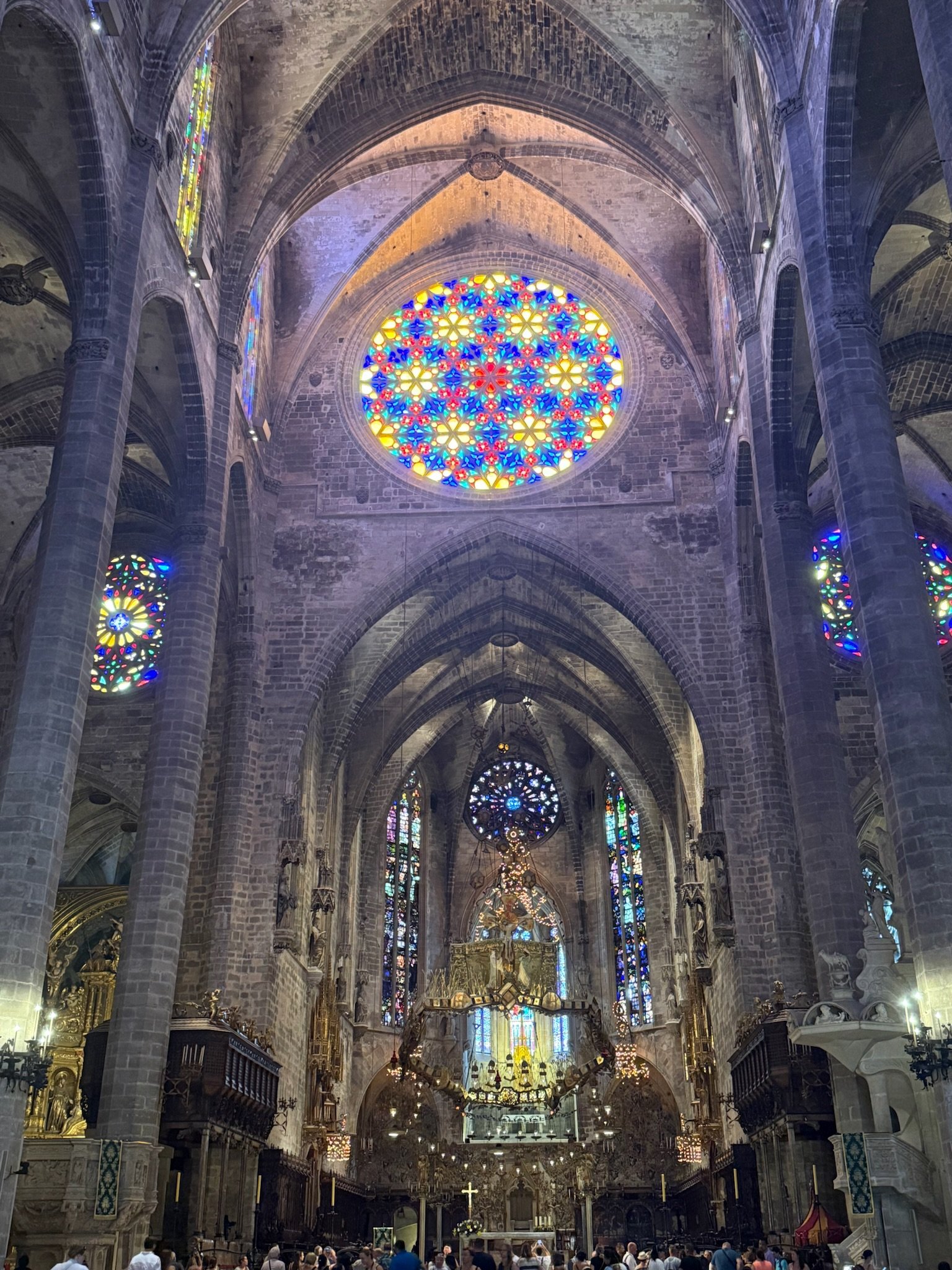
The Cathedral of Mallorca, also known as La Seu, is one of the island’s most important landmarks. Its position near the sea gives Palma an immediate sense of arrival, especially for travelers who love architecture and history. The city also offers sites such as Bellver Castle, La Almudaina Royal Palace, Es Baluard Museum of Modern and Contemporary Art, and Fundació Miró Mallorca.
For luxury travelers, Palma works especially well at the beginning or end of a trip. It gives clients access to restaurants, boutique shopping, private guiding, and a more cosmopolitan side of the island before moving into the mountains, countryside, or coast.
Palma is also a strong fit for couples and retired travelers who want culture and walkability. It is easy to design a day around a private guide, a cathedral visit, a gallery stop, lunch in the old town, and time for shopping or a spa treatment.
The Serra de Tramuntana: Mallorca’s Most Beautiful Landscape
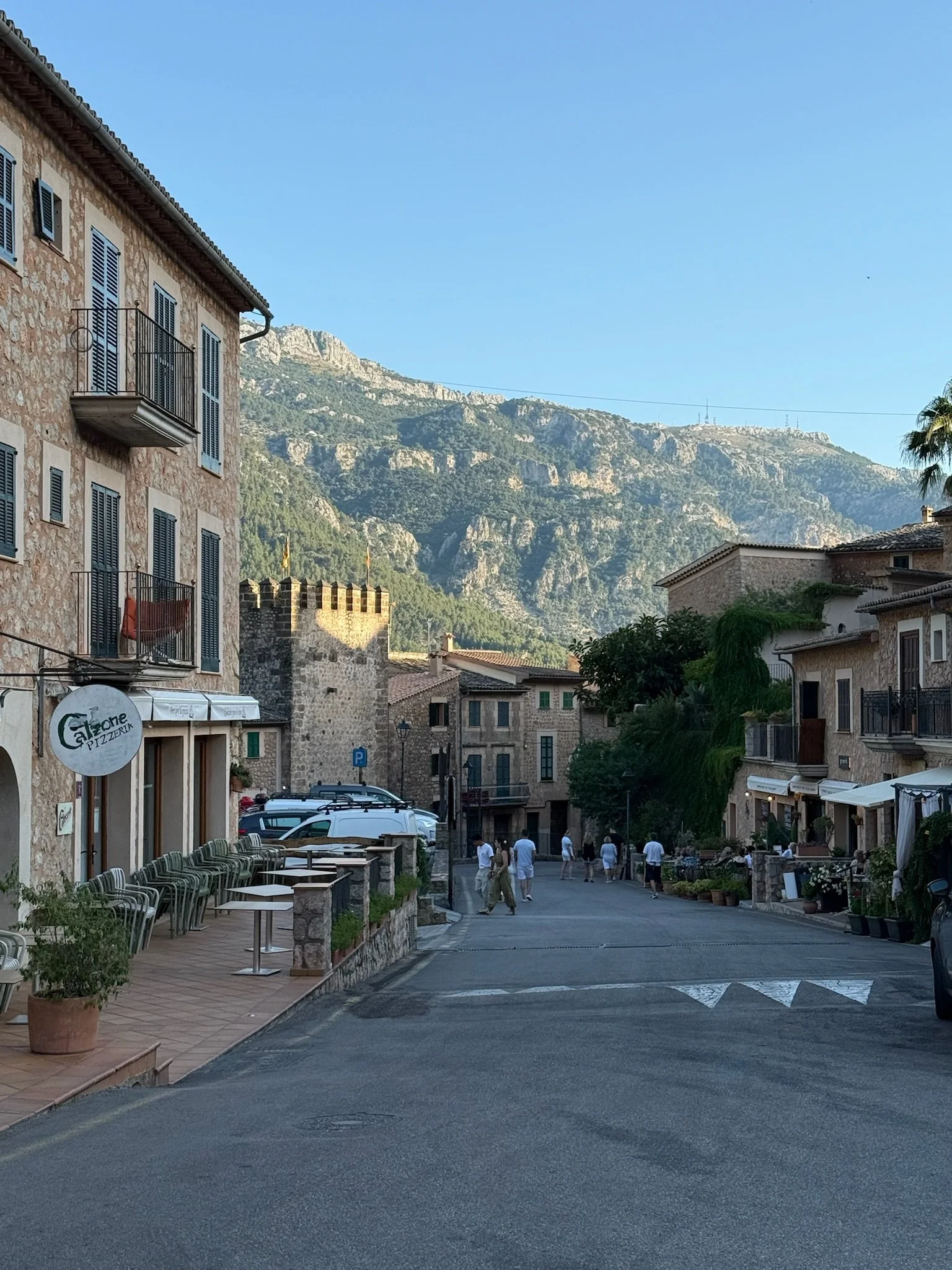
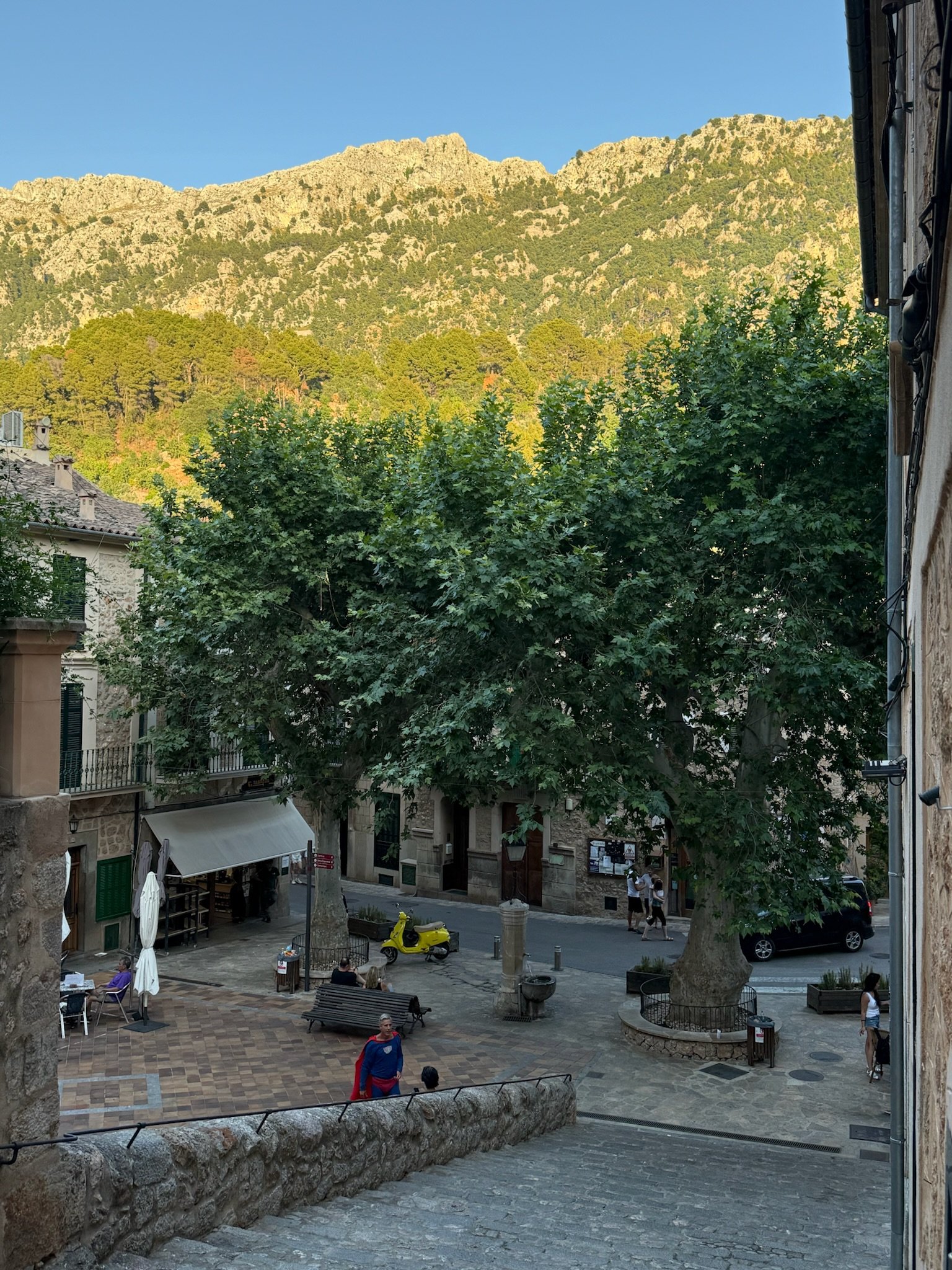
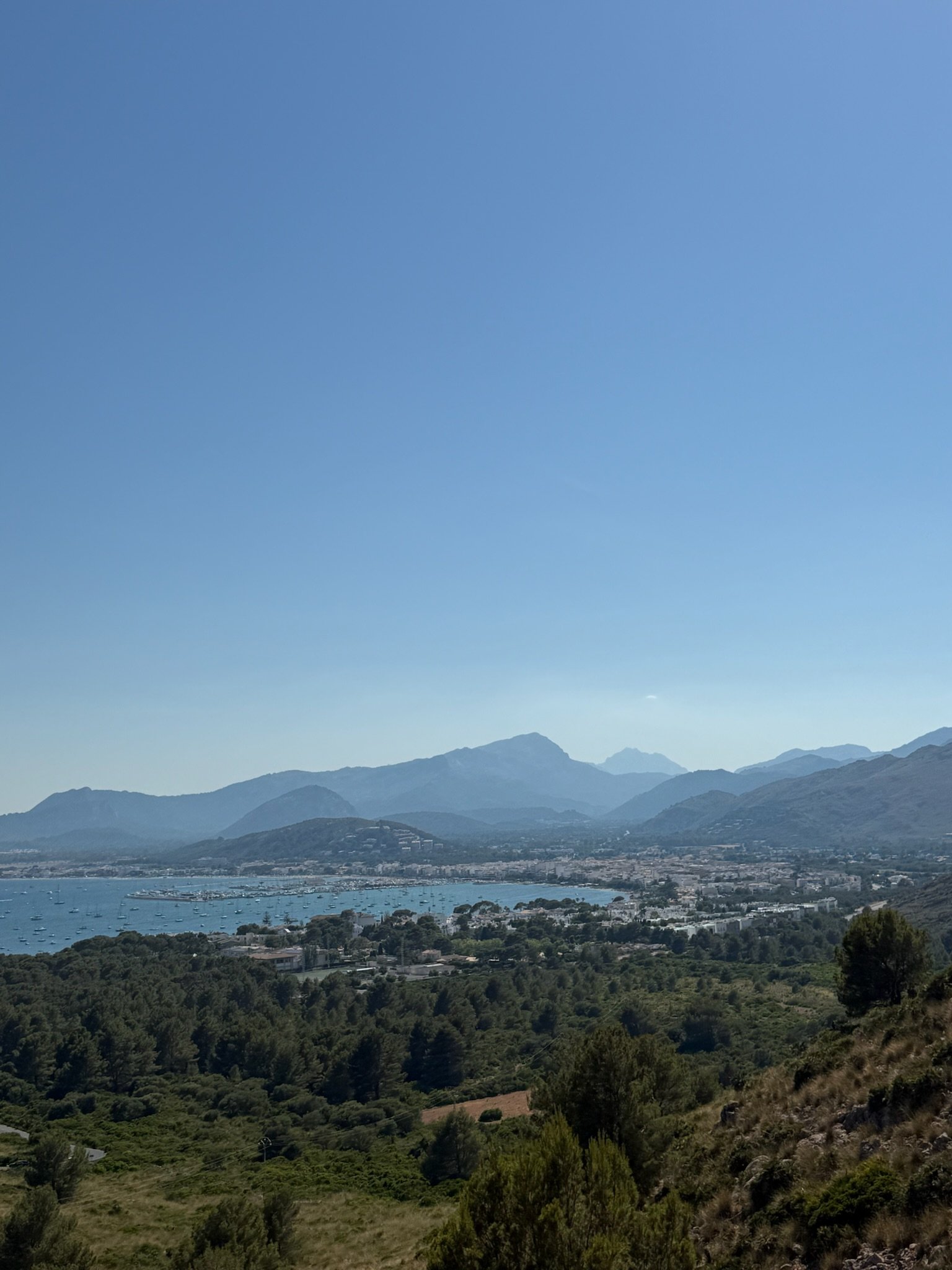
This mountain range runs along the island’s northwest coast and gives Mallorca much of its drama: cliffs, terraces, olive groves, winding roads, sea views, and small stone villages that feel far removed from the busier areas.
Here is where you'll find places like Deià, Valldemossa, Sóller, Fornalutx, and Banyalbufar. Each has its own character, but together they create one of the most atmospheric parts of the island.
This part of Mallorca is especially strong for couples, empty nesters, active travelers, and anyone who wants a quieter luxury experience. It is also ideal for travelers who want their hotel to feel like part of the destination, not just a place to sleep.
Where to Stay: Mallorca’s Luxury Hotel Scene
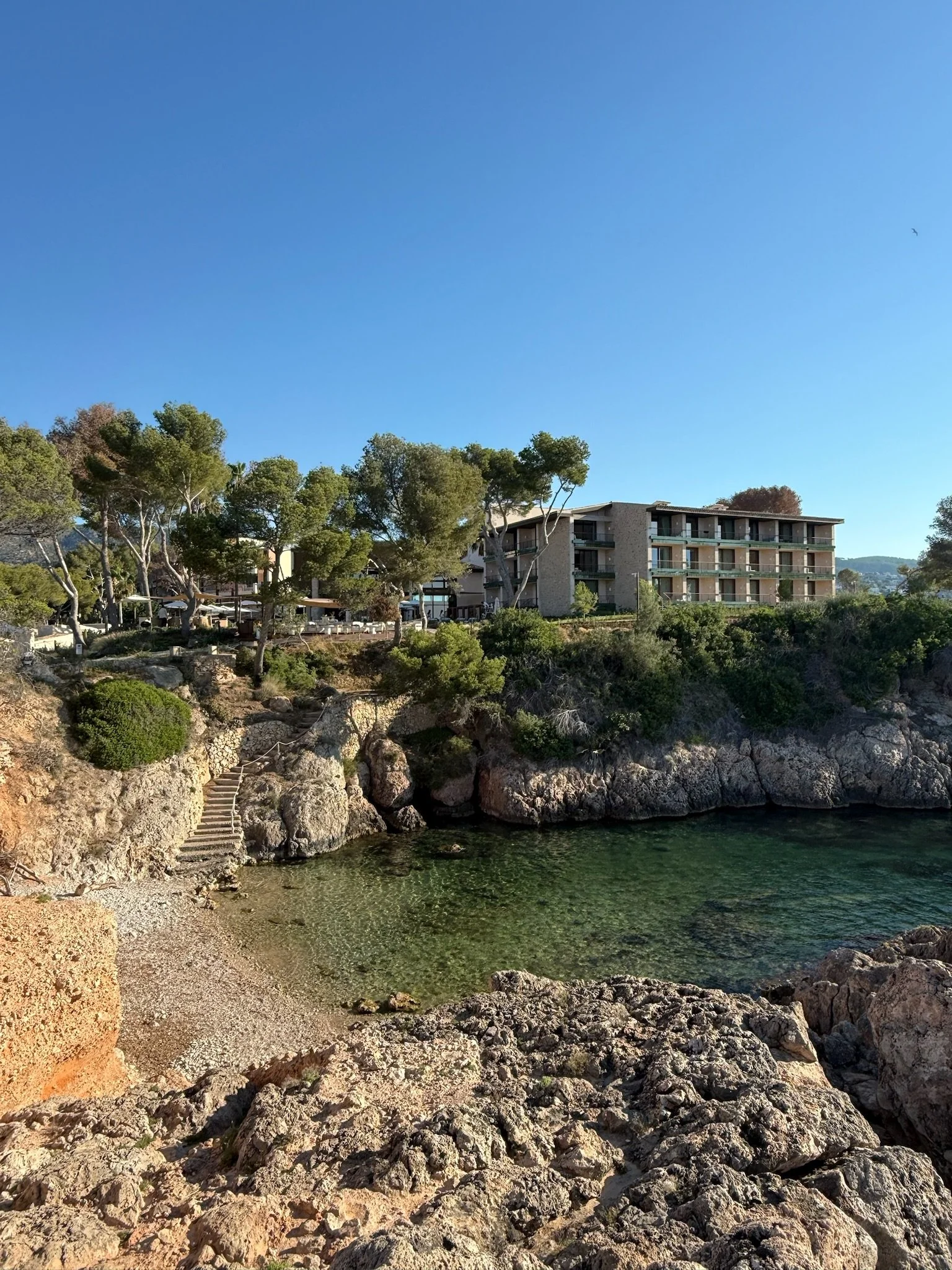
Mallorca’s hotel scene has become one of the strongest in Spain. The island now offers a wide range of luxury stays, from grand coastal resorts to intimate countryside hotels.
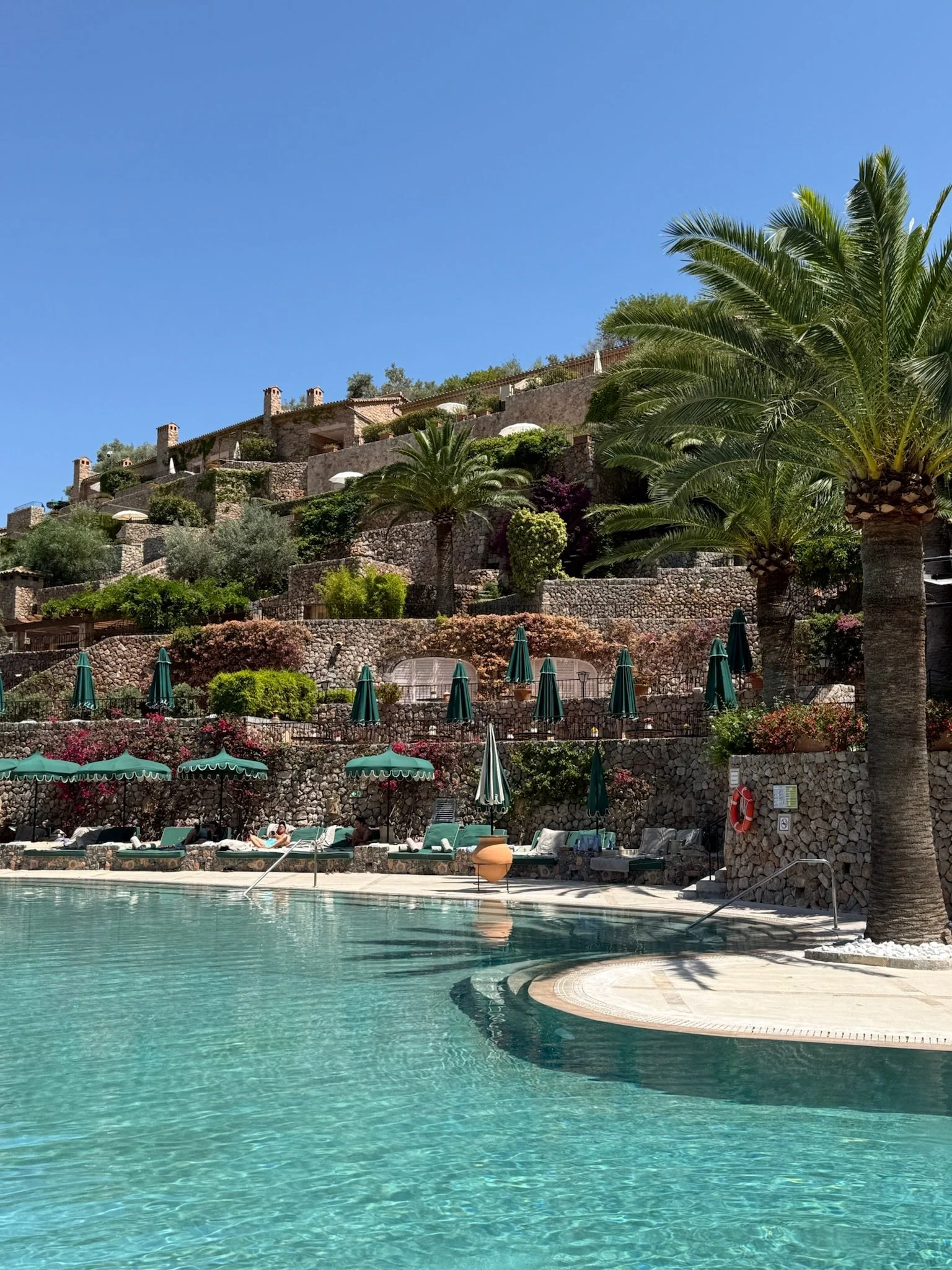
For a mountain village experience, Belmond La Residencia in Deià remains one of the island’s most iconic luxury hotels. It is surrounded by the Tramuntana landscape and works beautifully for travelers who want art, village life, gardens, and a softer Mediterranean rhythm.
For a coastal stay, Cap Rocat offers something very different. Set in a restored fortress overlooking the Bay of Palma, it is one of the island’s most distinctive luxury hotels. This is a strong match for couples who want privacy, sea views, and a sense of retreat.
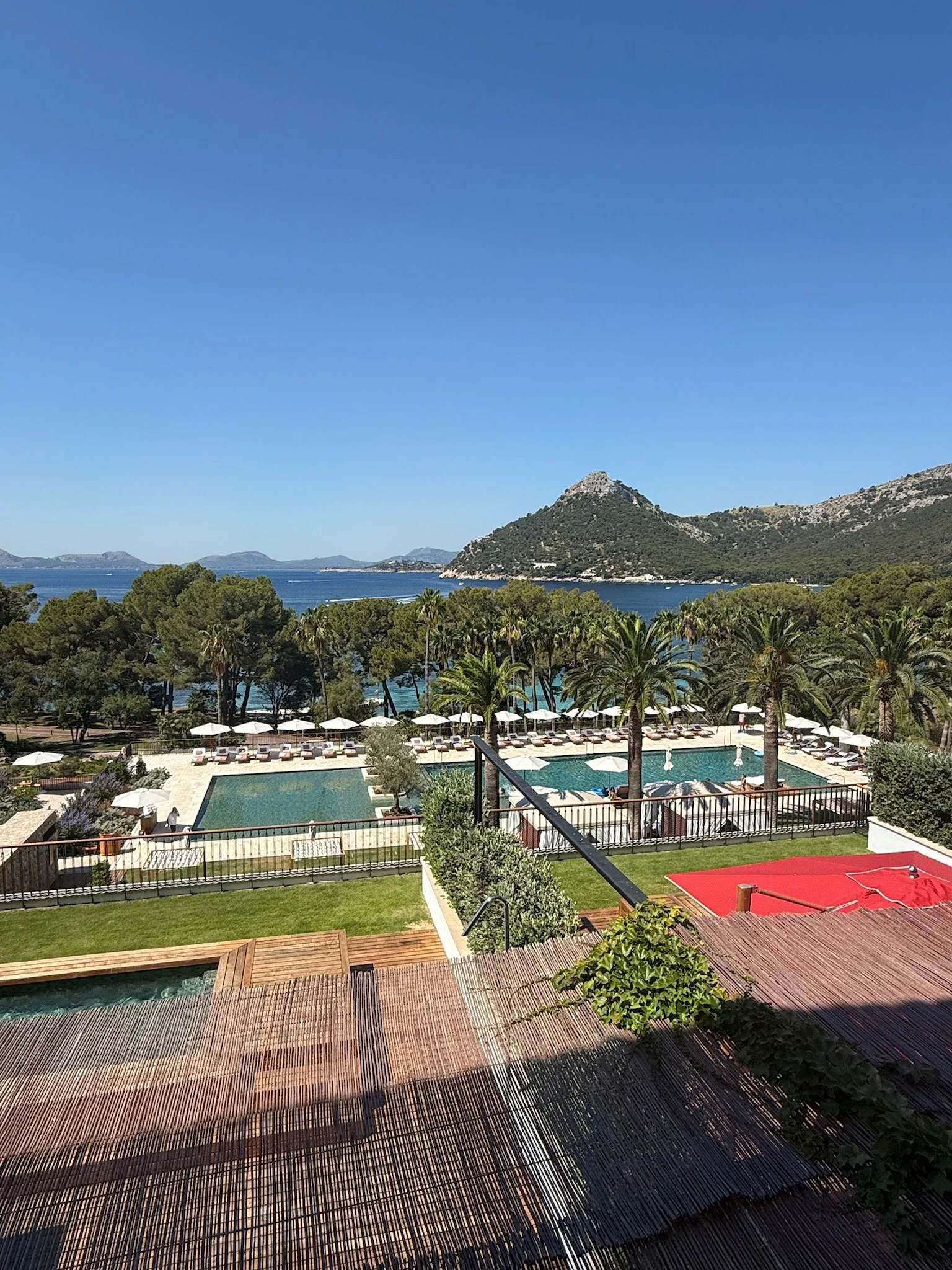
Four Seasons Resort Mallorca at Formentor brings a major global luxury name to one of the island’s most storied coastal settings. Formentor has long been one of Mallorca’s most beautiful corners, and the Four Seasons presence adds a new level of service and international appeal.
Mandarin Oriental Punta Negra is also an important addition to the island’s luxury hotel landscape, with its first Mallorca resort set on the Mediterranean in the southwest. For travelers who love wellness, polished service, sea views, and resort-style ease, this part of the island will be worth watching closely.
Food, Wine, and the Joy of Slow Lunches
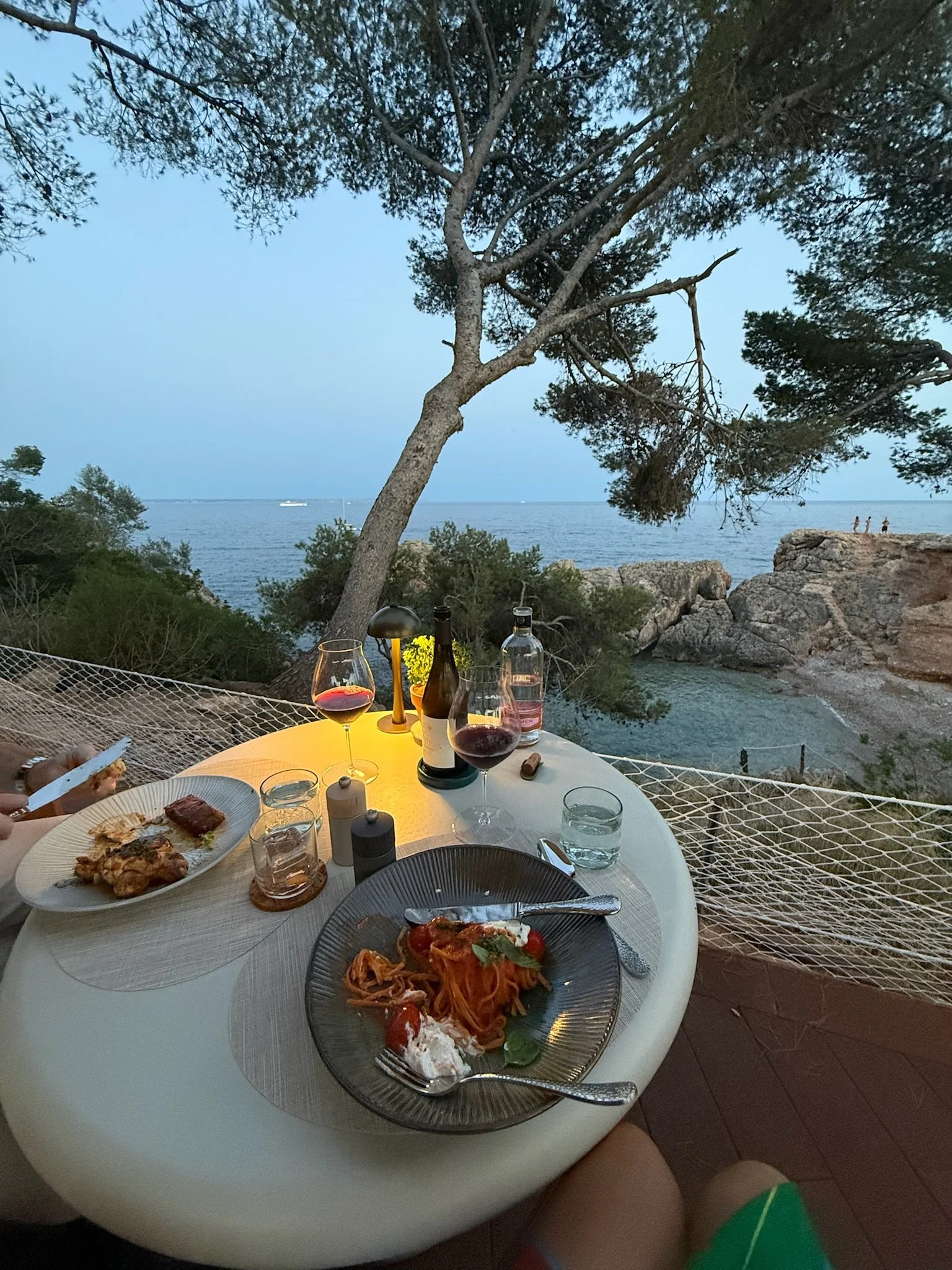
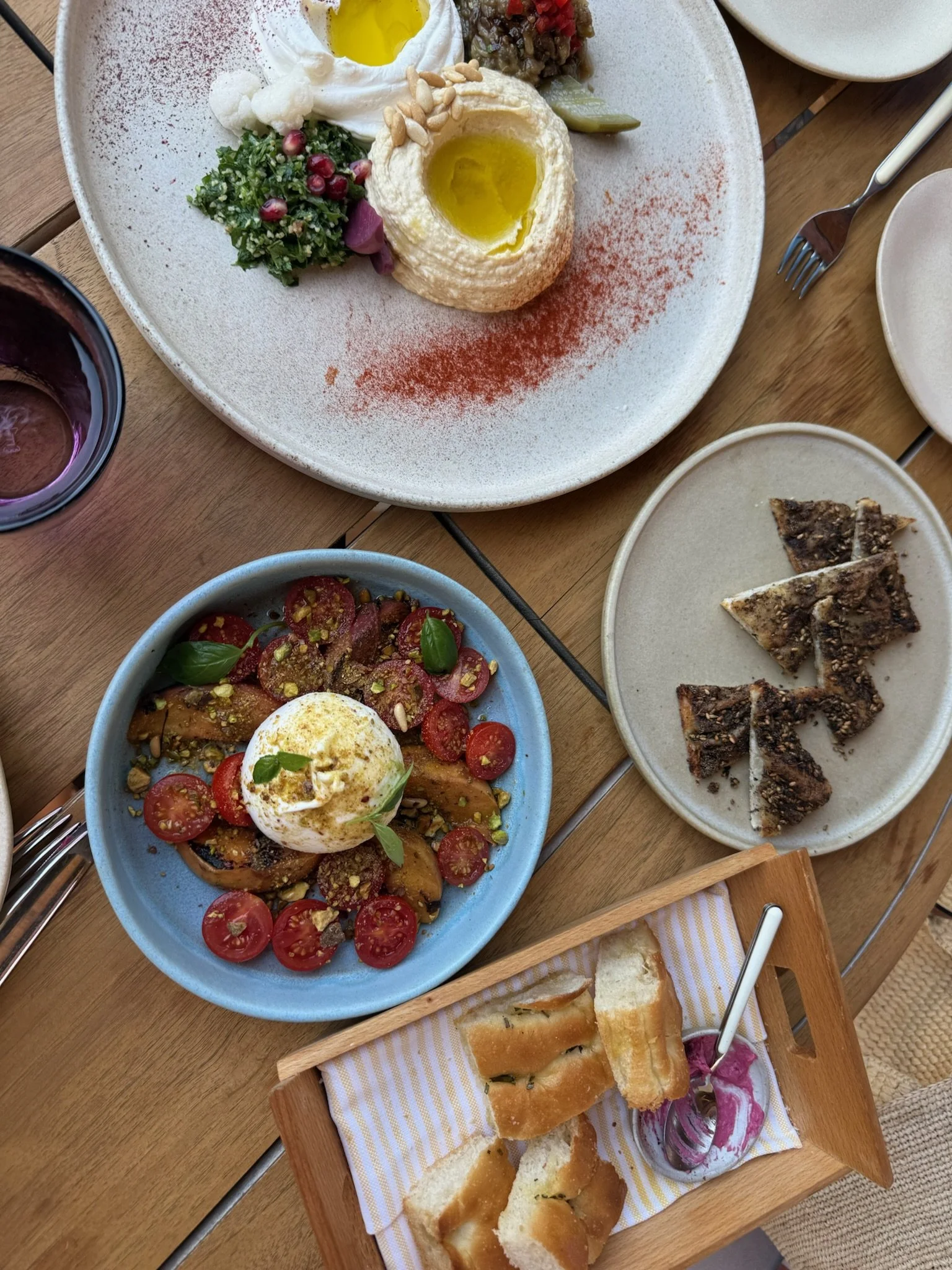
Mallorca is a wonderful destination for food and wine travelers. The island’s dining scene ranges from simple seaside restaurants to Michelin-recognized experiences, with Palma and the surrounding areas offering many of the strongest options.
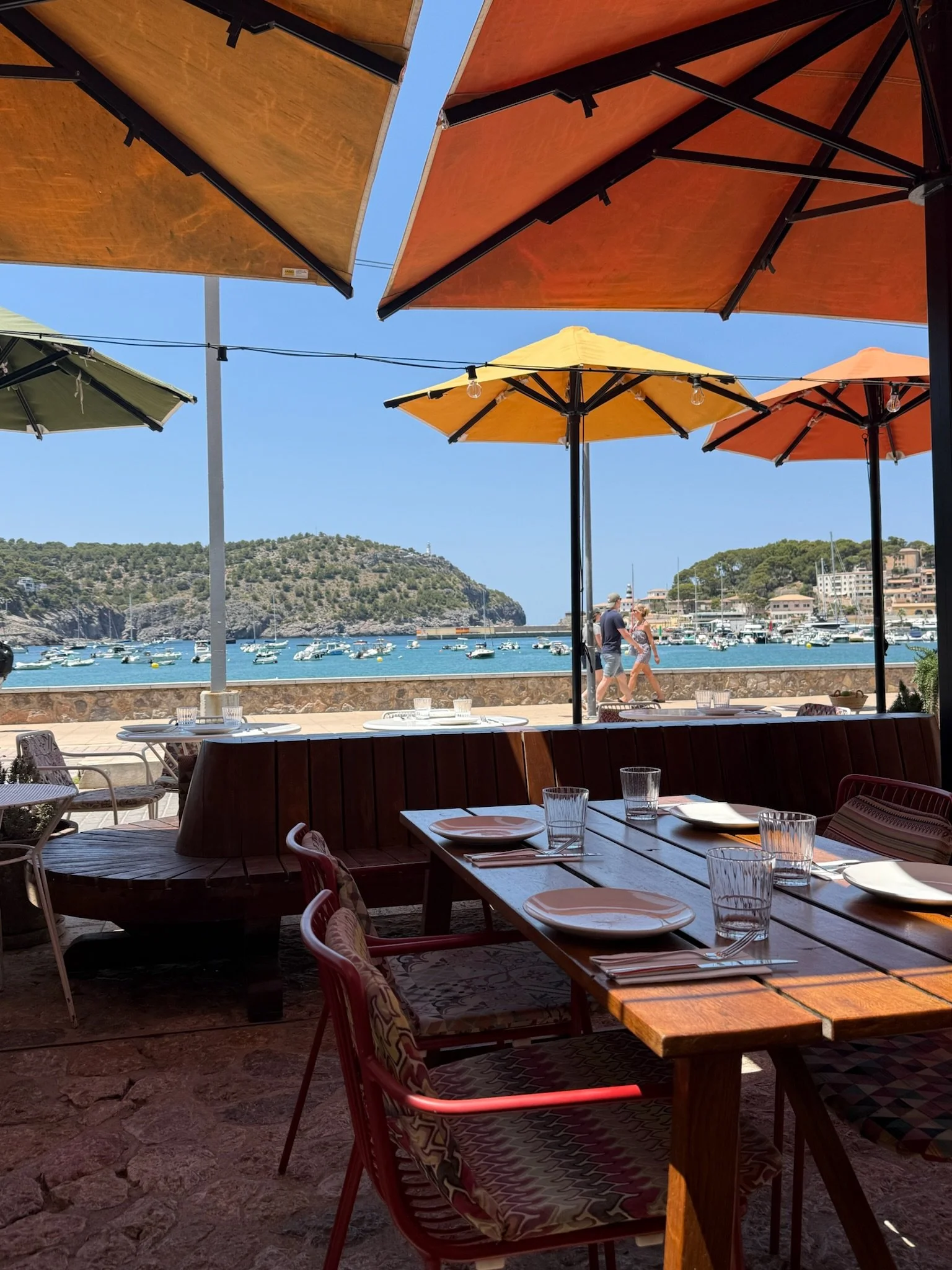
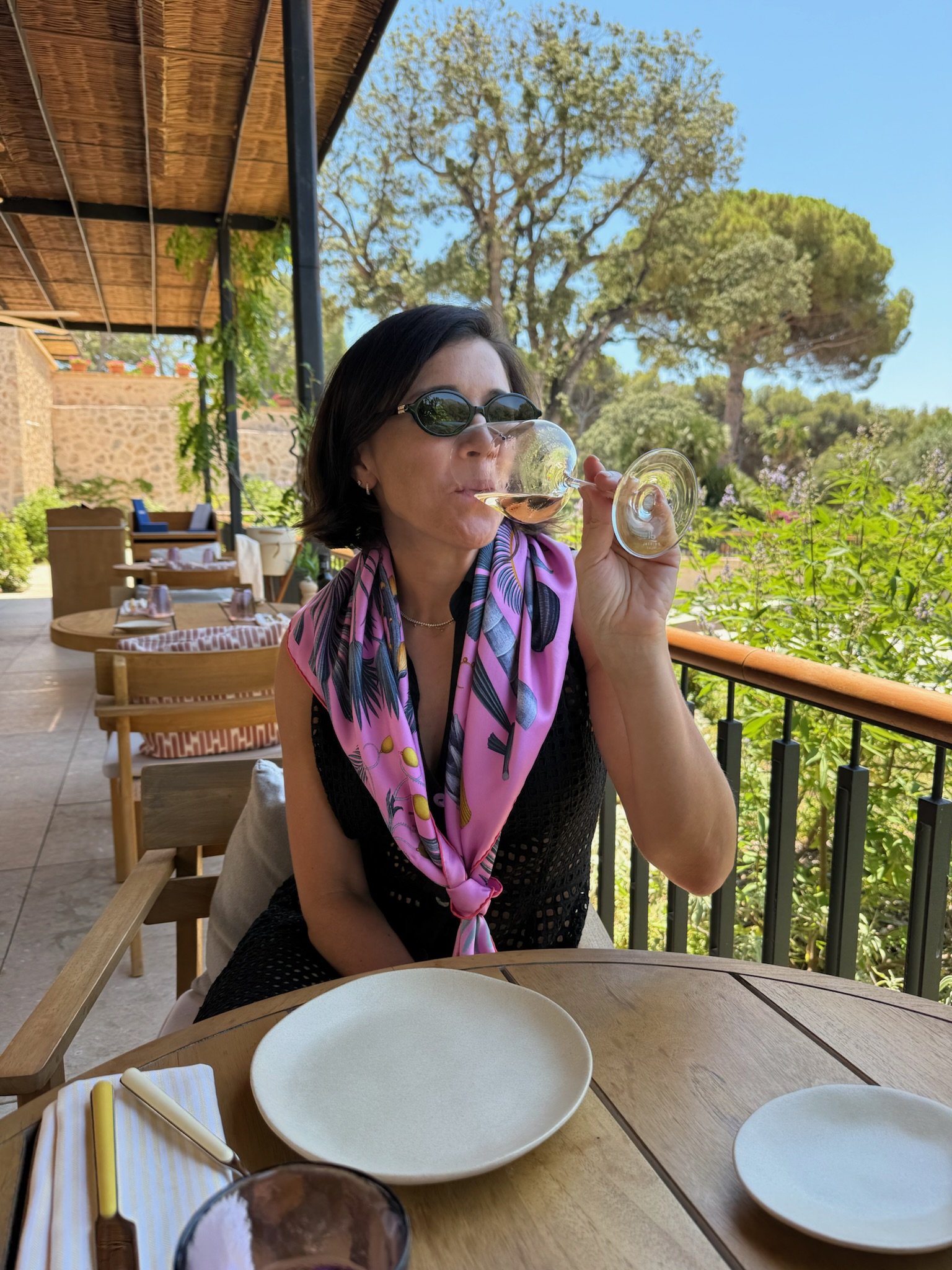
The food culture is rooted in local ingredients: seafood, olive oil, citrus, almonds, vegetables and traditional Mallorcan dishes. For luxury travelers, the best dining moments are often the ones that feel relaxed and well placed. A long lunch after a private boat morning. A countryside meal after visiting a village. A special dinner in Palma after a day of sightseeing.
Mallorca also has a meaningful wine and olive oil culture. The Binissalem wine region, located in the heart of the island and protected by the Serra de Tramuntana, is known for native grape varieties. Wine and olive oil experiences can be a beautiful way to add experiences to an itinerary, especially for clients who want something more local than another beach day.
For retired travelers, couples, and food-focused families, these experiences can be some of the most memorable parts of the trip.
Boating, Beach Clubs, and the Coastline
Mallorca’s beaches and coves are still a major part of its appeal.
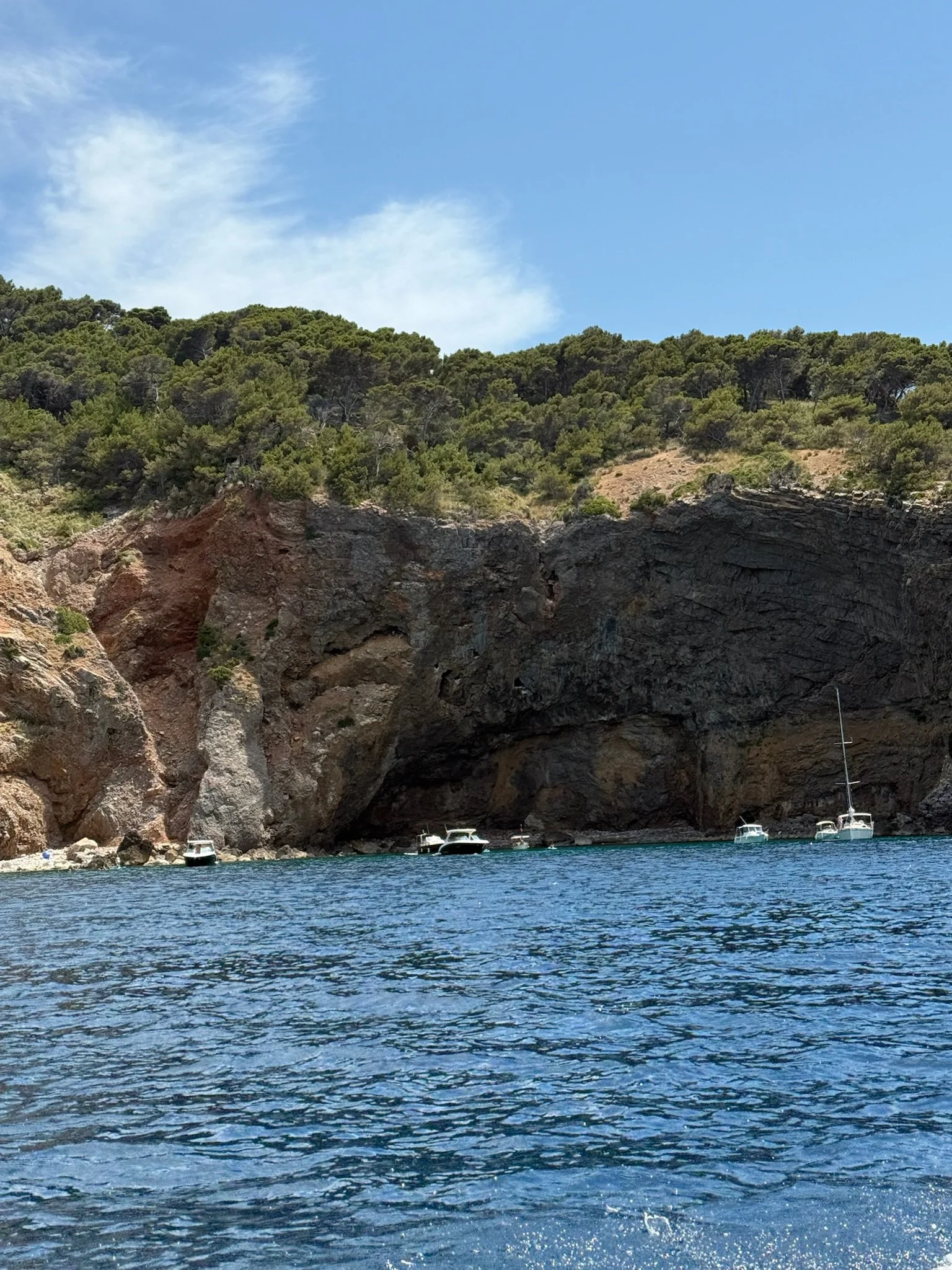
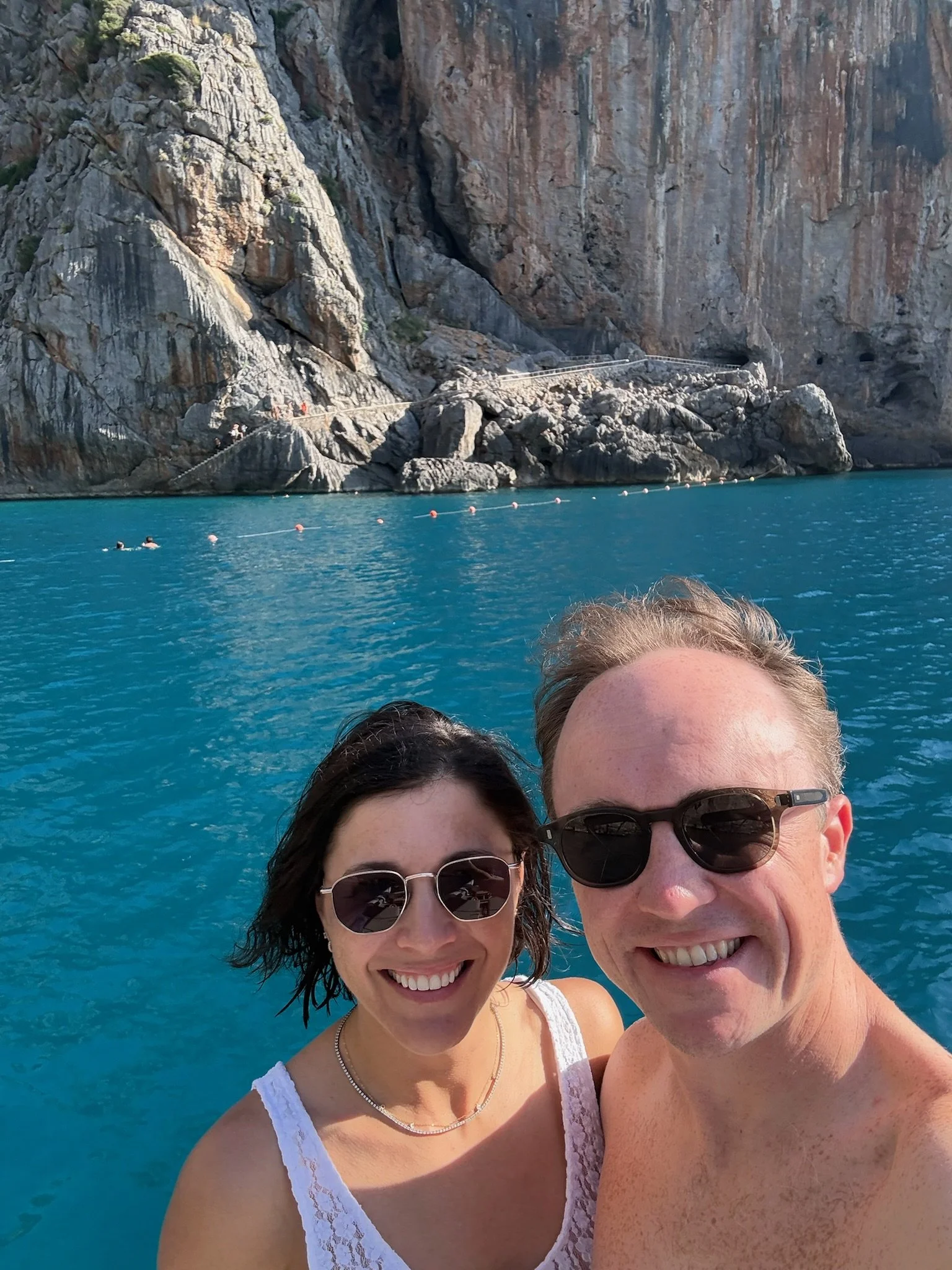
A private boat day is often the best way to enjoy the island’s coastline. It allows travelers to reach quieter coves, swim in clear water, avoid the most crowded beaches, and enjoy the coast at their own time and pace. A well-planned boat day can include a captain, lunch reservations, swim stops, towels, drinks, and a route designed around weather and sea conditions.
Beach clubs can also be part of the experience, but they should be chosen carefully. Some are lively and social, while others are more relaxed.
The advisor’s role is especially important here. Mallorca has many coastal options, but not every beach or beach club will match a client’s expectations.
Who Mallorca Is Best For
Mallorca is an excellent choice for couples who want romance, scenery, food, and beautiful hotels without a trip that feels overly busy.
It works well for families because the island offers beaches, boating, villas, larger hotel accommodations, easy day trips, and enough variety of activities for different ages.
It is a natural fit for multigenerational travel because grandparents can enjoy culture, lunches, and scenery while children and teens have access to swimming, boating, and outdoor activities.
It is also a wonderful destination for retired travelers and empty nesters. The island can be explored slowly, with private drivers, excellent hotels, cultural touring, vineyard visits, and time to enjoy the setting.
Best Time to Visit Mallorca
The best months for a Mallorca trip are usually May, June, September, and early October. These months offer a beautiful balance of warm weather, strong hotel experiences, and a more comfortable pace.
July and August are popular, especially for families tied to school calendars. These months can still be wonderful, but the island is busier. Hotels, villas, boats, restaurants, guides, and beach clubs should be arranged well in advance.
Spring is excellent for hiking, cycling, culture, and countryside stays. Fall is especially lovely for couples, food and wine travelers, and clients who want warm weather without the peak summer energy. It is also one of the reasons a fall trip to Europe can be such a strong option for luxury travelers.
The KJ Travel Take
As many other destinations, Mallorca rewards thoughtful planning. For luxury travelers, that might mean time on the water, a few days in Palma, a quiet stay in the Tramuntana mountains, a private vineyard lunch, or a hotel that feels like part of the landscape. When planned well, Mallorca feels effortless, elegant, and deeply connected to place.
Ready to plan a luxury trip to Mallorca? KJ Travel can design a custom itinerary with the right hotels, private guides, restaurant reservations, private yacht days, and insider experiences from start to finish. Time to get in touch with a KJ Travel Advisor.
FAQs About Luxury Travel to Mallorca
Is Mallorca a good luxury destination?
Yes. Mallorca is one of Spain’s strongest luxury destinations, with five-star hotels, private villas, fine dining, yacht charters, wellness, historic villages, cultural sites, and beautiful scenery. It works especially well for travelers who want a Mediterranean island with more depth than a beach-only vacation.
Is Mallorca better for couples or families?
Mallorca works well for both. Couples may prefer Palma, Deià, Cap Rocat, Belmond La Residencia, or a quieter countryside stay. Families may prefer a villa, a resort with more space, or a coastal base with easy access to beaches and boating.
What is the best area to stay in Mallorca?
It depends on the traveler. Palma is best for culture, restaurants, and shopping. Deià and the Tramuntana mountains are best for scenery, romance, hiking, and village life. The southwest is strong for resort stays, yachting, golf, and beach clubs. The north and countryside are better for travelers who want a quieter, more local experience.
When is the best time to visit Mallorca?
May, June, September, and early October are often the best months for a luxury trip. July and August are popular and can be wonderful for families, but they are busier and require more advance planning.
Is Mallorca too crowded in summer?
Mallorca is busy in July and August, especially in popular beach areas and villages. With the right hotel, private transfers, restaurant planning, boat days, and curated experiences, summer can still feel polished and enjoyable.
Can Mallorca be paired with Barcelona or Madrid?
Yes. Mallorca pairs very well with Barcelona or Madrid. Many luxury travelers combine a city stay with five to seven nights on the island.