Why San Sebastián May Be Europe's Most Underrated Summer Destination.

Quick Take

When luxury travelers think about summer in Europe, destinations like the French Riviera, Amalfi Coast, Mallorca, and Mykonos often dominate the conversation. Yet along Spain's northern coast lies a destination that quietly delivers many of the same pleasures with a distinctly different atmosphere.

San Sebastián combines world-class gastronomy, elegant seaside living, luxury hotels, rich culture, and stunning natural beauty within a city that remains refreshingly authentic. While its reputation among food lovers is well established, it still flies under the radar compared to many of Europe's most famous summer destinations.

For discerning travelers seeking a sophisticated coastal escape without the overt scene of the Mediterranean's busiest hotspots, San Sebastián may be one of Europe's most rewarding summer destinations.

A Different Kind of European Summer

Unlike many of Southern Europe’s most famous summer destinations, San Sebastián offers a more relaxed and refined atmosphere.

Located in Spain’s Basque Country along the Bay of Biscay, the city blends elegant Belle Époque architecture, golden beaches, and a deeply rooted culinary culture. It has long been favored by Spanish royalty, helping shape the sophisticated character that still defines the city today.

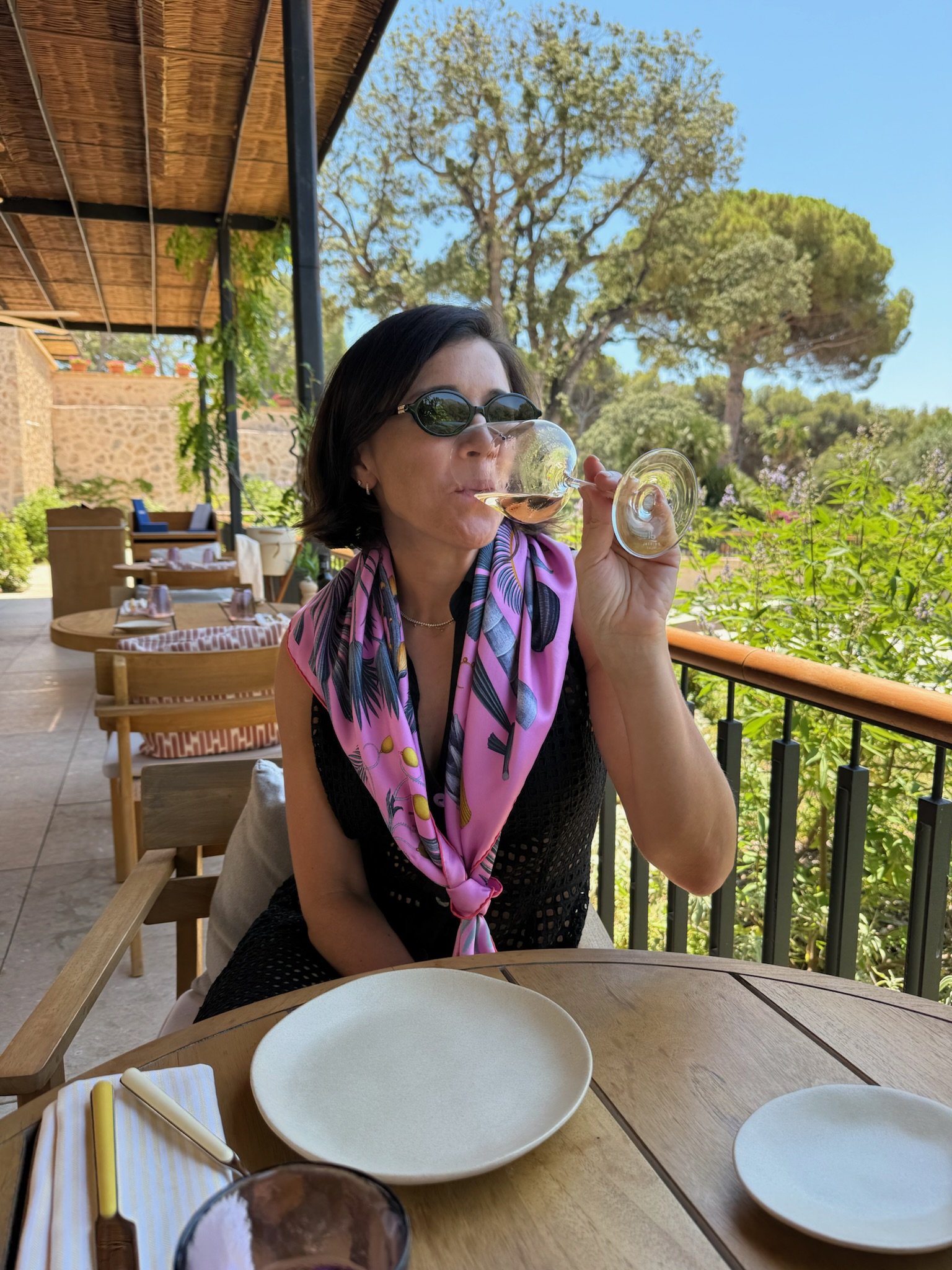
On a recent visit, Chelsea, one of our KJ Travel advisors, experienced firsthand what makes San Sebastián such a compelling summer destination. Beyond the city’s reputation for exceptional food, what stood out was its balance: the ability to enjoy beautiful coastal scenery, rich culture, and elevated dining while still feeling connected to a real, lived-in place.

That balance is what makes San Sebastián particularly appealing for luxury travelers. Visitors can enjoy world-class dining, beautiful beaches, and cultural experiences without sacrificing authenticity.

The city feels lived-in rather than designed purely for tourism.

One of the World's Great Food Destinations

For many travelers (especially the foodie ones), San Sebastián's culinary scene alone justifies the journey.

The city and surrounding region are home to one of the highest concentrations of Michelin-starred restaurants in the world.

Yet San Sebastián's greatest culinary strength may be that extraordinary dining exists at every level.

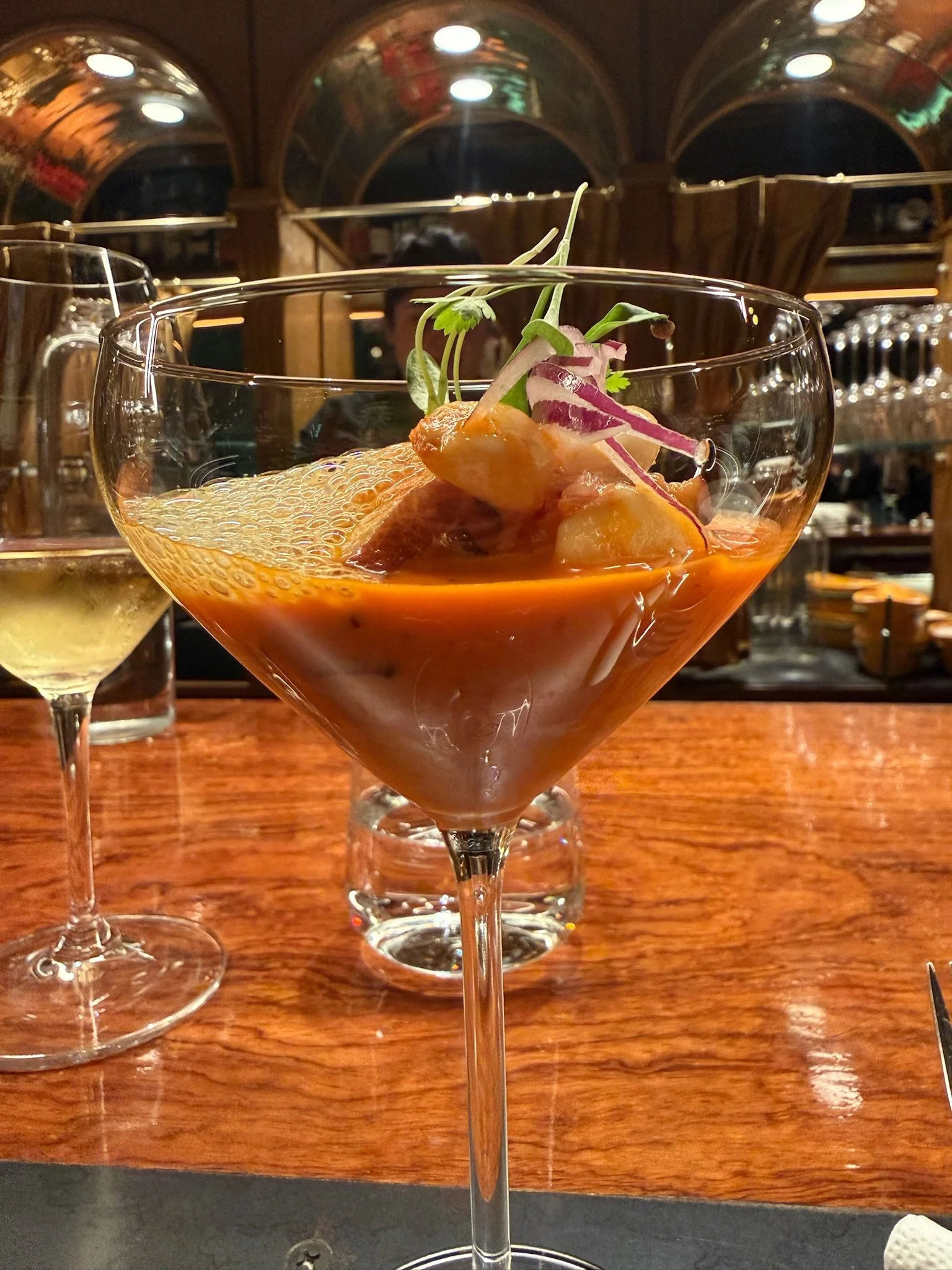
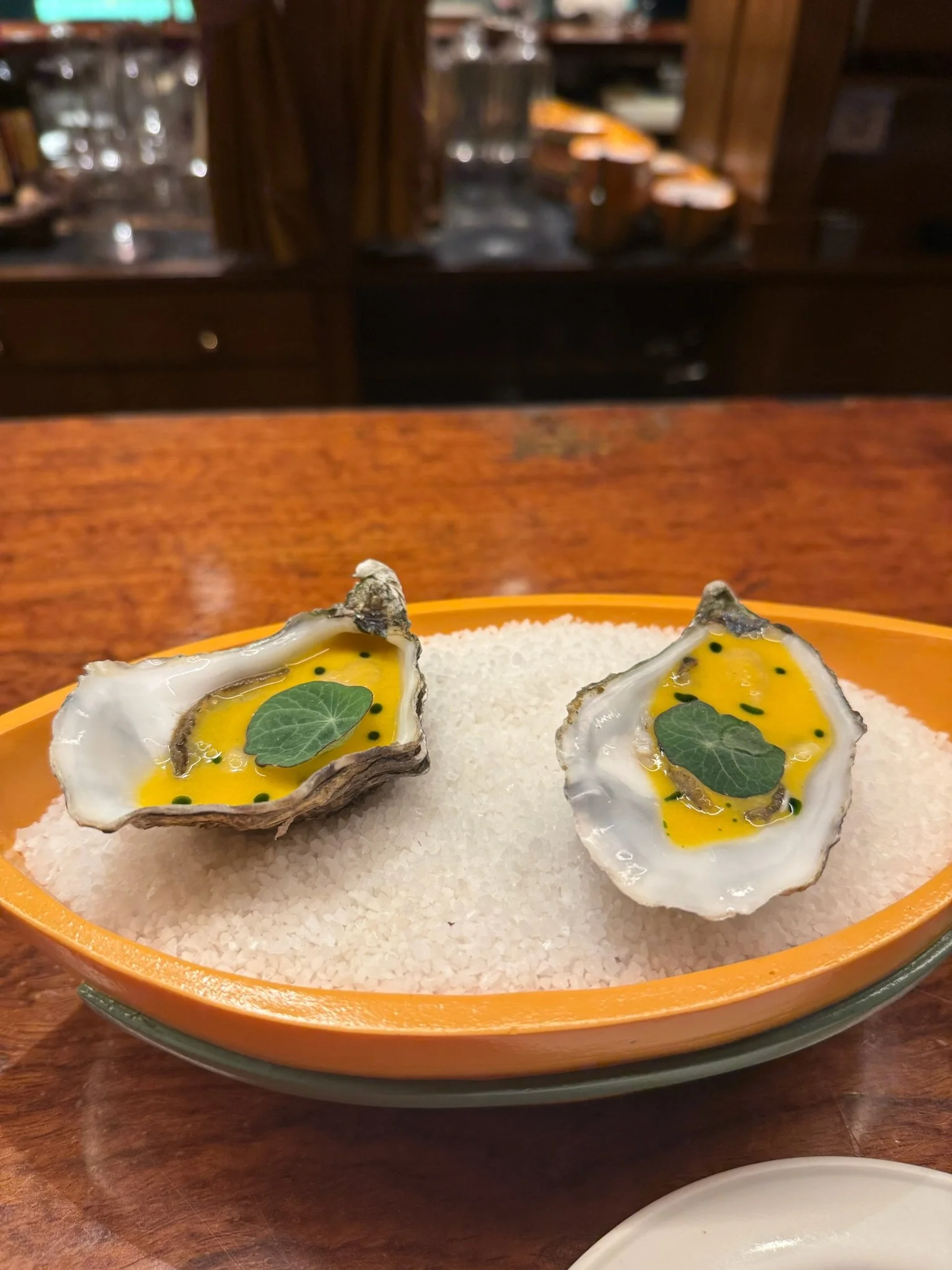
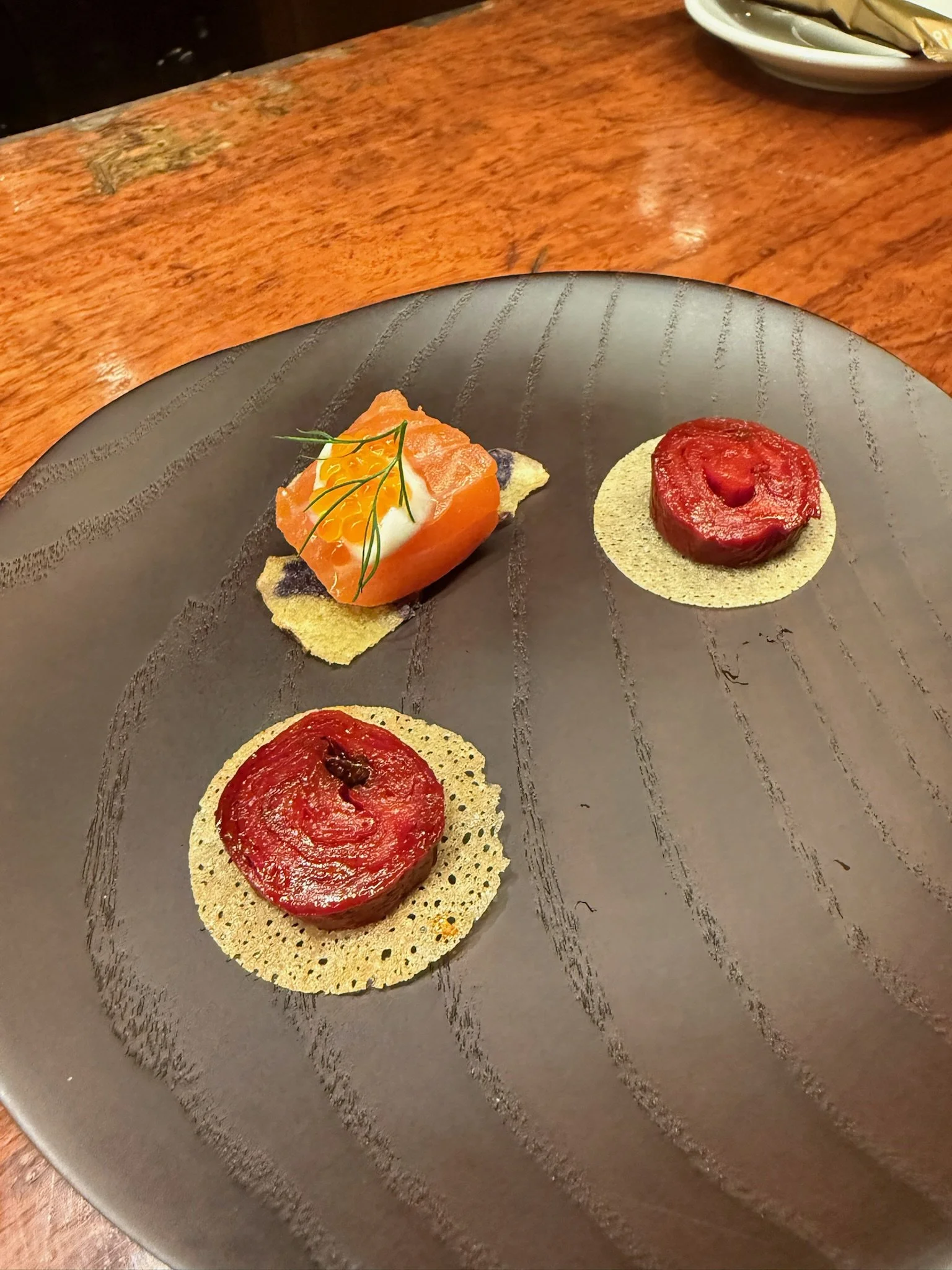
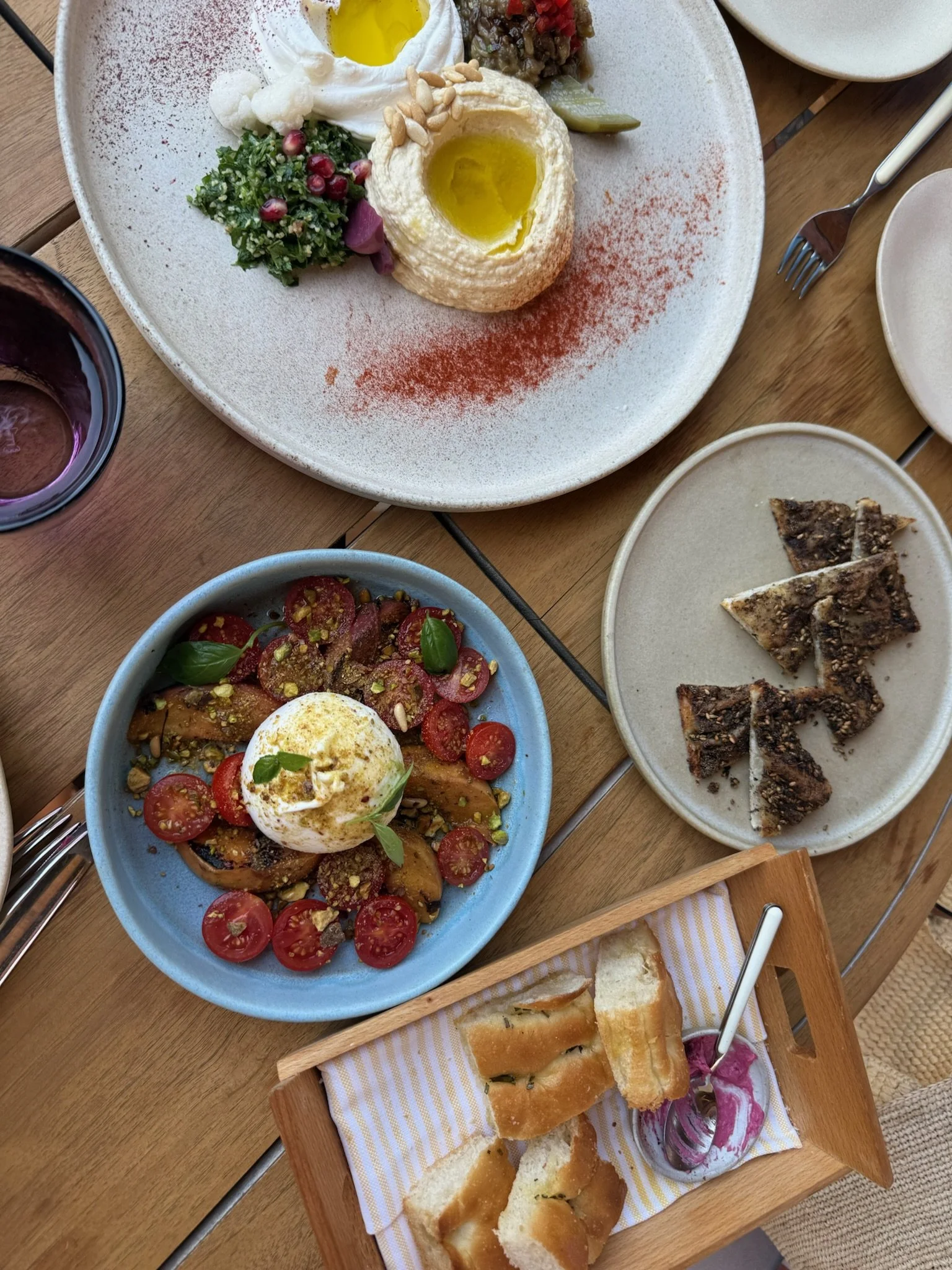
Luxury travelers can enjoy a multi-hour tasting menu one evening and spend the next exploring the city's famous pintxos bars. These small culinary creations are often crafted with the same attention to detail found in fine dining restaurants. The tradition of moving from bar to bar sampling different specialties is one of the most enjoyable experiences in the city.

Unlike destinations where fine dining feels reserved for special occasions, exceptional food is simply part of everyday life in San Sebastián.

Beaches That Rival More Famous Coastal Destinations

Many travelers are surprised to discover that one of Europe's most celebrated city beaches sits right in the heart of San Sebastián.

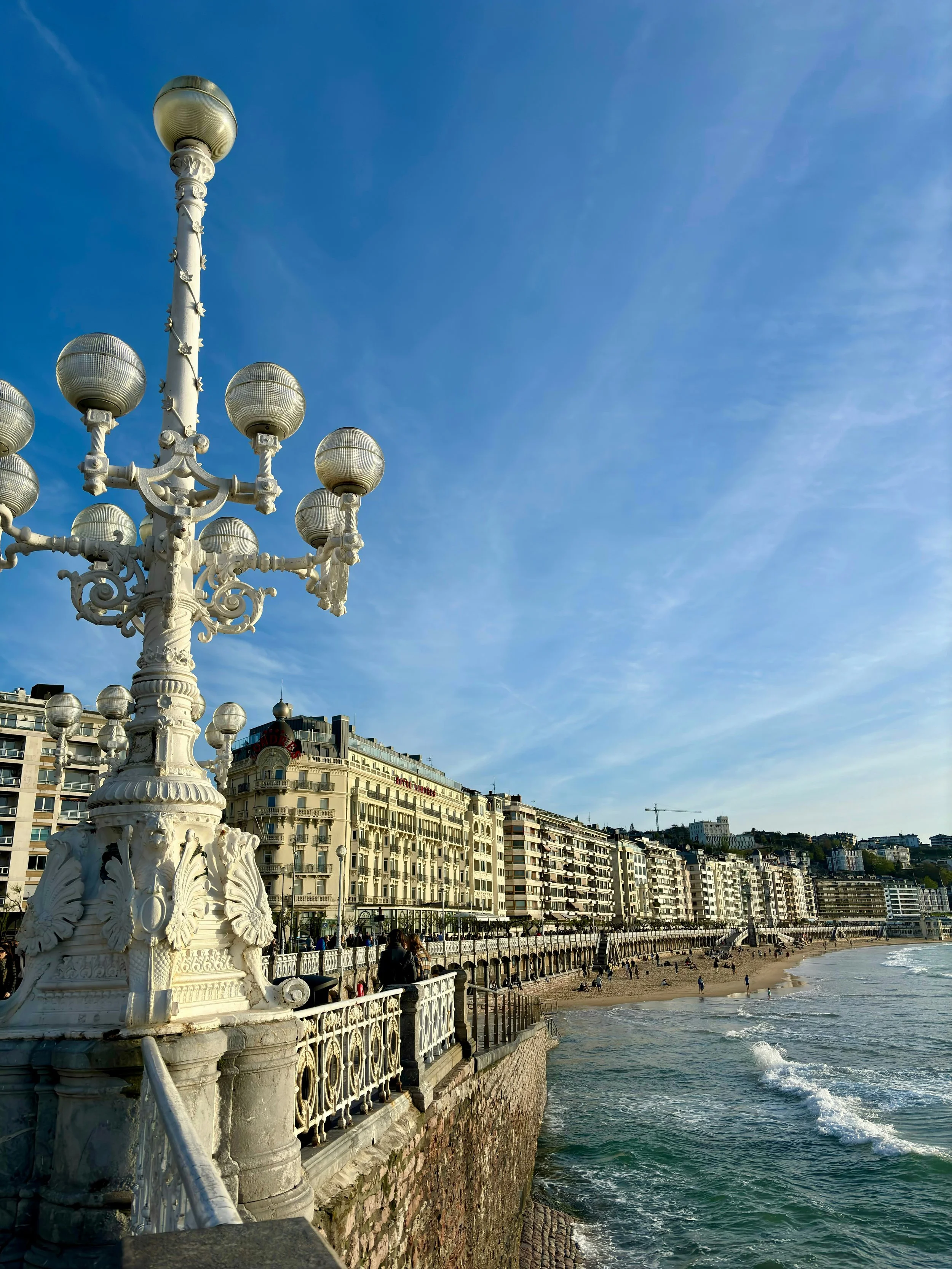
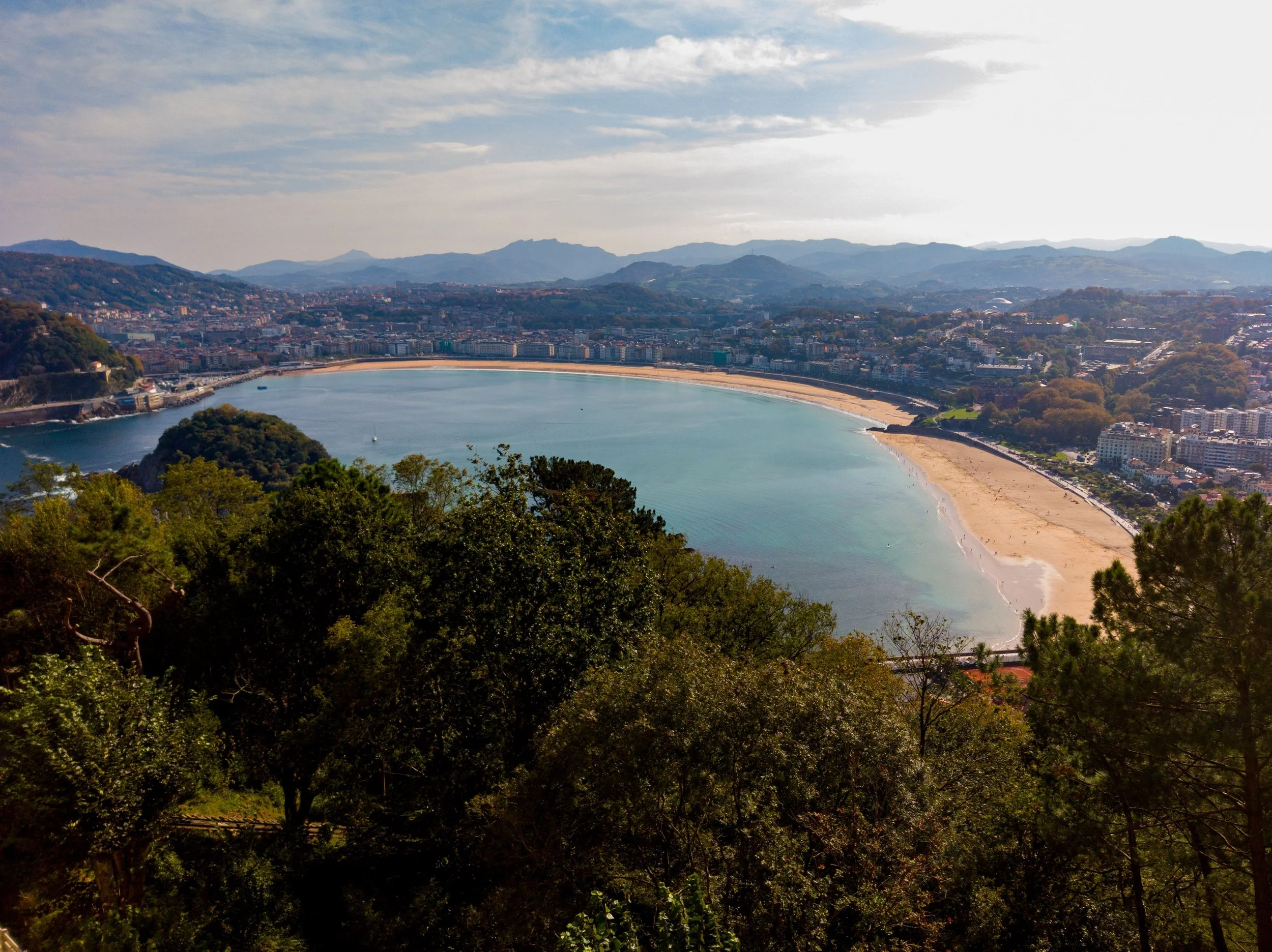
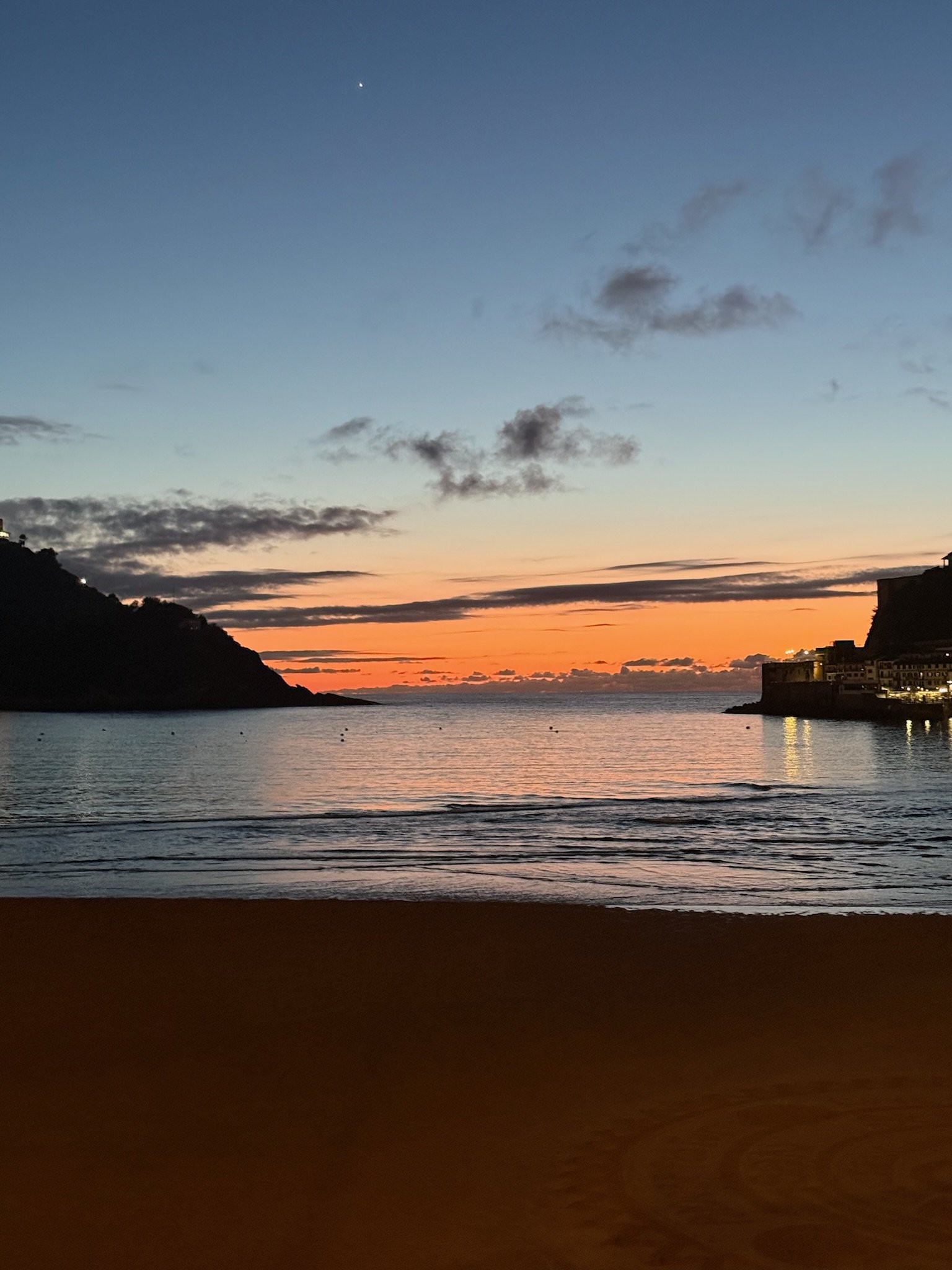
La Concha Beach curves around a stunning bay framed by hills and elegant architecture. Frequently recognized among Europe's best urban beaches, it provides a beautiful setting for morning walks, afternoon relaxation, and sunset views.

Nearby Ondarreta Beach offers a quieter atmosphere, while Zurriola Beach attracts surfers and those seeking a more active coastal scene.

Unlike many luxury beach destinations that require lengthy transfers or secluded resorts, San Sebastián's beaches are seamlessly integrated into the city itself. Guests can walk from a luxury hotel to the beach, continue to lunch, and finish the day with a Michelin-starred dinner.

Understated Luxury at Its Finest

One of San Sebastián's greatest strengths is its understated elegance.

This is not a destination defined by beach clubs, superyachts, or celebrity sightings. Instead, luxury reveals itself through exceptional service, remarkable cuisine, beautiful surroundings, and a slower pace of travel.

For travelers who value discretion, authenticity, and quality over spectacle, San Sebastián often feels refreshingly different from Europe's more heavily publicized summer destinations.

The Heart of Basque Culture

San Sebastián's appeal extends far beyond food and beaches.

The city serves as a gateway to Basque culture, one of Europe's most distinct and fascinating cultural identities.

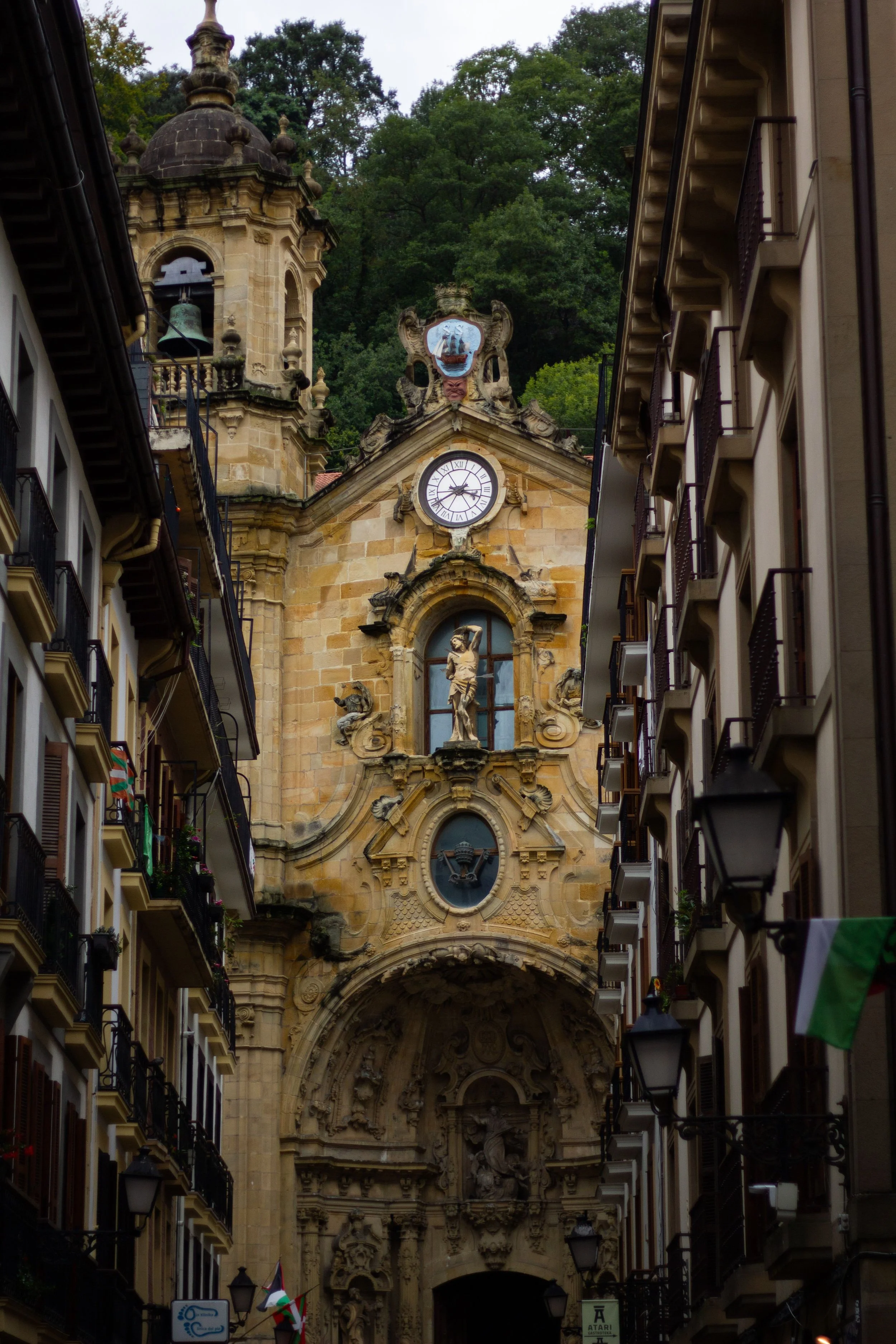
Visitors can explore the historic Parte Vieja (Old Town), visit the San Telmo Museum, experience contemporary art at Tabakalera, and discover traditions that have shaped the region for centuries.

The Basque language, cuisine, festivals, and customs create a distinct sense of place that remains deeply woven into everyday life, giving visitors a meaningful connection to the region's cultural identity.

Exceptional Wine Experiences Nearby

For wine enthusiasts, San Sebastián offers exceptional access to two of northern Spain’s most compelling wine experiences.

Just along the coast, the vineyards of Getaria produce Txakoli, the Basque Country’s signature wine known for its bright acidity, refreshing character, and strong connection to local cuisine. Private winery visits and tastings provide a natural extension of the region’s celebrated food culture.

The prestigious Rioja wine region is also within easy reach, and for the right traveler, it can be one of the most memorable additions to a San Sebastián itinerary. Chelsea experienced Rioja firsthand and found it to be absolutely worth the approximately 1.5-hour drive each way from San Sebastián for clients who enjoy wine.

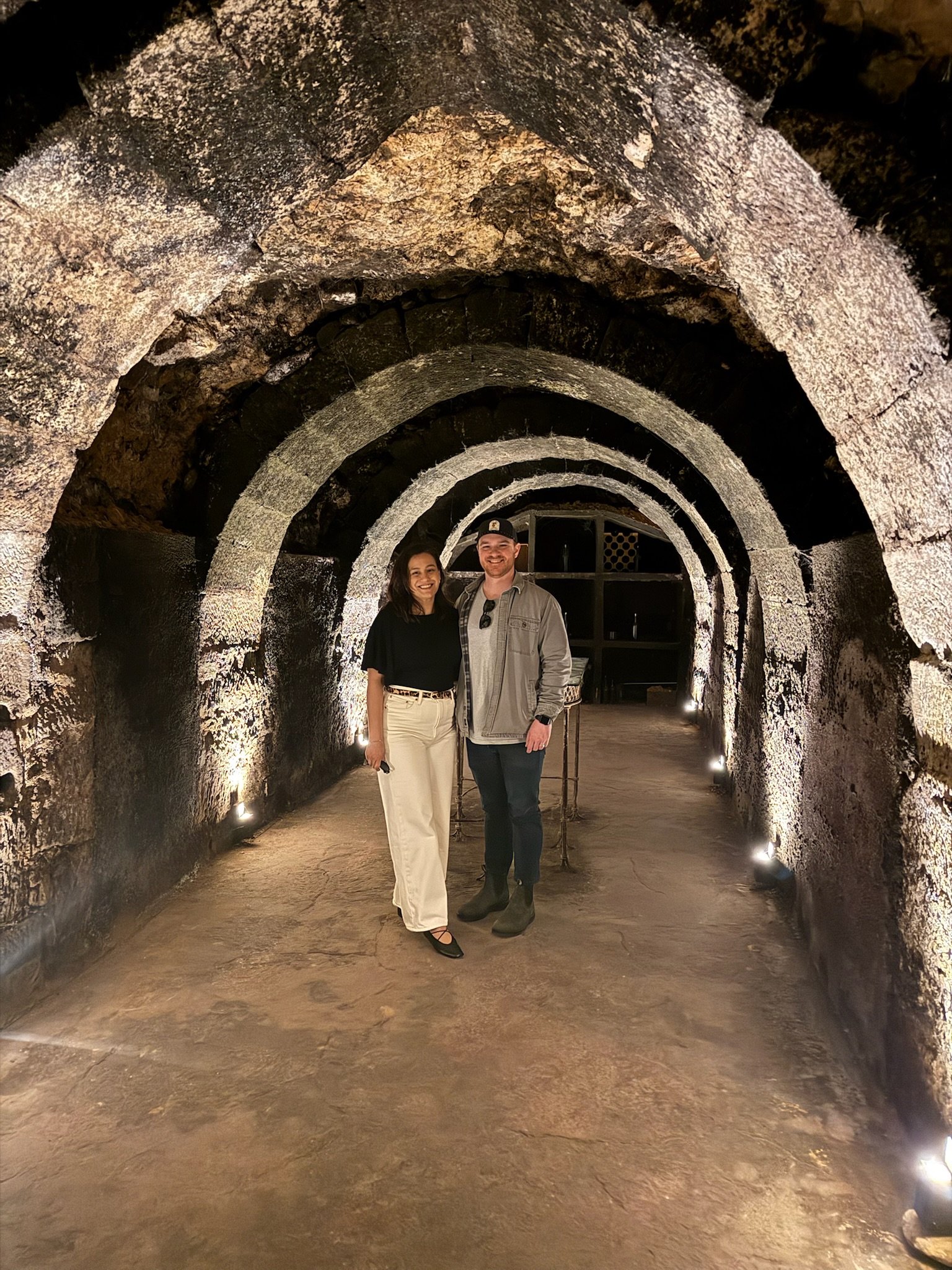
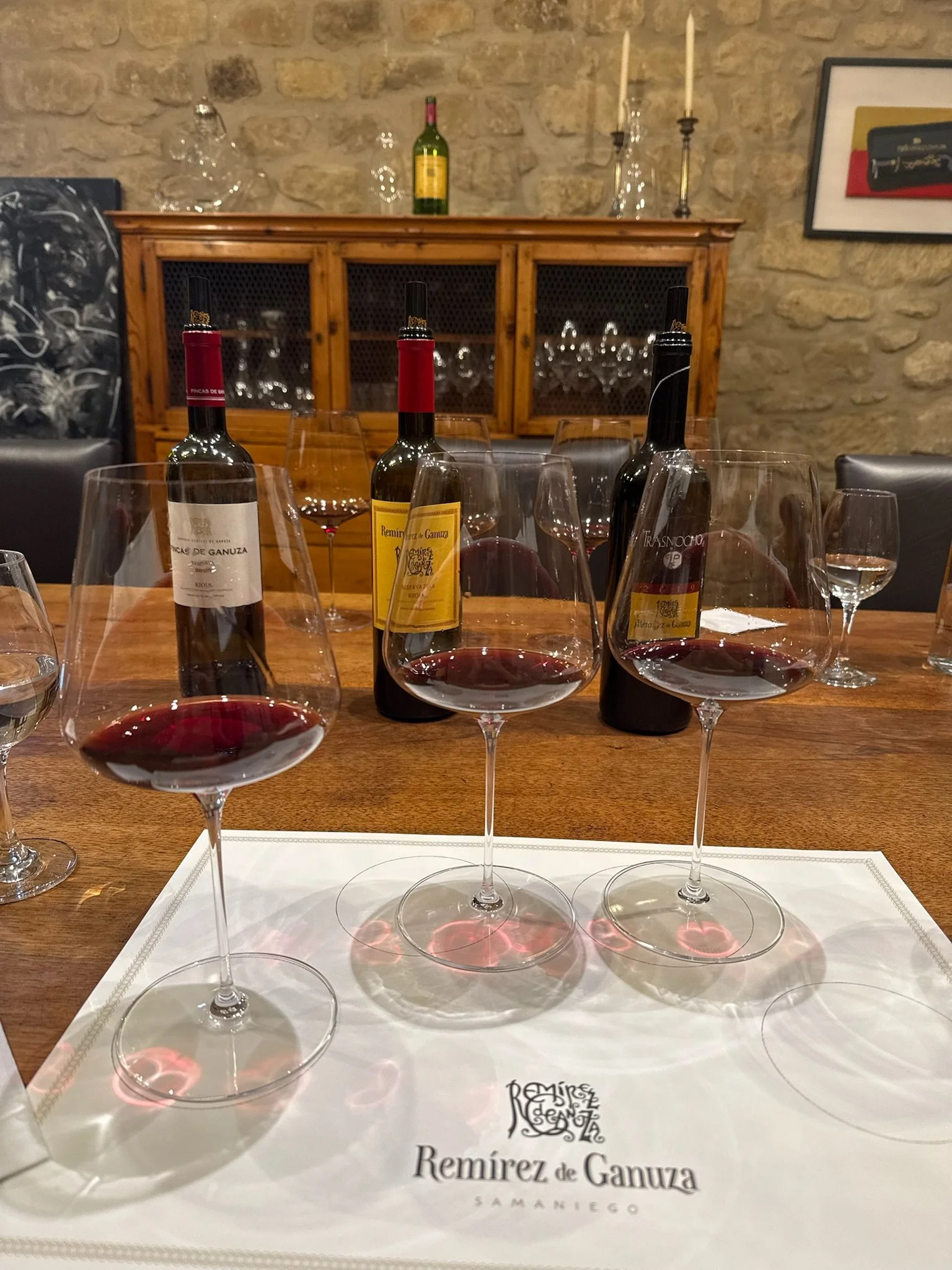
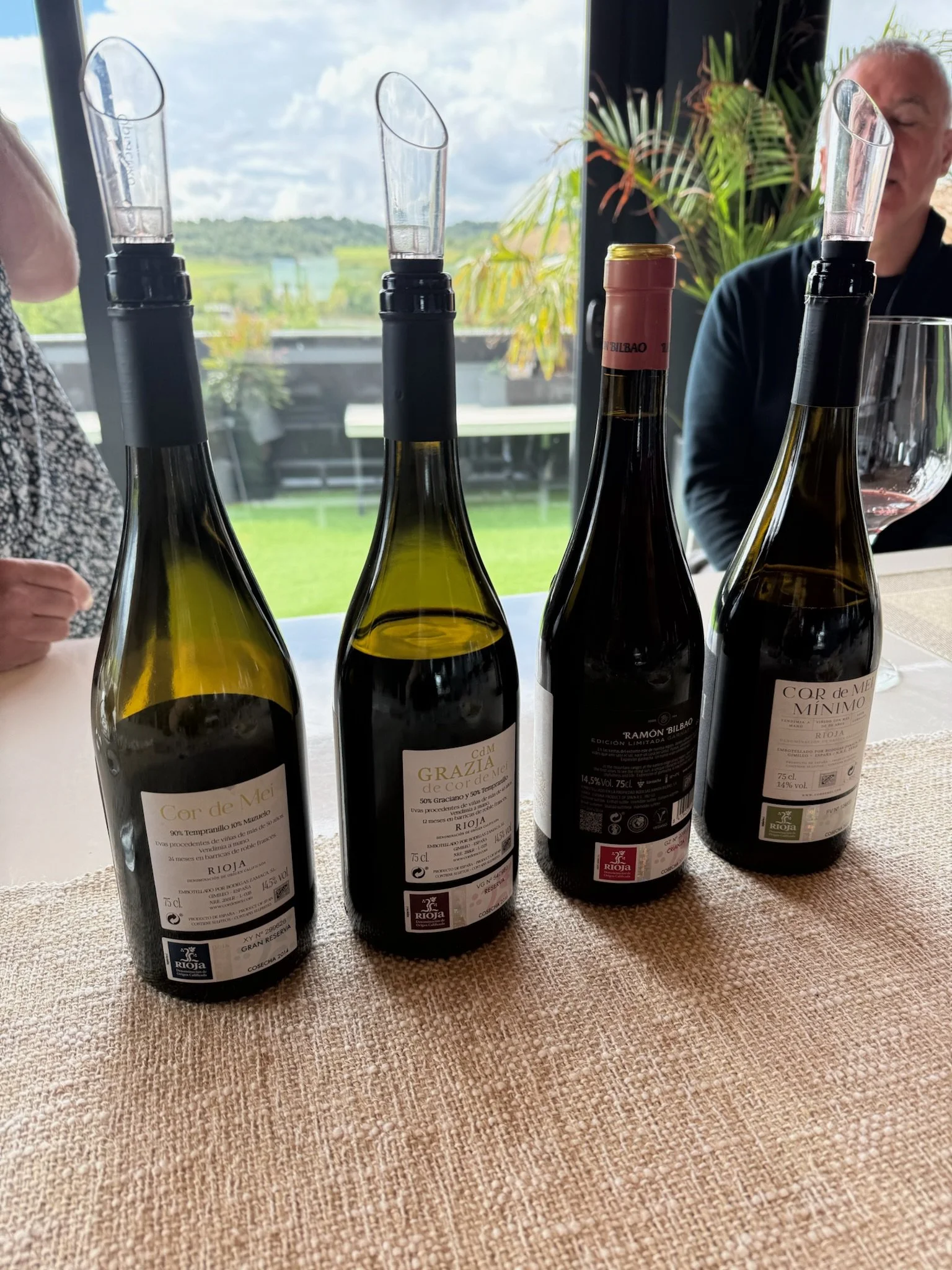
Part of what makes Rioja so rewarding is the contrast between intimate, small-production wineries and more established estates that still feel deeply authentic. At Bodegas Cor de Mei, the experience felt especially personal. The warmth of the welcome, the 15th-century cellars, and the chance to learn about the winery’s philosophy made the visit feel incredibly special. With production limited to around 10,000 bottles per year, bringing a few bottles home felt less like a typical souvenir and more like a meaningful piece of the trip.

Chelsea also visited Bodega Remírez de Ganuza, which offered a beautiful contrast. The winery has a larger production than Cor de Mei, but the experience still felt personal, polished, and rooted in place. Walking through the vineyards and tasting the wines added another layer to the day, especially when one of the wines tasted earlier appeared later that evening at a Michelin-recommended restaurant.

Whether planned as a day trip or an overnight stay, Rioja gives travelers the chance to explore one of Spain’s most respected wine regions while pairing exceptional wines with equally impressive gastronomy. For clients who love food, wine, and experiences that feel both elevated and authentic, it is a natural extension of a stay in San Sebastián.

Best Time to Visit San Sebastián

Summer, particularly June through September, is the most popular time to visit San Sebastián.

June and September are often especially appealing for luxury travelers. The weather is pleasant, outdoor dining is in full swing, and the city maintains a lively atmosphere without the peak-season crowds of July and August.

September is frequently considered one of the best times to visit. Warm temperatures, excellent beach conditions, and cultural highlights such as the San Sebastián International Film Festival create an appealing balance of energy and sophistication.

A Great Addition to a Luxury Spain Itinerary

While San Sebastián easily justifies a dedicated stay, it also pairs beautifully with some of Spain’s most compelling destinations.

Many luxury travelers combine San Sebastián with the vineyards of Rioja, the art and architecture of Bilbao, or the energy of Madrid and Barcelona. For food and wine lovers especially, a privately arranged Rioja wine day can add a beautiful sense of depth to the itinerary, offering a slower, more countryside-focused contrast to San Sebastián’s coastal energy.

Its location near the French border also makes it an excellent addition to a broader journey through the Basque Country and southwestern France.

Whether as a standalone destination or part of a longer itinerary, San Sebastián offers a distinctive experience that complements many of Europe’s most celebrated regions.

Ready to Experience San Sebastián?

KJ Travel specializes in designing personalized luxury itineraries tailored to each client's travel style, interests, and pace. Whether San Sebastián is the centerpiece of the journey or part of a broader Spain itinerary, every detail can be thoughtfully arranged to create a seamless and memorable experience.

To begin planning a luxury journey to San Sebastián and beyond, connect with a KJ Travel advisor today.

FAqs

Is San Sebastián worth visiting for luxury travelers?
Yes. San Sebastián offers luxury travelers exceptional gastronomy, elegant hotels, beautiful beaches, rich cultural experiences, and convenient access to renowned wine regions, all while maintaining a strong sense of local identity.

Why is San Sebastián famous?
The city is best known for its extraordinary food scene, including one of the highest concentrations of Michelin-starred restaurants in the world, as well as its famous pintxos culture, beautiful beaches, and Basque heritage.

How many days should travelers spend in San Sebastián?
Most travelers find that three to five nights provides enough time to enjoy San Sebastián's culinary scene, beaches, cultural attractions, and nearby wine regions at a relaxed pace.

Is San Sebastián better than the French Riviera?
They offer very different experiences. The French Riviera is known for its glamour, beach clubs, and yachting culture, while San Sebastián is celebrated for its gastronomy, Basque heritage, walkability, and more understated style of luxury.

Is San Sebastián crowded in summer?
The city is popular during summer, especially in July and August. Travelers seeking a more relaxed atmosphere often prefer June or September, when the weather remains pleasant and visitor numbers are generally lower than during the peak summer season.

Mallorca Beyond the Beaches: A Luxury Guide to One of Spain’s Most Sophisticated Islands

Quick Take

Mallorca is one of Spain’s most refined luxury destinations, offering far more than a traditional beach escape. The island brings together five-star hotels, private villas, historic villages, mountain scenery, excellent food and wine, boating, wellness, and a polished Mediterranean pace.

Its appeal is in the mix: Palma’s culture, the Serra de Tramuntana mountains, elegant countryside estates, private yacht days, vineyard visits, long lunches, and hotels that feel deeply connected to their surroundings.

Mallorca works beautifully for couples, families, multigenerational trips, retired travelers, and anyone looking for a softer, more layered way to experience Europe.

Mallorca Is More Than a Beach Destination

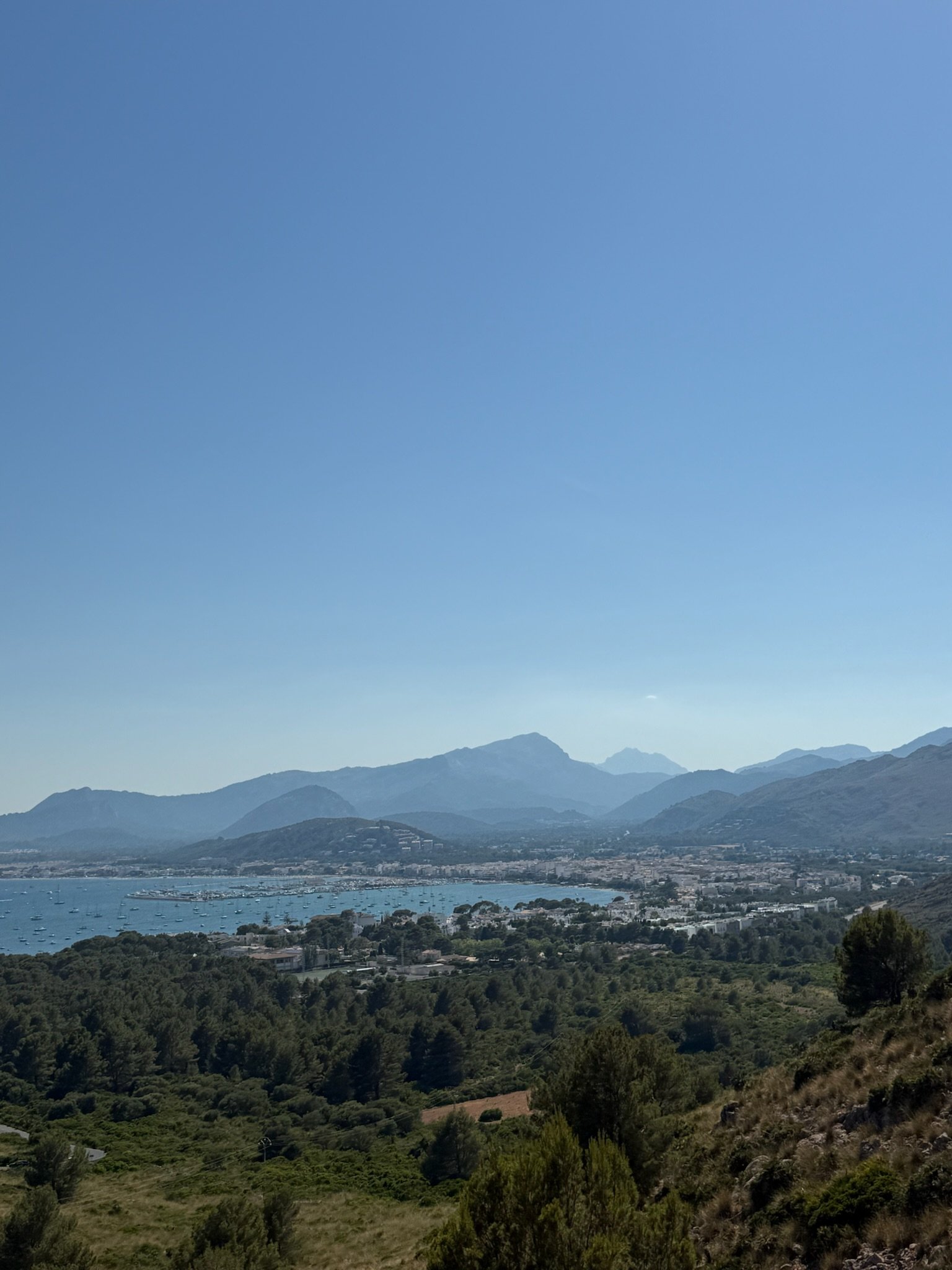
Mallorca has long been known for its coastline, but the island’s luxury appeal goes much deeper than the sea.

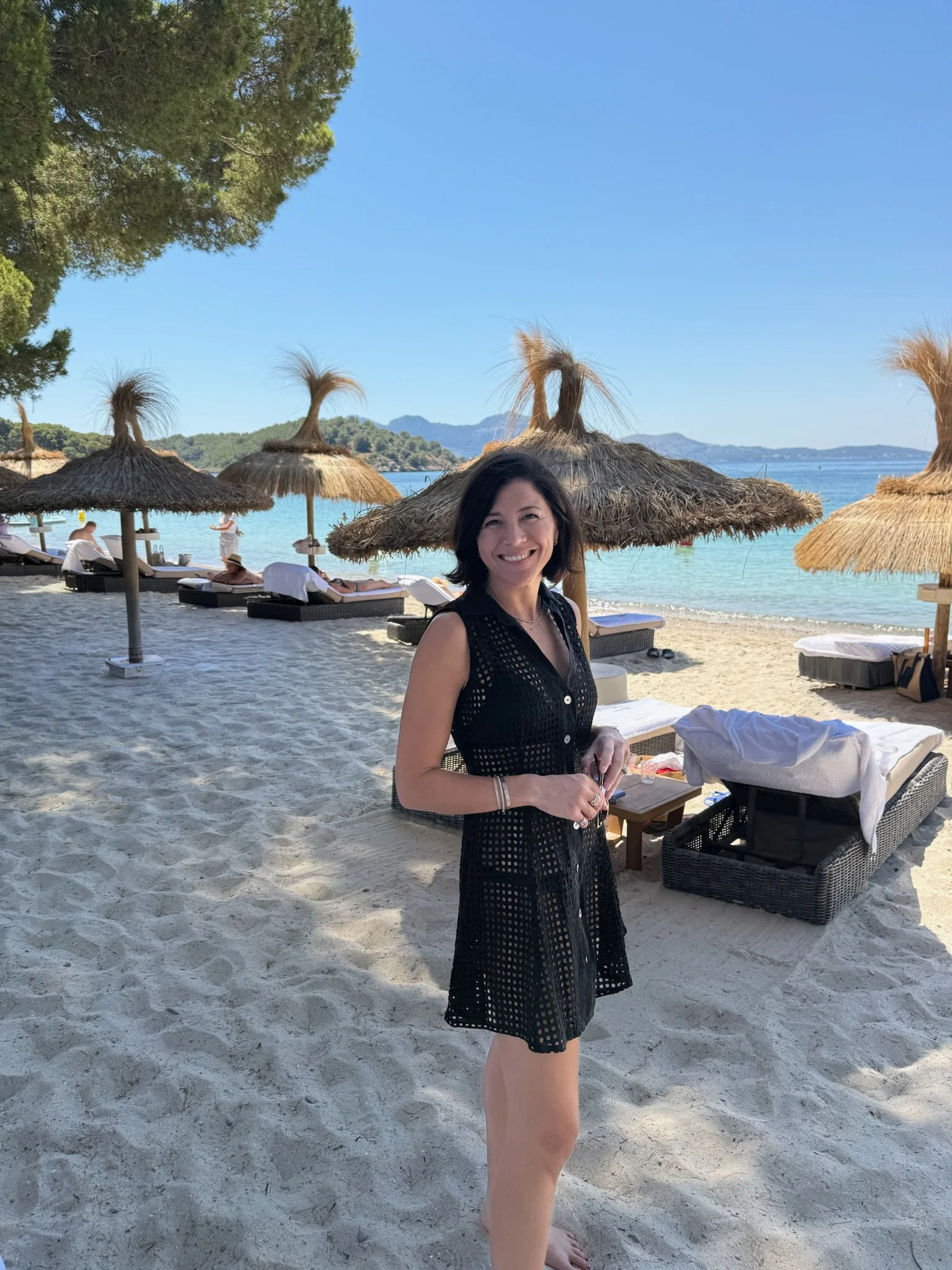
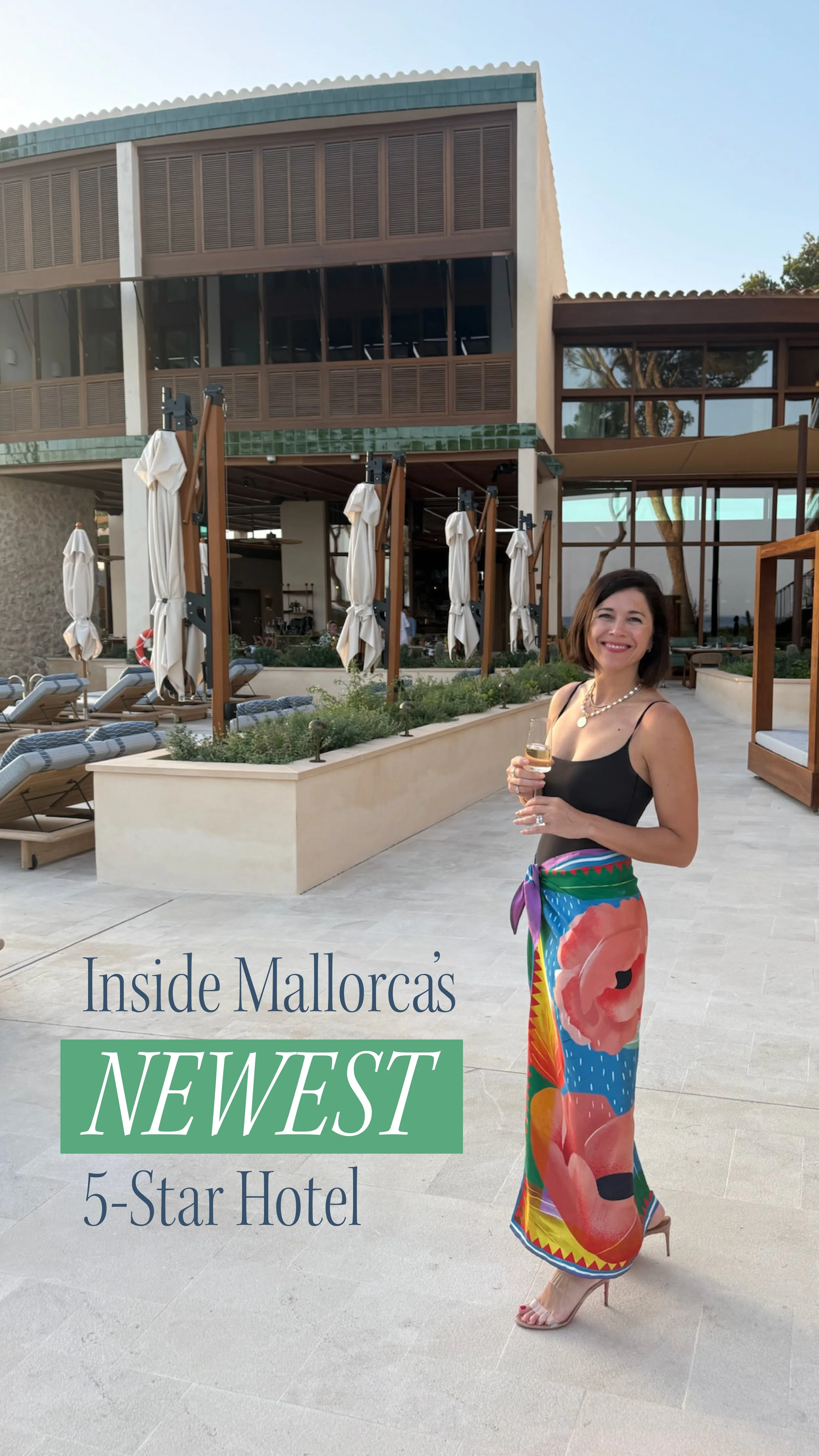
On a recent visit, Kate explored the island firsthand, from Palma and the Tramuntana mountains to its coastal hotels, private coves, and countryside escapes. Her time on the ground confirmed what makes Mallorca so special for luxury travelers: the island offers far more than one kind of experience.

This is an island where travelers can wake up in a restored fortress above the Mediterranean, spend the afternoon exploring stone villages in the mountains, and end the day with dinner in Palma’s historic old town. It is polished, scenic, and easy to enjoy, but it has many layers.

That is what makes Mallorca so compelling for discerning travelers. It does not rely on one thing. The island has beaches, yes, but it also has culture, food, wine, architecture, wellness, private estates, art, and some of the most beautiful hotel settings in the Mediterranean.

For travelers who have already done the Amalfi Coast, the South of France, Ibiza, or the Greek islands, Mallorca offers something slightly different. It can be lively, but it can also be quiet. It can be glamorous, but the best version of the island is more understated than flashy.

Palma: Culture, Design, Dining, and City Energy

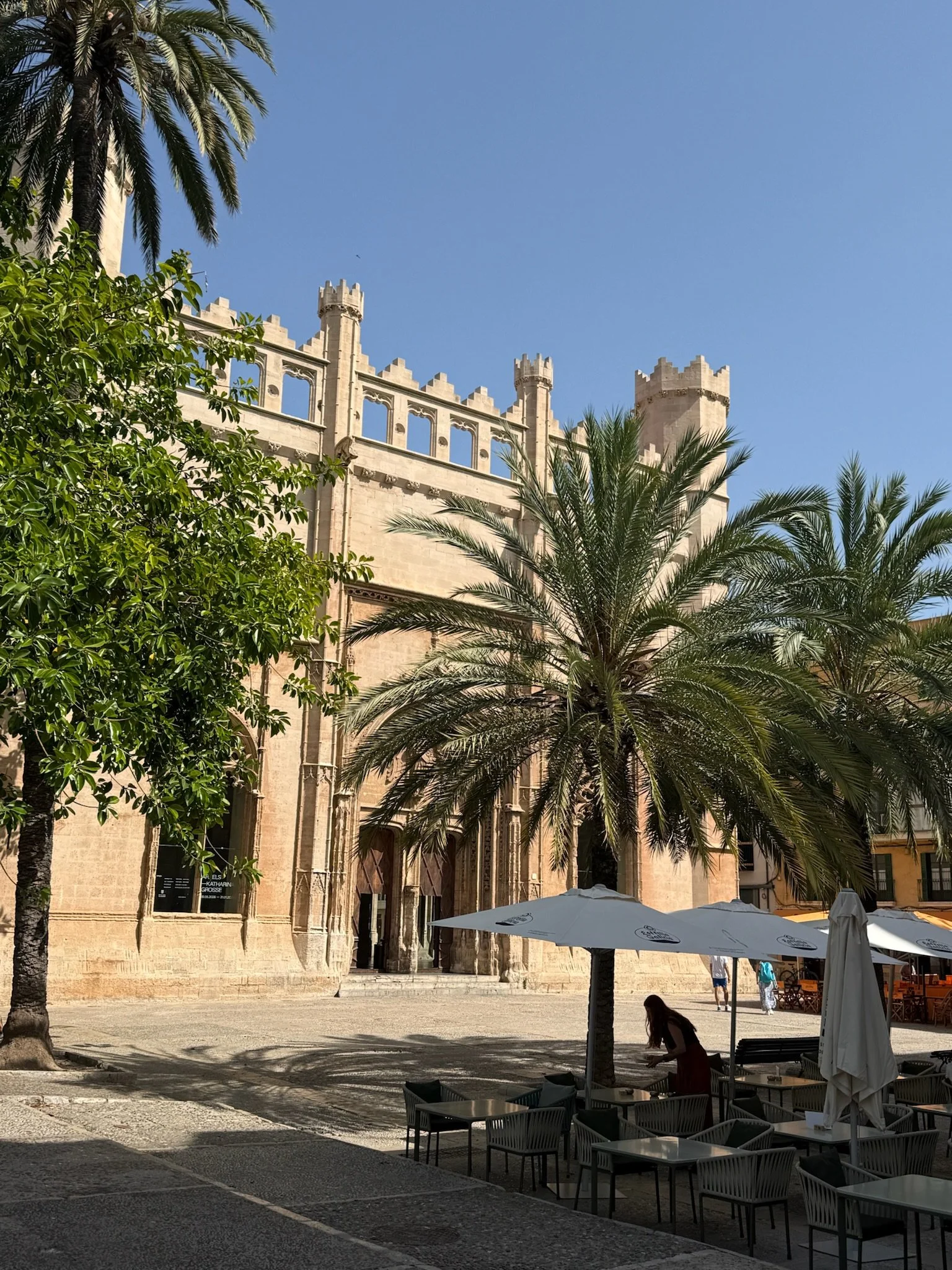
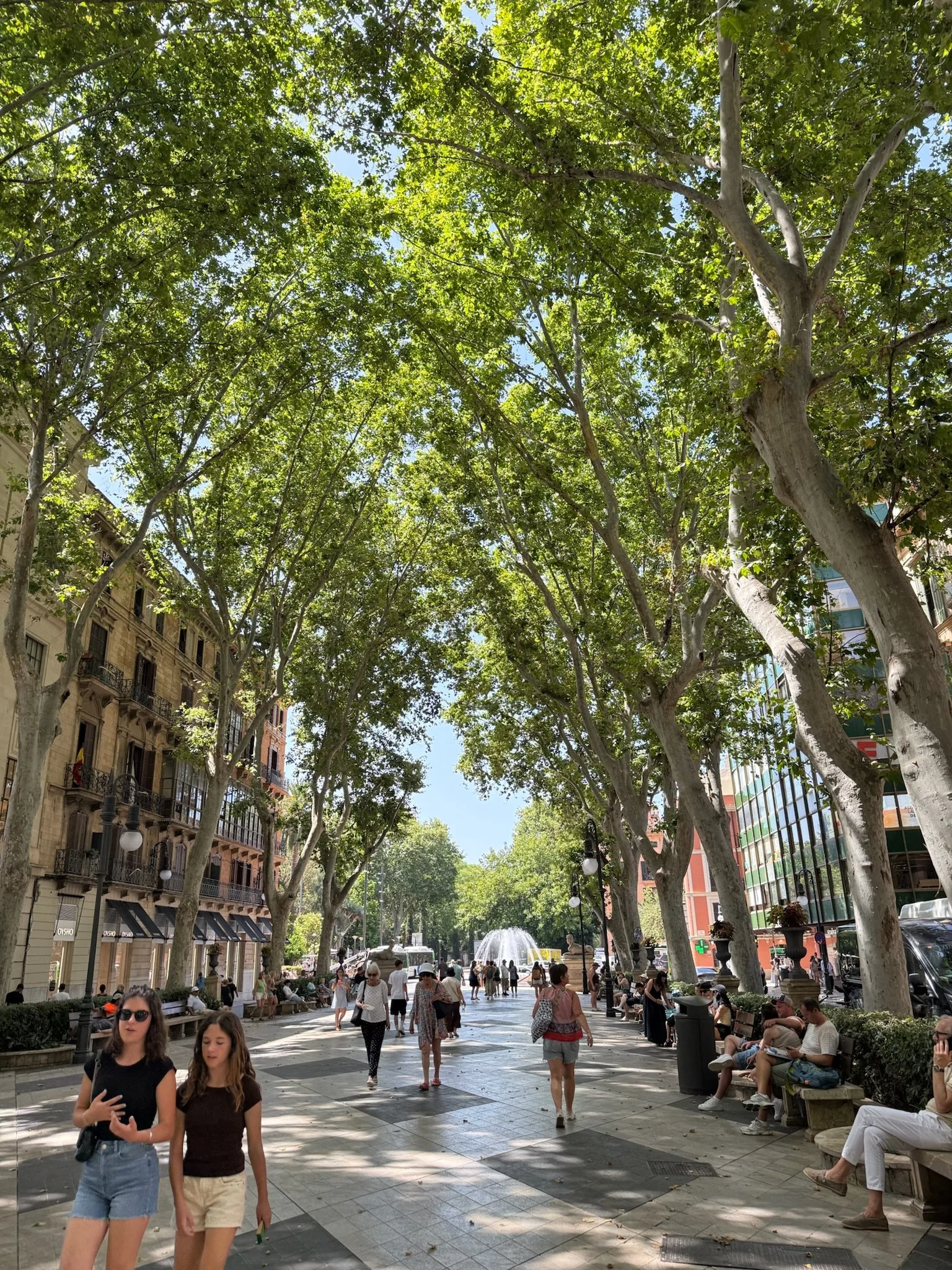
Palma is one of the reasons Mallorca stands apart from other island destinations. Many Mediterranean islands are centered almost entirely around beach towns and resorts. Mallorca has Palma, a real city with history, architecture, shopping, galleries, restaurants, and a beautiful waterfront.

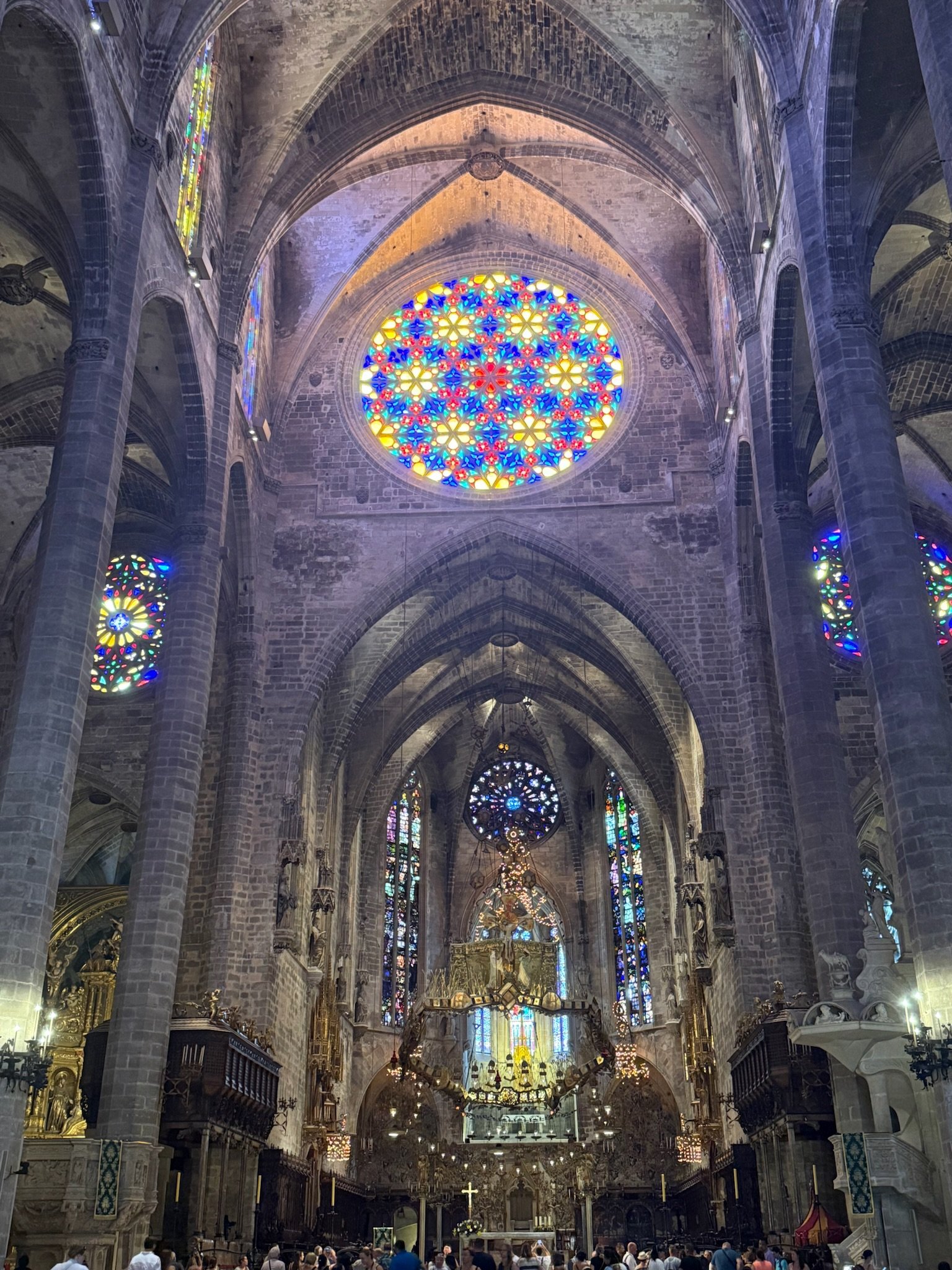
The Cathedral of Mallorca, also known as La Seu, is one of the island’s most important landmarks. Its position near the sea gives Palma an immediate sense of arrival, especially for travelers who love architecture and history. The city also offers sites such as Bellver Castle, La Almudaina Royal Palace, Es Baluard Museum of Modern and Contemporary Art, and Fundació Miró Mallorca.

For luxury travelers, Palma works especially well at the beginning or end of a trip. It gives clients access to restaurants, boutique shopping, private guiding, and a more cosmopolitan side of the island before moving into the mountains, countryside, or coast.

Palma is also a strong fit for couples and retired travelers who want culture and walkability. It is easy to design a day around a private guide, a cathedral visit, a gallery stop, lunch in the old town, and time for shopping or a spa treatment.

The Serra de Tramuntana: Mallorca’s Most Beautiful Landscape

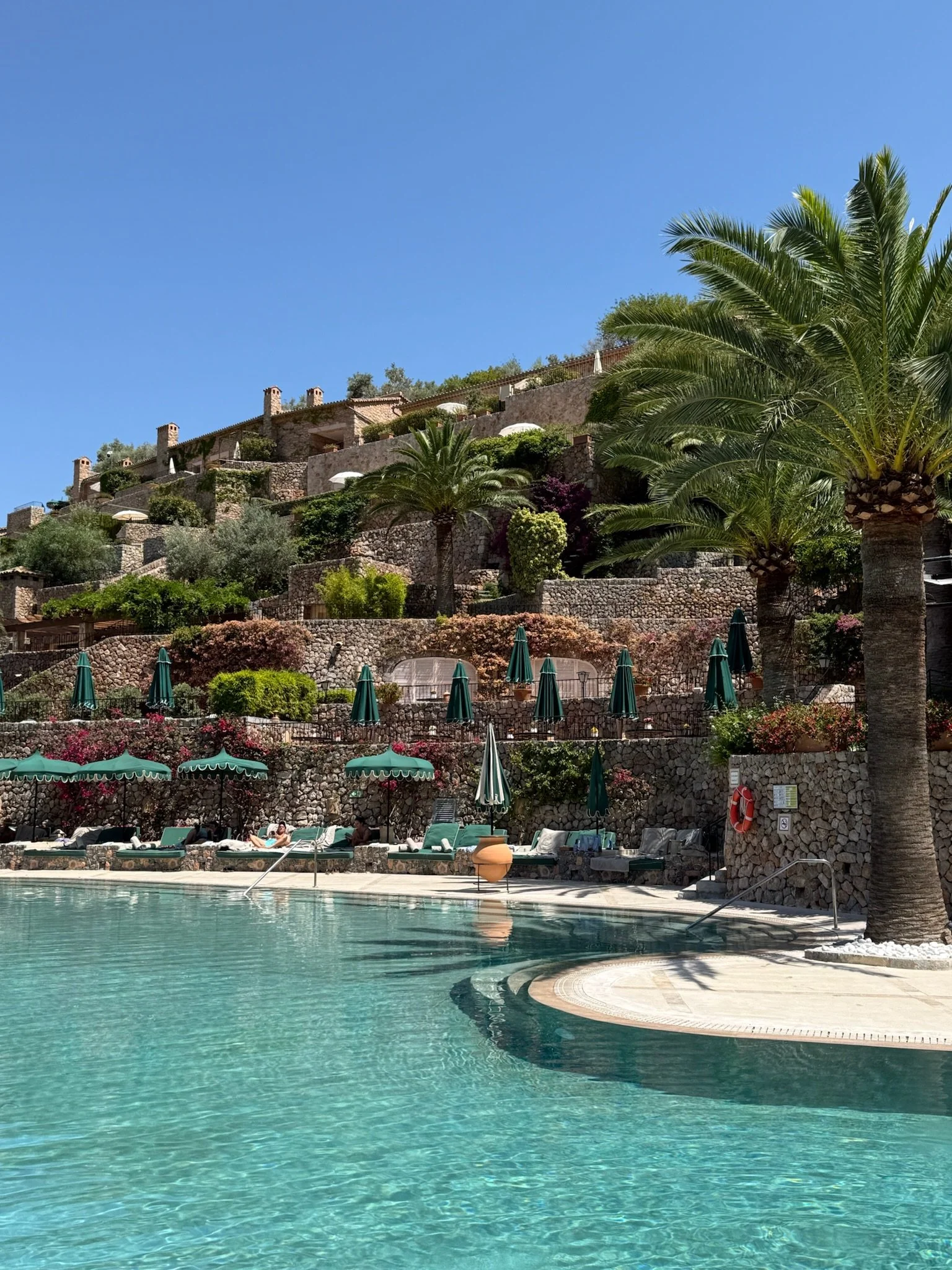
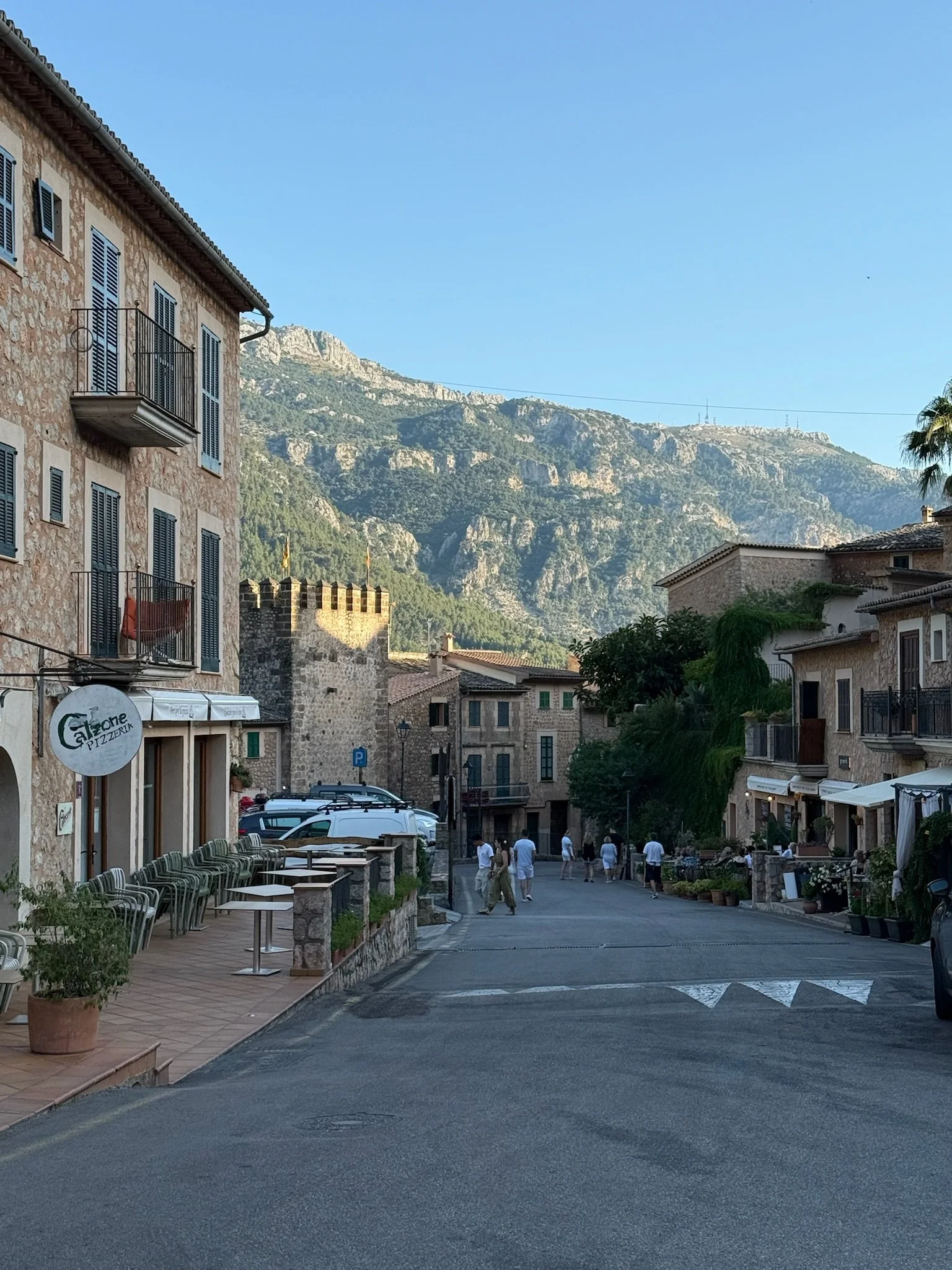
This mountain range runs along the island’s northwest coast and gives Mallorca much of its drama: cliffs, terraces, olive groves, winding roads, sea views, and small stone villages that feel far removed from the busier areas.

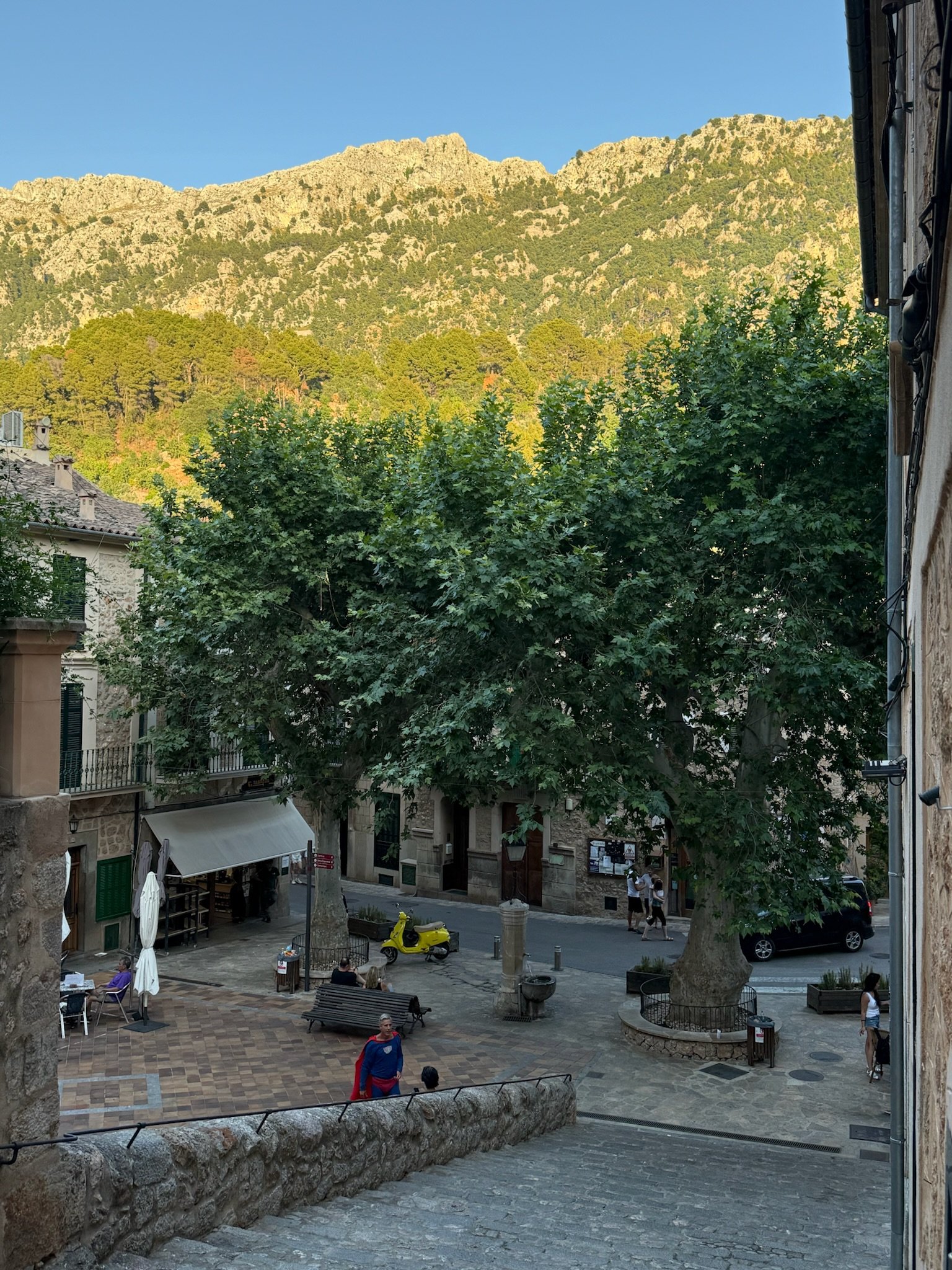
Here is where you'll find places like Deià, Valldemossa, Sóller, Fornalutx, and Banyalbufar. Each has its own character, but together they create one of the most atmospheric parts of the island.

This part of Mallorca is especially strong for couples, empty nesters, active travelers, and anyone who wants a quieter luxury experience. It is also ideal for travelers who want their hotel to feel like part of the destination, not just a place to sleep.

Where to Stay: Mallorca’s Luxury Hotel Scene

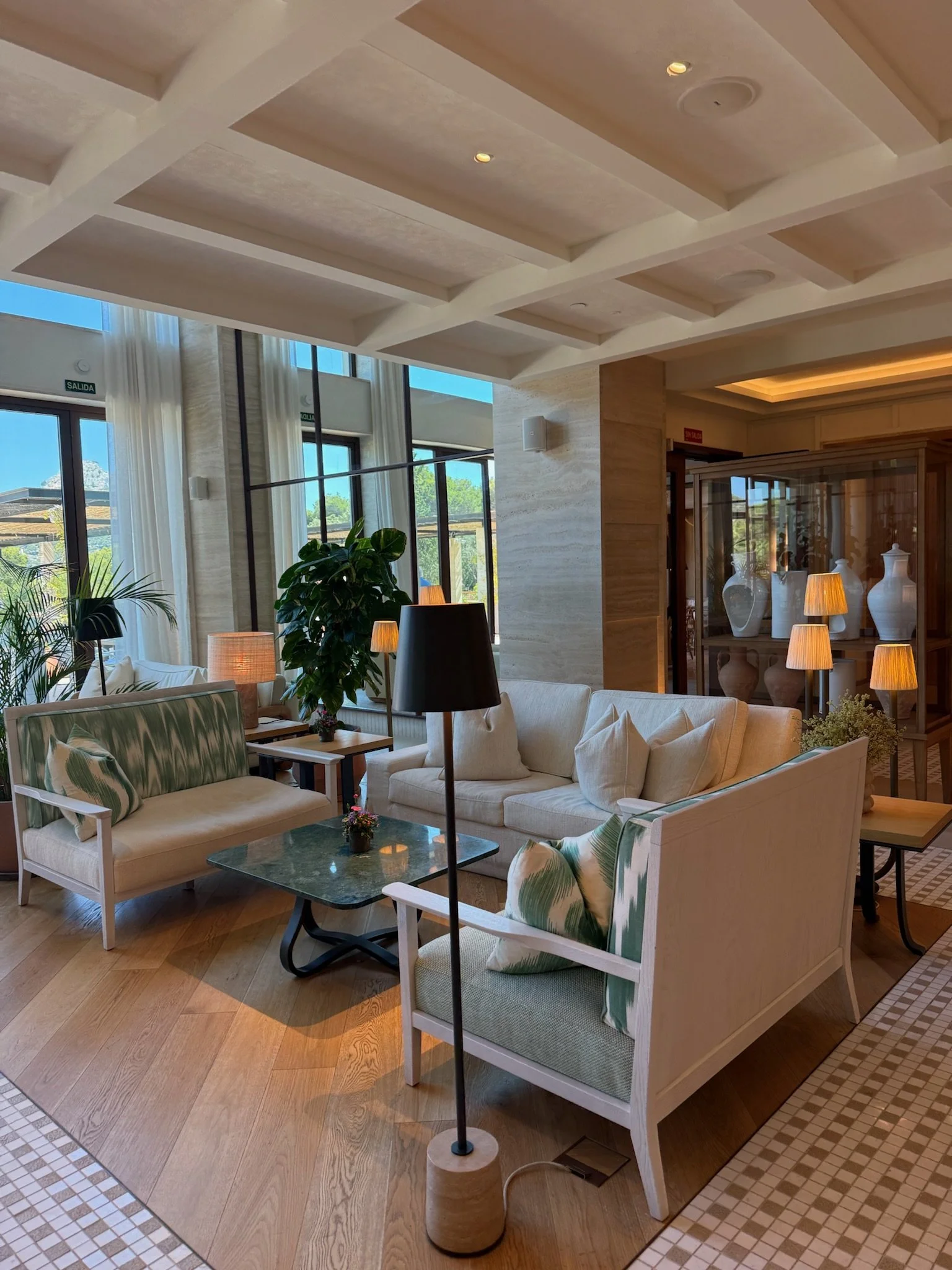
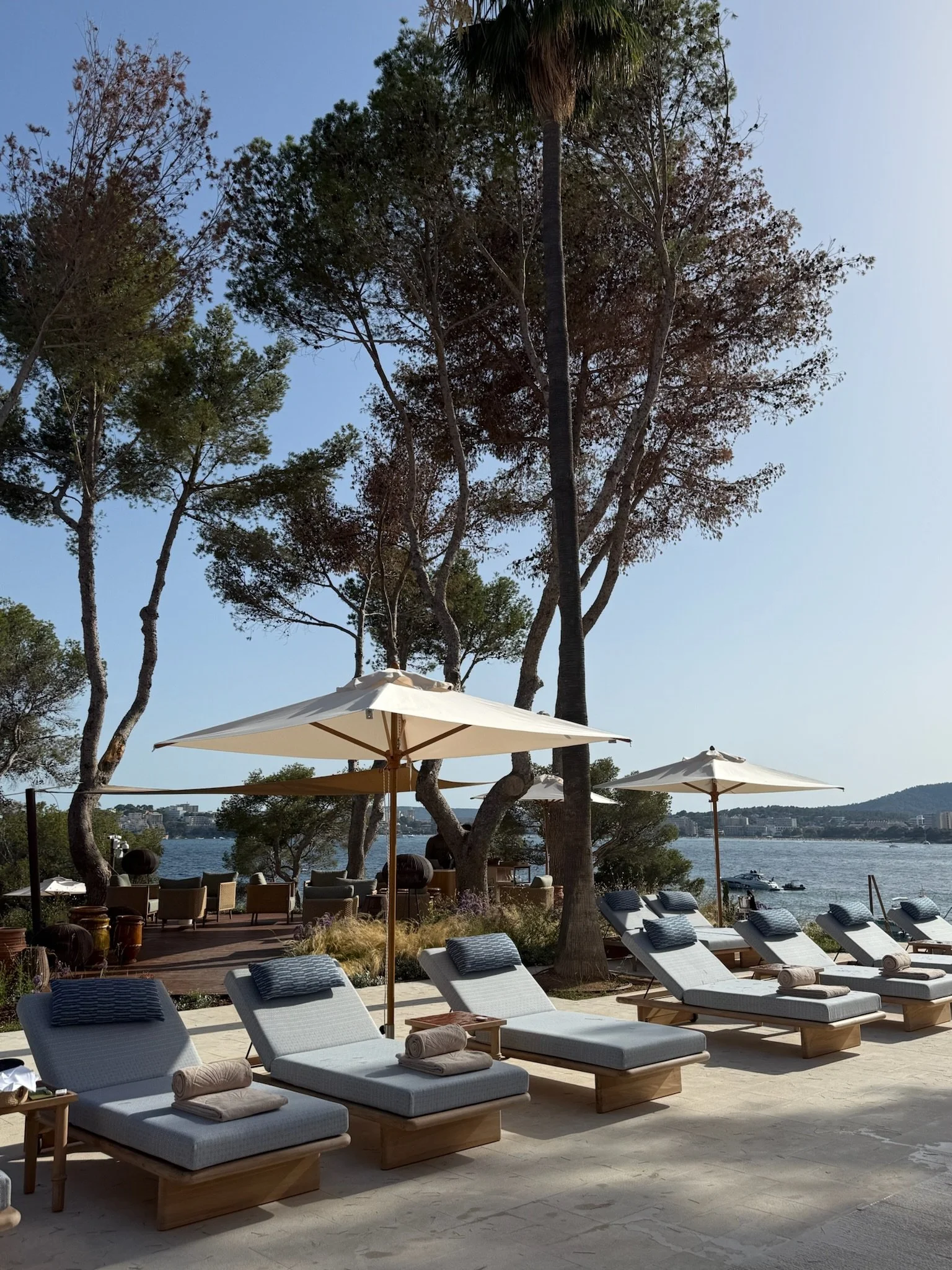
Mallorca’s hotel scene has become one of the strongest in Spain. The island now offers a wide range of luxury stays, from grand coastal resorts to intimate countryside hotels.

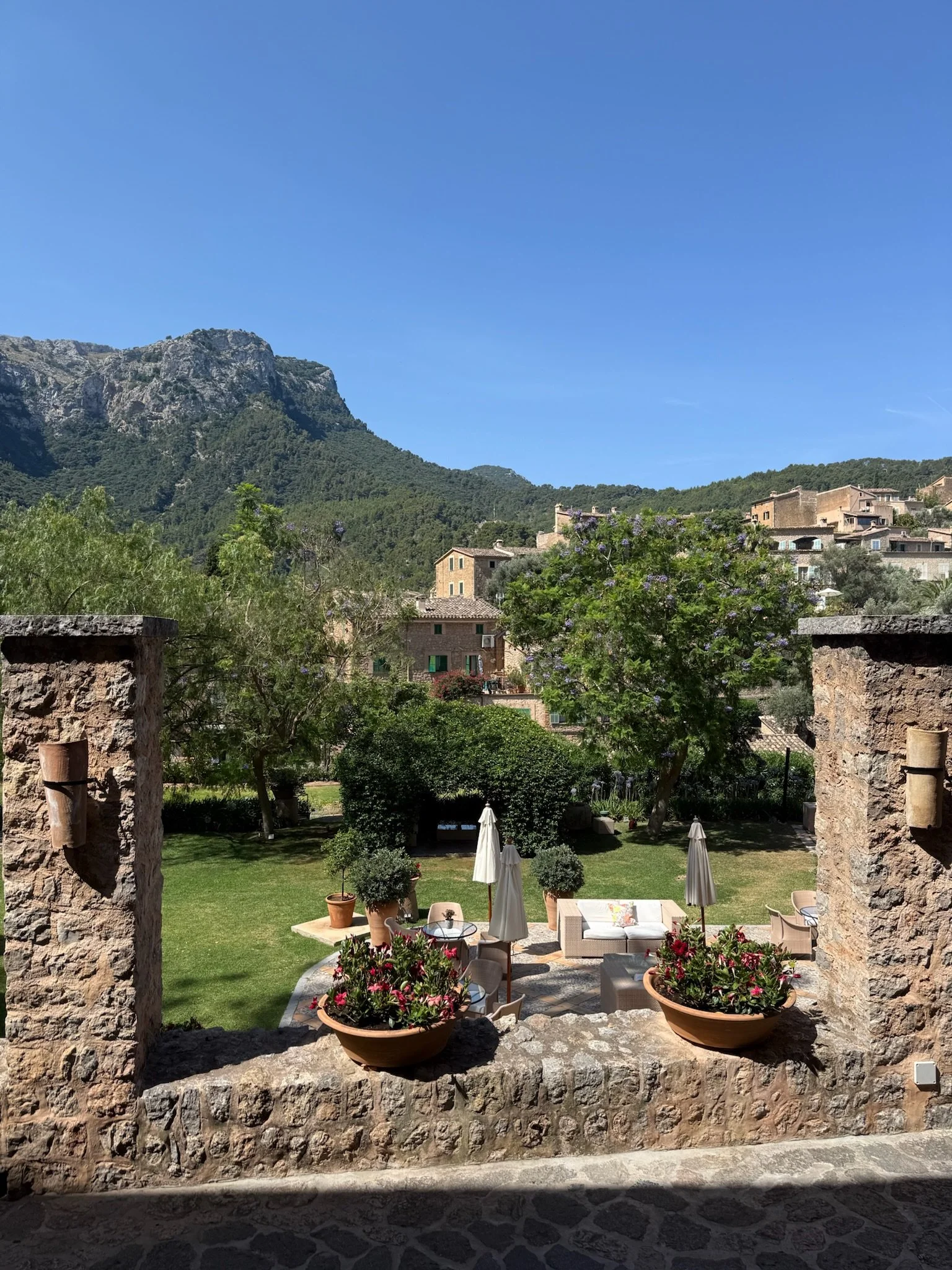
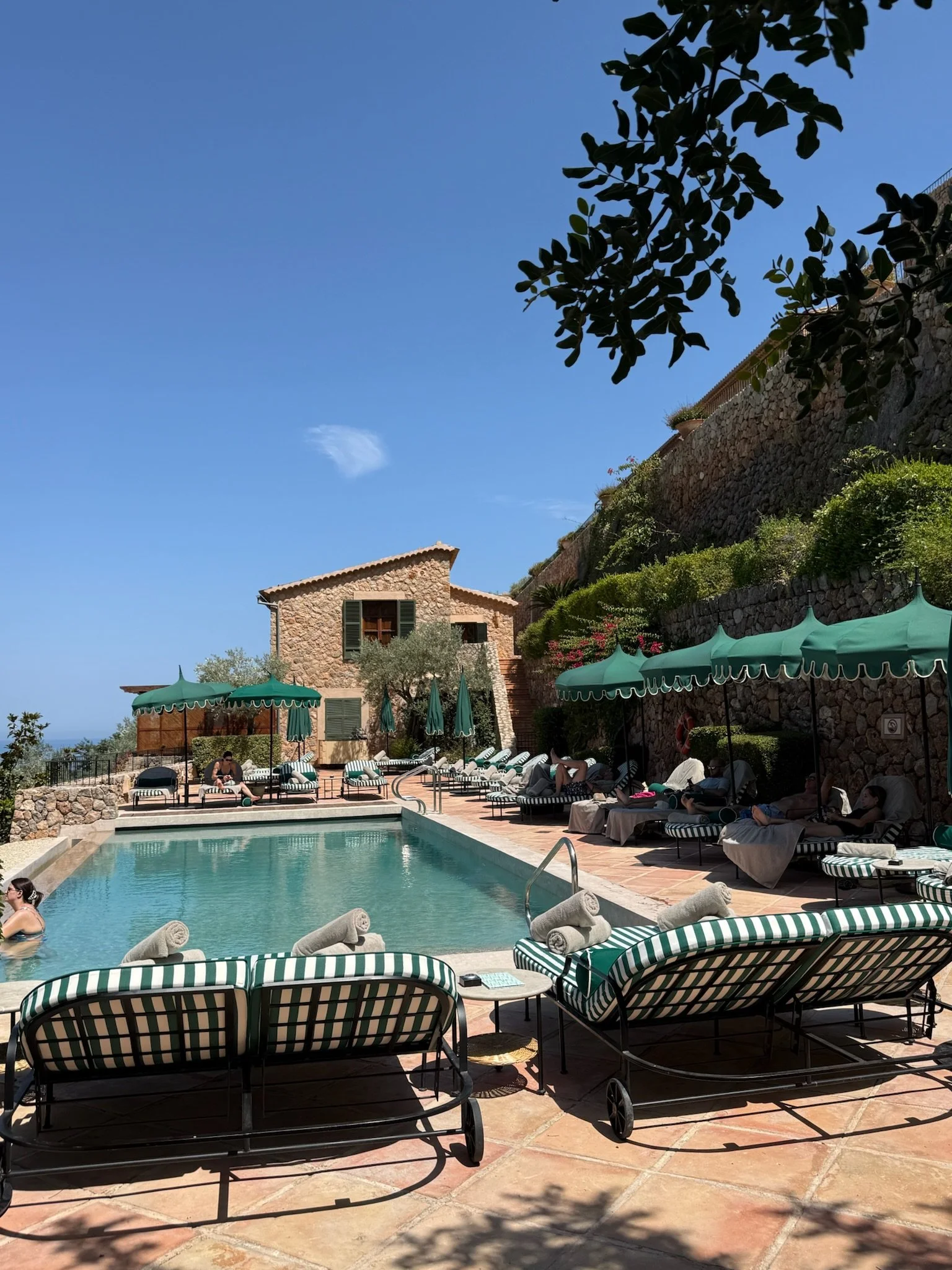
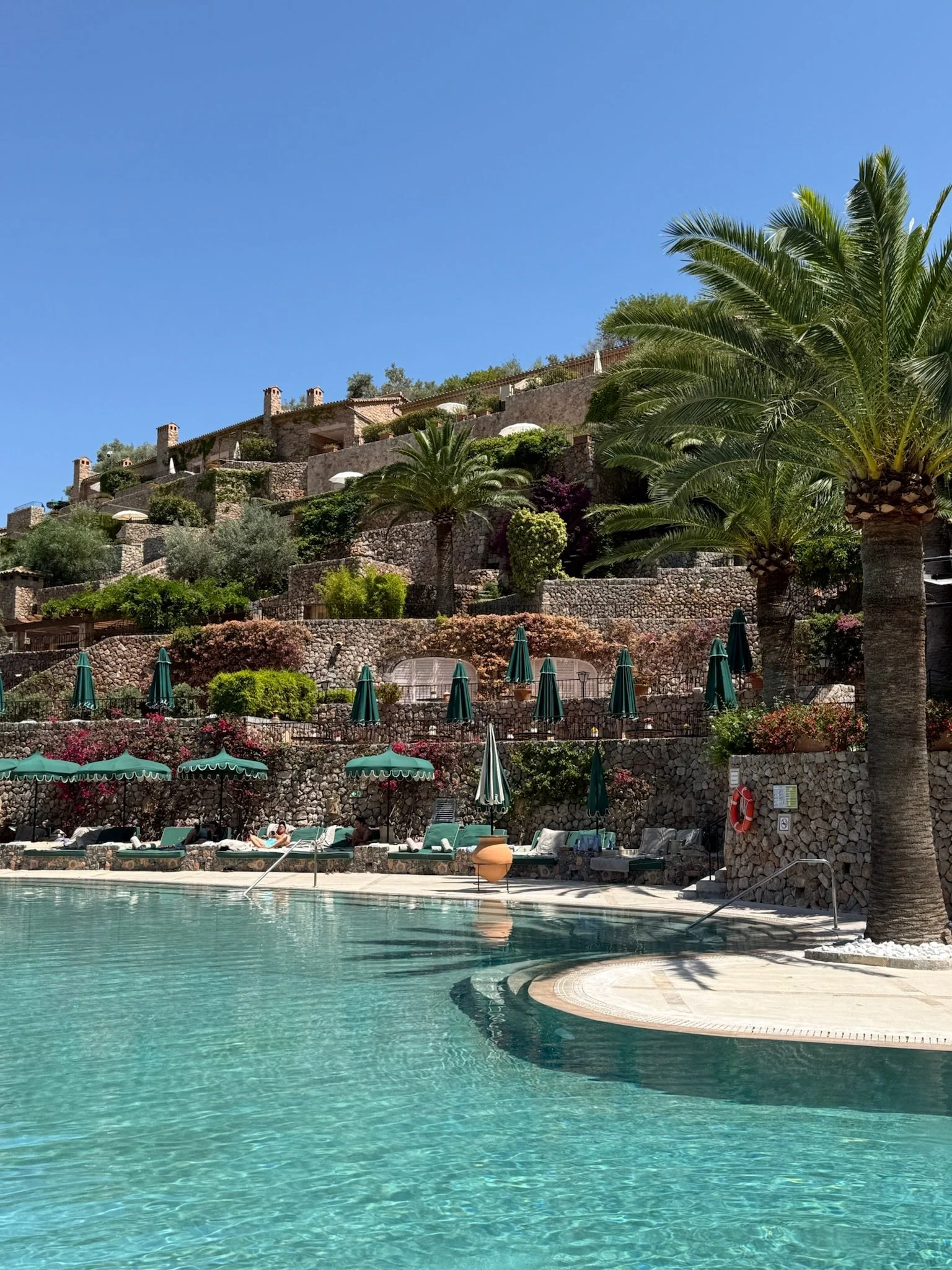
For a mountain village experience, Belmond La Residencia in Deià remains one of the island’s most iconic luxury hotels. It is surrounded by the Tramuntana landscape and works beautifully for travelers who want art, village life, gardens, and a softer Mediterranean rhythm.

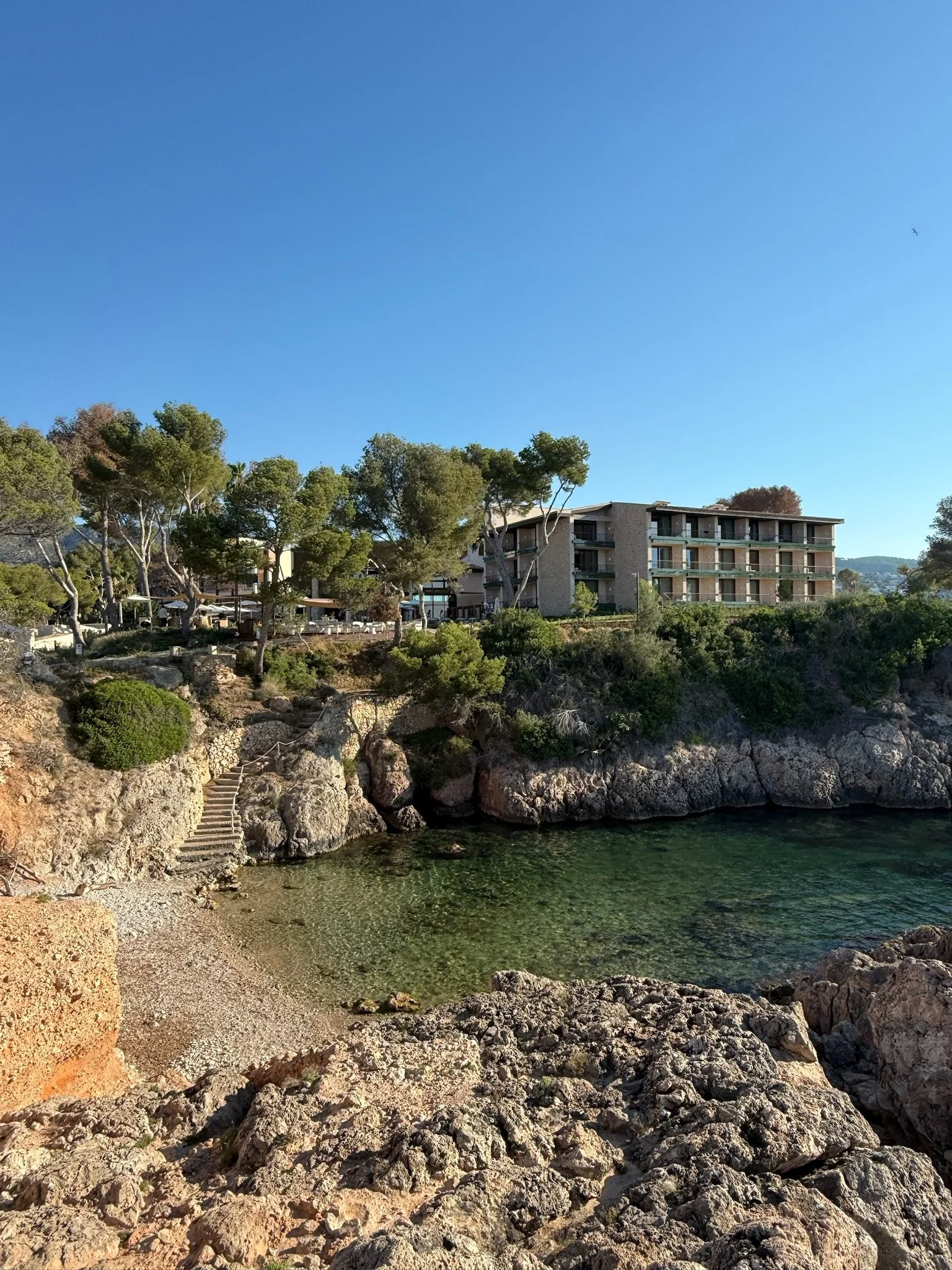
For a coastal stay, Cap Rocat offers something very different. Set in a restored fortress overlooking the Bay of Palma, it is one of the island’s most distinctive luxury hotels. This is a strong match for couples who want privacy, sea views, and a sense of retreat.

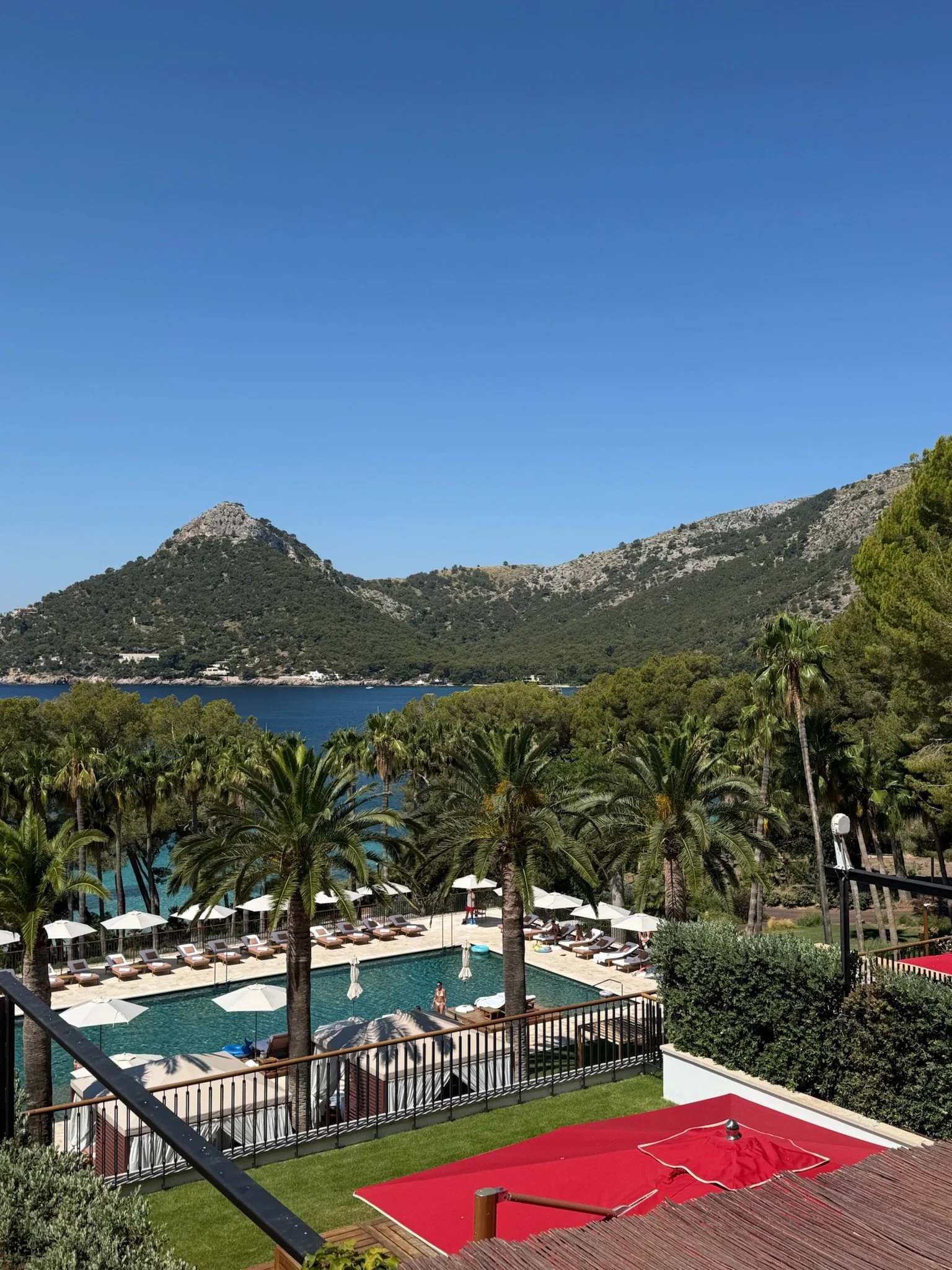
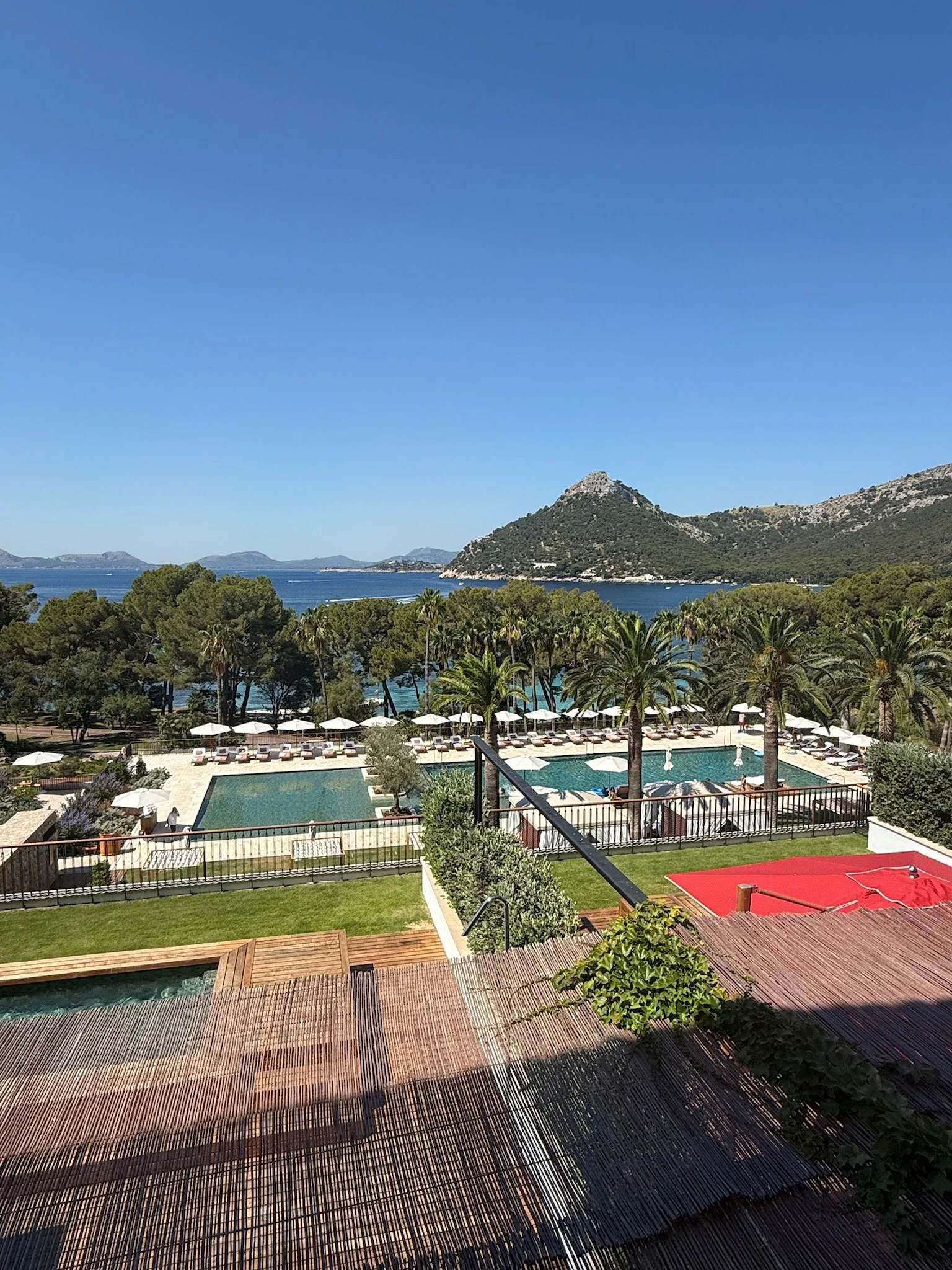
Four Seasons Resort Mallorca at Formentor brings a major global luxury name to one of the island’s most storied coastal settings. Formentor has long been one of Mallorca’s most beautiful corners, and the Four Seasons presence adds a new level of service and international appeal.

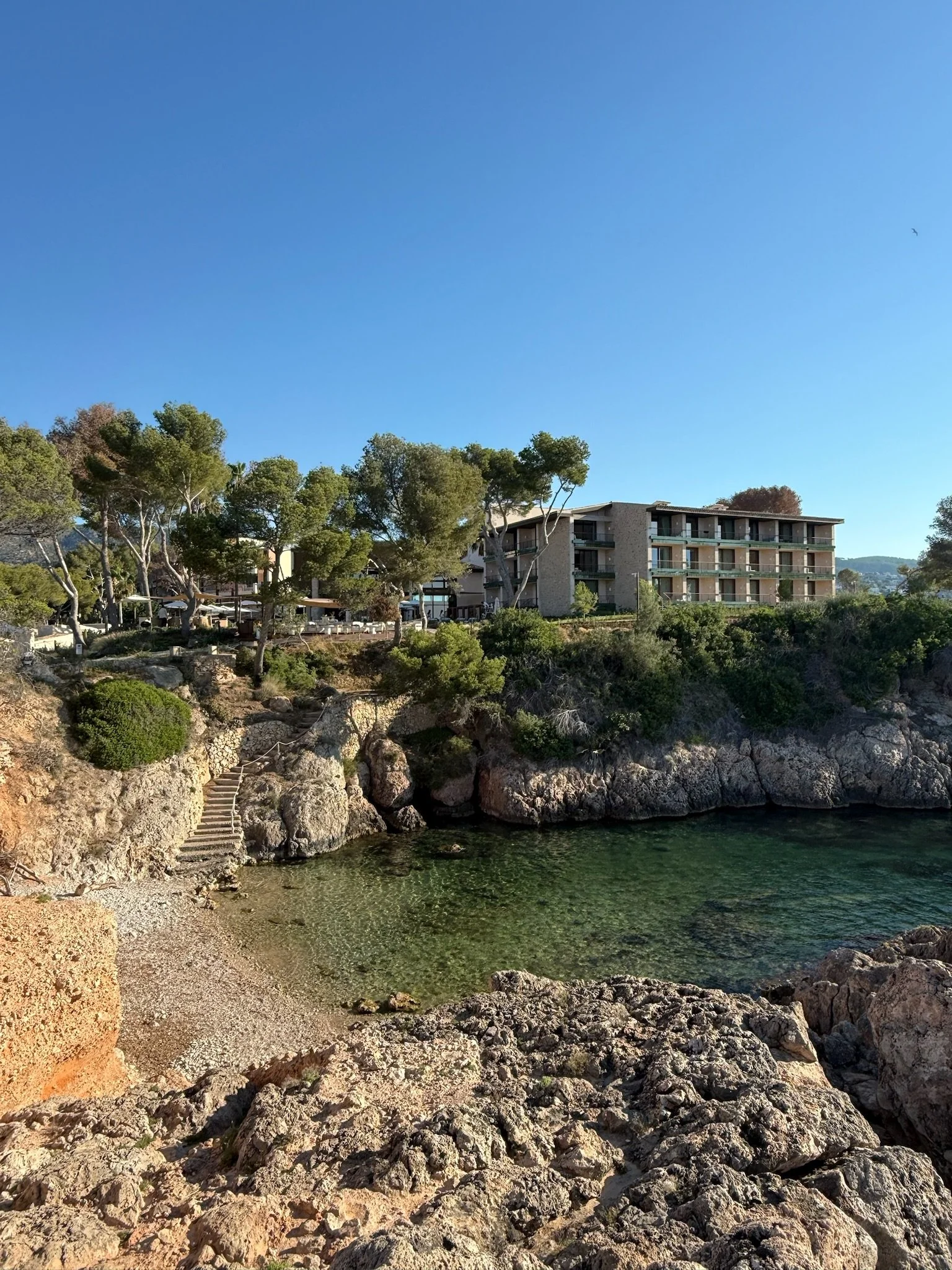
Mandarin Oriental Punta Negra is also an important addition to the island’s luxury hotel landscape, with its first Mallorca resort set on the Mediterranean in the southwest. For travelers who love wellness, polished service, sea views, and resort-style ease, this part of the island will be worth watching closely.

Food, Wine, and the Joy of Slow Lunches

Mallorca is a wonderful destination for food and wine travelers. The island’s dining scene ranges from simple seaside restaurants to Michelin-recognized experiences, with Palma and the surrounding areas offering many of the strongest options.

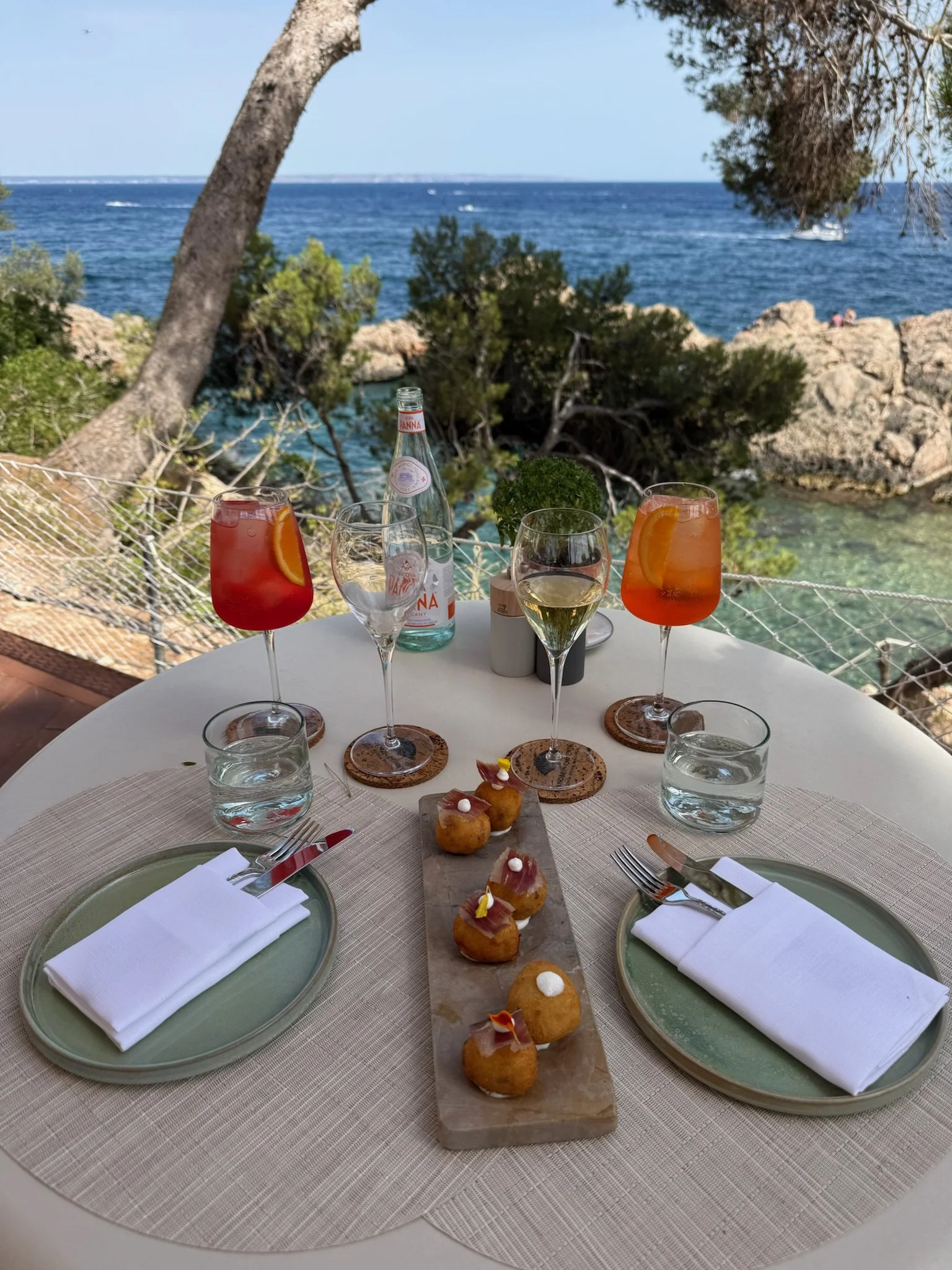
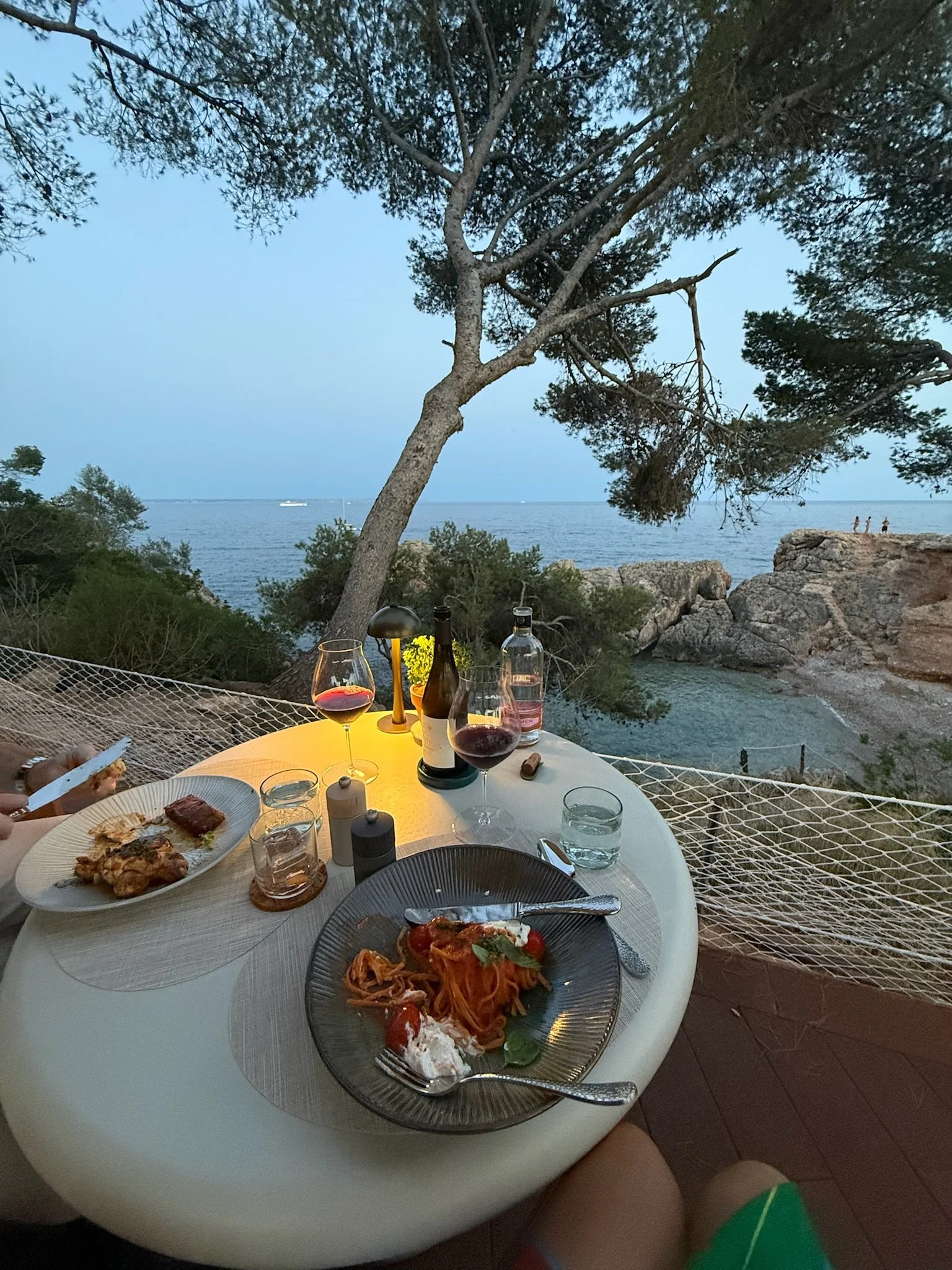
The food culture is rooted in local ingredients: seafood, olive oil, citrus, almonds, vegetables and traditional Mallorcan dishes. For luxury travelers, the best dining moments are often the ones that feel relaxed and well placed. A long lunch after a private boat morning. A countryside meal after visiting a village. A special dinner in Palma after a day of sightseeing.

Mallorca also has a meaningful wine and olive oil culture. The Binissalem wine region, located in the heart of the island and protected by the Serra de Tramuntana, is known for native grape varieties. Wine and olive oil experiences can be a beautiful way to add experiences to an itinerary, especially for clients who want something more local than another beach day.

For retired travelers, couples, and food-focused families, these experiences can be some of the most memorable parts of the trip.

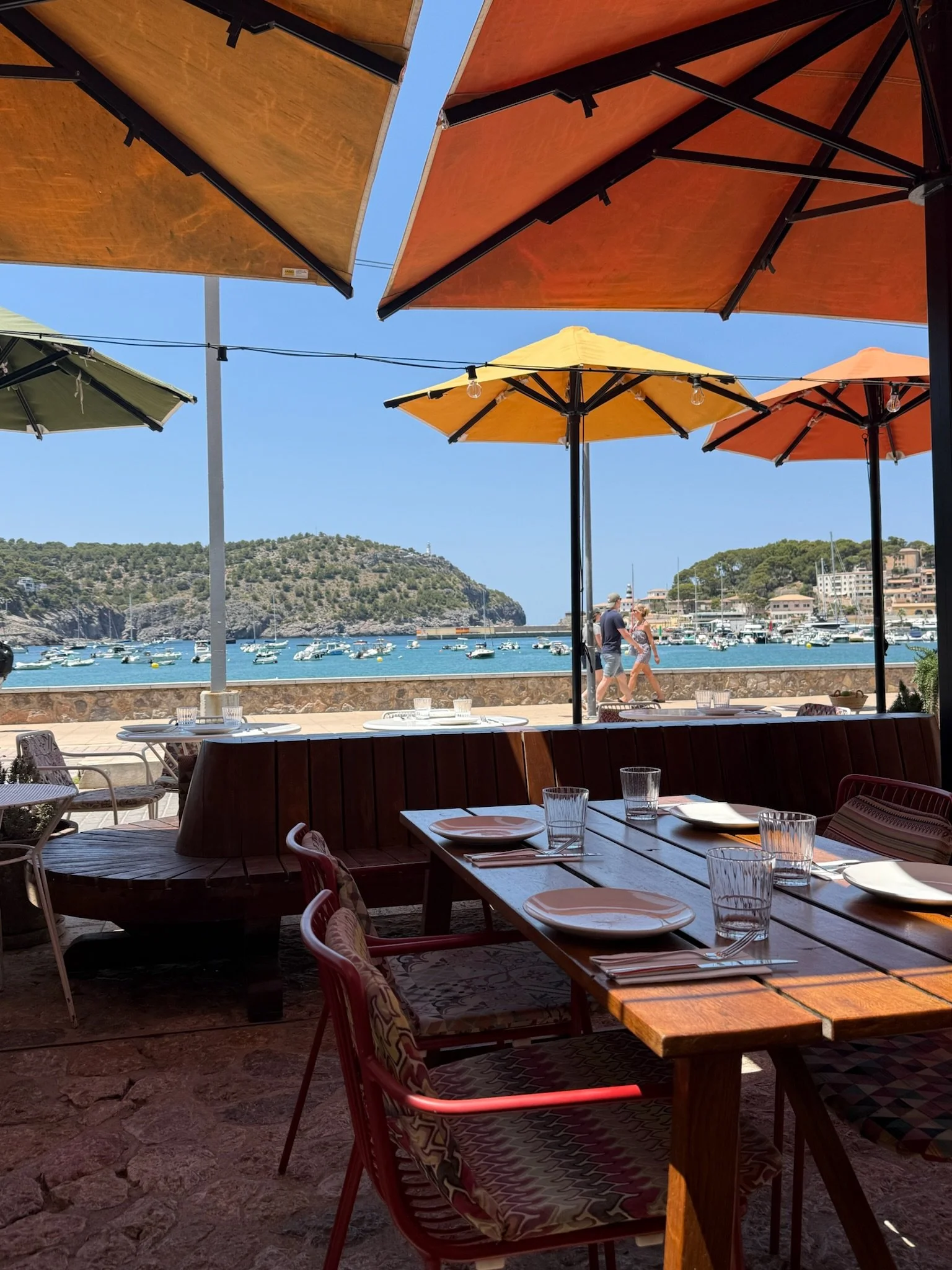
Boating, Beach Clubs, and the Coastline

Mallorca’s beaches and coves are still a major part of its appeal. 

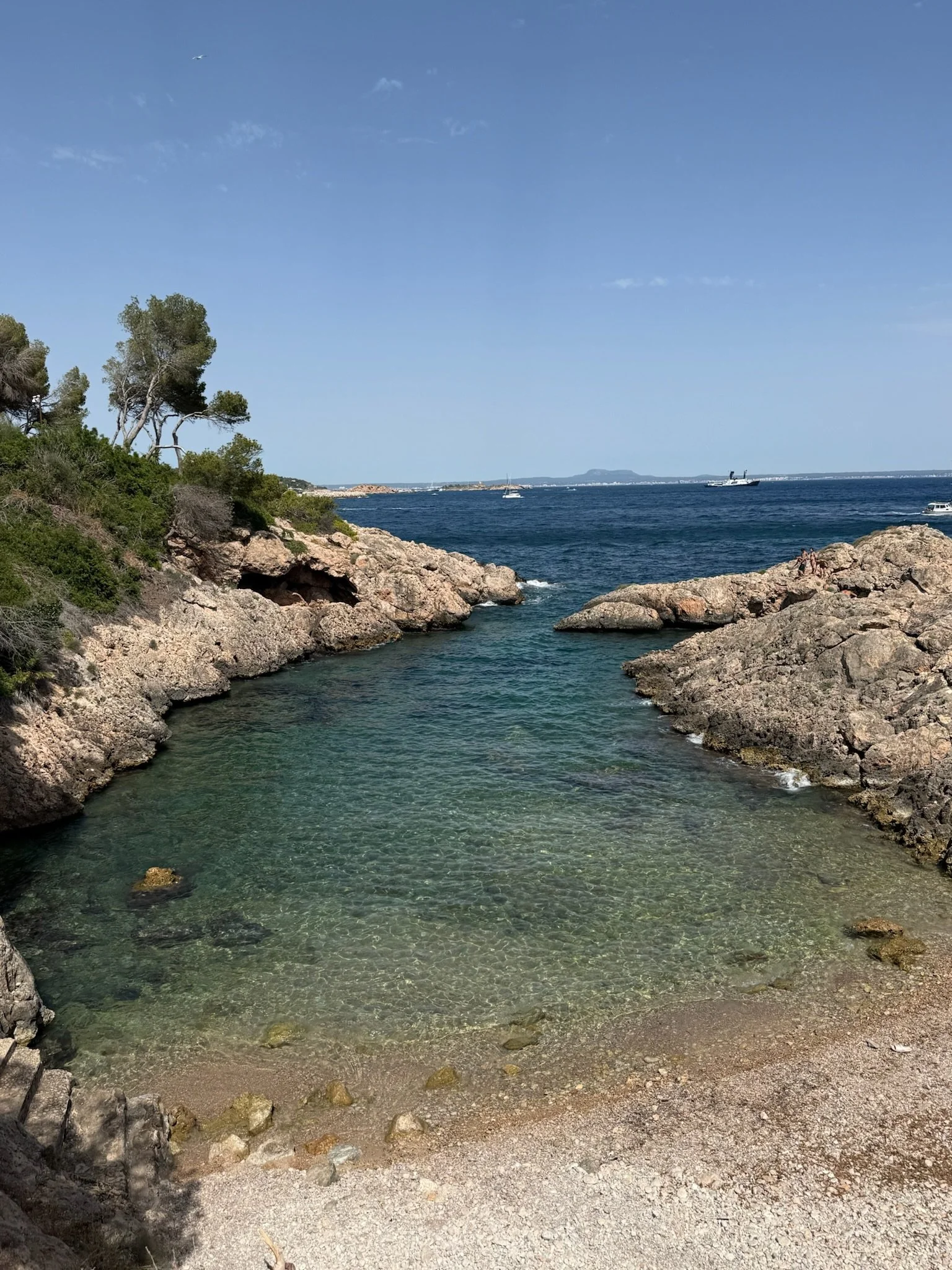
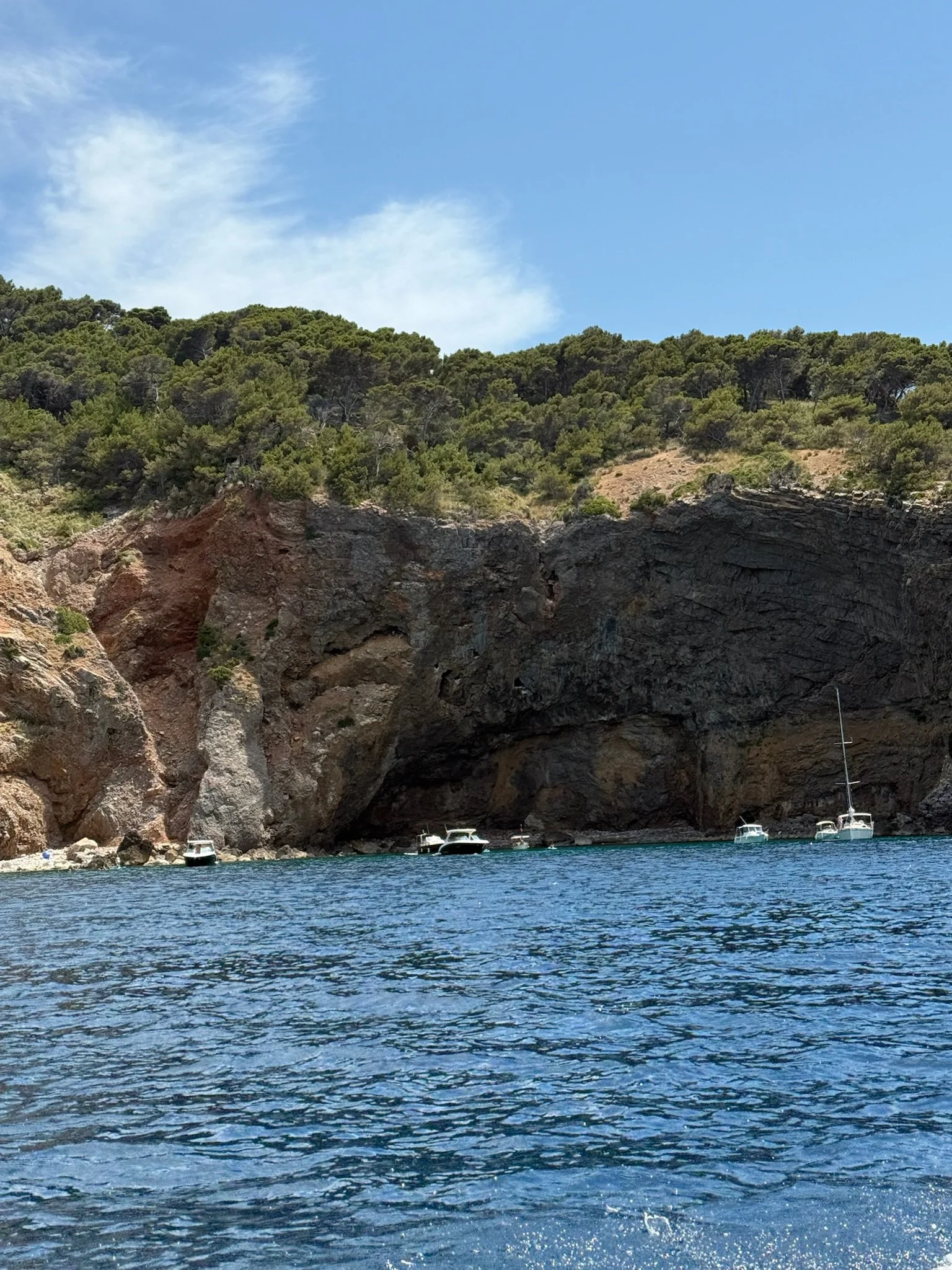
A private boat day is often the best way to enjoy the island’s coastline. It allows travelers to reach quieter coves, swim in clear water, avoid the most crowded beaches, and enjoy the coast at their own time and pace. A well-planned boat day can include a captain, lunch reservations, swim stops, towels, drinks, and a route designed around weather and sea conditions.

Beach clubs can also be part of the experience, but they should be chosen carefully. Some are lively and social, while others are more relaxed.

The advisor’s role is especially important here. Mallorca has many coastal options, but not every beach or beach club will match a client’s expectations.

Who Mallorca Is Best For

Mallorca is an excellent choice for couples who want romance, scenery, food, and beautiful hotels without a trip that feels overly busy.

It works well for families because the island offers beaches, boating, villas, larger hotel accommodations, easy day trips, and enough variety of activities for different ages.

It is a natural fit for multigenerational travel because grandparents can enjoy culture, lunches, and scenery while children and teens have access to swimming, boating, and outdoor activities.

It is also a wonderful destination for retired travelers and empty nesters. The island can be explored slowly, with private drivers, excellent hotels, cultural touring, vineyard visits, and time to enjoy the setting.

Best Time to Visit Mallorca

The best months for a Mallorca trip are usually May, June, September, and early October. These months offer a beautiful balance of warm weather, strong hotel experiences, and a more comfortable pace.

July and August are popular, especially for families tied to school calendars. These months can still be wonderful, but the island is busier. Hotels, villas, boats, restaurants, guides, and beach clubs should be arranged well in advance.

Spring is excellent for hiking, cycling, culture, and countryside stays. Fall is especially lovely for couples, food and wine travelers, and clients who want warm weather without the peak summer energy. It is also one of the reasons a fall trip to Europe can be such a strong option for luxury travelers.

The KJ Travel Take

As many other destinations, Mallorca rewards thoughtful planning. For luxury travelers, that might mean time on the water, a few days in Palma, a quiet stay in the Tramuntana mountains, a private vineyard lunch, or a hotel that feels like part of the landscape. When planned well, Mallorca feels effortless, elegant, and deeply connected to place.

Ready to plan a luxury trip to Mallorca? KJ Travel can design a custom itinerary with the right hotels, private guides, restaurant reservations, private yacht days, and insider experiences from start to finish. Time to get in touch with a KJ Travel Advisor.

FAQs About Luxury Travel to Mallorca

Is Mallorca a good luxury destination?

Yes. Mallorca is one of Spain’s strongest luxury destinations, with five-star hotels, private villas, fine dining, yacht charters, wellness, historic villages, cultural sites, and beautiful scenery. It works especially well for travelers who want a Mediterranean island with more depth than a beach-only vacation.

Is Mallorca better for couples or families?

Mallorca works well for both. Couples may prefer Palma, Deià, Cap Rocat, Belmond La Residencia, or a quieter countryside stay. Families may prefer a villa, a resort with more space, or a coastal base with easy access to beaches and boating.

What is the best area to stay in Mallorca?

It depends on the traveler. Palma is best for culture, restaurants, and shopping. Deià and the Tramuntana mountains are best for scenery, romance, hiking, and village life. The southwest is strong for resort stays, yachting, golf, and beach clubs. The north and countryside are better for travelers who want a quieter, more local experience.

When is the best time to visit Mallorca?

May, June, September, and early October are often the best months for a luxury trip. July and August are popular and can be wonderful for families, but they are busier and require more advance planning.

Is Mallorca too crowded in summer?

Mallorca is busy in July and August, especially in popular beach areas and villages. With the right hotel, private transfers, restaurant planning, boat days, and curated experiences, summer can still feel polished and enjoyable.

Can Mallorca be paired with Barcelona or Madrid?

Yes. Mallorca pairs very well with Barcelona or Madrid. Many luxury travelers combine a city stay with five to seven nights on the island.