
There is something about Europe in summer that keeps travelers coming back. Longer days, lively cities, coastal escapes, countryside stays, outdoor dining, cultural events, and the fact that you can easily move between very different destinations in a single trip.
It is also one of the busiest times of year to travel across the continent, which is why some of the most important decisions happen long before summer arrives.
For more complex trips in June, July, or August, KJ Travel typically recommends beginning the conversation the previous fall, particularly for families, multigenerational groups, villa stays, and itineraries that include several destinations.
The advantage of planning Europe in the fall isn't that every reservation needs to be made nine months ahead. It's that there are still enough good options on the table to design the trip properly. And that is really the point.
Starting early is less about urgency and more about protecting the ability to make good decisions.

Quick Take
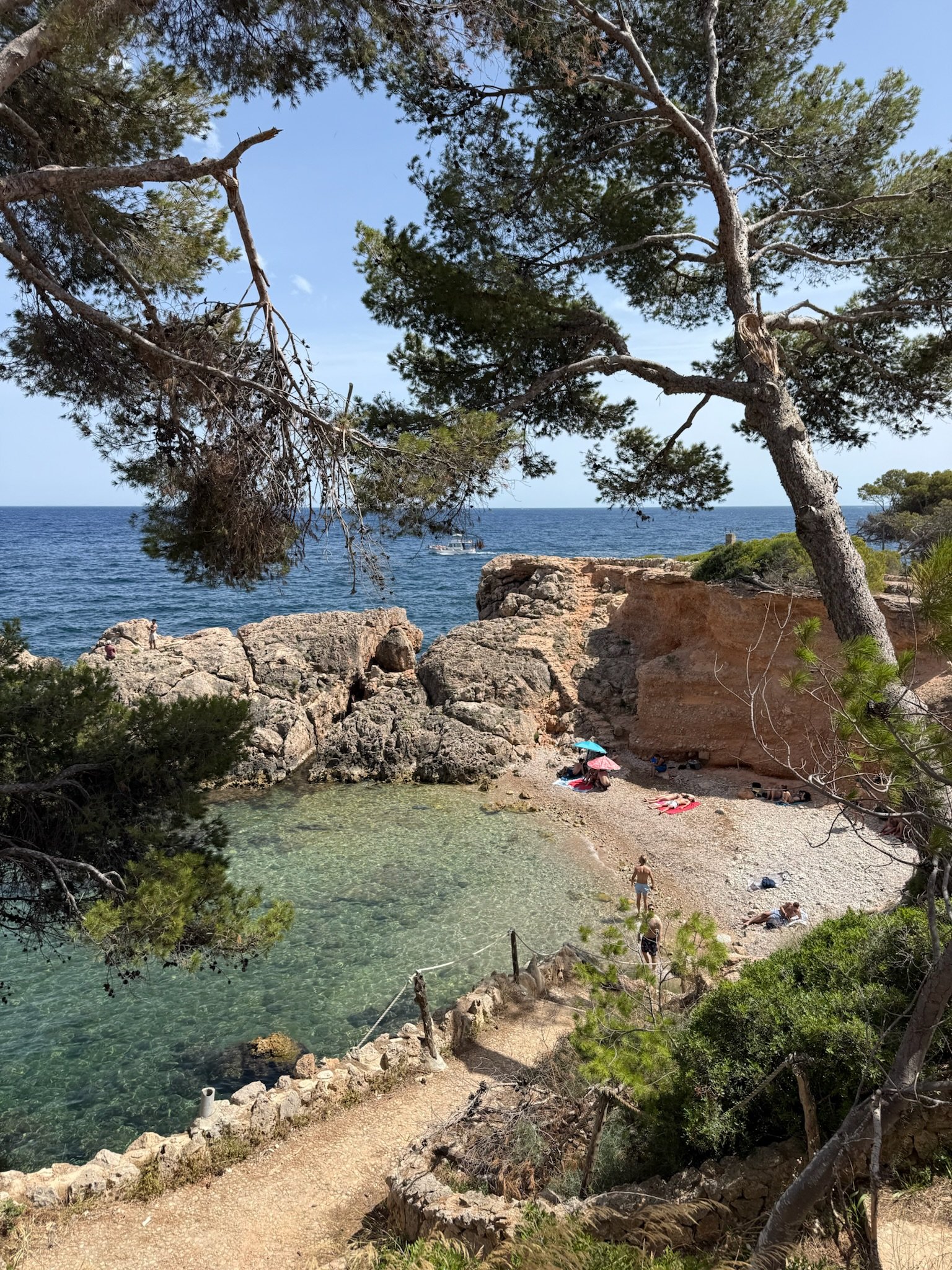
For a luxury summer trip to Europe, fall is a smartest time to begin thinking about the big pieces: where to go, how long to stay, which hotels make sense, what room configuration is needed, and how the itinerary should flow.
The parts with the least flexibility can be secured first. Everything else can follow as booking windows open.
For luxury travelers, the advantage is not simply getting a reservation. It is having enough choice to create the perfect trip.
Planning Early Does Not Mean Booking Everything Early
This is an important distinction.
A trip to Europe for the following summer does not need to be completely booked by October. In many cases, it could not be. Some train schedules, restaurant reservations, museum tickets, ferry schedules, and local experiences will not yet be available. Their booking windows vary by destination and supplier.
Fall is instead the time to create the framework.
The dates. The route. The hotels. The rooms. The villa. The number of nights in each destination. The major transportation decisions. The experiences that matter enough to influence where the trip goes. Once those pieces are right, the smaller details have somewhere to land.
The Hotel Can Change the Entire Experience
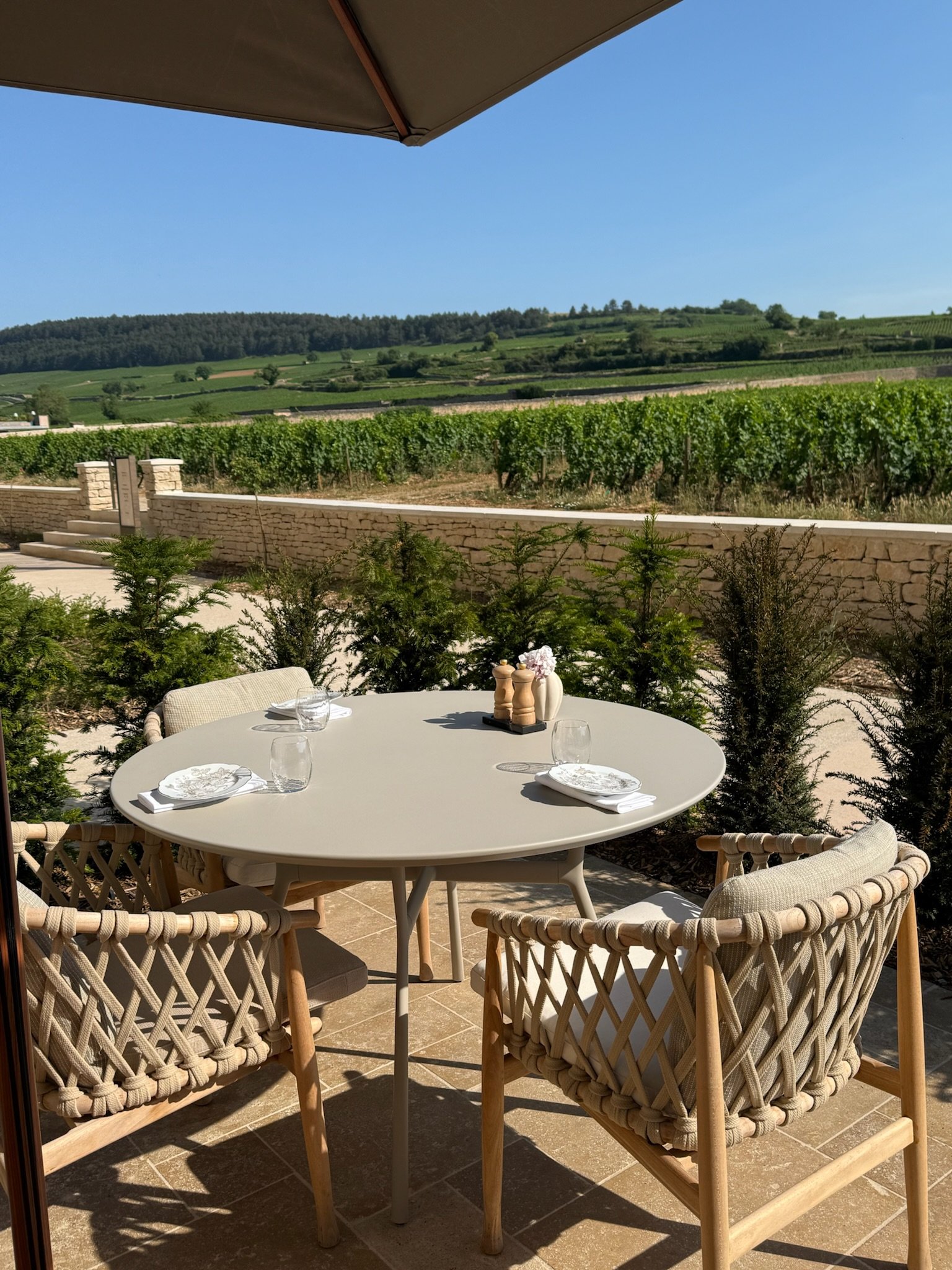
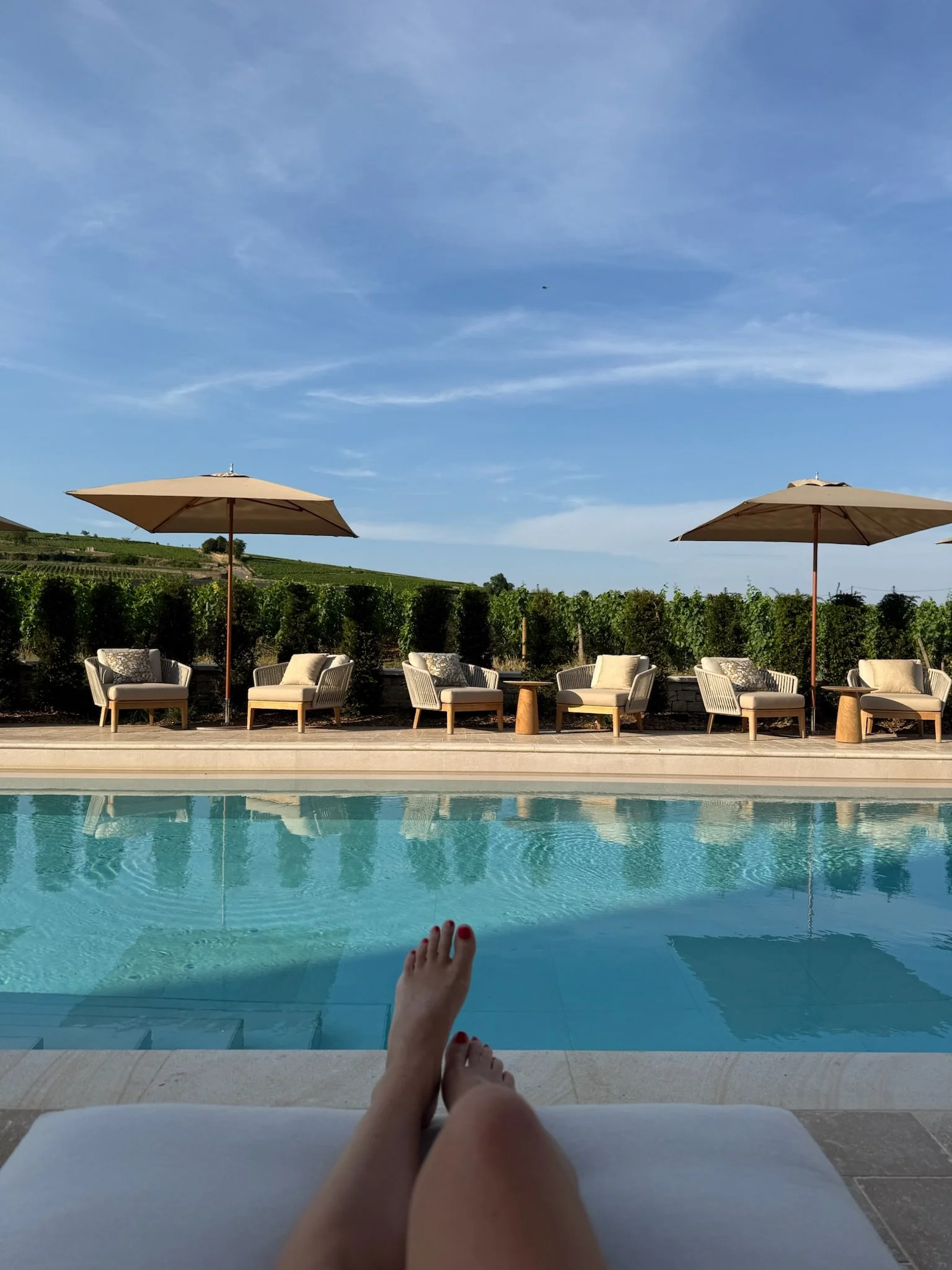
In Europe, choosing a hotel is rarely just about choosing a beautiful room. The property can change how travelers experience the destination.
One hotel may be an easy walk into town. Another might have a boat or shuttle that makes getting around much easier. One countryside resort may work beautifully for travelers who want to explore every day, while another is better treated as a destination in itself.
Those details affect everything from dinner plans to touring. They also explain why the most famous hotel is not necessarily the right hotel.
KJ Travel's firsthand hotel research is especially valuable here. Advisor visits reveal things that are difficult to understand from a room photograph or hotel website alone: how long it actually takes to get into town, how easy it is to move around the property, which rooms connect, whether families will feel comfortable there, and whether guests are likely to want two nights or five.
Those details may seem small during the booking process. Once the trip begins, they can make an enormous difference.
Starting Early Protects the Flow of the Trip
This may be the most overlooked advantage.
Imagine a traveler planning Paris, Provence, and the French Riviera.
When there is still strong hotel availability, the itinerary can be arranged around the route that makes the most sense. The number of nights in each place can be adjusted. Hotels can be chosen based on neighborhood, style, and the way the traveler wants to spend each day.
When choices are much narrower, the itinerary can start bending around availability instead.
An extra night may have to be added somewhere because a hotel is unavailable the following evening. A preferred property may work only if the trip runs in reverse. A particular suite may require shifting the entire stay by a day.
None of those compromises necessarily ruins a trip. But enough small compromises can change its rhythm. Starting earlier makes it much easier for the logistics to support the experience rather than control it.
The Experiences Can Be Just as Limited as the Rooms
After the hotels are in place, another layer of planning begins.
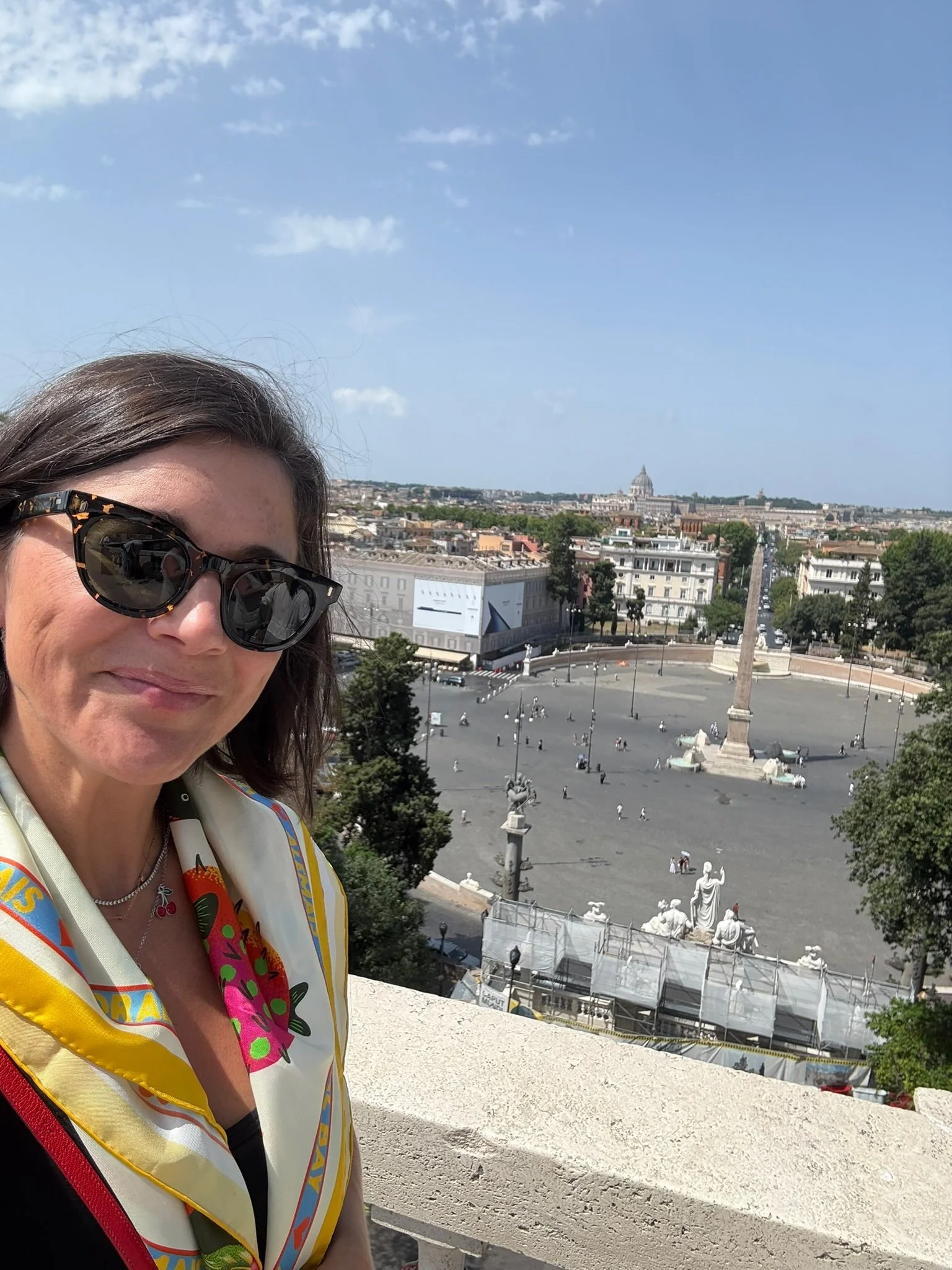
A favorite private guide in Rome. The right captain for a day around Capri. A chef coming to a villa for dinner. A small winery visit in Tuscany. A spa appointment at exactly the right time after several days of touring.
These are often the parts of a trip travelers remember most. And in some cases, they can also have surprisingly limited availability.
KJ Travel advisors see this very often. During one advisor visit to the Amalfi Coast, for example, a complimentary hotel boat outing still required an advance reservation because capacity was limited. Again, not every activity needs to be booked in October.
It is that the best experiences are not always infinitely available just because the trip is months away. Once the overall itinerary is established, the important experiences can be identified and handled at the appropriate time.

What Should Be Prioritized in the Fall?
By fall, the goal is to have clarity around the trip's foundation.
That usually means settling the travel dates as much as possible, choosing the general route, identifying the priority hotels or villas, understanding room requirements, and deciding how many nights each destination deserves. Long-haul flights can be evaluated once schedules are available, while the most important trip-defining experiences can already be discussed so that the itinerary leaves room for them.
Restaurant reservations, most rail tickets, some ferries, museum entry times, and other details can be layered in later according to their individual booking windows.
The trip does not need to be finished. It needs to have a strong foundation.
The KJ Travel Take
The best European summers are not necessarily the ones planned the furthest in advance. They are the ones planned early enough to still have meaningful choices.
That could mean finding the right connecting rooms for a family. Giving Capri three nights instead of turning it into a rushed day trip. Choosing a hotel because its location makes the entire stay easier. Or realizing that the itinerary needs one less destination and a little more time by the pool.
The advantage of planning Europe in the fall isn't that every reservation needs to be made nine months ahead. It's that there are still enough good options on the table to design the trip properly.
For luxury travelers, that may be the biggest advantage of all. Not simply having more options, but having the freedom to choose well.
If Europe is on your calendar for next summer, we’d love to help you plan it all! Get in touch with a KJ Travel advisor and start designing your next European adventure.
Frequently Asked Questions
When should travelers start planning a summer trip to Europe?
For more complex luxury trips in June, July, or August, KJ Travel generally recommends beginning the planning conversation the previous fall. This is especially helpful for families, multigenerational groups, villa stays, and itineraries involving several destinations.
Is fall too early to plan a European summer vacation?
No. Starting in fall does not mean everything needs to be booked immediately. It is a good time to establish the destinations, hotels, room requirements, pacing, and overall itinerary. Other reservations can be added as their booking windows open.
What should be booked first?
The pieces with the least flexibility usually deserve attention first. Depending on the trip, that might include a particular luxury hotel, connecting rooms, a villa, yacht charter, cruise, or another accommodation that has limited suitable inventory.
Why should families start planning Europe earlier?
Families often have more specific accommodation requirements, such as connecting rooms, multi-bedroom suites, or several rooms close together. Those combinations can make up only a small portion of a hotel's overall inventory.
Does planning early guarantee lower prices?
No. Hotel and airfare prices can change, and starting early does not guarantee the lowest rate. The bigger advantage is preserving choice when it comes to hotels, room categories, dates, routing, and the overall design of the trip.
Which European destinations benefit most from advance summer planning?
Advance planning becomes particularly valuable for trips involving popular seasonal destinations, small luxury hotels, villas, or complicated room requirements. Places such as the Amalfi Coast, Capri, Lake Como, Tuscany, Provence, the French Riviera, Mallorca, and the Greek islands are good examples, along with major cities when travelers need specific suites or family configurations.