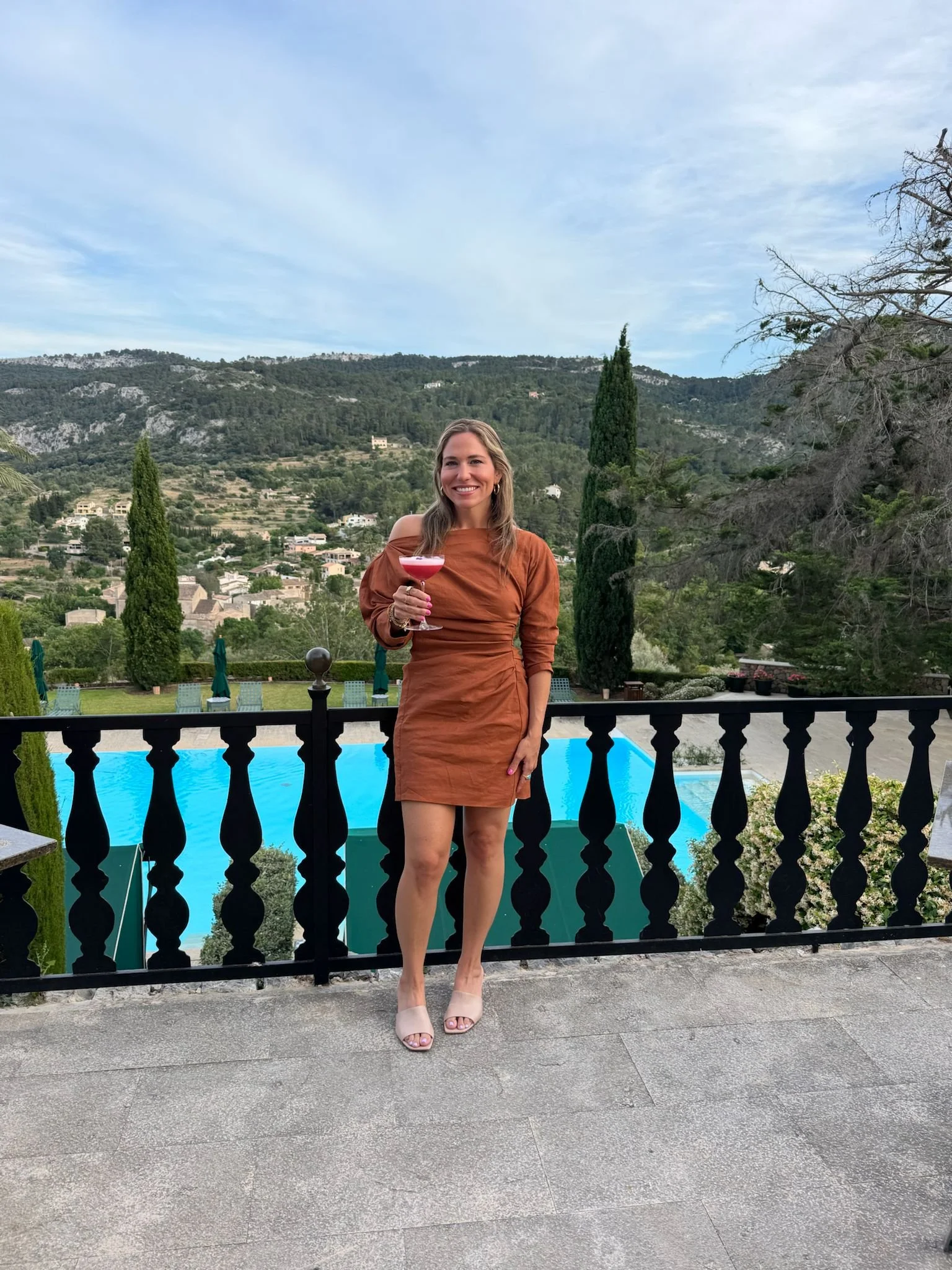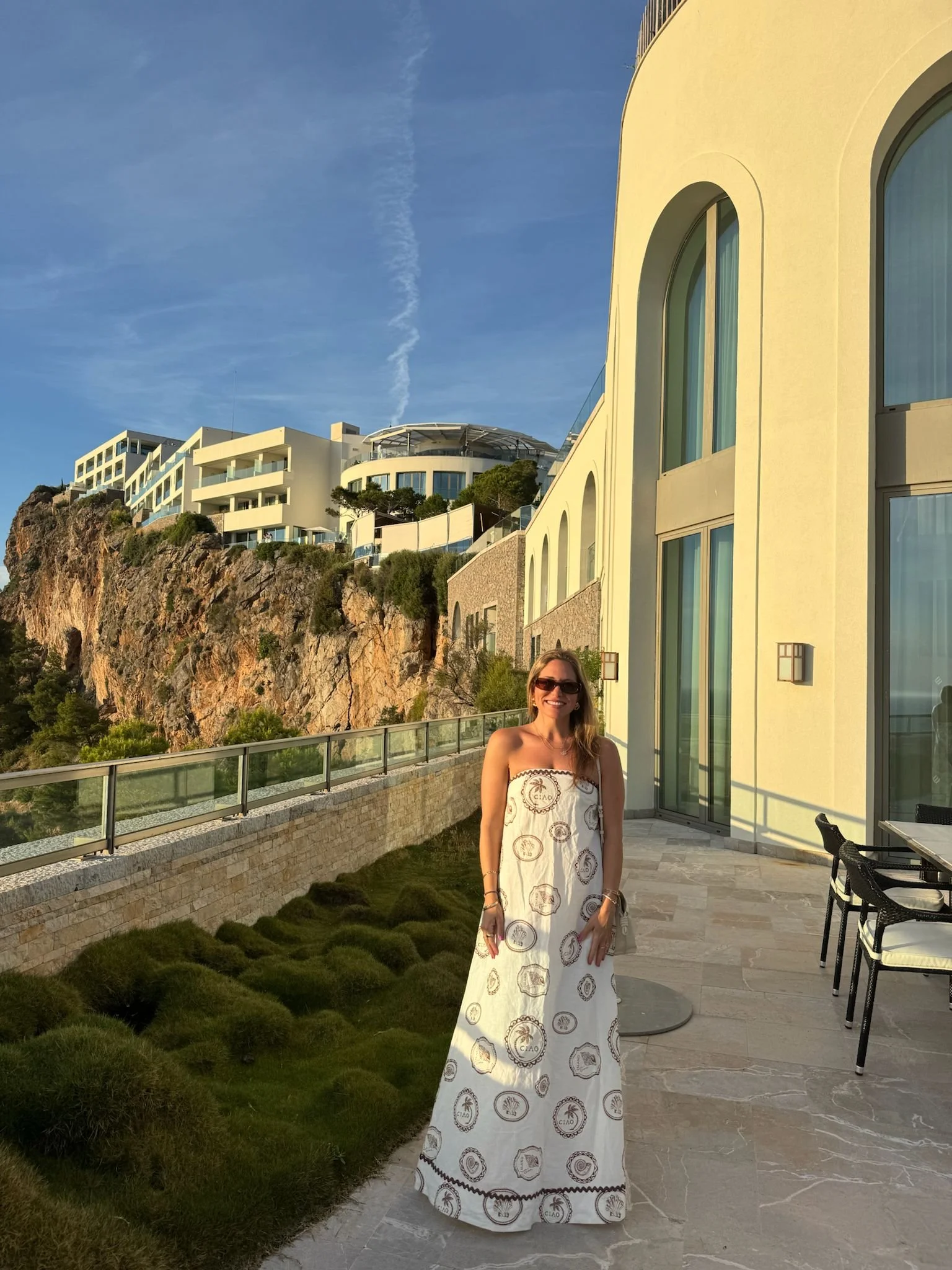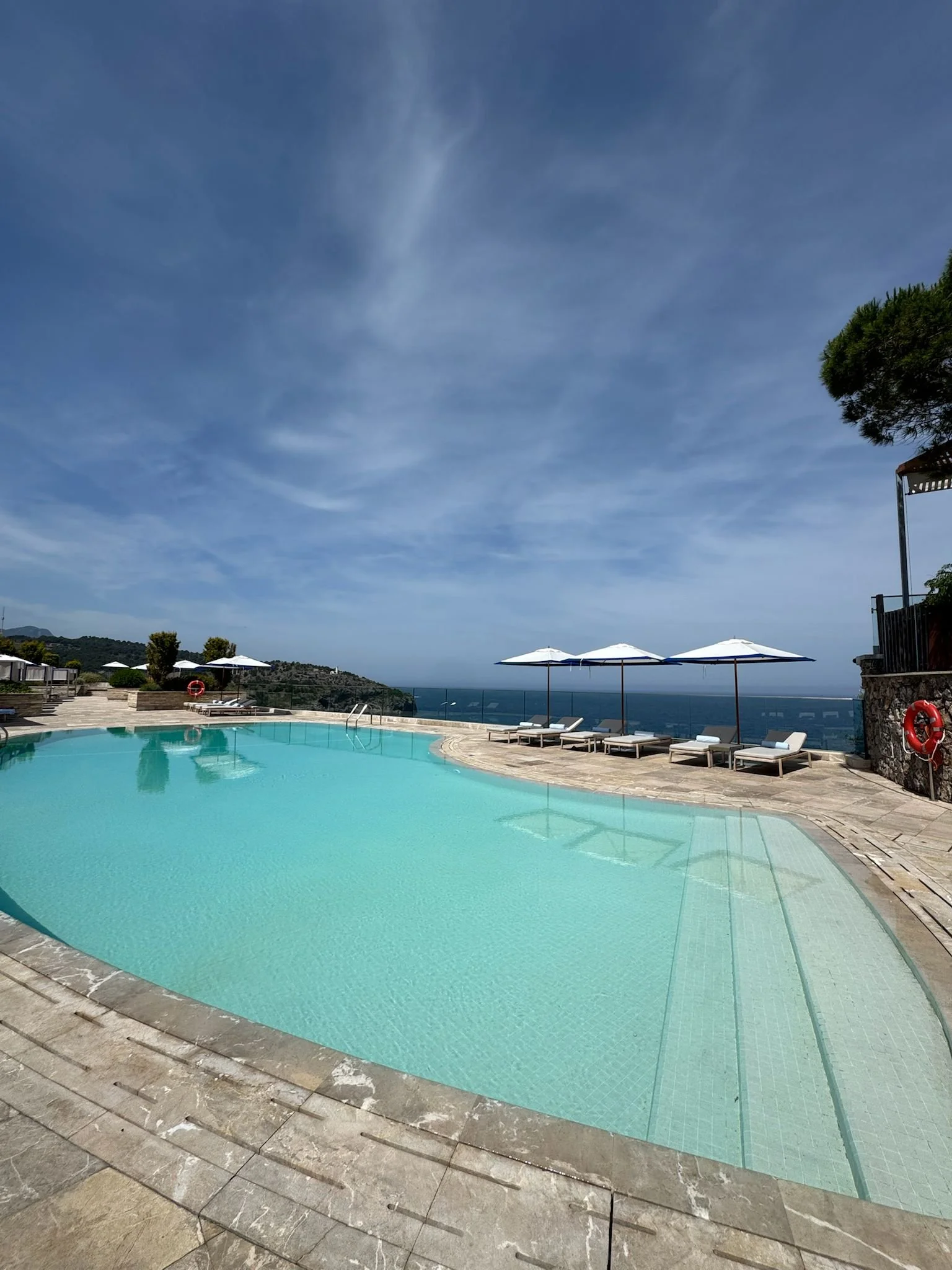
Why the Best Summer Trips to Europe Start in the Fall

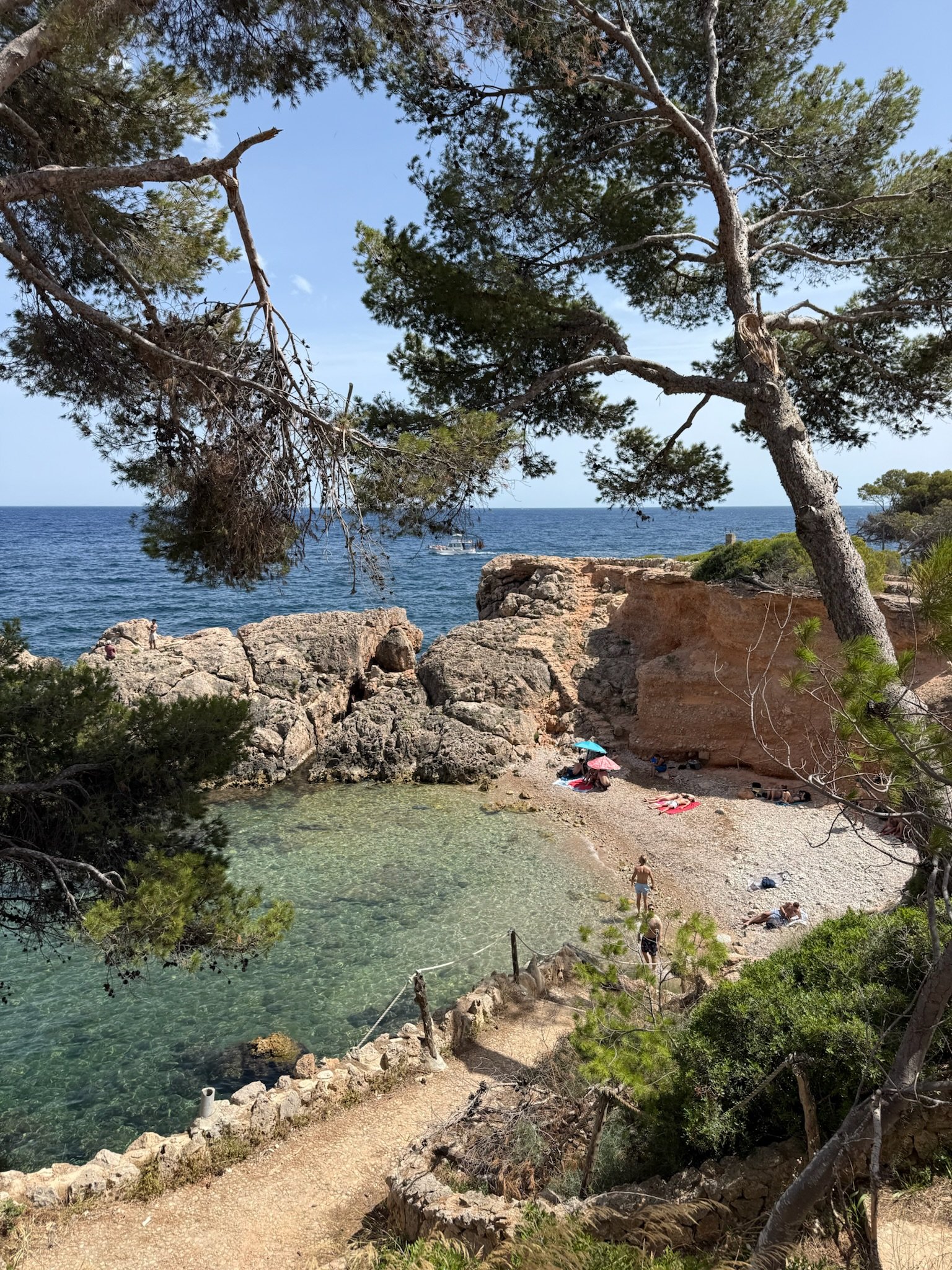
There is something about Europe in summer that keeps travelers coming back. Longer days, lively cities, coastal escapes, countryside stays, outdoor dining, cultural events, and the fact that you can easily move between very different destinations in a single trip.

It is also one of the busiest times of year to travel across the continent, which is why some of the most important decisions happen long before summer arrives.

For more complex trips in June, July, or August, KJ Travel typically recommends beginning the conversation the previous fall, particularly for families, multigenerational groups, villa stays, and itineraries that include several destinations.

The advantage of planning Europe in the fall isn't that every reservation needs to be made nine months ahead. It's that there are still enough good options on the table to design the trip properly. And that is really the point.

Starting early is less about urgency and more about protecting the ability to make good decisions.
Quick Take

For a luxury summer trip to Europe, fall is a smartest time to begin thinking about the big pieces: where to go, how long to stay, which hotels make sense, what room configuration is needed, and how the itinerary should flow.

The parts with the least flexibility can be secured first. Everything else can follow as booking windows open.

For luxury travelers, the advantage is not simply getting a reservation. It is having enough choice to create the perfect trip.

Planning Early Does Not Mean Booking Everything Early

This is an important distinction.

A trip to Europe for the following summer does not need to be completely booked by October. In many cases, it could not be. Some train schedules, restaurant reservations, museum tickets, ferry schedules, and local experiences will not yet be available. Their booking windows vary by destination and supplier.

Fall is instead the time to create the framework.

The dates. The route. The hotels. The rooms. The villa. The number of nights in each destination. The major transportation decisions. The experiences that matter enough to influence where the trip goes. Once those pieces are right, the smaller details have somewhere to land.

The Hotel Can Change the Entire Experience

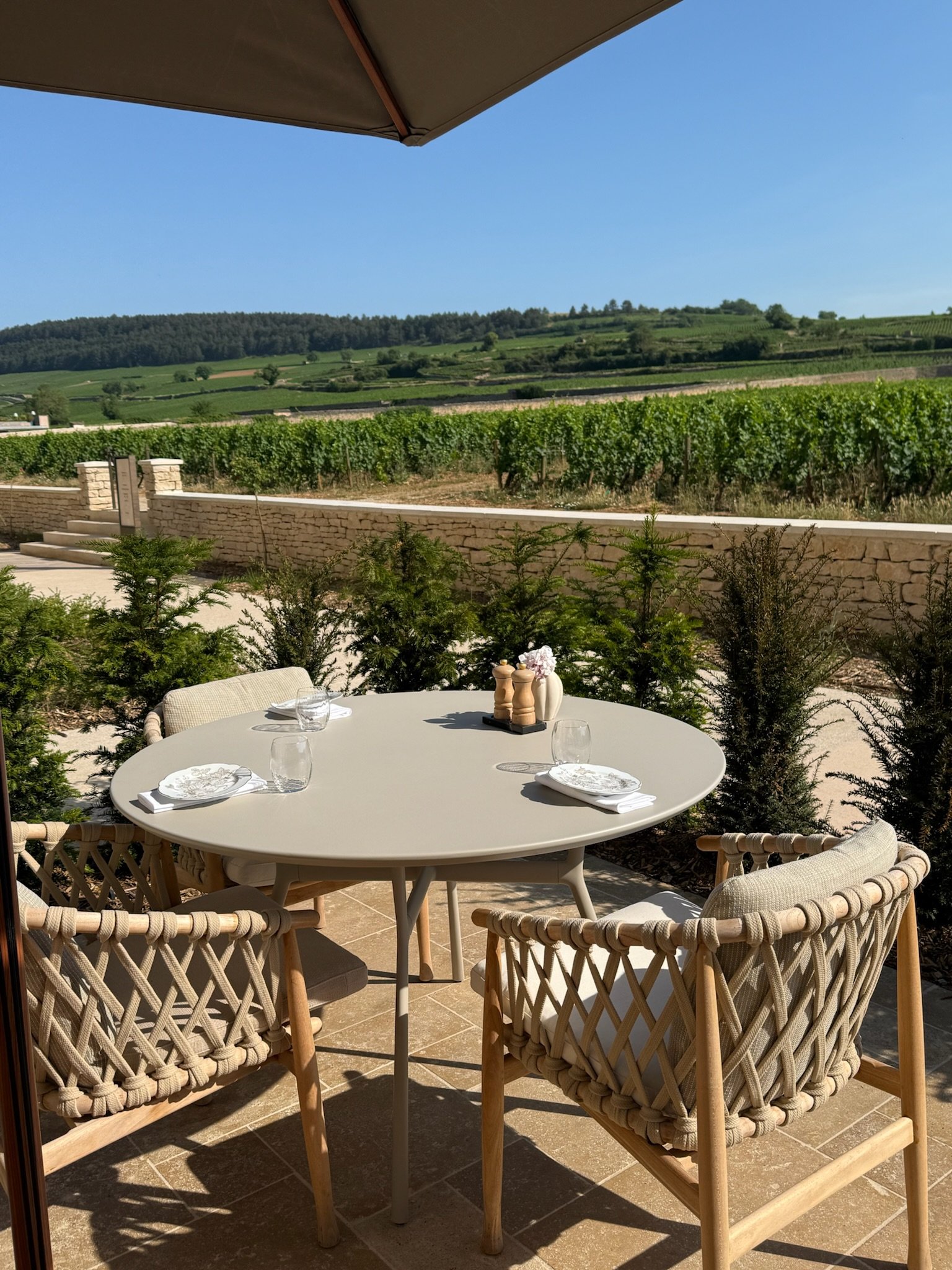
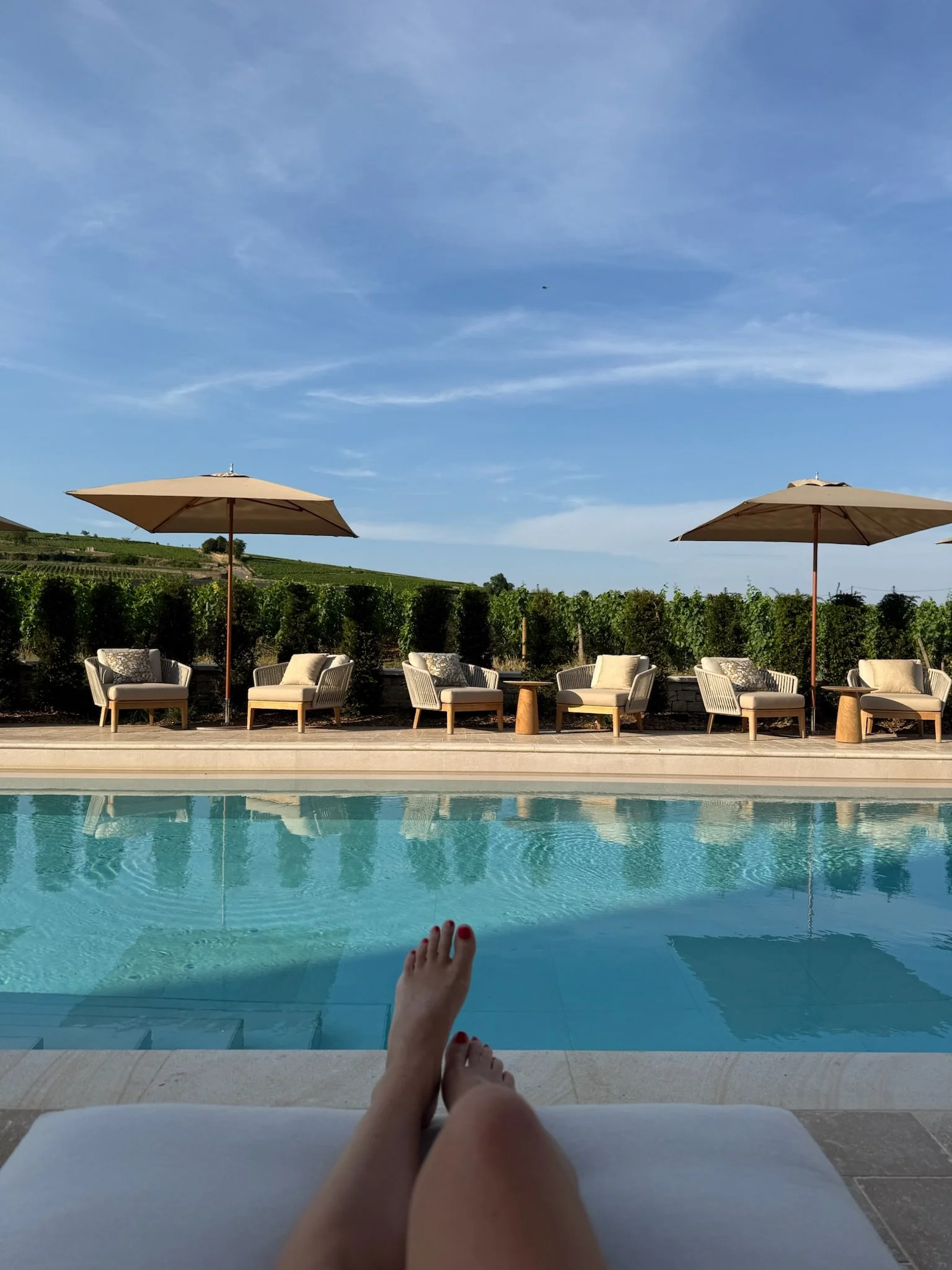
In Europe, choosing a hotel is rarely just about choosing a beautiful room. The property can change how travelers experience the destination.

One hotel may be an easy walk into town. Another might have a boat or shuttle that makes getting around much easier. One countryside resort may work beautifully for travelers who want to explore every day, while another is better treated as a destination in itself.

Those details affect everything from dinner plans to touring. They also explain why the most famous hotel is not necessarily the right hotel.

KJ Travel's firsthand hotel research is especially valuable here. Advisor visits reveal things that are difficult to understand from a room photograph or hotel website alone: how long it actually takes to get into town, how easy it is to move around the property, which rooms connect, whether families will feel comfortable there, and whether guests are likely to want two nights or five.

Those details may seem small during the booking process. Once the trip begins, they can make an enormous difference.
Starting Early Protects the Flow of the Trip

This may be the most overlooked advantage.

Imagine a traveler planning Paris, Provence, and the French Riviera.

When there is still strong hotel availability, the itinerary can be arranged around the route that makes the most sense. The number of nights in each place can be adjusted. Hotels can be chosen based on neighborhood, style, and the way the traveler wants to spend each day.

When choices are much narrower, the itinerary can start bending around availability instead.

An extra night may have to be added somewhere because a hotel is unavailable the following evening. A preferred property may work only if the trip runs in reverse. A particular suite may require shifting the entire stay by a day.

None of those compromises necessarily ruins a trip. But enough small compromises can change its rhythm. Starting earlier makes it much easier for the logistics to support the experience rather than control it.

The Experiences Can Be Just as Limited as the Rooms

After the hotels are in place, another layer of planning begins.

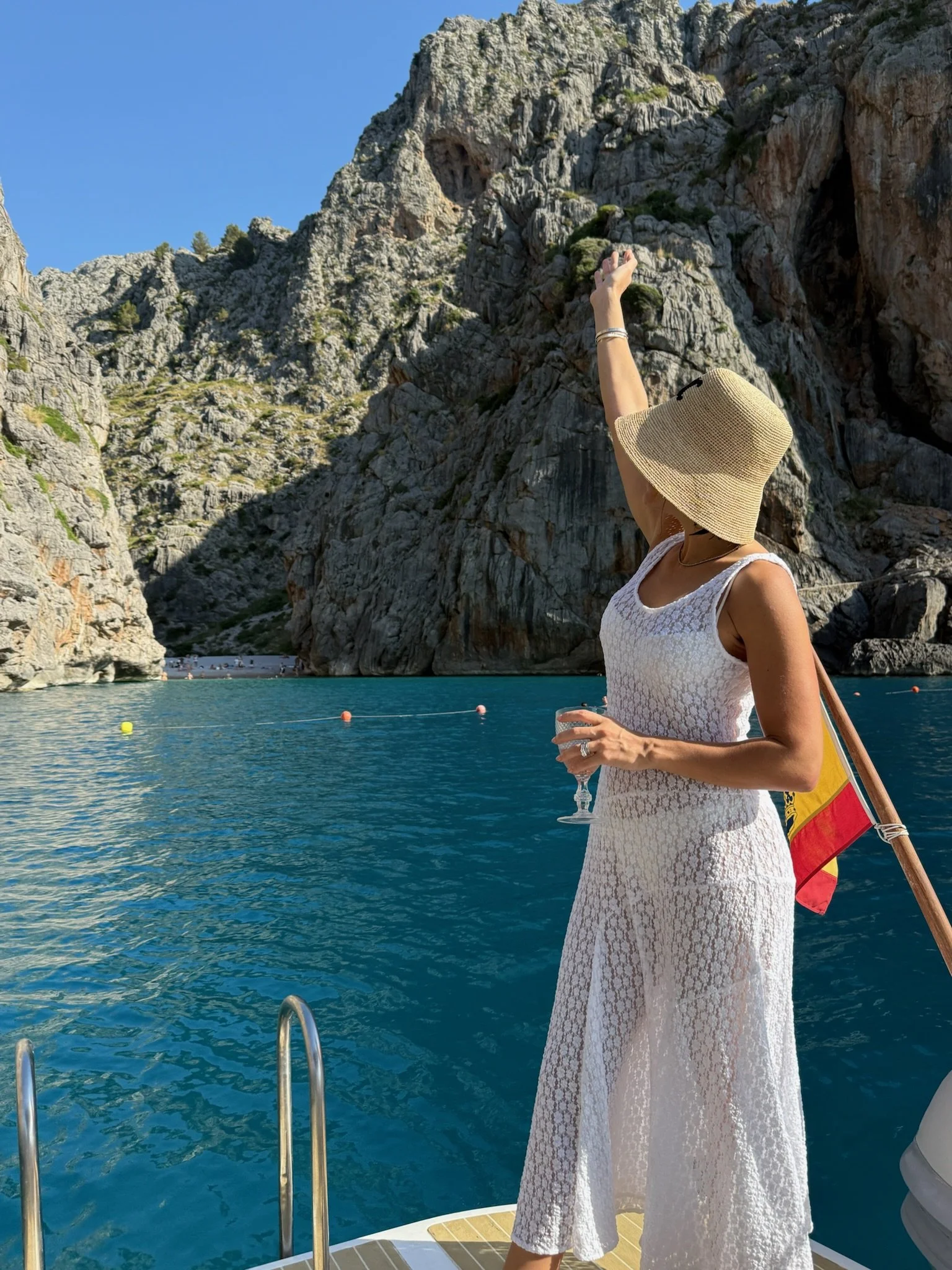
A favorite private guide in Rome. The right captain for a day around Capri. A chef coming to a villa for dinner. A small winery visit in Tuscany. A spa appointment at exactly the right time after several days of touring.

These are often the parts of a trip travelers remember most. And in some cases, they can also have surprisingly limited availability.

KJ Travel advisors see this very often. During one advisor visit to the Amalfi Coast, for example, a complimentary hotel boat outing still required an advance reservation because capacity was limited. Again, not every activity needs to be booked in October.

It is that the best experiences are not always infinitely available just because the trip is months away. Once the overall itinerary is established, the important experiences can be identified and handled at the appropriate time.
What Should Be Prioritized in the Fall?

By fall, the goal is to have clarity around the trip's foundation.

That usually means settling the travel dates as much as possible, choosing the general route, identifying the priority hotels or villas, understanding room requirements, and deciding how many nights each destination deserves. Long-haul flights can be evaluated once schedules are available, while the most important trip-defining experiences can already be discussed so that the itinerary leaves room for them.

Restaurant reservations, most rail tickets, some ferries, museum entry times, and other details can be layered in later according to their individual booking windows.

The trip does not need to be finished. It needs to have a strong foundation.

The KJ Travel Take

The best European summers are not necessarily the ones planned the furthest in advance. They are the ones planned early enough to still have meaningful choices.

That could mean finding the right connecting rooms for a family. Giving Capri three nights instead of turning it into a rushed day trip. Choosing a hotel because its location makes the entire stay easier. Or realizing that the itinerary needs one less destination and a little more time by the pool.

The advantage of planning Europe in the fall isn't that every reservation needs to be made nine months ahead. It's that there are still enough good options on the table to design the trip properly.

For luxury travelers, that may be the biggest advantage of all. Not simply having more options, but having the freedom to choose well.

If Europe is on your calendar for next summer, we’d love to help you plan it all! Get in touch with a KJ Travel advisor and start designing your next European adventure.

Frequently Asked Questions

When should travelers start planning a summer trip to Europe?

For more complex luxury trips in June, July, or August, KJ Travel generally recommends beginning the planning conversation the previous fall. This is especially helpful for families, multigenerational groups, villa stays, and itineraries involving several destinations.

Is fall too early to plan a European summer vacation?

No. Starting in fall does not mean everything needs to be booked immediately. It is a good time to establish the destinations, hotels, room requirements, pacing, and overall itinerary. Other reservations can be added as their booking windows open.

What should be booked first?

The pieces with the least flexibility usually deserve attention first. Depending on the trip, that might include a particular luxury hotel, connecting rooms, a villa, yacht charter, cruise, or another accommodation that has limited suitable inventory.

Why should families start planning Europe earlier?

Families often have more specific accommodation requirements, such as connecting rooms, multi-bedroom suites, or several rooms close together. Those combinations can make up only a small portion of a hotel's overall inventory.

Does planning early guarantee lower prices?

No. Hotel and airfare prices can change, and starting early does not guarantee the lowest rate. The bigger advantage is preserving choice when it comes to hotels, room categories, dates, routing, and the overall design of the trip.

Which European destinations benefit most from advance summer planning?

Advance planning becomes particularly valuable for trips involving popular seasonal destinations, small luxury hotels, villas, or complicated room requirements. Places such as the Amalfi Coast, Capri, Lake Como, Tuscany, Provence, the French Riviera, Mallorca, and the Greek islands are good examples, along with major cities when travelers need specific suites or family configurations.
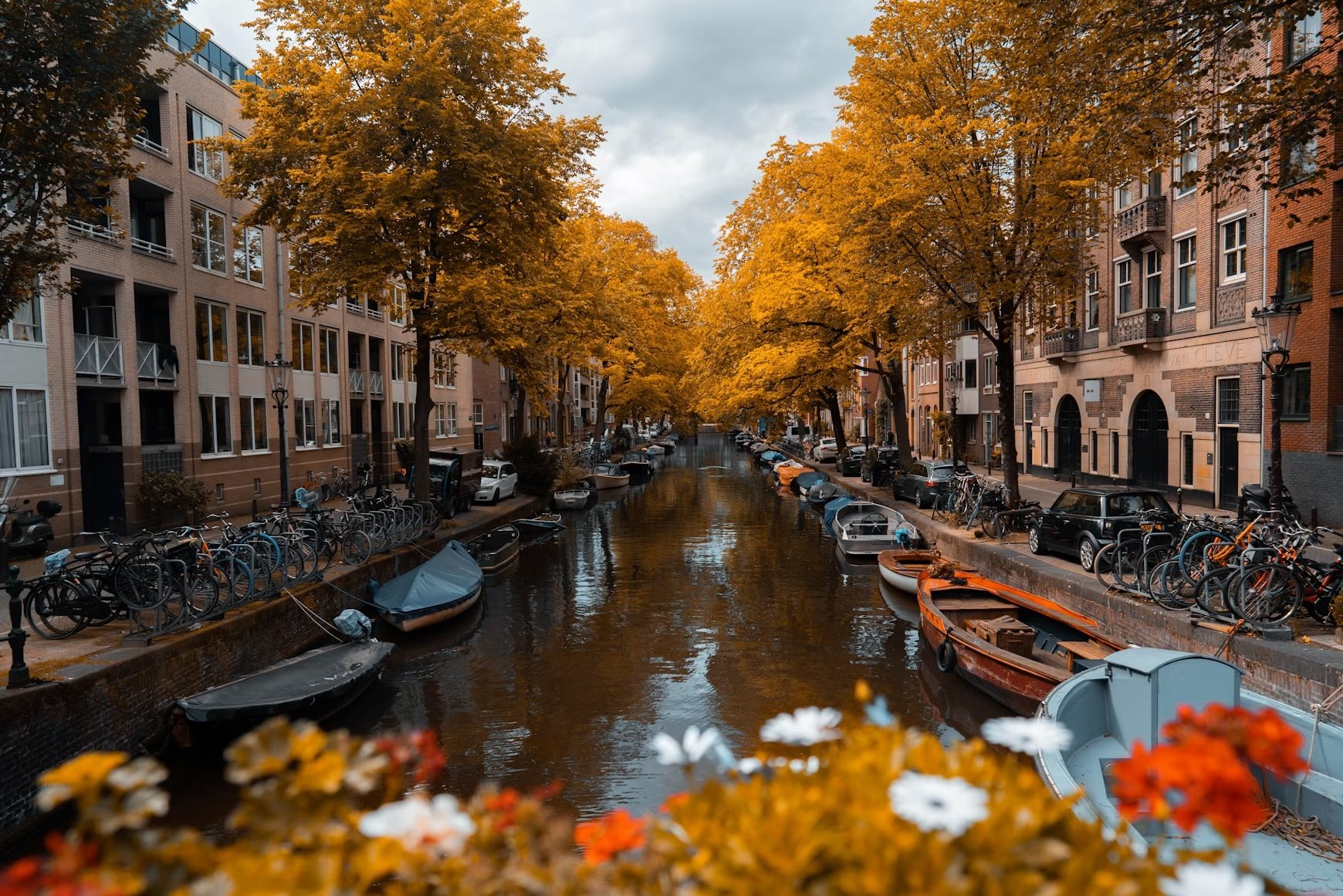
Why Fall Is One of the Best Times to Visit Europe

For many travelers, Europe immediately brings to mind summer. Long days along the Amalfi Coast, beach clubs on the French Riviera, and island hopping through Greece often dominate the conversation.

Yet for many experienced luxury travelers, fall is often considered one of the best times to visit Europe.

As the busy summer season begins to fade, many of Europe's most iconic destinations become more enjoyable, more relaxed, and in some cases, even more beautiful. The weather remains pleasant across much of the continent, luxury hotels become easier to secure, and destinations often feel more authentic once peak-season crowds begin to disperse.

From the vineyards of Tuscany to the coastline of Southern France, fall offers a version of Europe that feels calmer.

Quick Take

For luxury travelers, September and October often provide the ideal balance of weather, atmosphere, and overall travel experience.

Fall in Europe offers:

  • Fewer crowds at major attractions and destinations

  • Pleasant temperatures across much of Southern Europe

  • Better availability at luxury hotels

  • Beautiful seasonal scenery and harvest landscapes

  • A more relaxed pace compared to peak summer

  • Warm Mediterranean destinations that remain enjoyable well into October

Many travel advisors consider September and October part of Europe's "shoulder season," a period known for combining favorable weather with a more comfortable travel experience.

Fewer Crowds Create a More Enjoyable Experience

One of the biggest advantages of traveling to Europe in the fall is the noticeable shift in crowds.

During July and August, many of Europe's most popular destinations experience their highest visitor numbers. Famous attractions, luxury hotels, beach clubs, and restaurants often operate at full capacity.

By September and October, the atmosphere begins to change.

While destinations remain vibrant and lively, travelers often find:

  • Shorter lines at museums and landmarks

  • Easier restaurant reservations

  • Less crowded city centers

  • More space at luxury resorts and beach clubs

  • A more relaxed pace overall

Cities such as Paris, Rome, Florence, Lisbon, and Barcelona often become significantly more enjoyable once the peak summer rush begins to ease. The same is true for destinations like Santorini, the French Riviera, and parts of coastal Italy.

For luxury travelers, fewer crowds often translate into a more personalized experience, whether that means private guides moving seamlessly through historic sites or enjoying a coveted dinner reservation without months of planning.

Beautiful Weather Across Much of Europe

Many travelers assume summer automatically offers the best weather. In reality, fall often delivers more comfortable conditions for sightseeing and exploring.

Across much of Southern Europe, September and October continue to offer warm days and pleasant evenings without the intense heat that can affect destinations during July and August. Recent travel reports increasingly highlight September as one of Europe's most desirable travel months because of its balance between warmth and comfort.

Travelers can often enjoy outdoor dining, coastal experiences, and full sightseeing days in temperatures that feel far more comfortable than peak summer.

The Mediterranean Sea also retains much of its summer warmth well into early fall, making September and even October excellent months for coastal escapes.

Better Value at Luxury Hotels

While Europe's most sought-after luxury properties remain in demand throughout the year, fall often creates opportunities that can be difficult to find during peak summer.

Depending on the destination and timing, travelers may find:

  • Greater room and suite availability

  • More flexible booking options 

  • Better overall value compared to peak summer rates

  • Increased upgrade opportunities when availability allows

This is especially noticeable in destinations that experience intense summer demand, including the Greek Islands, the French Riviera, coastal Italy, and parts of Spain.

Many luxury travelers appreciate being able to enjoy the same five-star hotels, private experiences, and exceptional service without the peak-season intensity that comes with July and August travel.

Europe's Most Beautiful Seasonal Scenery

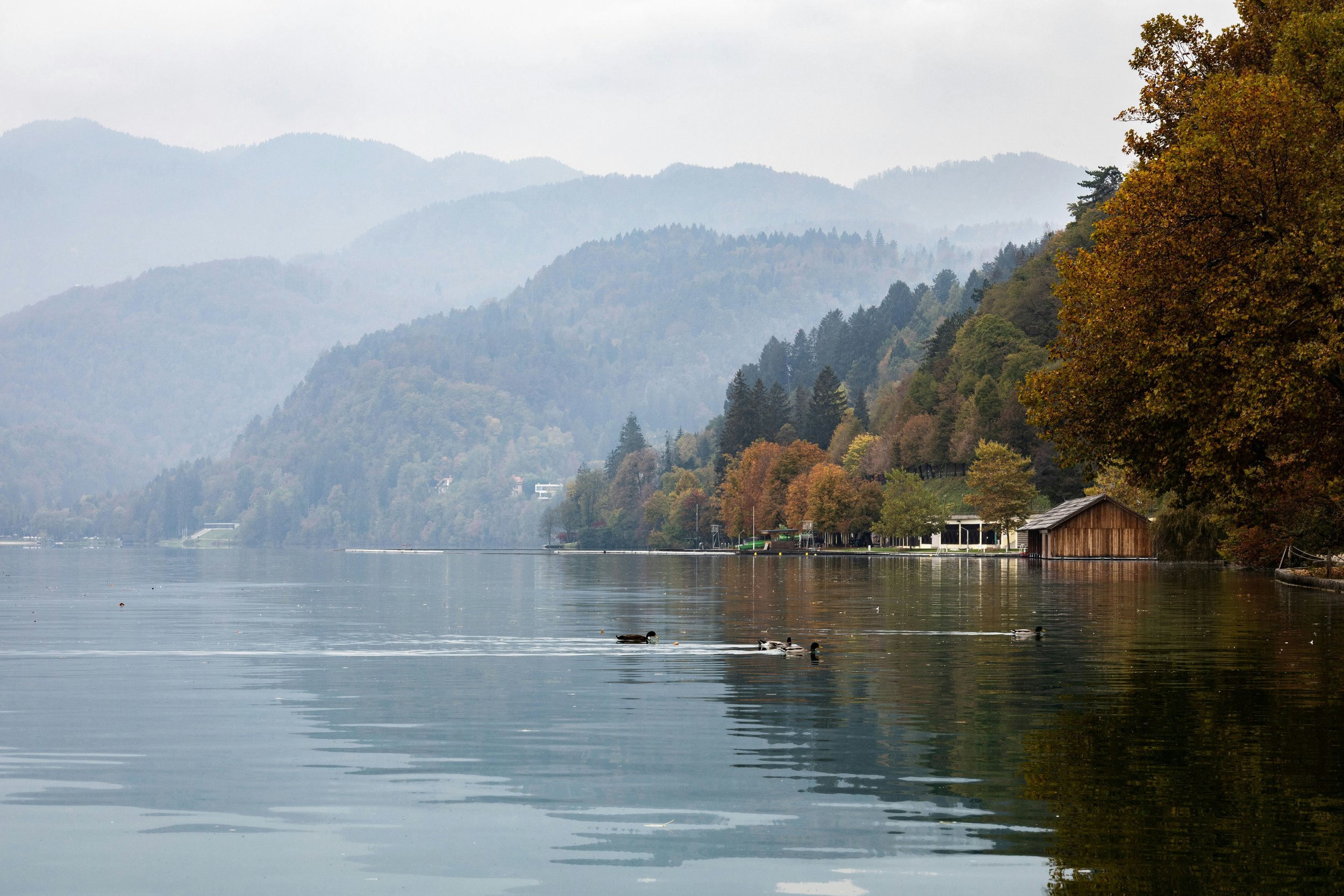
Fall transforms some of Europe's most stunning regions into postcard-worthy landscapes.

Across wine regions, mountain valleys, and historic countryside estates, shades of gold, amber, and deep red begin to appear throughout the landscape.

Some of the most beautiful fall destinations include:

Tuscany, Italy

Rolling vineyards, olive groves, and medieval villages become even more picturesque during harvest season.

Burgundy, France

One of the world's most celebrated wine regions comes alive as vineyards shift into autumn colors and harvest activities begin.

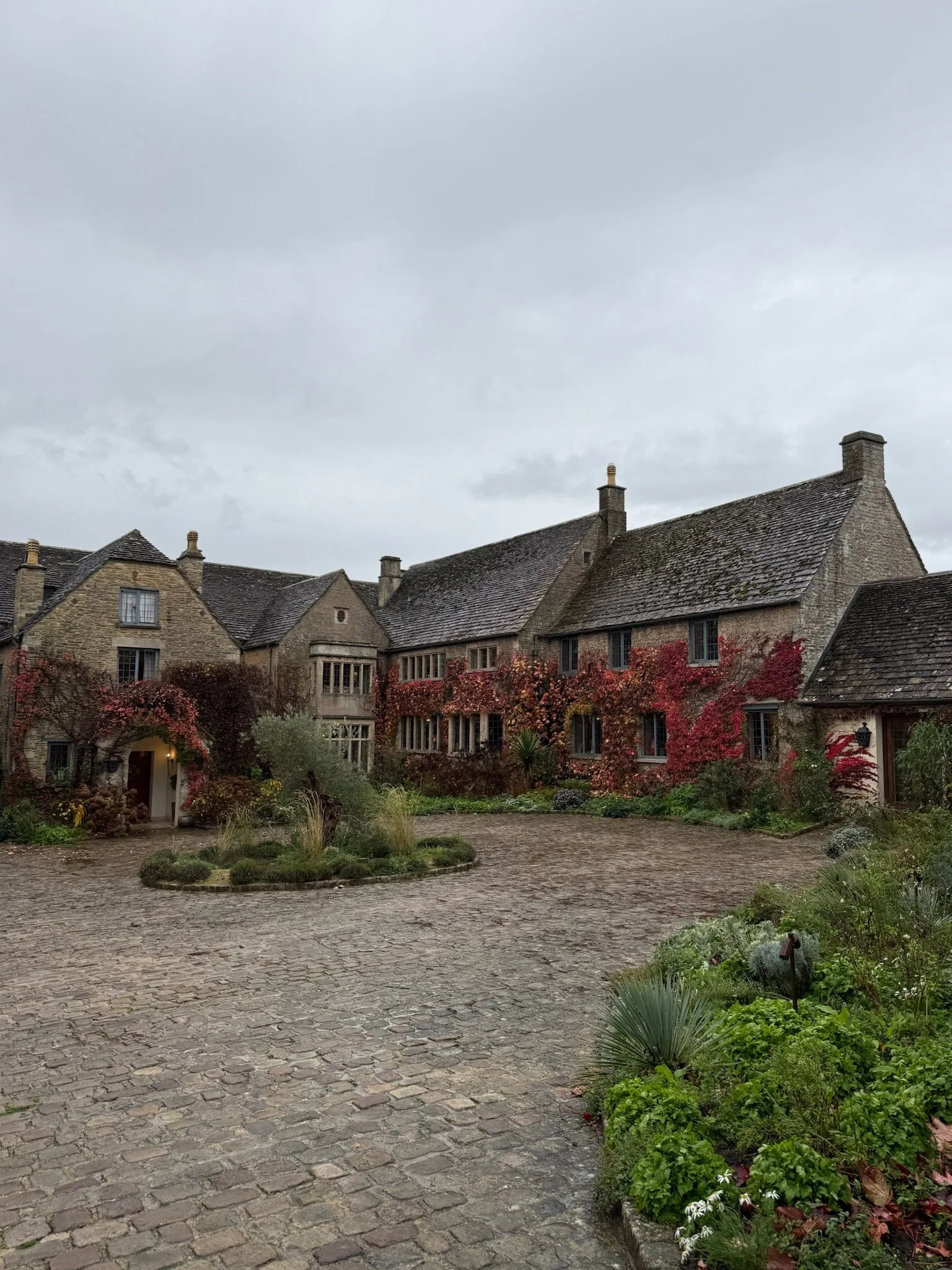
Travelers interested in experiencing Europe beyond the continent's wine regions and mountain landscapes may also find fall to be an ideal time to explore the English countryside and London.

The Swiss Alps

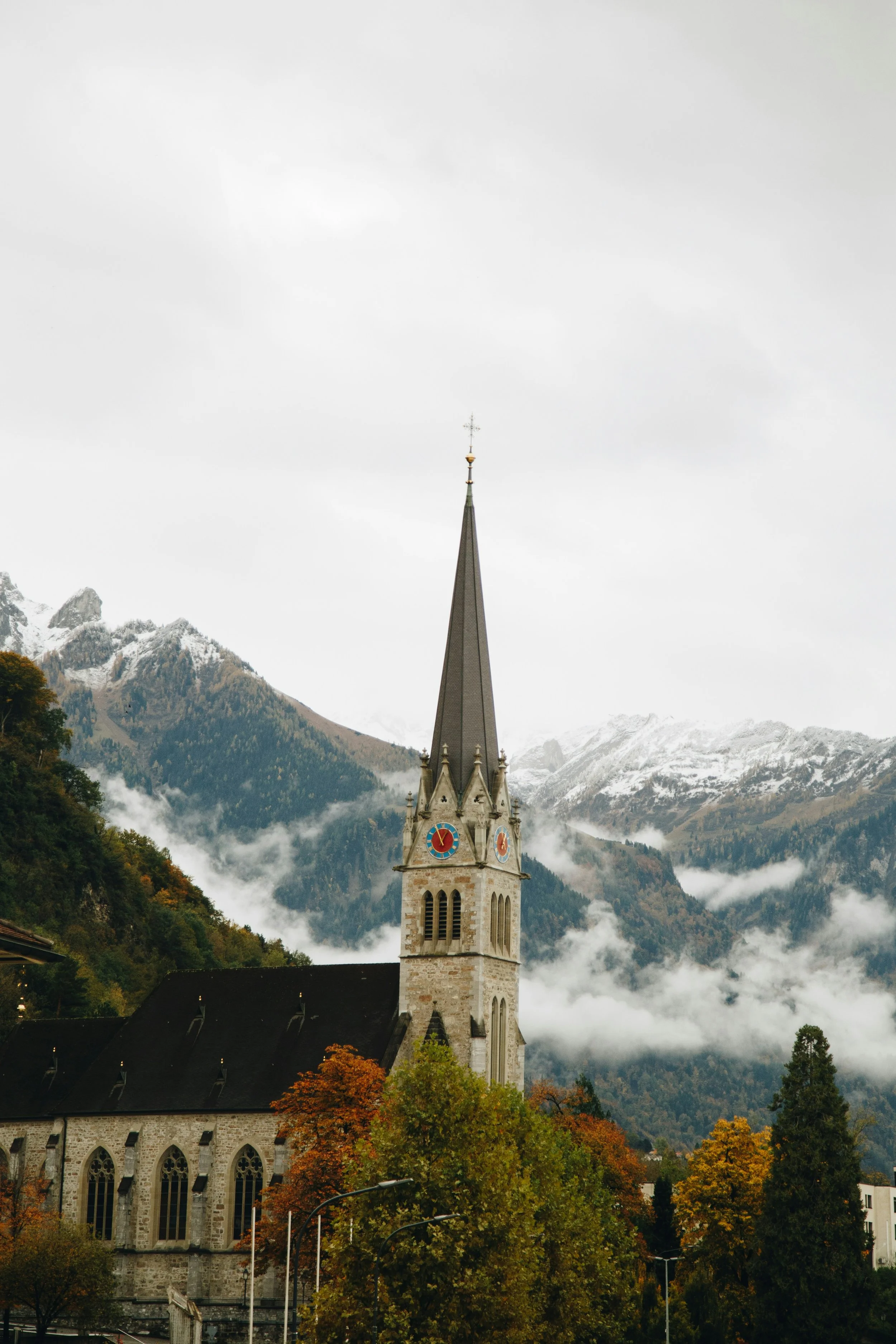
Mountain landscapes become framed by vibrant foliage while maintaining the dramatic scenery that defines the region year-round.

Bavaria and Austria

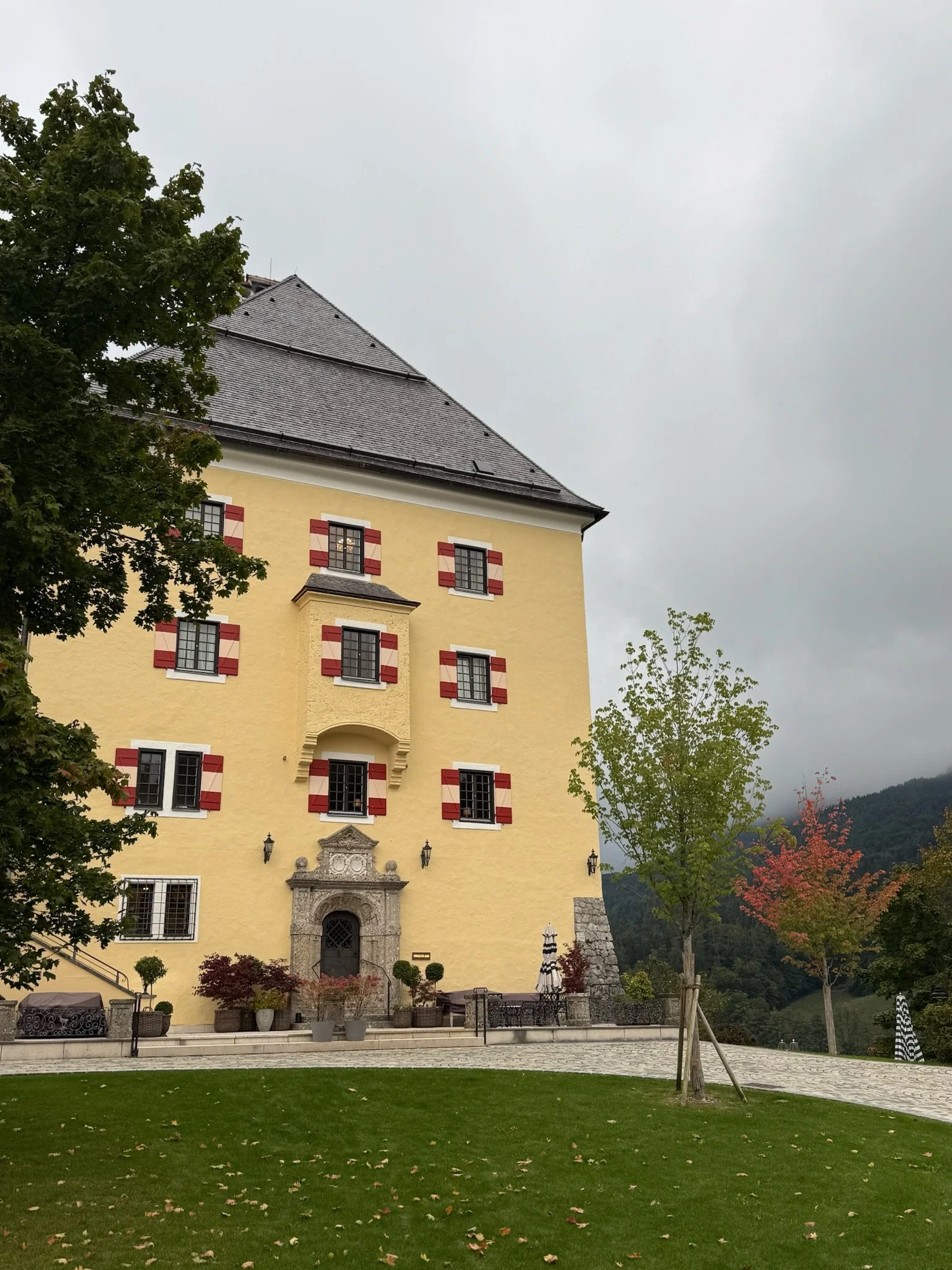
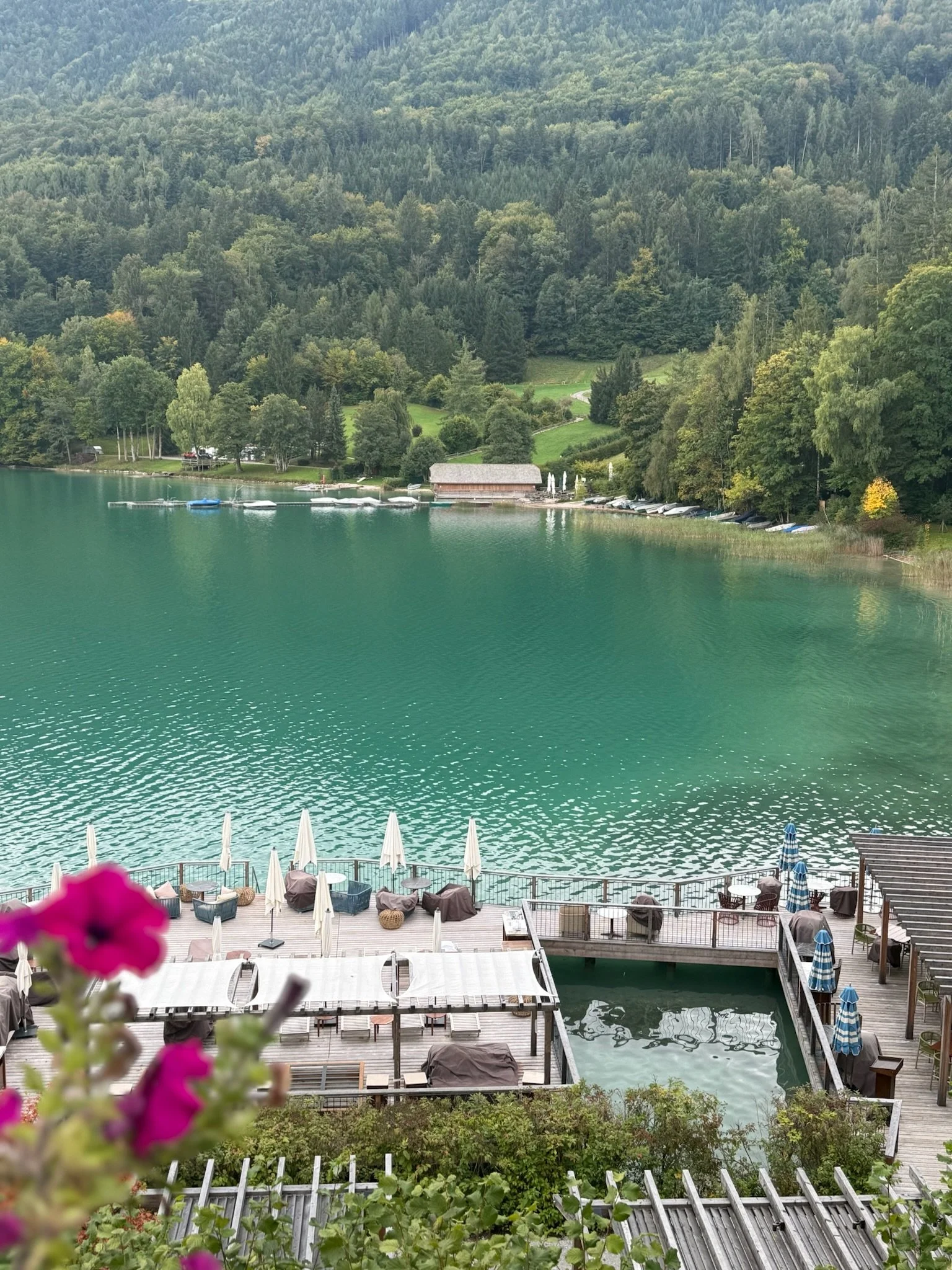
Historic villages, castles, and alpine landscapes create some of Europe's most iconic fall scenery. Fall is also one of the most rewarding times to explore Bavaria and Austria, when alpine landscapes, historic cities, lakeside retreats, and seasonal traditions such as Oktoberfest come together to create an unforgettable European experience.

Across much of Europe, fall also brings softer natural light, making the season particularly appealing for photography, scenic drives, and slow-paced exploration.

The Perfect Balance Between Summer and Winter

One of the reasons experienced travelers return to Europe in the fall year after year is balance.

Summer offers energy and activity, but often comes with crowds and higher temperatures.

Winter delivers festive charm and holiday magic, but shorter days and colder weather can limit certain experiences.

Fall sits comfortably between both seasons.

Travelers can still enjoy:

  • Outdoor dining

  • Coastal escapes

  • Scenic drives

  • Wine country experiences

  • Luxury train journeys

  • Private yacht charters in select destinations

At the same time, many destinations begin to feel calmer and more authentic as local life settles back into its natural rhythm.

This combination of favorable weather, fewer crowds, and a slower pace is why many seasoned travelers consider September and October the sweet spot for visiting Europe.

Final Thoughts

Europe never truly has a bad season, each one has its own charm. However, fall offers something many luxury travelers appreciate: the ideal combination of pleasant weather, fewer crowds, and a more relaxed pace.

The weather remains beautiful, destinations feel less crowded, and the overall pace becomes more relaxed. Luxury hotels, historic cities, wine regions, and coastal escapes all become easier to enjoy when the intensity of peak summer begins to fade.

For travelers wondering about the best time to visit Europe, September and October consistently stand out as two of the most rewarding months of the year.

If you're ready to plan your next European escape, we're here to help from choosing the destination, booking your hotel, securing dinner reservations and experiences and much more.

Get in touch with a KJ Travel advisor

FAQs About Visiting Europe in the Fall

Is fall a good time to visit Europe?

Yes. Many travel experts consider September and October among the best months to visit Europe because they combine pleasant weather, fewer crowds, and beautiful seasonal scenery.

Which month is best for Europe in the fall?

September and October are generally considered the best months. September offers warmer temperatures and a late-summer atmosphere, while October brings fall colors, harvest season, and a quieter pace.

Is Europe less crowded in September and October?

In many destinations, yes. Crowds typically decrease after the peak summer season, particularly in popular destinations such as Italy, France, Greece, and Spain.

Is the weather still warm in Europe during fall?

Across Southern Europe, temperatures often remain pleasantly warm throughout September and much of October. Coastal destinations frequently continue enjoying comfortable beach weather during early fall.

Are luxury hotels less expensive in the fall?

Pricing varies by destination, but many travelers find better availability and more favorable rates compared to the peak summer months, particularly outside major holidays and special events.

Three Cities. Three Hotels. One Extraordinary Luxury Journey Through London, Paris & Baden-Baden

Today’s travelers are not simply looking for beautiful hotels or iconic cities. They are looking for journeys that feel personal and deeply connected to a place. The experience matters just as much as the destination itself.

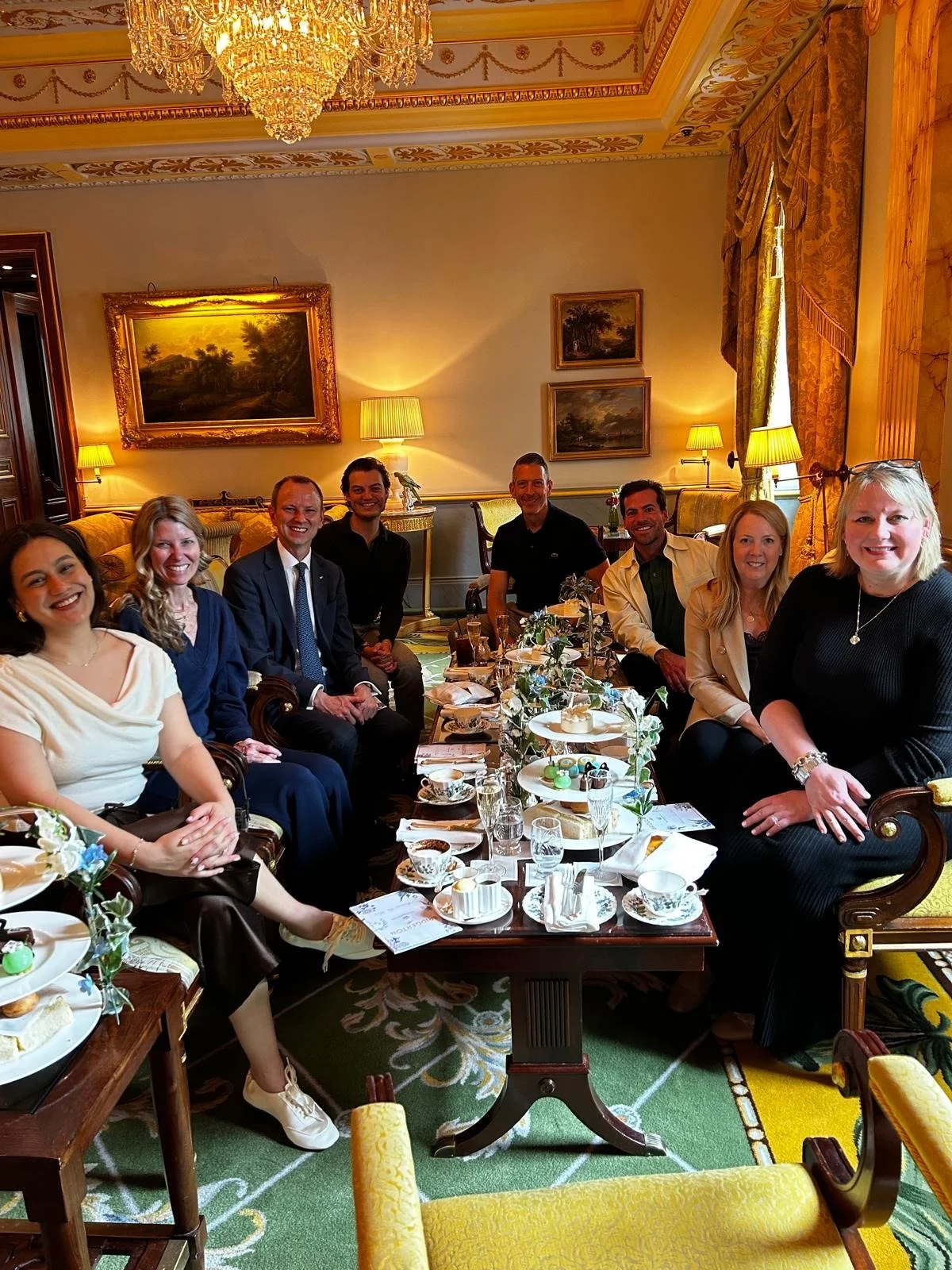
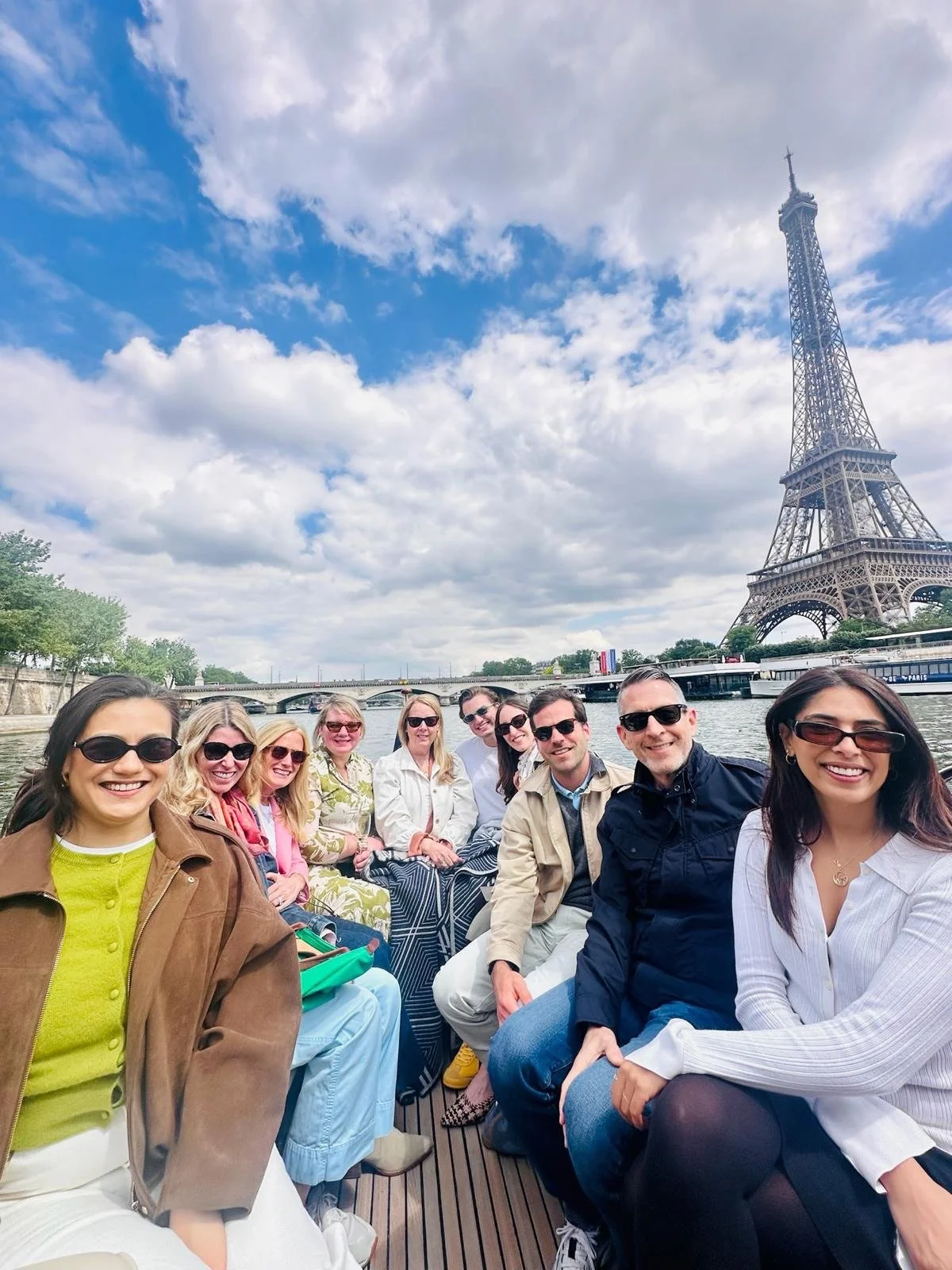
Chelsea recently experienced exactly that during an Oetker Collection journey through London, Paris, and Baden-Baden,  three destinations connected by one remarkable standard of hospitality.

From refined London elegance at The Lanesborough to the timeless sophistication of Le Bristol Paris and the restorative atmosphere of Brenners Park-Hotel & Spa in Germany’s Black Forest region, the itinerary showcased a slower, more immersive side of Europe centered around exceptional hotels.

London: Classic Elegance at The Lanesborough

Chelsea’s journey began in London at The Lanesborough, one of the city’s most distinguished luxury hotels overlooking Hyde Park Corner in Belgravia.

What immediately stands out about The Lanesborough is its atmosphere. While undeniably grand, the hotel feels intimate rather than overly formal. The service is polished yet warm, creating the feeling of stepping into a private London residence instead of a traditional luxury hotel.

For travelers planning luxury family holidays in London, The Lanesborough offers a quieter and more sophisticated base, with spacious accommodations and easy access to Hyde Park, Knightsbridge, and some of the city’s best shopping and cultural attractions.

For luxury travelers who prioritize privacy and personalized service, The Lanesborough delivers exceptionally well. Dedicated butler service for every room and suite reinforces the hotel’s highly attentive approach to hospitality and adds to the sense of comfort that sets it apart from many of London’s larger luxury hotels.

The location is another major advantage. Positioned between Belgravia, Knightsbridge, and Hyde Park, the hotel offers immediate access to some of London’s best shopping, dining, and green spaces while still maintaining a quieter atmosphere than many of the city’s busier luxury addresses. For travelers who want London energy without constant crowds, the setting feels ideal.

Chelsea’s experience leaned fully into classic British luxury with thoughtful modern touches.

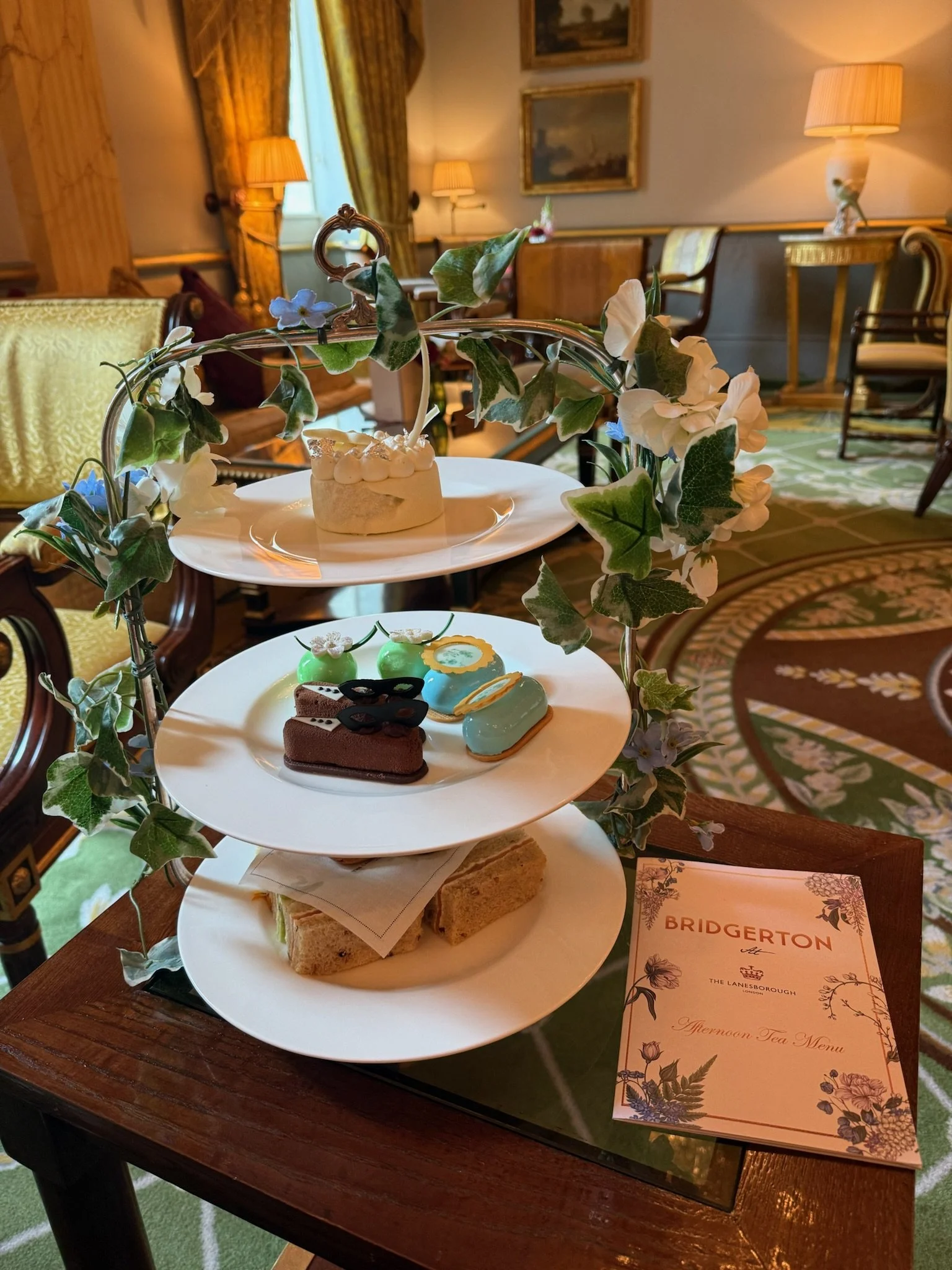
One highlight was the hotel’s Bridgerton-inspired afternoon tea in The Withdrawing Room. The setting felt theatrical in the best way, combining Regency-era elegance with impeccable presentation.

Wellness also played a major role during the stay. Guests spent time at The Lanesborough Club & Spa, widely considered one of London’s leading wellness destinations. More private members’ club than traditional hotel spa, the space offers advanced fitness facilities, expert-led treatments, hydrotherapy experiences, and an atmosphere designed for longer stays and slower routines.

Beyond the hotel, the itinerary focused on experiencing London through a more refined local lens. A panoramic black cab tour offered a stylish introduction to the city’s historic landmarks and neighborhoods, followed by shopping and time to explore Belgravia’s elegant streets.

Evenings centered around sophisticated dining and classic cocktail culture. Pre-dinner drinks at The Library Bar, home to one of the city’s most impressive cognac collections, perfectly captured the timeless character of the hotel.

For travelers seeking a London experience that feels discreet, elegant, and deeply connected to the city’s heritage, The Lanesborough continues to set the standard.

Paris: The Art of Parisian Luxury at Le Bristol Paris

Chelsea's journey continued aboard the Eurostar to Paris, where Le Bristol Paris offered a completely different expression of European luxury.

If London felt classic and club-like, Paris felt effortlessly glamorous.

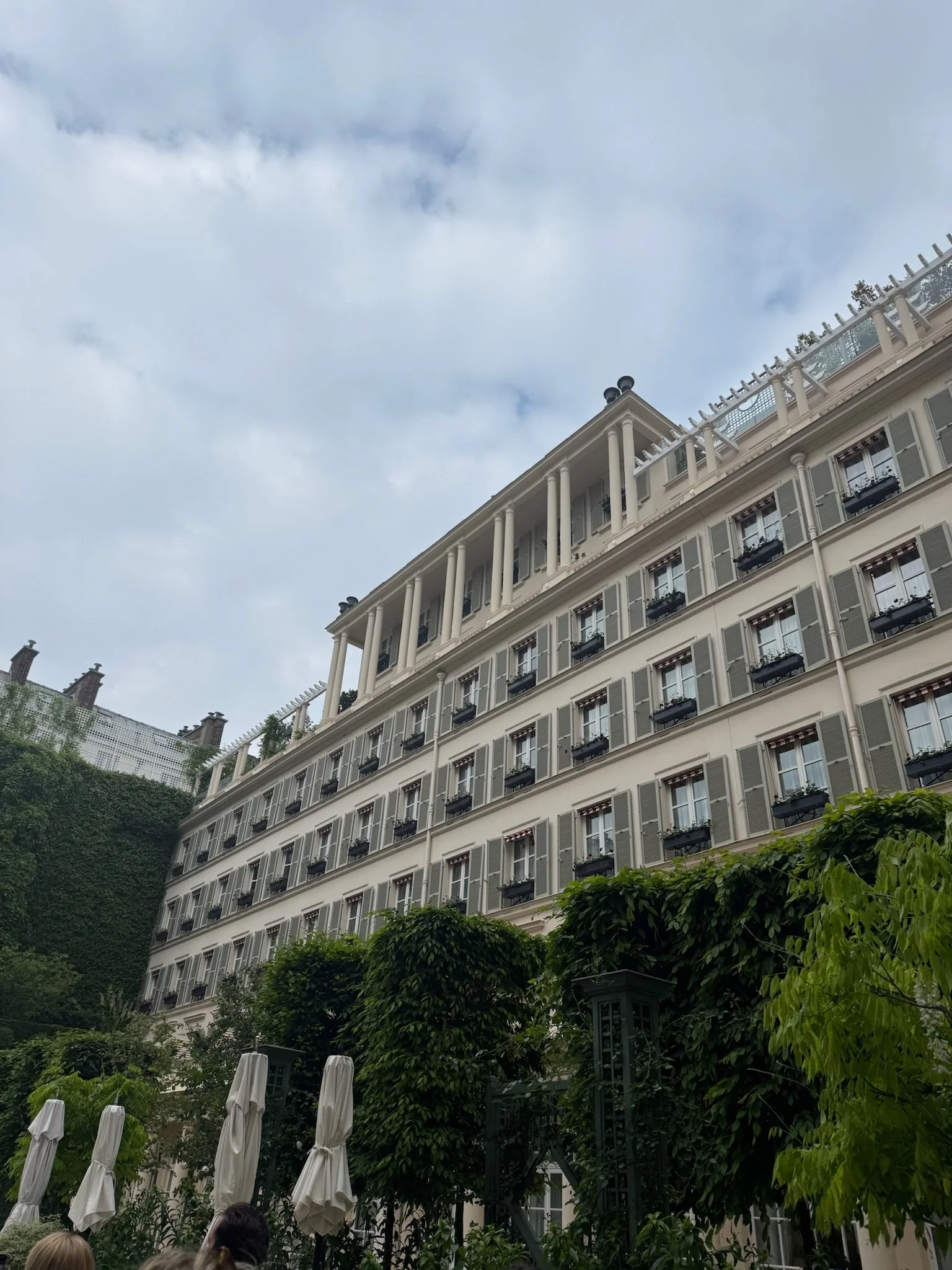
Located on Rue du Faubourg Saint-Honoré, Le Bristol is one of Paris’s most iconic palace hotels, known for combining traditional French elegance with a warmth that feels genuinely welcoming rather than overly formal. The location places guests in the heart of Paris’s luxury shopping and cultural district while still maintaining a quiet, residential atmosphere that feels removed from the city’s busiest tourist areas.

For discerning travelers, that balance is part of what makes Le Bristol so appealing. While many Paris palace hotels lean heavily into grandeur, Le Bristol feels softer, more intimate, and remarkably livable. The hotel has long attracted guests who return to Paris regularly and want a stay that feels elegant without feeling overwhelmed.

The stay focused heavily on gastronomy, craftsmanship, and the refined details that define Parisian luxury.

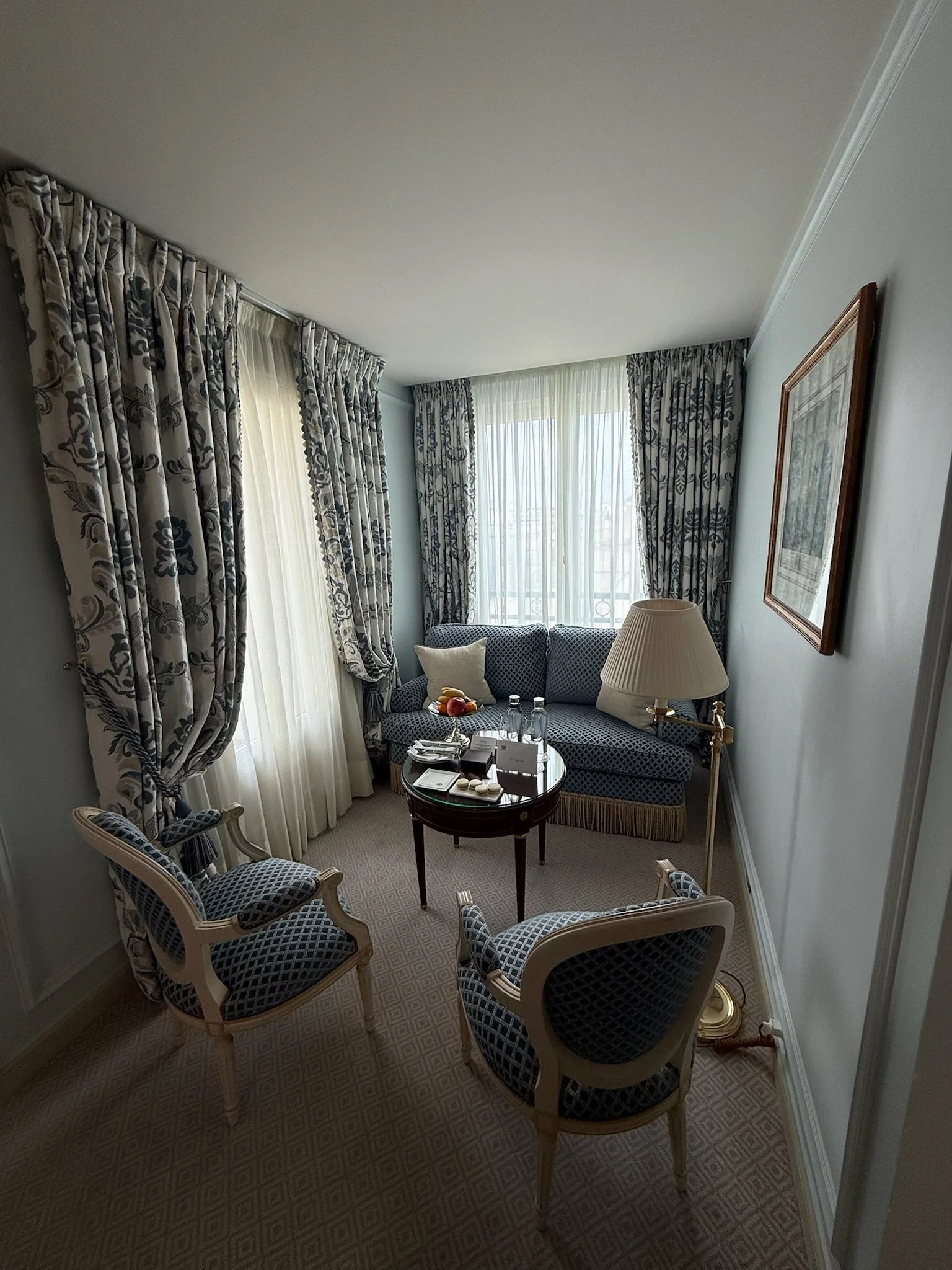
Guests enjoyed lunch at Café Antonia before unwinding at Le Bristol Spa by La Mer, where wellness and exceptional skincare expertise come together in one of the city’s most serene settings. The spa’s calm atmosphere feels particularly valuable after a day in Paris, offering a quieter and more restorative side of the city experience. Le Bristol’s rooftop swimming pool overlooking the Paris skyline adds another layer of exclusivity rarely found among the city’s palace hotels.

One of the most memorable experiences was visiting the Ateliers du Bristol, offering a behind-the-scenes look at the artistry and savoir-faire that shape the hotel’s identity. Experiences like this reveal what truly separates legendary hotels from simply beautiful ones.

Dining naturally became a centerpiece of the stay. Breakfast at Epicure, the hotel’s three-Michelin-starred restaurant, highlighted the extraordinary precision and hospitality that Le Bristol is known for worldwide. Rather than feeling overly formal, the experience reflects the hotel’s overall philosophy: refined, deeply attentive, and quietly confident.

Chelsea's visit included a Parisian city experience and evenings spent inside the hotel’s recently redesigned Signature Suites, which feel like elegant Parisian residences. Spacious layouts, classic detailing, and exceptional natural light create the comfort luxury travelers increasingly prioritize for longer stays in Europe.

For travelers who appreciate understated sophistication, exceptional service, and a more residential approach to Parisian luxury, Le Bristol remains one of the city’s defining addresses.

Baden-Baden: Europe’s Most Elegant Wellness Escape

After the energy of London and Paris, Baden-Baden introduced a slower and more restorative side of European luxury. The journey continued via TGV to Strasbourg before arriving at Brenners Park-Hotel & Spa, one of Germany’s most celebrated wellness hotels.

Set alongside the tree-lined Lichtentaler Allee, Brenners feels deeply connected to nature while maintaining the elegance and highly personalized service expected from Oetker Collection. The atmosphere is calm, discreet, and intentionally unhurried, a sharp contrast to the pace of Europe’s larger capitals. For many luxury travelers, that slower rhythm is exactly the appeal.

Baden-Baden has long been known as one of Europe’s great spa and wellness destinations, attracting visitors seeking wellness, fresh air, and restorative experiences for generations. Today, it continues to resonate with travelers looking for a more understated form of luxury centered around well-being, privacy, and meaningful experiences rather than constant activity.

Chelsea's experience focused on wellness, craftsmanship, and outdoor experiences.

Guests enjoyed time at Brenners Spa, where treatments and wellness facilities are designed around relaxation, longevity, and balance rather than quick, trend-driven experiences. Villa Stéphanie, the hotel’s dedicated wellness retreat, has become one of Europe’s leading destinations for travelers prioritizing restorative wellness and long-term well-being. The property’s connection to nature creates an immediate sense of calm, making it particularly appealing for travelers spending multiple weeks throughout Europe.

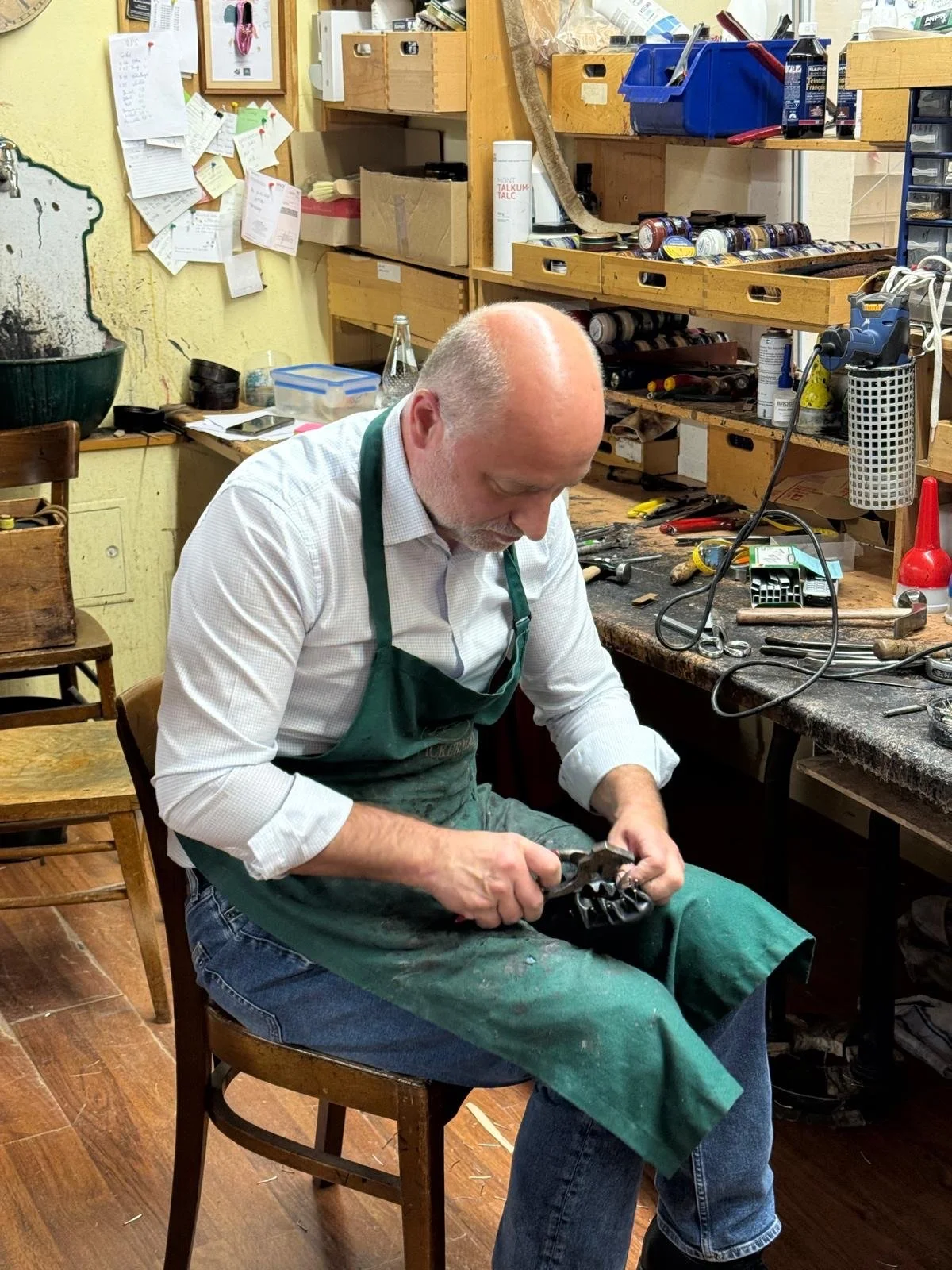
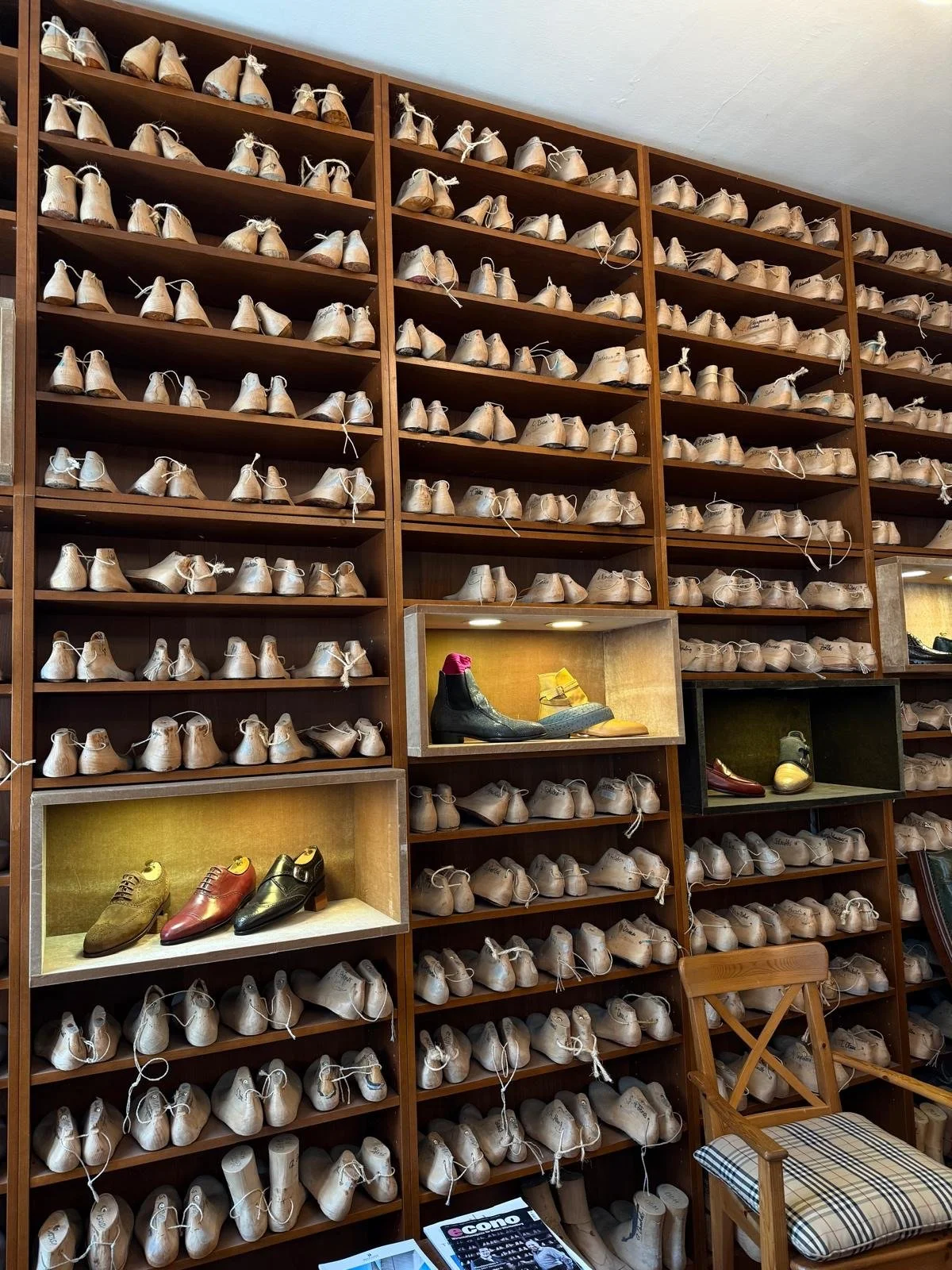
The experience also highlighted the region’s strong appreciation for craftsmanship. A visit to artisan shoemaker Vickermann & Stoya offered a glimpse into the world of bespoke leather goods and custom shoemaking, reflecting the same attention to detail and personalization found throughout the hotel experience.

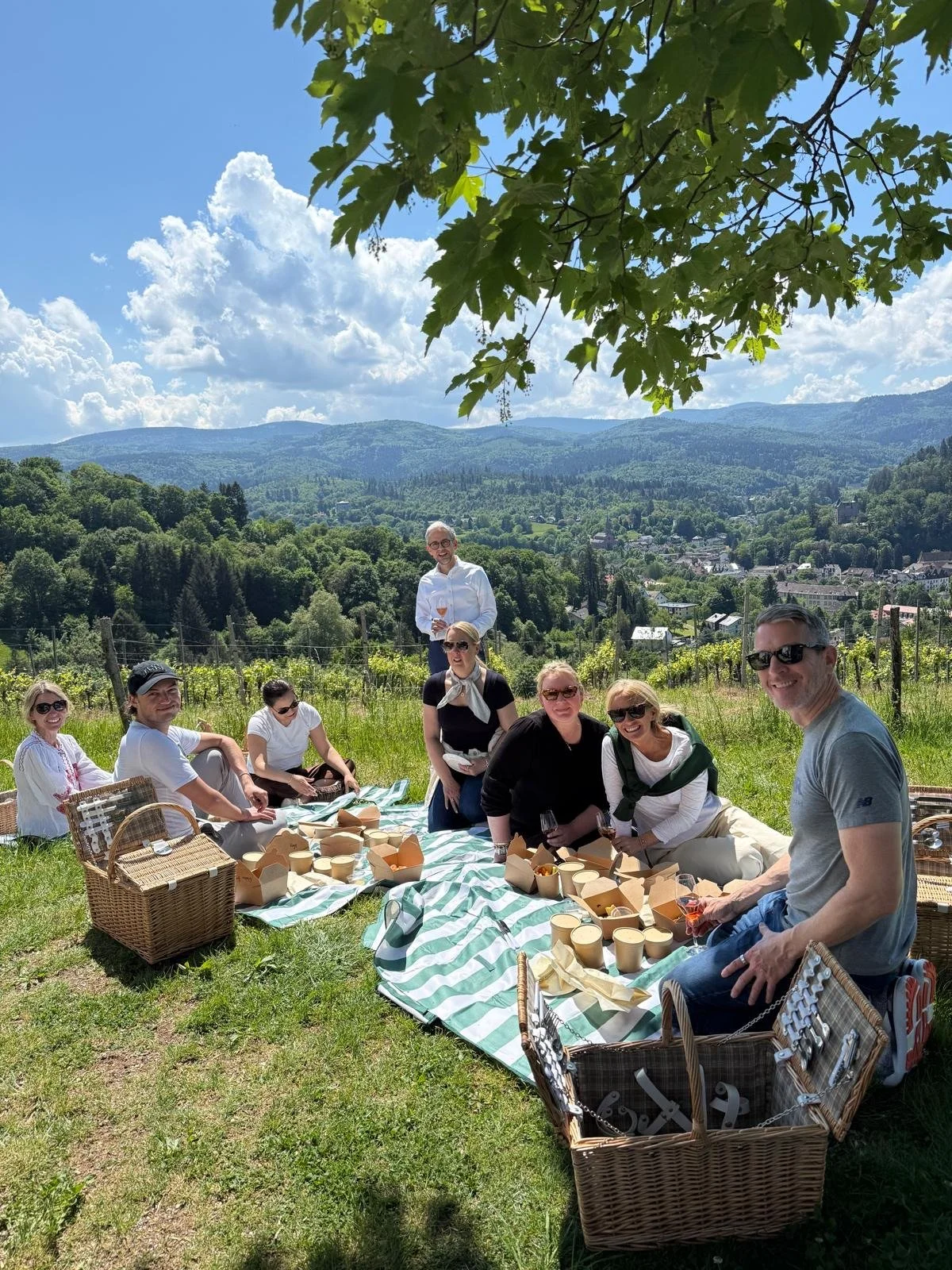
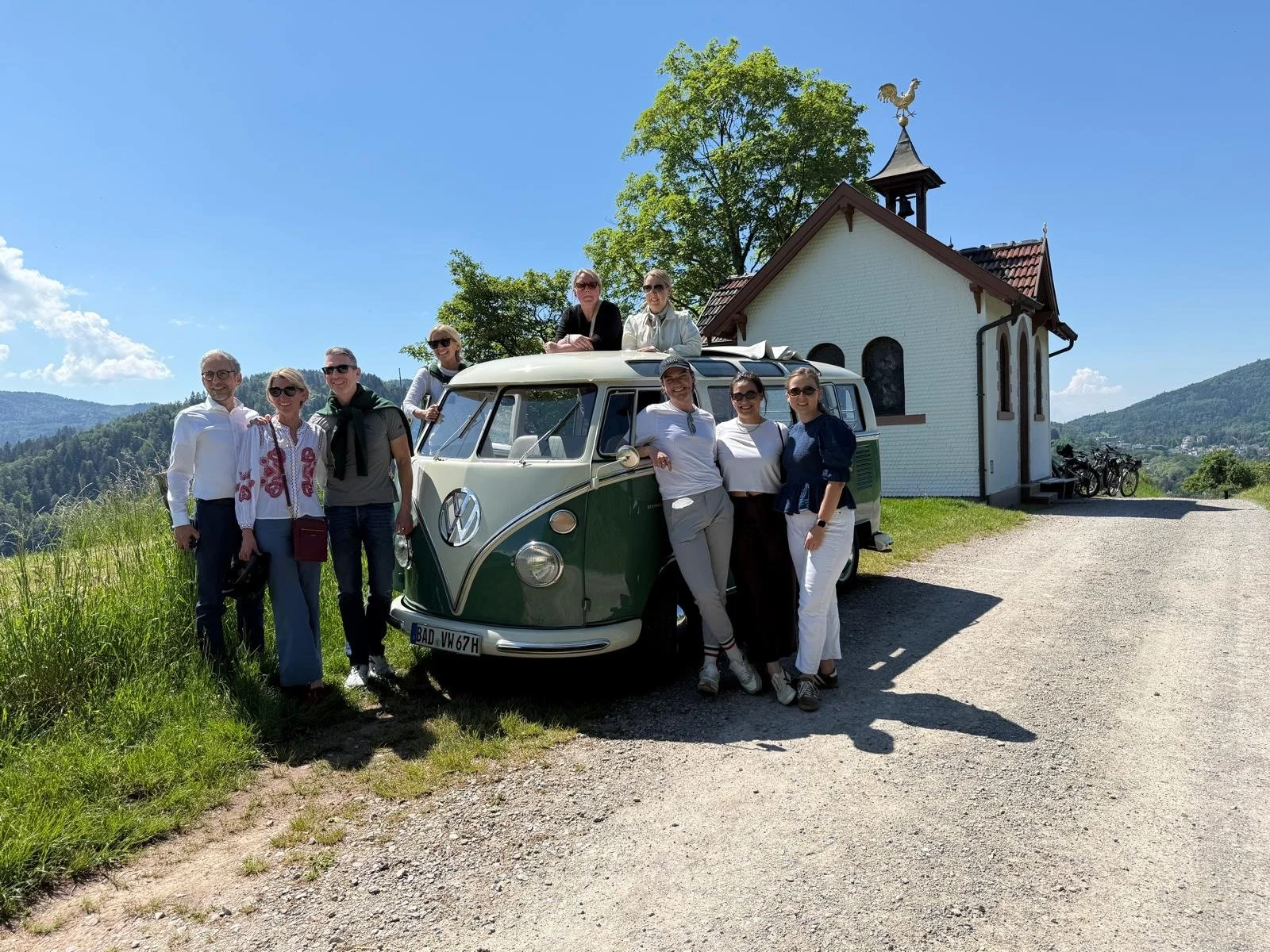
The following day showcased the natural beauty of the region through a guided e-bike ride across Baden-Baden and the Black Forest, followed by a vineyard picnic lunch surrounded by rolling countryside. Experiences like these reveal a quieter and more immersive side of luxury travel, one centered less on sightseeing and more on how a destination makes travelers feel.

The balance between wellness, culture, and gastronomy made this portion of the trip especially memorable. Visits to Museum Frieder Burda added an artistic layer to the experience, while dinners at Wintergarten and Fritz & Felix highlighted the region’s blend of French influence and contemporary German cuisine.

Baden-Baden may not appear on every traditional luxury Europe itinerary, but that is precisely what makes it so compelling. It offers privacy, wellness, natural beauty, and a quieter sophistication that perfectly complements Europe’s larger cities, particularly for travelers seeking a more balanced and intentional style of luxury travel.

Final Thoughts

Europe will always have iconic cities and legendary hotels. What truly defines a luxury journey today is how those experiences come together.

This particular itinerary through London, Paris, and Baden-Baden demonstrated how three completely different destinations can feel connected through extraordinary hospitality, thoughtful pacing, and a deep sense of place.

Through The Lanesborough, Le Bristol Paris, and Brenners Park-Hotel & Spa, Oetker Collection delivered more than luxury accommodations. It created a journey that felt immersive, elegant, and unforgettable from beginning to end. For travelers looking to experience Europe through its most iconic hotels while slowing down enough to truly enjoy it, this is exactly the kind of journey worth taking.

As an Oetker Pearl partner KJ Travel unlocks special perks for clients that are looking to book Oetker Collection hotels across the globe.

Ready to book your next great stay? Contact a KJ Travel advisor today!

Luxury Hotels in Mallorca and Bordeaux: A KJ Travel Advisor’s Summer Escape

Picture this, early summer in Europe warm breezes off the Balearic coast, vineyard sunsets in southwest France, and the satisfying clink of a wine glass after a day well spent. If you’re looking to pair cultural immersion with stunning stays, this itinerary delivers just that. KJ Travel advisor Lenni recently explored Mallorca and Bordeaux and came back with fresh hotel intel, trip notes, and plenty of takeaways for travelers craving a high-end but low-stress European escape.

Grand Hotel Son Net, Mallorca

A Boutique Luxury Hotel in Mallorca’s Tramuntana Mountains

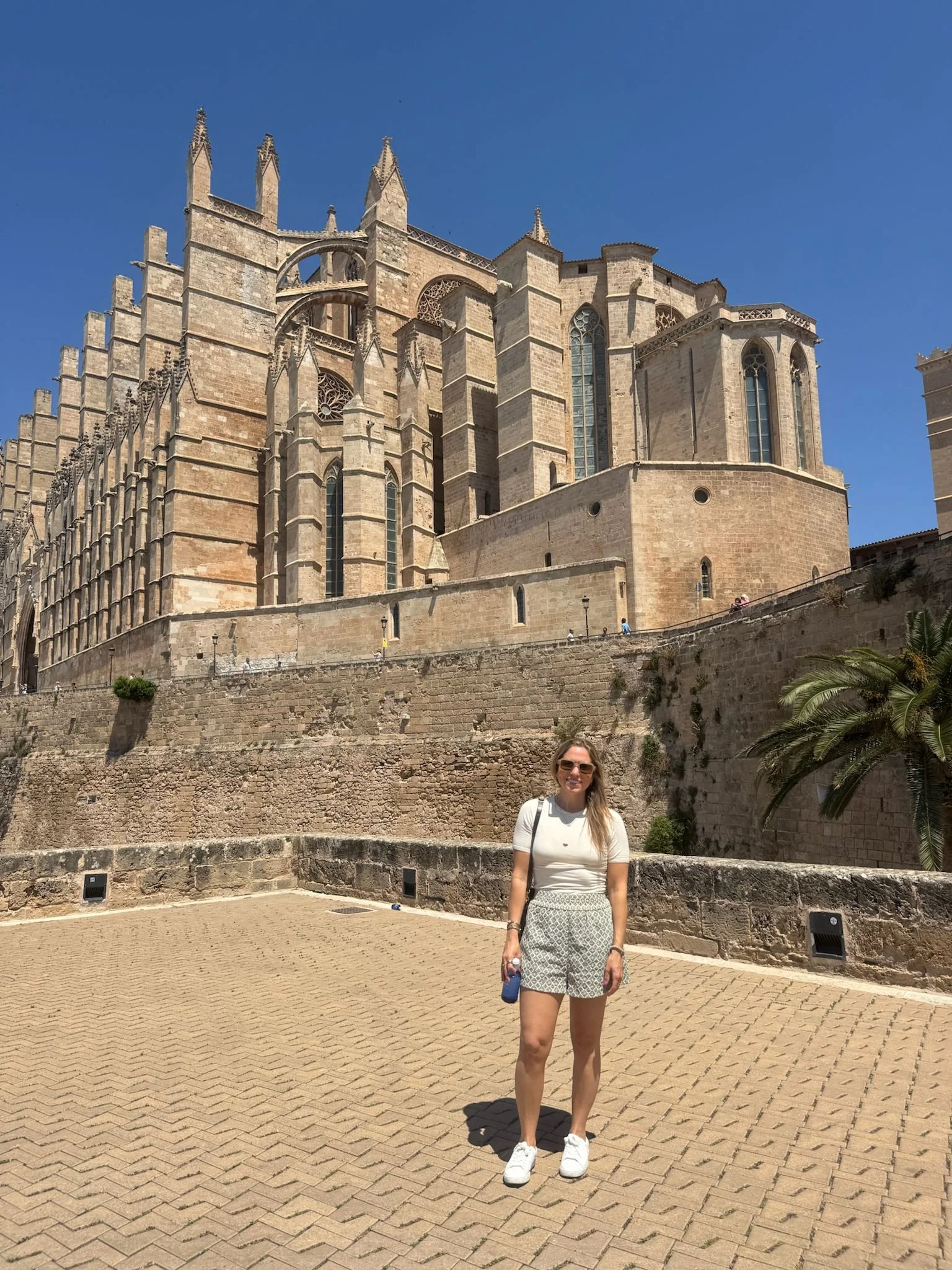
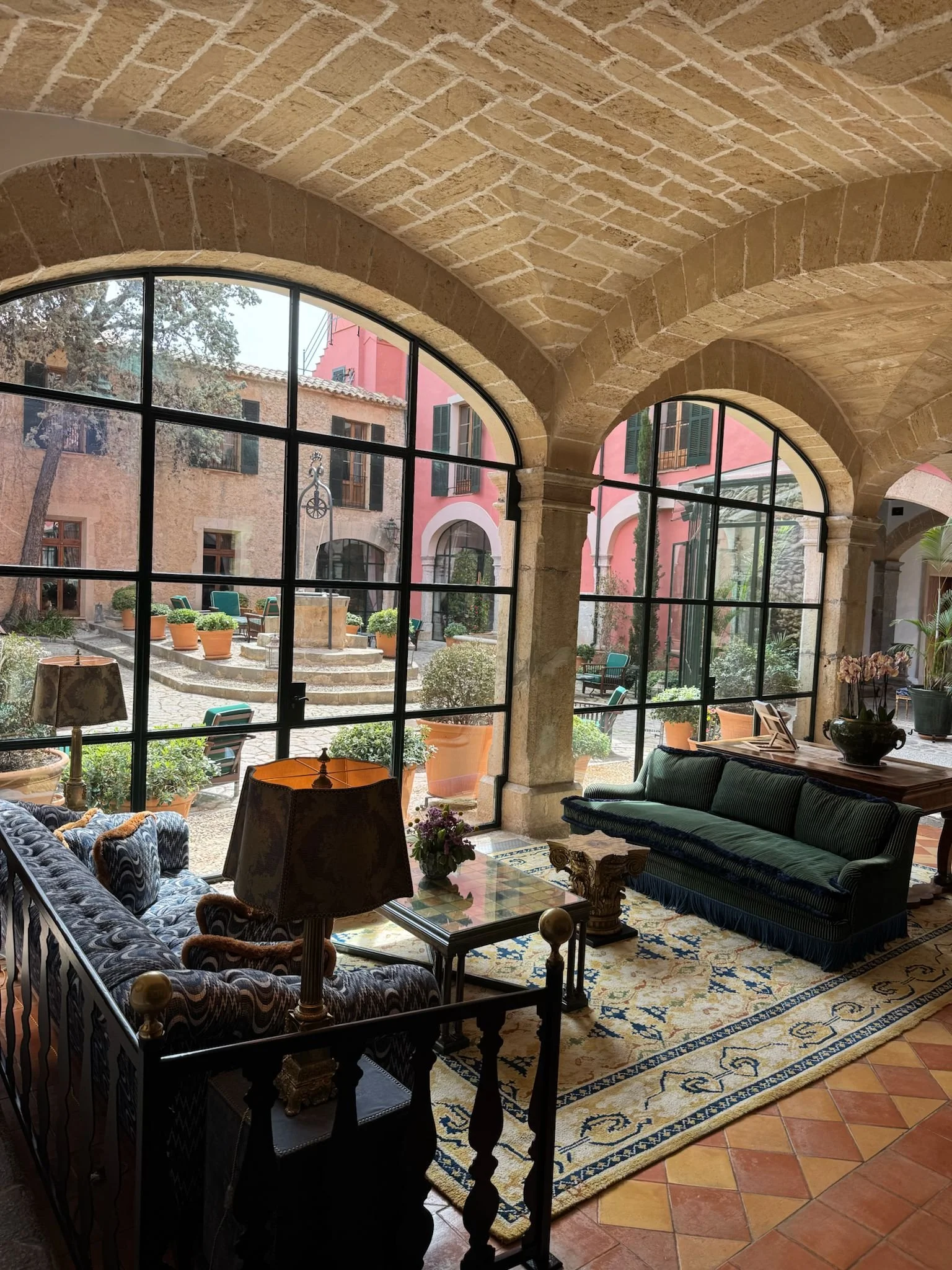
Just 15 minutes outside Palma and nestled at the foot of the UNESCO-protected Serra de Tramuntana, Grand Hotel Son Net blends historical charm with quiet luxury. The restored 17th-century estate is surrounded by olive trees, vineyards, and breathtaking mountain views, perfect for couples or adult travelers looking for a top boutique hotel in Mallorca.

Lenni spent two nights here and described it as “absolutely stunning.” Her highlights included refined Mallorcan cuisine (don’t miss the beef tenderloin with foie gras and truffle), spacious suites, and the chance to hike or bike right from the property.

KJT Travel Tip: Palma’s city center is gorgeous but tricky for driving. Lenni recommends parking just outside the city and walking in for a more relaxing experience.

This is a standout property for those planning a romantic or wellness-focused European summer escape. Perfect for: Couples, honeymooners, and wellness seekers.

Belmond La Residencia, Deia

Family-Friendly Charm in Mallorca’s Most Artistic Village

Set in the artistic mountain village of Deia, Belmond La Residencia is ideal for families or travelers drawn to Mallorca’s creative soul. Stone buildings, curated art, and lush gardens make it one of the most iconic luxury hotels in Mallorca.

During her visit, Lenni dined at Tramuntana Grill and noted the property’s family appeal and artistic charm, with a slightly more touristy vibe.

KJT Travel tip: Even if you’re not staying overnight, make time for a lunch stop. The mountain views and Mediterranean cuisine are worth it.

Perfect for: Families, creatives, and cultural travelers.

Jumeirah Port Soller Hotel & Spa

Sea Views and Family-Friendly Luxury

Perched above the cliffs of Port Soller, this five-star resort offers sweeping views of the Mediterranean and the Tramuntana range. With its lush gardens, infinity pools, and indulgent wellness spa, Jumeirah Mallorca is a sanctuary by the sea.

Lenni stayed here for two nights and recommended it for both couples and families. While the hotel will undergo a refresh in 2027, the experience remains exceptional.

KJ Travel tip: Book a boat excursion for a truly unforgettable coastal adventure.

Bonus Tip: Don’t miss sunset cocktails at the Sunset Lounge, this is Mallorca luxury travel at its finest.

Perfect for: Families, romantic escapes, and wellness travelers.

Les Sources de Caudalie, Bordeaux

Vineyard & Wine Tasting in Southwest France

Just 20 minutes from Bordeaux city center, Les Sources de Caudalie is one of France’s most iconic wine country retreats. Surrounded by the Grand Cru vineyards of Château Smith Haut Lafitte, this luxury hotel in Bordeaux blends rustic charm  with serious wellness appeal.

Lenni enjoyed the serene setting, on-site wine tasting, and charming rooms each inspired by the Aquitaine region. Dining at La Table du Lavoir was a highlight. Booking a signature massage unlocks access to the full thermal circuit.

KJT Travel tip: Book a suite for added comfort and views of the vineyards. For wine lovers, this is your ideal European summer itinerary base.

Perfect for: Wine lovers, couples, and spa seekers.

Bordeaux City Notes

Lenni also explored Bordeaux itself, calling it a “mini Paris”, café culture, 18th-century charm, and walkable streets without the big-city hustle. It’s a smart add-on for couples or friends looking to wrap a wine-focused getaway with a little urban flair.

Ready to Plan Your Own Luxury Escape?

Whether you’re craving boutique vineyards, sea-facing suites, or cultural immersion, these luxury hotels in Mallorca and Bordeaux offer the perfect balance of comfort and discovery. Lenni’s itinerary shows how a well-paced European summer escape can deliver diverse experiences without sacrificing ease or elegance.

Let KJ Travel guide your journey from the first booking to the final glass of wine.

Start planning your next European escape now. Click here to fill out our form.