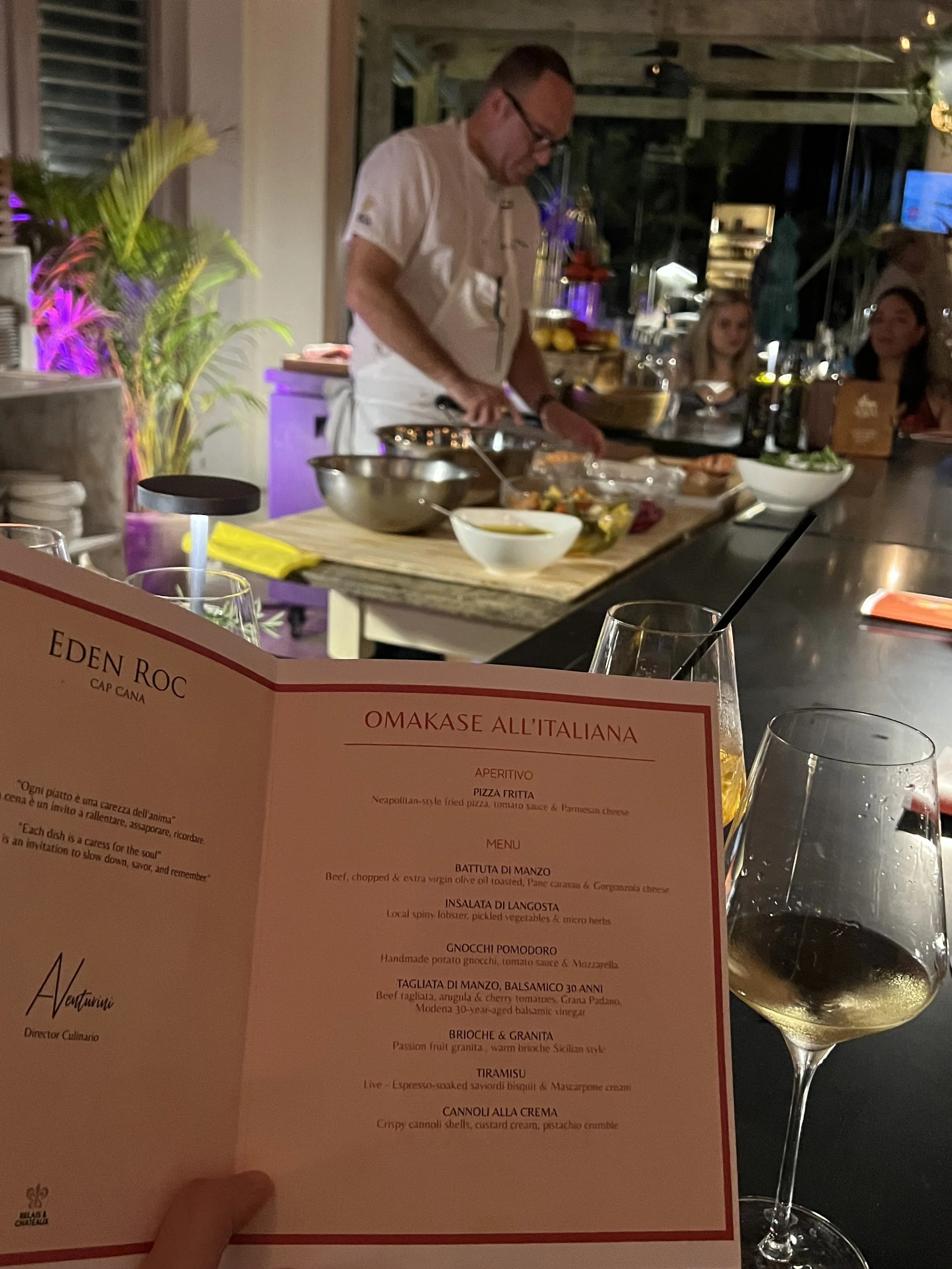
Taking the Kids to Africa: The Luxury Family Safari Guide

Quick Take

  • South Africa requires no vaccines for travelers flying there directly from the US. Several malaria-free reserves remove the medication question entirely, making them an easy first stop for young children.

  • Most lodges set a minimum age of 6 to 8 for game drives. Ages 10 to 12 tend to be the sweet spot for a child's first safari, though family-designed camps welcome babies too.

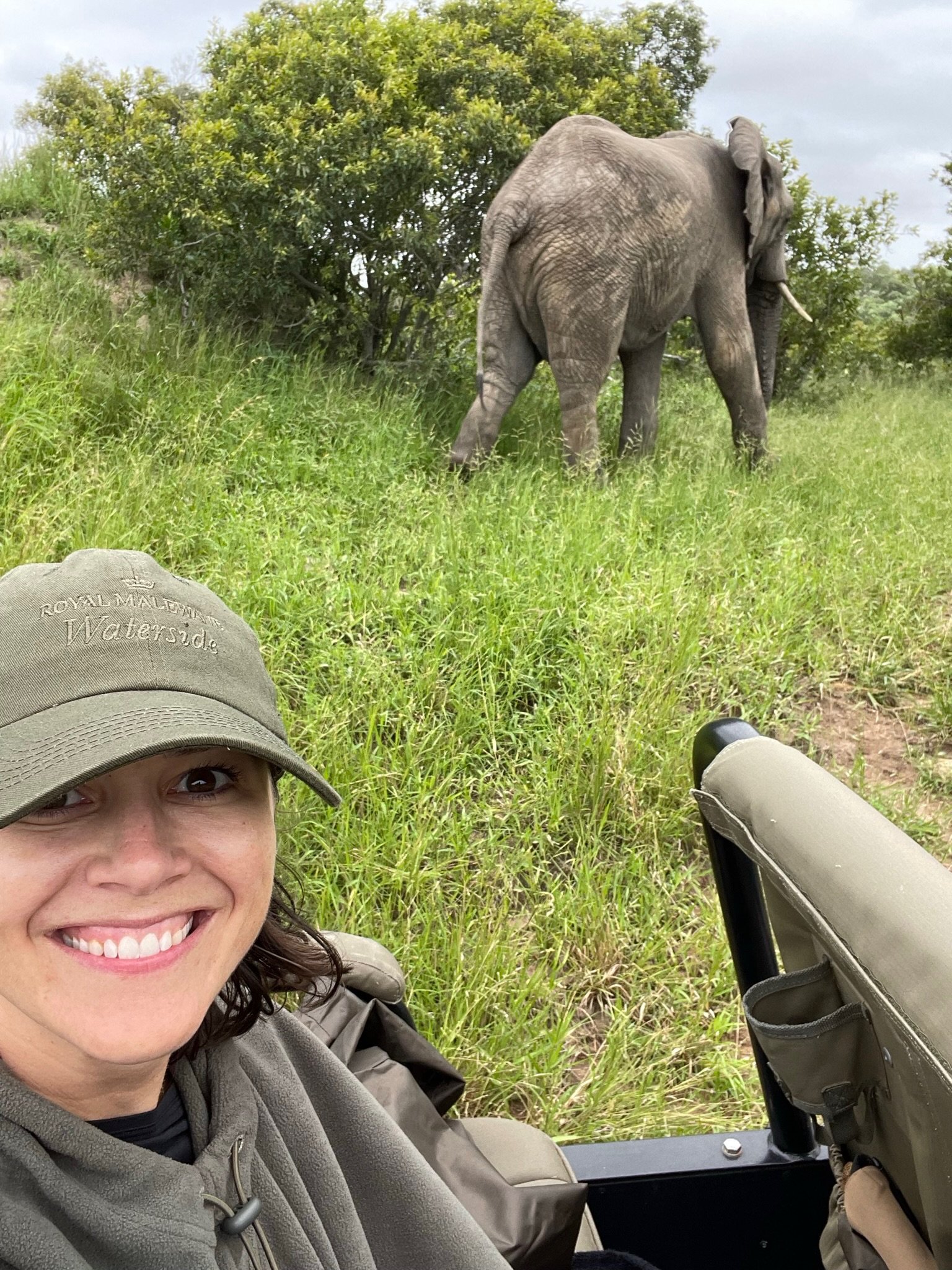
  • Purpose-built family lodges, like Royal Malewane's Waterside House, Cheetah Plains, and Shamwari, often come with private game vehicles, junior ranger programs, and nannies on call, so parents can choose an early drive or a lazy morning by the pool.

  • Dry season, roughly May through October, thins out the brush and concentrates wildlife around the shrinking number of water sources, making for some of the most reliable game viewing of the year. That same window, especially July through September, is also when the Great Migration's dramatic river crossings happen in Kenya's Masai Mara and Tanzania's Serengeti.

  • Nonstop flights connect the US to Johannesburg (about 15 hours) and Nairobi (about 14 hours). Many families land in Cape Town first, giving everyone a couple of days to shake off jet lag before the early safari mornings begin.Most parents might picture the same three daunting things before a first trip to Africa with kids: a stack of vaccines, a hard age cutoff, and giving up the five-star part of the vacation to make it work. None of that holds up anymore. In fact, a luxury safari can be one of the best family trips there is. The key is choosing the right region, the right lodge and the right pace for the children traveling. Age should shape the safari experience, not determine whether the family can go.

Do Kids Need Vaccines to Go to Africa?

This is the question that stops a lot of families before they even start planning, and it's worth clearing up early: it depends entirely on where the trip goes.

For a US family flying directly to South Africa, no vaccines are legally required for entry. Yellow fever vaccination only becomes a requirement if arriving from, or transiting more than 12 hours through, a country where yellow fever is present, and the United States isn't one of them. The CDC does recommend staying current on routine vaccines and considering hepatitis A, hepatitis B, and typhoid before any international trip, but none of that is an entry requirement, and it applies to travel almost anywhere, not just Africa.

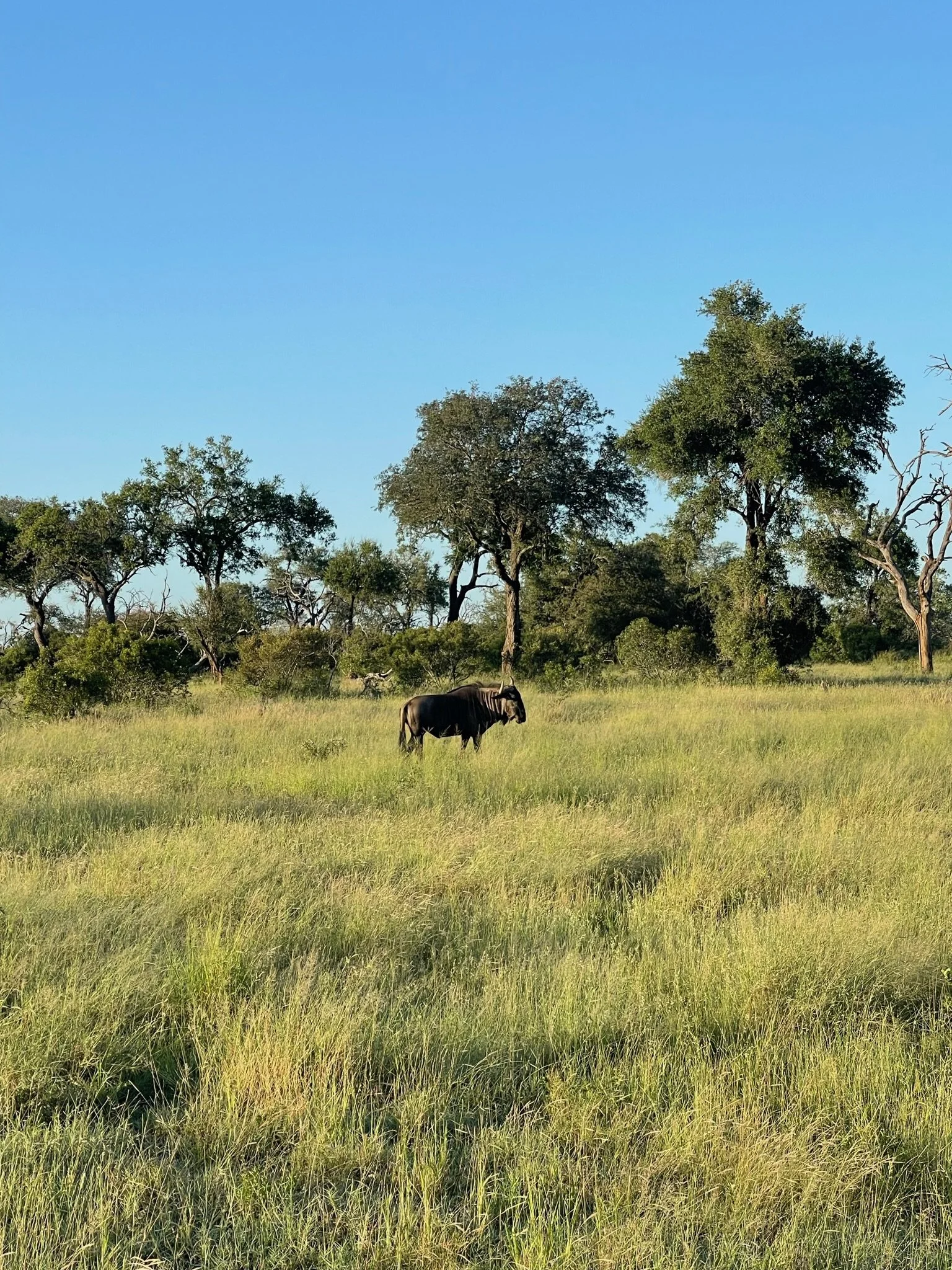
Malaria works differently, since it's a health precaution rather than a border rule. Large parts of East Africa and the Greater Kruger region do carry malaria risk. But South Africa has an easy workaround that most first-time safari parents don't know about: an entire category of malaria-free reserves. Madikwe, Tswalu Kalahari, Pilanesberg, and several reserves across the Eastern Cape, including Shamwari, sit outside the malaria belt entirely. That means a genuine Big Five safari, with lion, elephant, rhino, buffalo, and leopard, and zero need for antimalarial medication. A decisive factor for families with little ones.
How Old Should Kids Be for a Safari?

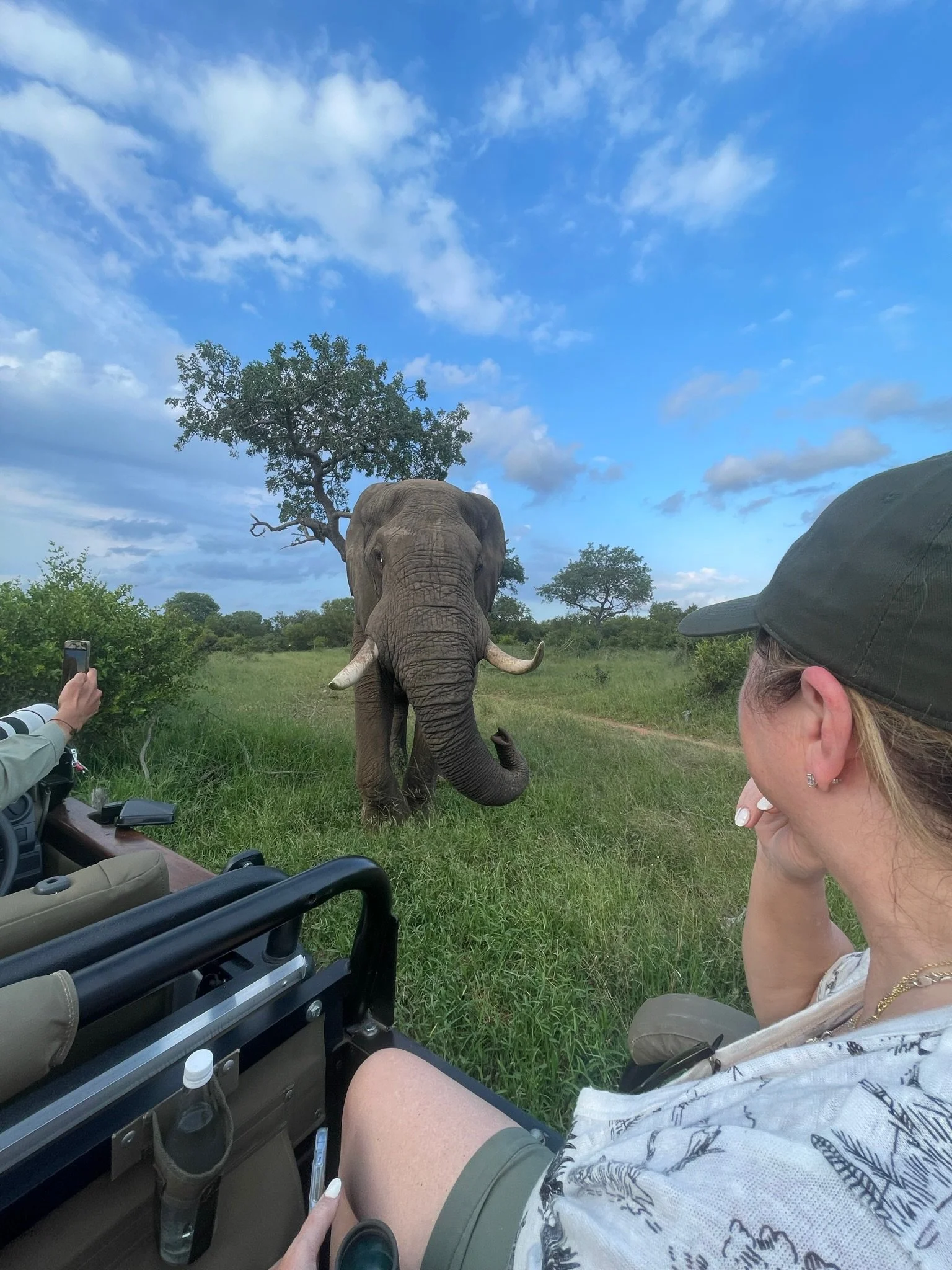
This is genuinely subjective, and it depends as much on the individual kid as it does on age; some eight-year-olds happily sit through a three-hour game drive, while some teenagers need frequent breaks. Still, here are a few reliable benchmarks worth knowing:

Under 6: This is where malaria-free, family-built lodges earn their reputation. Many properties in this category welcome children of any age, and a private vehicle means the schedule bends around nap times rather than the other way around.

6 to 9: Most reserves open up their shared game drives at this age. Junior ranger programs really start to shine here, giving kids their own agenda between drives.

10 to 12: Widely considered the ideal window for a first safari. Kids at this age can sit through a longer drive, follow a guide's explanation, and actually remember the trip afterward.

13 and up: Walking safaris and hot-air balloon rides typically open at 13 to 16, depending on the operator, giving teenagers a more immersive, adult-paced experience.

15 and up: This is the hard line for mountain gorilla trekking in Rwanda, Uganda, and the Democratic Republic of Congo. The rule comes from international great-ape tourism guidelines, largely because gorillas share so much DNA with humans that even a common cold can be dangerous to them.

Something to keep in mind when looking for a specific lodge for a luxury family trip to Africa is that: individual age policies vary property to property and change more often than people expect. A camp that welcomes toddlers in one suite might hold a strict 10-year minimum in another. This is one of the many reasons why having a travel advisor plan your luxury safari trip is essential.
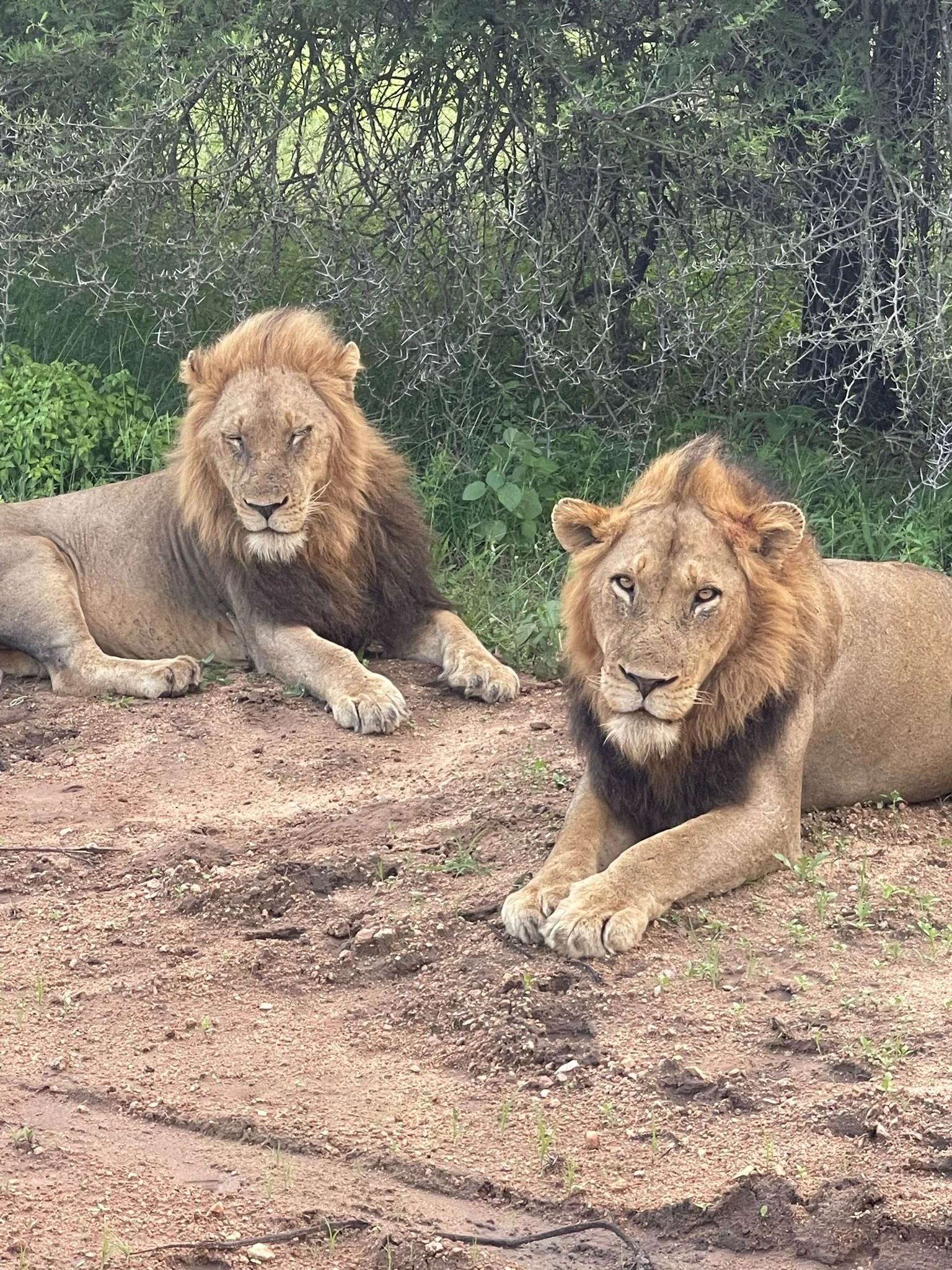
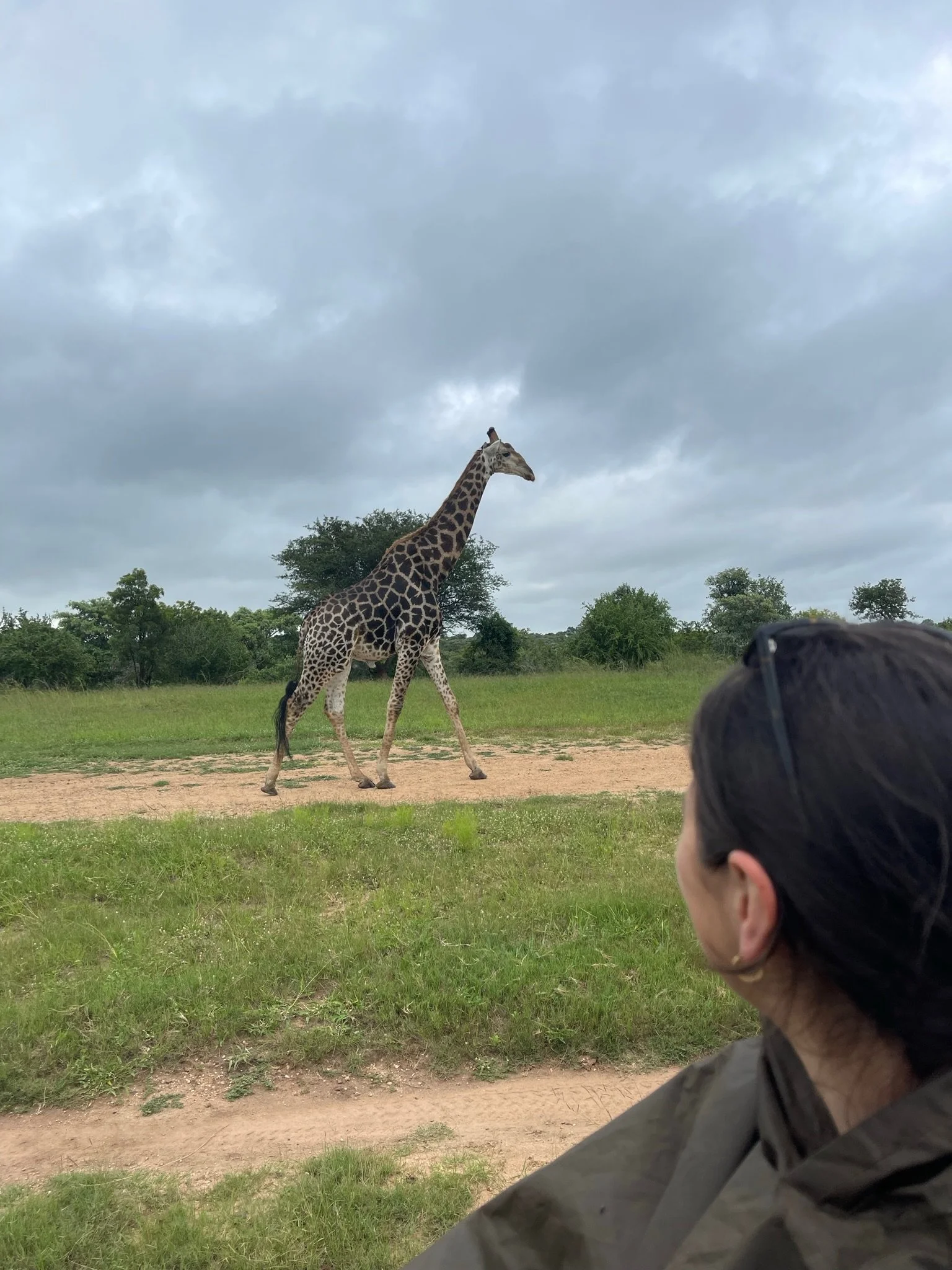
What a Family-Ready Luxury Lodge Looks Like

The best family safari lodges have quietly become some of the most thoughtful family properties in travel, full stop. A few details to look for, and a few properties doing it especially well:

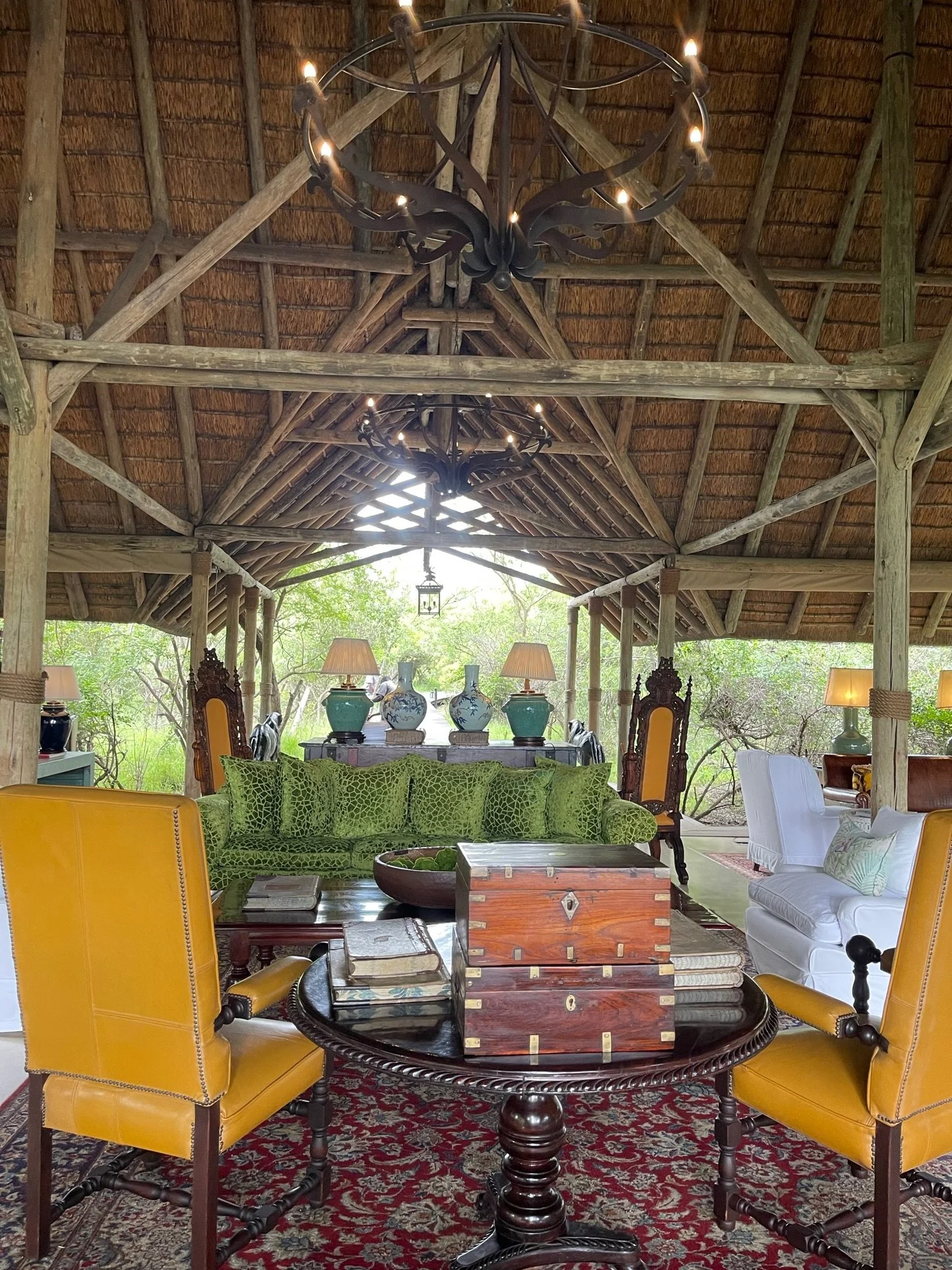
Private vehicles and flexible schedules. Many family suites and villas include a dedicated guide, tracker, and vehicle for the group, so there's no need to share a drive with strangers or wake a toddler for a 6 a.m. departure. Royal Malewane, in South Africa's Thornybush Private Game Reserve, is a strong example. Its family villas, including Waterside House, Africa House, and the Farmhouse, welcome children of all ages with a private vehicle included, even though the standard lodge suites hold a 10-year minimum. Waterside also has its own games room with a climbing wall and a pizza oven, giving kids a reason to look forward to downtime as much as the drives.

Nannies and kids' clubs, done properly. On-call babysitting means parents can take a sunset drive alone while the kids stay back with a game night. Royal Malewane's Royal Rangers and Junior Rangers programs send younger kids out with a bush backpack and older kids into proper tracking lessons. At Cheetah Plains in the Sabi Sand Reserve, an entirely solar-powered, exclusive-use property with electric game-viewing vehicles, the children's program pairs conservation education with hands-on bush activities, and child-minding is available throughout the stay. Near Victoria Falls, the Anantara Stanley & Livingstone runs its Mack & Madi program, which includes everything from a guided falls walk for kids as young as three to an evening of burgers and a movie back at the lodge.

Multi-bedroom villas built for families, not just couples. Exclusive-use houses with several bedrooms, some with bunk rooms for the kids, let extended families book one property instead of scattering across several rooms. This is increasingly the default at top family lodges rather than the exception.

Fenced camps, for parents who want it. Not every safari lodge is fenced, and for good reason: many private reserves leave camps open to keep the bush experience authentic. But fenced properties exist specifically for families who want their children to be able to walk between the pool and the lodge without an adult on high alert every second. Reserves built with young families in mind, including several in Madikwe and the Eastern Cape, tend to offer this as a standard feature.
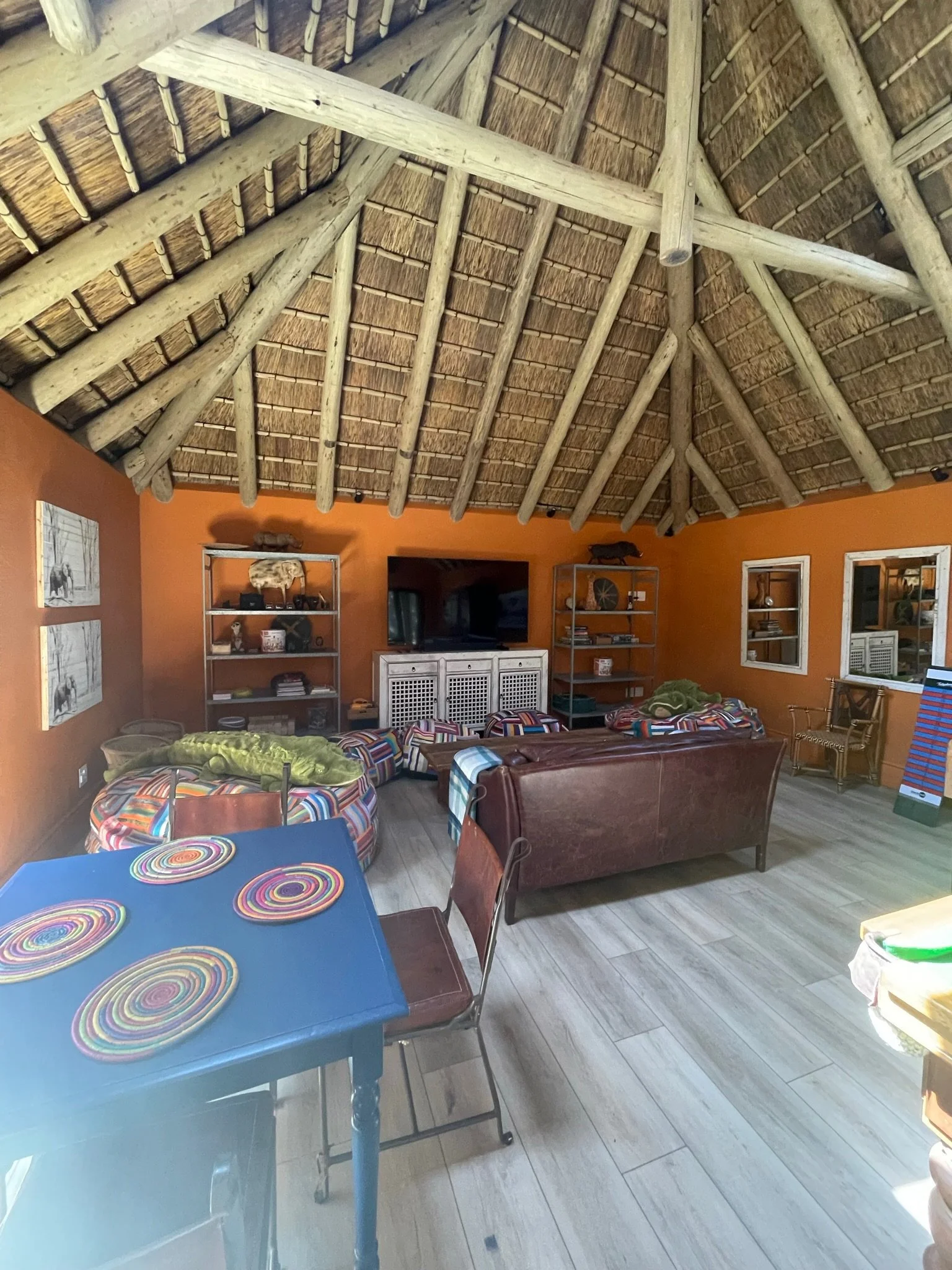
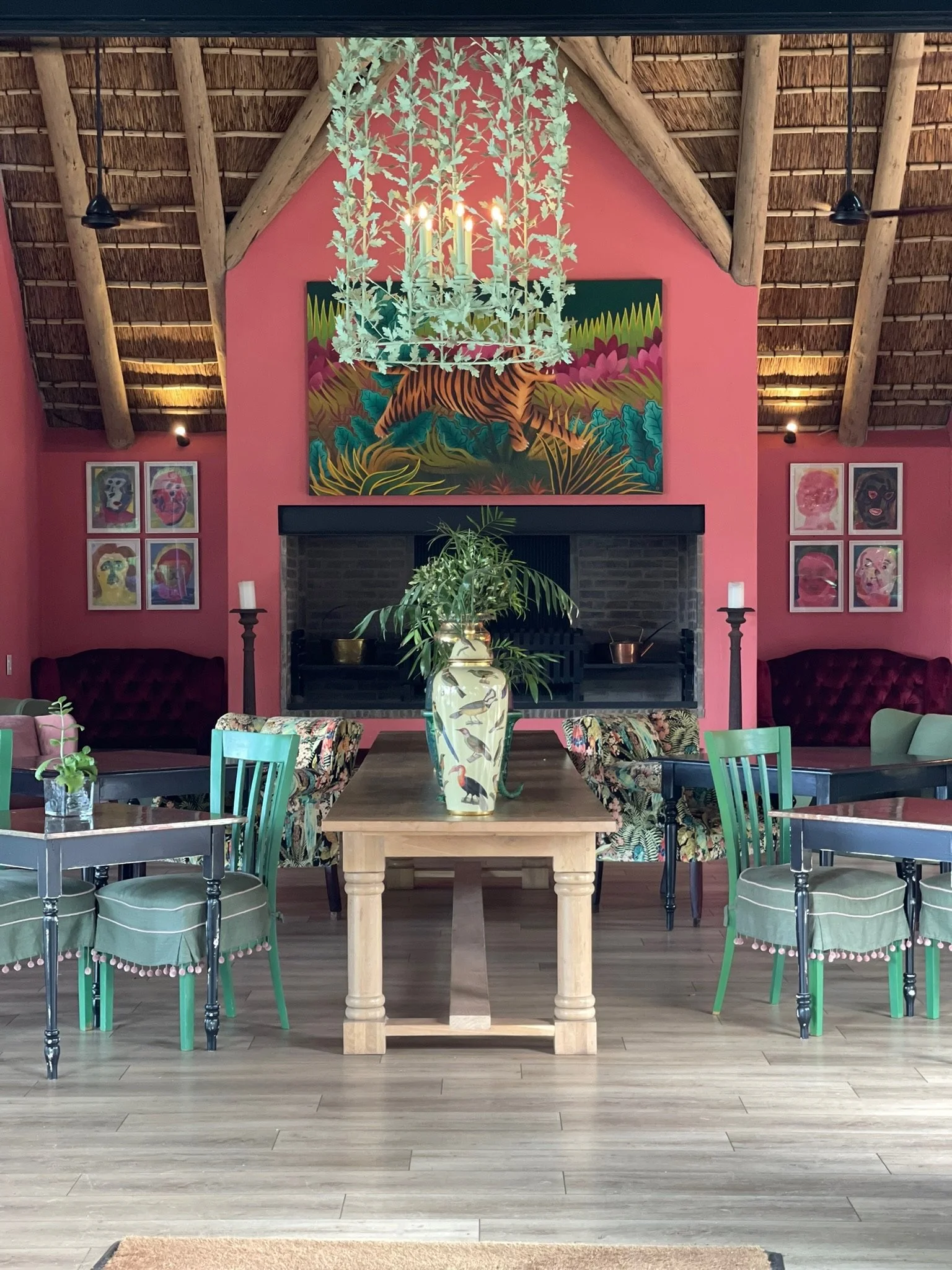
When to Go

There's no single "best" time for a family safari trip. It really comes down to what the family wants to see, the same way picking a hotel location depends on whether you want a beach, mountains, or a city center.

Dry season, roughly May through October, is when the bush thins out and animals gather around the shrinking number of water sources, which is why it's often considered the easiest stretch for spotting wildlife. Within that window, July through September is peak season across Southern and East Africa, and in Kenya and Tanzania specifically, it's when the Great Migration's river crossings tend to happen in the Masai Mara and Serengeti.

The trade-off is what South Africa's green season brings instead: it starts with the spring, when antelope like impala and wildebeest give birth in large numbers, and runs through the summer months, bringing lush scenery and some of the best birding of the year as migratory species join the resident population. The bush is thicker, so sightings take a bit more patience, but for families hoping to catch newborn impala or a nursery herd, this is the season for it, and it doubles as a great summer travel destination, pairing safari with Cape Town's high season.

Getting There (and Recovering Once You Land)

Connectivity from the US has improved considerably. United and Delta both fly nonstop from the New York and Atlanta areas to Johannesburg, a flight of roughly 15 hours, and Kenya Airways runs a daily nonstop from JFK to Nairobi in about 14 hours.

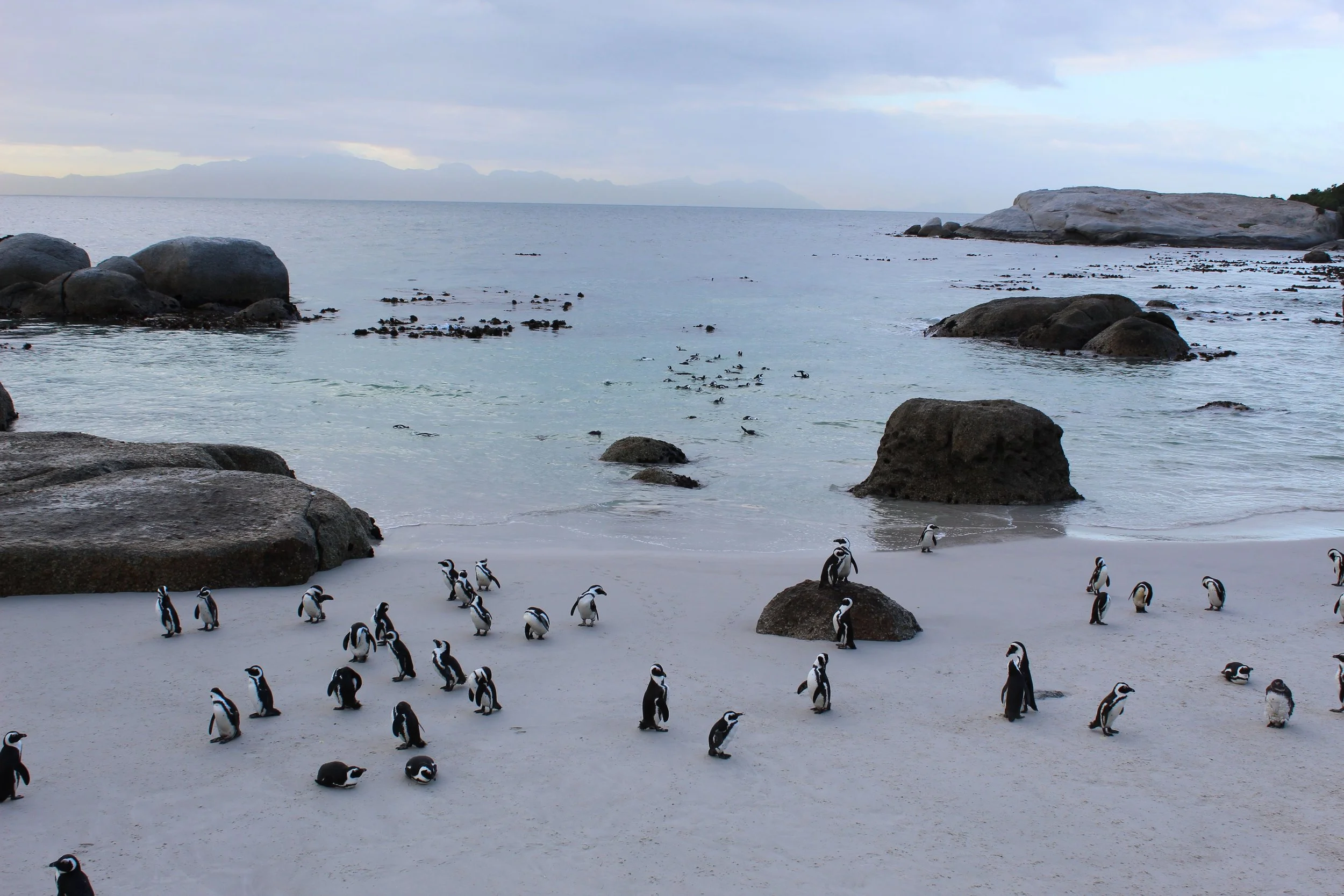
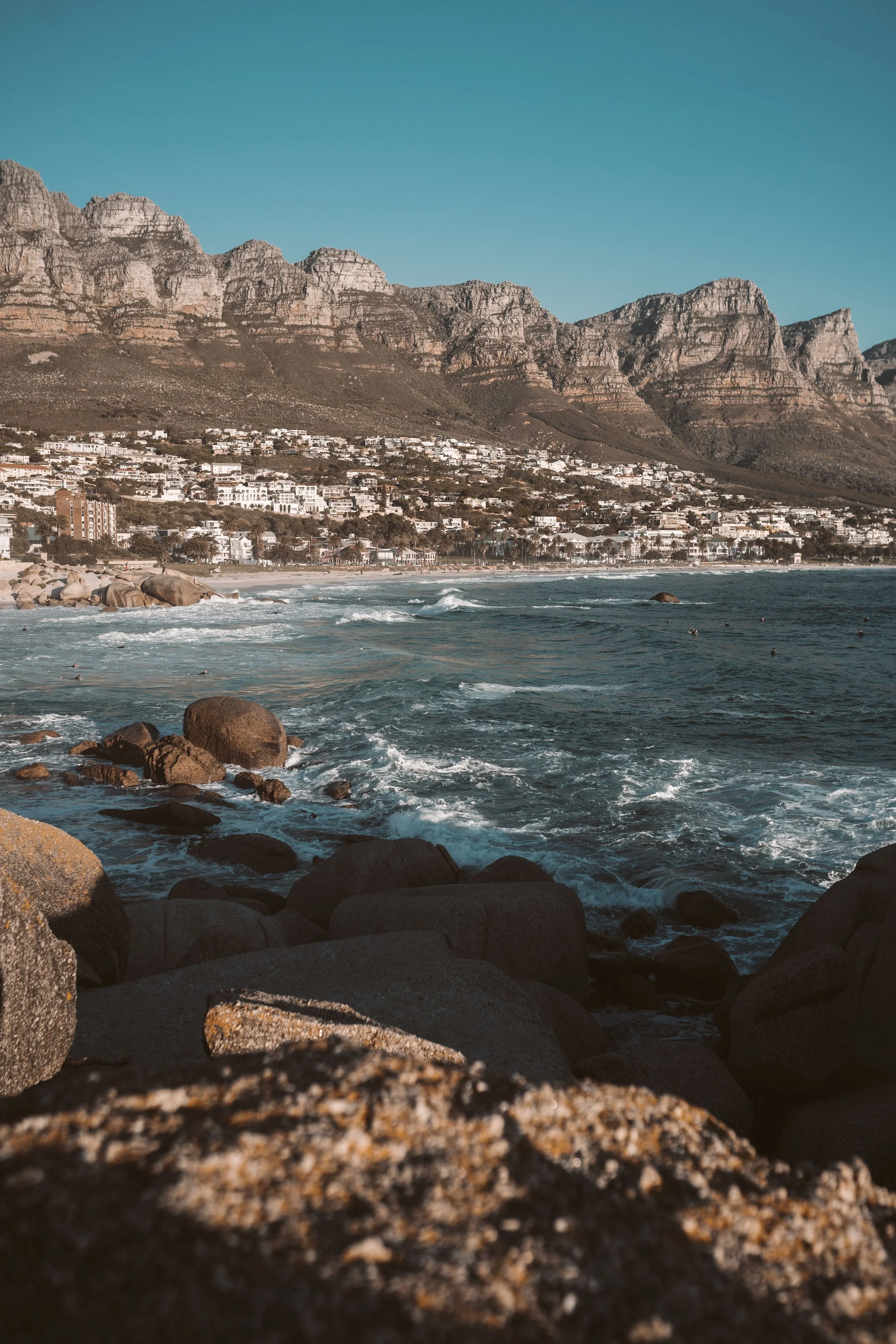
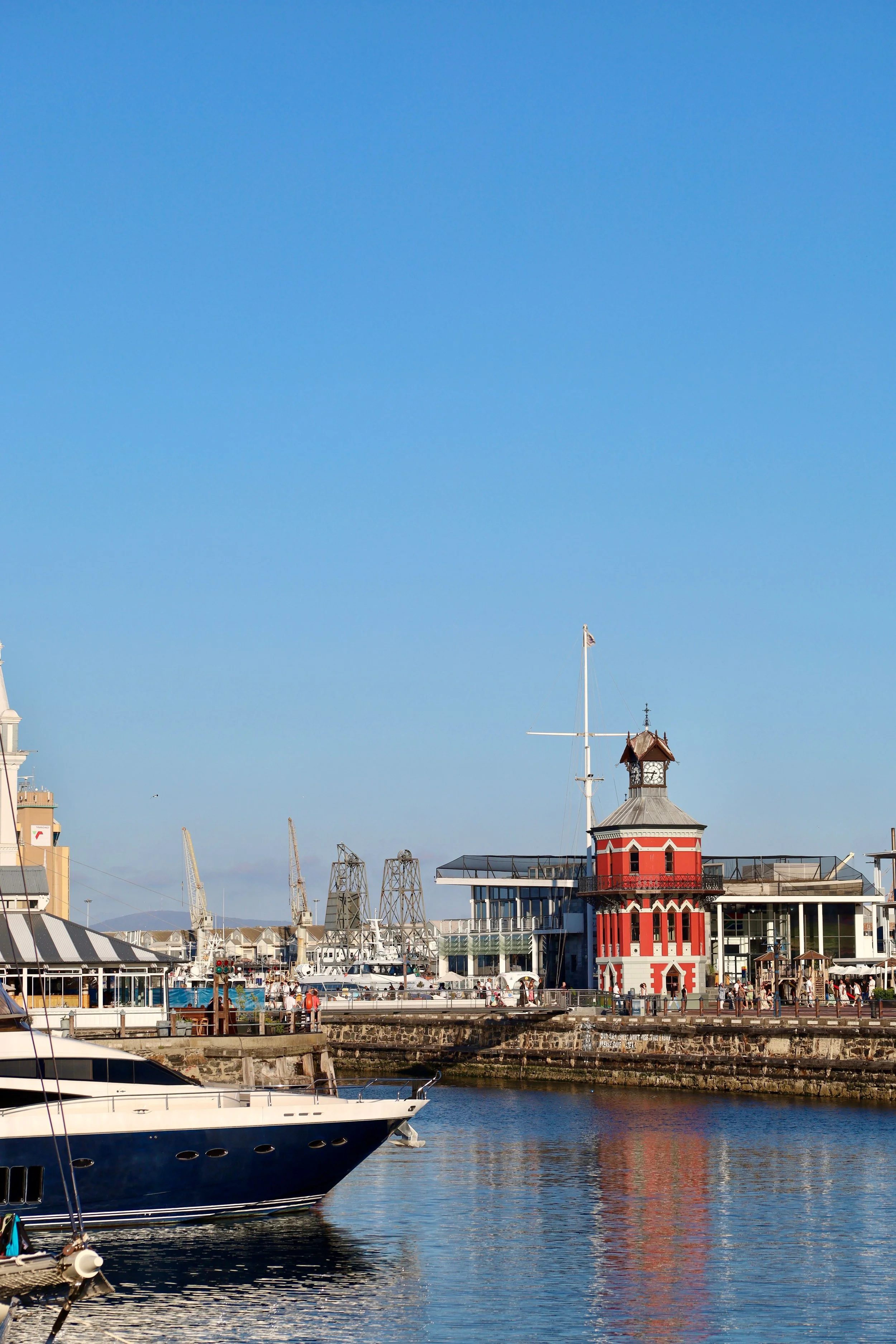
Even with the improved routes, that's a long flight for young children, which is exactly why so many family itineraries open in Cape Town rather than heading straight into the bush. A couple of days at a family-friendly hotel, with Table Mountain, the penguins at Boulders Beach, and the V&A Waterfront to explore, gives everyone time to adjust before the early wake-up calls of safari life begin.
The KJ Travel Take

A family safari should never feel like an adult trip that just happens to have kids along for the ride. Building the itinerary around the family means shaping the details to the ages in the group, not the other way around.

For younger kids, that might mean a malaria-free reserve in South Africa, onsite nannies, a fenced family lodge, and a private game vehicle. For older kids, it might mean ranger programs, animal checklists, and guides who know how to hold their attention. For teenagers, it could mean the waterways of Botswana, or finally being old enough to trek mountain gorillas in Rwanda.

That kind of planning is exactly where KJ Travel comes in: matching the right reserve to the right age group, confirming lodge policies before anything gets booked, and handling everything in between.

Get in touch with a KJ Travel advisor and start planning the family's biggest adventure yet.

FAQs: Traveling to Africa With Kids

Do you need a visa to bring kids to South Africa? US citizens, including children, do not need a visa for tourist stays in South Africa of up to 90 days, and a passport is all that's required if both parents are traveling together. If a child is traveling with just one parent, South African immigration typically asks for the child's birth certificate plus a signed consent letter from the parent staying behind. It's a small extra step, but worth building into the packing checklist early.

Is a safari safe for young children? Yes, when the lodge is chosen with their age in mind. Private reserves take child safety seriously, with safety briefings, high staff-to-guest ratios, and, at many family-focused properties, fenced camps and pools with extra supervision built into the daily schedule.

What's the best country in Africa for a first family safari? South Africa is usually the easiest starting point, thanks to its malaria-free reserves, strong flight connections, and the largest concentration of family-built luxury lodges on the continent.

Can babies go on safari? Some malaria-free, family-designed lodges welcome children of any age, including infants, especially in private-vehicle villa setups. Very young children typically won't join game drives themselves, but many properties offer in-room childcare so parents can still get out for a drive.

How long should a family safari be? Most luxury operators recommend at least a week to 10 days for a first trip, enough time for a few nights on safari plus a city or coastal stay to bookend the long flights.

Is gorilla trekking an option for a family trip? Only for family members 15 and older, due to a strict, universally enforced age minimum across Rwanda, Uganda, and the Democratic Republic of Congo. Families traveling with younger children can still base themselves near the parks and enjoy other activities together.
Three Cities. Three Hotels. One Extraordinary Luxury Journey Through London, Paris & Baden-Baden

Today’s travelers are not simply looking for beautiful hotels or iconic cities. They are looking for journeys that feel personal and deeply connected to a place. The experience matters just as much as the destination itself.

Chelsea recently experienced exactly that during an Oetker Collection journey through London, Paris, and Baden-Baden,  three destinations connected by one remarkable standard of hospitality.

From refined London elegance at The Lanesborough to the timeless sophistication of Le Bristol Paris and the restorative atmosphere of Brenners Park-Hotel & Spa in Germany’s Black Forest region, the itinerary showcased a slower, more immersive side of Europe centered around exceptional hotels.

London: Classic Elegance at The Lanesborough

Chelsea’s journey began in London at The Lanesborough, one of the city’s most distinguished luxury hotels overlooking Hyde Park Corner in Belgravia.

What immediately stands out about The Lanesborough is its atmosphere. While undeniably grand, the hotel feels intimate rather than overly formal. The service is polished yet warm, creating the feeling of stepping into a private London residence instead of a traditional luxury hotel.

For travelers planning luxury family holidays in London, The Lanesborough offers a quieter and more sophisticated base, with spacious accommodations and easy access to Hyde Park, Knightsbridge, and some of the city’s best shopping and cultural attractions.

For luxury travelers who prioritize privacy and personalized service, The Lanesborough delivers exceptionally well. Dedicated butler service for every room and suite reinforces the hotel’s highly attentive approach to hospitality and adds to the sense of comfort that sets it apart from many of London’s larger luxury hotels.

The location is another major advantage. Positioned between Belgravia, Knightsbridge, and Hyde Park, the hotel offers immediate access to some of London’s best shopping, dining, and green spaces while still maintaining a quieter atmosphere than many of the city’s busier luxury addresses. For travelers who want London energy without constant crowds, the setting feels ideal.

Chelsea’s experience leaned fully into classic British luxury with thoughtful modern touches.

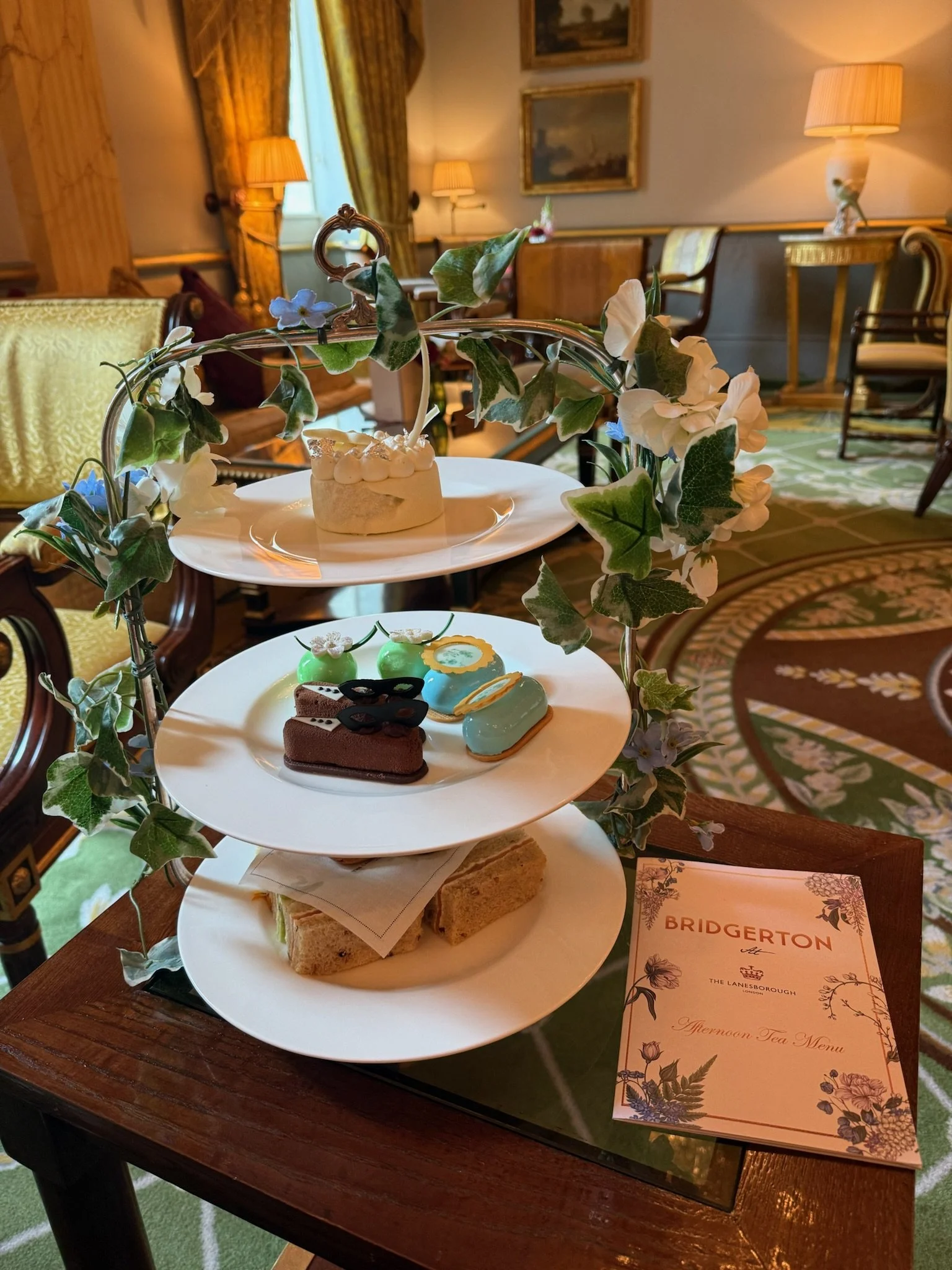
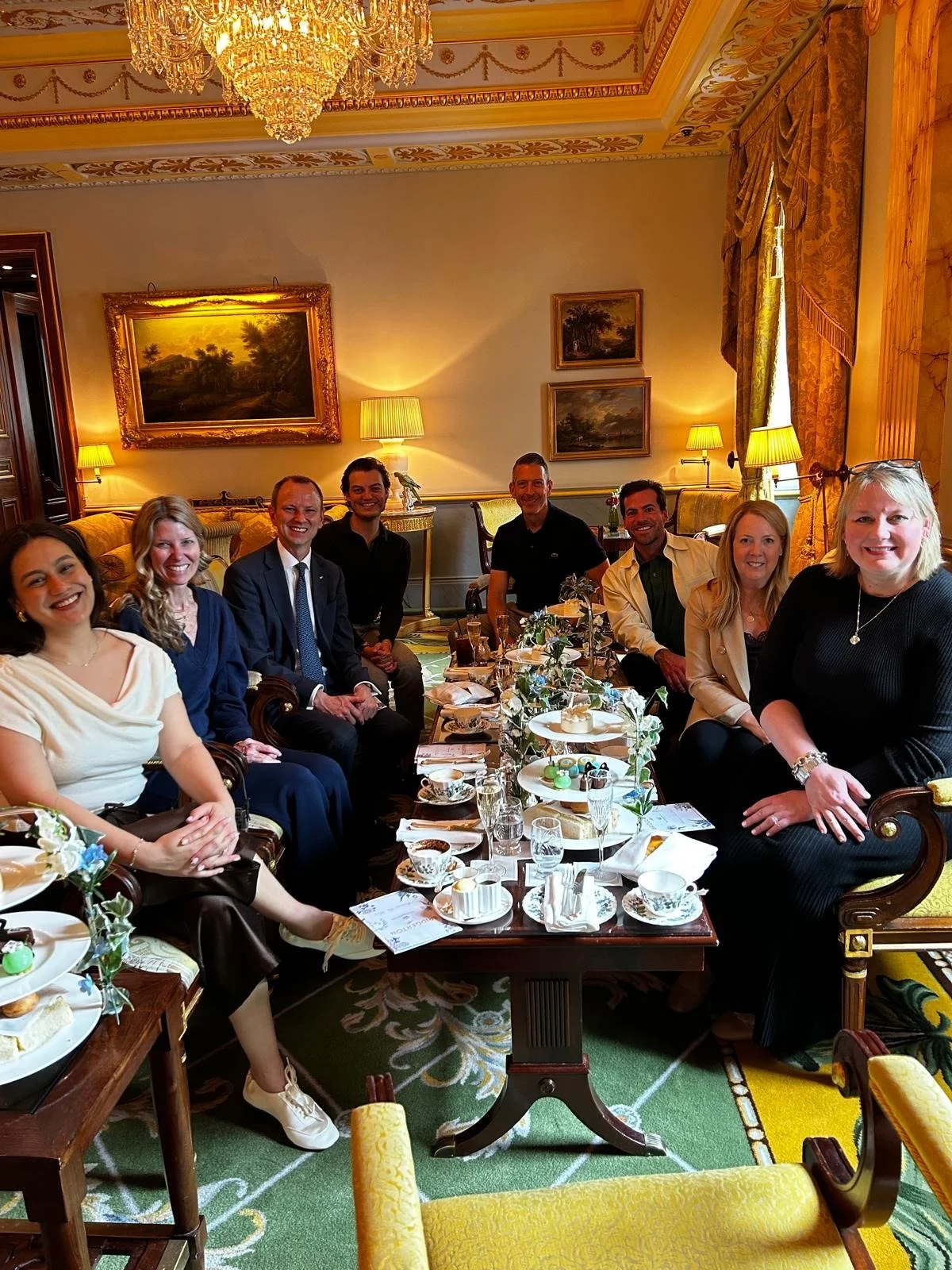
One highlight was the hotel’s Bridgerton-inspired afternoon tea in The Withdrawing Room. The setting felt theatrical in the best way, combining Regency-era elegance with impeccable presentation.

Wellness also played a major role during the stay. Guests spent time at The Lanesborough Club & Spa, widely considered one of London’s leading wellness destinations. More private members’ club than traditional hotel spa, the space offers advanced fitness facilities, expert-led treatments, hydrotherapy experiences, and an atmosphere designed for longer stays and slower routines.

Beyond the hotel, the itinerary focused on experiencing London through a more refined local lens. A panoramic black cab tour offered a stylish introduction to the city’s historic landmarks and neighborhoods, followed by shopping and time to explore Belgravia’s elegant streets.

Evenings centered around sophisticated dining and classic cocktail culture. Pre-dinner drinks at The Library Bar, home to one of the city’s most impressive cognac collections, perfectly captured the timeless character of the hotel.

For travelers seeking a London experience that feels discreet, elegant, and deeply connected to the city’s heritage, The Lanesborough continues to set the standard.

Paris: The Art of Parisian Luxury at Le Bristol Paris

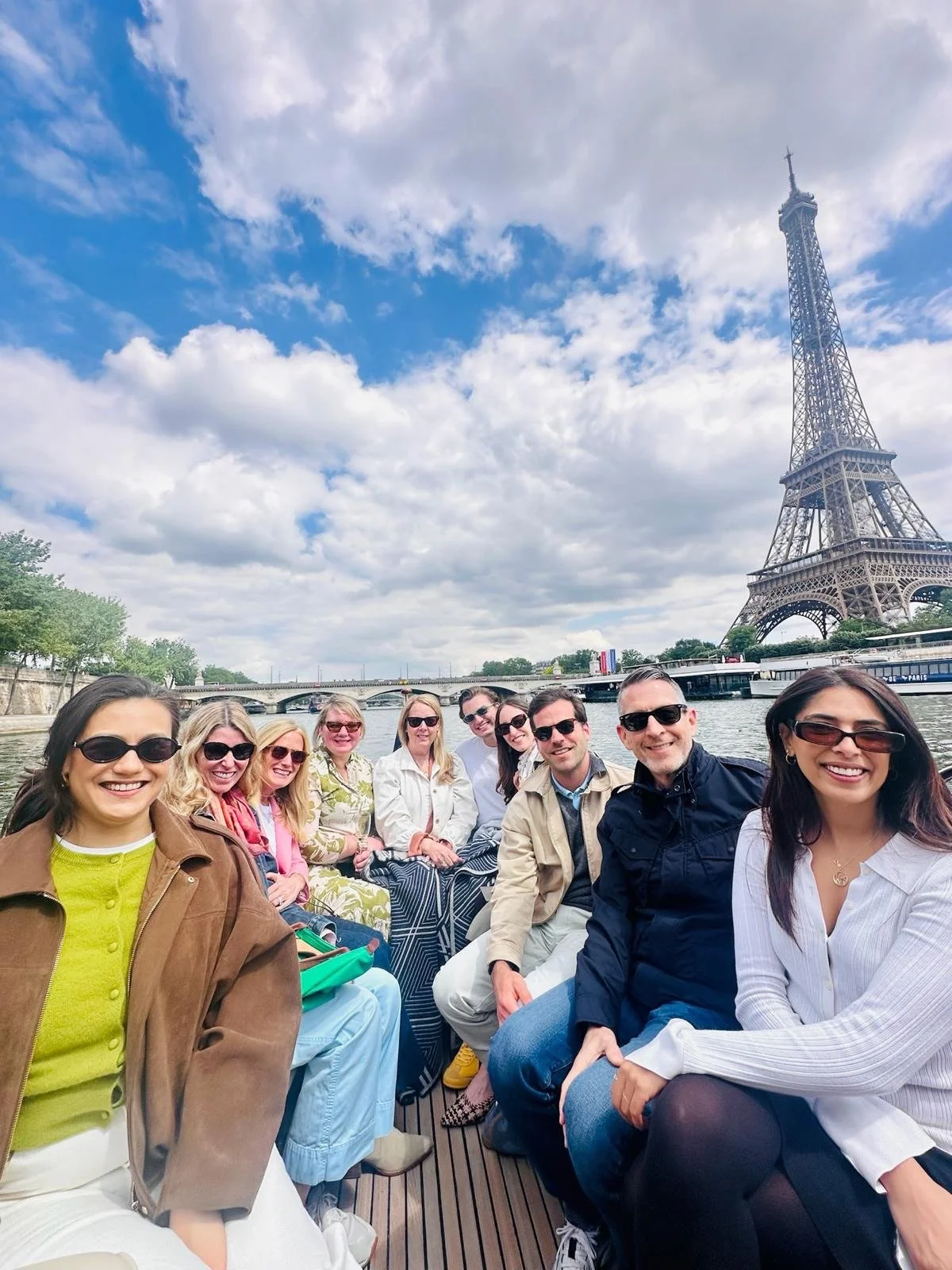
Chelsea's journey continued aboard the Eurostar to Paris, where Le Bristol Paris offered a completely different expression of European luxury.

If London felt classic and club-like, Paris felt effortlessly glamorous.

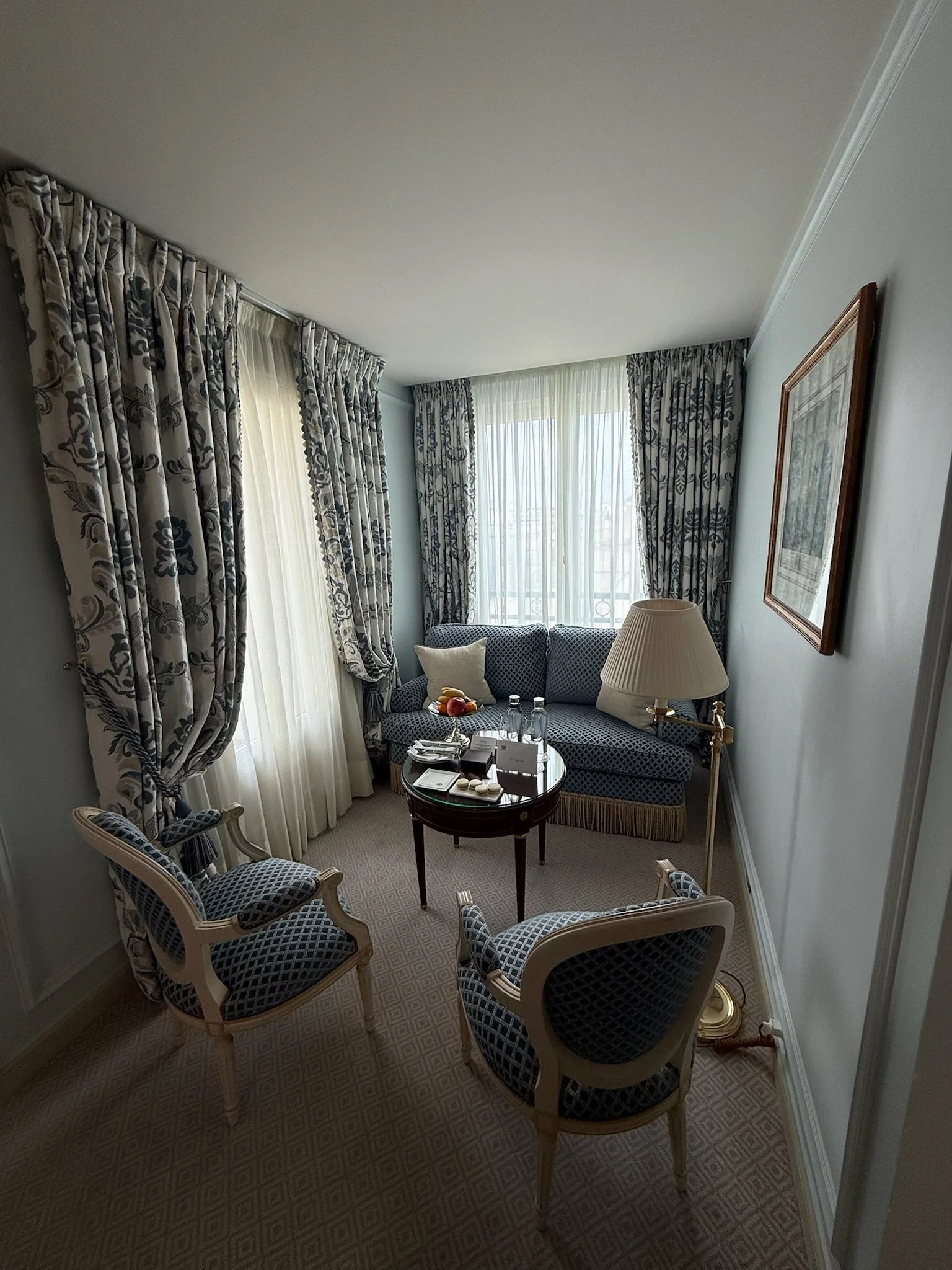
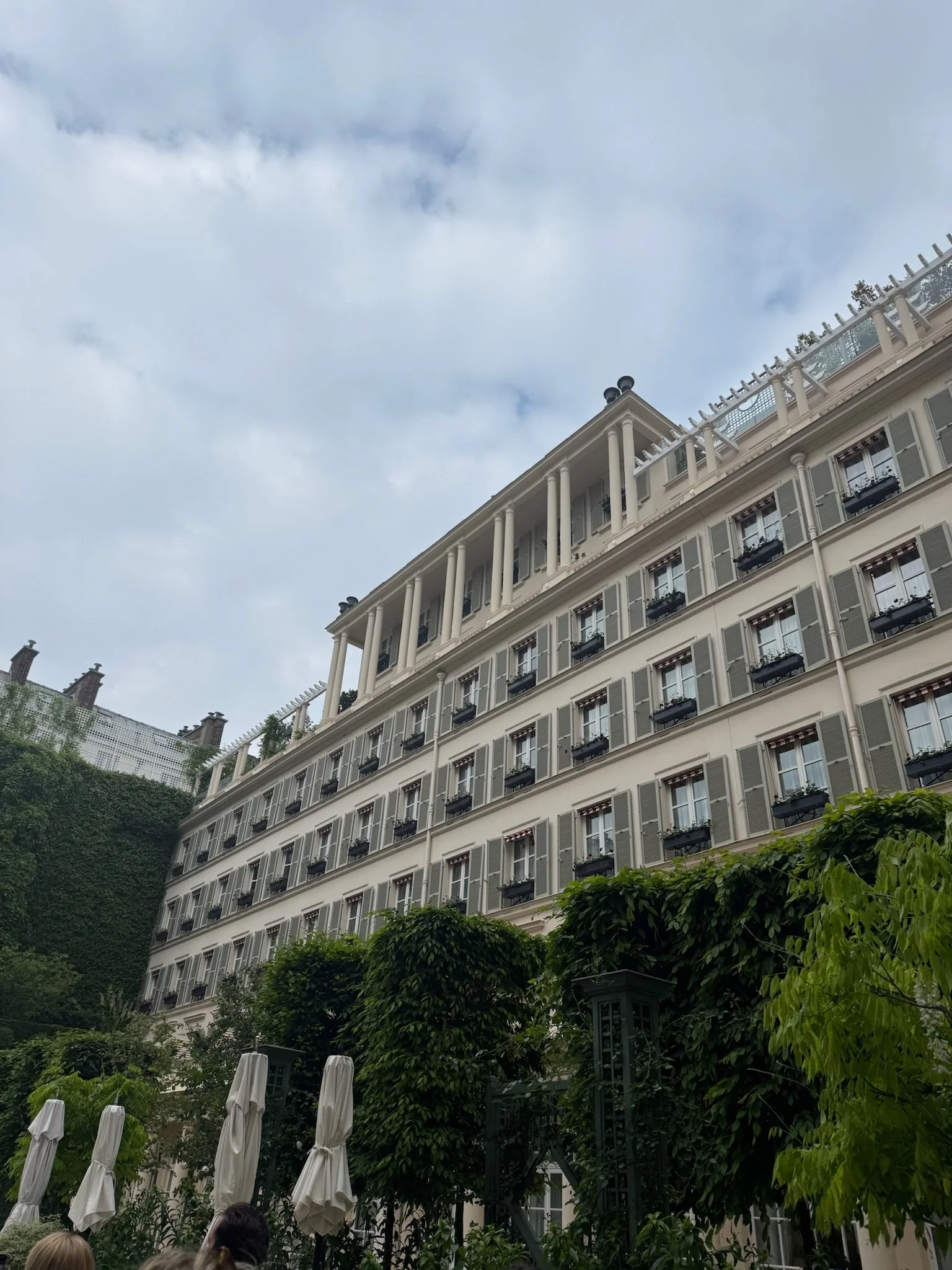
Located on Rue du Faubourg Saint-Honoré, Le Bristol is one of Paris’s most iconic palace hotels, known for combining traditional French elegance with a warmth that feels genuinely welcoming rather than overly formal. The location places guests in the heart of Paris’s luxury shopping and cultural district while still maintaining a quiet, residential atmosphere that feels removed from the city’s busiest tourist areas.

For discerning travelers, that balance is part of what makes Le Bristol so appealing. While many Paris palace hotels lean heavily into grandeur, Le Bristol feels softer, more intimate, and remarkably livable. The hotel has long attracted guests who return to Paris regularly and want a stay that feels elegant without feeling overwhelmed.

The stay focused heavily on gastronomy, craftsmanship, and the refined details that define Parisian luxury.

Guests enjoyed lunch at Café Antonia before unwinding at Le Bristol Spa by La Mer, where wellness and exceptional skincare expertise come together in one of the city’s most serene settings. The spa’s calm atmosphere feels particularly valuable after a day in Paris, offering a quieter and more restorative side of the city experience. Le Bristol’s rooftop swimming pool overlooking the Paris skyline adds another layer of exclusivity rarely found among the city’s palace hotels.

One of the most memorable experiences was visiting the Ateliers du Bristol, offering a behind-the-scenes look at the artistry and savoir-faire that shape the hotel’s identity. Experiences like this reveal what truly separates legendary hotels from simply beautiful ones.

Dining naturally became a centerpiece of the stay. Breakfast at Epicure, the hotel’s three-Michelin-starred restaurant, highlighted the extraordinary precision and hospitality that Le Bristol is known for worldwide. Rather than feeling overly formal, the experience reflects the hotel’s overall philosophy: refined, deeply attentive, and quietly confident.

Chelsea's visit included a Parisian city experience and evenings spent inside the hotel’s recently redesigned Signature Suites, which feel like elegant Parisian residences. Spacious layouts, classic detailing, and exceptional natural light create the comfort luxury travelers increasingly prioritize for longer stays in Europe.

For travelers who appreciate understated sophistication, exceptional service, and a more residential approach to Parisian luxury, Le Bristol remains one of the city’s defining addresses.

Baden-Baden: Europe’s Most Elegant Wellness Escape

After the energy of London and Paris, Baden-Baden introduced a slower and more restorative side of European luxury. The journey continued via TGV to Strasbourg before arriving at Brenners Park-Hotel & Spa, one of Germany’s most celebrated wellness hotels.

Set alongside the tree-lined Lichtentaler Allee, Brenners feels deeply connected to nature while maintaining the elegance and highly personalized service expected from Oetker Collection. The atmosphere is calm, discreet, and intentionally unhurried, a sharp contrast to the pace of Europe’s larger capitals. For many luxury travelers, that slower rhythm is exactly the appeal.

Baden-Baden has long been known as one of Europe’s great spa and wellness destinations, attracting visitors seeking wellness, fresh air, and restorative experiences for generations. Today, it continues to resonate with travelers looking for a more understated form of luxury centered around well-being, privacy, and meaningful experiences rather than constant activity.

Chelsea's experience focused on wellness, craftsmanship, and outdoor experiences.

Guests enjoyed time at Brenners Spa, where treatments and wellness facilities are designed around relaxation, longevity, and balance rather than quick, trend-driven experiences. Villa Stéphanie, the hotel’s dedicated wellness retreat, has become one of Europe’s leading destinations for travelers prioritizing restorative wellness and long-term well-being. The property’s connection to nature creates an immediate sense of calm, making it particularly appealing for travelers spending multiple weeks throughout Europe.

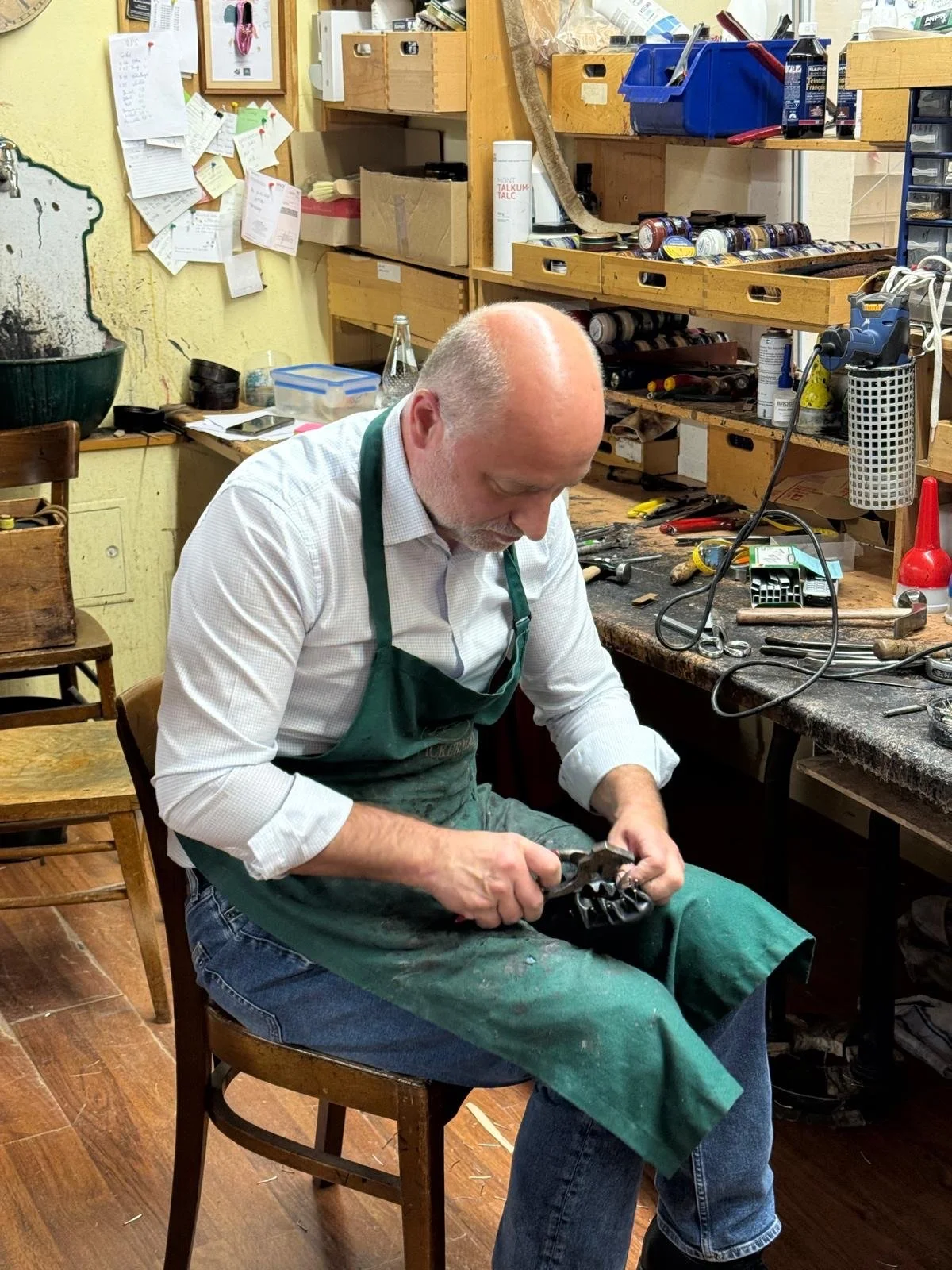
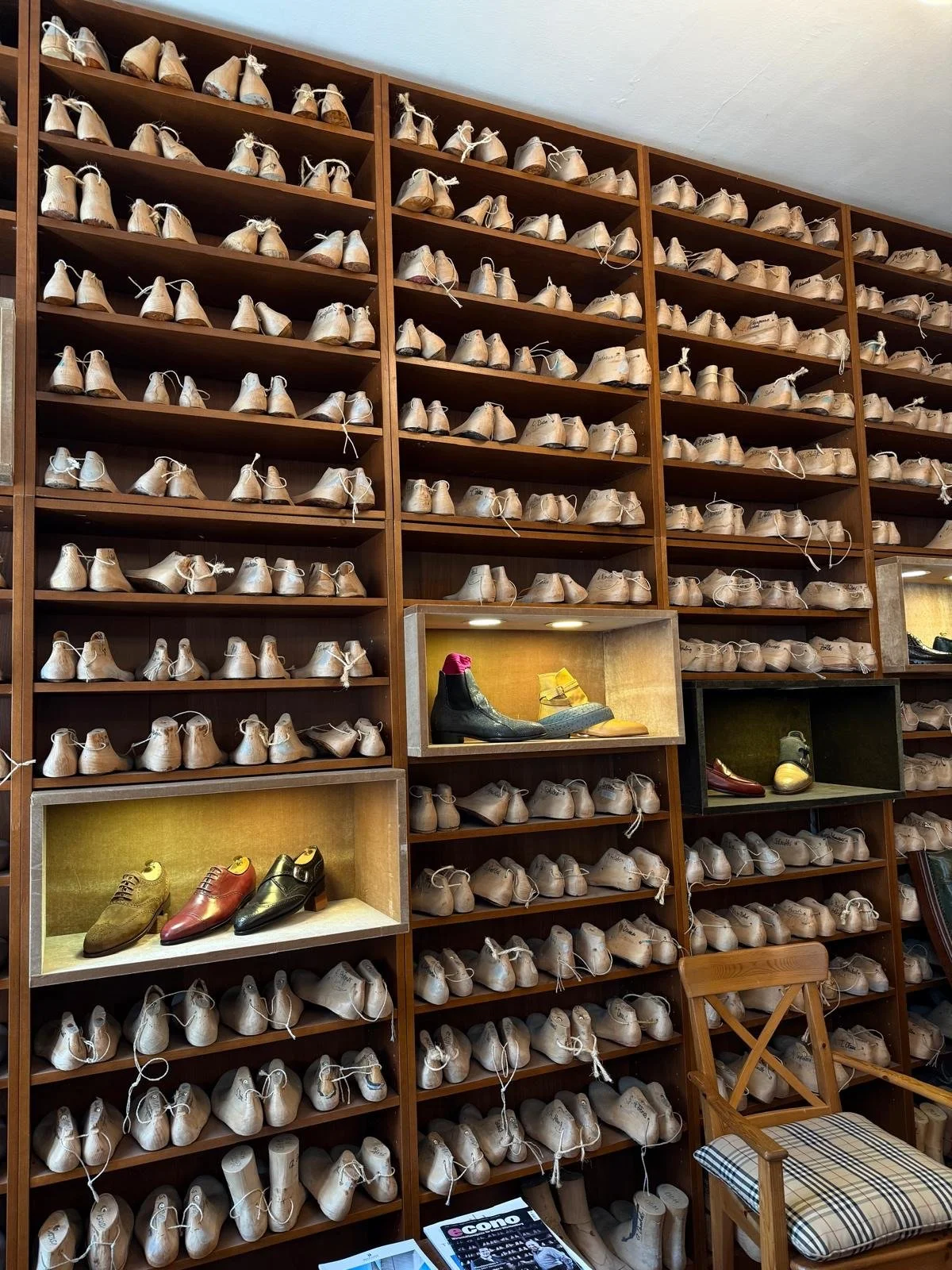
The experience also highlighted the region’s strong appreciation for craftsmanship. A visit to artisan shoemaker Vickermann & Stoya offered a glimpse into the world of bespoke leather goods and custom shoemaking, reflecting the same attention to detail and personalization found throughout the hotel experience.

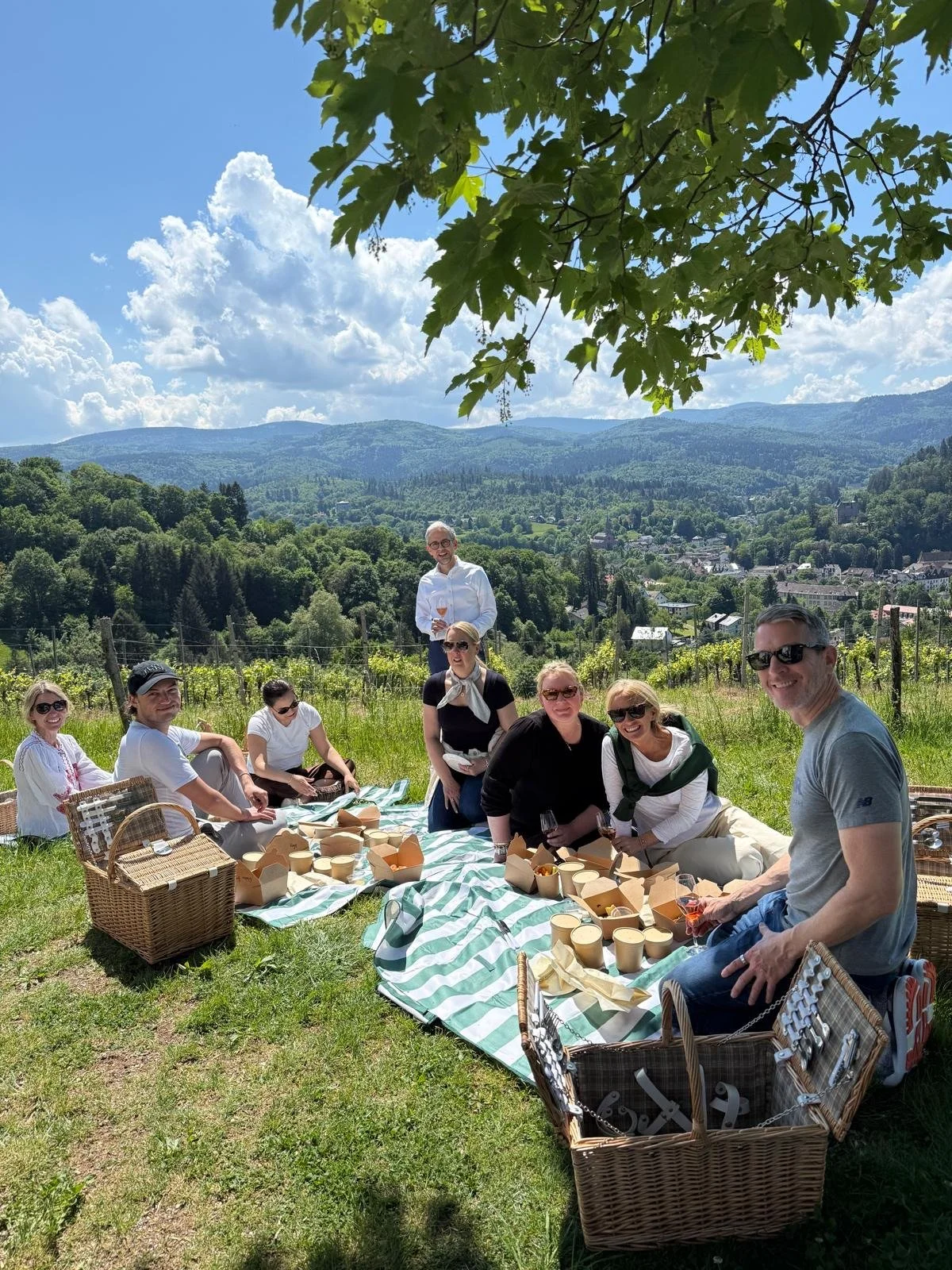
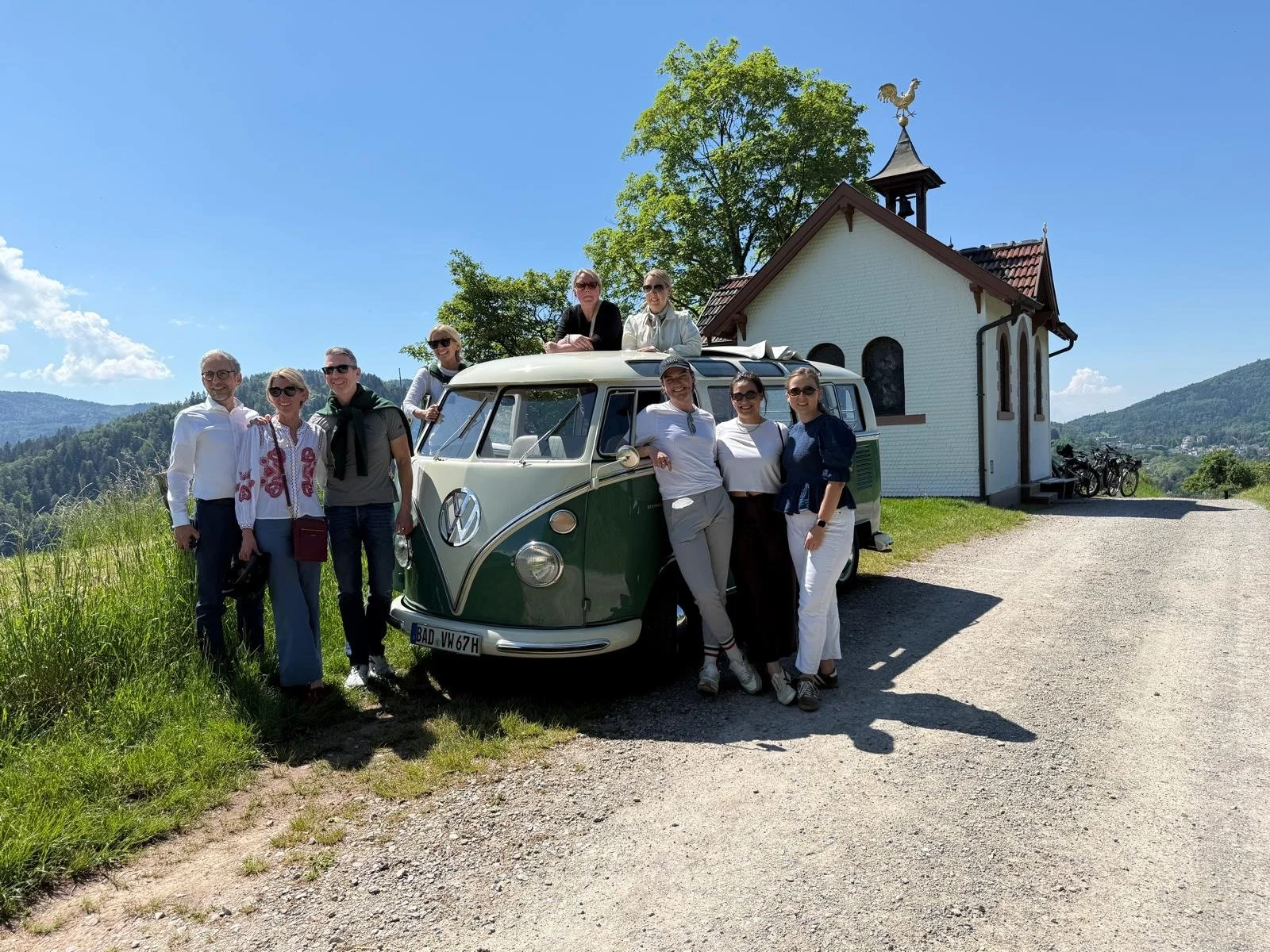
The following day showcased the natural beauty of the region through a guided e-bike ride across Baden-Baden and the Black Forest, followed by a vineyard picnic lunch surrounded by rolling countryside. Experiences like these reveal a quieter and more immersive side of luxury travel, one centered less on sightseeing and more on how a destination makes travelers feel.

The balance between wellness, culture, and gastronomy made this portion of the trip especially memorable. Visits to Museum Frieder Burda added an artistic layer to the experience, while dinners at Wintergarten and Fritz & Felix highlighted the region’s blend of French influence and contemporary German cuisine.

Baden-Baden may not appear on every traditional luxury Europe itinerary, but that is precisely what makes it so compelling. It offers privacy, wellness, natural beauty, and a quieter sophistication that perfectly complements Europe’s larger cities, particularly for travelers seeking a more balanced and intentional style of luxury travel.

Final Thoughts

Europe will always have iconic cities and legendary hotels. What truly defines a luxury journey today is how those experiences come together.
This particular itinerary through London, Paris, and Baden-Baden demonstrated how three completely different destinations can feel connected through extraordinary hospitality, thoughtful pacing, and a deep sense of place.

Through The Lanesborough, Le Bristol Paris, and Brenners Park-Hotel & Spa, Oetker Collection delivered more than luxury accommodations. It created a journey that felt immersive, elegant, and unforgettable from beginning to end. For travelers looking to experience Europe through its most iconic hotels while slowing down enough to truly enjoy it, this is exactly the kind of journey worth taking.

As an Oetker Pearl partner KJ Travel unlocks special perks for clients that are looking to book Oetker Collection hotels across the globe.

Ready to book your next great stay? Contact a KJ Travel advisor today!

Luxury Travel Details That Make Every Trip Extraordinary

The most seamless luxury trips are shaped by what happens behind the scenes. VIP airport assistance, thoughtful pacing, real-time support, and carefully managed logistics remove friction and allow the experience to unfold with ease.

Luxury travel is often associated with where you stay. A private villa overlooking the sea. A suite with uninterrupted views. A perfectly located hotel. But what truly defines a luxury travel experience is how the journey feels from beginning to end.

The best trips are not only well designed. They are carefully supported at every stage, with details many travelers do not think about until they experience the difference themselves.

At this level, luxury is not simply about comfort. It is about ease. Time. Access. Privacy. Flow.

These are the travel details that quietly transform the entire experience.

1. A SMOOTH ARRIVAL, NO MATTER THE DESTINATION

After a long-haul flight, the airport experience can shape the first 24 hours of a trip.

Crowded immigration halls, long waits, delayed luggage, and complicated connections immediately drain energy from the experience, especially during peak travel periods in Europe and other high-traffic destinations.

VIP airport services help remove that friction.

A personal greeter meets travelers upon arrival, either at the gate where permitted or shortly after landing. From there, travelers are escorted through expedited immigration, assisted with luggage, and guided directly to their private driver.

For connections, this same level of support becomes even more valuable. In large international airports, navigating terminals, security checks, and timing between flights can quickly become stressful without guidance.

The goal is not simply convenience. It is protecting energy, time, and peace of mind from the moment the journey begins.

2. SUPPORT, WHEREVER THE TRIP LEADS

Travel is always dynamic and more often than not, unpredictable. Flights are delayed. Weather impacts schedules. Even the most carefully planned itineraries occasionally need adjustments along the way.

This is where real-time support becomes one of the most valuable parts of the experience. Access to a trusted local contact allows changes to happen quickly and quietly behind the scenes. 

This level of support is especially valuable in destinations where language barriers, complex logistics, or seasonal demand create additional challenges.

The experience remains seamless because someone is always managing the details in real time.

3. SEAMLESS MOVEMENT THROUGHOUT THE TRIP

One of the most overlooked parts of luxury travel is how travelers move between experiences.

Transitions are where travel fatigue often appears. Waiting for transportation, coordinating drivers, managing luggage, or navigating unfamiliar logistics can interrupt the flow of even the most beautiful itinerary.

Private drivers can be arranged, allowing the day to evolve naturally without watching the clock or coordinating every movement. In destinations where traffic, weather, or timing can shift throughout the day, this flexibility becomes invaluable.

In countries such as Japan and Italy, luggage can often be sent ahead to the next hotel, allowing travelers to move comfortably between destinations without handling bags along the way.

Every transfer is planned intentionally so the experience continues smoothly from one moment to the next.

4. EVERYTHING IN ONE PLACE, ALWAYS UP TO DATE

A well-designed itinerary is far more than a schedule. It becomes the central point for the entire journey.

With a dedicated itinerary app  (like the one we use at KJT. We're looking at you AXUS), flights, hotel reservations, dining confirmations, transfers, private tours, and curated recommendations all live in one place. Maps, contact details, and daily timing are immediately accessible. More importantly, updates can be made in real time.

Restaurant reservations shift. Weather changes. Timing evolves throughout a trip. Having one dynamic itinerary eliminates uncertainty and prevents travelers from searching through emails, screenshots, or paperwork while abroad.

The experience feels smoother because every detail remains clear, current, and easy to access.

5. ACCESS THAT ELEVATES THE EXPERIENCE

What makes a destination memorable is often not only what is seen, but how it is experienced.

Private guides provide context and insight that completely change the understanding of a place. Early or after-hours access, where available, creates a quieter and more personal atmosphere that simply does not exist during public visiting hours.

In many destinations, privacy itself has become one of the greatest luxuries in travel.

Select experiences such as a private boat along the Amalfi Coast, exclusive vineyard visits, or a helicopter transfer over remote landscapes are chosen carefully and added where they create the most impact.

These moments are designed to create comfort, access, perspective, and a deeper connection to the destination itself.

6. PROTECTION THAT TRAVELS WITH YOU

Luxury travel is a meaningful investment, and protecting that investment is essential.

A well-structured travel insurance policy provides coverage for cancellations, delays, medical care abroad, and emergency evacuation services when needed. This becomes particularly important for more remote or experience-driven itineraries, including safari, yachting, or multi-country travel.

Even exceptionally planned trips can encounter unexpected disruptions. The right coverage helps ensure those moments are manageable without compromising the overall experience. At this level, travel insurance is not simply a formality. It is part of traveling well.

THE BOTTOM LINE

The most exceptional trips are not defined only by the hotel or destination. They are defined by how everything feels along the way.

When every detail is taken care of, every transition is smooth, and support is always within reach, travel becomes what it is meant to be. Immersive and deeply enjoyable. Thoughtful planning and the right support make all the difference along the way.

We can't wait to help you plan your next great adventure! Get in touch with a KJ TRAVEL advisor today.

Villas vs. Resorts: Which One Should You Book?

There's no wrong answer when every option is five-star. But choosing between a private villa and a luxury resort can genuinely shape how a trip feels day to day. Both offer an elevated experience. The difference is in how that experience unfolds.

QUICK TAKE

Choosing between a villa and a resort comes down to one question: How do you want to spend your time? If privacy and space are the priority, a villa delivers. If seamless service and on-site amenities matter most, a resort wins. And if both sound appealing? Many top luxury properties offer villa-style accommodations within a resort, the best of both worlds.

The Case for a Private Villa

For travelers who want their vacation to feel like a home away from home or a private retreat  more  than a hotel stay, a villa is hard to beat.

Imagine: your own pool, your own schedule, no shared lobby, no waiting for a table. It's a residential-style experience designed around complete privacy and it's especially well-suited for families, multigenerational groups, or a close circle of friends traveling together.

A villa is the right call when:

  • Traveling with a large group

  • Planning a longer stay (7+ nights)

  • Privacy is non-negotiable

  • The goal is to slow down and actually live in a destination


What makes it special:

  • Complete privacy, no shared spaces, no strangers nearby.

  • Multiple bedrooms and generous living areas that give everyone room to spread out.

  • A private pool, outdoor terraces, and space that genuinely feels like yours.

  • The "live like a local" atmosphere that a hotel simply can't replicate.

Dedicated staff:  housekeepers, private chefs, and on-site concierges are common at the luxury level

One thing worth knowing: villa life calls for a bit more intention. Meals mean either collaborating with a private chef or venturing out, and logistics like transportation and reservations reward advance thought. But when the right local team is in place (which is precisely how we work at KJT) a villa can feel every bit as seamless as the finest five-star resort and even a little more tailored to your needs.

The Case for a Luxury Resort

When the goal is effortless luxury (everything in one place, every detail handled) a resort delivers exactly that.

It's the natural choice for couples, families, honeymooners, and anyone who wants to arrive and let the property do the rest. Multiple restaurant options, spas, pools, kids clubs, curated excursions, and round-the-clock service: luxury resorts are built so that guests never have to think too hard about anything.

A resort is the right call when:

  • Traveling as a couple, family or on a honeymoon

  • Staying for a shorter trip (4–6 nights)

  • On-site amenities and dining variety matter

  • The goal is pure relaxation without any logistics


What makes it special:

  •  Multiple restaurants and bars, from beach clubs to fine dining, all steps away

  • Spa and wellness facilities

  • Concierge, room service, and housekeeping 

  • Built-in activities and excursions for guests who want to explore

  • The kind of structure and convenience that makes short trips feel complete

The Sweet Spot: Villa-Style Living Inside a Resort

Many of today's most coveted luxury properties have eliminated the need to choose at all.

Resort villas (private villa accommodations set within a full-service resort) offer the seclusion and space of a standalone villa with the amenities, staff, and service of a five-star property. A private plunge pool, a dedicated butler, and a restaurant reservation that's already been made. It's a seamless combination, and for many discerning travelers, it's exactly where the experience needs to be.

How to Choose

Ultimately, the finest accommodation is the one that fits how a destination is meant to be lived and experienced. A villa in Tuscany is made for slow mornings, long lunches, and unhurried afternoons. A resort in the Bahamas is built for you to just enjoy and have everything taken care of from the moment you step off the plane. Getting that match right is what transforms a beautiful trip into an unforgettable one.

Ready to Book Your Dream Stay?

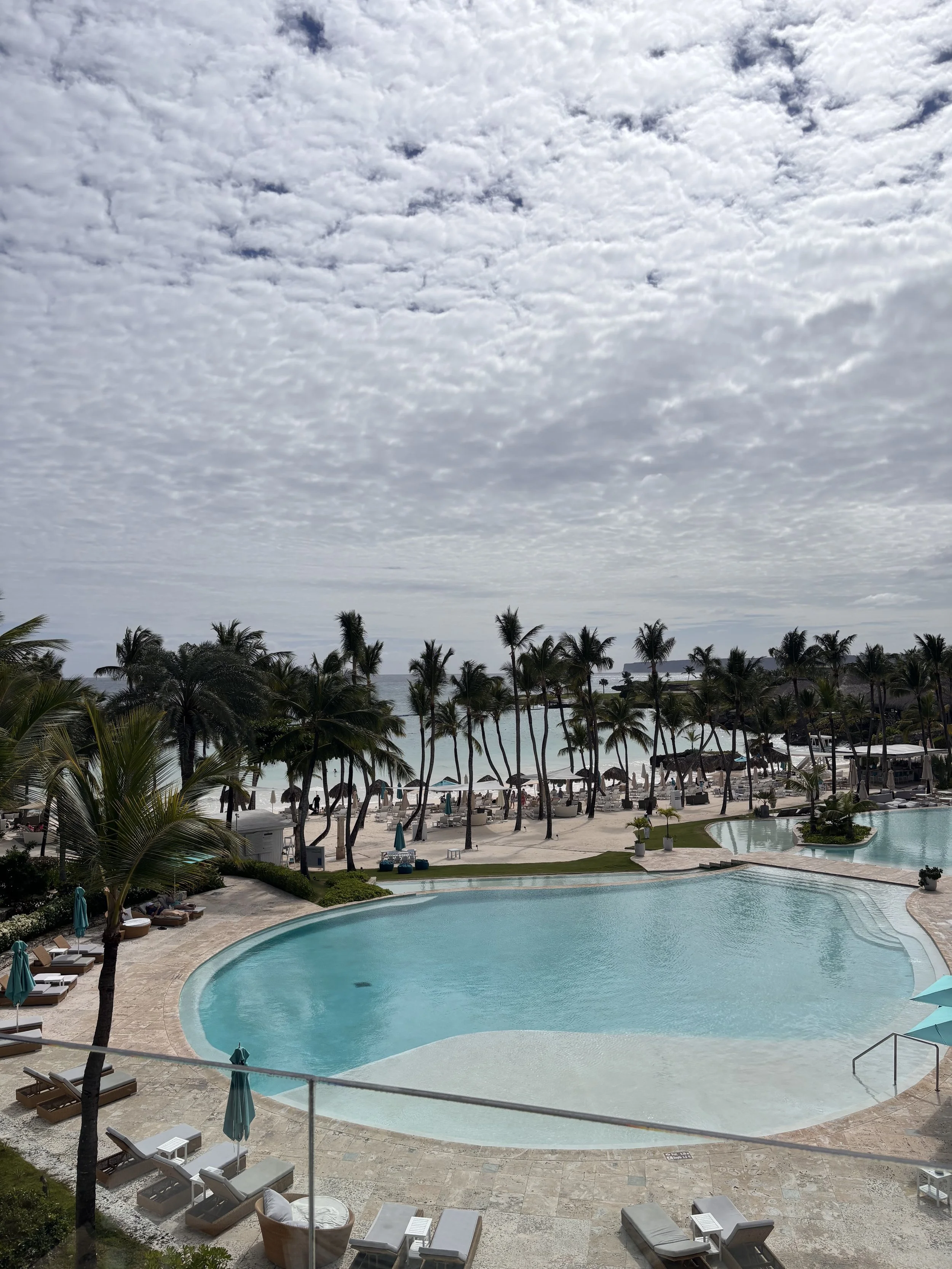
Not sure which option is right for your destination, group, or travel style? That's exactly what we're here for. Whether you're drawn to a private villa in the Dominican Republic or a resort suite in Mexico with a plunge pool and a butler on call, our travel advisors will help you find the property that fits and handle every detail from there.

Get in touch with a KJ Travel Advisor and let's start planning your next getaway.

Milestone Travel Planning: The Luxury Advisor's Guide to Anniversaries, Birthdays & Beyond

A 40th birthday. A 25th anniversary. A graduation that took years of hard work to reach. Some moments deserve more than a nice dinner, they deserve a trip built around the occasion itself, where every detail is intentional and nothing is left to chance.

QUICK TAKE

Milestone travel is a category of its own. Unlike a typical vacation, every decision: the destination, the accommodations, the pace, the private experiences are shaped by one goal: making the celebration feel as significant as the moment behind it. This guide walks through how KJ Travel approaches milestone and group trip planning, from the first conversation to the final send-off.

What makes milestone travel different

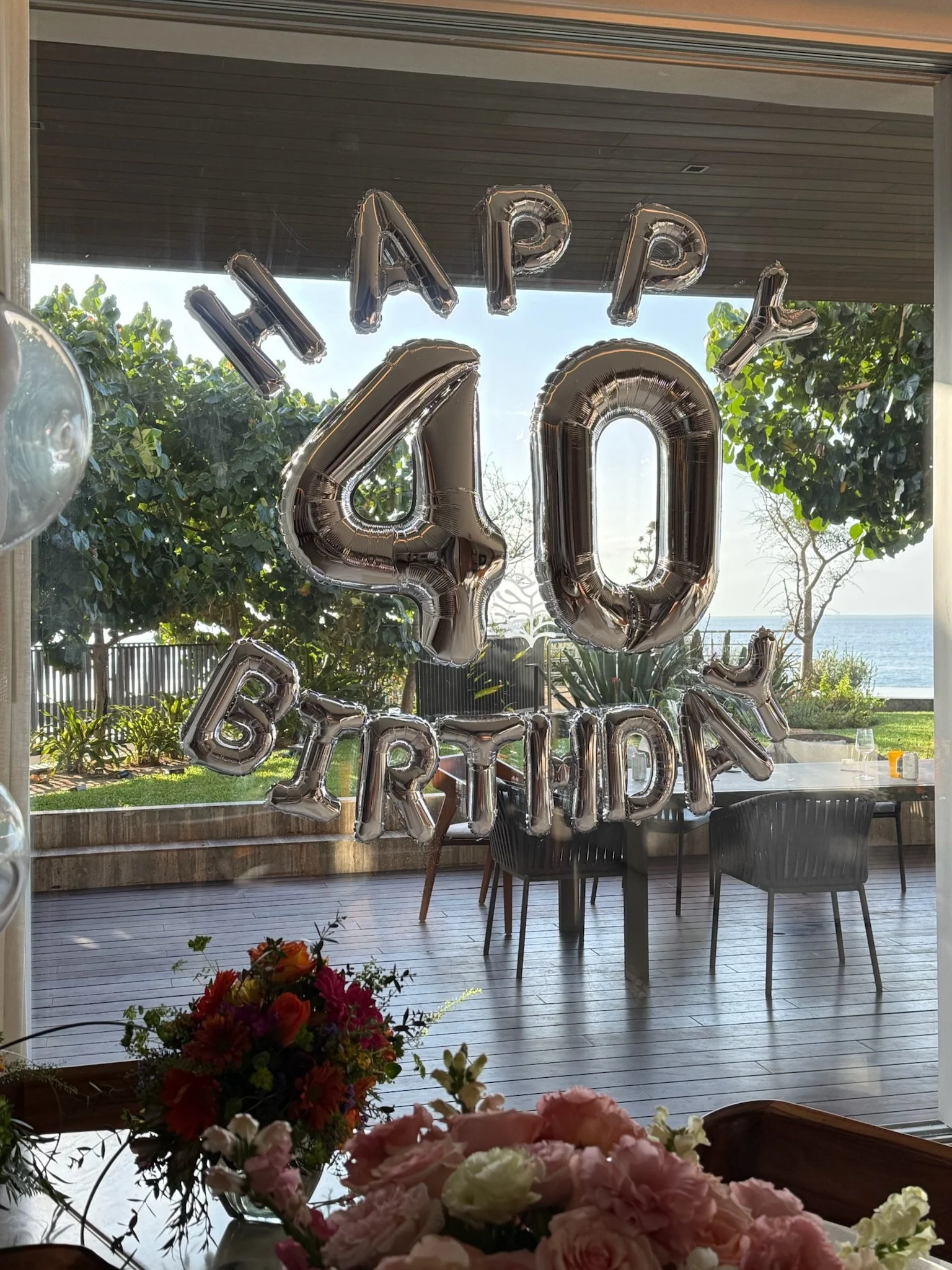
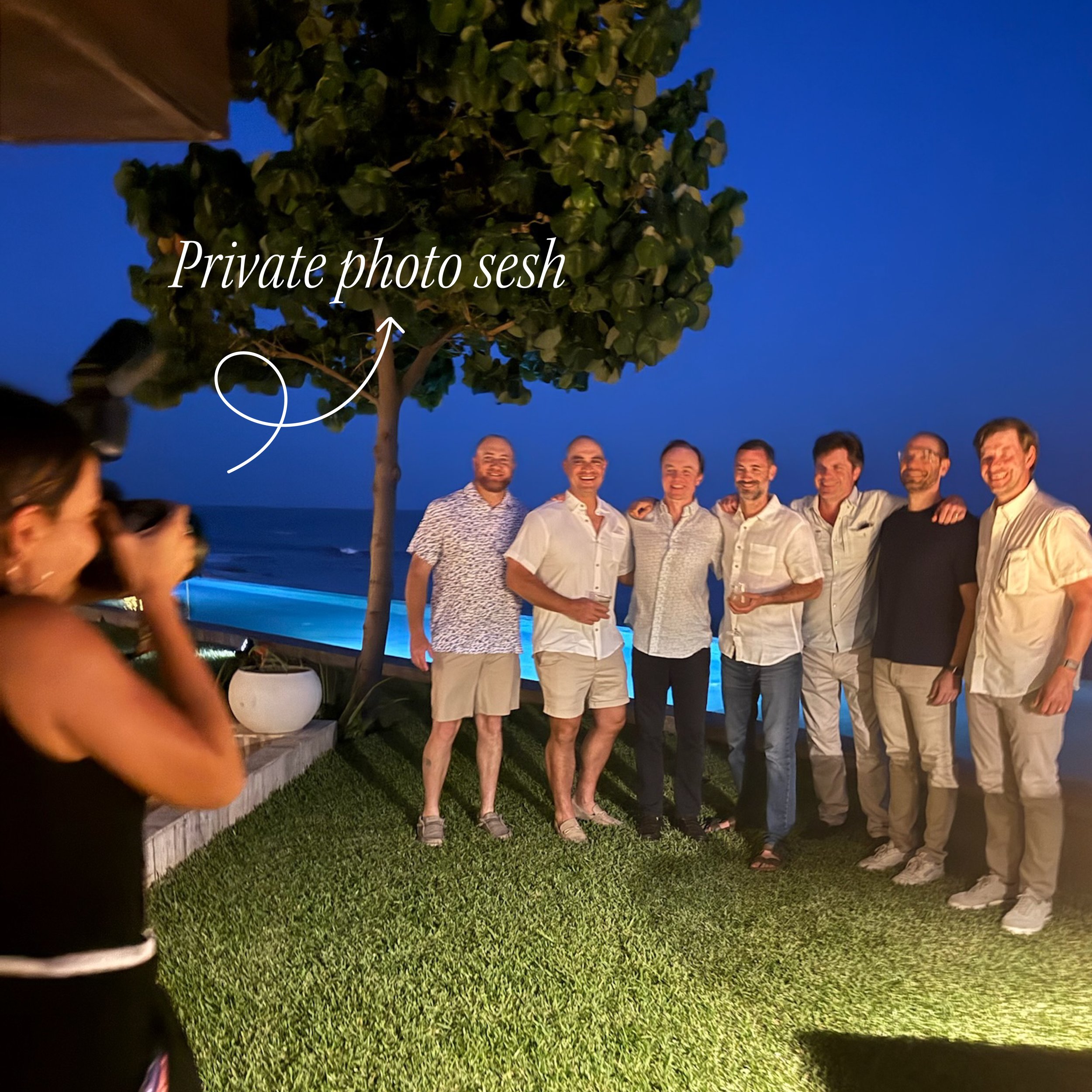
Most trips are about getting away. Milestone trips are about marking something. That shift in purpose changes many things: who's traveling together, what the setting should feel like, how the days are paced, and what kinds of experiences should be a must on the itinerary. A couple celebrating 25 years together wants something entirely different from a group of friends celebrating someone turning 40 (like Kate's recent milestone trip for her husband's big 4-0). The destination, the energy, the private moments, all of it should reflect what the occasion actually means to the people celebrating it.

The KJ Travel process: where to start

Every milestone trip begins with a conversation. Before anything is researched or quoted, the goal is to understand what matters most. That usually means working through a few key questions:

Destination - What kind of setting fits the occasion? Sometimes the destination is already decided. Often, the accommodation wish list:  private villa, overwater suite, safari lodge, actually narrows the destination options.

Practical priorities - Nonstop flights, budget range, ages of kids if it's a family trip. These aren't afterthoughts, they shape everything from destination shortlist to room configuration.

Accommodation style - Private villa or hotel? Individual bookings or a room block? A full buyout? Each option has different pros, cons, and negotiation points and the right answer depends on the group.

Group size & dynamic -  A couple's anniversary needs a completely different structure than a 20-person birthday trip. Understanding who's traveling and how they travel together is essential.

Accommodation: more options than most people realize

For milestone trips, where everyone stays is often the centerpiece of the experience. There's no one-size-fits-all answer, and the options are broader than most clients expect.

Private villas

For groups, a villa creates instant togetherness: shared spaces, shared meals, a home base that feels like it belongs to you. Single or multi-villa configurations are both common depending on group size and privacy preferences.

Hotel blocks vs. individual bookings

Contracted room blocks offer rate protection and negotiated perks, but come with commitment minimums. Individual bookings offer flexibility. The right call depends on how firm the guest list is and what perks matter most: welcome amenities, suite upgrades, F&B credits, early check-in.

Full buyouts

For intimate groups with the right budget, buying out a small boutique hotel or a private yacht creates something completely different: a trip that truly belongs to the group, with staff, programming, and every detail tailored around the occasion.

Cruises & boat charters

For groups who want built-in movement with a home base, a small-ship cruise or private charter can be ideal. The destination changes, the logistics don't,  everything moves with you.

Four things that make or break a milestone trip

Pace - Milestone travel should never feel like a race. With fewer hotel changes, more immersive stays, and intentional downtime between big moments, the trip needs room to breathe so guests can actually be present for what they came to experience.

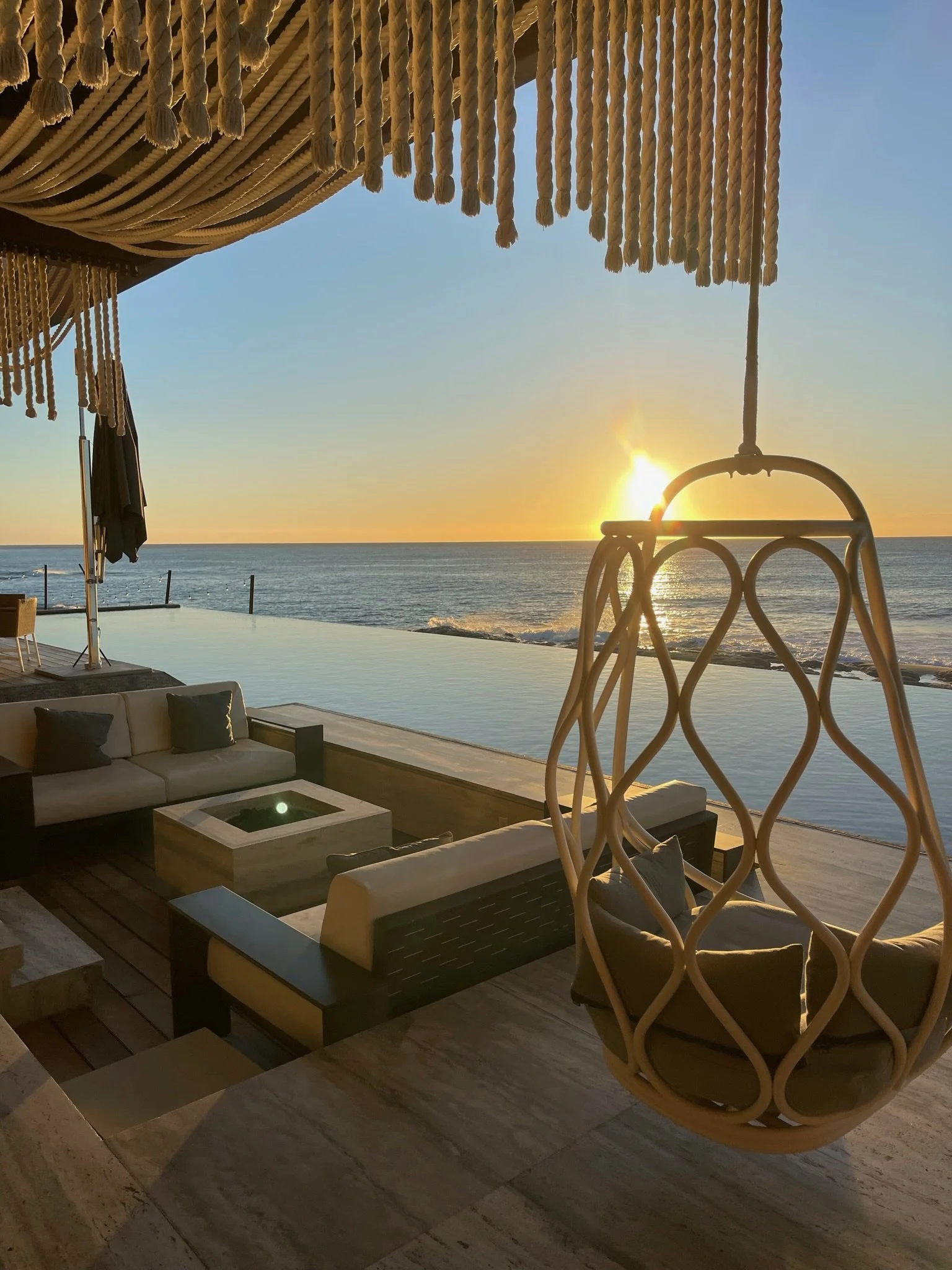
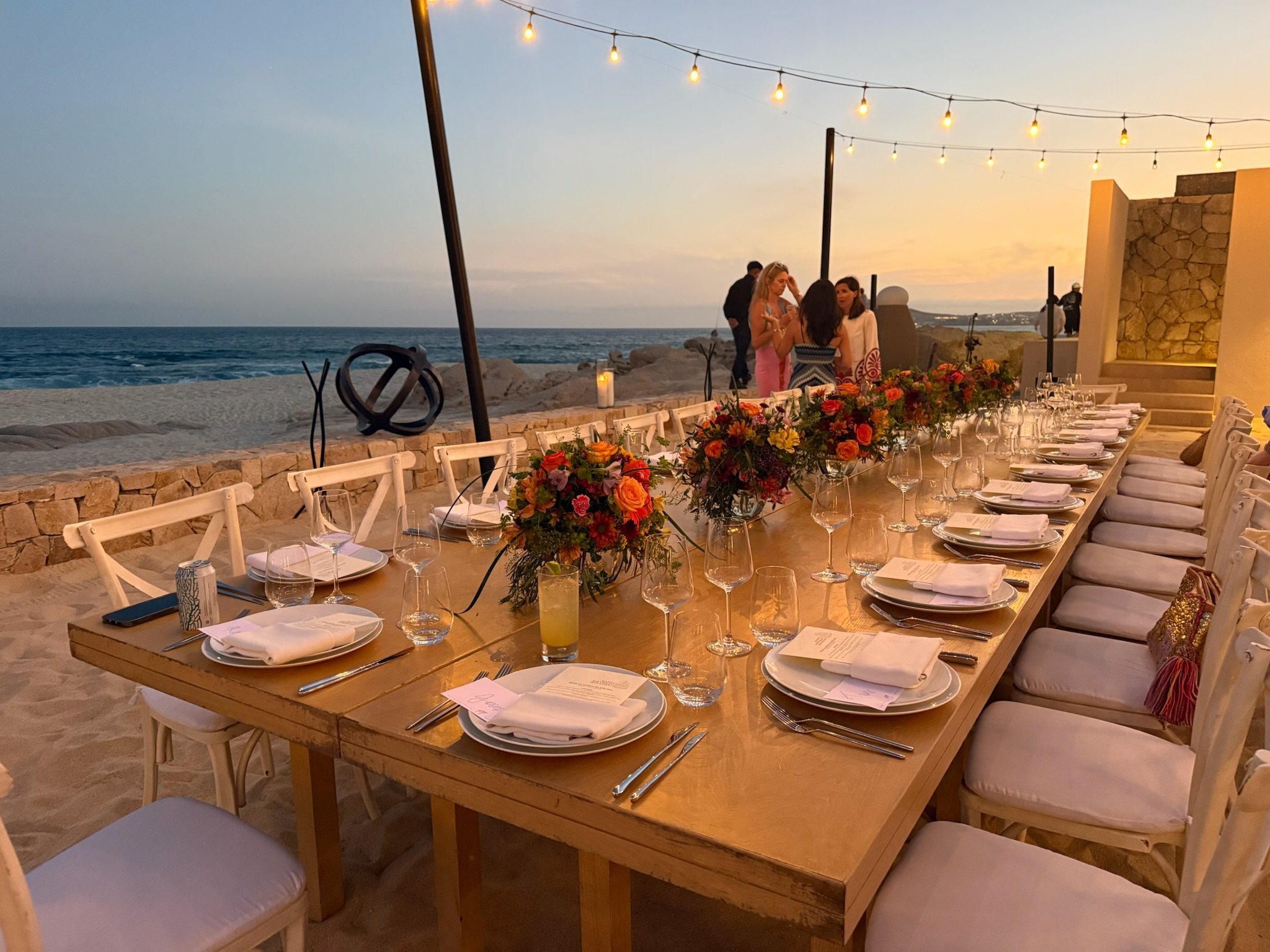
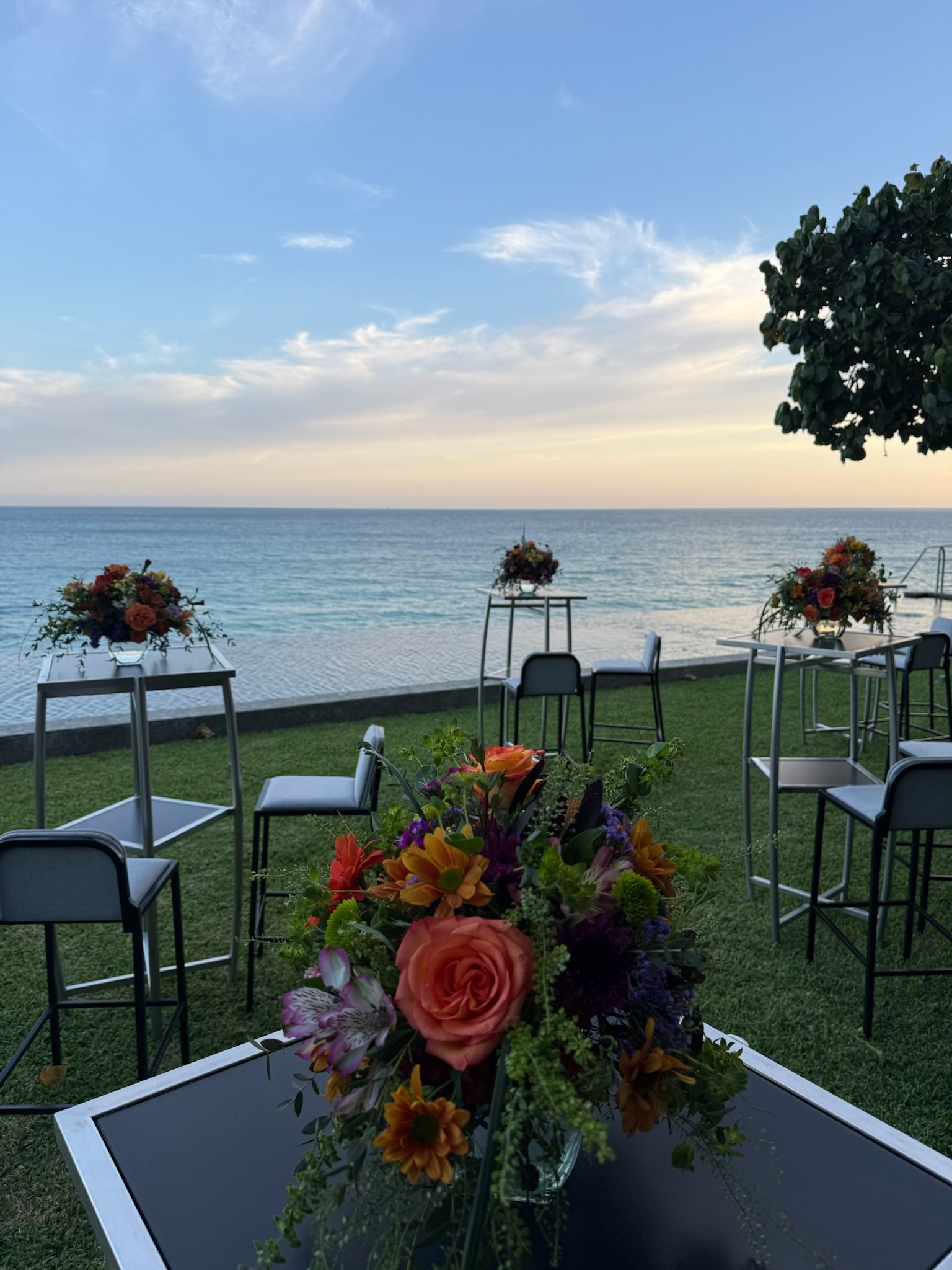
Setting - The environment carries more weight here than on a standard trip. Whether it's a cliffside hotel on the Amalfi Coast, a private villa in Tuscany, a safari lodge in the Serengeti, or an overwater suite in the Maldives,  the destination itself becomes part of the celebration.

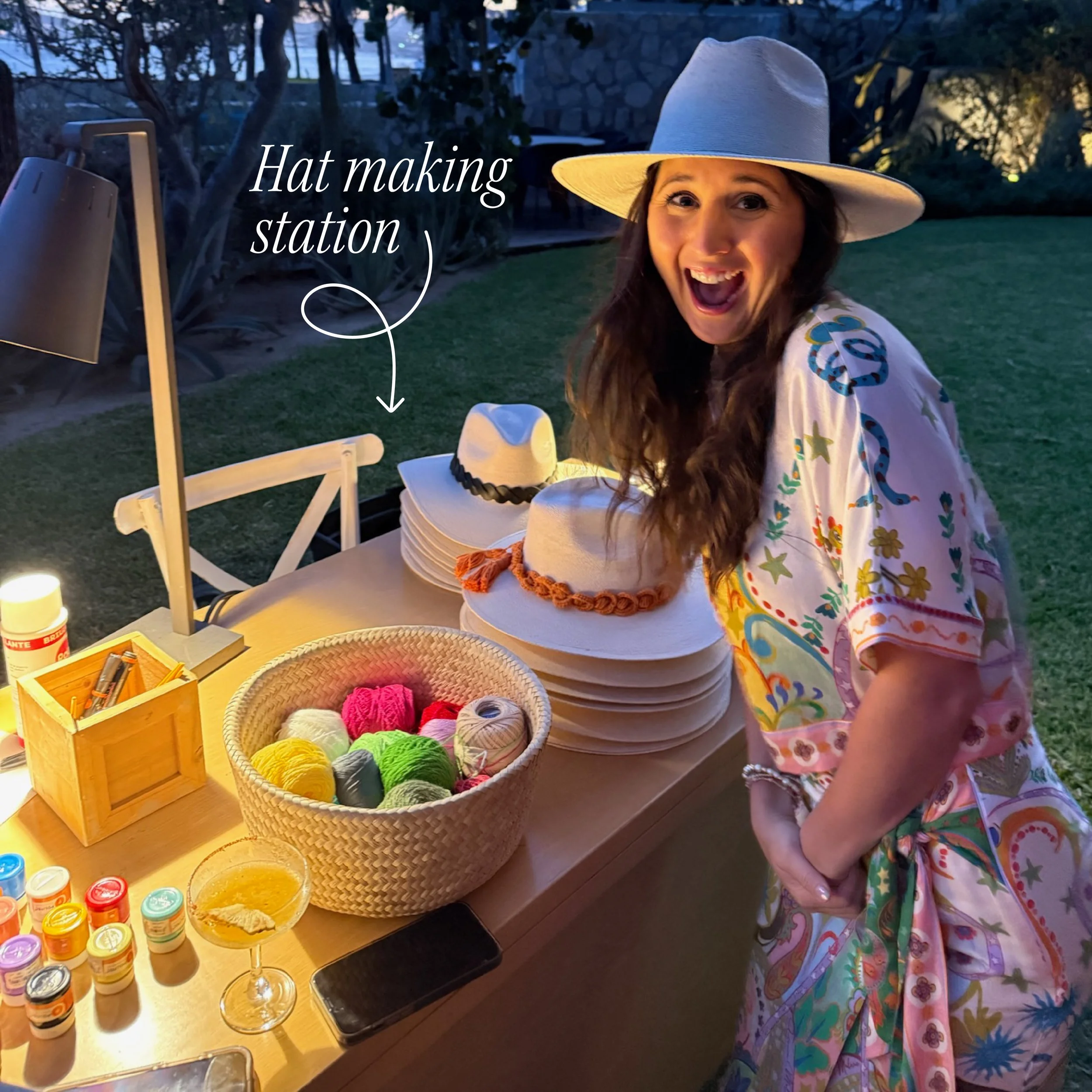
Private experiences - This is where the real memories are made. Private guides instead of group tours. After-hours access. A surprise dinner that appears effortlessly but took weeks to orchestrate. A private boat day. A curated wine tasting with a local producer. 
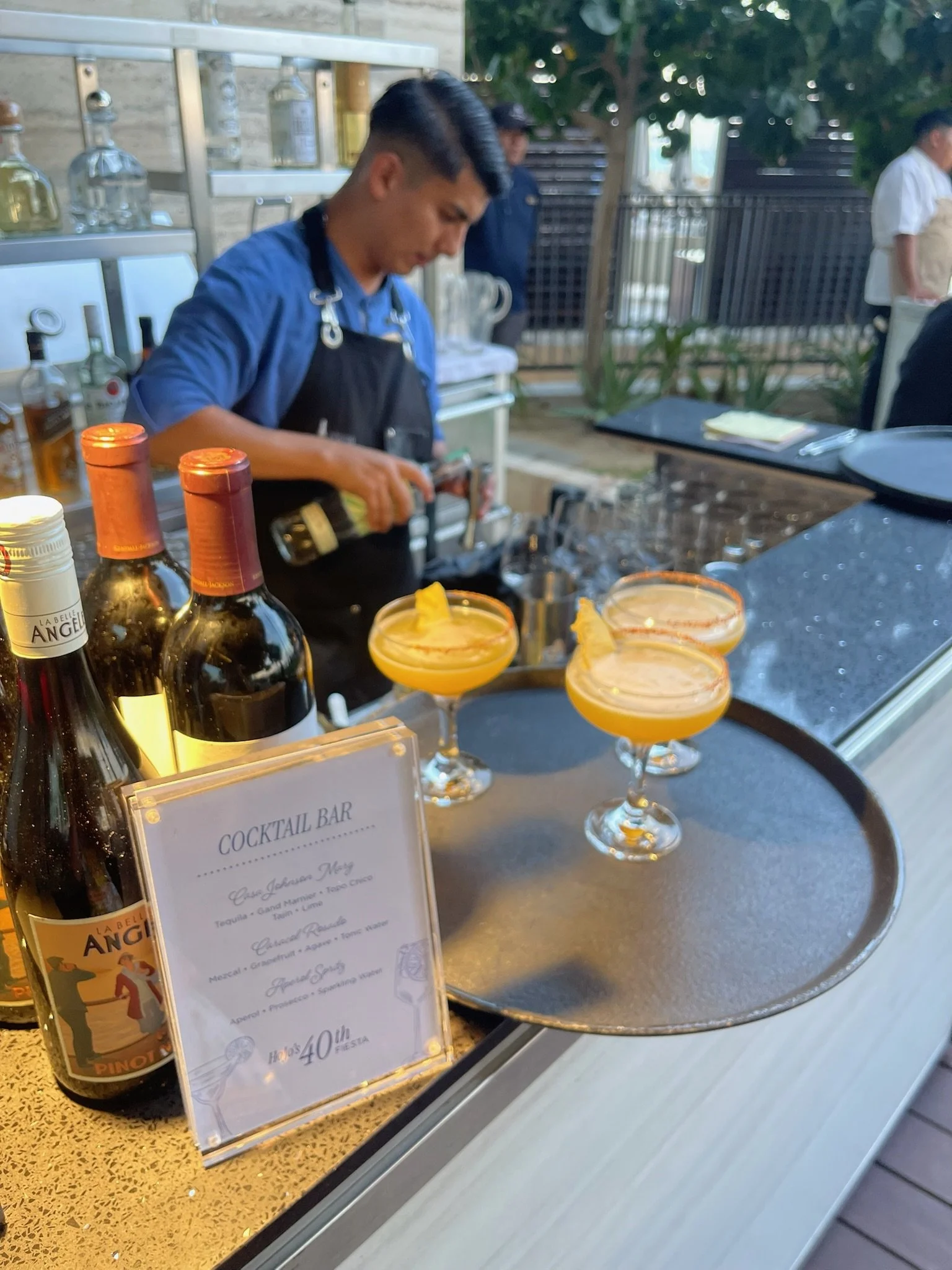
Seamless logistics - Smooth transfers, contingency planning, priority access, and flexible arrangements aren't nice-to-haves, they're essential. Guests celebrating something important should only think about having a great time celebrating.

The details that guests remember most

Beyond the destination and accommodations, it's often the smaller, thoughtful touches that make a milestone trip feel curated rather than just a normal trip.

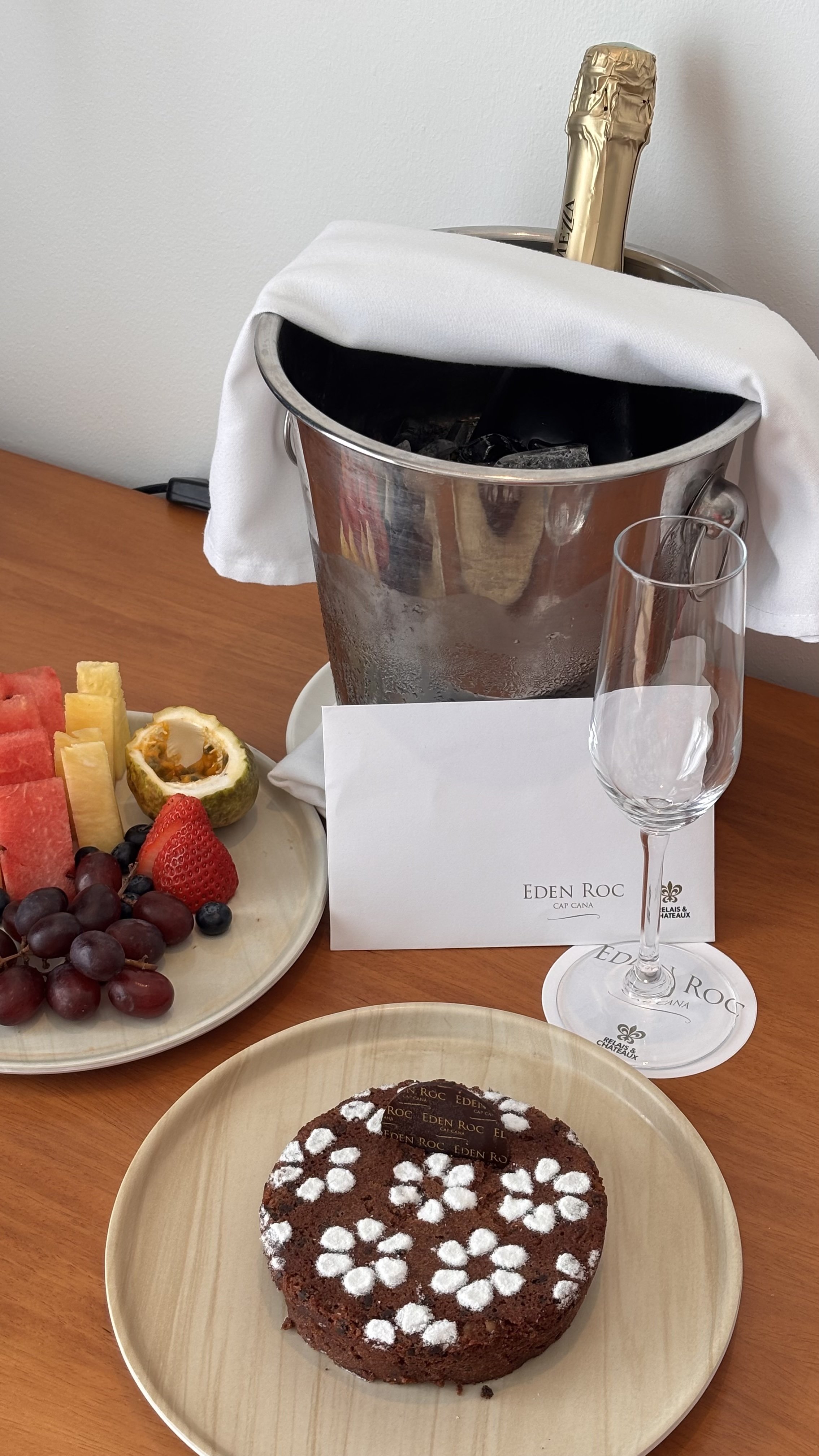
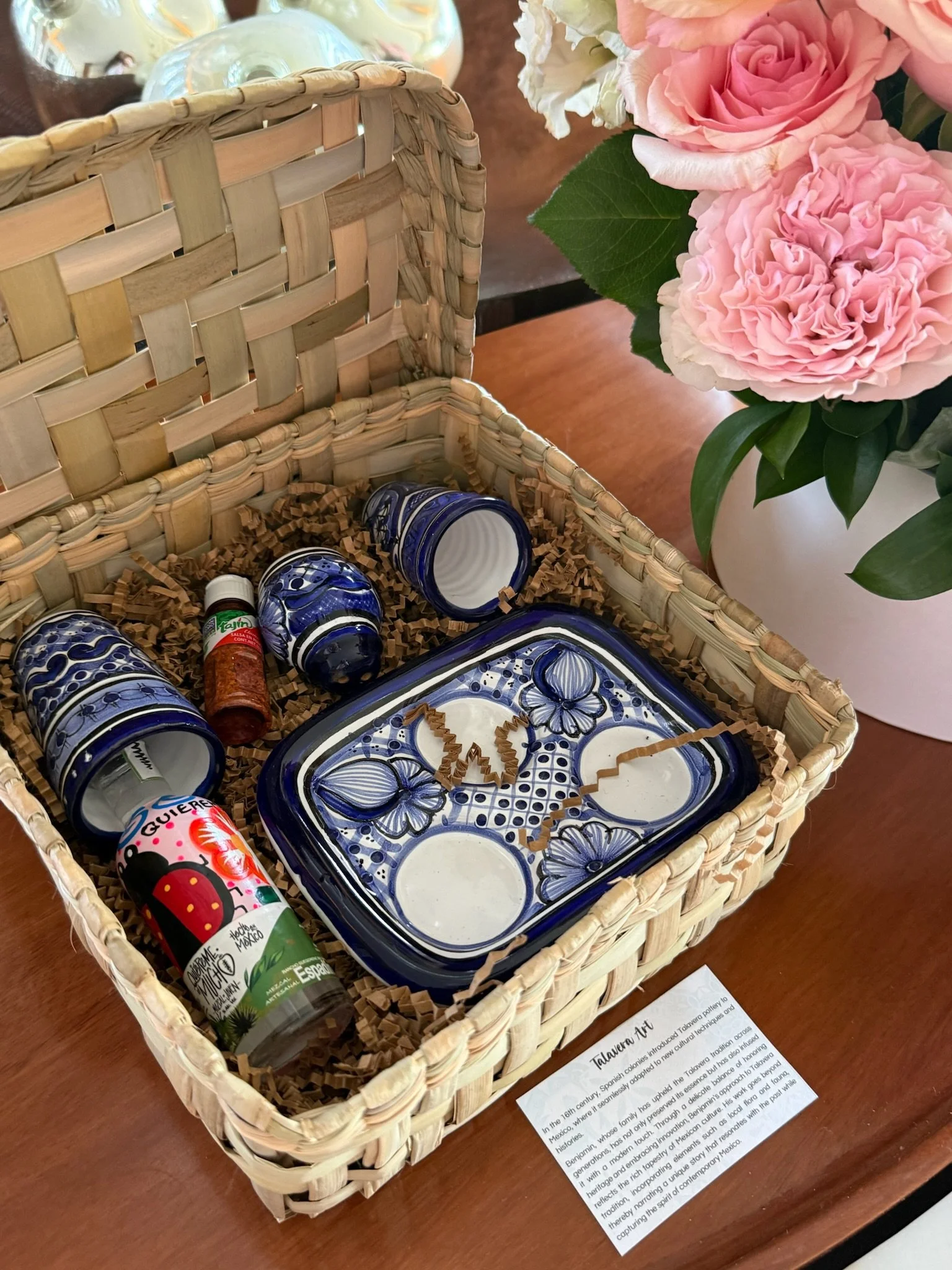
Pre-arrival gifting sets the tone before anyone boards a plane: a personalized luggage tag, a printed agenda, a curated packing list. A welcome gift and a handwritten note on arrival signal that this isn't an ordinary trip. And a proper send-off  (a departure amenity, a final group moment) gives the trip a meaningful ending rather than just a checkout time.

Transportation is another area where the details matter. Coordinating Sprinter vans or private transfers keeps groups together and eliminates the chaos of everyone figuring out logistics independently. For group dining, planning ahead for prix-fixe menus or reserved private dining spaces means the food experience matches the occasion.
Group trip planning: communication is everything

Multi-person milestone trips come with an added layer of complexity: managing different preferences, personalities, and expectations across a group. A few things make a significant difference.

Start with a save the date. Even if dates are tentative, a preliminary outreach helps gauge genuine interest before deposits are made and logistics are set.

Share the agenda early. A clear itinerary (with a packing list and any important details) gives guests time to prepare and reduces last-minute questions.

Set up a communication channel. A group text or WhatsApp thread for on-trip communication keeps everyone connected and the host out of the role of messenger.

Be clear about who pays for what. This conversation is best had early and explicitly. Knowing what's included versus what's personal spend, and communicating it clearly to guests prevents awkward moments later.

Plan for different preferences. The best group itineraries balance structured moments everyone shares with free time for guests to follow their own interests.

Why milestone travel is worth doing right

The case for investing in milestone travel isn't complicated. These trips create something unique: memories that carry real meaning. For couples, a beautifully designed anniversary trip reconnects and recenters. For families, it builds shared history that lasts across generations. For individuals, it can feel like a genuine reward,  a reset after a major life achievement.

And when it's designed well, a milestone trip does something quietly remarkable: it celebrates where someone has been, honors where they are right now, and sets the tone for what comes next.

That's the kind of travel worth planning carefully and worth doing with someone who knows how to get it right.

Reach out to a KJ Travel advisor and let’s start planning something unforgettable.