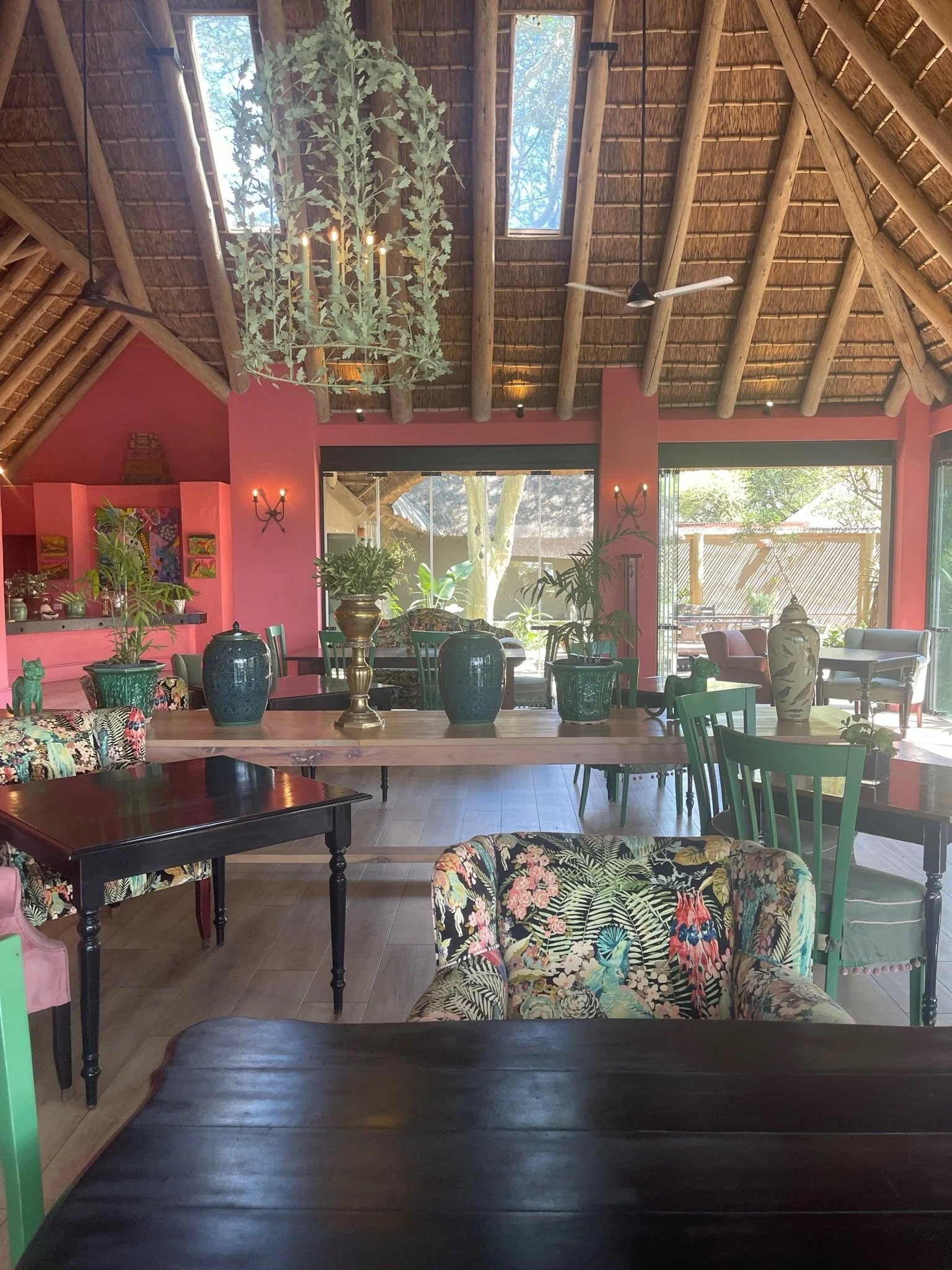
Botswana Luxury Safari Guide: Where to Go, When to Visit & Where to Stay

Botswana has a way of impressing travelers at both ends of the safari spectrum.

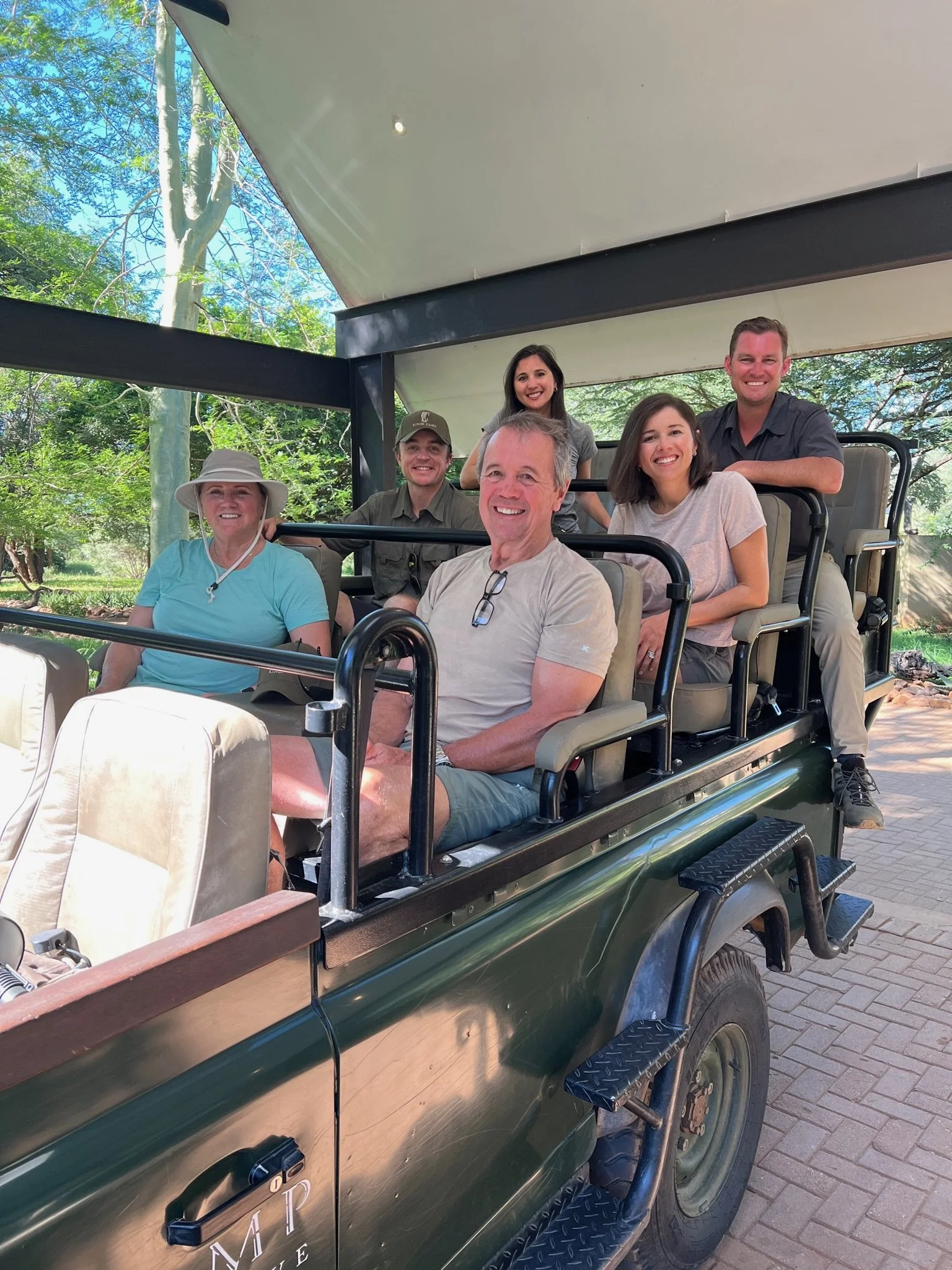
When KJ Travel advisor Meagan visited Botswana this summer, she traveled with family members whose safari experience could not have been more different. One had been on roughly 200 game drives, while another was experiencing safari for the very first time.

Both came away impressed and even the seasoned safari traveler saw animals and encounters they had never experienced before. That says a lot about Botswana.

For luxury travelers, this is not simply a destination for checking lions, elephants and leopards off a list. Botswana stands out for its enormous wilderness areas, small safari camps, exceptional guiding and the ability to experience the landscape in very different ways, from a traditional game drive to a mokoro through the Okavango Delta or a helicopter flight over areas that cannot be reached by road.

And perhaps most importantly, no two areas of Botswana are exactly alike.

KJ Travel advisor Meagan experienced that firsthand during a September 2026 scouting trip, splitting her safari between Linyanti Bush Camp and Wilderness Chitabe. The two camps delivered completely different experiences within the same country and at the same time of year, a perfect example of why choosing the right safari camp is about much more than finding the prettiest room.
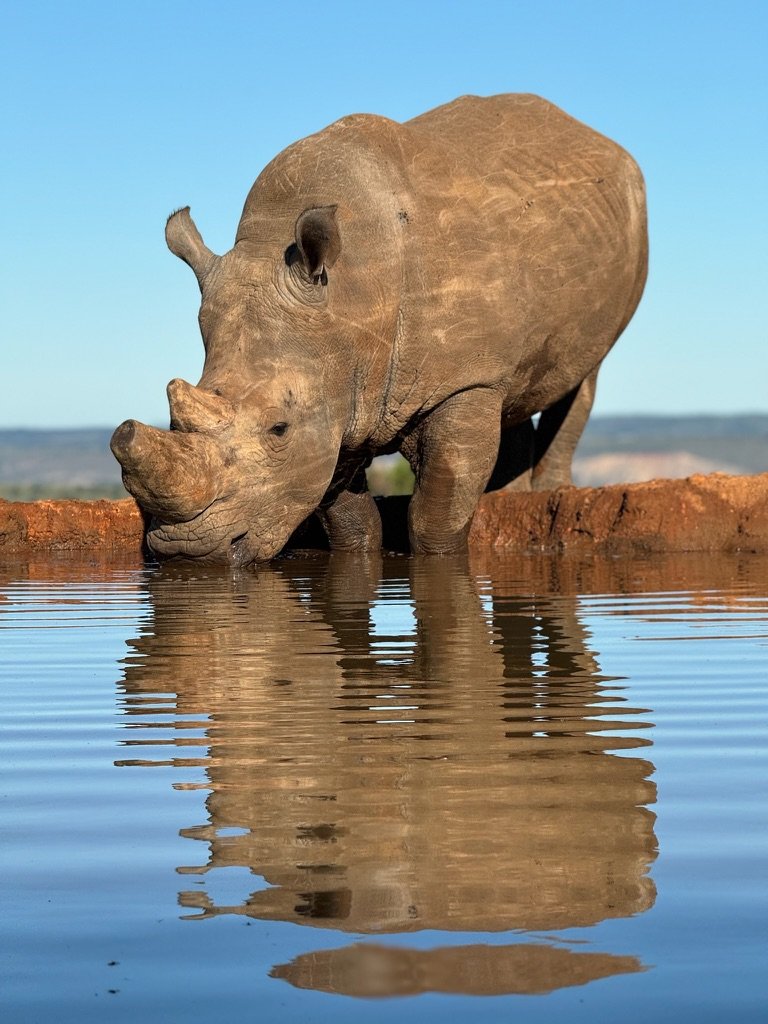
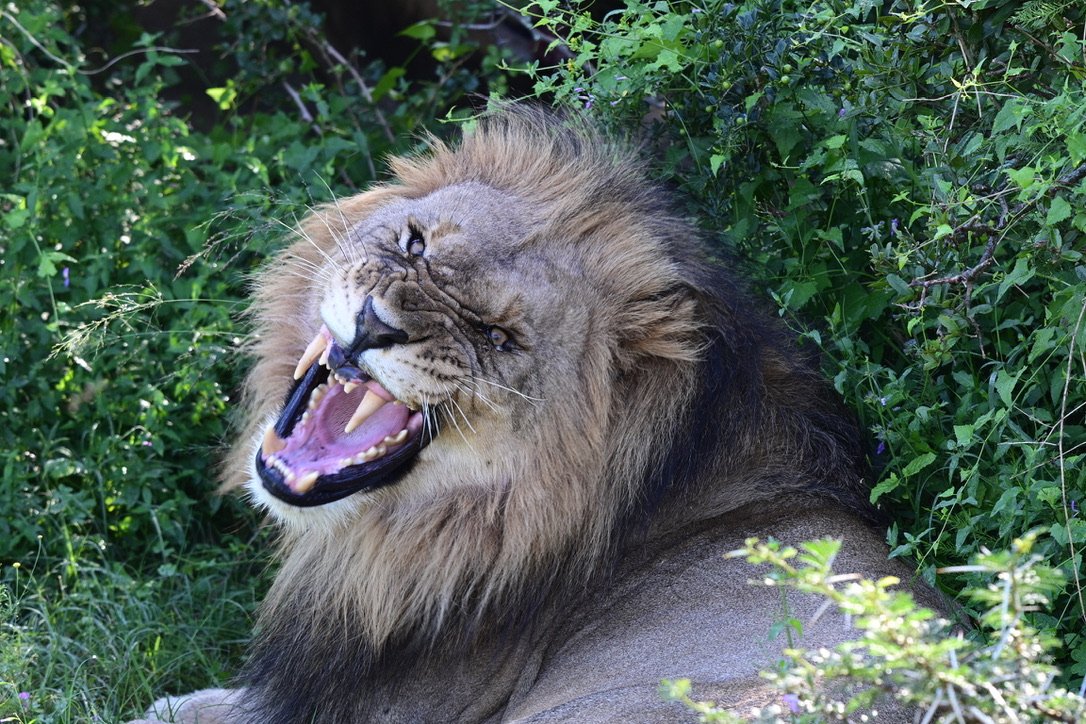
Quick Take: Botswana

Best for: Luxury travelers looking for exceptional wildlife, remote wilderness, strong guiding, and a more private safari experience.

Known for: The Okavango Delta, private safari concessions, African wild dogs, elephants, predator viewing, mokoro excursions, and intimate luxury camps.

Best time to visit: June through August for cooler temperatures and classic safari conditions; September and October for strong wildlife viewing but hotter weather; November through March for Botswana’s green season.

Signature experiences: Game drives, mokoro excursions, boating, walking safaris, scenic flights, private vehicles, night drives in permitted private concessions and wildlife viewing directly from camp.

How long to stay: Around 7–10 safari nights, ideally combining two or three different ecosystems rather than simply changing camps.

KJ Travel advisor insight: When KJ Travel advisor Meagan visited Botswana this past summer, she experienced very different conditions at Linyanti Bush Camp and Wilderness Chitabe—from low water levels limiting water activities at Linyanti to exceptional predator viewing at Chitabe.

What Makes Botswana Different From Other Safari Destinations?

The word “luxury” means something slightly different in Botswana.

Beautiful suites, thoughtful service, excellent food and private plunge pools certainly exist. But some of Botswana's greatest luxuries are harder to photograph: space, access and the feeling of being genuinely removed from the rest of the world.

The Okavango Delta, a UNESCO World Heritage Site, spreads across an enormous inland wetland system of channels, islands, floodplains and grasslands. Unlike a river that eventually meets the ocean, the Okavango empties into the Kalahari Basin, creating one of Africa's most unusual ecosystems. Botswana Tourism describes the Delta as one of the world's most exclusive wilderness destinations, with activities varying substantially by location and water levels.

A Botswana safari is not one standard experience. One camp may specialize in extraordinary predator viewing. Another may be surrounded by enough water for boating and mokoro excursions. Another might be best for elephants, birdlife or walking safaris.
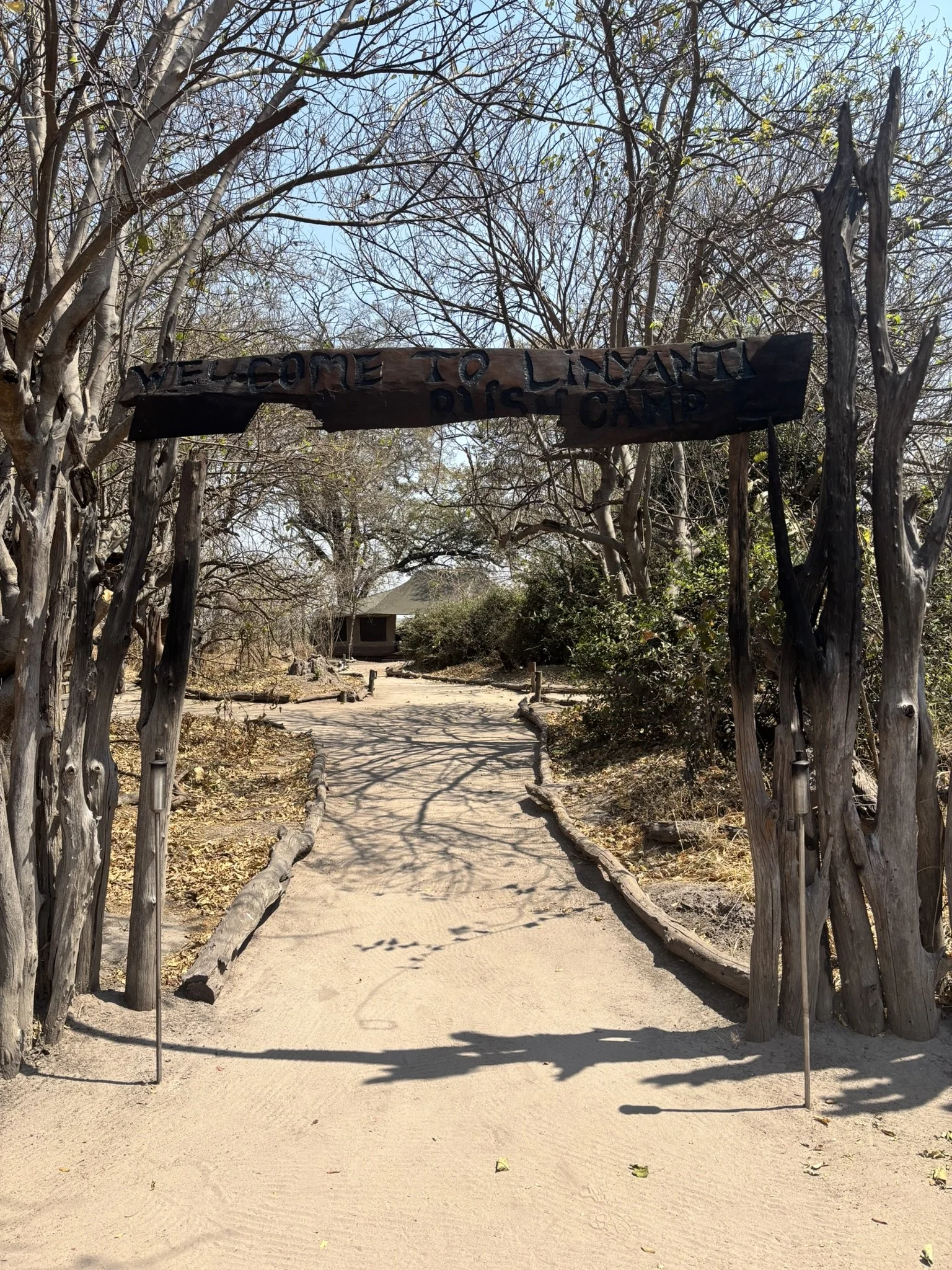
Linyanti: A Beautiful Example of Why Seasonality Matters

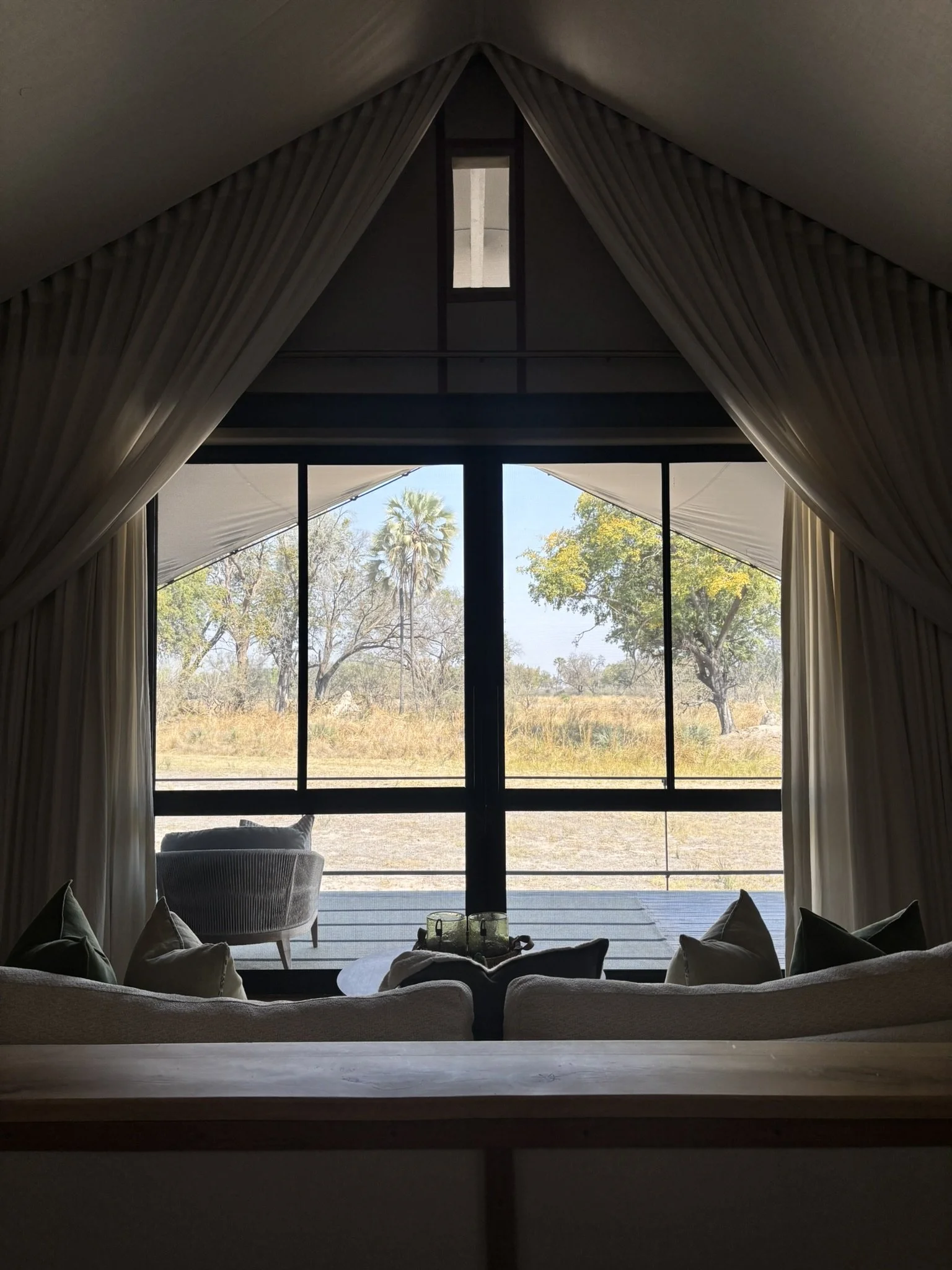
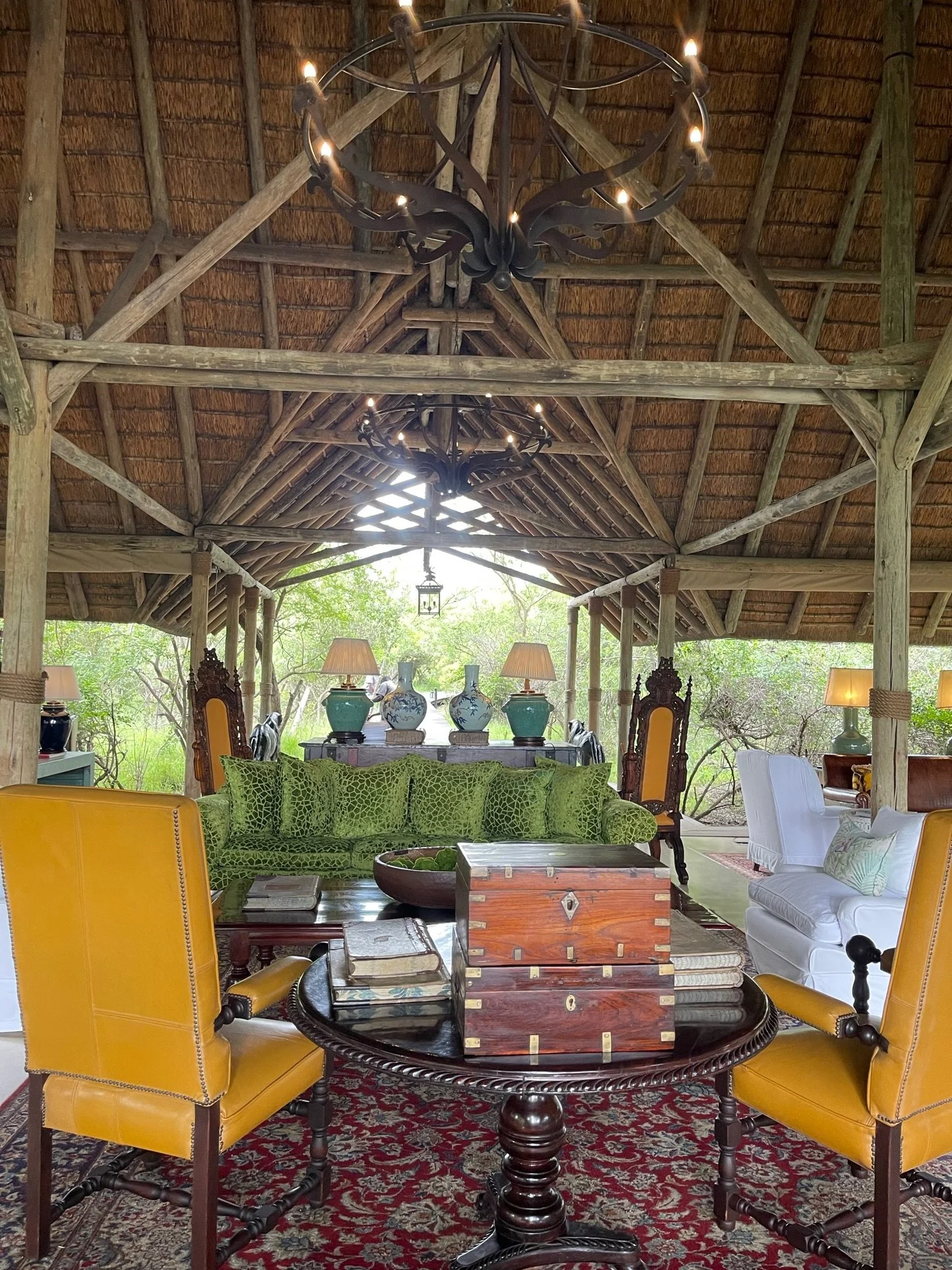
At Linyanti Bush Camp, Meagan found a small, traditional tented camp with a wonderful team and a strong sense of being immersed in the bush.

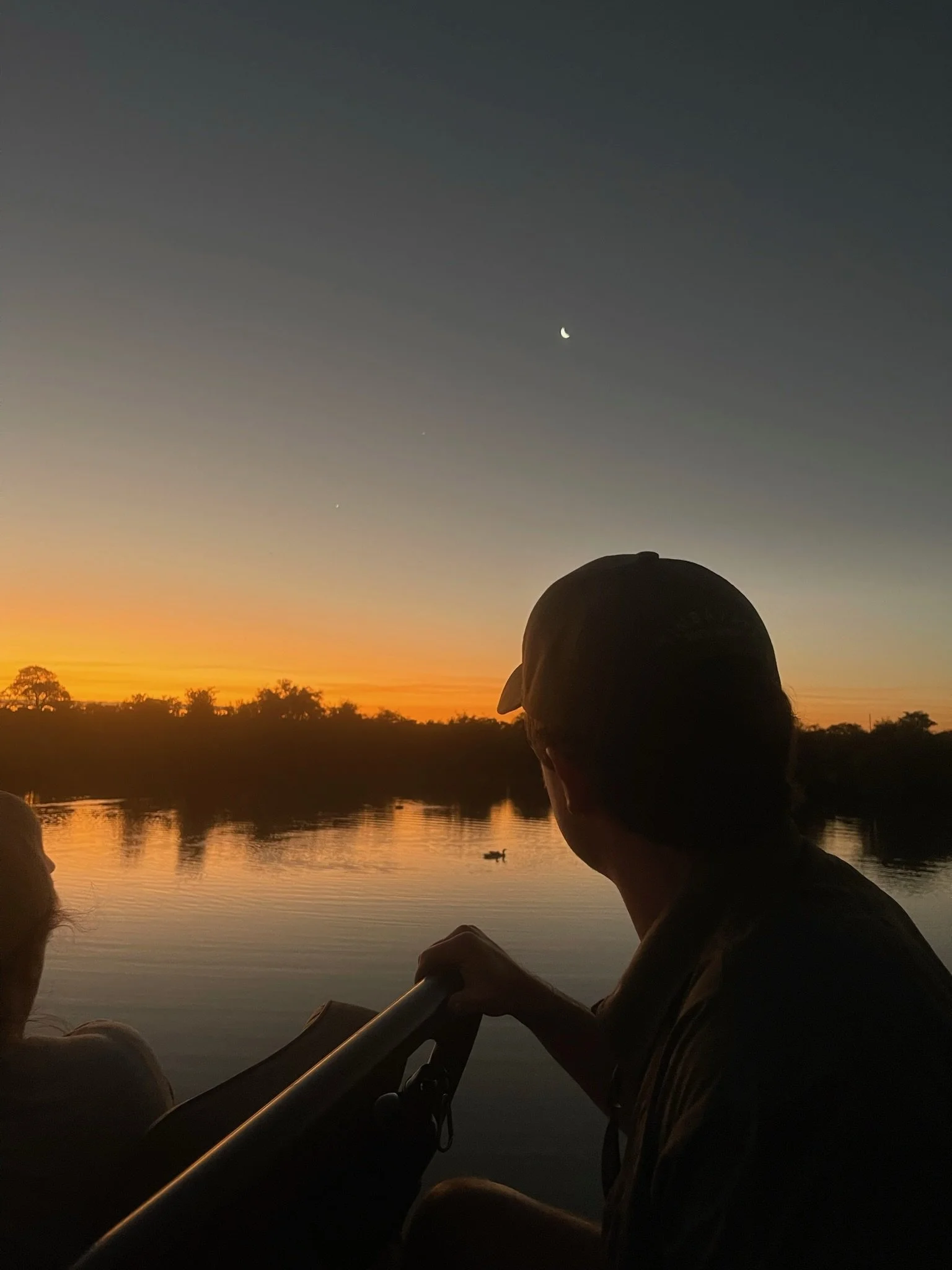
Linyanti Bush Camp is an intimate six-tent property on a private concession beside the Linyanti Marsh. Its advertised activities include game drives, night drives, walking safaris, mokoro outings and seasonal helicopter flights, with water-based experiences dependent on conditions.

That “water dependent” detail became very real during Meagan's September stay.

Water levels were too low for the planned boating experience, so safari activities were limited primarily to land. Rather than pretending that every trip follows the brochure, this is the kind of seasonal reality a good Botswana itinerary needs to account for.

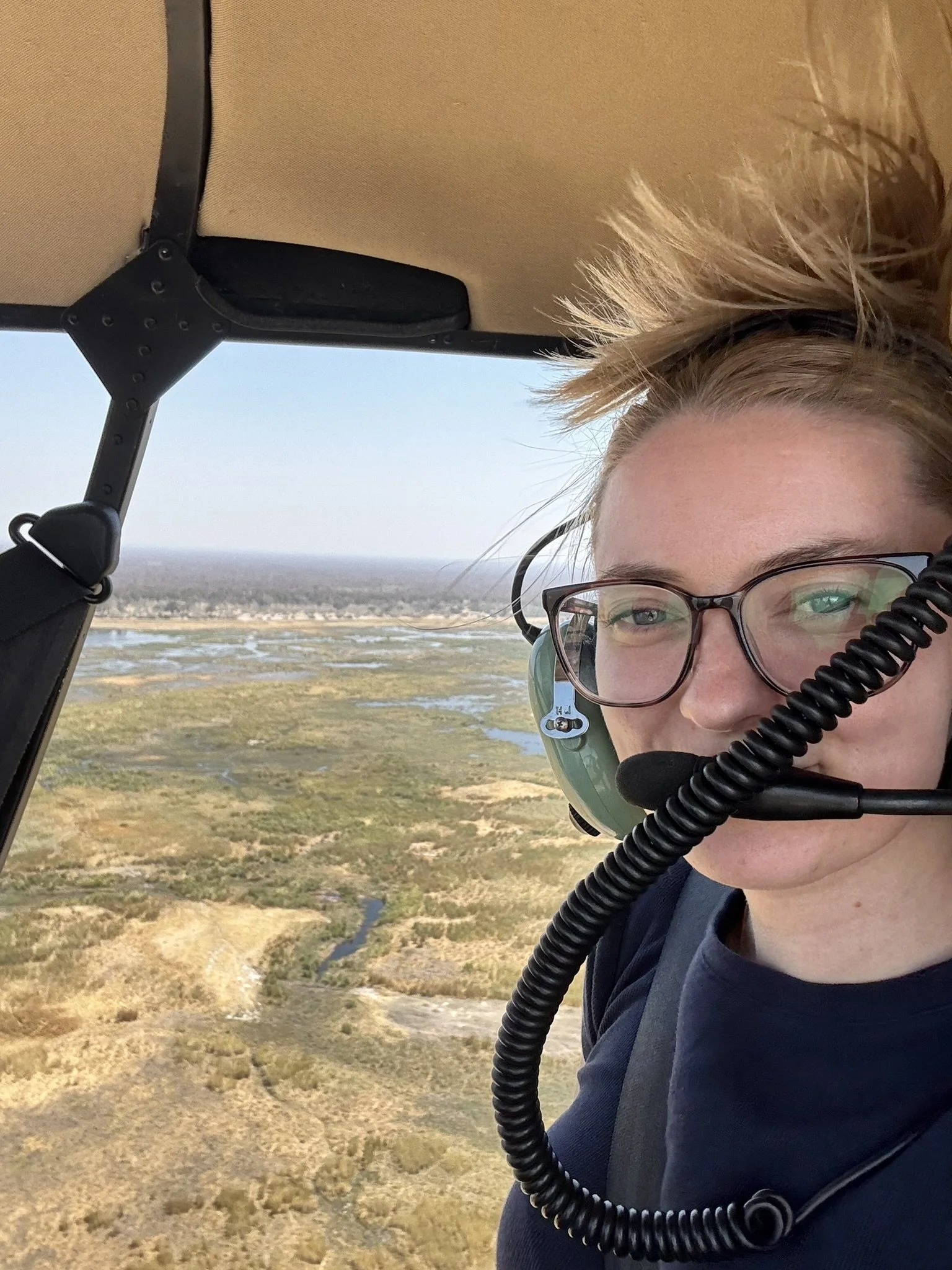
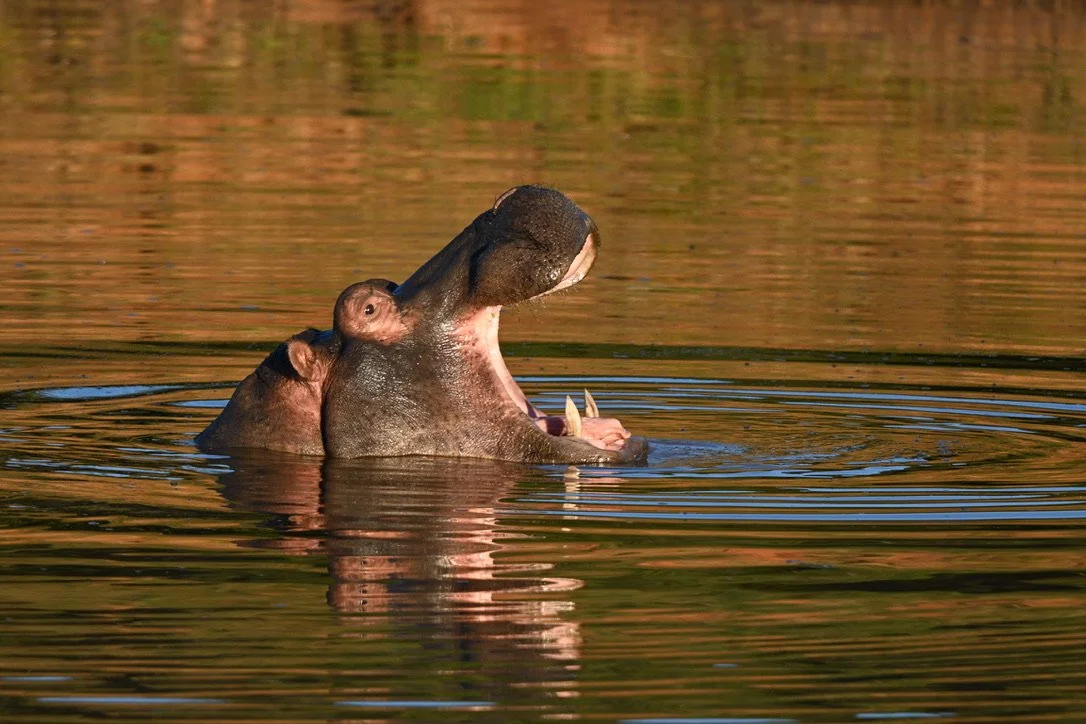
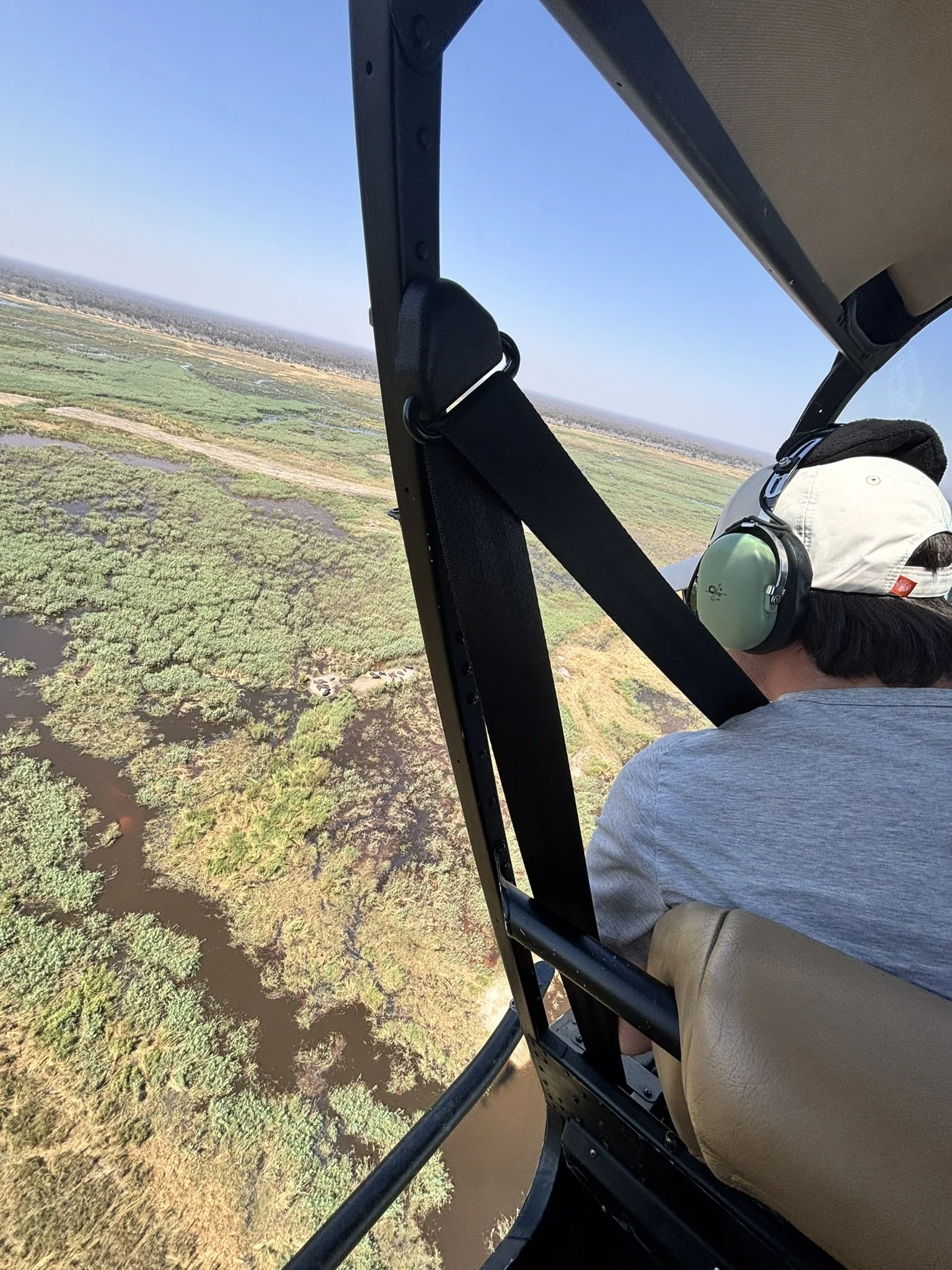
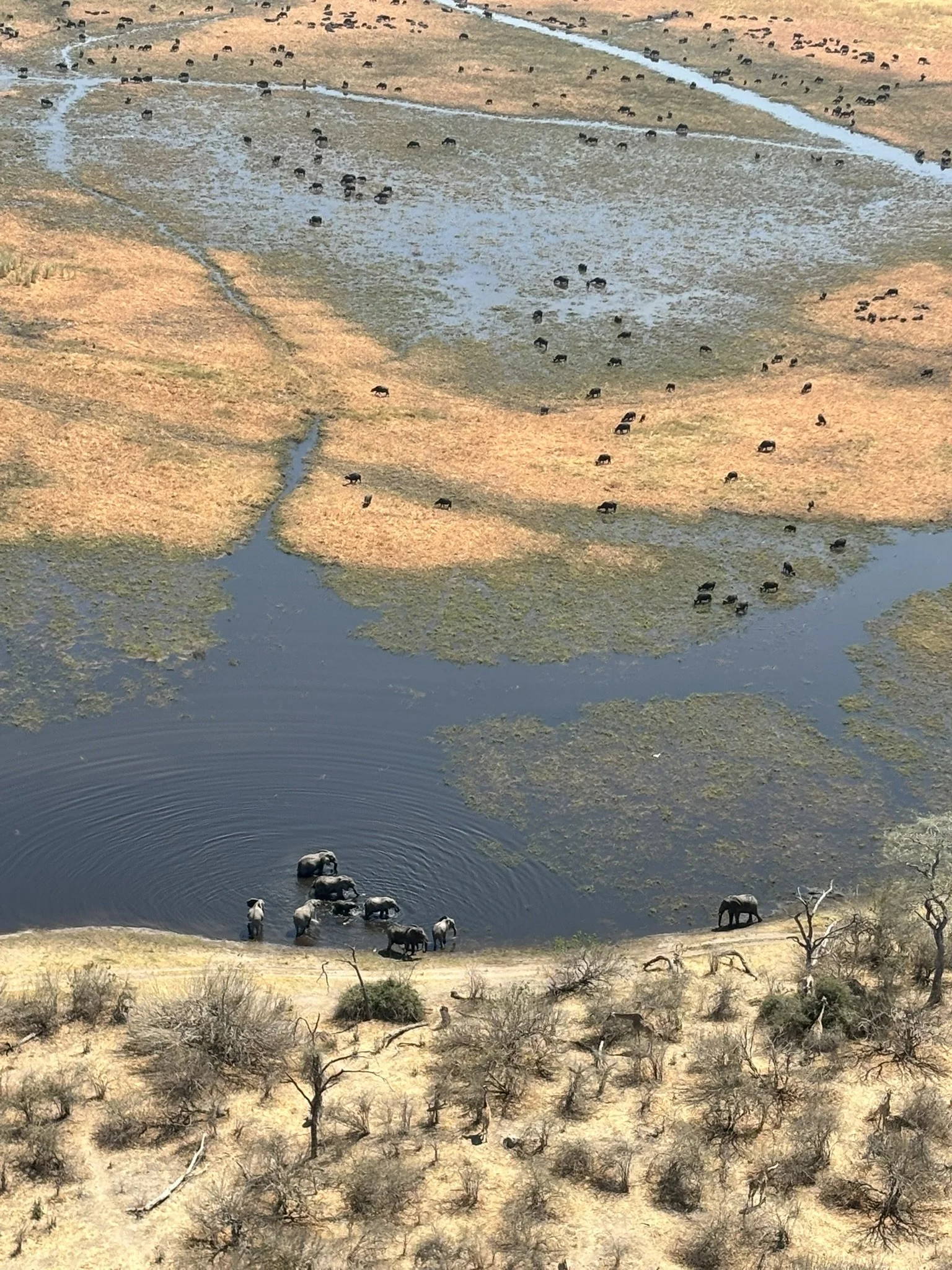
The solution ended up creating one of the memorable experiences of the stay: a short helicopter safari revealed wildlife on islands that could not be reached by vehicle, including hundreds of hippos seen from above.
It is also worth knowing what the camp feels like on the ground.

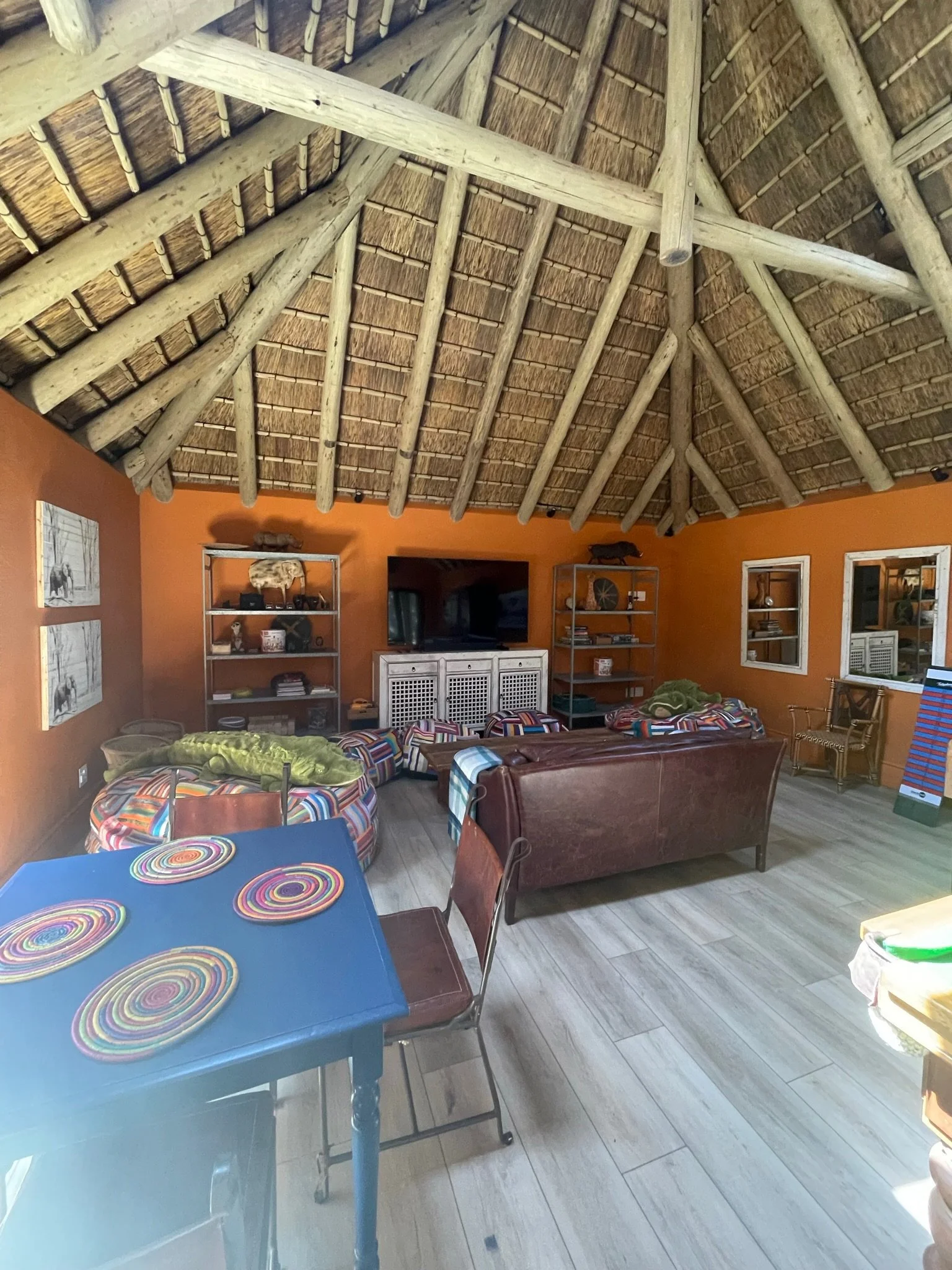
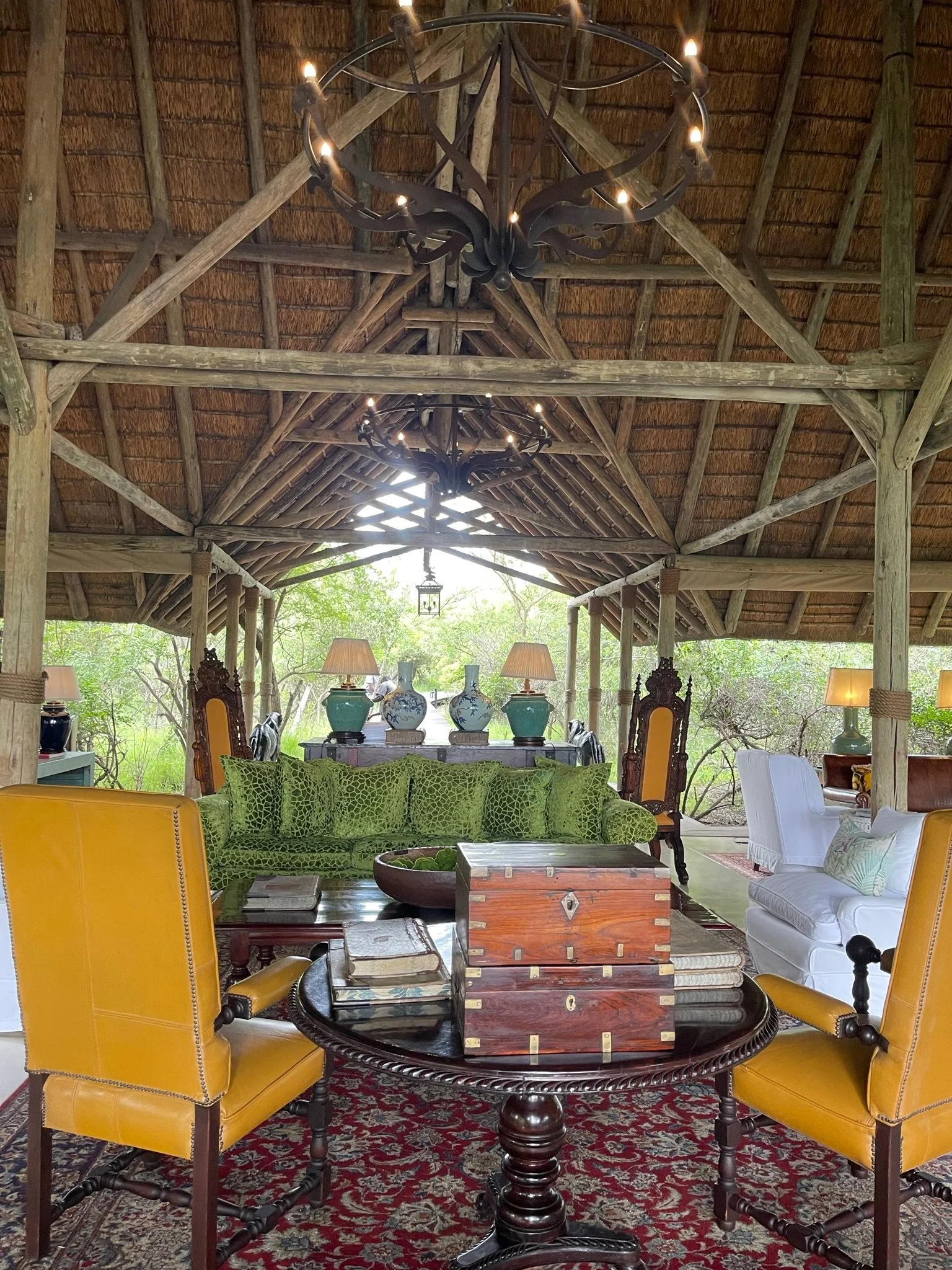
Linyanti Bush Camp is more rustic than some of Botswana's ultra-luxury lodges. During Meagan's stay, the tented accommodations did not have air-conditioning, Wi-Fi was available in the main lodge rather than the guest tents, and September temperatures were very warm. Botswana Tourism identifies September and October as transitional months leading toward the hot summer, with temperatures rising considerably as the season progresses.

For the right traveler, none of that is necessarily negative. It creates a more traditional bush-camp experience. For someone who places a high value on air-conditioning, strong connectivity and polished resort-style accommodations, however, it is information worth knowing before arrival.

The camp team made a particularly strong impression, including how well they handled dietary restrictions. 

Even the arrival is something an advisor should explain in advance. Meagan's transfer from the airstrip took about an hour and a half by vehicle. It still functions as a game drive, so it does not feel like a traditional airport transfer, but it is very different from stepping off a plane and reaching camp ten minutes later.

These seemingly small details are what can determine whether a lodge is the right fit for a particular client.

Chitabe: Where the Wildlife Took Center Stage


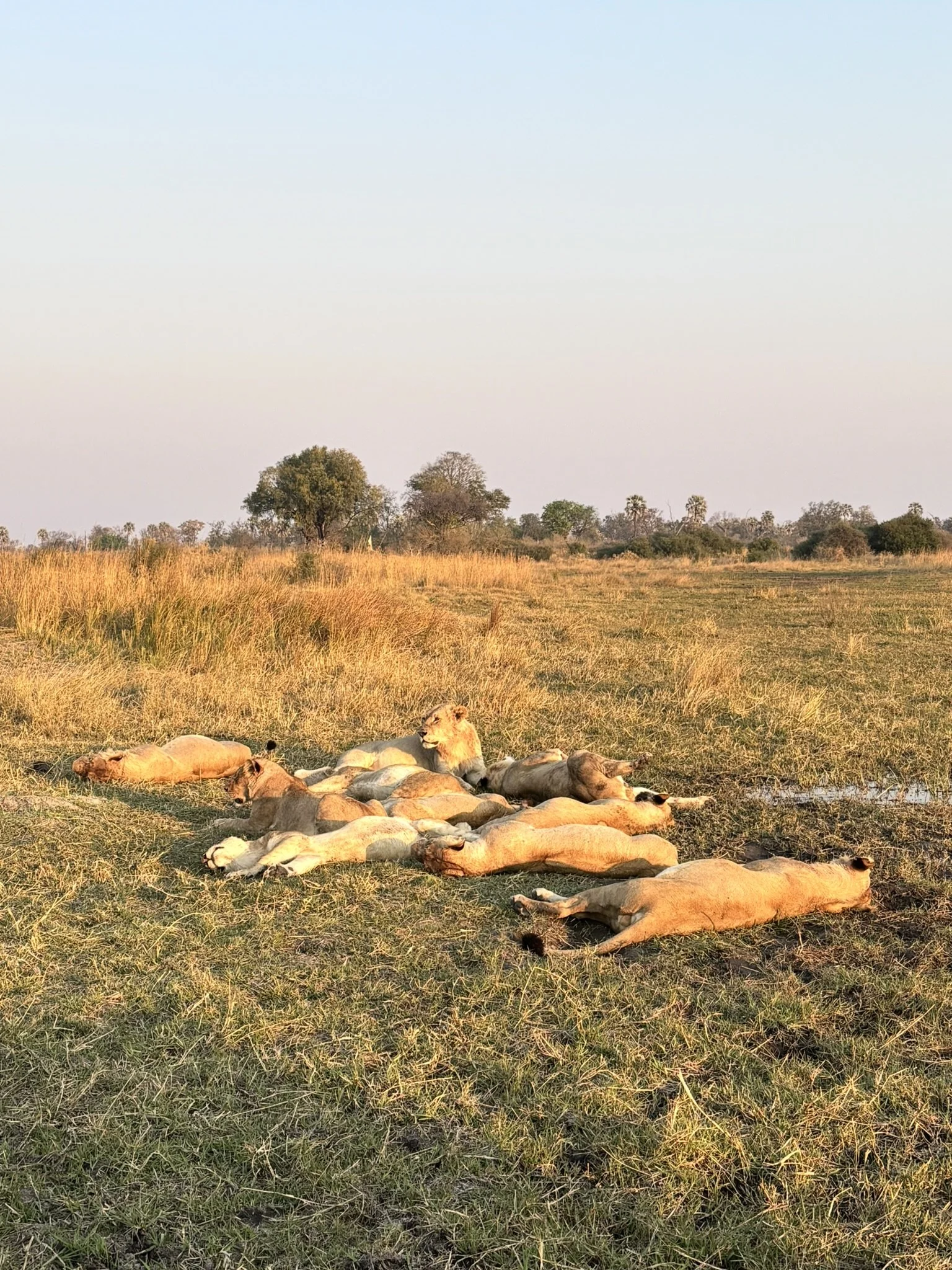
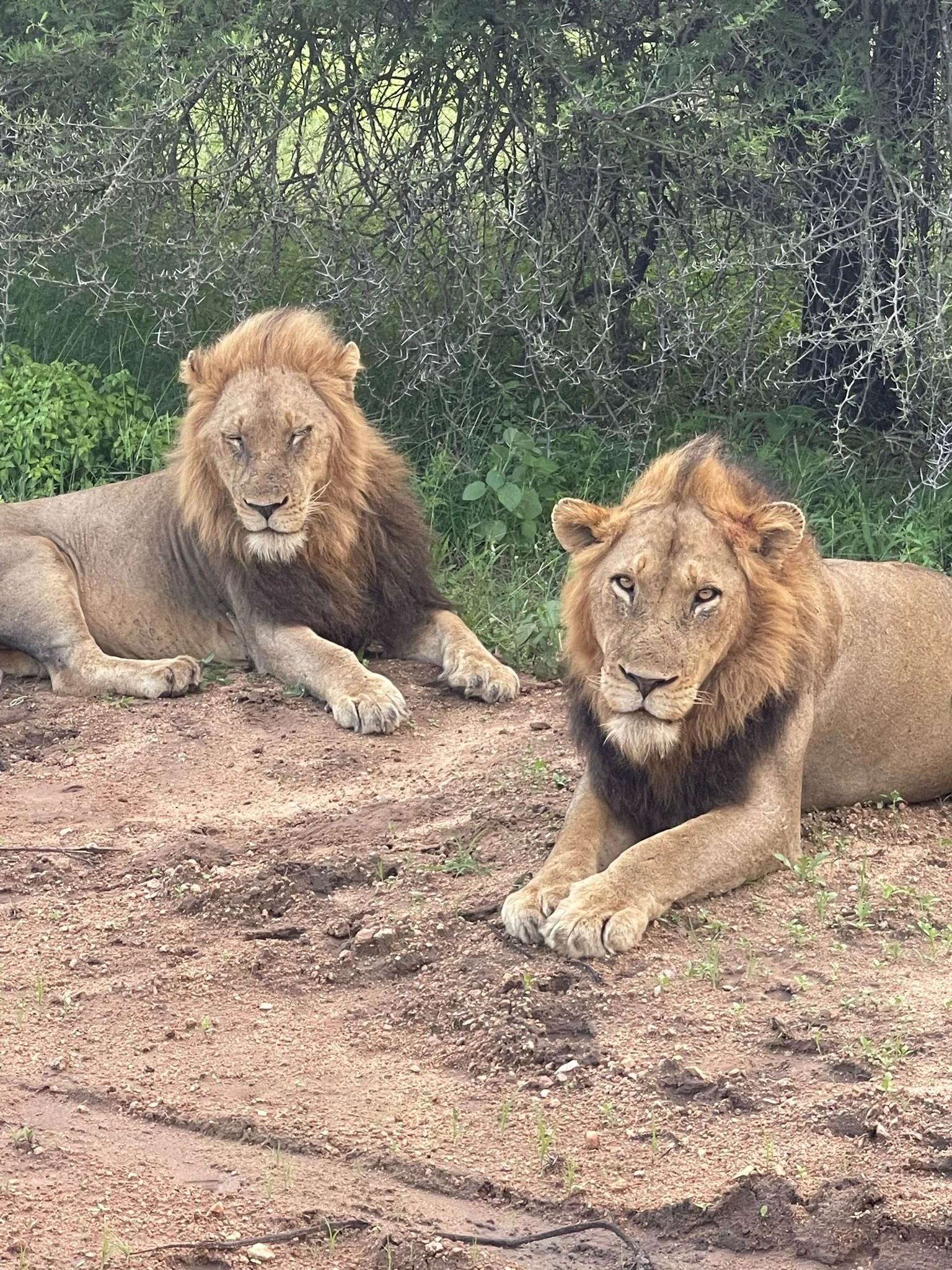
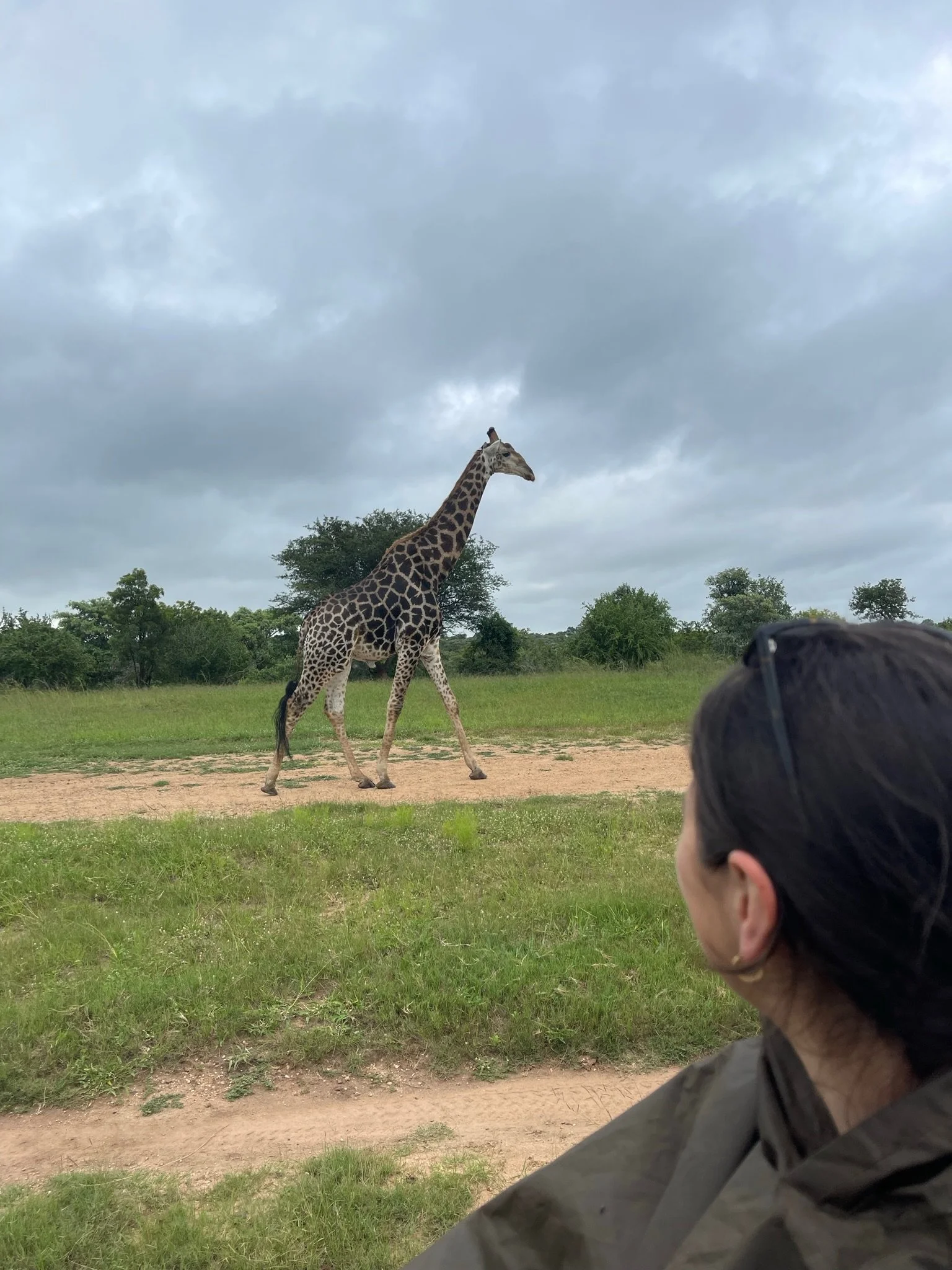
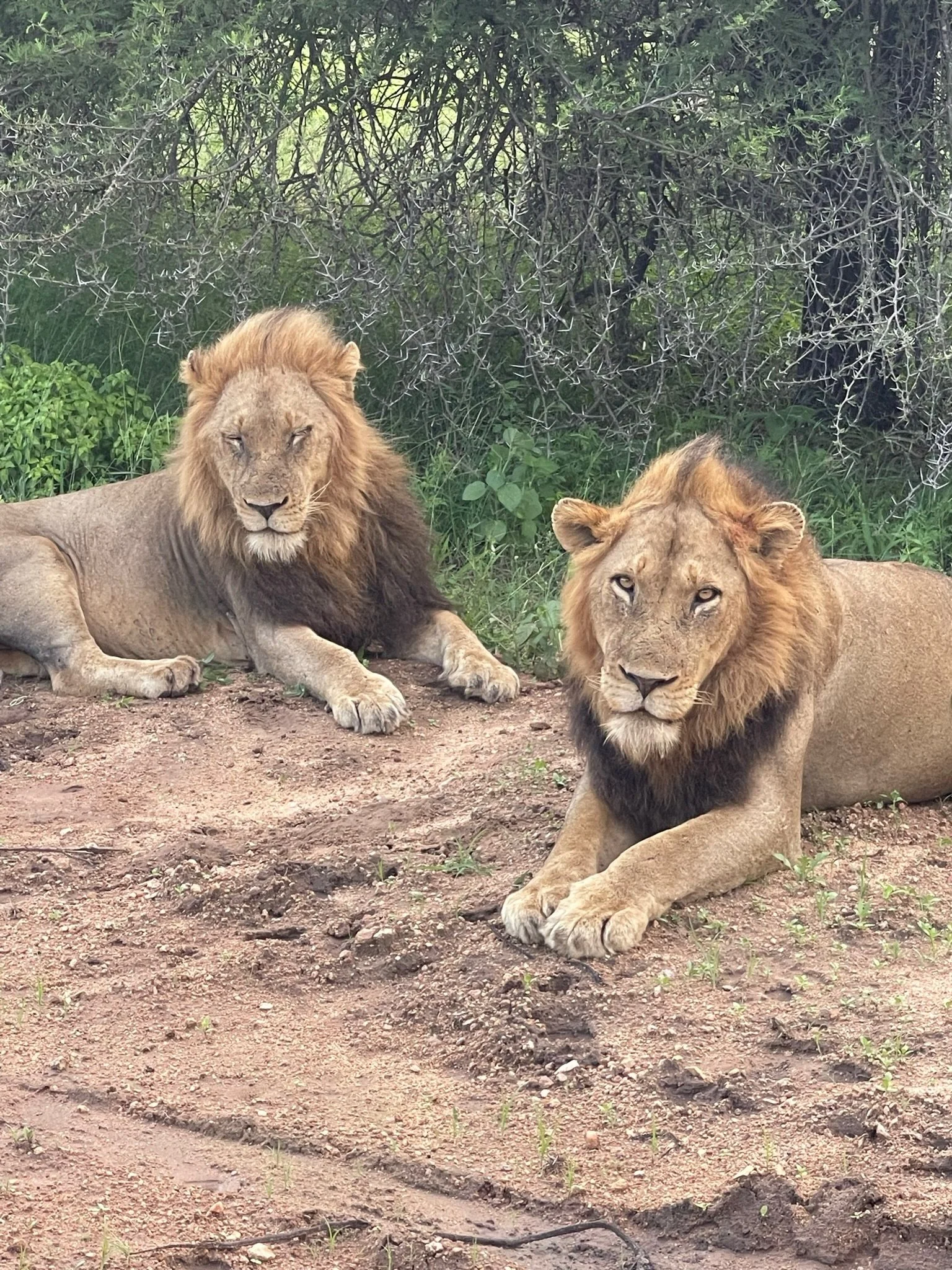
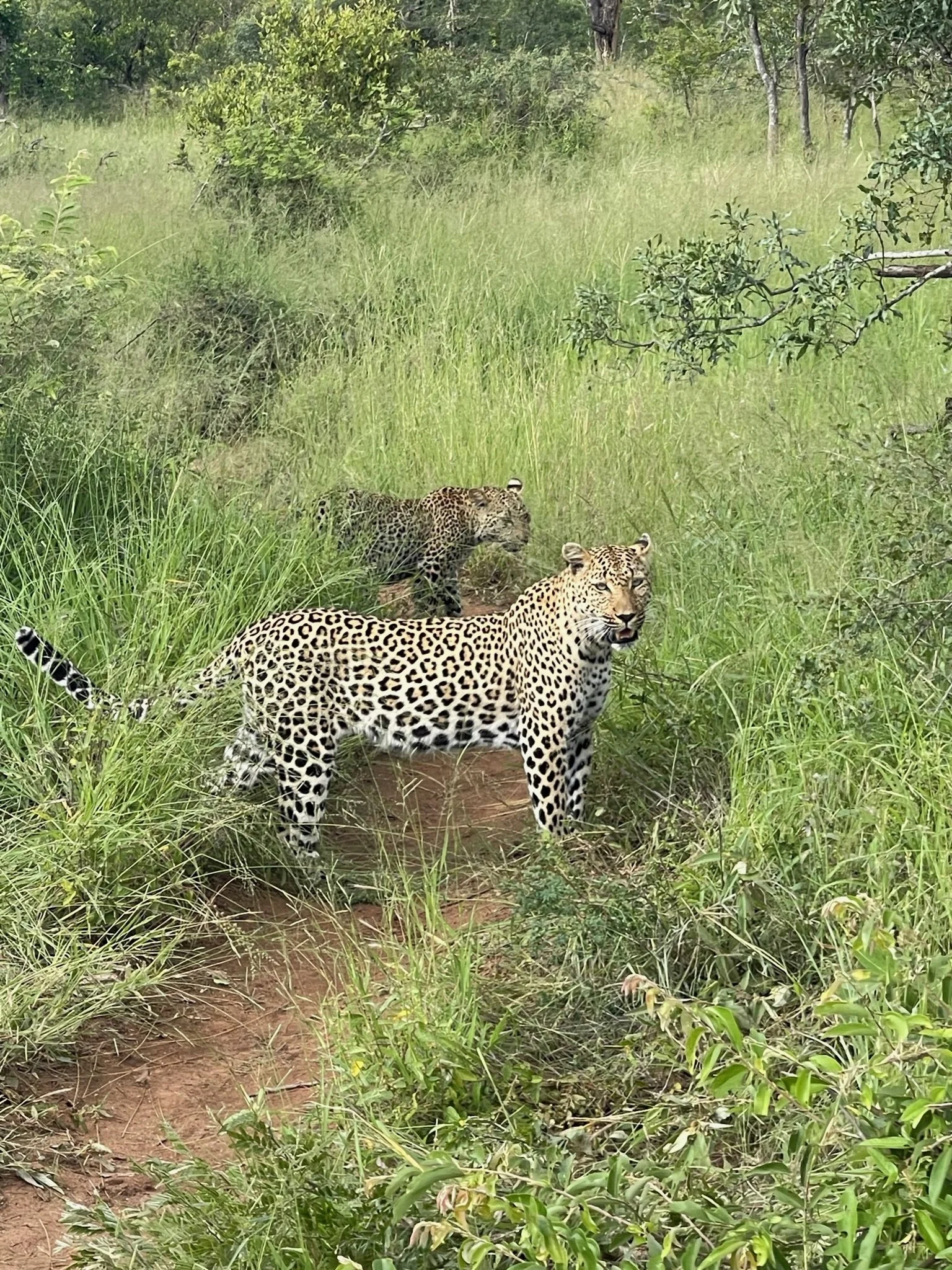
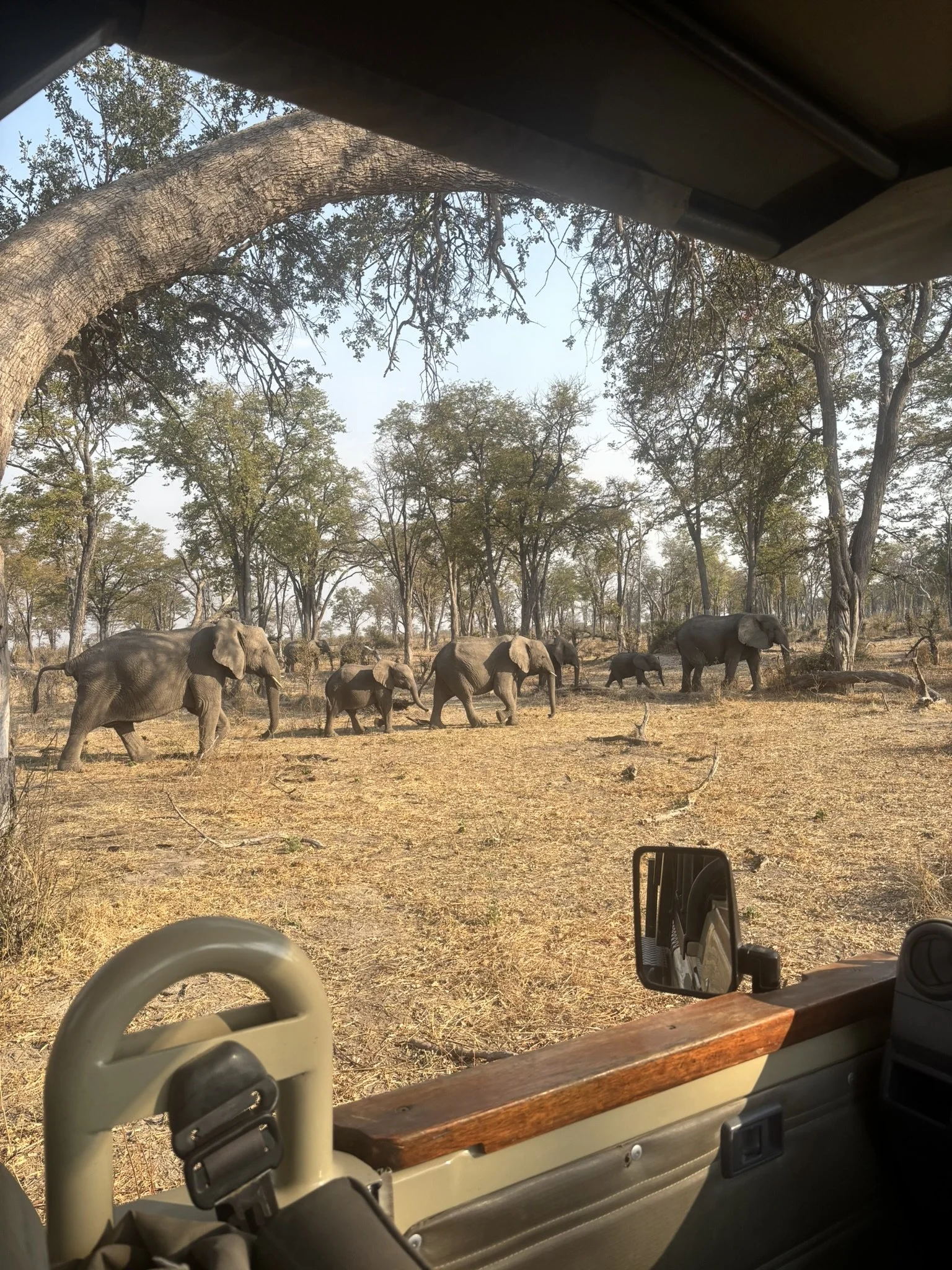
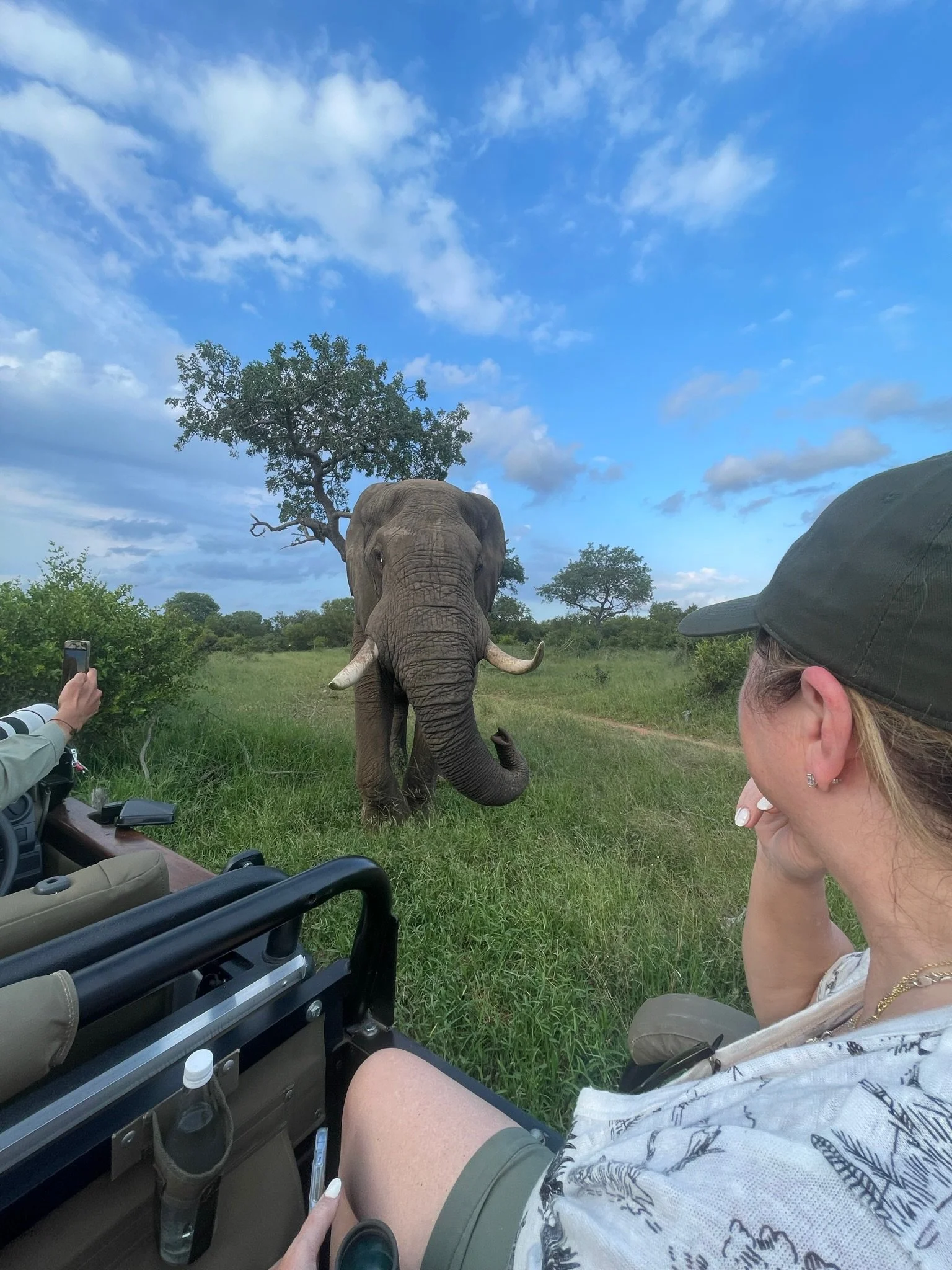
During Meagan's stay, the wildlife viewing was exceptional: a pack of around 20 African wild dogs, multiple large lion prides, a hyena den, cheetahs, leopards, hippos and elephants.

These were not simply lucky sightings in an otherwise unremarkable wildlife area. Chitabe's private concession is one of Botswana's particularly rewarding predator habitats, with established lion prides, African wild dogs, cheetahs and an unusually large recorded leopard population. The camp sits on more than 22,000 hectares bordering Moremi Game Reserve.
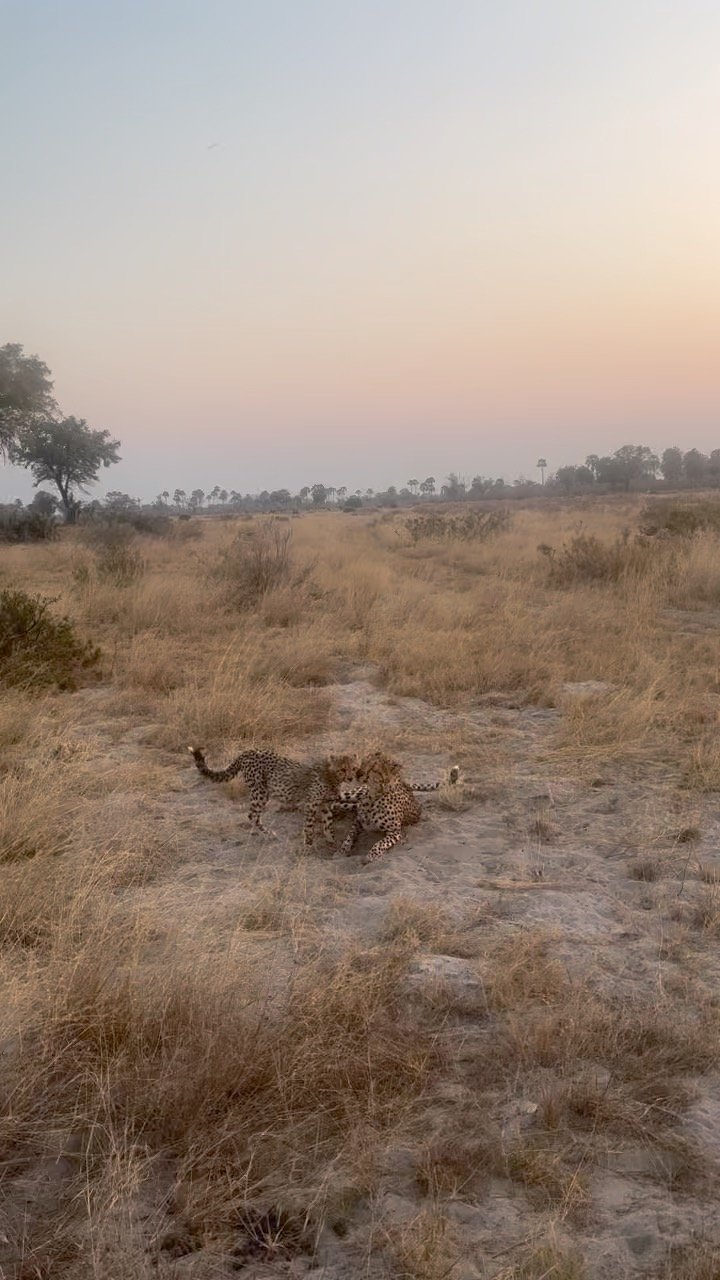
For travelers particularly interested in predators and photography, this is the distinction that will help choose between camps.

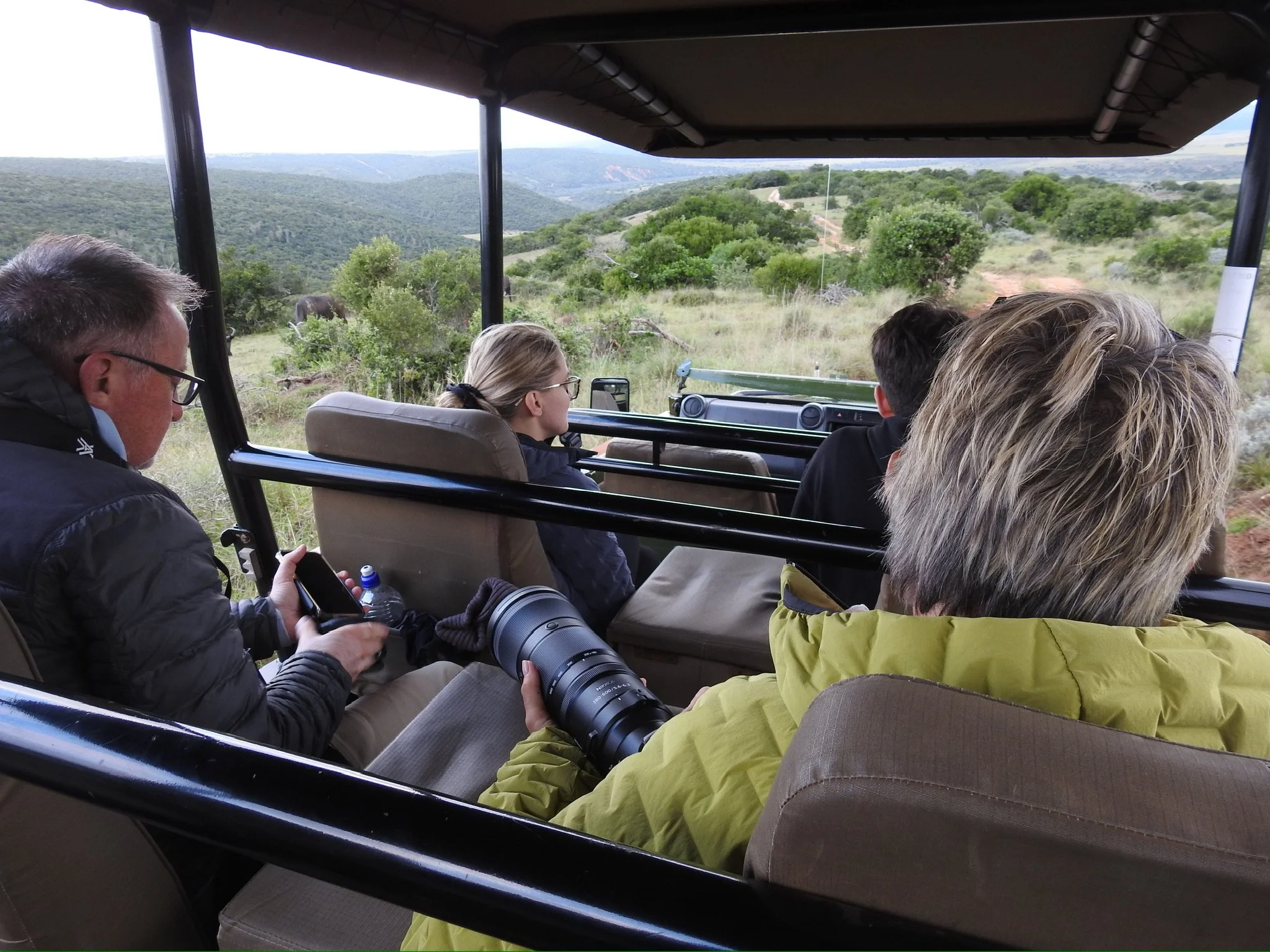
Having a great private guide is essential. Meagan really enjoyed her guide's approach, which was more focused and serious and worked extremely well for the travelers in her group. For a family with young children, guide personality would be something KJ Travel would consider more carefully when making the match. For families traveling to Africa with kids, camp style, activity restrictions, pacing and private vehicle options are also important pieces of planning the right safari.

For families thinking beyond the traditional beach getaway, Africa can also be an incredible option for school holidays. For travelers comparing luxury spring break destinations, a safari offers an entirely different kind of family trip.
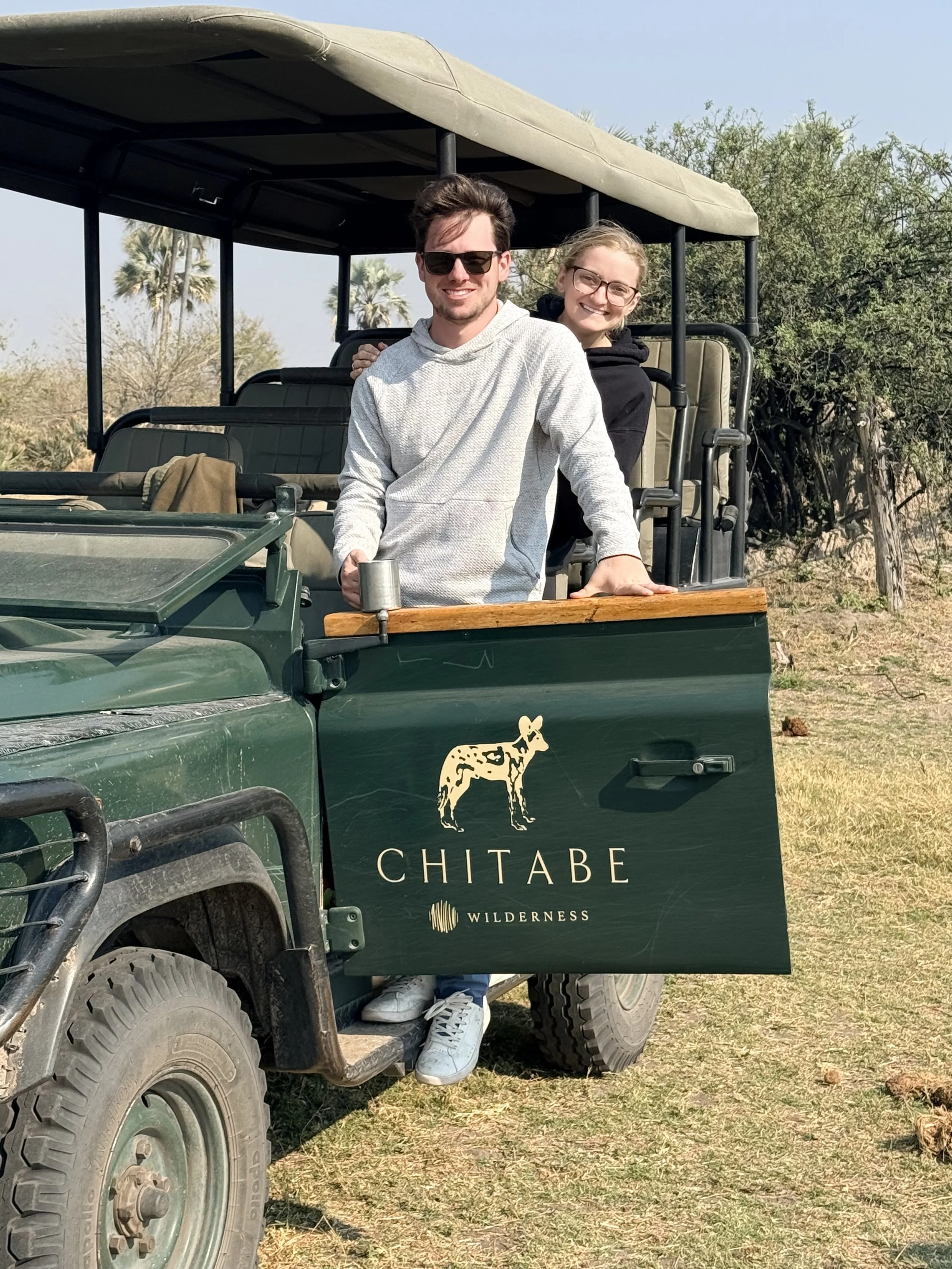
Chitabe also felt different operationally. Wi-Fi was available in the guest tents rather than the main lodge, the property accommodated dietary restrictions well, and in-room massages were available for travelers wanting some downtime between game drives.

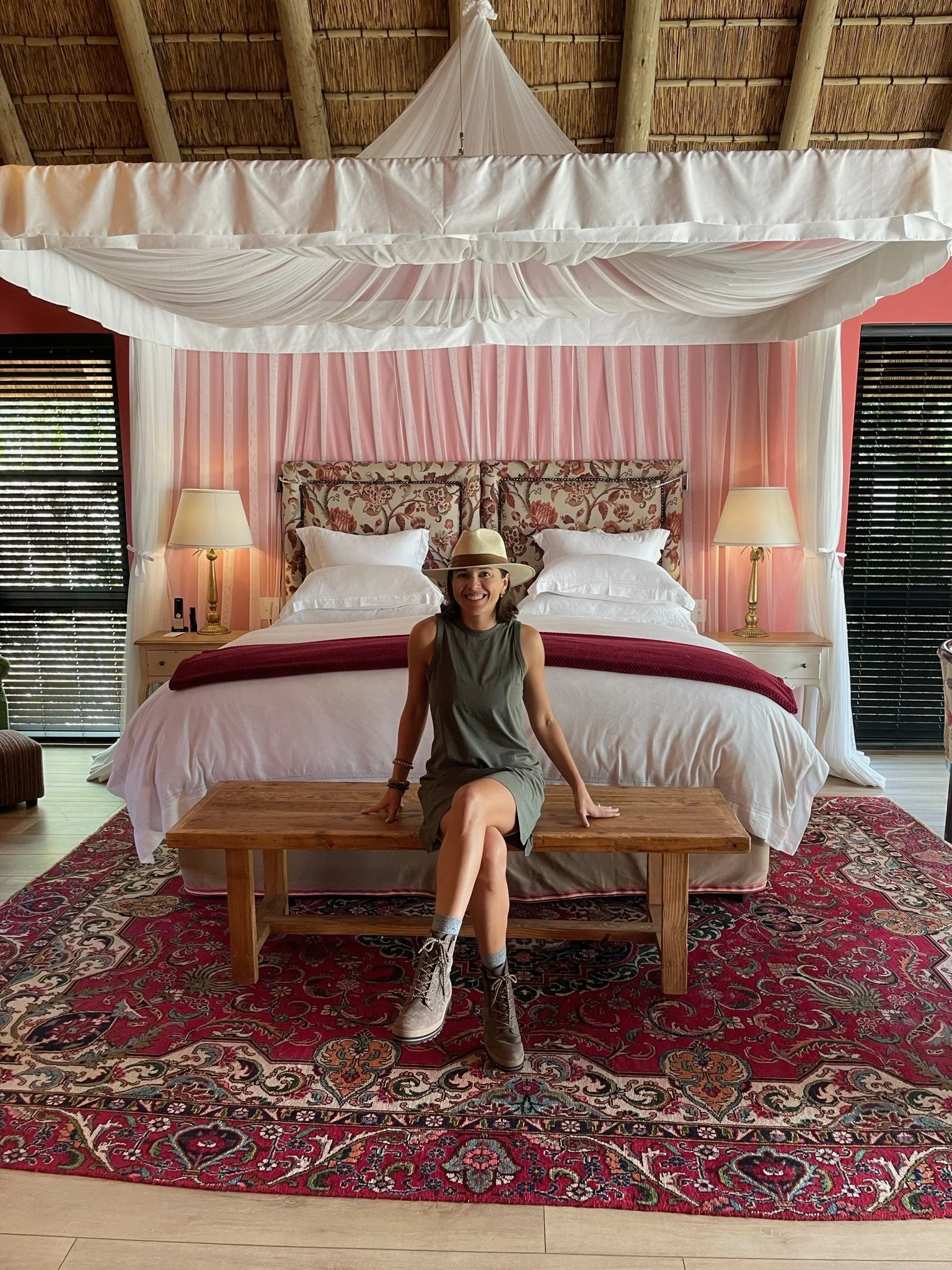
The current Chitabe suites were rebuilt with insulated walls, roofs and floors and use evaporative cooling designed to improve comfort during the Delta's temperature swings.

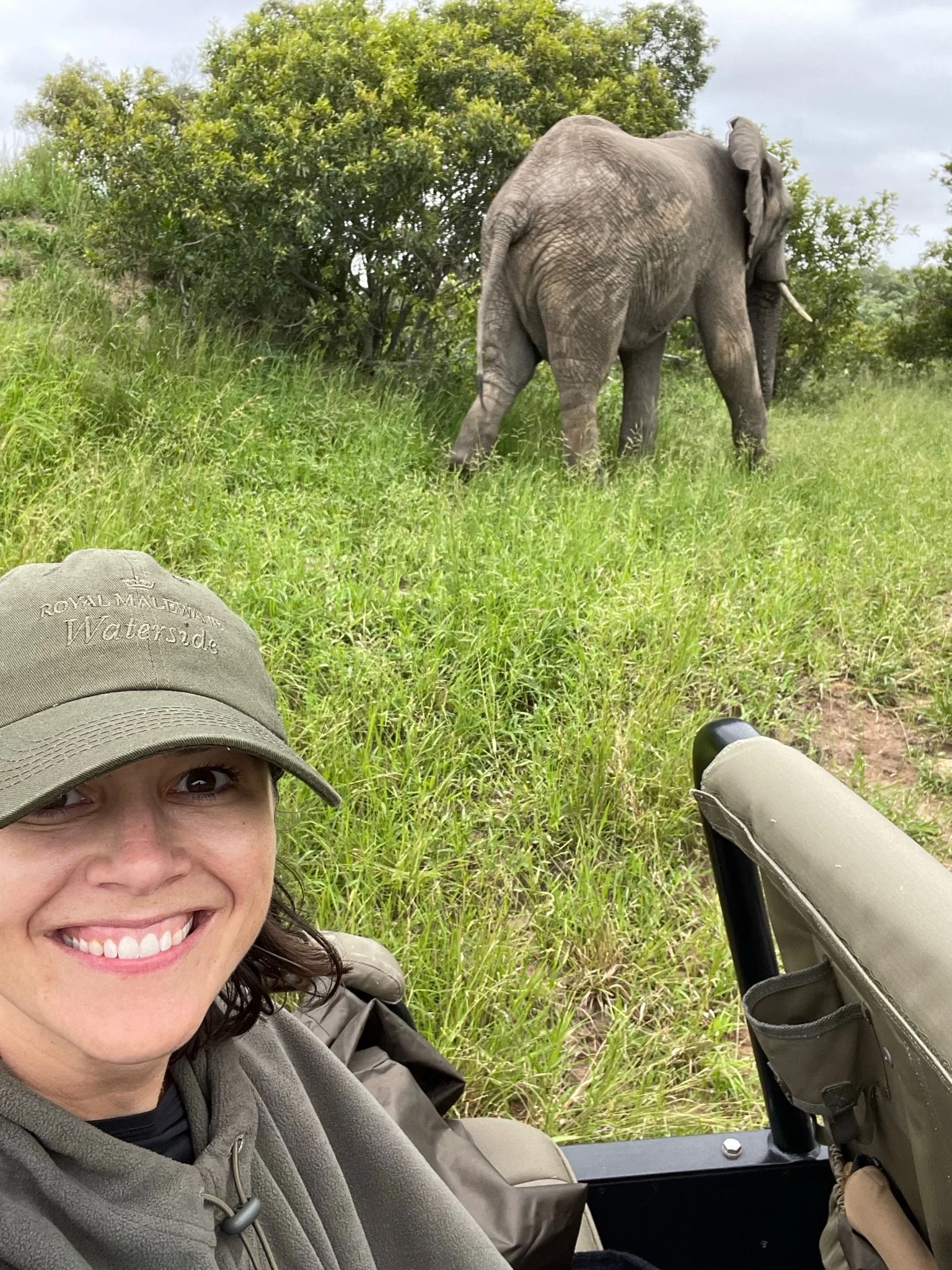
And just like Linyanti, Chitabe remains very much part of the wilderness rather than separated from it. During Meagan's stay, wildlife moved freely through both camps. That sense of proximity to nature is a large part of the experience, but it is also another reason travelers should understand that a safari camp functions differently from a conventional luxury resort.

Logistically, Chitabe was easier. The drive from its airstrip was around 30 minutes during Meagan's stay. Interestingly, the airstrip is also used for nearby Sandibe, where the drive can be much longer, another example of why looking at a map or lodge name alone does not tell the whole story.

What If You Want a More Luxurious Safari Experience?

Linyanti and Chitabe both lean into the wilderness side of Botswana, but that is only one version of a safari here. For travelers who want the wildlife experience without giving up a more polished five-star stay, Botswana also has some exceptional ultra-luxury camps.

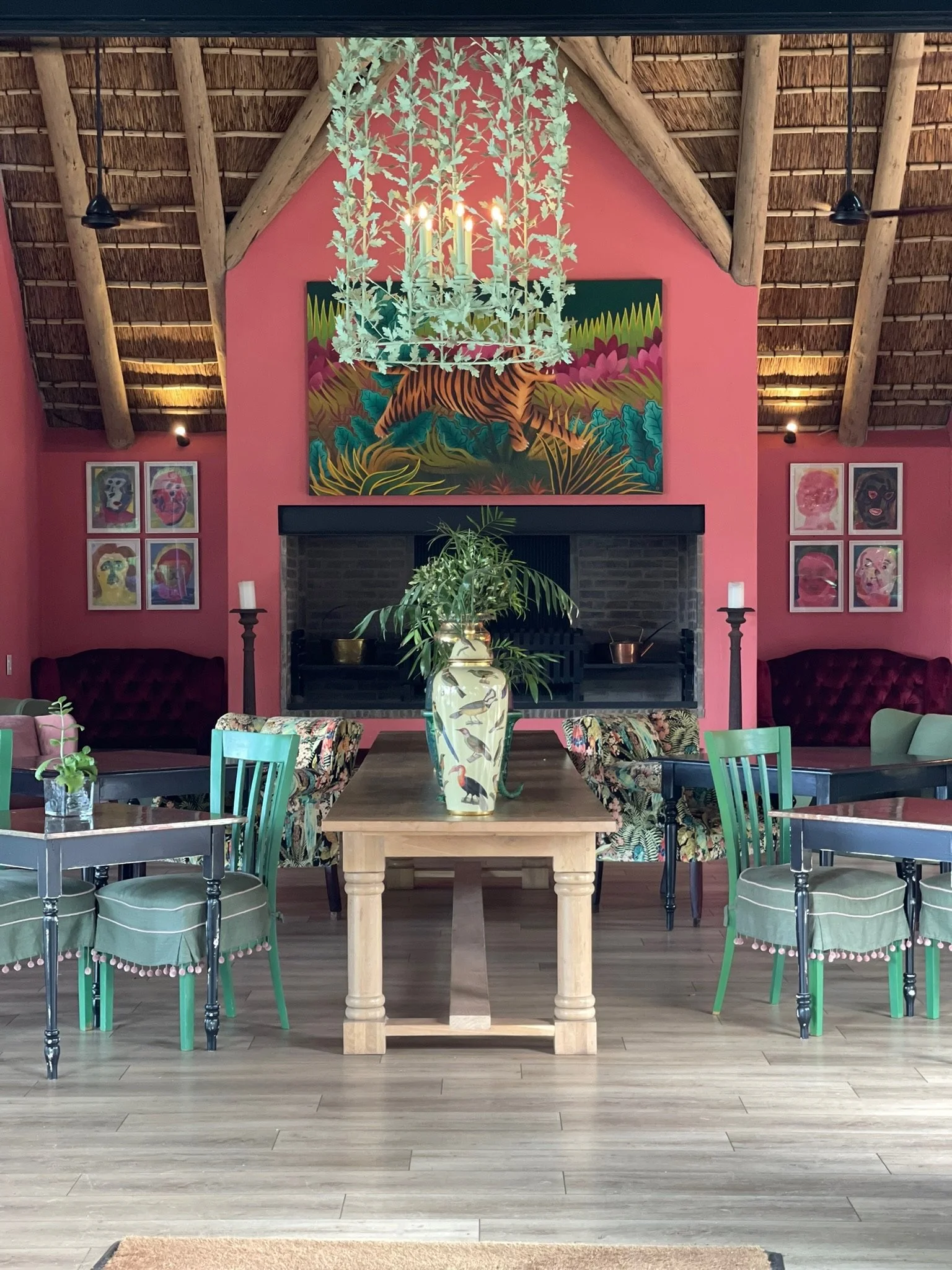
Xigera Safari Lodge brings together the Okavango Delta with striking African design, spacious suites, a beautiful spa and a strong focus on food and wellness. Wilderness Mombo is another iconic option, combining an elevated camp experience with one of Botswana’s most sought-after wildlife areas. And &Beyond Sandibe Okavango Safari Lodge offers a more contemporary take on safari, with air-conditioned suites, private plunge pools and a beautiful setting on a private concession bordering Moremi.

But this is also where choosing a Botswana safari becomes very personal. The most luxurious lodge is not automatically the right lodge for every traveler. Some clients will prioritize exceptional game viewing, others want reliable water activities, stronger wellness and dining, more spacious accommodations, air-conditioning, family-friendly options or the highest level of privacy.

A KJ Travel advisor can help match each traveler with the camps that fit both the safari experience they want and the level of luxury they expect, then combine them in a way that makes every stop feel different from the last.

Botswana is a destination where taking care of every detail is essential for an extraordinary experience. This means choosing the right camp and guide to understanding seasonal water levels, transfer times, things to consider and so much more. That is also why planning an African safari with a travel advisor can make such a meaningful difference.

When Is the Best Time to Visit Botswana?

One of Meagan's guides at Chitabe specifically named June and July among his favorite times of year to be in the area. Temperatures are cooler, and while occasional rain can occur, it does not typically mean days of nonstop wet weather.

Official climate information supports the broader seasonal picture. Botswana's winter runs from roughly May through August, bringing dry conditions, sunny days and much cooler mornings and evenings.

For heat-sensitive travelers, this can be an important advantage.

August Through October: Increasingly Dry and Excellent for Wildlife

As the dry season progresses, wildlife becomes increasingly dependent on available water sources, which can make game viewing particularly productive.

But the temperature rises too.

Meagan experienced that firsthand in September at Linyanti Bush Camp, where the combination of hot weather and tents without air-conditioning was noticeable.

October can be hotter still.

For some travelers, the strong wildlife viewing is worth it. For others, June or July may create a much more comfortable overall experience.

November Through March: Green Season

The arrival of the rains changes Botswana again.

Landscapes become greener, migratory birds arrive and many plains animals give birth. Botswana Tourism notes that the abundance of young animals also creates opportunities for predator activity.

This period can be beautiful for photographers and for travelers who prefer greener scenery.

It should not be dismissed as simply “low season.” It is a different version of Botswana.

What Luxury Travelers Should Know Before Going

Botswana's remoteness is one of its greatest strengths. It is also why good planning matters.

The safari regions are far from major medical facilities, and medical evacuation coverage should be taken seriously. The current U.S. travel advisory also recommends comprehensive insurance that includes evacuation coverage.

Malaria prevention is another conversation to have with a travel medicine professional. Current CDC guidance identifies malaria transmission in several of Botswana's major safari regions, including Chobe and the Okavango.

Entry and health requirements can change, so these should always be reconfirmed for the specific traveler shortly before departure.

A Johannesburg Stopover That Is Worth Keeping IN MIND

Depending on international flight schedules, a Botswana itinerary may require a night in Johannesburg before or after safari. That does not have to mean settling for an airport hotel.

Meagan began her trip with a night at The Saxon Hotel, Villas & Spa.

The hotel sits in Sandhurst, one of Johannesburg's established residential areas, surrounded by landscaped gardens and removed from the feel of the airport.

Meagan arrived late and left shortly after breakfast, but the service still stood out. When she did not have enough time to use an included massage during normal spa hours, the team offered to open early to accommodate her. Other family members stayed for two and three nights and loved it as well.

There is also a fascinating connection to South African history. Nelson Mandela stayed at The Saxon and edited his autobiography, Long Walk to Freedom, there.

For travelers who need the overnight anyway, The Saxon can turn a logistical stop into an actual part of the trip.

Ready to Start Planning a Botswana Safari?

Botswana is the type of destination where thoughtful planning can completely change the trip. The right season, camp, concession and combination of experiences all matter, especially when water levels, wildlife patterns and the style of each lodge can vary so much from one area to another.

Whether it is a first safari or the next destination for someone who has already spent hundreds of days in the bush, a KJ Travel advisor can help create a Botswana itinerary around the way each client actually wants to travel: from ultra-luxury lodges and private game drives to water-based safari experiences, family-friendly camps and the right stops before and after the bush.

Thinking about Botswana? Get in touch with a KJ Travel advisor to start planning a safari designed around you.
Taking the Kids to Africa: The Luxury Family Safari Guide

Quick Take

  • South Africa requires no vaccines for travelers flying there directly from the US. Several malaria-free reserves remove the medication question entirely, making them an easy first stop for young children.

  • Most lodges set a minimum age of 6 to 8 for game drives. Ages 10 to 12 tend to be the sweet spot for a child's first safari, though family-designed camps welcome babies too.

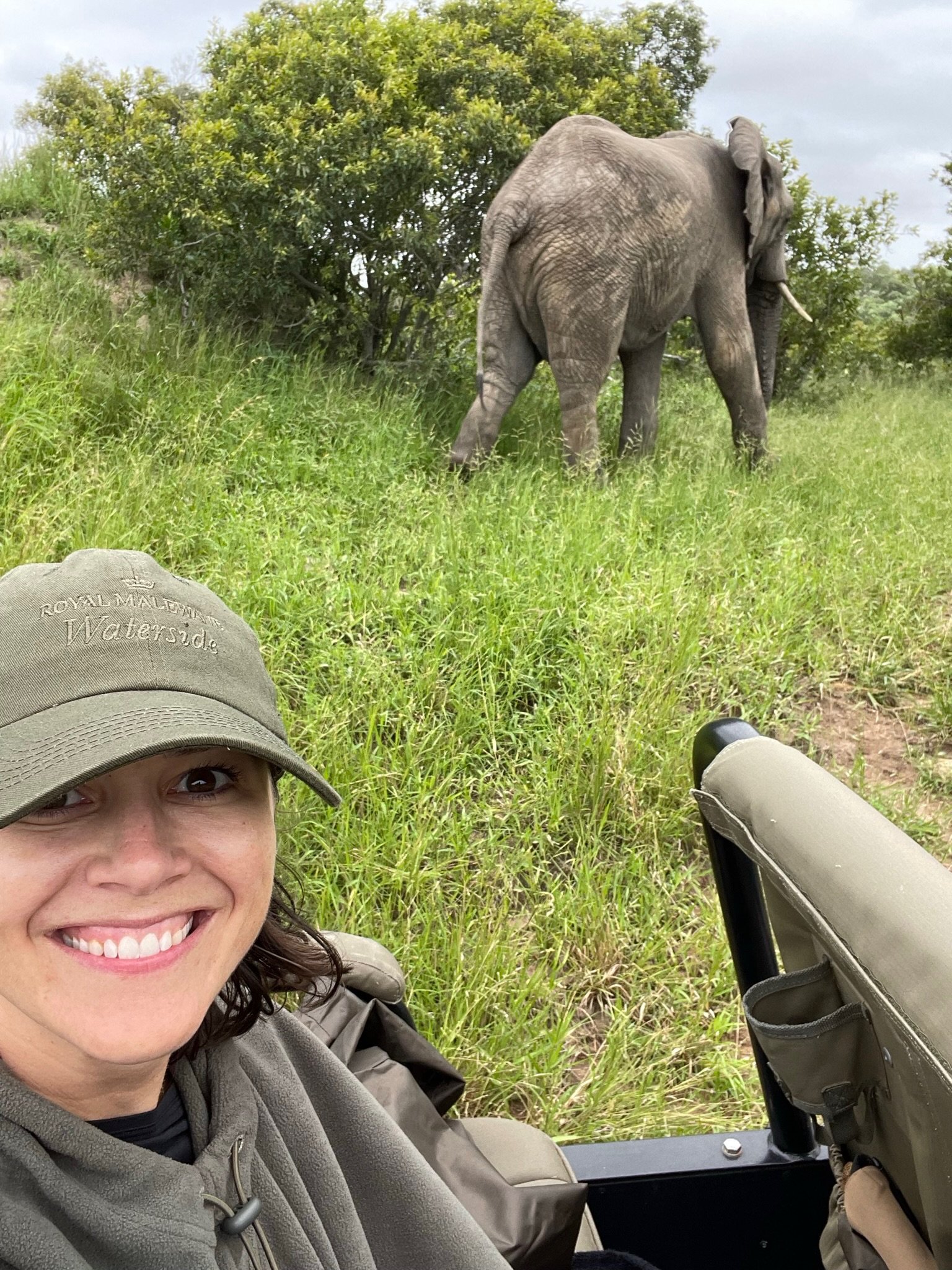
  • Purpose-built family lodges, like Royal Malewane's Waterside House, Cheetah Plains, and Shamwari, often come with private game vehicles, junior ranger programs, and nannies on call, so parents can choose an early drive or a lazy morning by the pool.

  • Dry season, roughly May through October, thins out the brush and concentrates wildlife around the shrinking number of water sources, making for some of the most reliable game viewing of the year. That same window, especially July through September, is also when the Great Migration's dramatic river crossings happen in Kenya's Masai Mara and Tanzania's Serengeti.

  • Nonstop flights connect the US to Johannesburg (about 15 hours) and Nairobi (about 14 hours). Many families land in Cape Town first, giving everyone a couple of days to shake off jet lag before the early safari mornings begin.Most parents might picture the same three daunting things before a first trip to Africa with kids: a stack of vaccines, a hard age cutoff, and giving up the five-star part of the vacation to make it work. None of that holds up anymore. In fact, a luxury safari can be one of the best family trips there is. The key is choosing the right region, the right lodge and the right pace for the children traveling. Age should shape the safari experience, not determine whether the family can go.

Do Kids Need Vaccines to Go to Africa?

This is the question that stops a lot of families before they even start planning, and it's worth clearing up early: it depends entirely on where the trip goes.

For a US family flying directly to South Africa, no vaccines are legally required for entry. Yellow fever vaccination only becomes a requirement if arriving from, or transiting more than 12 hours through, a country where yellow fever is present, and the United States isn't one of them. The CDC does recommend staying current on routine vaccines and considering hepatitis A, hepatitis B, and typhoid before any international trip, but none of that is an entry requirement, and it applies to travel almost anywhere, not just Africa.

Malaria works differently, since it's a health precaution rather than a border rule. Large parts of East Africa and the Greater Kruger region do carry malaria risk. But South Africa has an easy workaround that most first-time safari parents don't know about: an entire category of malaria-free reserves. Madikwe, Tswalu Kalahari, Pilanesberg, and several reserves across the Eastern Cape, including Shamwari, sit outside the malaria belt entirely. That means a genuine Big Five safari, with lion, elephant, rhino, buffalo, and leopard, and zero need for antimalarial medication. A decisive factor for families with little ones.

How Old Should Kids Be for a Safari?

This is genuinely subjective, and it depends as much on the individual kid as it does on age; some eight-year-olds happily sit through a three-hour game drive, while some teenagers need frequent breaks. Still, here are a few reliable benchmarks worth knowing:

Under 6: This is where malaria-free, family-built lodges earn their reputation. Many properties in this category welcome children of any age, and a private vehicle means the schedule bends around nap times rather than the other way around.

6 to 9: Most reserves open up their shared game drives at this age. Junior ranger programs really start to shine here, giving kids their own agenda between drives.

10 to 12: Widely considered the ideal window for a first safari. Kids at this age can sit through a longer drive, follow a guide's explanation, and actually remember the trip afterward.

13 and up: Walking safaris and hot-air balloon rides typically open at 13 to 16, depending on the operator, giving teenagers a more immersive, adult-paced experience.

15 and up: This is the hard line for mountain gorilla trekking in Rwanda, Uganda, and the Democratic Republic of Congo. The rule comes from international great-ape tourism guidelines, largely because gorillas share so much DNA with humans that even a common cold can be dangerous to them.

Something to keep in mind when looking for a specific lodge for a luxury family trip to Africa is that: individual age policies vary property to property and change more often than people expect. A camp that welcomes toddlers in one suite might hold a strict 10-year minimum in another. This is one of the many reasons why having a travel advisor plan your luxury safari trip is essential.

What a Family-Ready Luxury Lodge Looks Like

The best family safari lodges have quietly become some of the most thoughtful family properties in travel, full stop. A few details to look for, and a few properties doing it especially well:

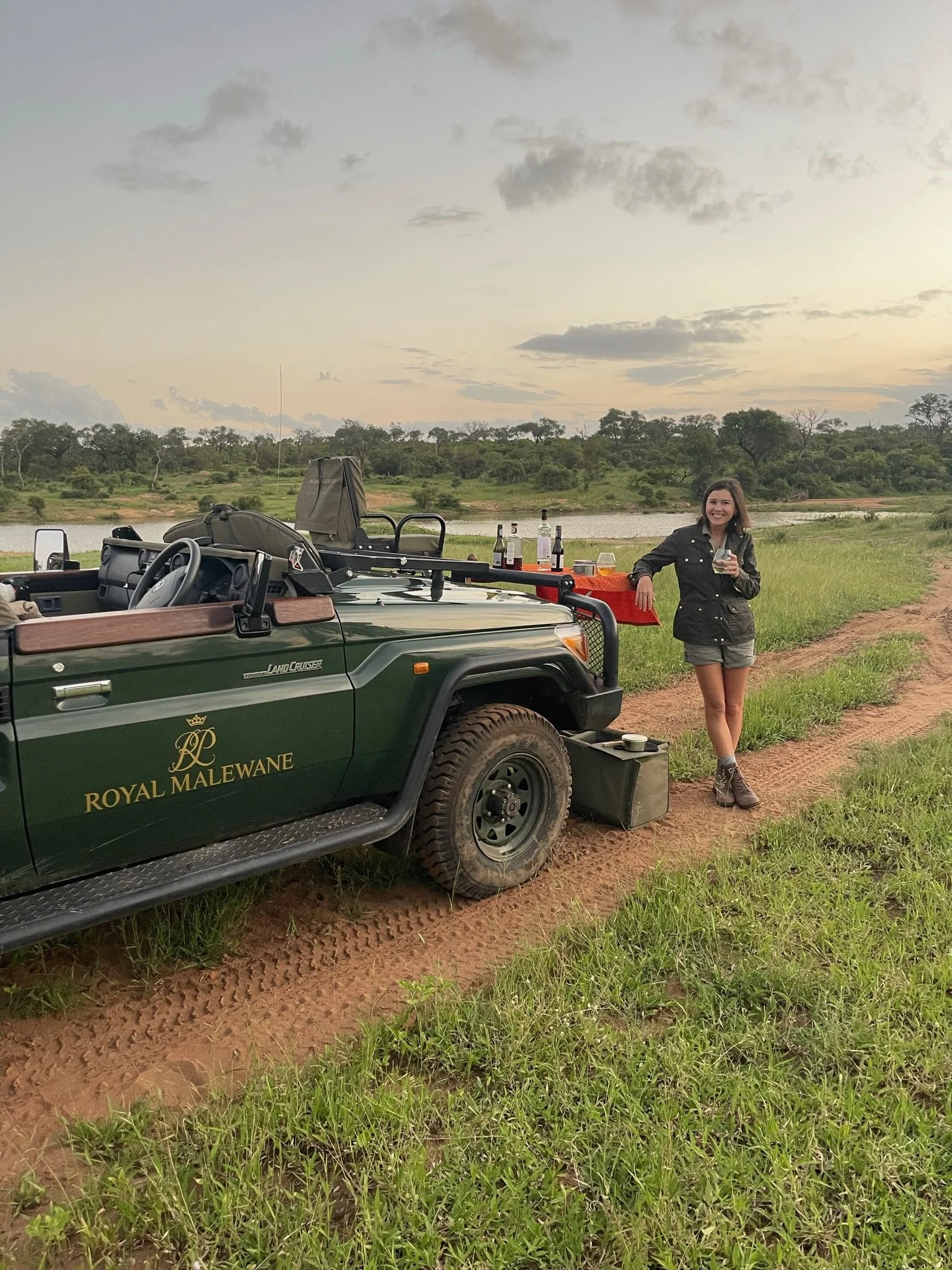
Private vehicles and flexible schedules. Many family suites and villas include a dedicated guide, tracker, and vehicle for the group, so there's no need to share a drive with strangers or wake a toddler for a 6 a.m. departure. Royal Malewane, in South Africa's Thornybush Private Game Reserve, is a strong example. Its family villas, including Waterside House, Africa House, and the Farmhouse, welcome children of all ages with a private vehicle included, even though the standard lodge suites hold a 10-year minimum. Waterside also has its own games room with a climbing wall and a pizza oven, giving kids a reason to look forward to downtime as much as the drives.

Nannies and kids' clubs, done properly. On-call babysitting means parents can take a sunset drive alone while the kids stay back with a game night. Royal Malewane's Royal Rangers and Junior Rangers programs send younger kids out with a bush backpack and older kids into proper tracking lessons. At Cheetah Plains in the Sabi Sand Reserve, an entirely solar-powered, exclusive-use property with electric game-viewing vehicles, the children's program pairs conservation education with hands-on bush activities, and child-minding is available throughout the stay. Near Victoria Falls, the Anantara Stanley & Livingstone runs its Mack & Madi program, which includes everything from a guided falls walk for kids as young as three to an evening of burgers and a movie back at the lodge.

Multi-bedroom villas built for families, not just couples. Exclusive-use houses with several bedrooms, some with bunk rooms for the kids, let extended families book one property instead of scattering across several rooms. This is increasingly the default at top family lodges rather than the exception.

Fenced camps, for parents who want it. Not every safari lodge is fenced, and for good reason: many private reserves leave camps open to keep the bush experience authentic. But fenced properties exist specifically for families who want their children to be able to walk between the pool and the lodge without an adult on high alert every second. Reserves built with young families in mind, including several in Madikwe and the Eastern Cape, tend to offer this as a standard feature.

When to Go

There's no single "best" time for a family safari trip. It really comes down to what the family wants to see, the same way picking a hotel location depends on whether you want a beach, mountains, or a city center.

Dry season, roughly May through October, is when the bush thins out and animals gather around the shrinking number of water sources, which is why it's often considered the easiest stretch for spotting wildlife. Within that window, July through September is peak season across Southern and East Africa, and in Kenya and Tanzania specifically, it's when the Great Migration's river crossings tend to happen in the Masai Mara and Serengeti.

The trade-off is what South Africa's green season brings instead: it starts with the spring, when antelope like impala and wildebeest give birth in large numbers, and runs through the summer months, bringing lush scenery and some of the best birding of the year as migratory species join the resident population. The bush is thicker, so sightings take a bit more patience, but for families hoping to catch newborn impala or a nursery herd, this is the season for it, and it doubles as a great summer travel destination, pairing safari with Cape Town's high season.

Getting There (and Recovering Once You Land)

Connectivity from the US has improved considerably. United and Delta both fly nonstop from the New York and Atlanta areas to Johannesburg, a flight of roughly 15 hours, and Kenya Airways runs a daily nonstop from JFK to Nairobi in about 14 hours.

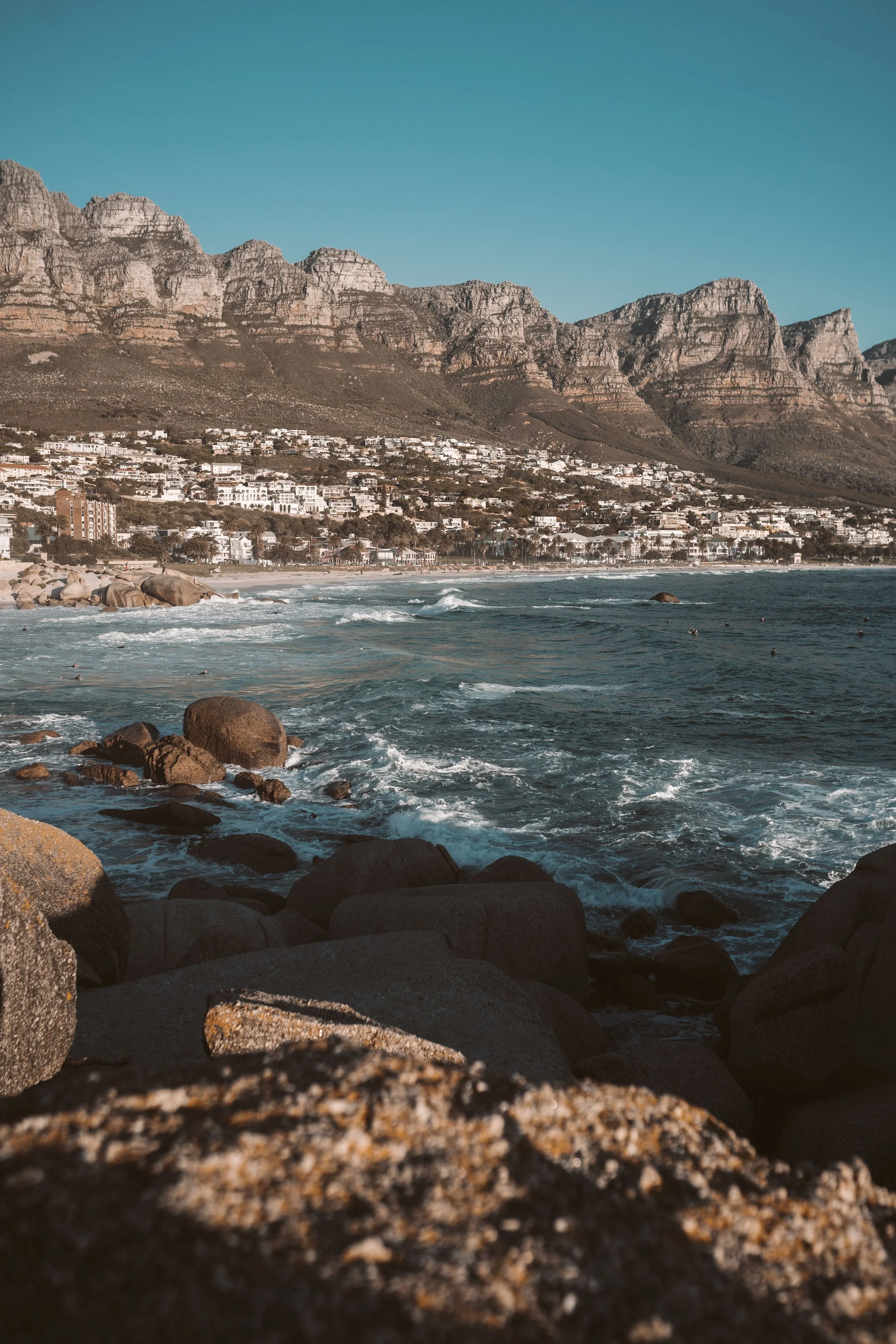
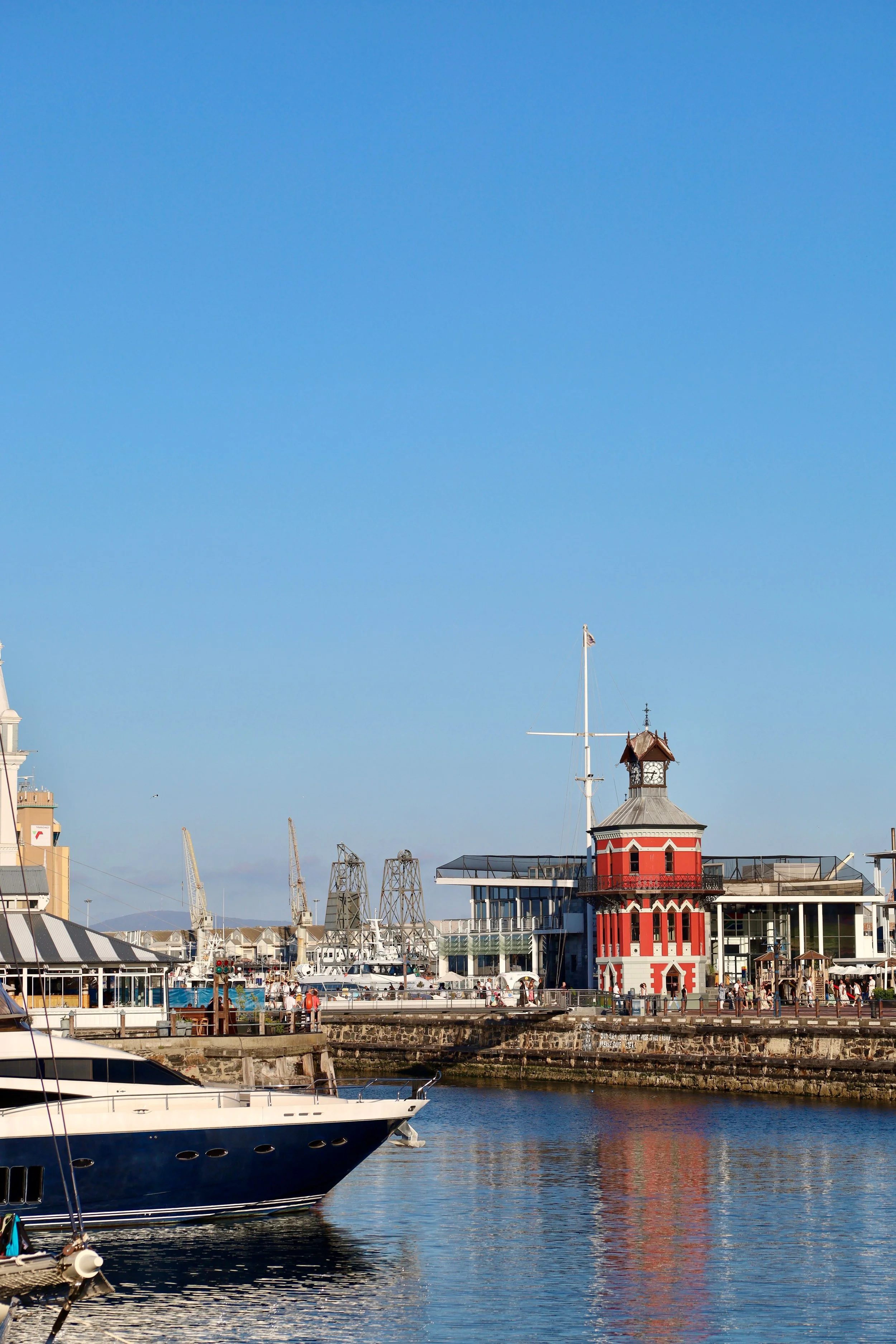
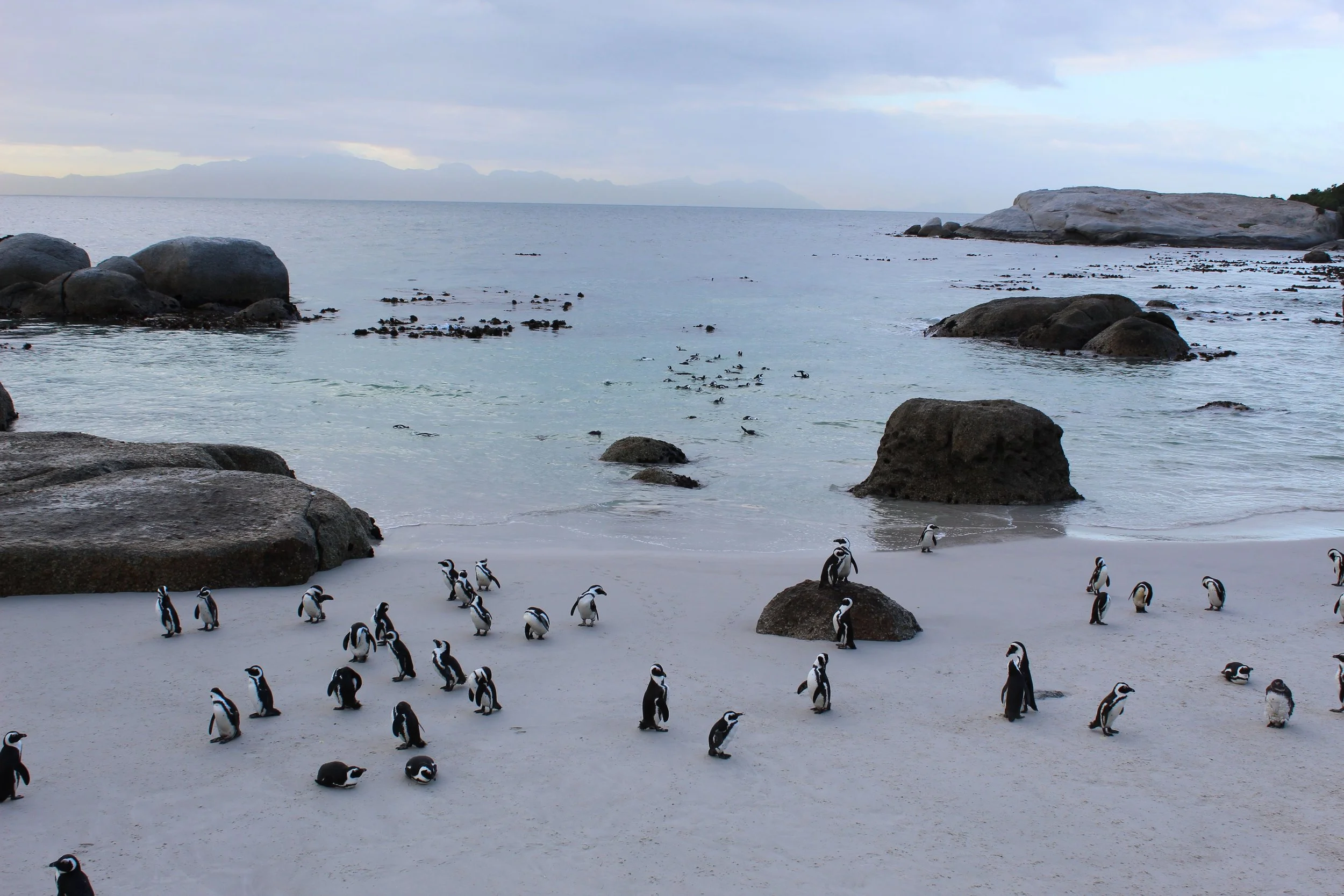
Even with the improved routes, that's a long flight for young children, which is exactly why so many family itineraries open in Cape Town rather than heading straight into the bush. A couple of days at a family-friendly hotel, with Table Mountain, the penguins at Boulders Beach, and the V&A Waterfront to explore, gives everyone time to adjust before the early wake-up calls of safari life begin.

The KJ Travel Take

A family safari should never feel like an adult trip that just happens to have kids along for the ride. Building the itinerary around the family means shaping the details to the ages in the group, not the other way around.

For younger kids, that might mean a malaria-free reserve in South Africa, onsite nannies, a fenced family lodge, and a private game vehicle. For older kids, it might mean ranger programs, animal checklists, and guides who know how to hold their attention. For teenagers, it could mean the waterways of Botswana, or finally being old enough to trek mountain gorillas in Rwanda.

That kind of planning is exactly where KJ Travel comes in: matching the right reserve to the right age group, confirming lodge policies before anything gets booked, and handling everything in between.

Get in touch with a KJ Travel advisor and start planning the family's biggest adventure yet.

FAQs: Traveling to Africa With Kids

Do you need a visa to bring kids to South Africa? US citizens, including children, do not need a visa for tourist stays in South Africa of up to 90 days, and a passport is all that's required if both parents are traveling together. If a child is traveling with just one parent, South African immigration typically asks for the child's birth certificate plus a signed consent letter from the parent staying behind. It's a small extra step, but worth building into the packing checklist early.

Is a safari safe for young children? Yes, when the lodge is chosen with their age in mind. Private reserves take child safety seriously, with safety briefings, high staff-to-guest ratios, and, at many family-focused properties, fenced camps and pools with extra supervision built into the daily schedule.

What's the best country in Africa for a first family safari? South Africa is usually the easiest starting point, thanks to its malaria-free reserves, strong flight connections, and the largest concentration of family-built luxury lodges on the continent.

Can babies go on safari? Some malaria-free, family-designed lodges welcome children of any age, including infants, especially in private-vehicle villa setups. Very young children typically won't join game drives themselves, but many properties offer in-room childcare so parents can still get out for a drive.

How long should a family safari be? Most luxury operators recommend at least a week to 10 days for a first trip, enough time for a few nights on safari plus a city or coastal stay to bookend the long flights.

Is gorilla trekking an option for a family trip? Only for family members 15 and older, due to a strict, universally enforced age minimum across Rwanda, Uganda, and the Democratic Republic of Congo. Families traveling with younger children can still base themselves near the parks and enjoy other activities together.

Your Inside Track to the Big Five: Hire a Travel Advisor

An African safari is one of those bucket-list experiences that combines raw adventure with pure indulgence. Imagine waking up to the sound of the bush, heading out for a sunrise game drive, and later sipping wine by the fire as elephants gather at a nearby watering hole.

But if you’ve ever started researching how to make it happen, you probably realized: this is not your average vacation. Planning a luxury safari involves dozens of moving parts and that’s exactly why having an expert in your corner matters.

What Google Won't Tell You About Safaris

Unlike booking a long weekend in Paris or a beach resort, safaris require a unique level of precision. Here’s why:

Timing changes everything. The “best time to go” varies not just by country, but by what you want to see. Want the Great Migration in Kenya and Tanzania? That’s July through September. Thinking of gorilla trekking in Rwanda? June to September is ideal. South Africa’s prime safari season runs from May to October, but Cape Town is at its best in a different season altogether. Understanding these nuances is key to maximizing your experience.

The regions are very different. East Africa is about vast plains and iconic wildlife moments, while Southern Africa blends game viewing with culinary and cultural highlights, like the Winelands near Cape Town. Combining both in one trip is possible, but it takes careful routing and coordination.

Logistics aren’t simple. Many lodges are only reachable by bush planes with strict luggage limits. Internal flight schedules, transfers, park permits, and even health precautions like malaria considerations all factor in. One oversight can derail an otherwise perfect plan.

This is why so many travelers who try to DIY quickly feel overwhelmed.

The Risks of Doing It Alone

Most travelers start by Googling “best safari lodges” and end up with hundreds of options, many of which look amazing online but differ drastically in service and experience. Without insider knowledge, it’s easy to book something that isn’t a true luxury product or to miss out on properties that offer more privacy, better guides, or family-friendly options.

There’s also the issue of perks or rather, the lack of them. When you book direct or through an OTA, you miss out on benefits like complimentary upgrades, private game drives, and curated experiences that make a trip truly special.

And then there’s the planning stress. From coordinating flights that only operate on certain days to managing baggage restrictions and making sure every transfer is seamless, the logistics alone can feel like a full-time job.

What a Great Advisor Actually Does

This is where a travel advisor adds tremendous value. At KJ Travel, we spend countless hours vetting lodges, tracking seasonal shifts, and building relationships with on-the-ground partners. That means when you call us, you’re not just getting a list of suggestions, you’re getting an itinerary built around your priorities.

Want to combine a Big Five safari with wine tasting in Franschhoek? We can make it happen. Curious about mixing a few nights in a treehouse with a private villa stay? We’ve booked those before, and we’ll make sure it’s done right.

Because we work with preferred partners, we can often secure perks you won’t find online, like suite upgrades, VIP transfers/ fast tracking through customs, and experiences that aren’t available online.

Timing is Everything

If your goal is to see the Great Migration, plan for July through September in Kenya and Tanzania. Gorilla trekking in Rwanda or Uganda? Aim for the drier months of June to September. Southern Africa shines for safari from May to October, while Cape Town is ideal from December to March.

And since safaris are among the most sought-after trips worldwide, it is essential to plan and book in advance.

Final Thoughts

An African safari is not a trip you want to “figure out as you go.” The best experiences (seamless transfers, perfectly timed game drives, stays at iconic lodges) come from planning with someone who knows the terrain, the seasons, and the little details that transform a good trip into an extraordinary one.

If a safari is on your horizon, let’s talk about how to make it everything you’ve imagined and more. Get in touch with a KJT Advisor clicking here.