Quick Take
South Africa requires no vaccines for travelers flying there directly from the US. Several malaria-free reserves remove the medication question entirely, making them an easy first stop for young children.
Most lodges set a minimum age of 6 to 8 for game drives. Ages 10 to 12 tend to be the sweet spot for a child's first safari, though family-designed camps welcome babies too.
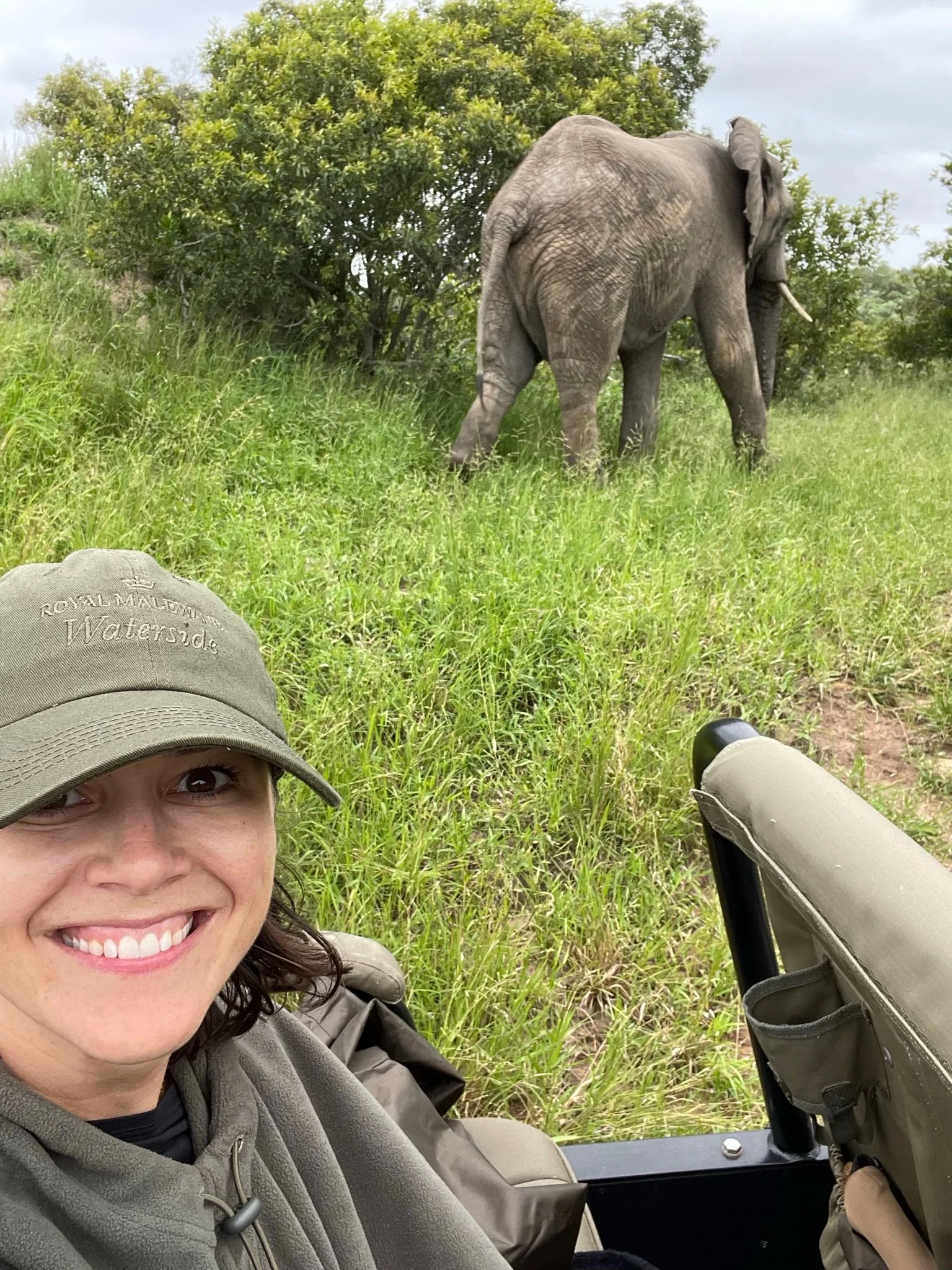
Purpose-built family lodges, like Royal Malewane's Waterside House, Cheetah Plains, and Shamwari, often come with private game vehicles, junior ranger programs, and nannies on call, so parents can choose an early drive or a lazy morning by the pool.
Dry season, roughly May through October, thins out the brush and concentrates wildlife around the shrinking number of water sources, making for some of the most reliable game viewing of the year. That same window, especially July through September, is also when the Great Migration's dramatic river crossings happen in Kenya's Masai Mara and Tanzania's Serengeti.
Nonstop flights connect the US to Johannesburg (about 15 hours) and Nairobi (about 14 hours). Many families land in Cape Town first, giving everyone a couple of days to shake off jet lag before the early safari mornings begin.Most parents might picture the same three daunting things before a first trip to Africa with kids: a stack of vaccines, a hard age cutoff, and giving up the five-star part of the vacation to make it work. None of that holds up anymore. In fact, a luxury safari can be one of the best family trips there is. The key is choosing the right region, the right lodge and the right pace for the children traveling. Age should shape the safari experience, not determine whether the family can go.
Do Kids Need Vaccines to Go to Africa?
This is the question that stops a lot of families before they even start planning, and it's worth clearing up early: it depends entirely on where the trip goes.
For a US family flying directly to South Africa, no vaccines are legally required for entry. Yellow fever vaccination only becomes a requirement if arriving from, or transiting more than 12 hours through, a country where yellow fever is present, and the United States isn't one of them. The CDC does recommend staying current on routine vaccines and considering hepatitis A, hepatitis B, and typhoid before any international trip, but none of that is an entry requirement, and it applies to travel almost anywhere, not just Africa.
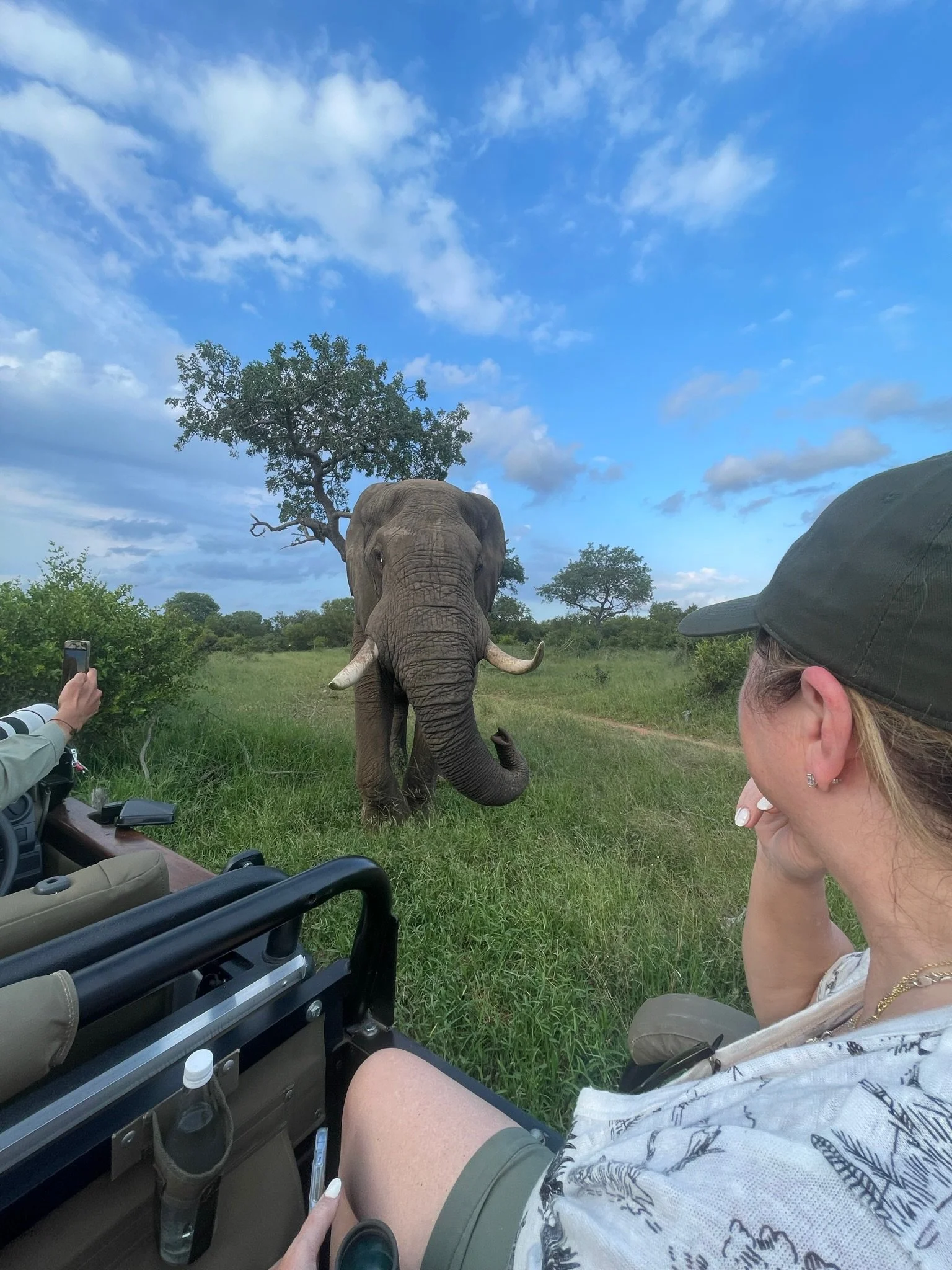
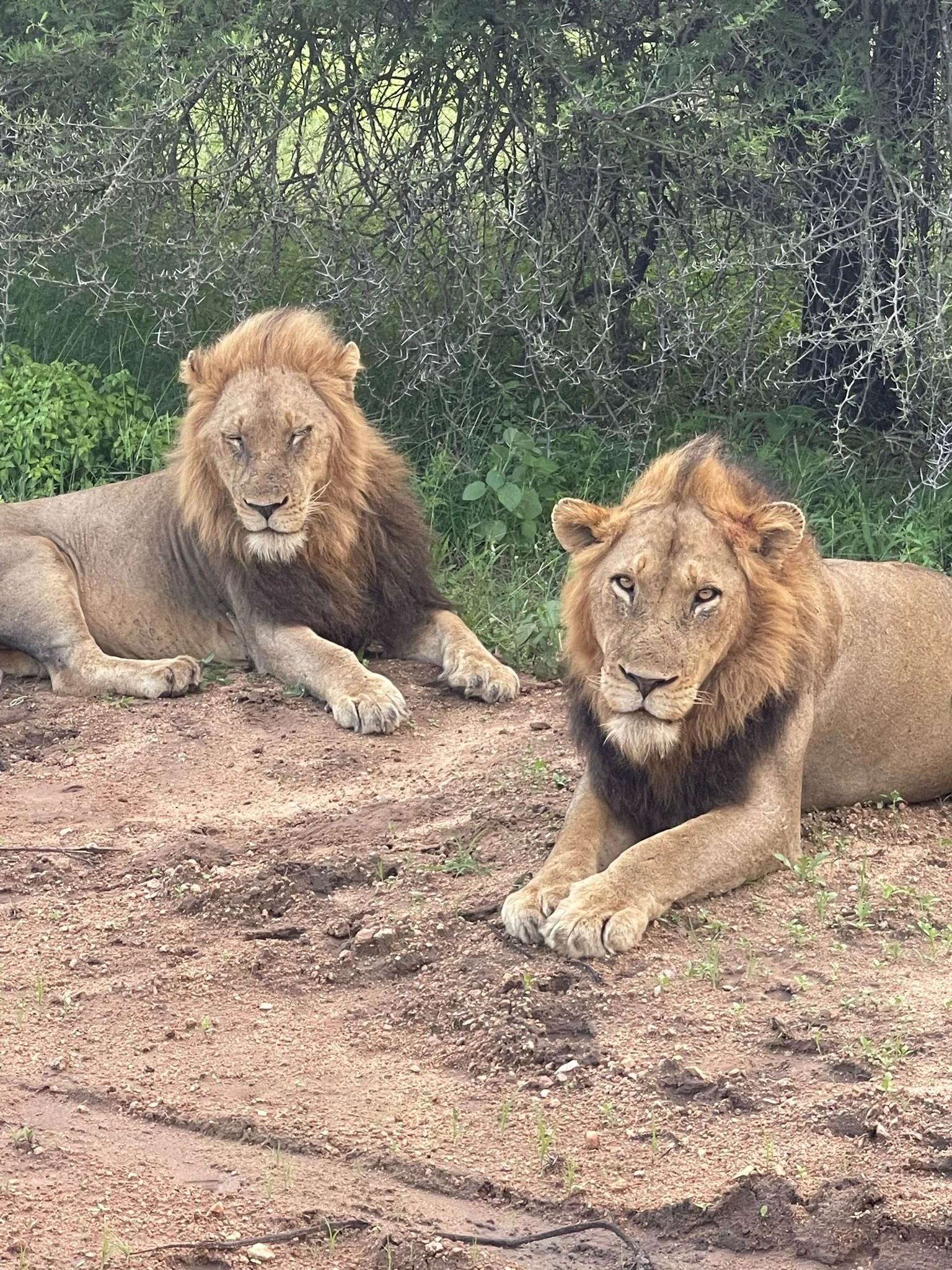
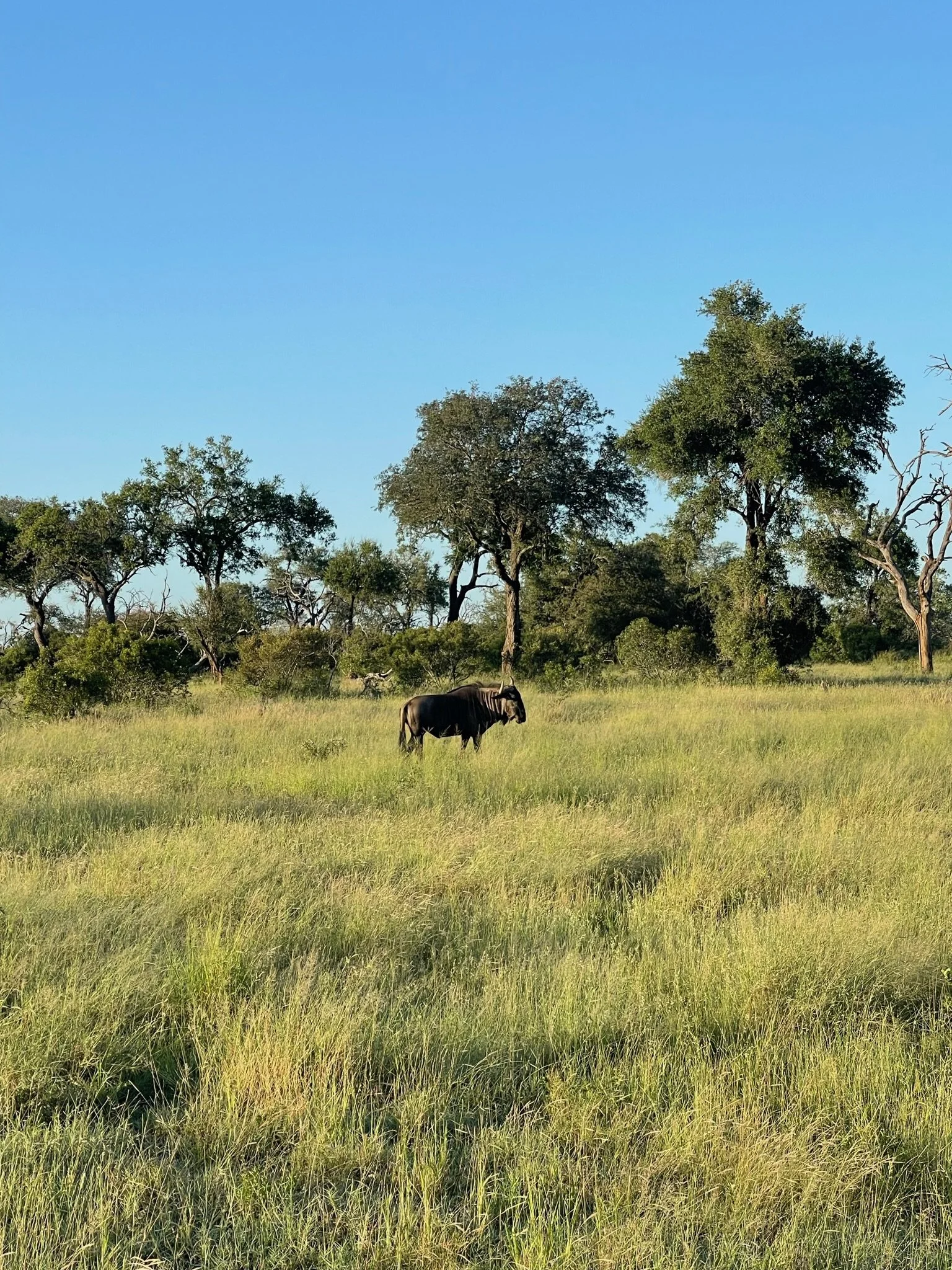
Malaria works differently, since it's a health precaution rather than a border rule. Large parts of East Africa and the Greater Kruger region do carry malaria risk. But South Africa has an easy workaround that most first-time safari parents don't know about: an entire category of malaria-free reserves. Madikwe, Tswalu Kalahari, Pilanesberg, and several reserves across the Eastern Cape, including Shamwari, sit outside the malaria belt entirely. That means a genuine Big Five safari, with lion, elephant, rhino, buffalo, and leopard, and zero need for antimalarial medication. A decisive factor for families with little ones.
How Old Should Kids Be for a Safari?
This is genuinely subjective, and it depends as much on the individual kid as it does on age; some eight-year-olds happily sit through a three-hour game drive, while some teenagers need frequent breaks. Still, here are a few reliable benchmarks worth knowing:
Under 6: This is where malaria-free, family-built lodges earn their reputation. Many properties in this category welcome children of any age, and a private vehicle means the schedule bends around nap times rather than the other way around.
6 to 9: Most reserves open up their shared game drives at this age. Junior ranger programs really start to shine here, giving kids their own agenda between drives.
10 to 12: Widely considered the ideal window for a first safari. Kids at this age can sit through a longer drive, follow a guide's explanation, and actually remember the trip afterward.
13 and up: Walking safaris and hot-air balloon rides typically open at 13 to 16, depending on the operator, giving teenagers a more immersive, adult-paced experience.
15 and up: This is the hard line for mountain gorilla trekking in Rwanda, Uganda, and the Democratic Republic of Congo. The rule comes from international great-ape tourism guidelines, largely because gorillas share so much DNA with humans that even a common cold can be dangerous to them.
Something to keep in mind when looking for a specific lodge for a luxury family trip to Africa is that: individual age policies vary property to property and change more often than people expect. A camp that welcomes toddlers in one suite might hold a strict 10-year minimum in another. This is one of the many reasons why having a travel advisor plan your luxury safari trip is essential.
What a Family-Ready Luxury Lodge Looks Like
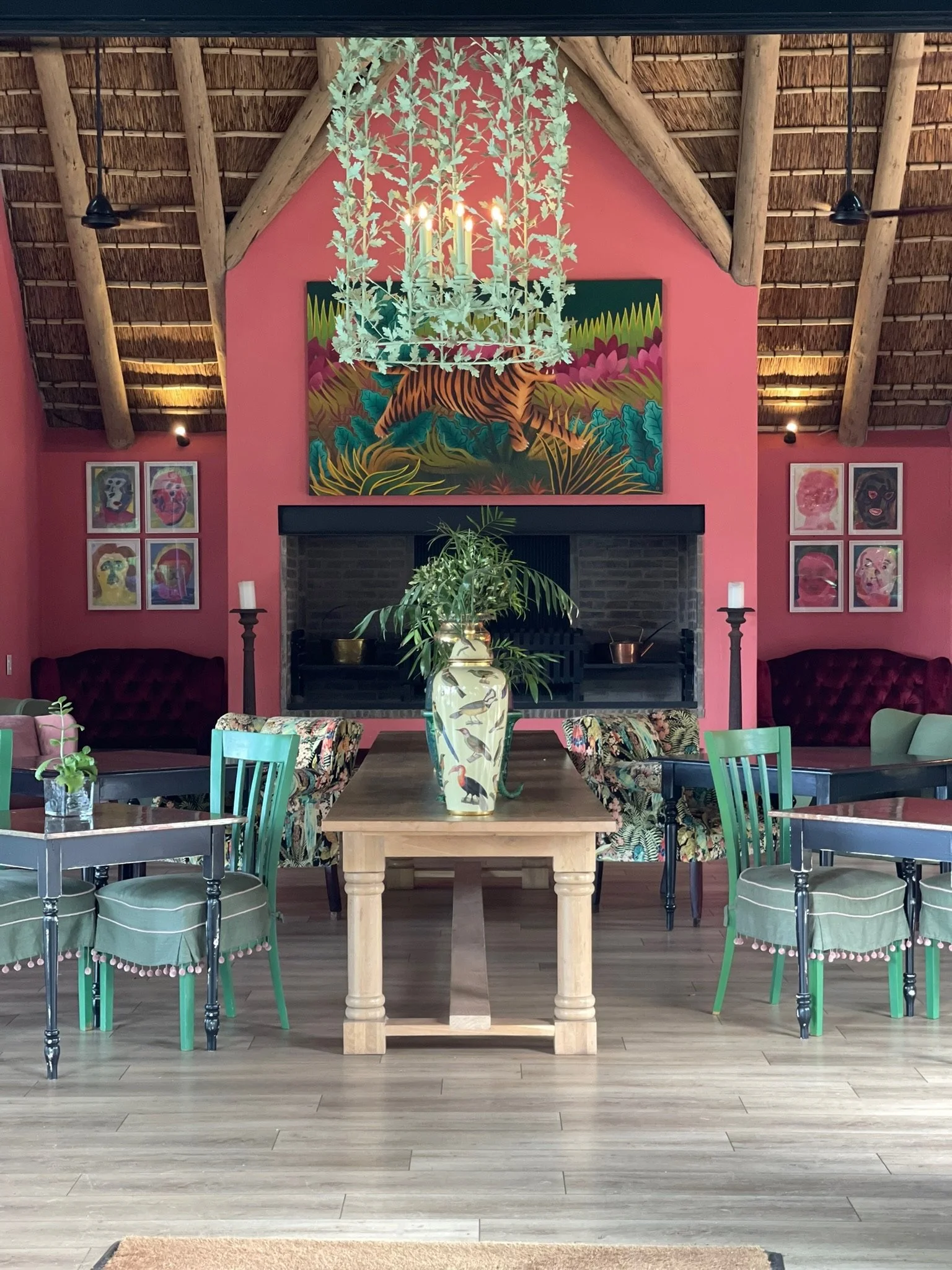
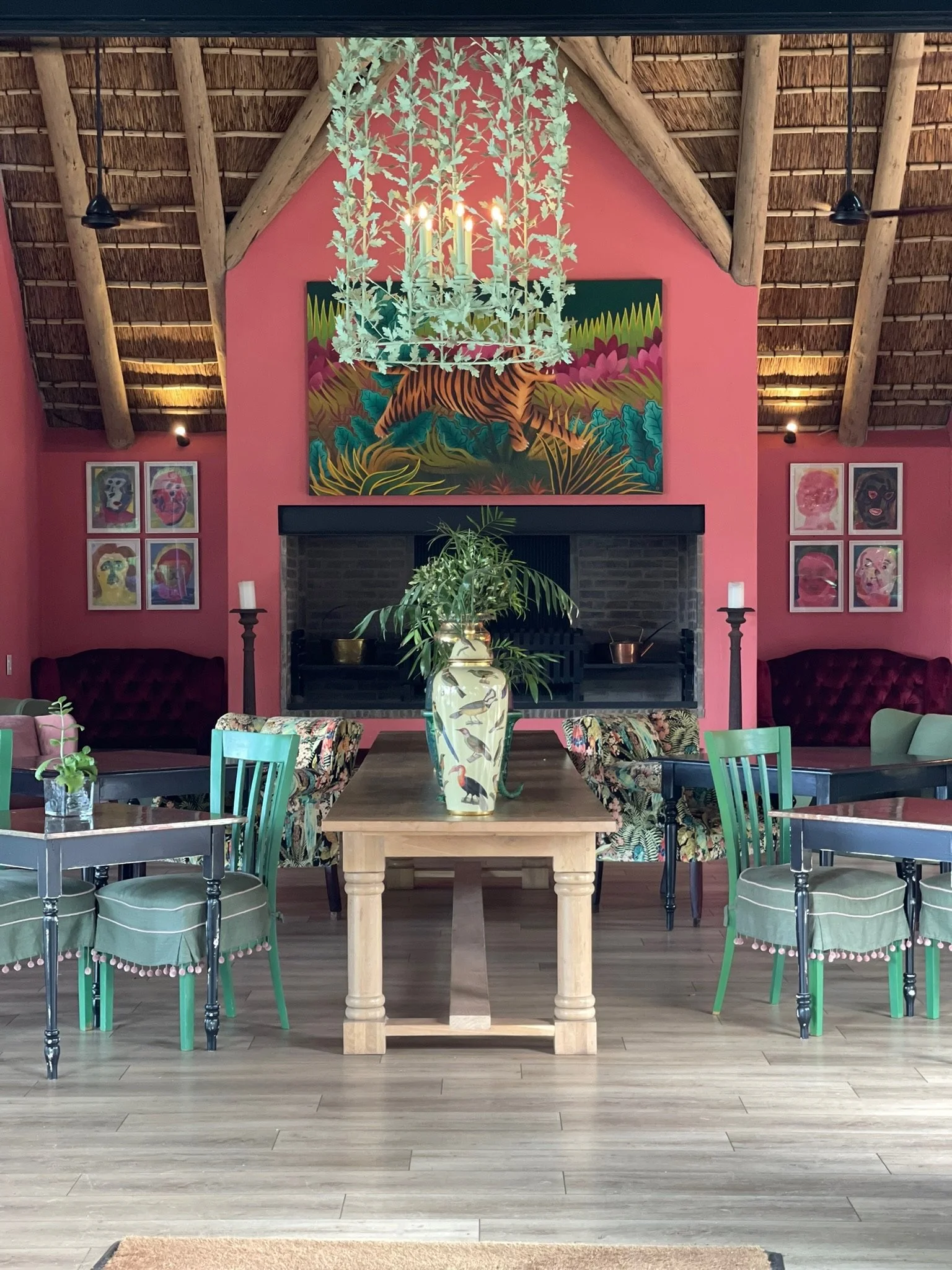
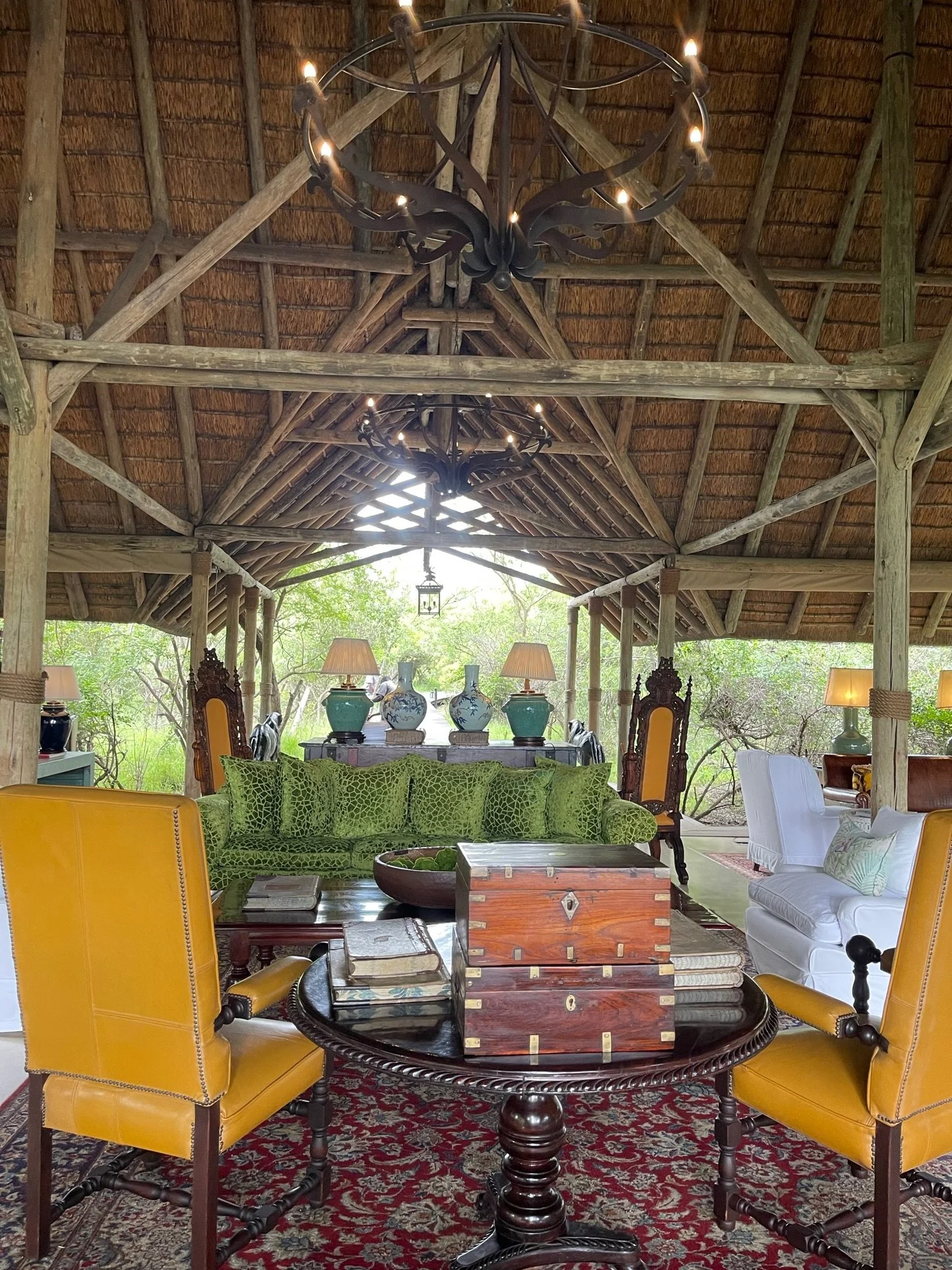
The best family safari lodges have quietly become some of the most thoughtful family properties in travel, full stop. A few details to look for, and a few properties doing it especially well:
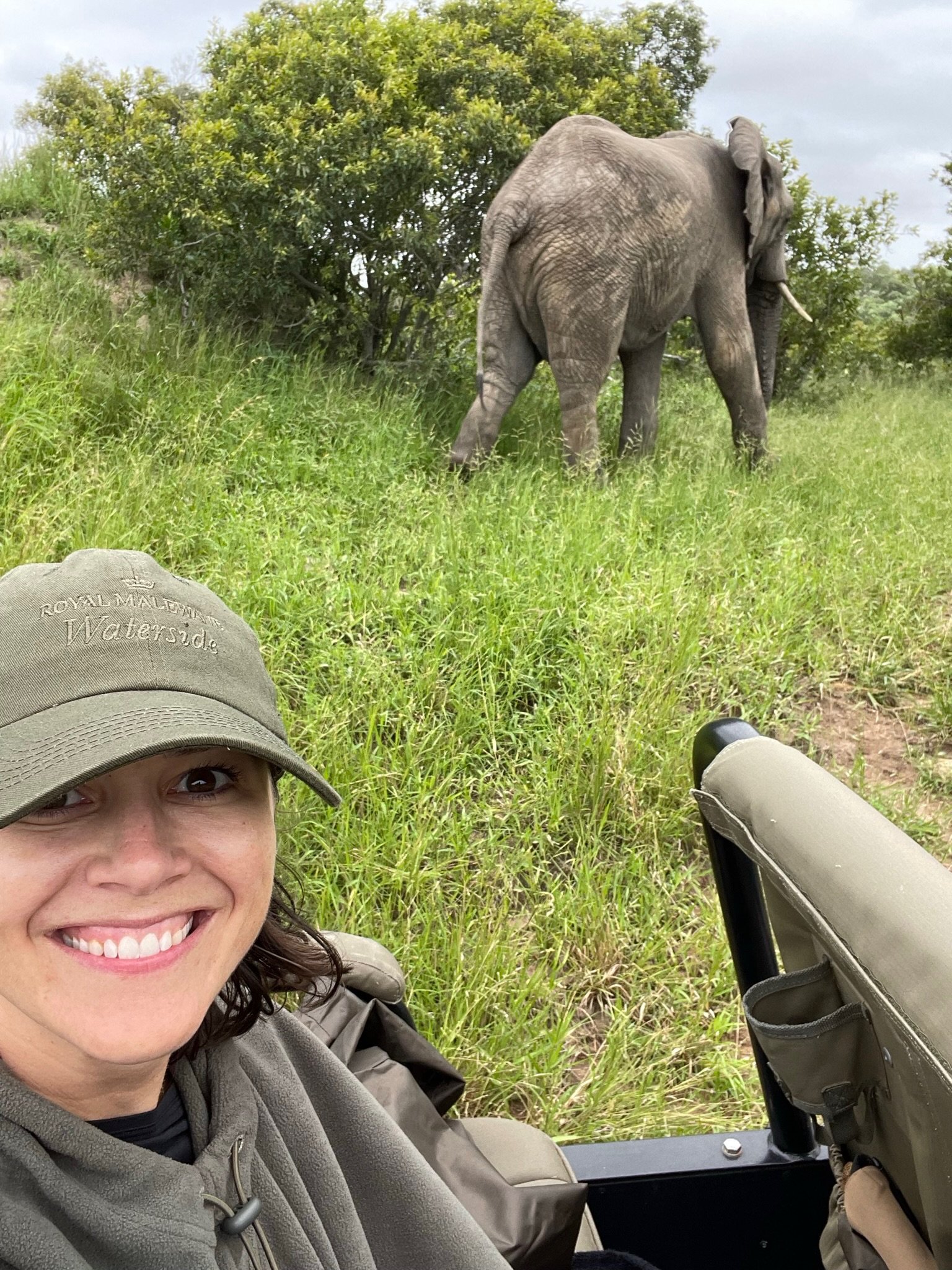
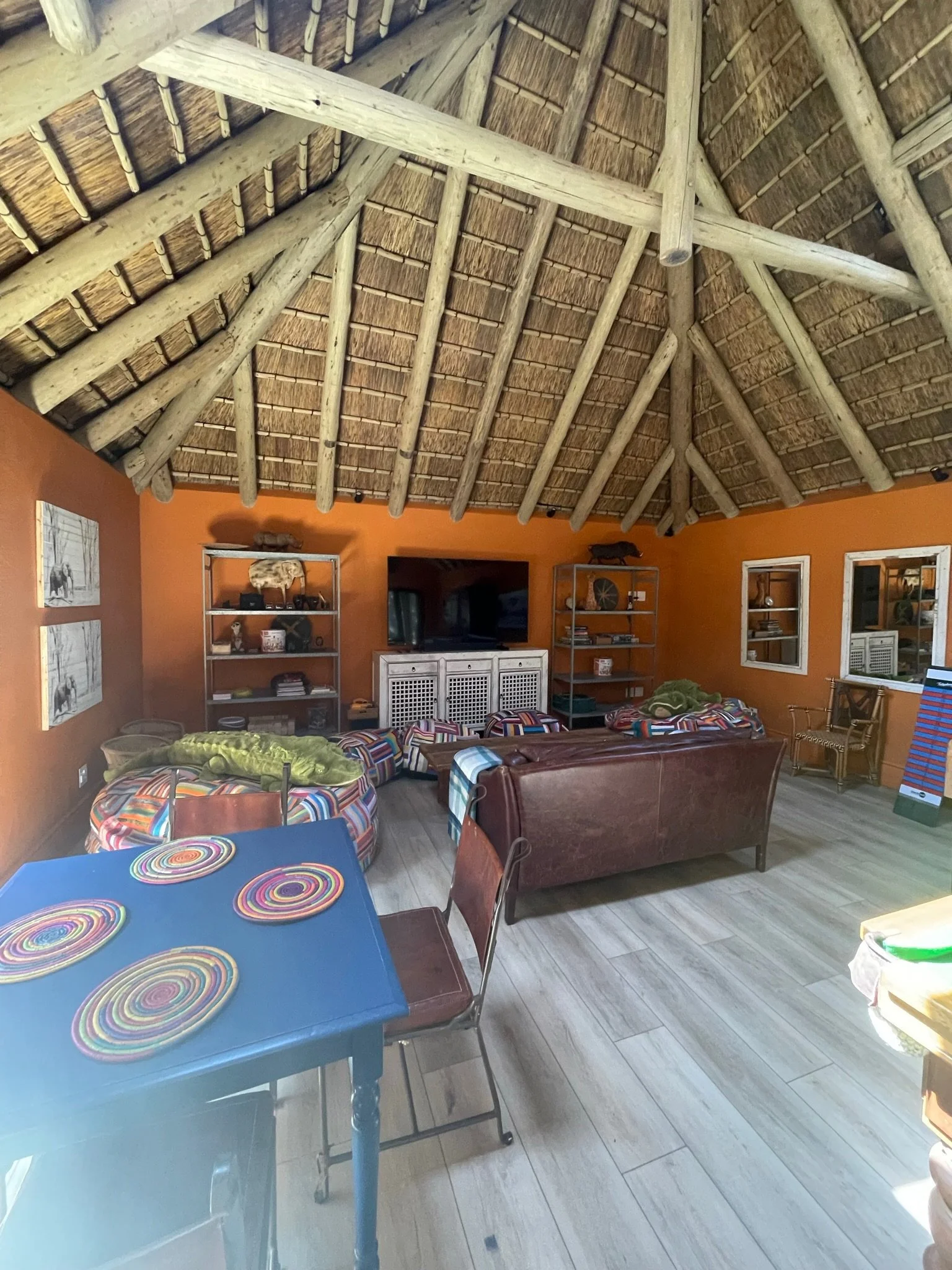
Private vehicles and flexible schedules. Many family suites and villas include a dedicated guide, tracker, and vehicle for the group, so there's no need to share a drive with strangers or wake a toddler for a 6 a.m. departure. Royal Malewane, in South Africa's Thornybush Private Game Reserve, is a strong example. Its family villas, including Waterside House, Africa House, and the Farmhouse, welcome children of all ages with a private vehicle included, even though the standard lodge suites hold a 10-year minimum. Waterside also has its own games room with a climbing wall and a pizza oven, giving kids a reason to look forward to downtime as much as the drives.
Nannies and kids' clubs, done properly. On-call babysitting means parents can take a sunset drive alone while the kids stay back with a game night. Royal Malewane's Royal Rangers and Junior Rangers programs send younger kids out with a bush backpack and older kids into proper tracking lessons. At Cheetah Plains in the Sabi Sand Reserve, an entirely solar-powered, exclusive-use property with electric game-viewing vehicles, the children's program pairs conservation education with hands-on bush activities, and child-minding is available throughout the stay. Near Victoria Falls, the Anantara Stanley & Livingstone runs its Mack & Madi program, which includes everything from a guided falls walk for kids as young as three to an evening of burgers and a movie back at the lodge.
Multi-bedroom villas built for families, not just couples. Exclusive-use houses with several bedrooms, some with bunk rooms for the kids, let extended families book one property instead of scattering across several rooms. This is increasingly the default at top family lodges rather than the exception.
Fenced camps, for parents who want it. Not every safari lodge is fenced, and for good reason: many private reserves leave camps open to keep the bush experience authentic. But fenced properties exist specifically for families who want their children to be able to walk between the pool and the lodge without an adult on high alert every second. Reserves built with young families in mind, including several in Madikwe and the Eastern Cape, tend to offer this as a standard feature.
When to Go
There's no single "best" time for a family safari trip. It really comes down to what the family wants to see, the same way picking a hotel location depends on whether you want a beach, mountains, or a city center.
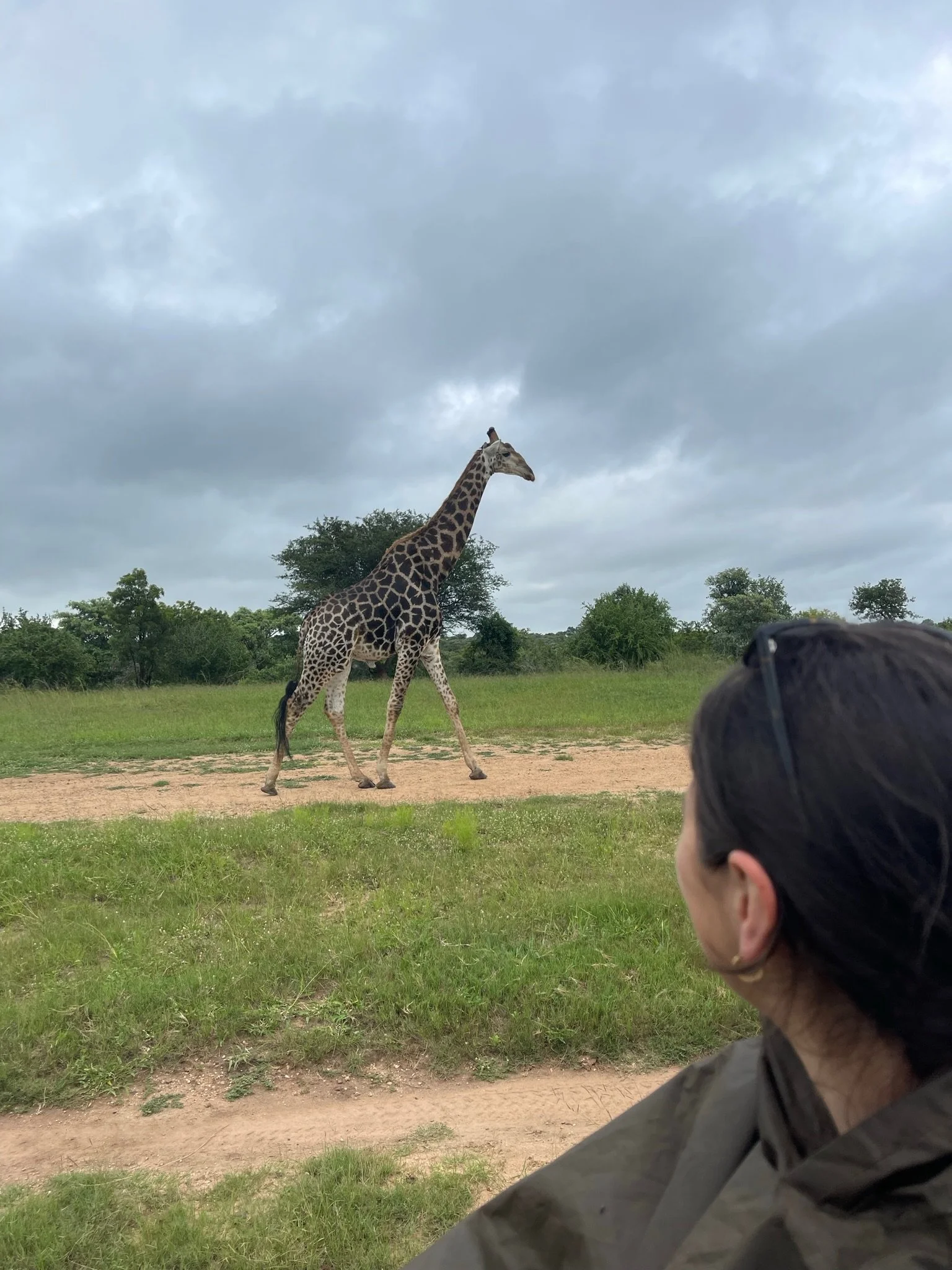
Dry season, roughly May through October, is when the bush thins out and animals gather around the shrinking number of water sources, which is why it's often considered the easiest stretch for spotting wildlife. Within that window, July through September is peak season across Southern and East Africa, and in Kenya and Tanzania specifically, it's when the Great Migration's river crossings tend to happen in the Masai Mara and Serengeti.
The trade-off is what South Africa's green season brings instead: it starts with the spring, when antelope like impala and wildebeest give birth in large numbers, and runs through the summer months, bringing lush scenery and some of the best birding of the year as migratory species join the resident population. The bush is thicker, so sightings take a bit more patience, but for families hoping to catch newborn impala or a nursery herd, this is the season for it, and it doubles as a great summer travel destination, pairing safari with Cape Town's high season.
Getting There (and Recovering Once You Land)
Connectivity from the US has improved considerably. United and Delta both fly nonstop from the New York and Atlanta areas to Johannesburg, a flight of roughly 15 hours, and Kenya Airways runs a daily nonstop from JFK to Nairobi in about 14 hours.
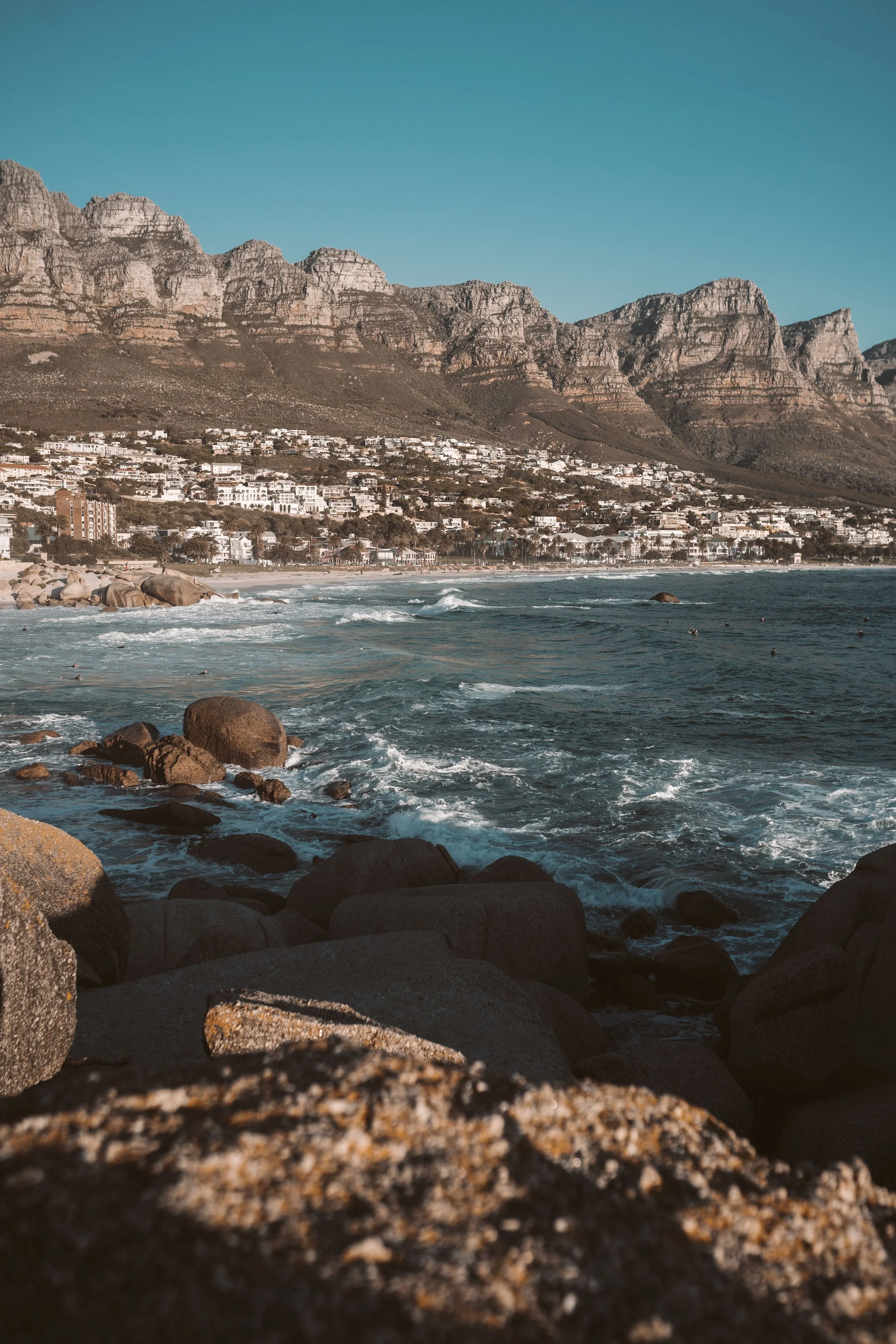
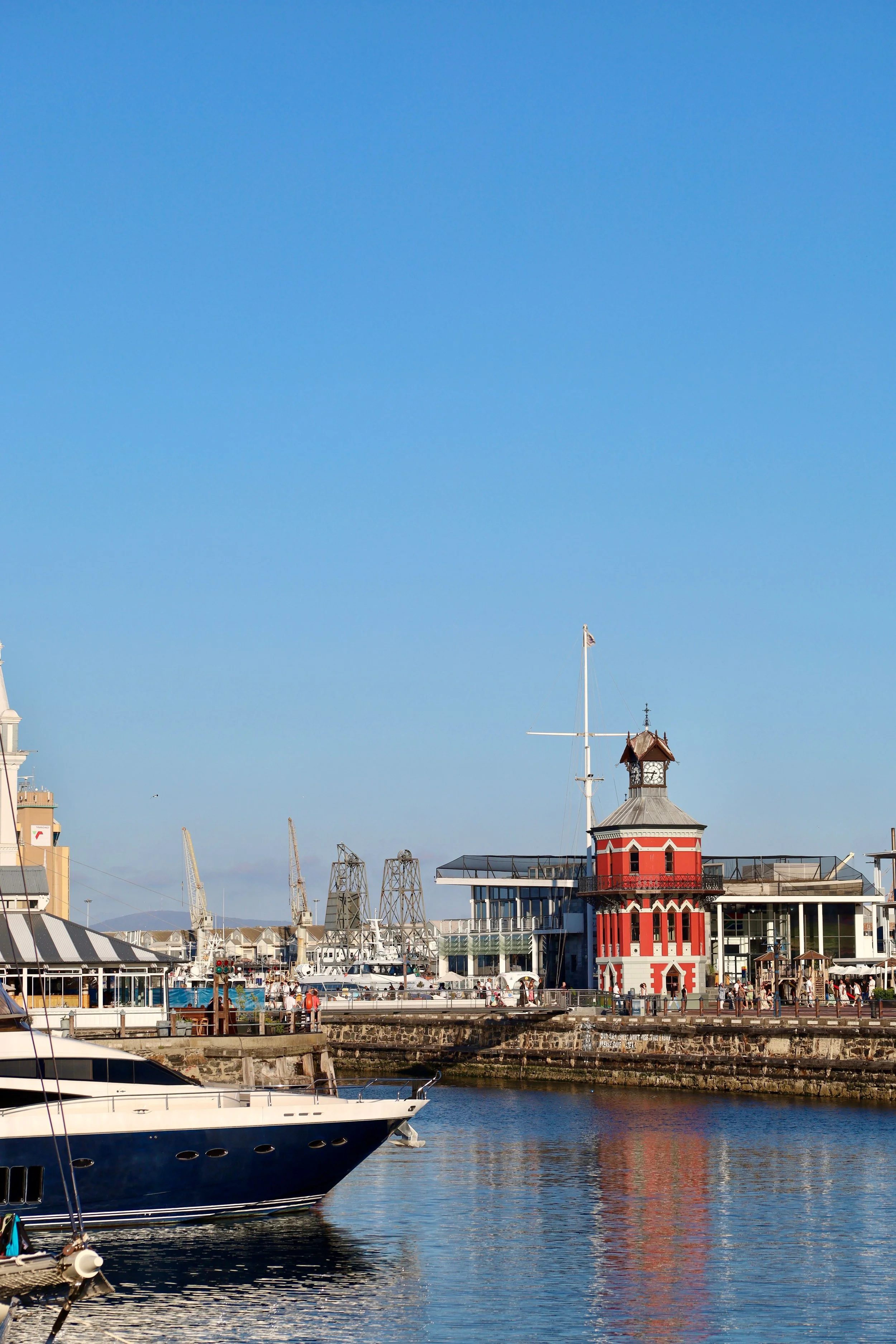
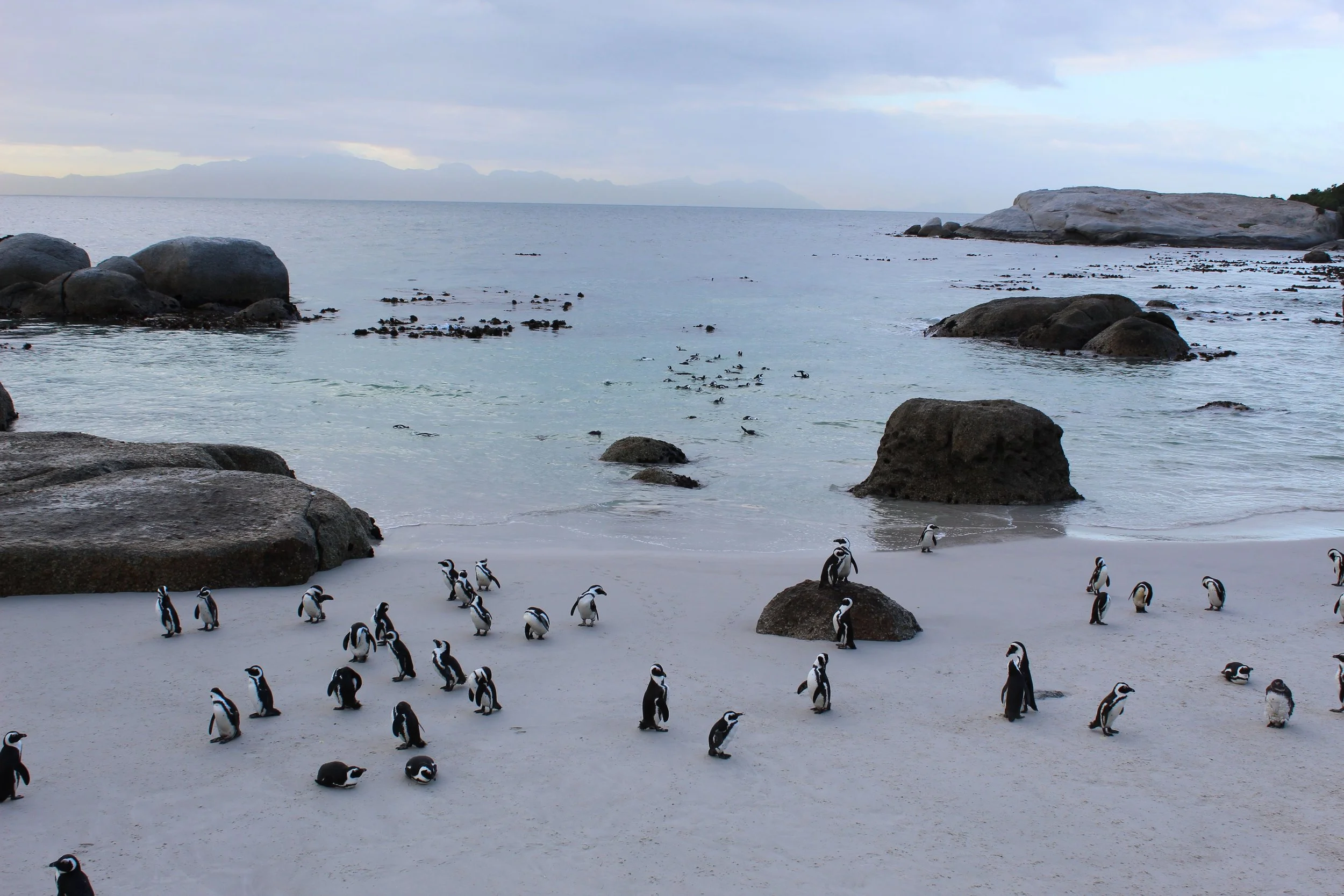
Even with the improved routes, that's a long flight for young children, which is exactly why so many family itineraries open in Cape Town rather than heading straight into the bush. A couple of days at a family-friendly hotel, with Table Mountain, the penguins at Boulders Beach, and the V&A Waterfront to explore, gives everyone time to adjust before the early wake-up calls of safari life begin.
The KJ Travel Take
A family safari should never feel like an adult trip that just happens to have kids along for the ride. Building the itinerary around the family means shaping the details to the ages in the group, not the other way around.
For younger kids, that might mean a malaria-free reserve in South Africa, onsite nannies, a fenced family lodge, and a private game vehicle. For older kids, it might mean ranger programs, animal checklists, and guides who know how to hold their attention. For teenagers, it could mean the waterways of Botswana, or finally being old enough to trek mountain gorillas in Rwanda.
That kind of planning is exactly where KJ Travel comes in: matching the right reserve to the right age group, confirming lodge policies before anything gets booked, and handling everything in between.
Get in touch with a KJ Travel advisor and start planning the family's biggest adventure yet.
FAQs: Traveling to Africa With Kids
Do you need a visa to bring kids to South Africa? US citizens, including children, do not need a visa for tourist stays in South Africa of up to 90 days, and a passport is all that's required if both parents are traveling together. If a child is traveling with just one parent, South African immigration typically asks for the child's birth certificate plus a signed consent letter from the parent staying behind. It's a small extra step, but worth building into the packing checklist early.
Is a safari safe for young children? Yes, when the lodge is chosen with their age in mind. Private reserves take child safety seriously, with safety briefings, high staff-to-guest ratios, and, at many family-focused properties, fenced camps and pools with extra supervision built into the daily schedule.
What's the best country in Africa for a first family safari? South Africa is usually the easiest starting point, thanks to its malaria-free reserves, strong flight connections, and the largest concentration of family-built luxury lodges on the continent.
Can babies go on safari? Some malaria-free, family-designed lodges welcome children of any age, including infants, especially in private-vehicle villa setups. Very young children typically won't join game drives themselves, but many properties offer in-room childcare so parents can still get out for a drive.
How long should a family safari be? Most luxury operators recommend at least a week to 10 days for a first trip, enough time for a few nights on safari plus a city or coastal stay to bookend the long flights.
Is gorilla trekking an option for a family trip? Only for family members 15 and older, due to a strict, universally enforced age minimum across Rwanda, Uganda, and the Democratic Republic of Congo. Families traveling with younger children can still base themselves near the parks and enjoy other activities together.