The Dolomites: A Luxury Escape for Every Season

Quick Take

  • The Dolomites are a UNESCO World Heritage mountain range in northern Italy, spanning South Tyrol, Trentino, and Veneto, with 18 peaks over 3,000 meters.

  • It has a genuinely different character in every season: skiing and gourmet mountain lunches in winter, hiking and cycling in summer, and a quieter, arguably more atmospheric window in early autumn.

  • It is not, however, open at full capacity every week of the year. Many five-star hotels and lifts close for a few weeks each spring (roughly April into May) and autumn (October into early December), so exact dates matter.

  • Standout luxury bases include Aman Rosa Alpina and La Perla in Alta Badia, Gardena Grödnerhof in Val Gardena, COMO Alpina Dolomites on the Alpe di Siusi plateau, and Ancora Cortina in Cortina d'Ampezzo, with Mandarin Oriental's first alpine resort now scheduled to open in Cortina in early 2027.

  • South Tyrol is one of Italy's most Michelin-dense regions: 21 starred restaurants and 25 stars total in the 2026 Guide.

UNESCO has described the Dolomites as among the most beautiful mountain landscapes in the world. And the appeal goes beyond the scenery, the Dolomites has a combination of: amazing luxury hotels, a great dining scene, real wellness culture, and a landscape that looks completely different depending on the month.

On her recent stay with her family, KJ Travel advisor Melissa saw this firsthand. She found the Dolomites feel like a different side of Italy than most repeat visitors know, with Austrian, German, and Ladin influences alongside the Italian ones.

Different in Every Season

The Dolomites earn their reputation as a year-round destination in the truest sense: each season brings a full, distinct experience rather than a lesser version of the one before it. Winter means skiing and lunch on snow-covered terraces at the rifugi. Summer brings wildflower meadows, hiking, and cycling. Early autumn, arguably the best-kept secret of the four, brings quiet trails, crisp air, and the region's harvest cuisine, along with the "enrosadira," the local Ladin term for the way the pale rock faces glow pink and red at sunset.

What the Dolomites are not is a destination that runs at full capacity every single week of the year. During the shoulder windows, roughly April into May and October into early December, a number of five-star hotels, mountain huts, and lifts close for a few weeks between seasons. Aman Rosa Alpina in San Cassiano, for example, typically closes from mid-October to early December before reopening for ski season. Ancora Cortina follows a similar pattern, with spring and autumn closures of its own. Melissa saw this firsthand in her early June family trip: trails, parking, and attractions were noticeably quieter than they'd be later in the summer, but some boutiques and restaurants in Cortina were still ramping up for the season. Her takeaway is that early June rewards travelers who prioritize quiet hiking over a full resort-town atmosphere.

None of this makes the destination less appealing. It just means the calendar deserves as much attention as the hotel list, which is one of the many details where planning with a travel advisor pays off.

Winter: Skiing With a Side of Gourmet Culture

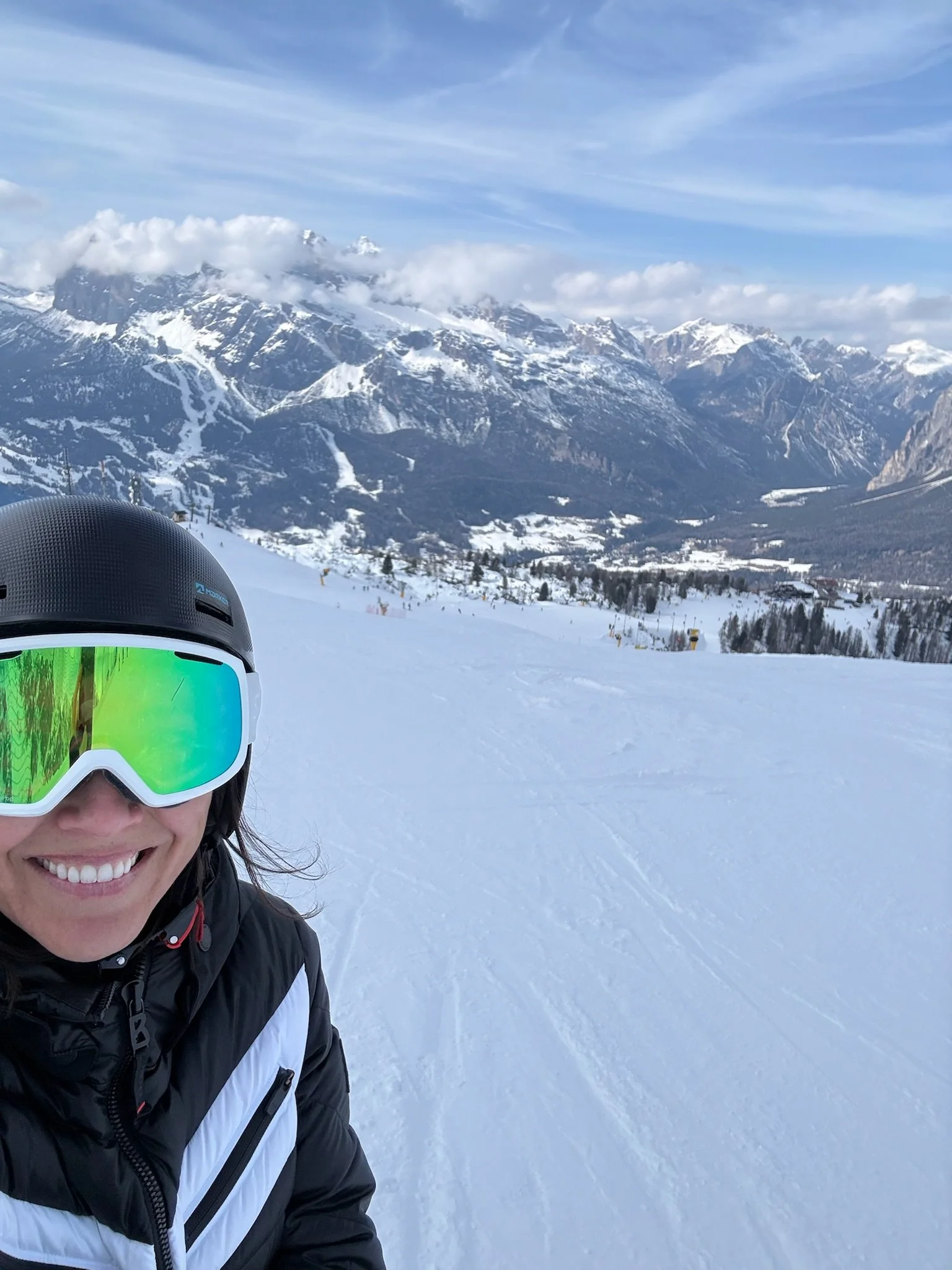
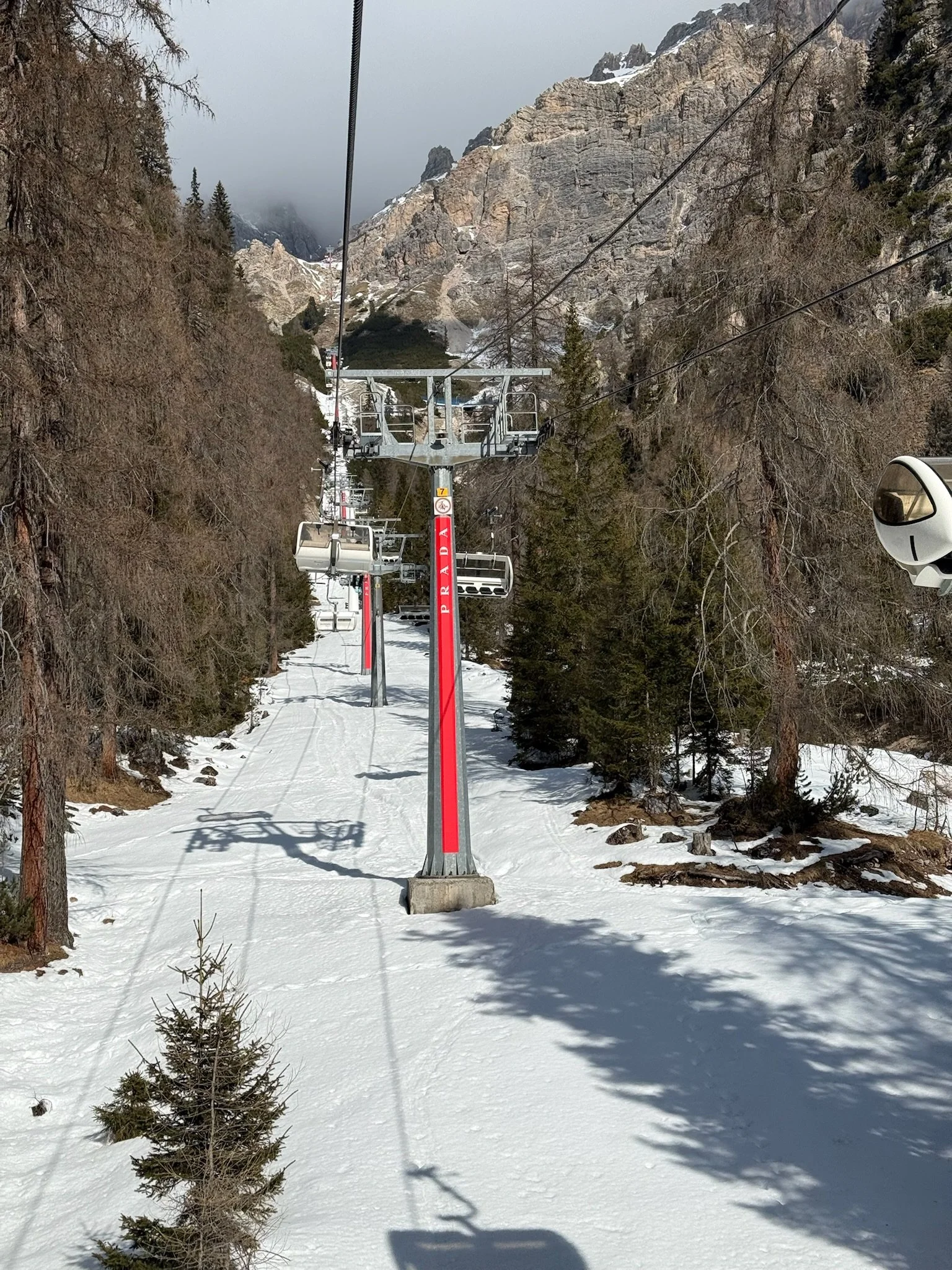
Winter is still the Dolomites' signature season, and for good reason. The Dolomiti Superski network connects 12 ski areas across roughly 1,200 kilometers of slopes and 450 lifts, all on a single pass, making it the largest interconnected ski area in the world.

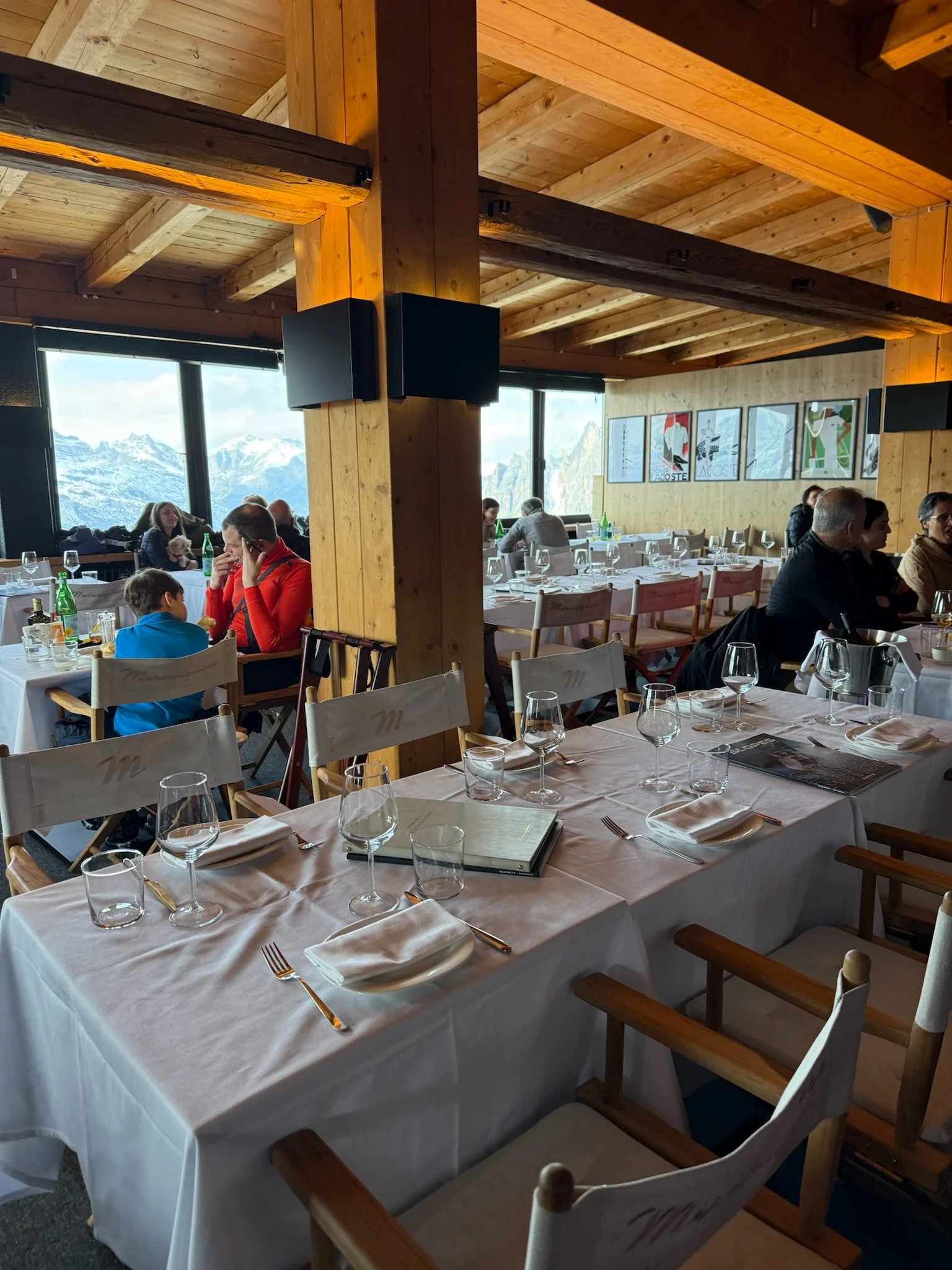
The luxury version of a Dolomites ski day looks different from a typical Alpine one, though. Alta Badia has built its identity around what its tourism board calls "gourmet skiing": chefs create dishes for mountain huts along the slopes, and entire days are built around a proper lunch rather than maximizing vertical feet. A well-planned day might run: a private instructor for a few runs on the Sellaronda circuit, a stop at a mountain hut for lunch, an easy ski home, then a spa afternoon and dinner. It's less about conquering the mountain and more about enjoying it properly.

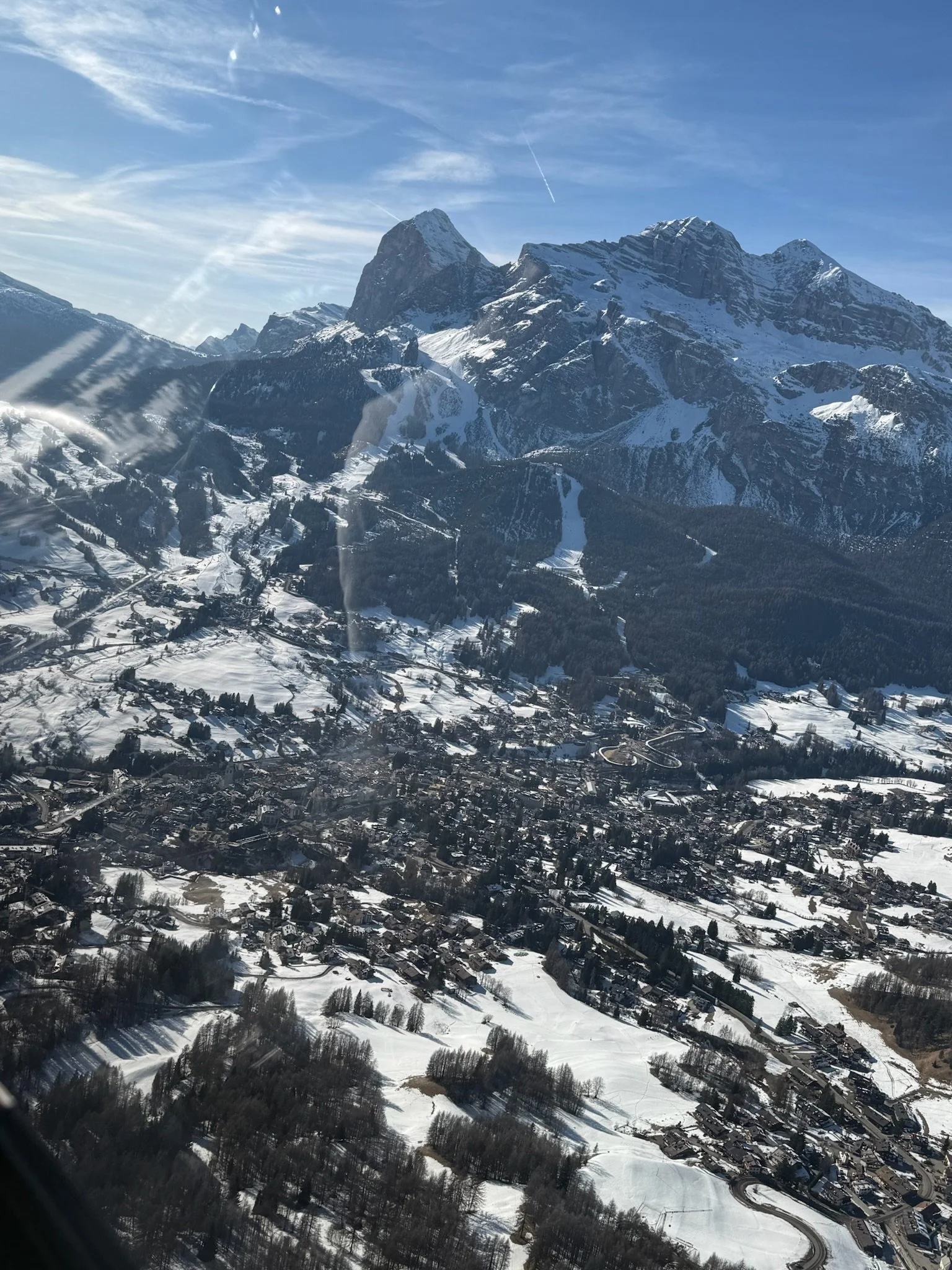
Cortina d'Ampezzo, one of Italy's glamorous mountain towns, offers a different personality entirely: 120 kilometers of local slopes plus a genuine town, with boutiques, restaurants, and an evening scene once the lifts close. That makes it a strong option for couples or families where not everyone wants to ski from first lift to last.
Summer and Early Autumn: The Season Still Underestimated

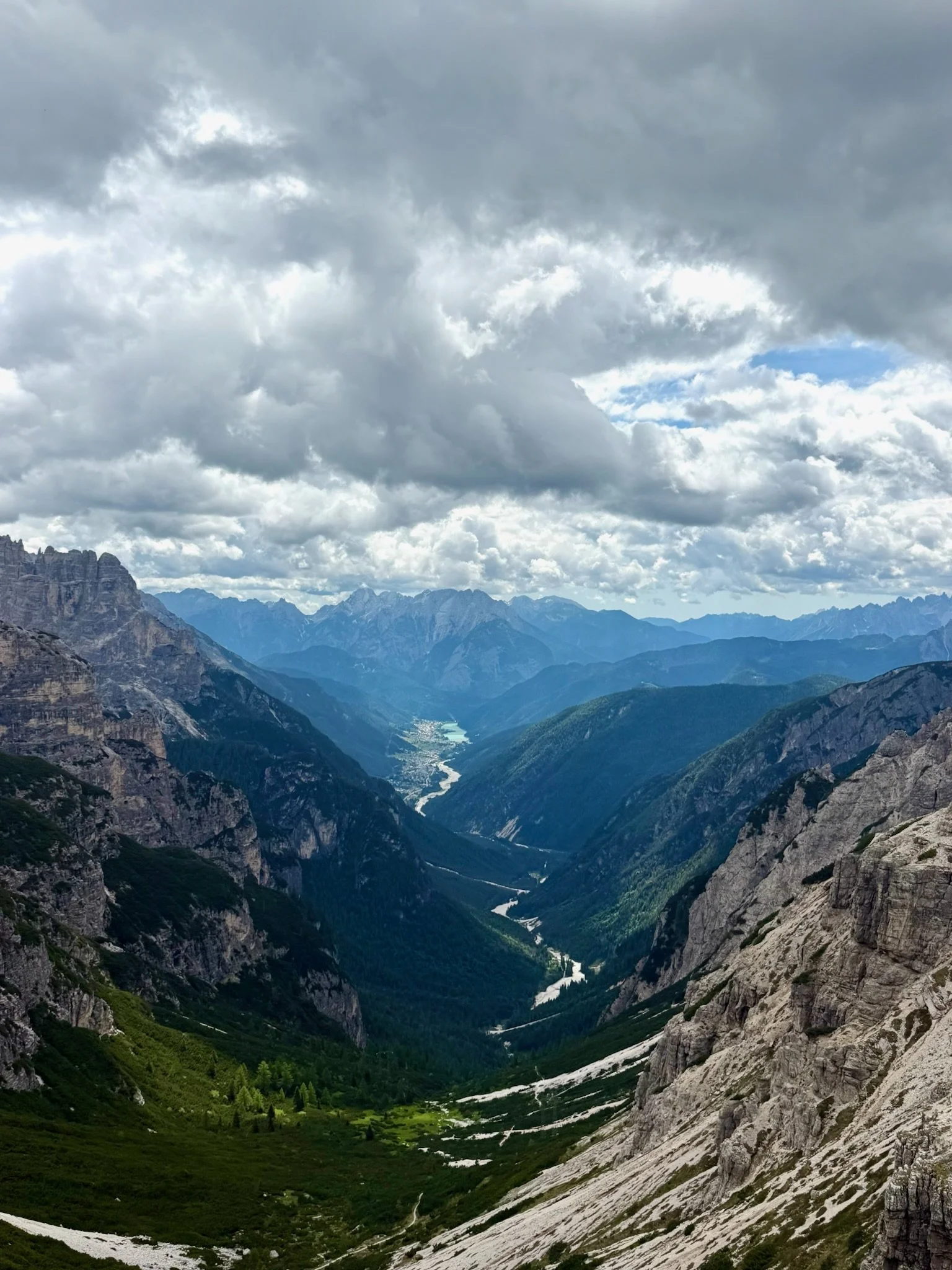
Once the snow melts, the Dolomites don't become a lesser version of themselves. They become an entirely different destination. Val Gardena alone maintains a trail network running into the hundreds of kilometers, and the wider region offers everything from gentle valley walks to multi-day, hut-to-hut routes.

The activity list is long: private guided hikes along dramatic ridgelines like Seceda, e-bike routes through alpine valleys, via ferrata with a certified mountain guide, horseback riding, golf and tennis around Cortina, and lunches at rifugi (mountain huts) reachable only on foot or by lift. On Melissa's trip, guides consistently flagged that crowds build sharply from mid-June into July at the region's best-known sights, worth building into any itinerary planned around peak summer dates.

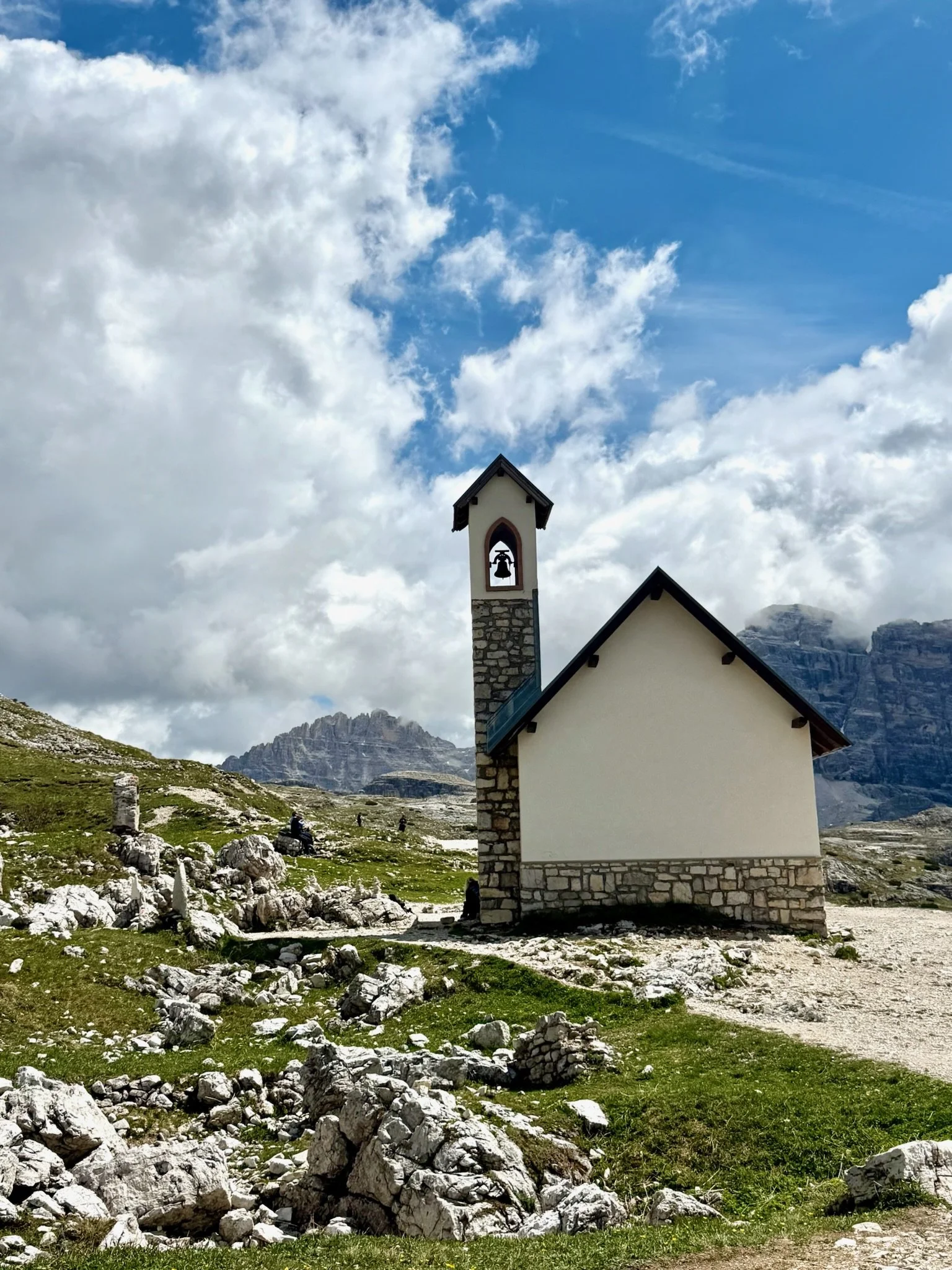
Tre Cime di Lavaredo was, for Melissa, one of the standout hikes of the trip: otherworldly scenery she'd put on any not-to-miss list. The via ferrata outing ranked among the most memorable family activities of the week. A strong guide made the difference, and clipping in together as a family, working through the route and encouraging one another along the way, created a real sense of shared accomplishment, especially with teenagers along for it.
The rifugi lived up to their reputation, too. Melissa found that pairing a hike with a proper mountain lunch, rather than treating the meal as something to rush through before heading back to the hotel, is a big part of what makes summer in the Dolomites feel genuinely luxurious rather than simply active.

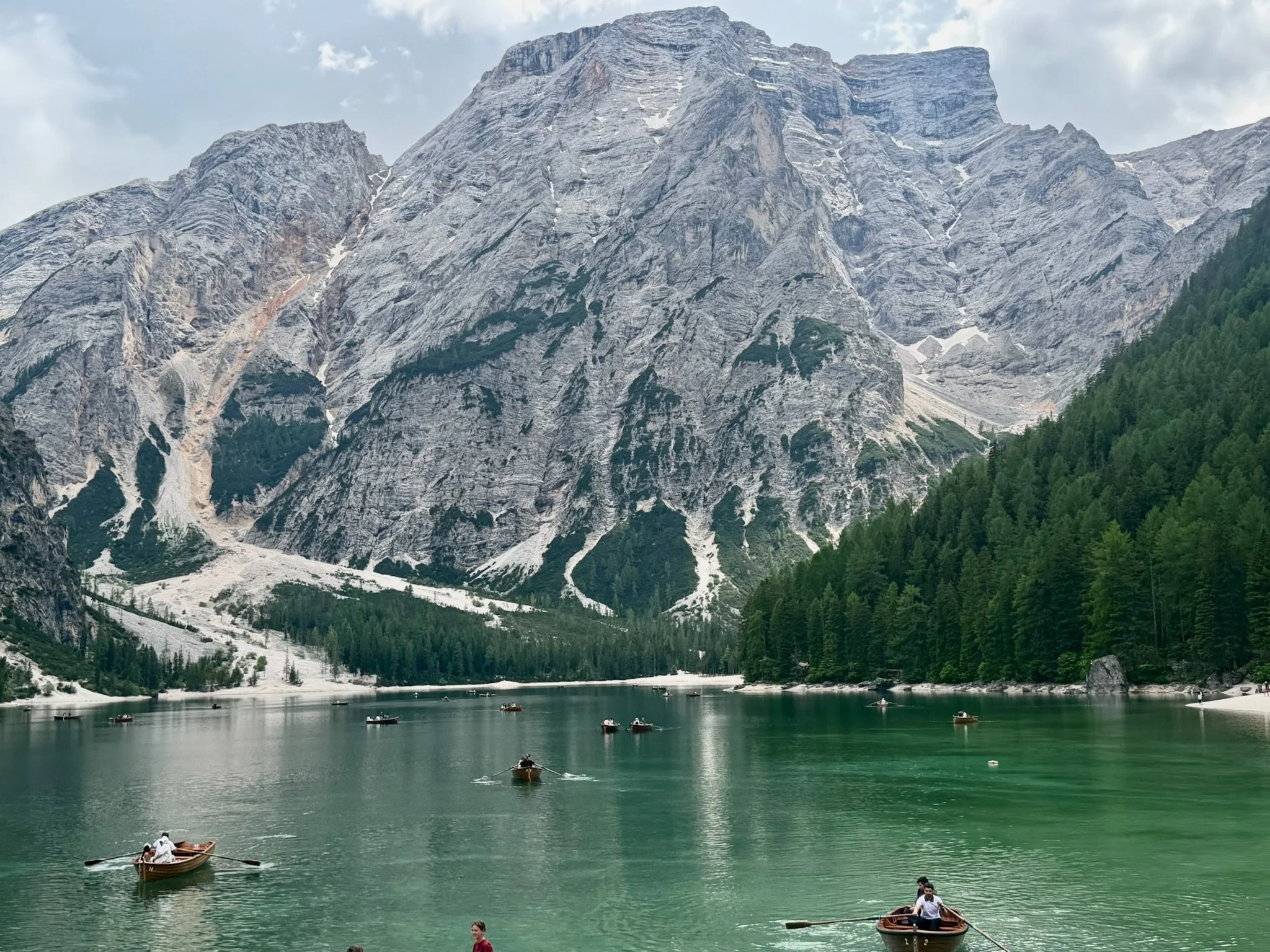
Lago di Braies deserves its own mention. Melissa described rowing one of the lake's traditional wooden boats in the early evening as one of the simplest, best moments of the trip, and during an early-June visit, access and parking were easy. Her advice for clients staying in Cortina, where the lake is roughly an hour away: the boat ride itself is short, so during the busiest weeks it's worth discussing timing with your travel advisor to decide whether an early or later visit makes more sense, rather than assuming a midday trip will be worth the drive.

Those kinds of details matter for a specific kind of traveler: multigenerational families and mixed-ability groups. One person can tackle a hike while another spends the morning at the spa, takes a scenic lift up, and meets everyone for lunch. Few mountain destinations offer that much flexibility without anyone feeling like they compromised.
Where to Stay: Four Very Different Bases

The Dolomites aren't one destination but several, and the valley matters as much as the hotel.

Alta Badia (San Cassiano and Corvara) suits a traveler who wants food, beautiful hotels, and sophisticated skiing or hiking in equal measure. Aman Rosa Alpina in San Cassiano reopened in July 2025 as a full Aman property following an extensive renovation: 51 rooms and suites, an expansive Aman Spa, and ski-butler service to the Piz Sorega lift. A few minutes away in Corvara, Hotel La Perla takes a different approach: deeply rooted in Ladin culture, home to a great wine cellar, and a member of Leading Hotels of the World, with its restaurant, La Stüa de Michil, holding a Michelin star.

Val Gardena (Ortisei and Selva) makes a strong first-time base thanks to its geography. From Ortisei, the Seceda ridgeline (2,519 meters) delivers one of the most photographed views in the range. Gardena Grödnerhof, a five-star Relais & Châteaux property, is one of the valley's most established addresses, and its restaurant, Anna Stuben, has held a Michelin star since 2025.

Alpe di Siusi is for a traveler who wants the mountain itself, not a resort town. COMO Alpina Dolomites sits directly on the plateau, pairing ski-in/ski-out winter access with COMO's Shambhala wellness philosophy and warm-season hiking, biking, and riding. It's the answer when someone wants breathtaking scenery and a great spa.

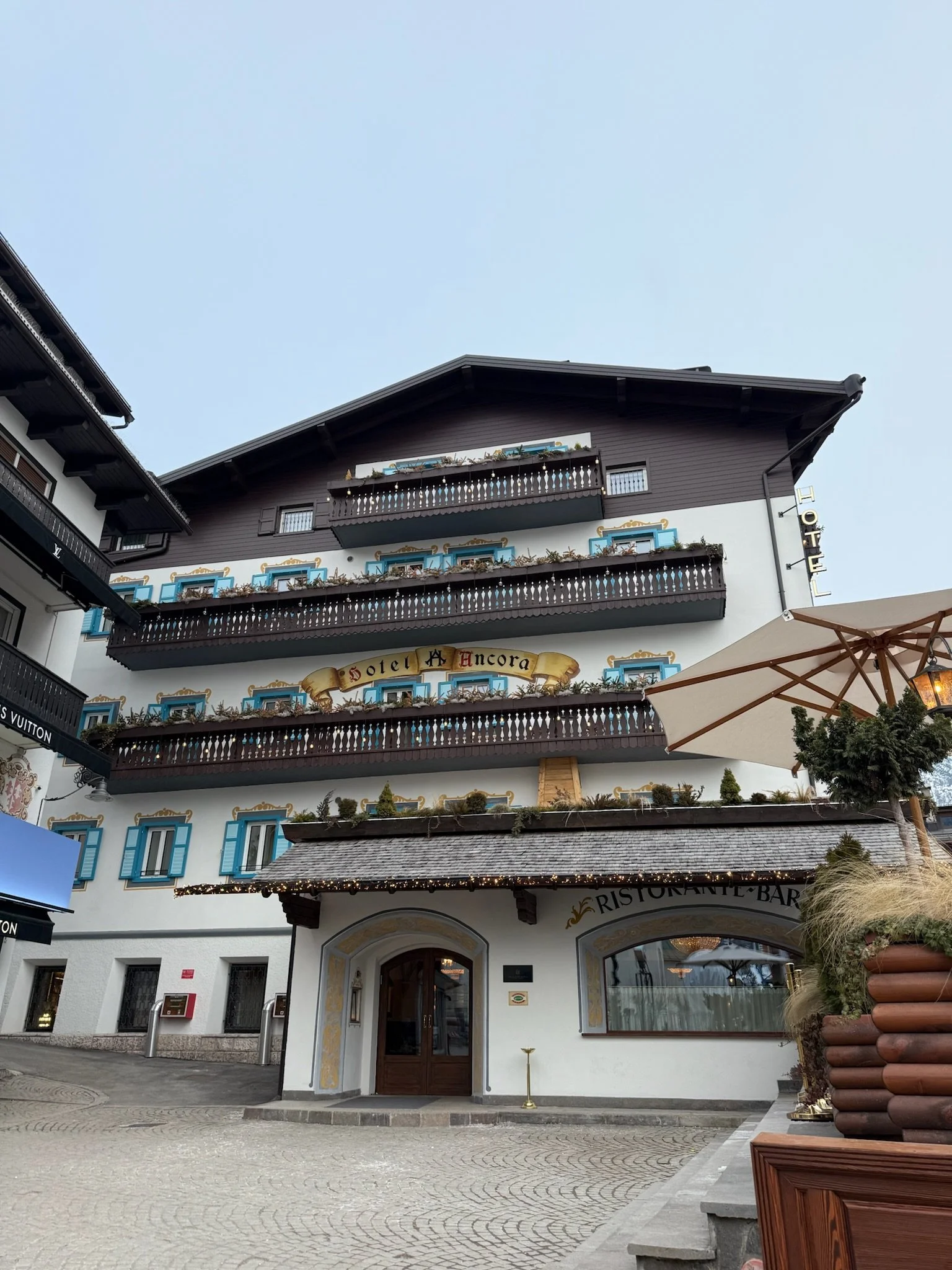
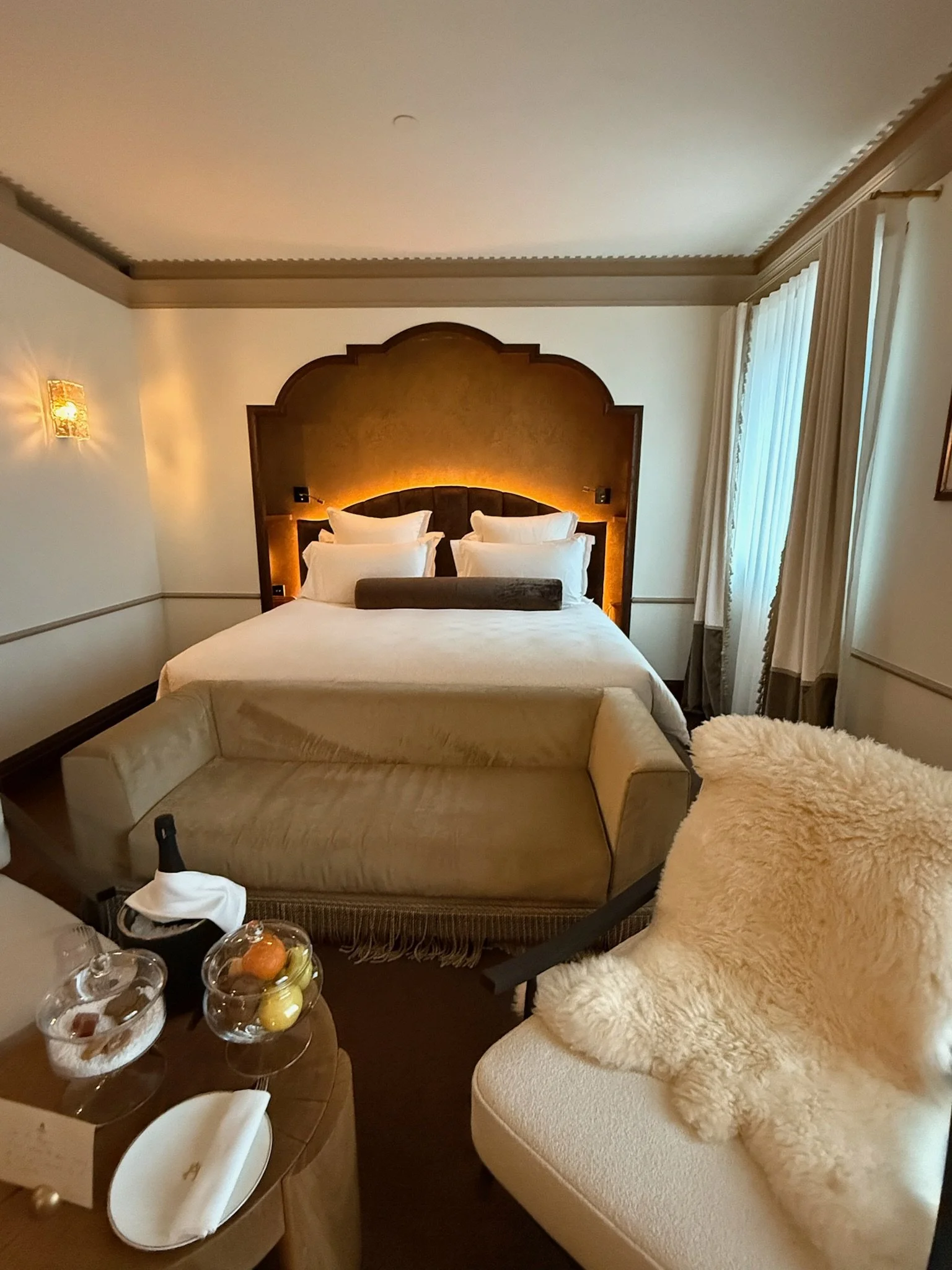
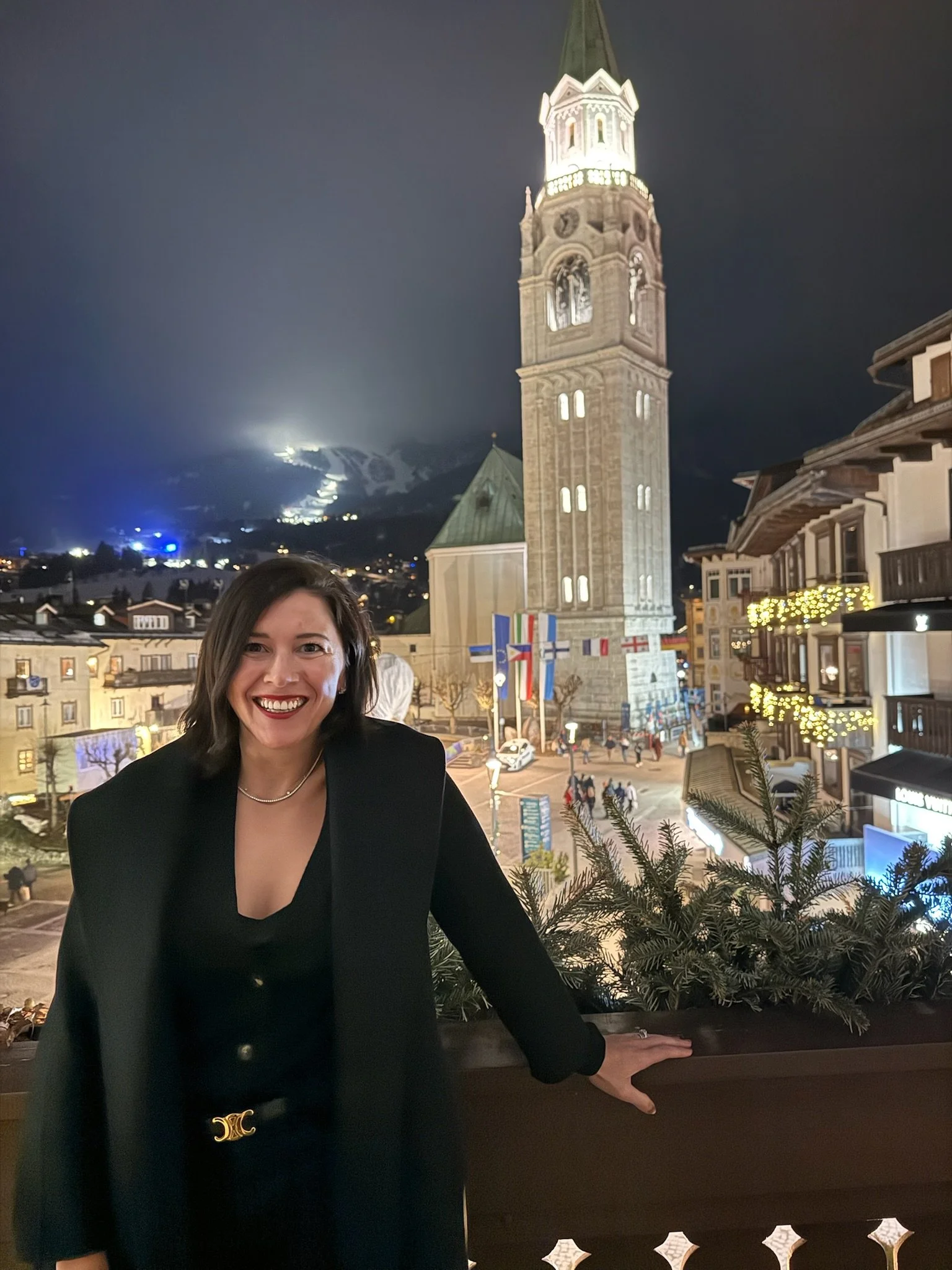
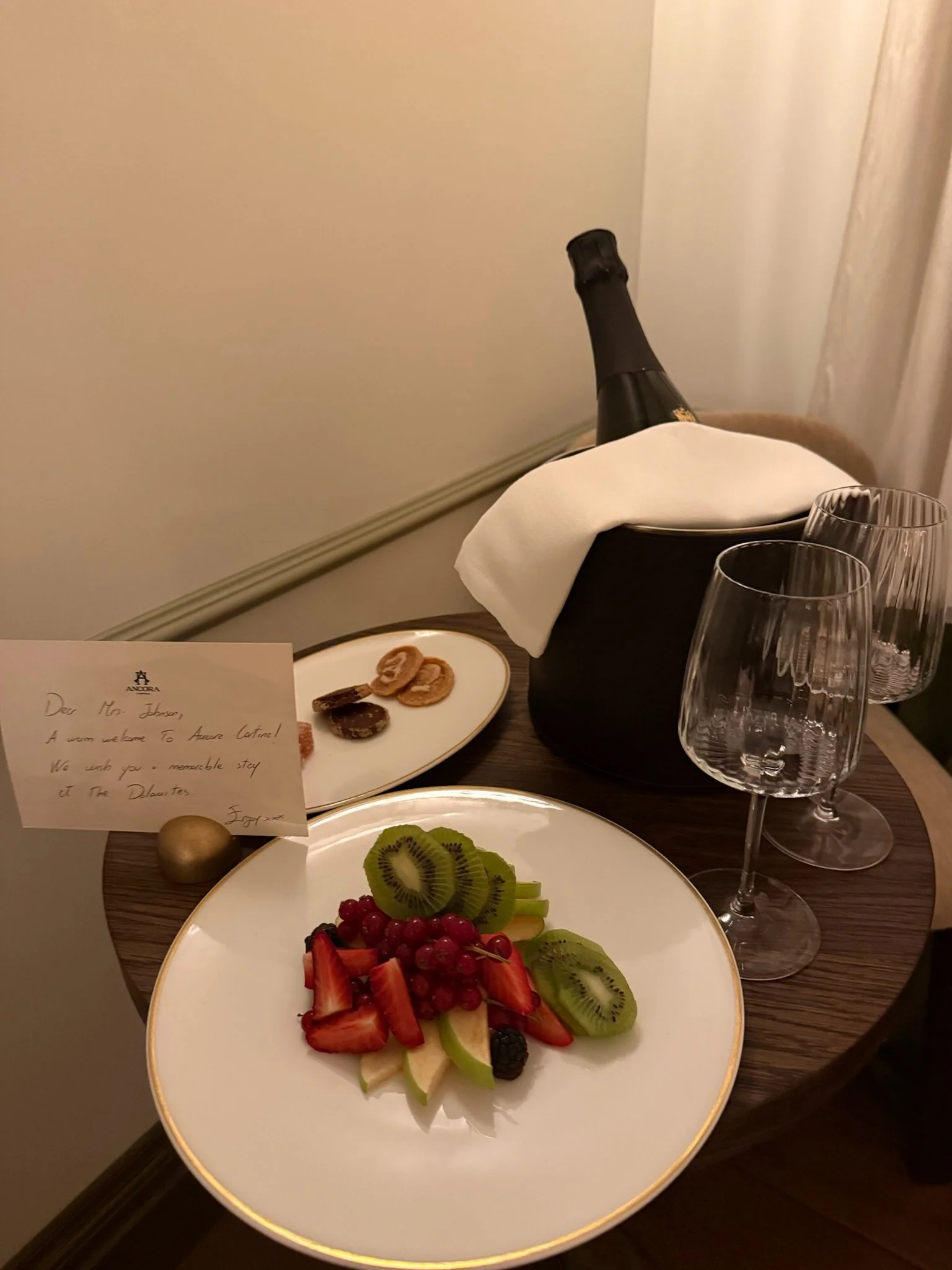
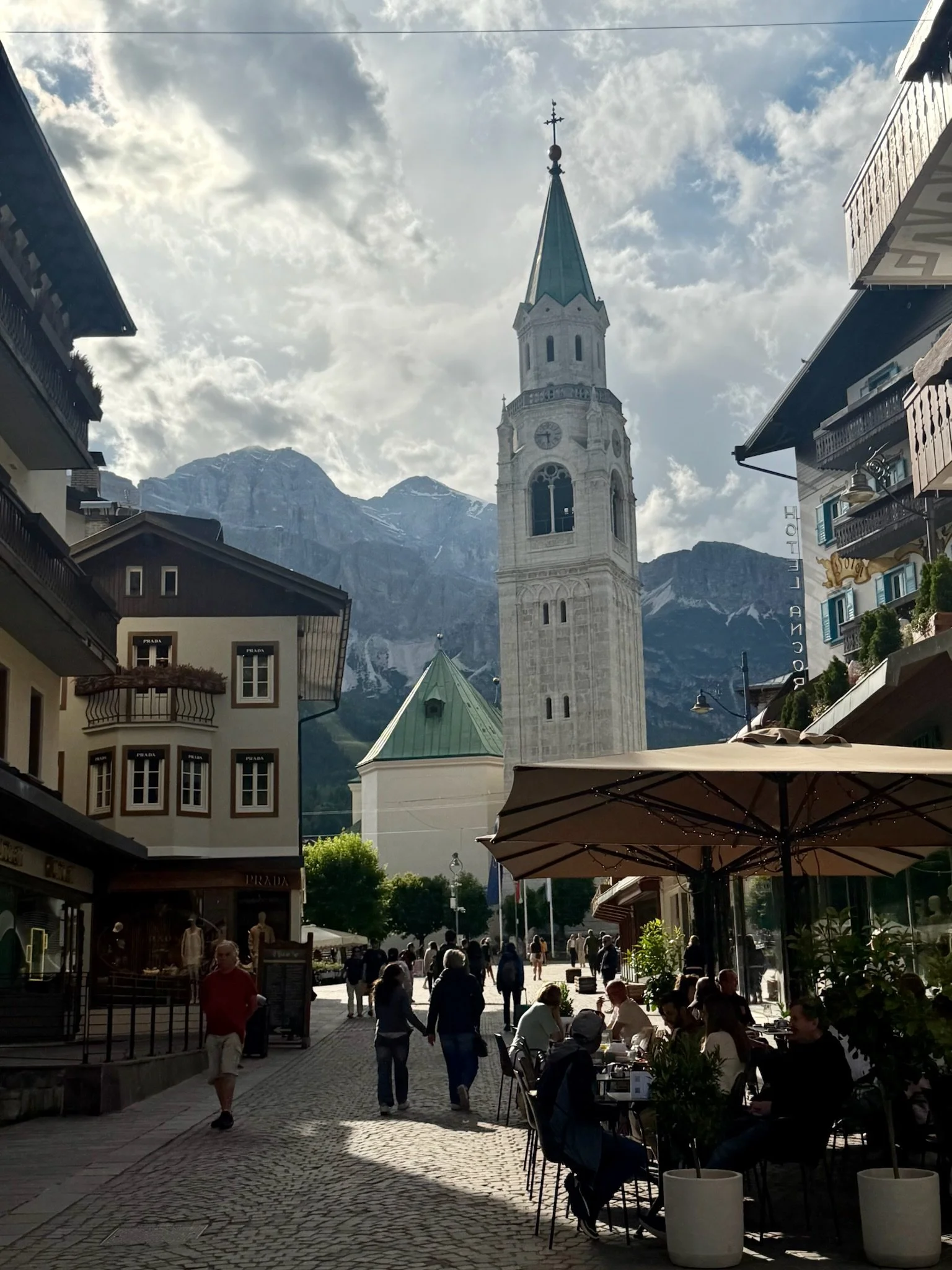
Cortina d'Ampezzo is the Dolomites for a traveler who still wants to feel like they're somewhere: boutiques, restaurants, and an evening out after a day on the mountain. The hotel scene here has moved fast. Ancora Cortina, an 1826 landmark on Corso Italia, reopened in 2025 under Aldo Melpignano's Egnazia hospitality group with 38 rooms and suites, a spa, and a private club. Melissa stayed there with her family and came away impressed: sophisticated interiors, excellent service throughout. She singled out the location as especially useful for families traveling with teenagers, who could walk into town on their own. Mandarin Oriental's first-ever alpine resort, Mandarin Oriental Cristallo, Cortina, is under construction nearby and now scheduled to open in early 2027, worth noting for anyone planning ahead rather than for this coming winter.

Melissa, who chose Cortina for a shorter family trip, sums up the trade-off well: a more secluded property wins on wellness, spa, and retreat atmosphere, while staying in Cortina itself wins on restaurants, shopping, and evening life within walking distance. 

The FOod scene Is a Destination in Itself

This may be the Dolomites' single biggest differentiator from other luxury mountain regions. The food sits at a genuine crossroads of Italian, Austrian, and Ladin traditions, so a week here can move from handmade pasta and refined Italian plates to speck, mountain cheese, and traditional dumplings.

The numbers back up the reputation: the 2026 Michelin Guide lists 21 starred restaurants across South Tyrol carrying 25 stars total, placing the region among Italy's most Michelin-dense. 

Melissa also counts a meal at SanBrite, a Michelin-starred, farm-to-table restaurant just outside Cortina, among the standout meals of her trip, and it's worth considering for any client based in or around town.

Getting There

There's no commercial airport inside the Dolomites. The three practical gateways are Venice Marco Polo Airport (best for Cortina and the eastern valleys, roughly two to two and a half hours by car), Innsbruck (closest by drive time to the northern and western valleys like Alta Badia and Val Gardena, though it typically requires a connection from the US), and Verona (best for western valleys like Val di Fassa, about two and a half to three hours). Private transfer is standard for this segment, and for good reason: the drive itself, particularly along mountain passes like the Pordoi and Falzarego, is part of the experience.

The KJ Travel Takeaway

The Dolomites reward a traveler willing to see them as more than a luxury ski destination: a UNESCO landscape, an increasingly luxury hotel scene, one of Italy's most concentrated culinary regions, and a completely different character depending on the month. Getting the season and the valley right, not just the hotel, is what separates a good Dolomites trip from a memorable one.

Melissa's own advice after her trip: don't underestimate how much time the region deserves. Between hiking, via ferrata, rifugi, lakes, villages, and hotels, ten days would go quickly, and she'd go back without hesitation.

Your Dolomites adventure is waiting! Get in touch with a KJ Travel advisor to start planning

FAQs about traveling to the Dolomites

Is the Dolomites open year-round for luxury travelers? It has a genuinely different, appealing character in every season, but not every hotel, restaurant, or lift runs 365 days a year. Many five-star properties close for a few weeks during the shoulder seasons, roughly April into May and October into early December, so it's worth confirming property-specific dates before booking a trip in those windows.

When is the best time to visit the Dolomites? Winter (December through March) is best for skiing and gourmet mountain culture. Summer (late June through September) is best for hiking, cycling, and wellness. Early autumn (September into early October) is a quieter, excellent alternative to summer. Late spring and late autumn are more limited, since many hotels and lifts close for seasonal transition.

What is Dolomiti Superski? Dolomiti Superski is a network of 12 ski areas across the Dolomites, connected by a single ski pass, covering roughly 1,200 kilometers of slopes and 450 lifts. It's the largest interconnected ski area in the world.

Where should luxury travelers stay in the Dolomites? It depends on the experience. Alta Badia (Aman Rosa Alpina, La Perla) suits travelers who want food and sophisticated skiing or hiking. Val Gardena (Gardena Grödnerhof) suits first-time visitors who want an iconic base with a real town nearby. Alpe di Siusi (COMO Alpina Dolomites) suits a quieter, wellness-focused stay. Cortina d'Ampezzo (Ancora Cortina, and Mandarin Oriental Cristallo from 2027) suits travelers who want boutiques and an evening scene alongside the mountains.

Is the Dolomites good for families or multigenerational trips? Yes, particularly in summer. The range of activity levels, from gentle valley walks and scenic lifts to serious via ferrata and multi-hour hikes, means a group can split up during the day by ability and reconvene for lunch, which works well for mixed-ability or multigenerational travelers.
Italy's Most Glamorous Mountain Town: Cortina d'Ampezzo

Cortina d'Ampezzo is one of Italy's most iconic luxury ski destinations, known for dramatic Dolomite scenery, elegant hotels, and a ski culture that blends sport with style. Located in the UNESCO-recognized Dolomites, Cortina offers three distinct ski areas in winter, world-class hiking and alpine experiences in summer, refined mountain dining year-round, and one of the most glamorous town centers in the Alps.

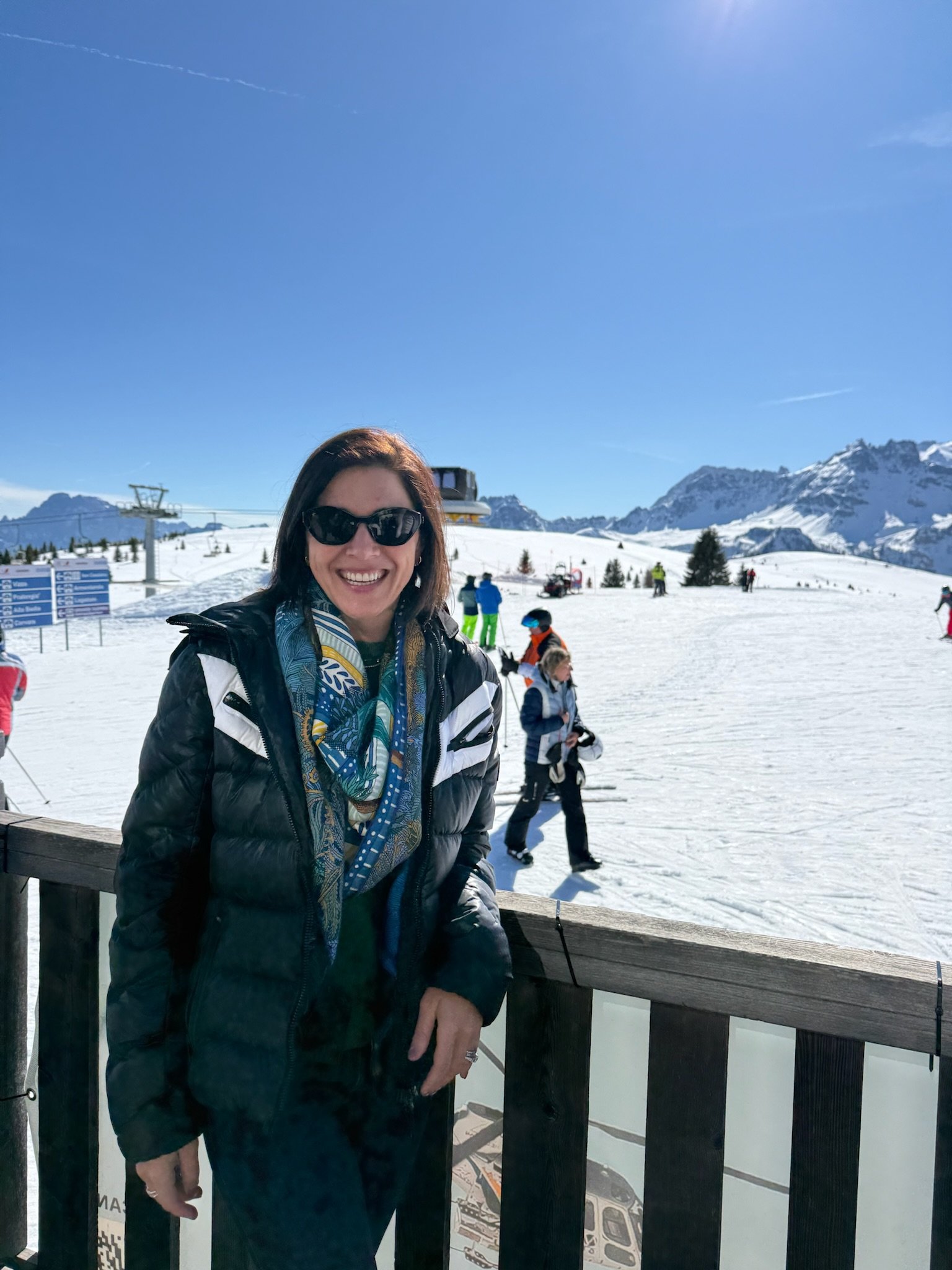
Cortina stands out for its combination of scenic terrain, sophisticated après-ski, and tailored experiences on and off the mountain. After a recent visit, Kate returned with firsthand insight on where to ski, where to stay, and how to plan Cortina properly for a high-end experience.

The Three Ski Areas of Cortina d'Ampezzo

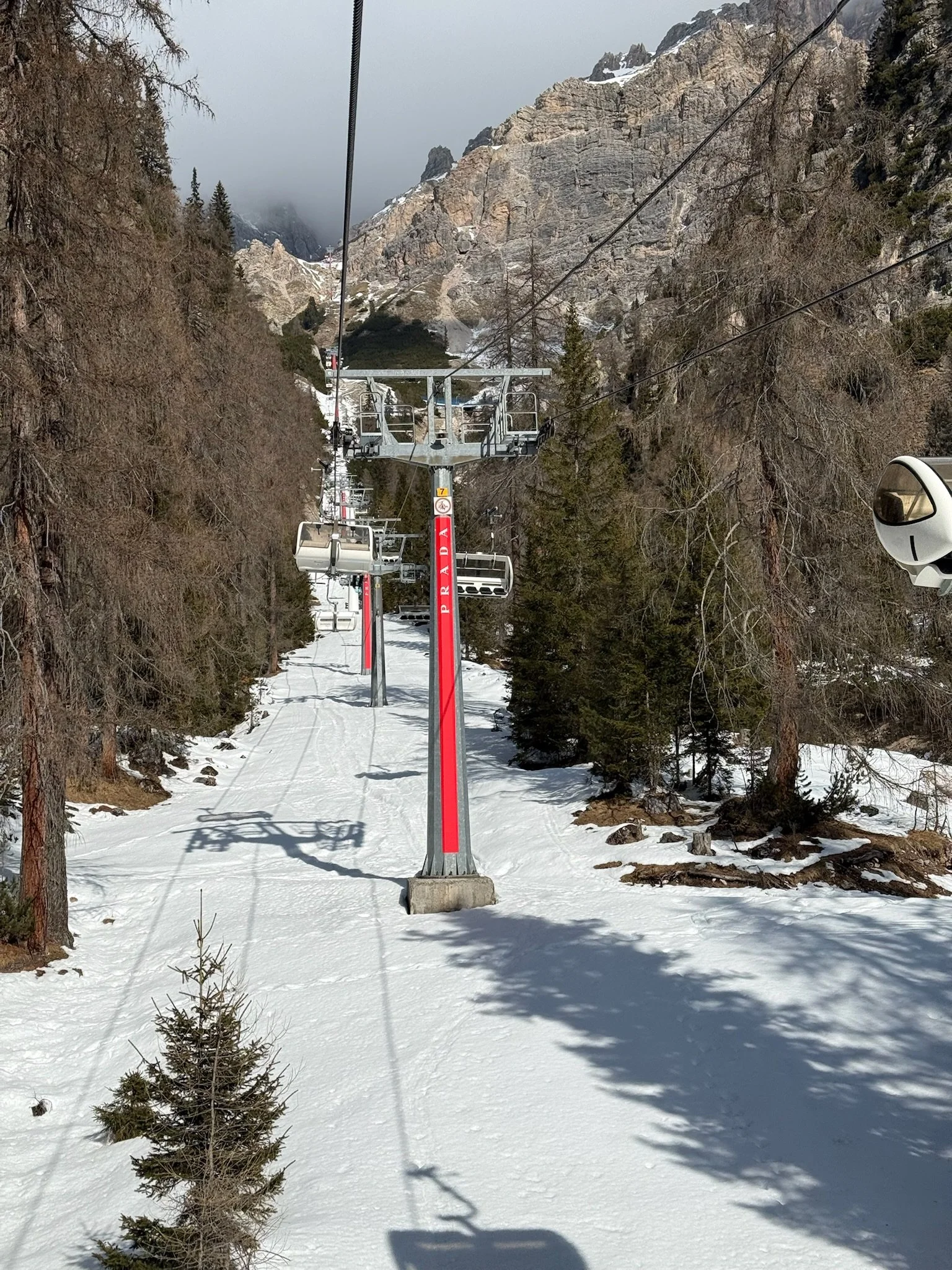
Cortina's 120 kilometers of pistes are spread across three distinct ski areas, each with its own character and terrain. They are not lift-connected to each other, instead, moving between them is part of the Cortina experience, best handled with a private transfer. Each area feels like a world of its own.

1. Tofana-Socrepes (Ra Valles)

Tofana is Cortina's crown jewel and its most dramatic. This is the largest and highest ski area in Cortina, reaching 2,939 meters at the summit, and on a clear day the panorama is simply extraordinary: a full sweep of Dolomite peaks in every direction, with the town of Cortina sitting far below.

Tofana suits intermediate to advanced skiers particularly well, with long, beautifully groomed runs and genuinely challenging terrain. The lower Socrepes area offers a gentler introduction for those still finding their mountain legs. Mountain dining here is great, and the views from a sun-terrace lunch are a must.

2. Faloria-Cristallo

Accessed by cable car from the eastern edge of town, this combined area delivers two very different skiing personalities within one pass. Faloria, reached first, is intimate and forested slopes that wind through the trees with sweeping views of the Ampezzo Valley opening up at every turn. It tends to be quieter even during Cortina's busiest periods, making it the ideal choice for a long, unhurried ski day.

Cristallo is the highest and more demanding side of this area. The Forcella Rossa slope is a standout: steep, technical, and framed by the iconic Dolomite scenery. The rocky towers above, lit pink and amber in the morning light, are among the most photographed landscapes in the entire Alps.

The Mietres sector adds gentle, family-friendly terrain to the mix: wide, sun-soaked slopes ideal for those who prefer a relaxed rhythm on the mountain. Together, this area covers every ability level and offers some of the most varied skiing in Cortina.

3. Lagazuoi-Cinque Torri (Passo Falzarego)

Located above the Falzarego Pass (a short transfer from Cortina town) Lagazuoi-Cinque Torri offers some of the most remarkable skiing scenery anywhere in the Dolomites. The Cinque Torri (five ancient rock towers rising from the plateau) loom over the slopes like natural sculptures.

The skiing here is accessible and scenic, suited to all levels. When conditions allow, a legendary descent drops from the Lagazuoi cable car through the Fanes Valley all the way to Armentarola, an 8.5-kilometer run through dramatic rock formations that many consider the finest ski descent in Italy. 

This area also serves as the gateway to the wider Dolomiti Superski network, connecting Cortina to Alta Badia and beyond for guests who want to explore further.

Ski Culture in Cortina: What to Know

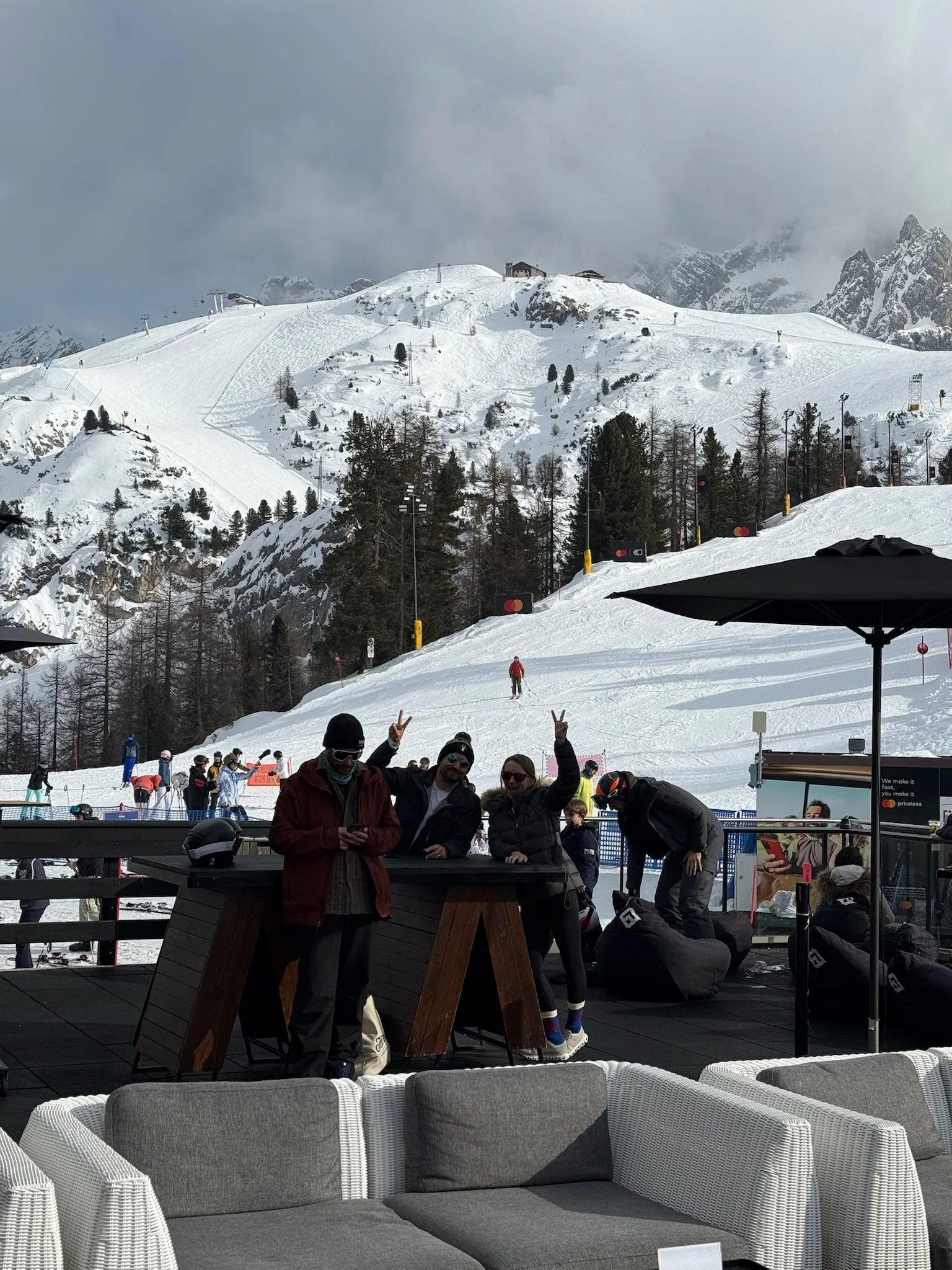
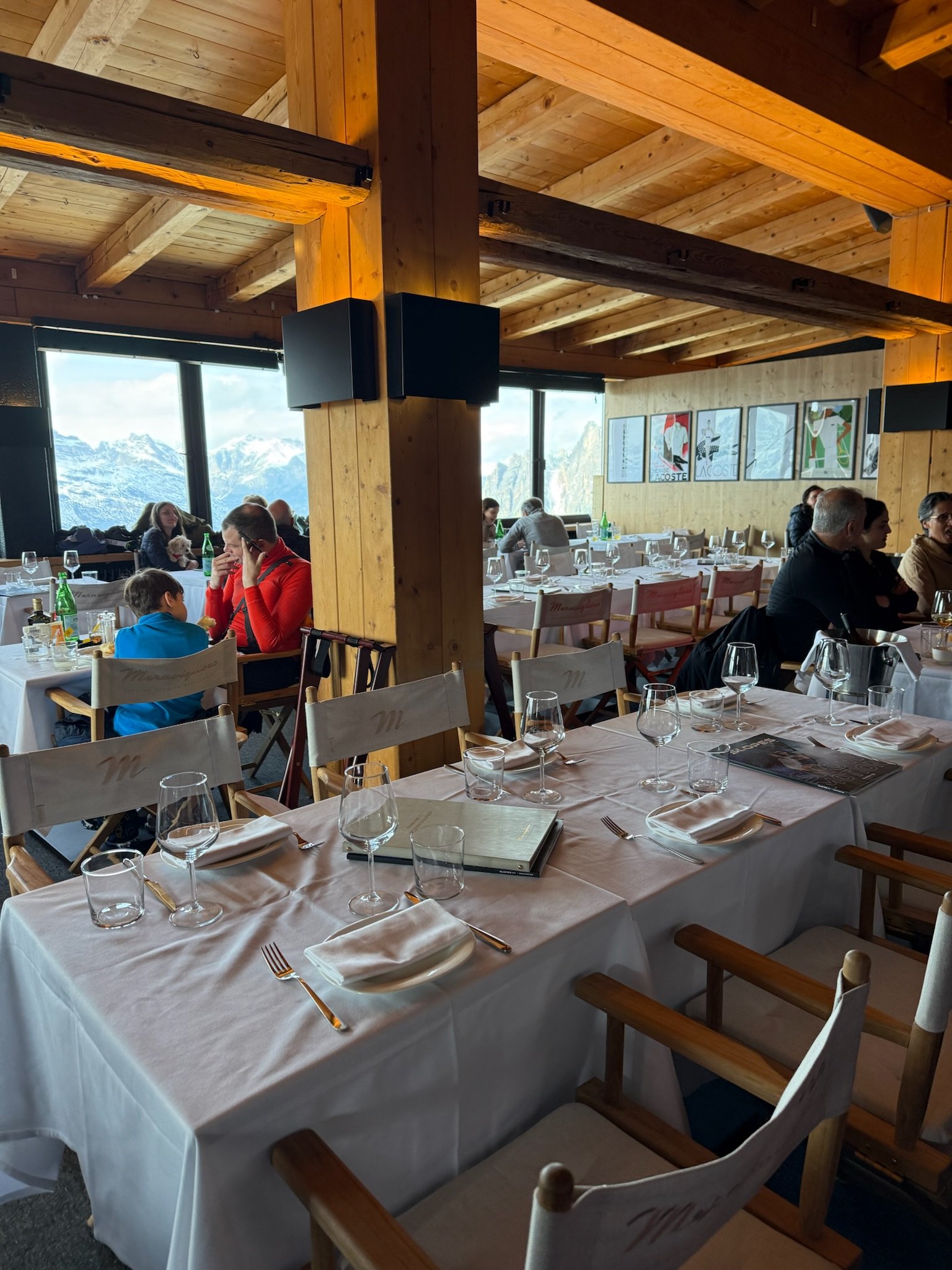
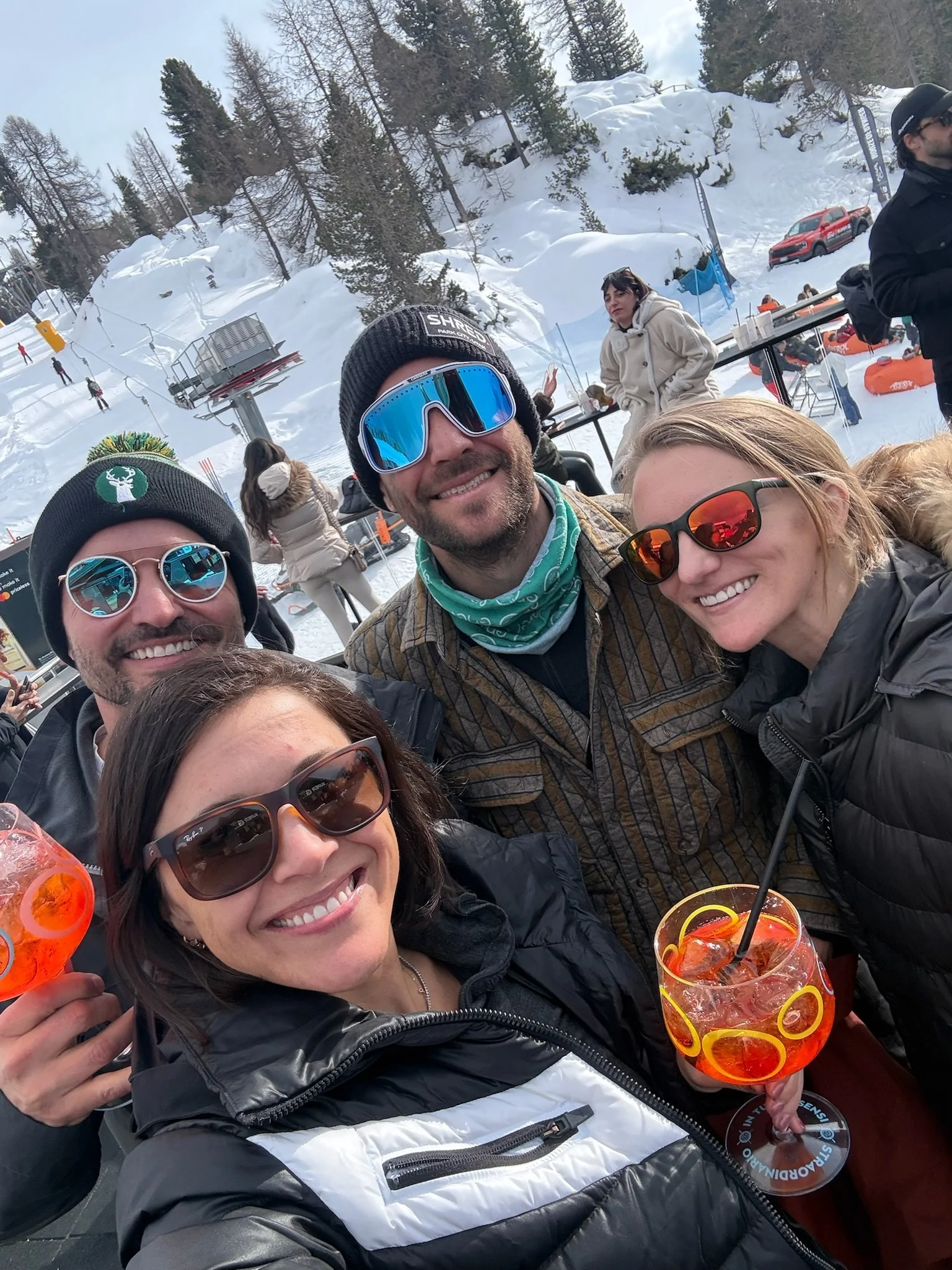
Skiing in Cortina d’Ampezzo is as much about lifestyle as it is about the slopes. The rhythm here moves at a distinctly Italian pace, where the experience of the mountains matters just as much as the number of runs skied in a day. Thanks to the Dolomites’ famously sunny, south-facing slopes, ski days often unfold slowly and socially. A few scenic morning descents through spectacular alpine terrain are followed by one of Cortina’s most beloved traditions: a long, sun-drenched lunch at a mountain rifugio. These alpine restaurants are central to the culture of skiing here, where skiers settle onto panoramic terraces for homemade pasta, regional specialties, and a glass of Franciacorta or Aperol Spritz, lingering for hours while taking in sweeping views of the surrounding peaks. As the lifts close, the energy shifts back to town, where the evening passeggiata along Corso Italia begins. Visitors and locals alike stroll the pedestrian promenade, stopping into wine bars, boutiques, and historic cafés, extending the day’s social rhythm long after the skis have been put away.

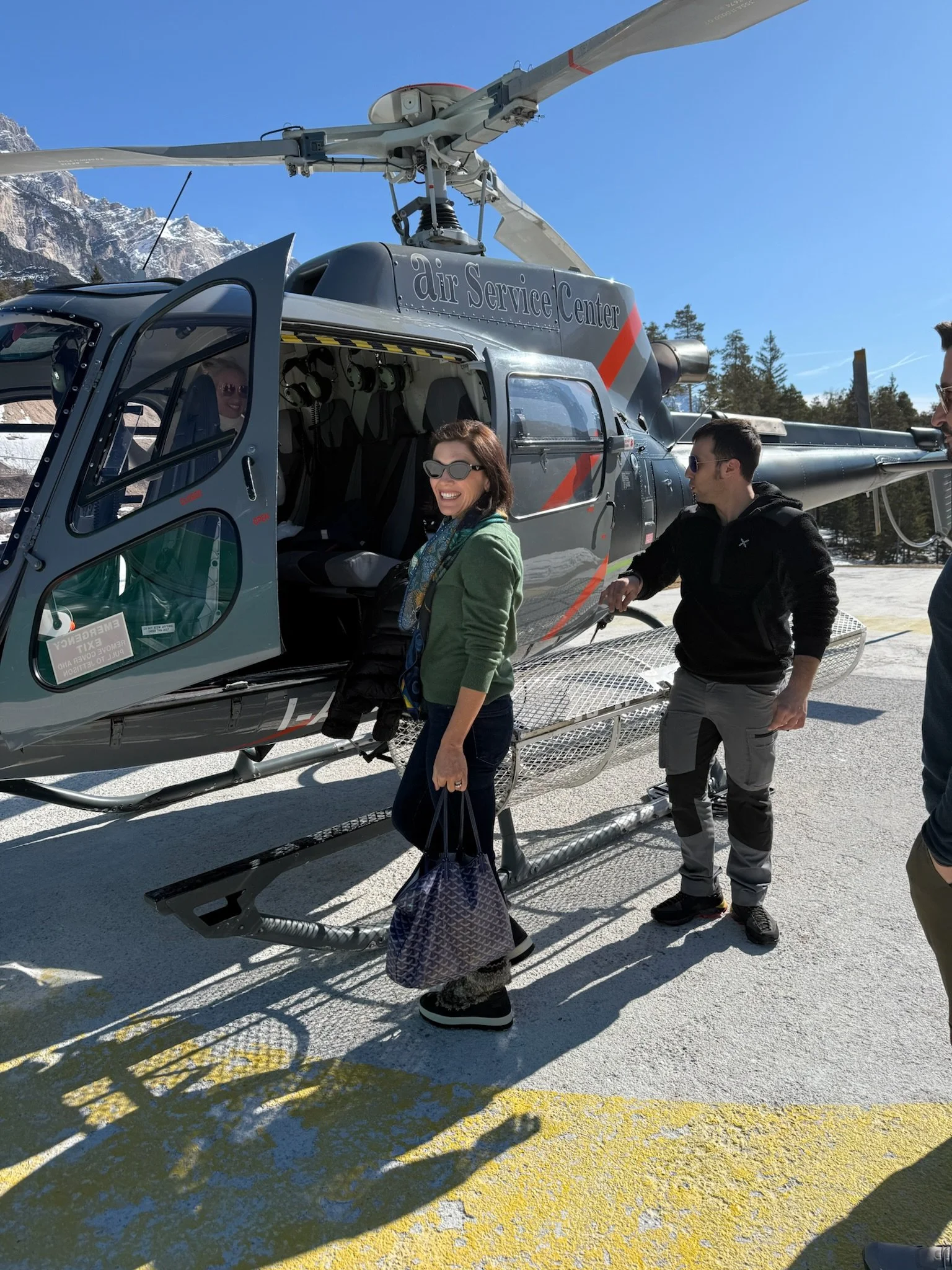
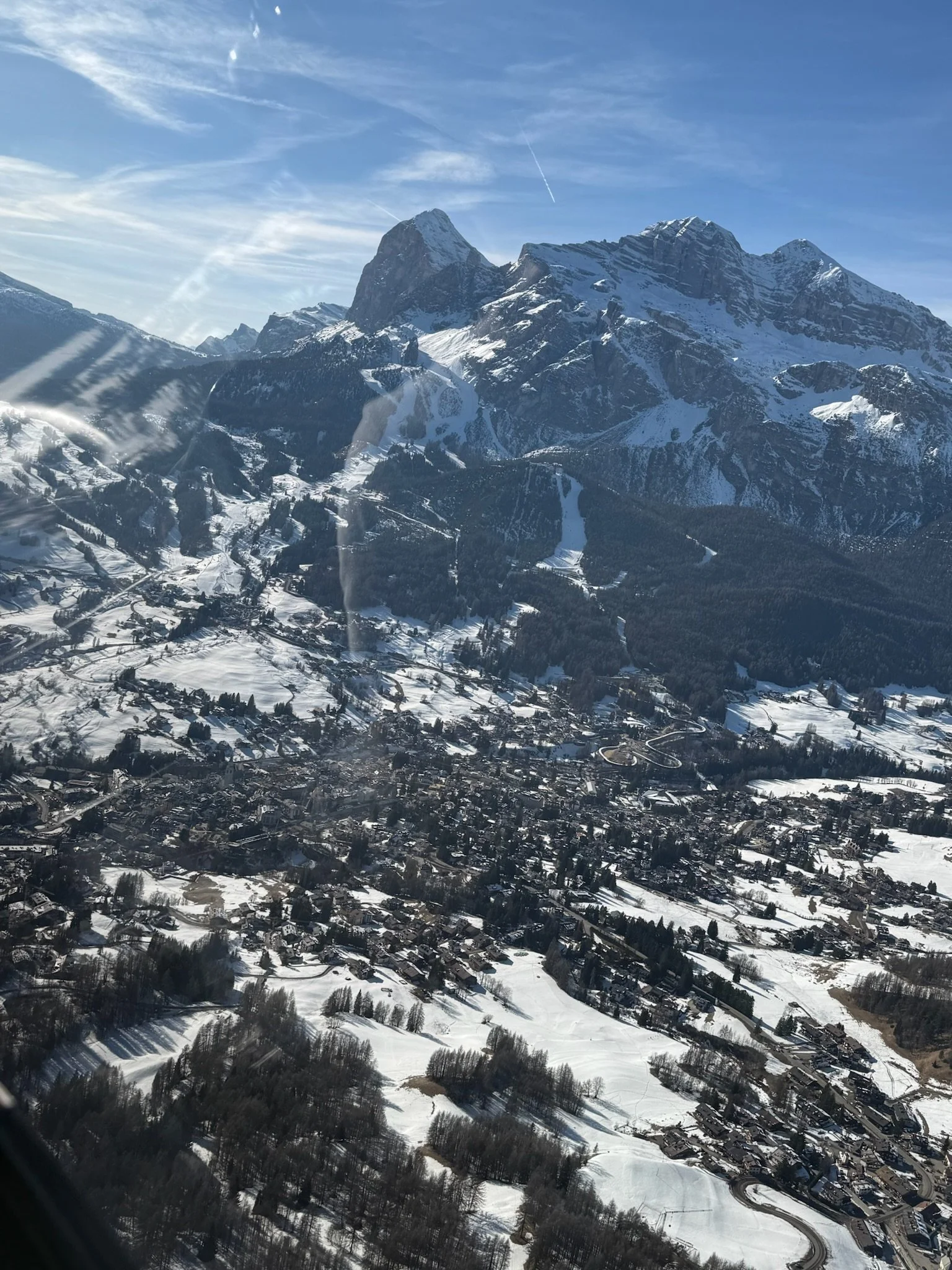
Cortina also lends itself beautifully to elevated mountain experiences that showcase the dramatic landscape from a different perspective. During Kate’s recent visit, she experienced a helicopter transfer from Cortina to Alta Badia, beginning with a breathtaking panoramic flight over the famous Sellaronda circuit and the striking rock formations that define this corner of the Dolomites. The journey ended with a gourmet lunch at a scenic hilltop rifugio, a memorable way to combine the region’s extraordinary scenery with its celebrated mountain cuisine. Experiences like this can be tailored year-round: in winter, guests can heli up to the peaks and ski down through pristine terrain, while in summer the same dramatic summits become the starting point for spectacular hikes back into the valleys below.

Cortina Beyond the Snow

Cortina doesn't close when the snow melts, it simply changes its wardrobe. From July through September, Cortina d'Ampezzo in summer becomes something else entirely: a high-altitude retreat where the Dolomites turn green, the light stays longer, and the pace shifts from exhilarating to deeply restorative. At 1,200 meters above sea level, it's also one of Europe's most refined coolcation destinations, a natural escape from the summer heat where mountain air and breathtaking scenery do the rest.

The cable cars that carry skiers up to Tofana and Faloria in winter run just as reliably in summer, delivering guests to ridgelines where the views over the UNESCO World Heritage Dolomites are, if anything, even more breathtaking without the flat winter light. From there, private mountain guides lead guests along Cortina hiking trails and via ferrata routes through some of the most dramatic rock formations in the Alps (the Cinque Torri, the Fanes Valley, the Great War tunnels carved directly into the Lagazuoi) each one a landscape that rewards those who take the time to explore it.

For something more leisurely, the alpine lakes surrounding Cortina (particularly Lago di Braies, with its famous turquoise water and wooden rowboats) are among the most quietly spectacular settings in northern Italy. Mountain biking, golf, and private motorbike tours through the Giau Pass round out the things to do in Cortina d'Ampezzo in summer, while the rifugios continue to serve long, unhurried lunches on south-facing terraces. And on the Corso Italia, the boutiques and wine bars are as lively as ever, the crowd simply swaps ski boots for hiking boots or something more summery.

Where to Stay in Cortina d’Ampezzo

Ancora Cortina is the oldest hotel in Cortina, built in 1826 and sitting directly on the Corso Italia. This property has 35 rooms and suites with hand-collected art, timber walls, and soft mountain textures. Kate thought it was super nice, a little on the smaller side, but its location in the heart of town makes up for it. So, for guests who want to be in the middle of the action (steps from the Faloria cable car, at the center of the evening promenade) there is no more characterful address in town.

Grand Hotel Savoia remains the grand dame of Cortina: central, stately, with a full spa, multiple dining venues, and a sense of occasion that feels entirely native to this town.

Hotel Tofana Cortina is the property for those who want the slopes at their door. It sits directly on the Tofana slopes, with an in-house ski rental, a spa, and a restaurant. The morning routine here begins on the piste. For serious skiers who want to maximize every hour on snow, there is no better address.

Faloria Mountain Spa Resort, tucked into the hamlet of Zuel just outside town, is the right choice for guests who want genuine seclusion + panoramic Dolomite views and a full-service spa. Kate really loved the feeling of this property, like being in a friend's home and the service was very warm and topnotch.

Rosapetra Spa Resort, a member of Small Luxury Hotels of the World, is the more intimate choice: refined, quietly confident, and with a spa offering that belies its size. For guests who prefer a smaller property without compromising on standard, Rosapetra delivers.

And then there is the arrival that has been anticipated for the better part of a decade. The original Hotel Cristallo (built in 1901, frequented at various points by Frank Sinatra, Peter Sellers, and Brigitte Bardot) is being transformed into Mandarin Oriental Cristallo, opening winter 2026 with 83 rooms and suites, multiple restaurants and bars, and an indoor-outdoor spa and pool. It will be Mandarin Oriental's first mountain resort anywhere in the world.

Also consider Aman Rosa Alpina in San Cassiano (approx. 1 hour from Cortina), for guests with flexibility in their itinerary, or those who want to combine a Cortina with the wider Dolomites.

Planning a Luxury Ski Trip to Cortina with KJ Travel

A Cortina ski trip done properly: private transfers between areas, a guide who knows the mountain, a table at the right rifugio, and a hotel that fits the way you travel, is an entirely different experience from one pieced together on your own.

Curious about Cortina? Reach out to a KJ TRAVEL Advisor and let's start building your dream itinerary.

Summer Travel Destination Ideas for Luxury Travelers

Some summers call for the classics. Others call for a new pin on the map. For luxury travelers, the destination matters, but the experience matters more: a hotel that gets everything right, a pace that feels effortless, and a few unforgettable moments that could only happen there.

Each destination below offers a distinct version of summer luxury, with one common thread: exceptional settings, standout hospitality, and experiences worth crossing oceans for.

Quick Take

If you want summer that feels elevated, not overcrowded, start here:

  • Ischia for thermal wellness and quiet Italian island glamour

  • The Dolomites for alpine scenery with five-star comfort

  • South Africa for a best-in-class safari paired with Cape Town and the Winelands

  • Croatia for Adriatic island-hopping with yacht culture and rising luxury

  • Japan for meticulous service, cultural depth, and cities that redefine modern luxury

Ischia: Italy's Thermal Paradise

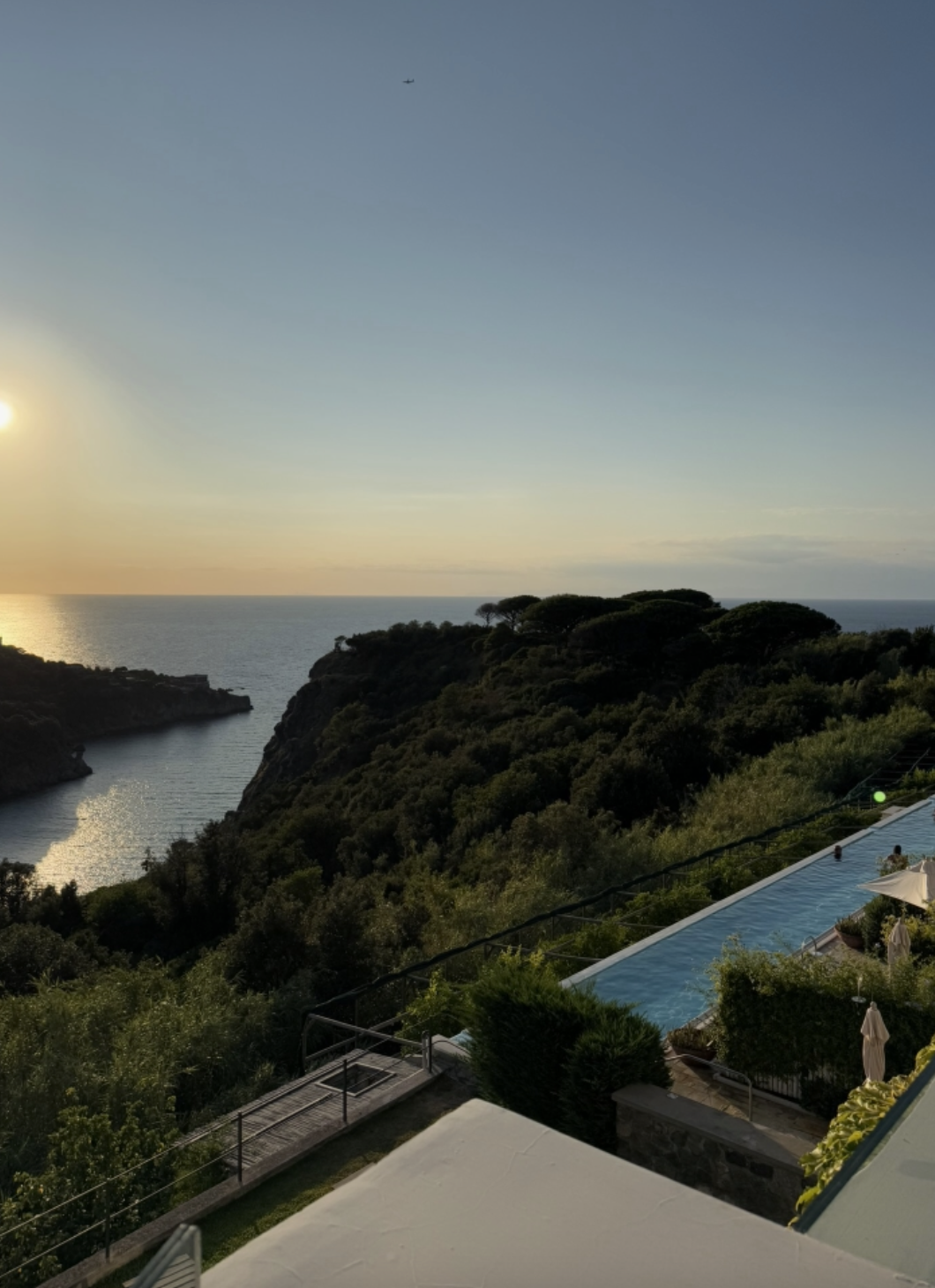
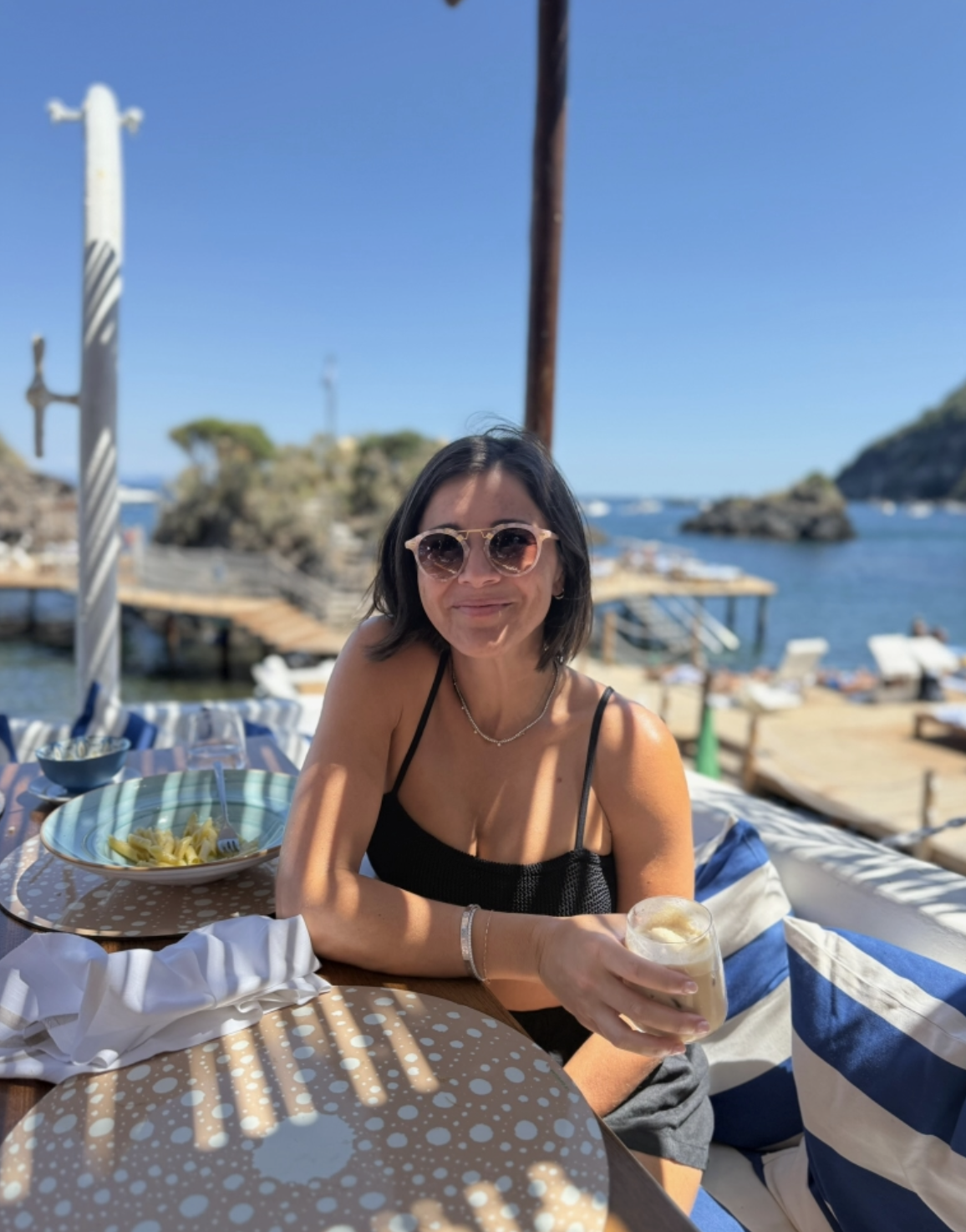
While neighboring Capri draws the spotlight, Ischia remains a more discreet Italian icon: a volcanic island where thermal springs have attracted those in the know for centuries. It’s the kind of place where sophisticated travelers truly unwind, trading crowds for tranquility without sacrificing luxury.

Ischia’s signature is world-class wellness with authentic island life. Naturally heated waters feed thermal gardens and spa properties, while restaurants deliver refined Mediterranean dining rooted in local ingredients. Privacy comes easily here, with secluded coves, intimate hotels, and a slower rhythm that makes real rest possible.

Best for: Wellness-focused travelers, couples seeking a romantic Mediterranean escape, families who want downtime, and travelers who love Italian culture without the intensity of more crowded islands.

Ideal length of stay: 4–5 nights to sample multiple thermal experiences, explore the island’s different corners, and settle into the restorative pace.

The Dolomites: Alpine Majesty Meets Italian Elegance

Summer is when the Dolomites show off. Meadows bloom, valleys open up for hiking and cycling, and mountain rifugios become perfect stops for local cheese, speck, and regional wines. Cortina d’Ampezzo adds polish with shopping and dining, while valleys like Val Gardena bring a quieter, more authentic mountain feel.

This region’s charm is its blend of Italian, Austrian, and Ladin influences, paired with luxury hotels that take wellness seriously: beautiful spas, thoughtful design, and dramatic mountain backdrops that make even “doing nothing” feel cinematic.

Best for: Active travelers who want adventure without compromising comfort, food lovers, couples who want a romantic alpine setting, and families seeking a sophisticated mountain summer.

Ideal length of stay: 5–7 nights to explore multiple valleys, mix in hikes or via ferrata, enjoy standout dining, and actually use the spa.

South Africa: Where Safari Meets Sophistication

Few places deliver this much variety in one trip. South Africa pairs world-class safari with coastal scenery, award-winning vineyards, and cities with serious style, all tied together by warm, confident hospitality.

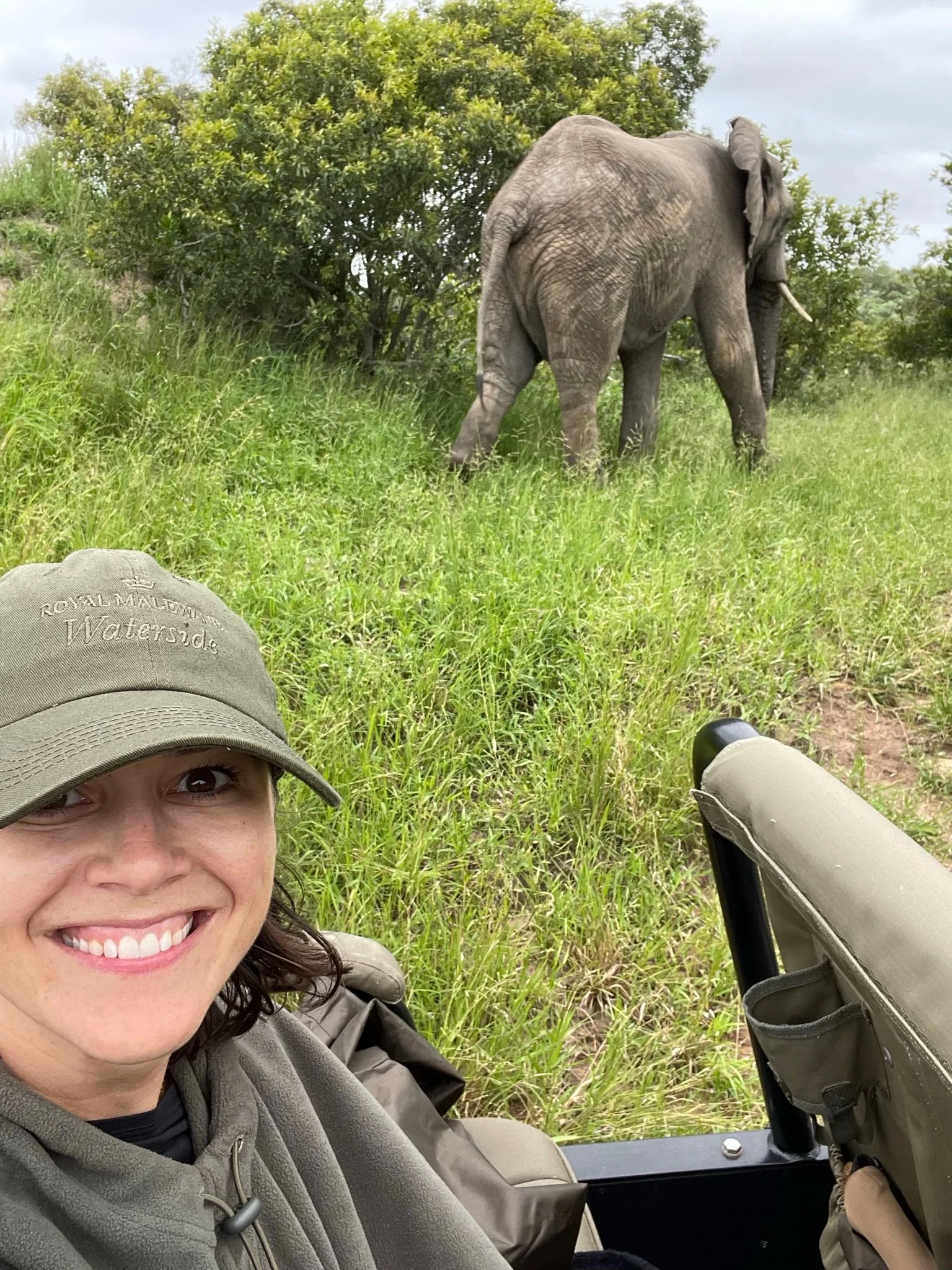
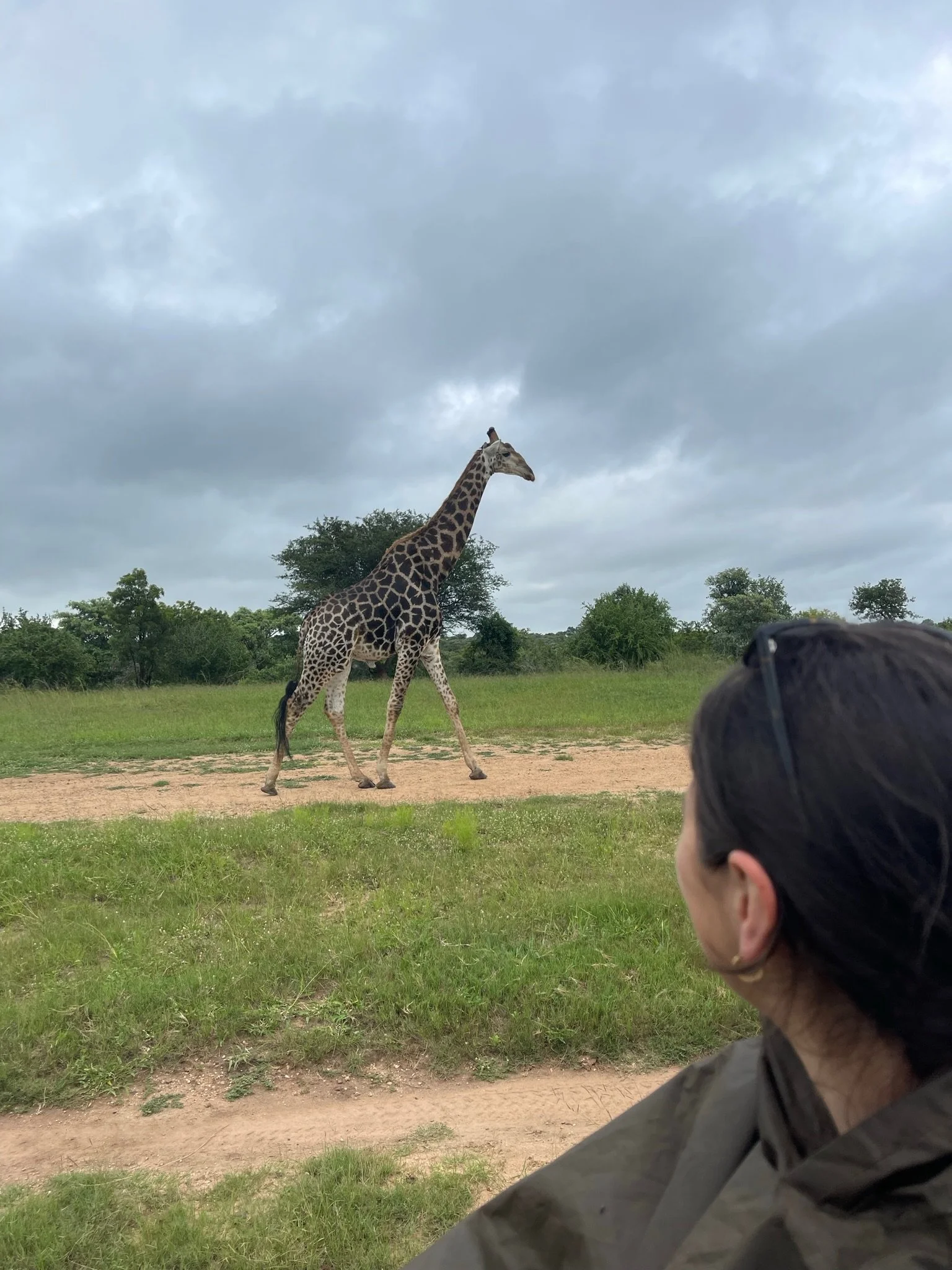
On safari, private reserves like Sabi Sands and Singita set a high bar for exclusivity and service. Think plunge pools overlooking the bush, outdoor showers under the stars, and ranger-led game drives designed around privacy and high-touch guiding.

Beyond the bush, Cape Town brings a striking mix of natural beauty and cosmopolitan energy, with the Winelands (Stellenbosch, Franschhoek, and Paarl) offering estate stays, tastings, and dining that can hold their own on any global luxury itinerary.

Best for: Big Five seekers who want five-star comfort, wine lovers, travelers who want range (wildlife + city + vineyards), families that are ready for a big adventure and clients looking for exceptional luxury value.

Ideal length of stay: 9–11 nights, ideally 4–5 nights on safari, 3–4 nights in Cape Town/Winelands, plus optional time to add a scenic extension.

Croatia: The Adriatic's Hidden Gem

Croatia has evolved from a secret to a headline destination, yet it still delivers something rare in the Mediterranean: a sense of discovery with genuine character. Along the Dalmatian Coast, medieval architecture and cinematic seascapes create a naturally luxurious setting that feels both storied and fresh.

The coastline can rival Italy and Greece, but often with more room to explore. Private yacht charters make island-hopping effortless, and the luxury landscape continues to rise. For travelers who want variety without unpacking daily, small-ship luxury cruising offers an elegant way to see multiple ports while keeping comfort front and center.

Best for: Yacht lovers and island-hoppers, history enthusiasts who want refined stays in atmospheric places, food and wine travelers exploring emerging regions, and clients who want Mediterranean beauty with a more curated feel.

Ideal length of stay: 7–10 nights, often built as Dubrovnik + an island stay (like Hvar), with optional additions (Istria wine country or a luxury coastal cruise).

Japan: Where Ancient Tradition Meets Modern Luxury

Japan operates on a different level when it comes to service and attention to detail. Summer brings festivals, fireworks, and a lushness to the countryside, creating experiences that connect travelers to traditions stretching back centuries, all while enjoying comfort and sophistication that’s distinctly contemporary. If you’re shaping a first trip, Japan’s top destinations: Tokyo, Kyoto, Osaka & Hakone is a helpful starting point for building the right route and rhythm.

Tokyo demonstrates what a modern luxury city should be. Private guides lead curated experiences, from behind-the-scenes cultural access to evenings designed around the city’s most atmospheric neighborhoods. Hotels like Aman Tokyo bring urban sanctuary to new heights, with design that honors Japanese aesthetics while providing every modern luxury.

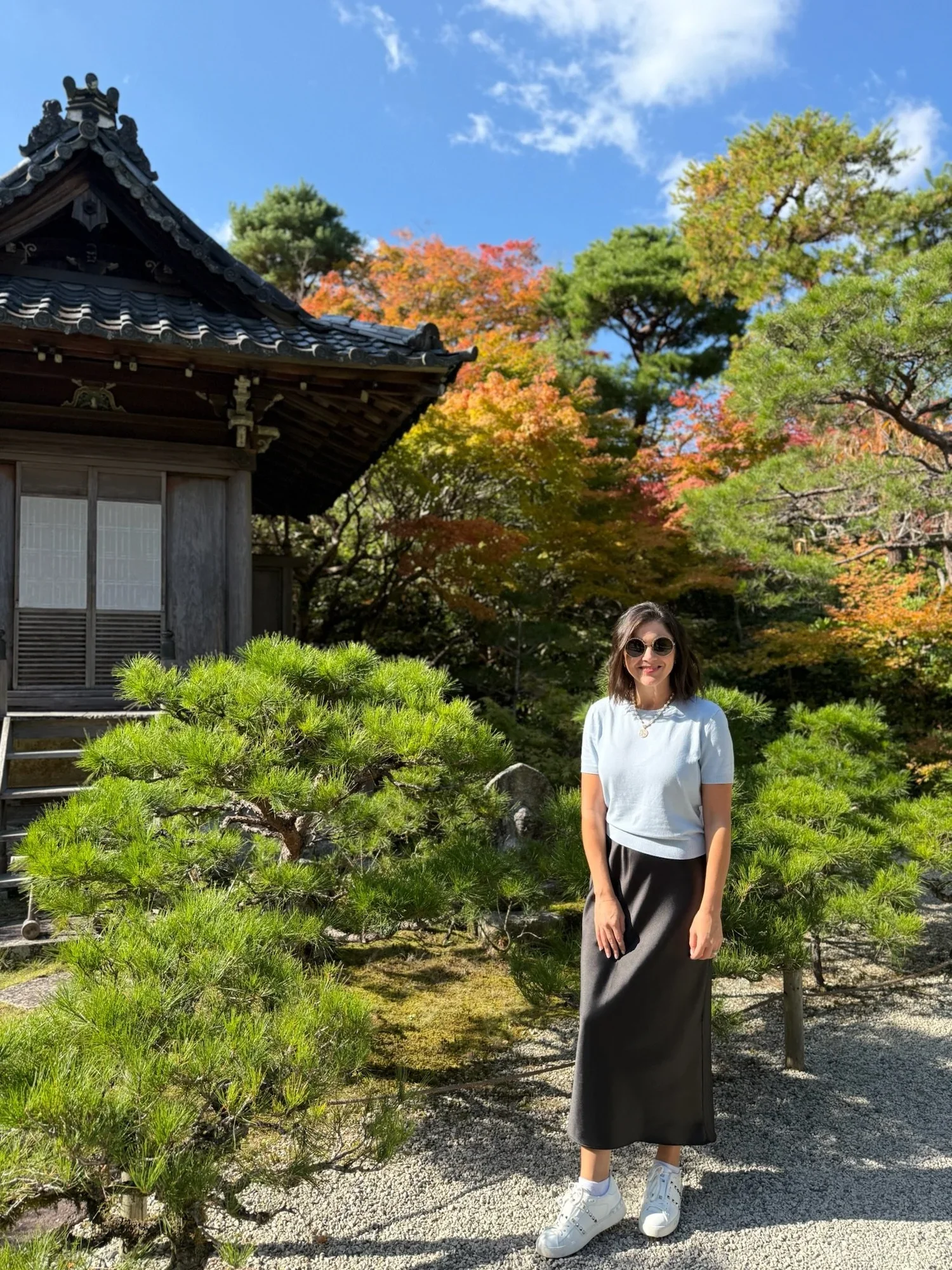
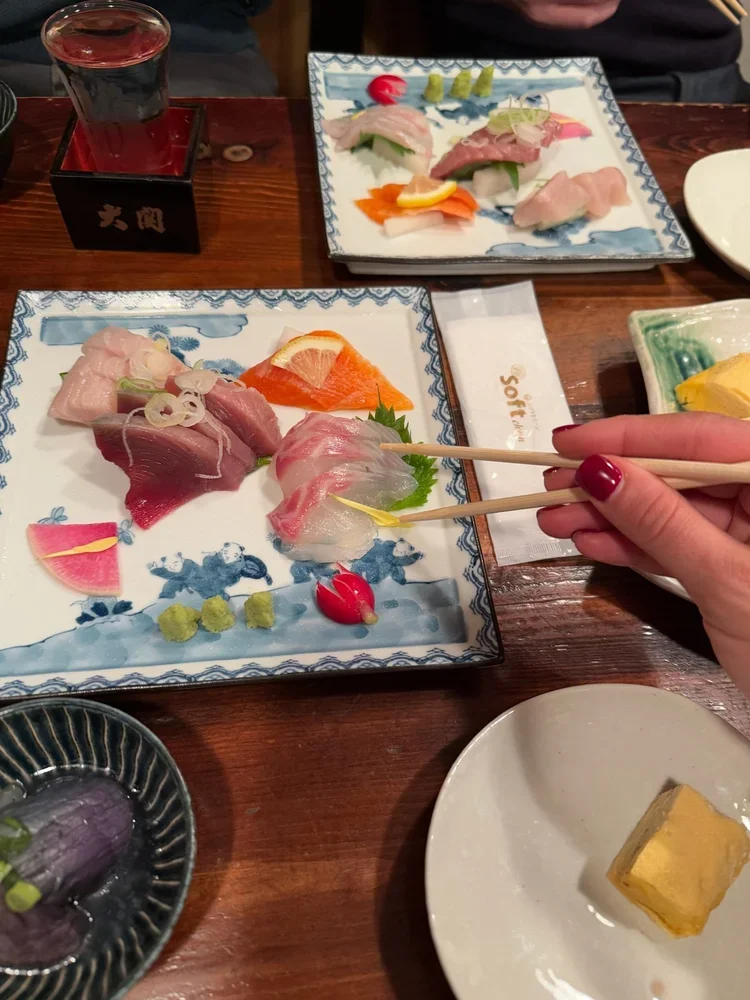
Kyoto, the cultural heart of Japan, reveals itself slowly. Narrow streets in Gion lead to kaiseki restaurants where meals become multi-course works of art. Private tea experiences offer a window into Japanese philosophy. Luxury ryokans provide something you can’t replicate elsewhere: tatami rooms, kaiseki dinners, and onsen bathing fed by natural hot springs.

Best for: Cultural travelers seeking deep immersion, food enthusiasts exploring the world's finest cuisine, those who appreciate meticulous service and attention to detail, and anyone wanting to experience a culture entirely different from Western norms while maintaining five-star comfort.

Ideal length of stay: 9-11 nights for a comprehensive first visit: 3-4 nights in Tokyo, 4 nights in Kyoto with day trips, 2-3 nights in mountain regions or onsen towns, plus time for additional

Planning the Perfect Summer Escape

These destinations are designed to spark new ideas without asking luxury travelers to compromise. Each one delivers a distinct version of summer, anchored by excellent hotels and experiences that feel personal, seamless, and worth the flight.

The key to maximizing any of these lies in working with a travel advisor who will recommend the hotel stay that will fit you the best, will open doors to private tours and give you access to private experiences that can only be unlocked with the connections of an advisor.


It's time to explore new destinations and we're here to help you. Contact a KJ TRAVEL advisor and start planning your summer.