Grand Hotel Tremezzo vs. Passalacqua: Two Takes on Lake Como LuxuryT

Quick Take

  • Grand Hotel Tremezzo and Passalacqua are both owned by the De Santis family, though each hotel has its own personality.

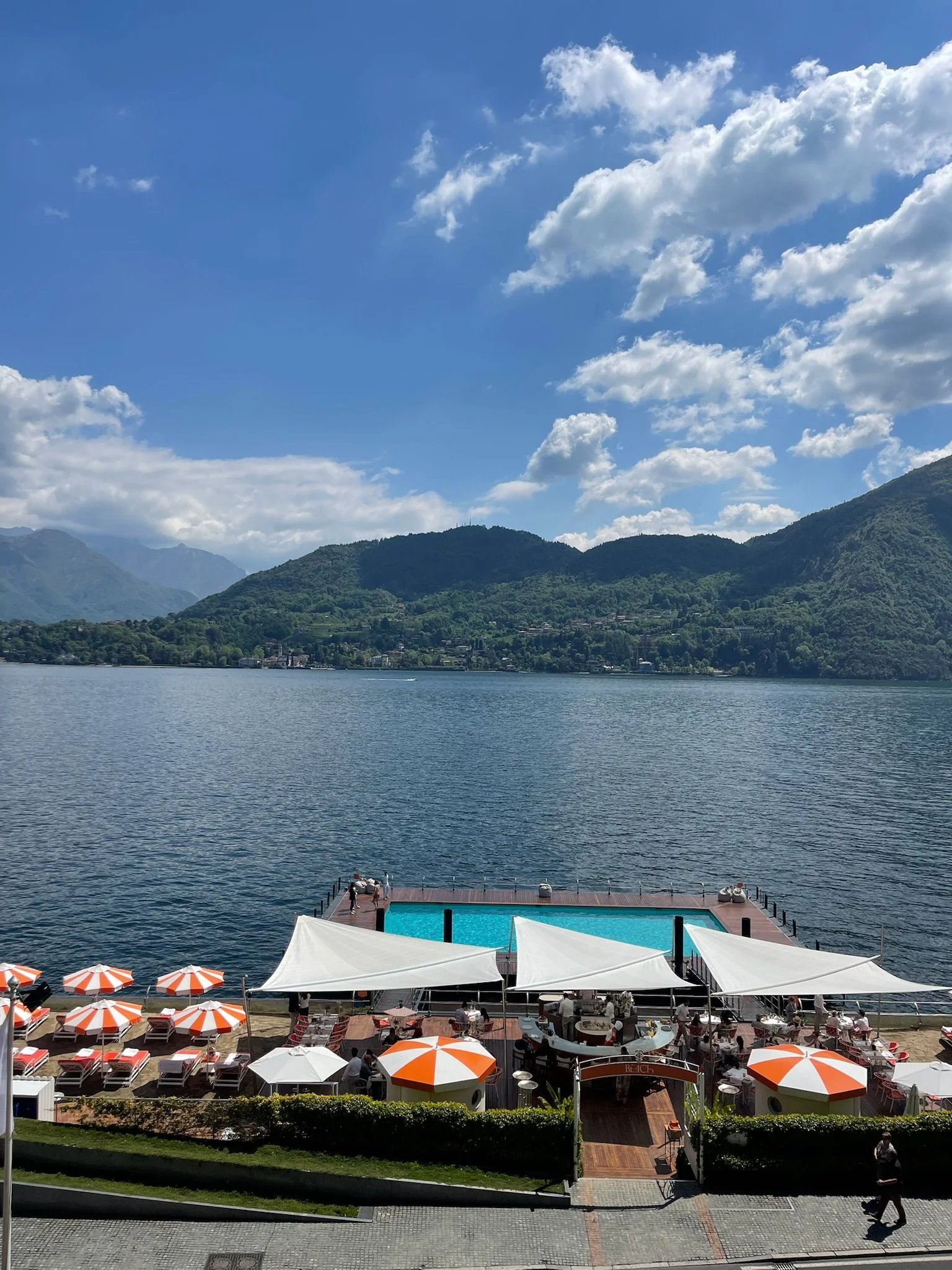
  • Grand Hotel Tremezzo is a grand, historic lakefront hotel built in 1910, known for its floating pool that sits directly on Lake Como.

  • Passalacqua is a smaller, more private 18th-century villa that opened in 2022 and was named the World's Best Hotel in 2023.

  • Grand Hotel Tremezzo suits travelers who want a classic resort feel with pools, a beach, and full hotel amenities.

  • Passalacqua suits travelers who want the feel of staying in someone's (extraordinary) private home.

  • Both hotels close for a short winter break each year, so shoulder-season and summer travel is best.

Lake Como has no shortage of beautiful hotels, but only two of them share a bloodline. If you’ve ever looked into Lake Como, there's a big chance you've heard about Grand Hotel Tremezzo and Passalacqua.

Two of Lake Como’s most celebrated luxury hotels belong to the De Santis family, yet they offer two very different versions of life on the lake.

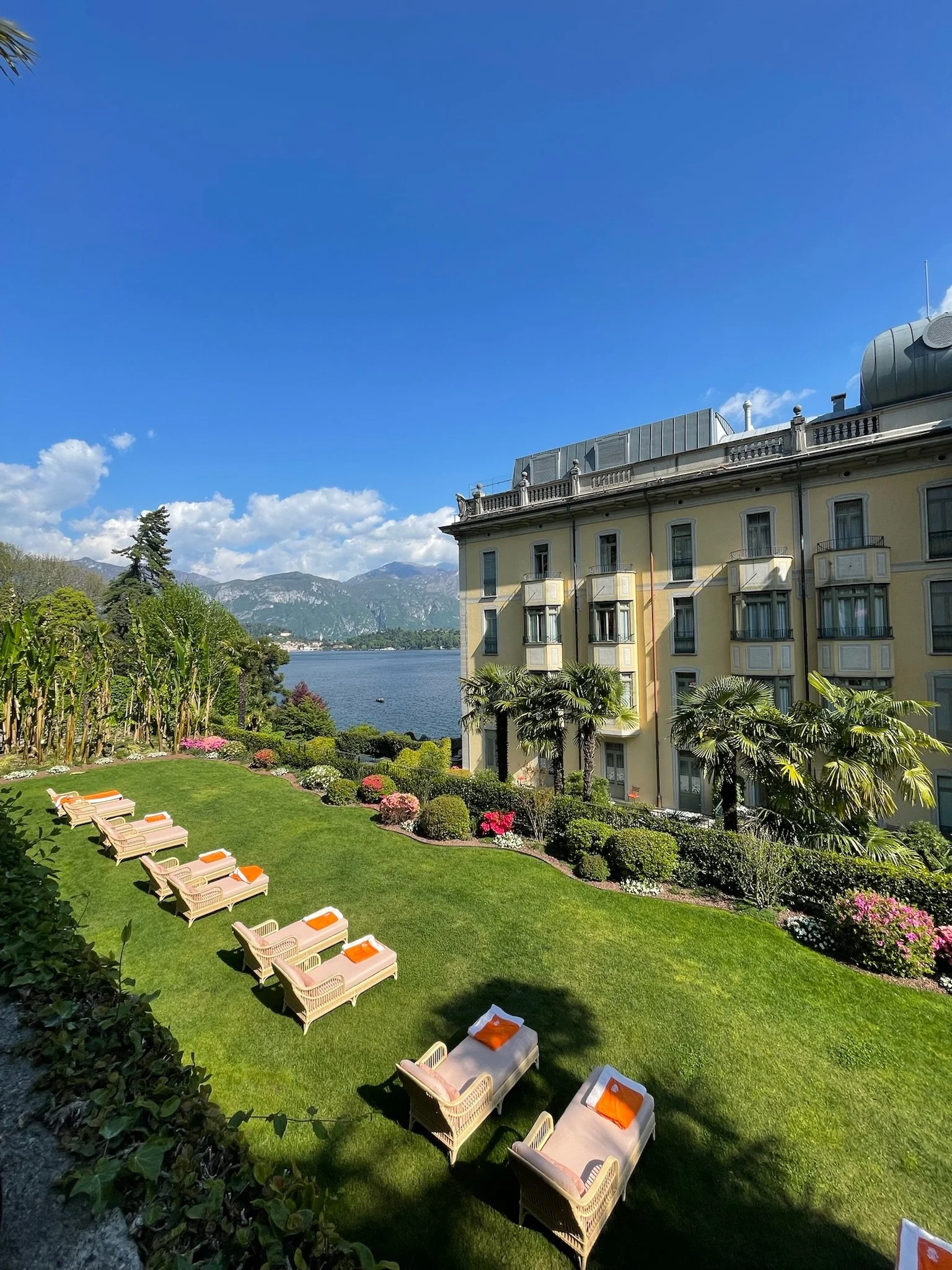
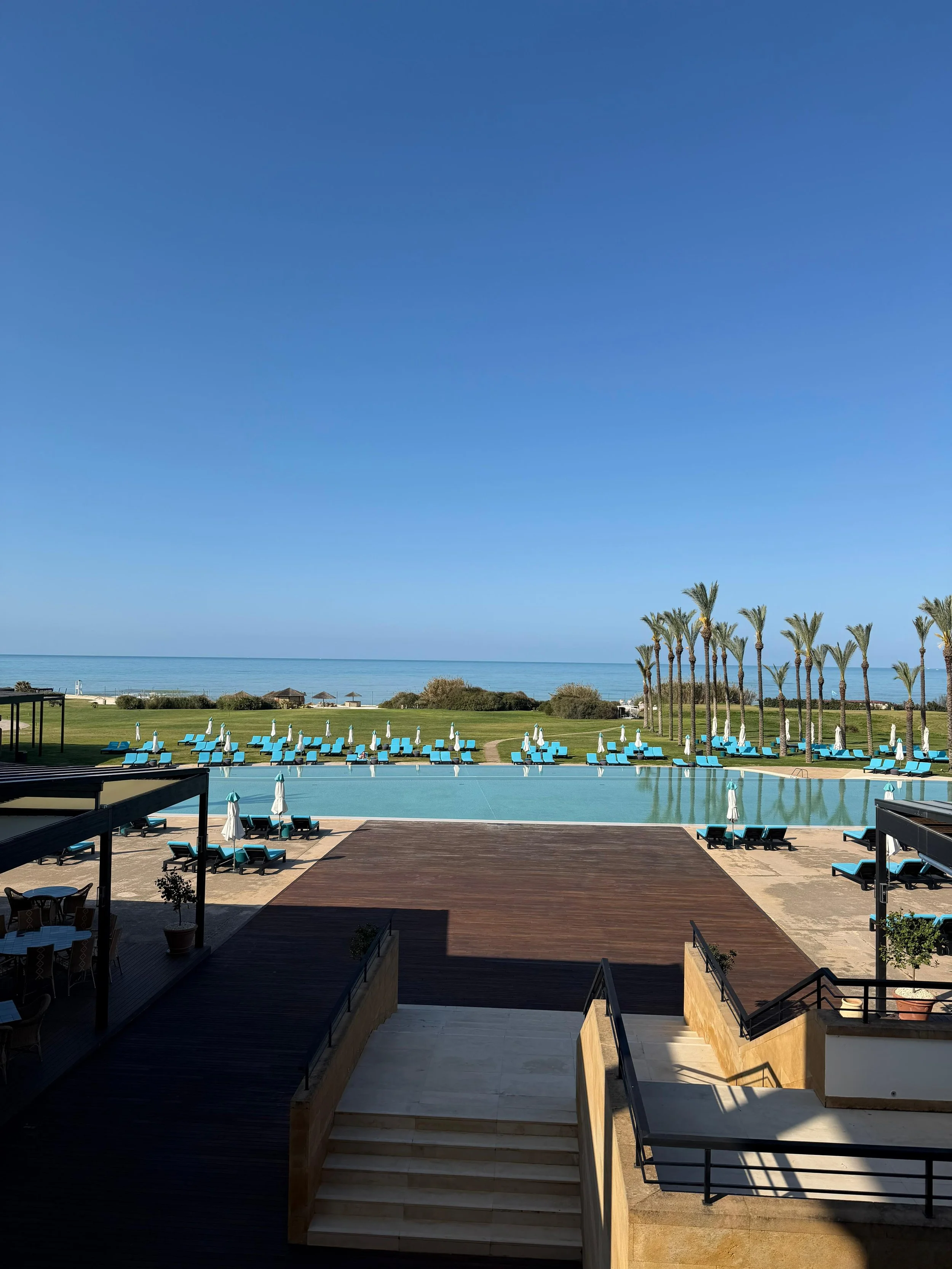
Grand Hotel Tremezzo is grand, glamorous and full of energy: three pools, a private beach, multiple restaurants, beautiful gardens and a prime position for exploring the heart of Lake Como.

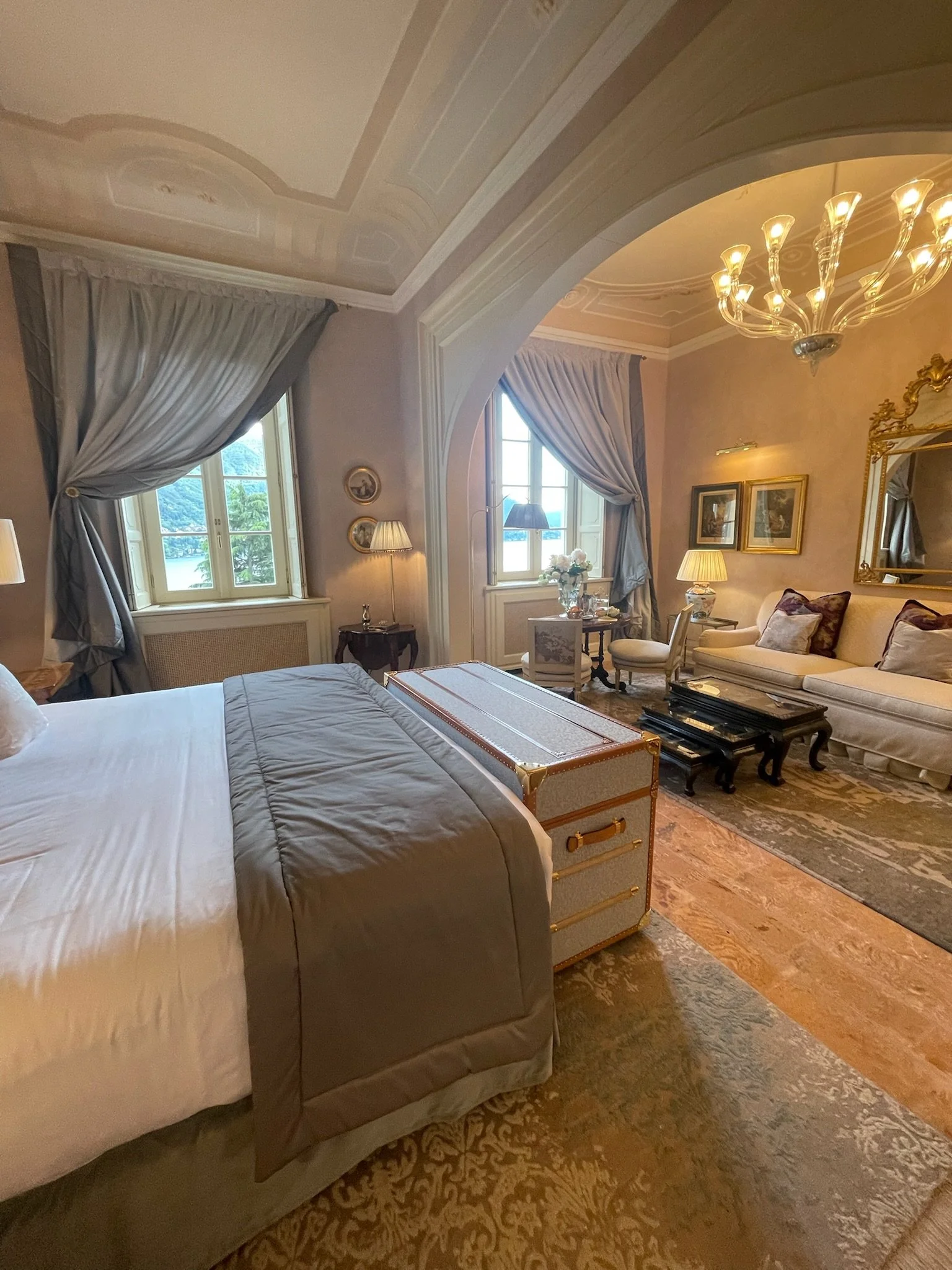
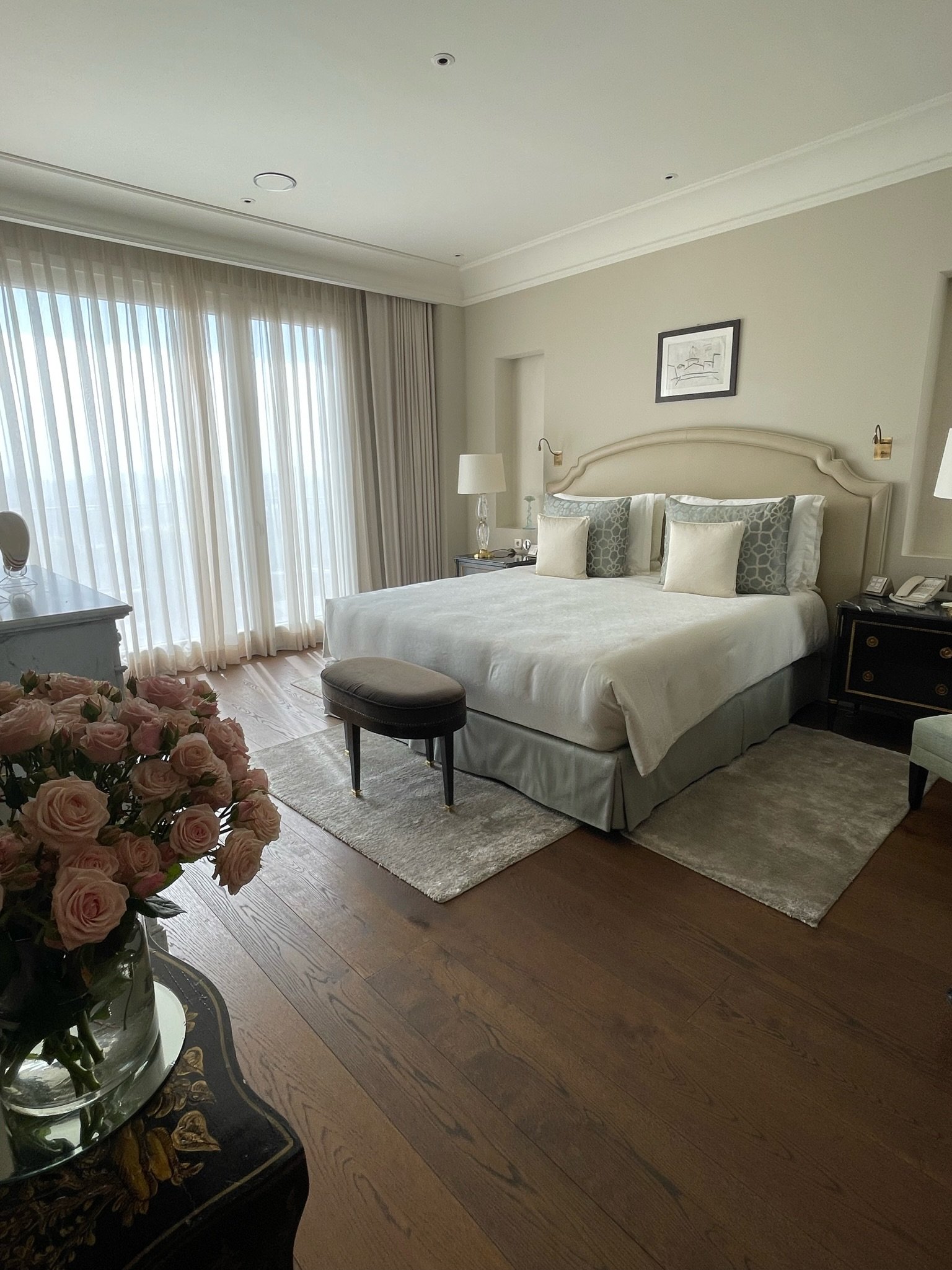
Passalacqua is smaller, quieter and more intimate. With only 24 rooms set inside a historic private estate, it feels more like staying in an extraordinary Italian villa than checking into a traditional hotel.

For luxury travelers trying to decide where to spend their nights on Lake Como, or whether to split a trip between the two, here are the things that set them apart.

Grand Hotel Tremezzo: The Grand Dame of the Lake

Grand Hotel Tremezzo is the one that really gives travelers that classic Lake Como experience.

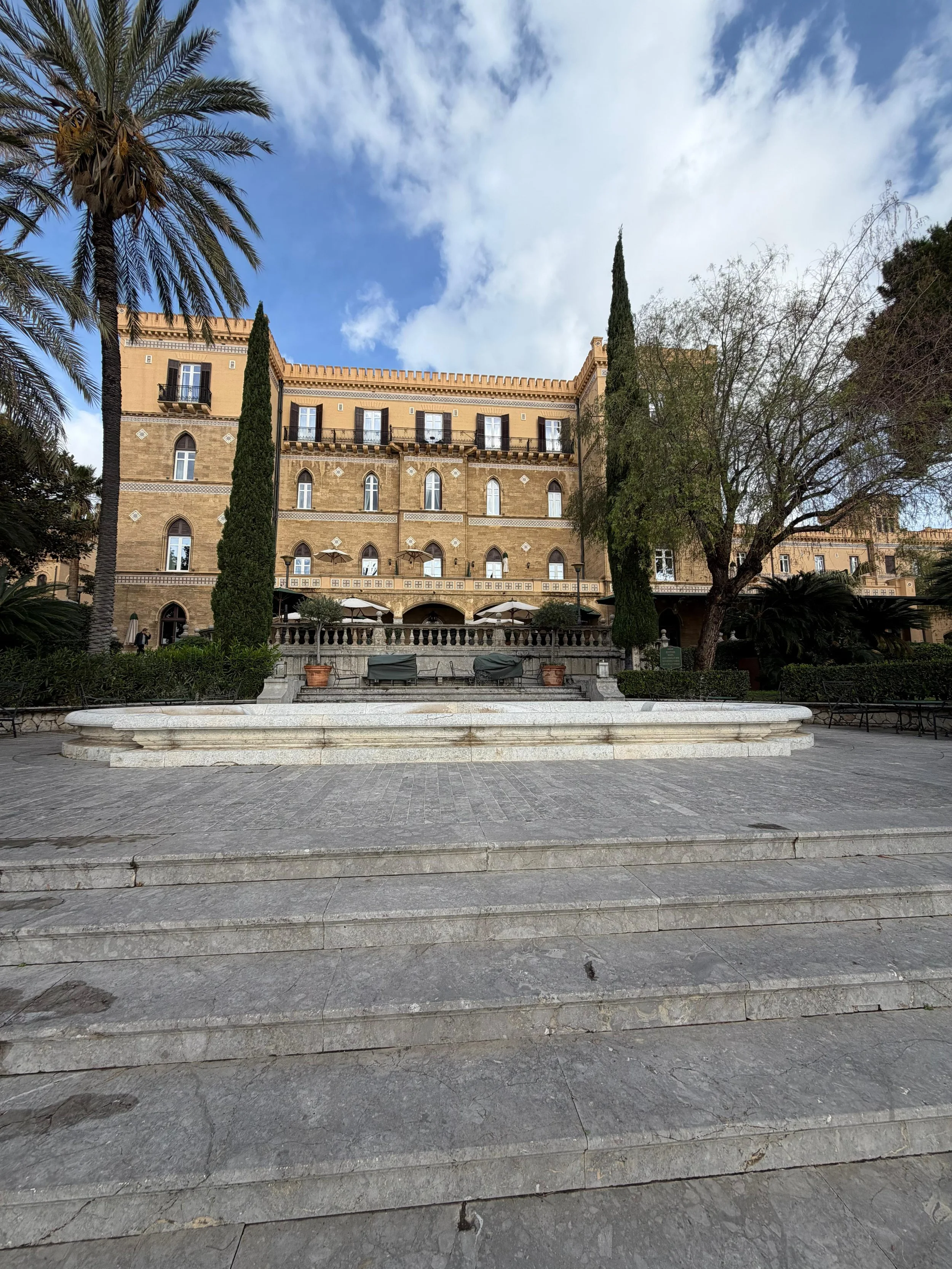
Grand Hotel Tremezzo opened in 1910, and it's much bigger than Passalacqua because it was originally built as a hotel. 

It sits in Tremezzina, on the western shore, looking directly across the water at Bellagio, with the Grigne mountains as a backdrop. The De Santis family has owned and run it for more than five decades, and the annual winter closure and careful upkeep show in how well the property has aged.

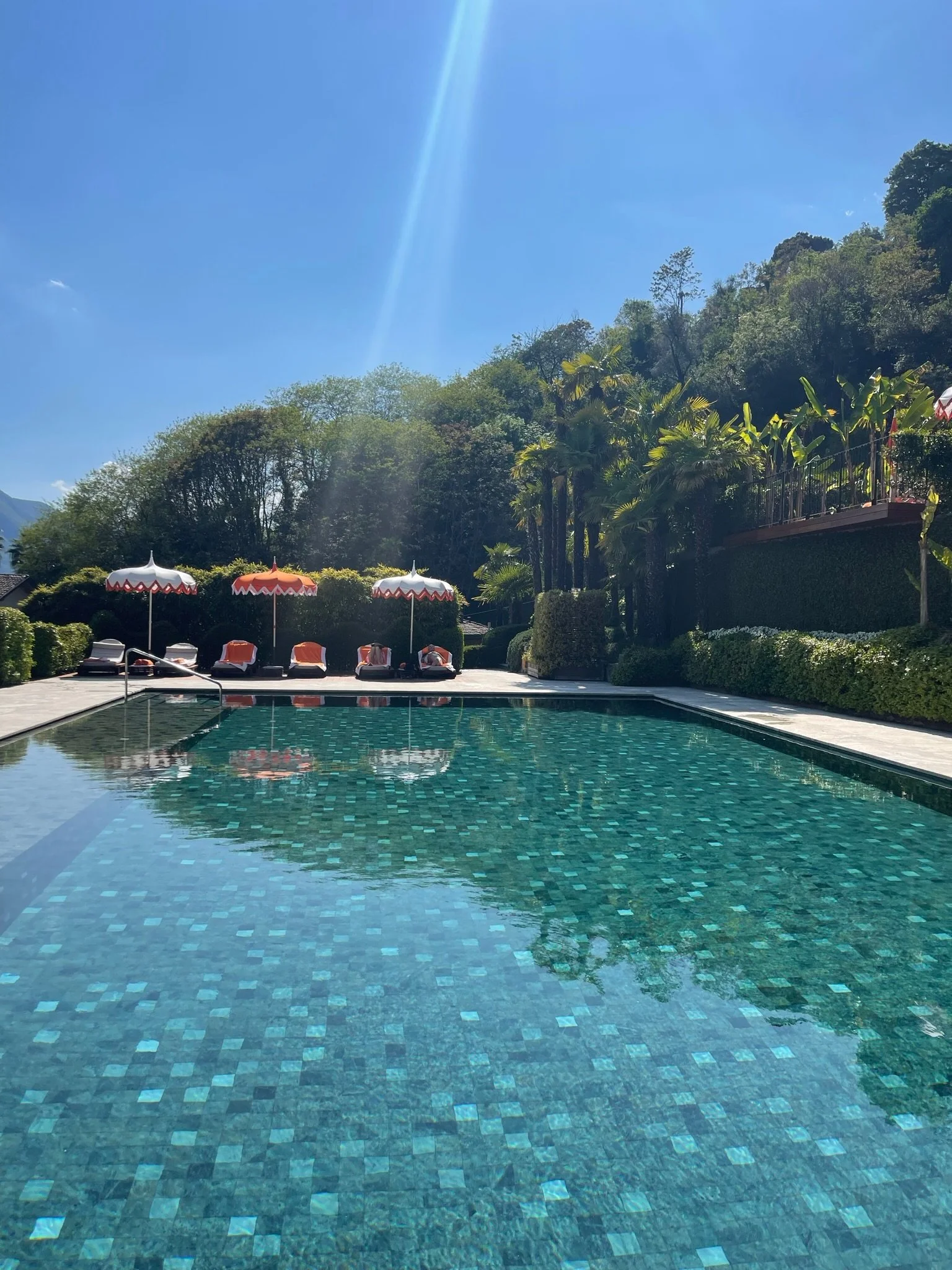
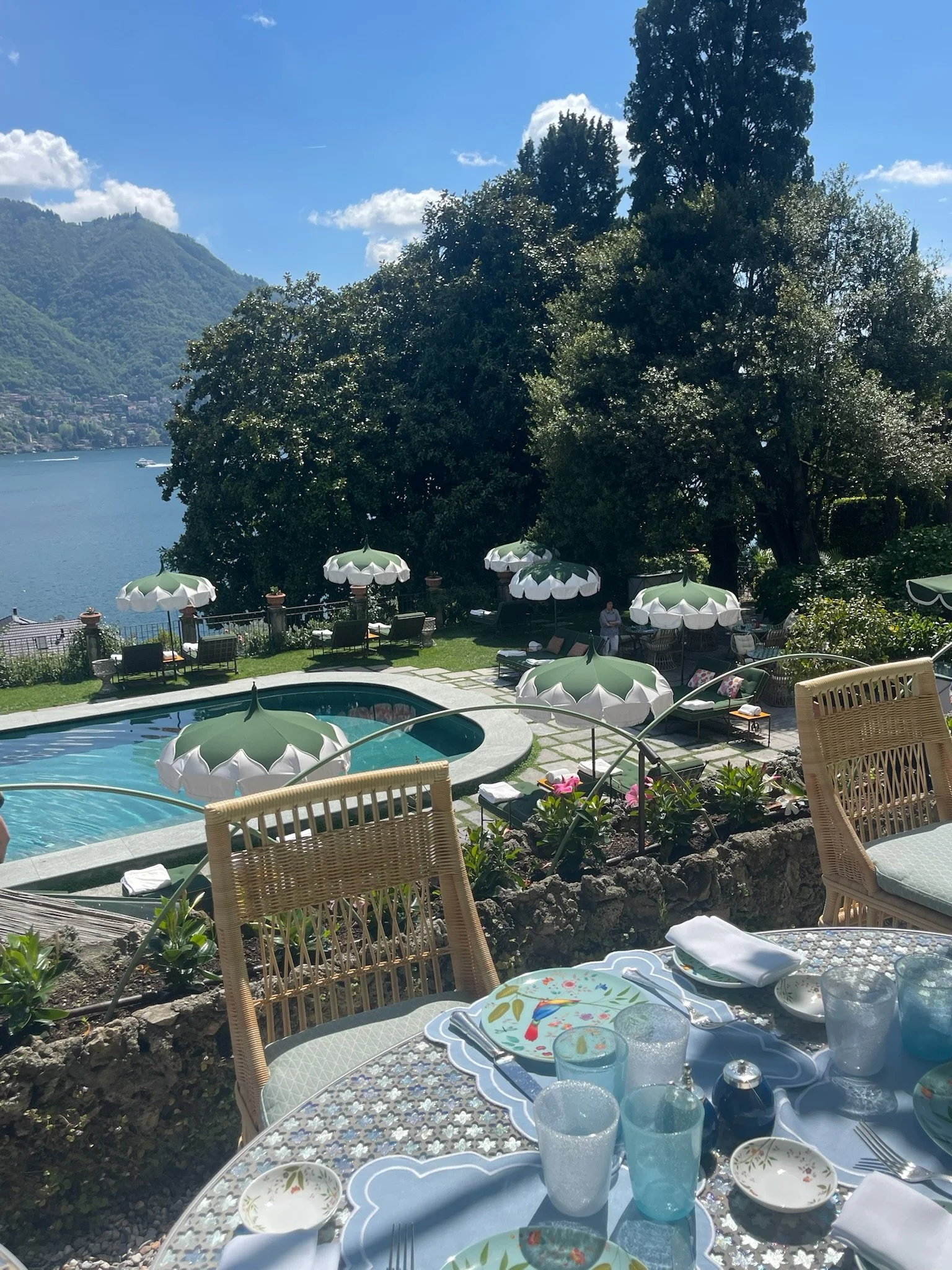
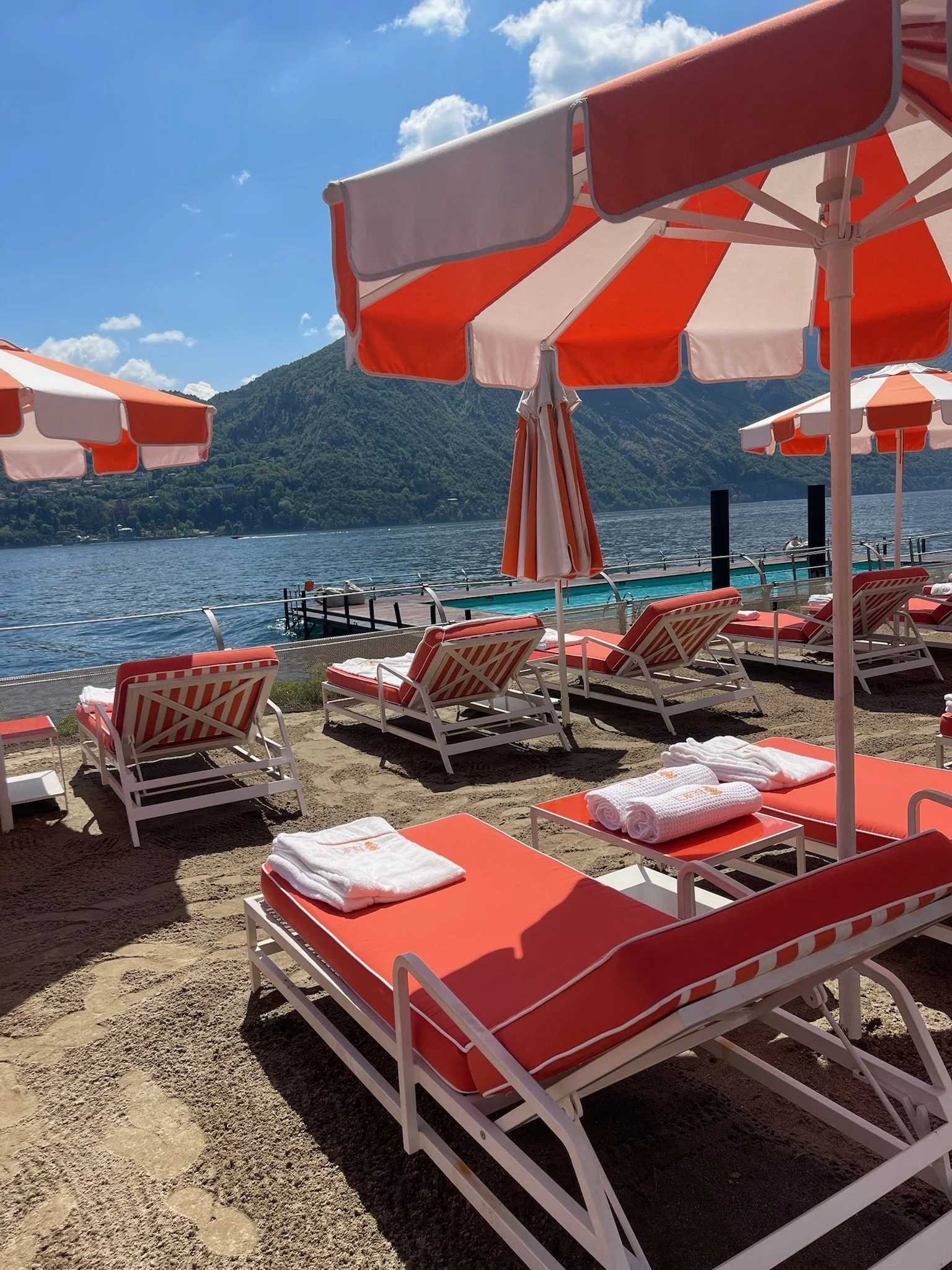
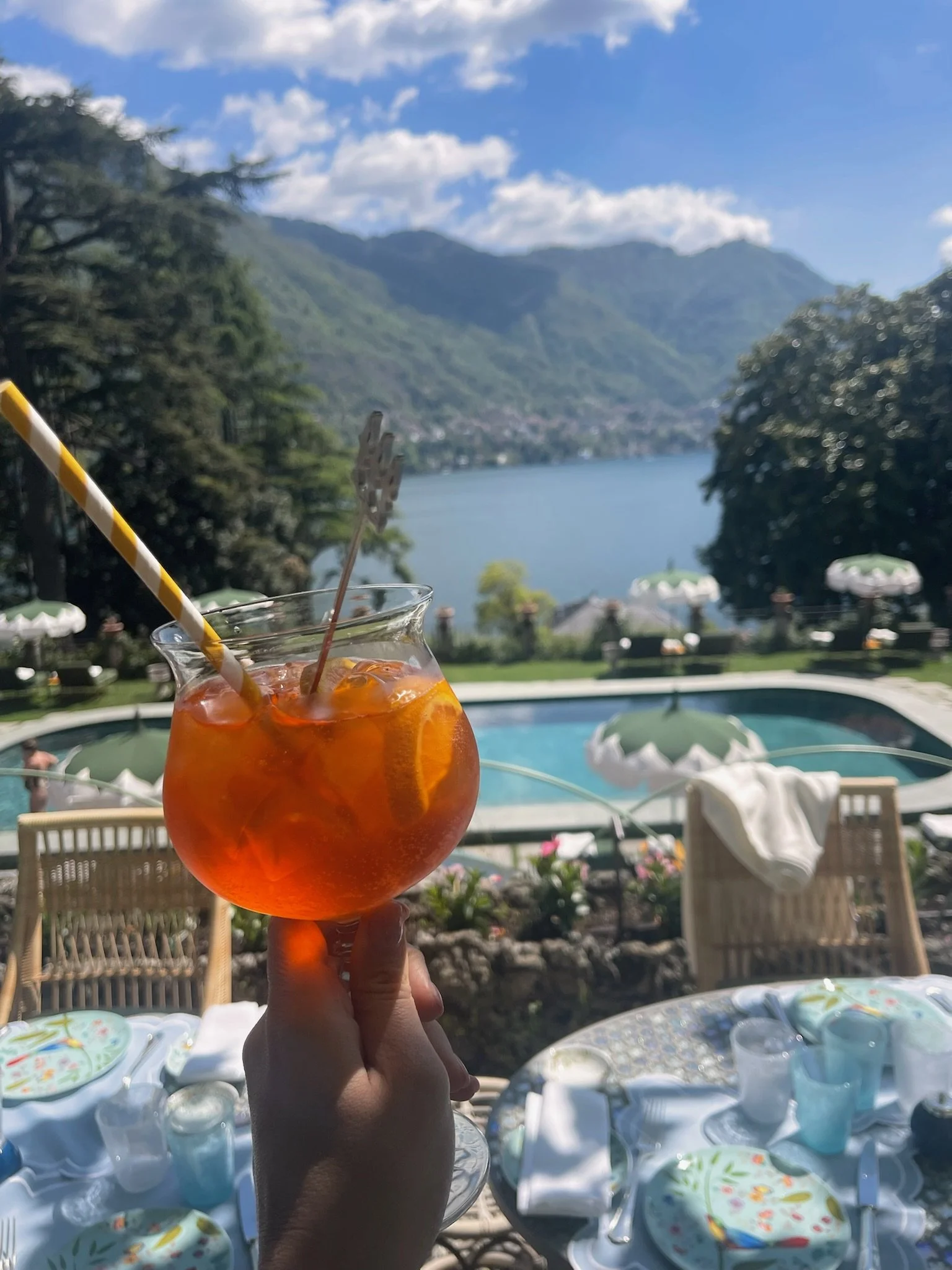
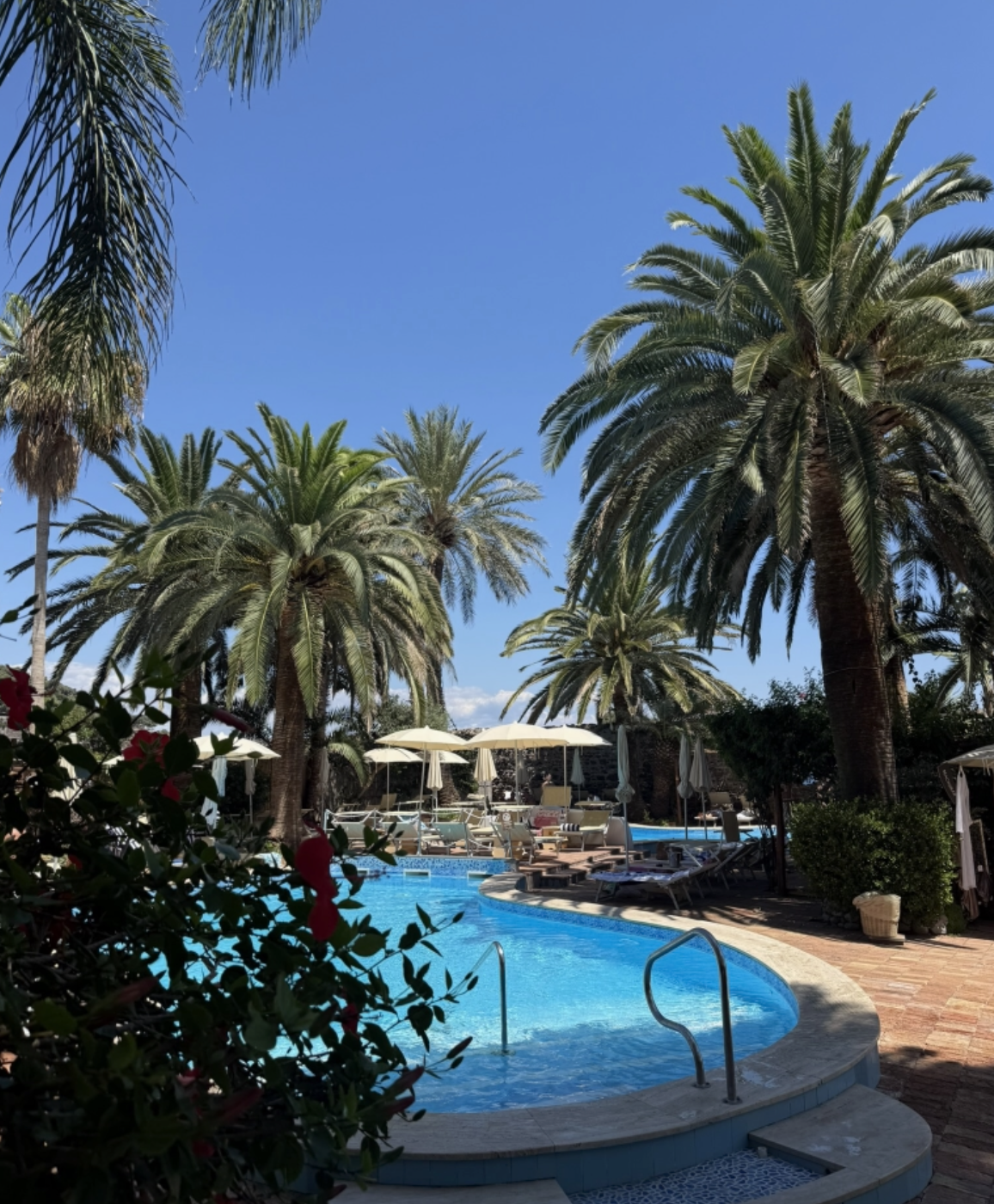
This is the property most people picture when they think of a grand Lake Como hotel: roughly 90 rooms and suites, multiple restaurants and bars, a private sandy beach, and three separate pools. That includes its most famous feature, the WOW pool (Water-On-Water), a floating pool set right on the surface of the lake itself (and it’s one of those things that really is as fun as it looks). There's also a garden pool tucked among the flowers and an infinity pool at the spa.

The suites have that old-world Lake Como glamour, but with plenty of modern touches. The Rooftop Corner Suites have private terraces, lake-view whirlpools and butler service. Suite Emilia is inside the 18th-century Villa Emilia, which also houses the T Spa, and has a marble bathroom with a steam bath and double rain shower.

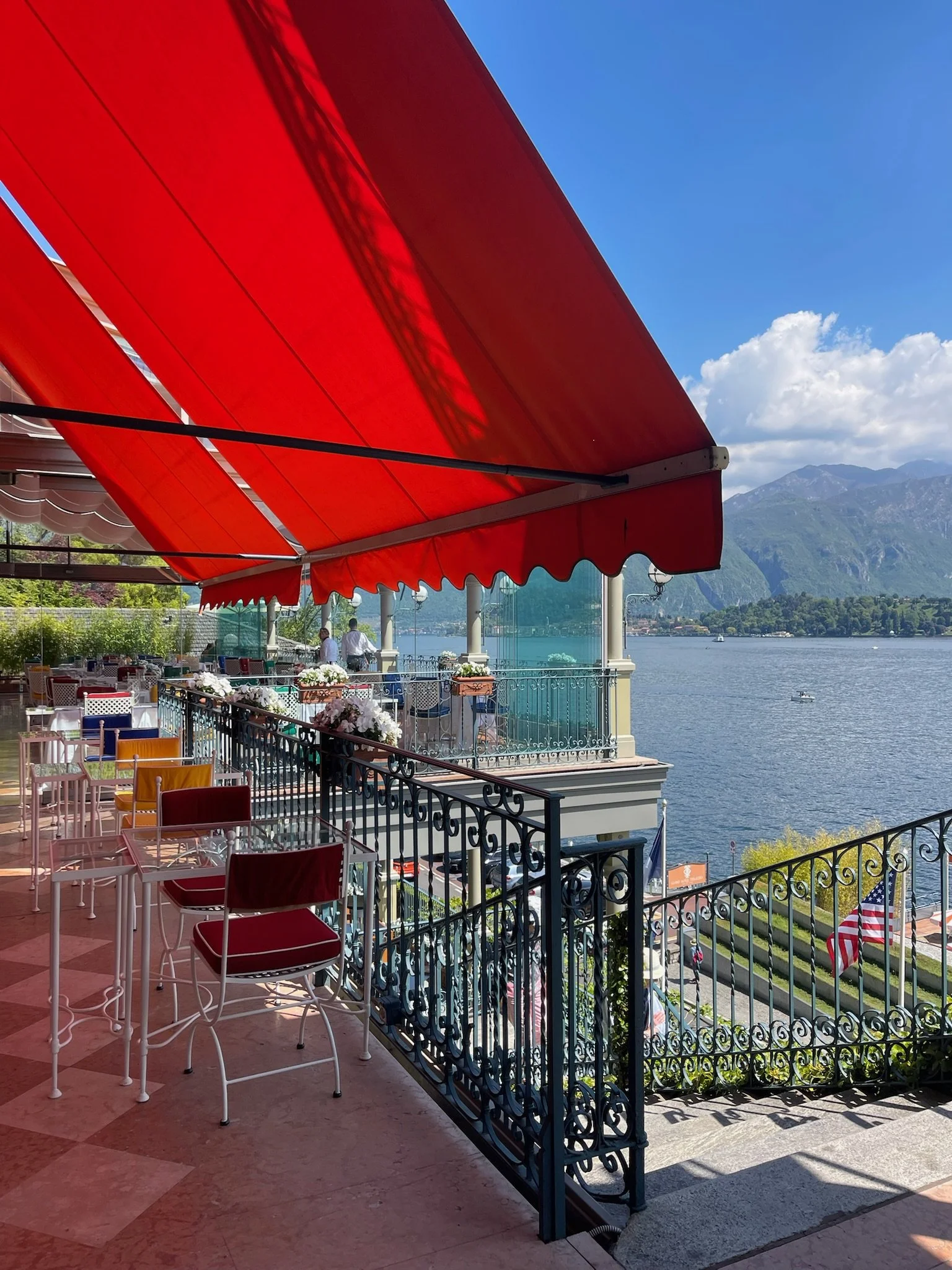
There’s dinner at La Terrazza, a tennis court, jogging paths and motorboats available to rent for exploring the lake on a guest’s own schedule.

For families, larger groups or travelers who like having plenty of options, that can be a big advantage. There’s no need to build every day around leaving the hotel. A pool morning can turn into a boat afternoon, followed by the spa and dinner without going very far.

Grand Hotel Tremezzo is a short walk from Villa Carlotta and its botanical gardens, and about an hour's drive from Milan Malpensa Airport. 

Best for: Travelers and families who want a true resort experience on the lake itself, with room to spread out and plenty to do without leaving the property.

Passalacqua: One Of The World's Most Talked-About Villa

Passalacqua's story starts long before it was a hotel. 

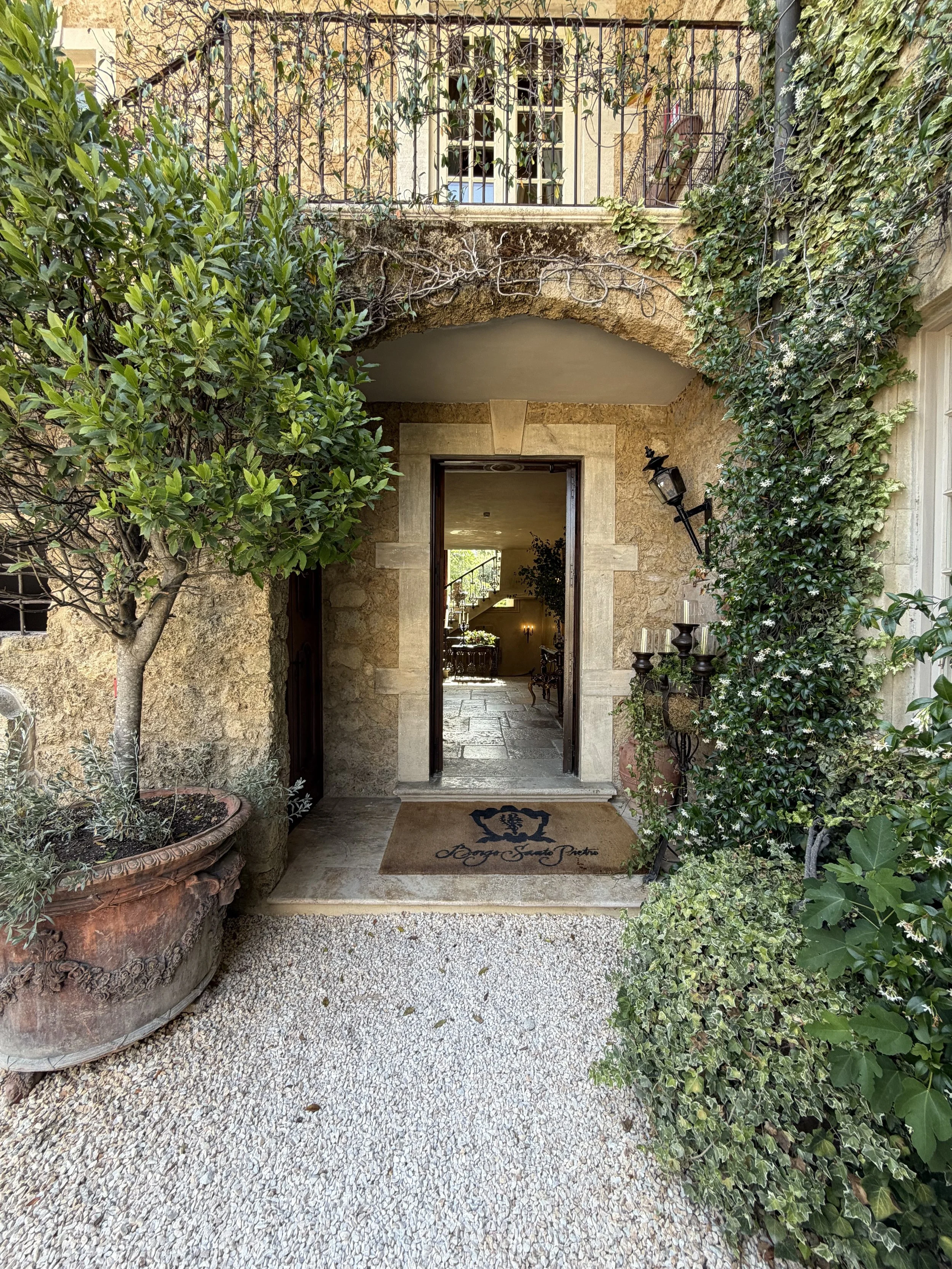
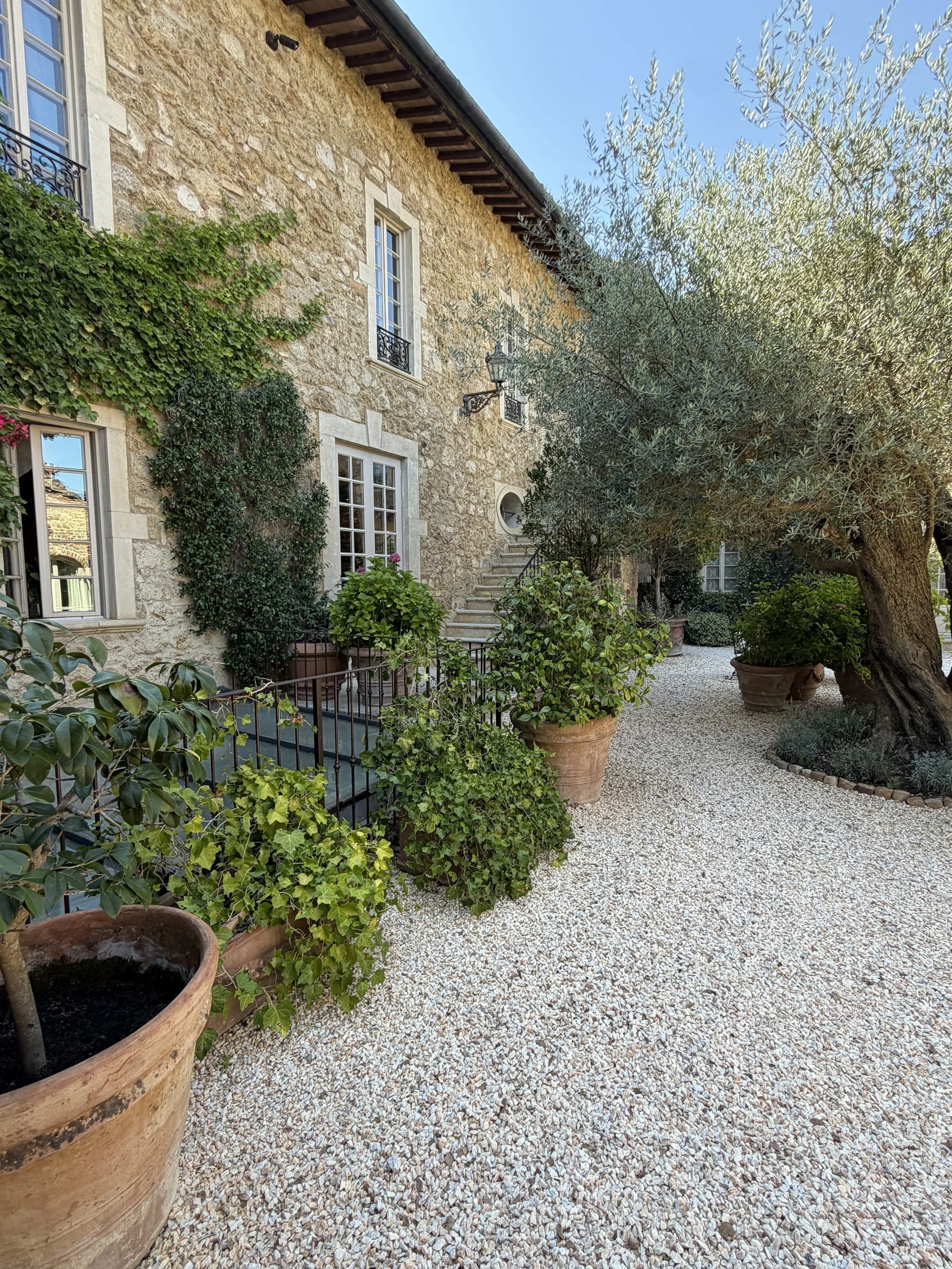
The 18th-century villa was commissioned by Count Andrea Lucini Passalacqua as a private residence. In 2018, the De Santis family bought the property and spent three years restoring it under the direction of Valentina De Santis, before opening it to guests in June 2022.

The results speak for themselves. In 2023, Passalacqua was named The World's Best Hotel at the very first World's 50 Best Hotels awards, a rare win for a small, family-owned property up against major global brands. 

Part of what makes it special is its size:There are just 24 rooms and suites, spread across three buildings. The main Villa holds the bulk of the rooms, the Palazz, once the estate’s stables, adds eight more, and Casa al Lago sits closest to the water with four rooms of its own.

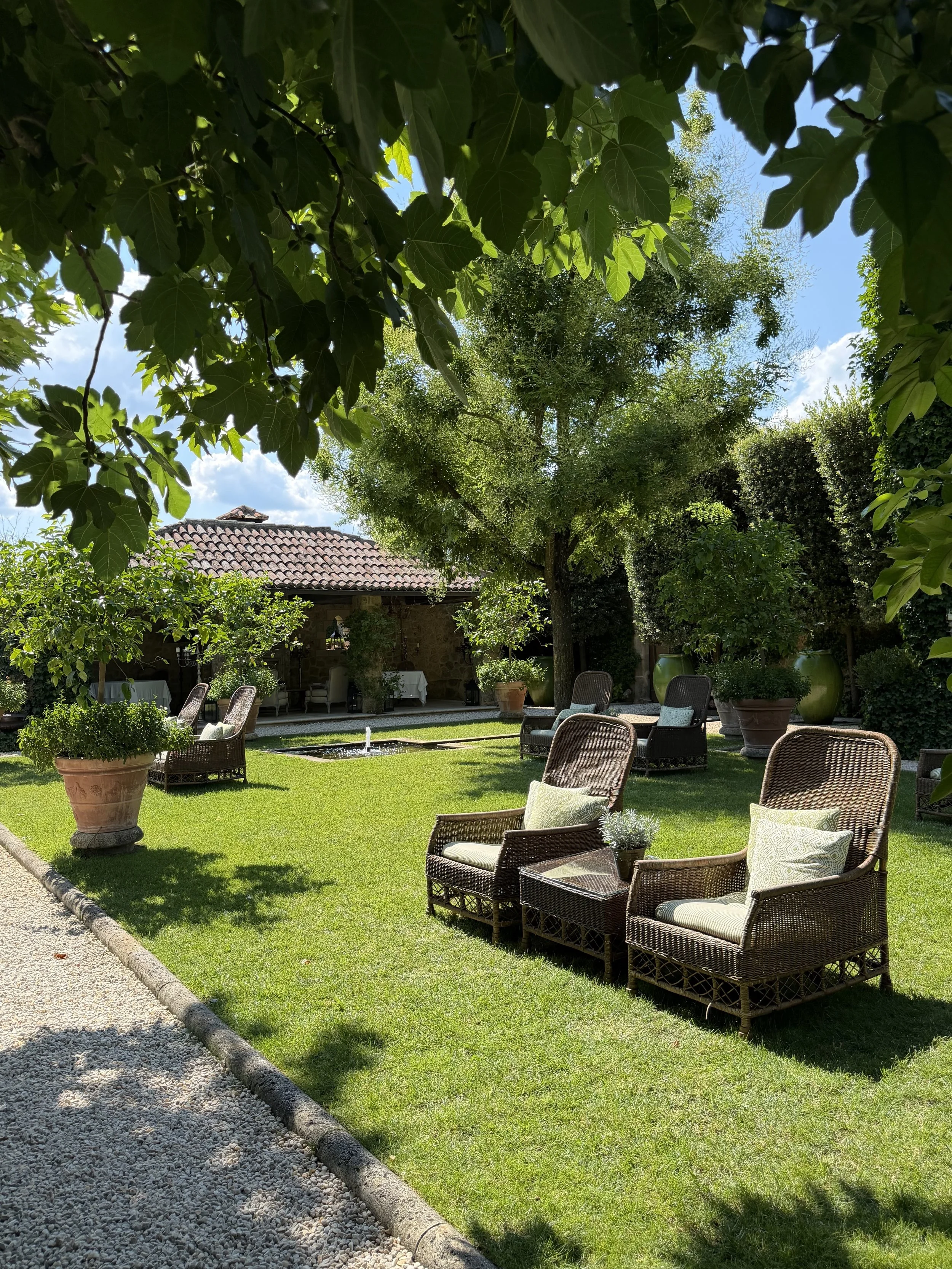
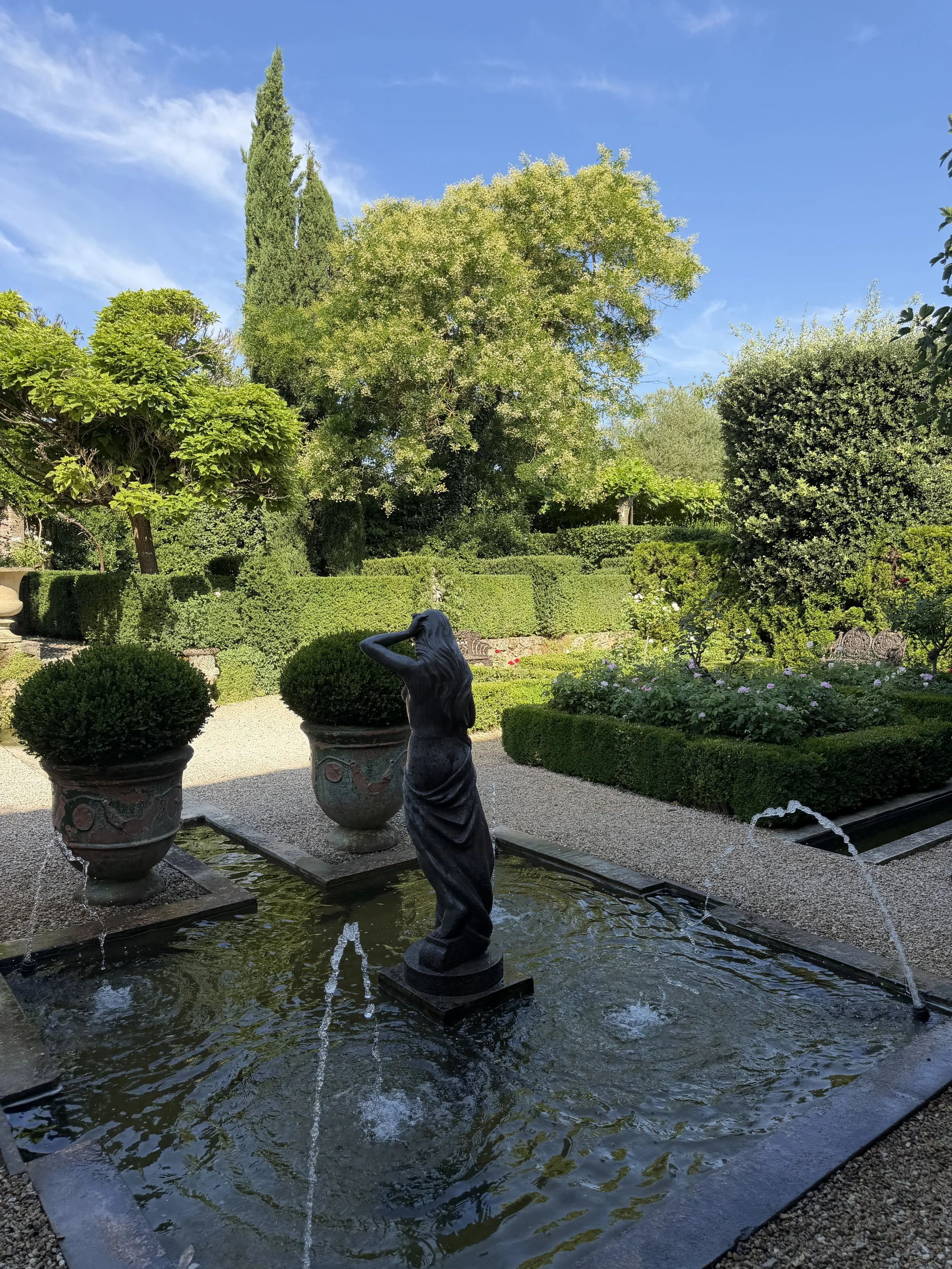
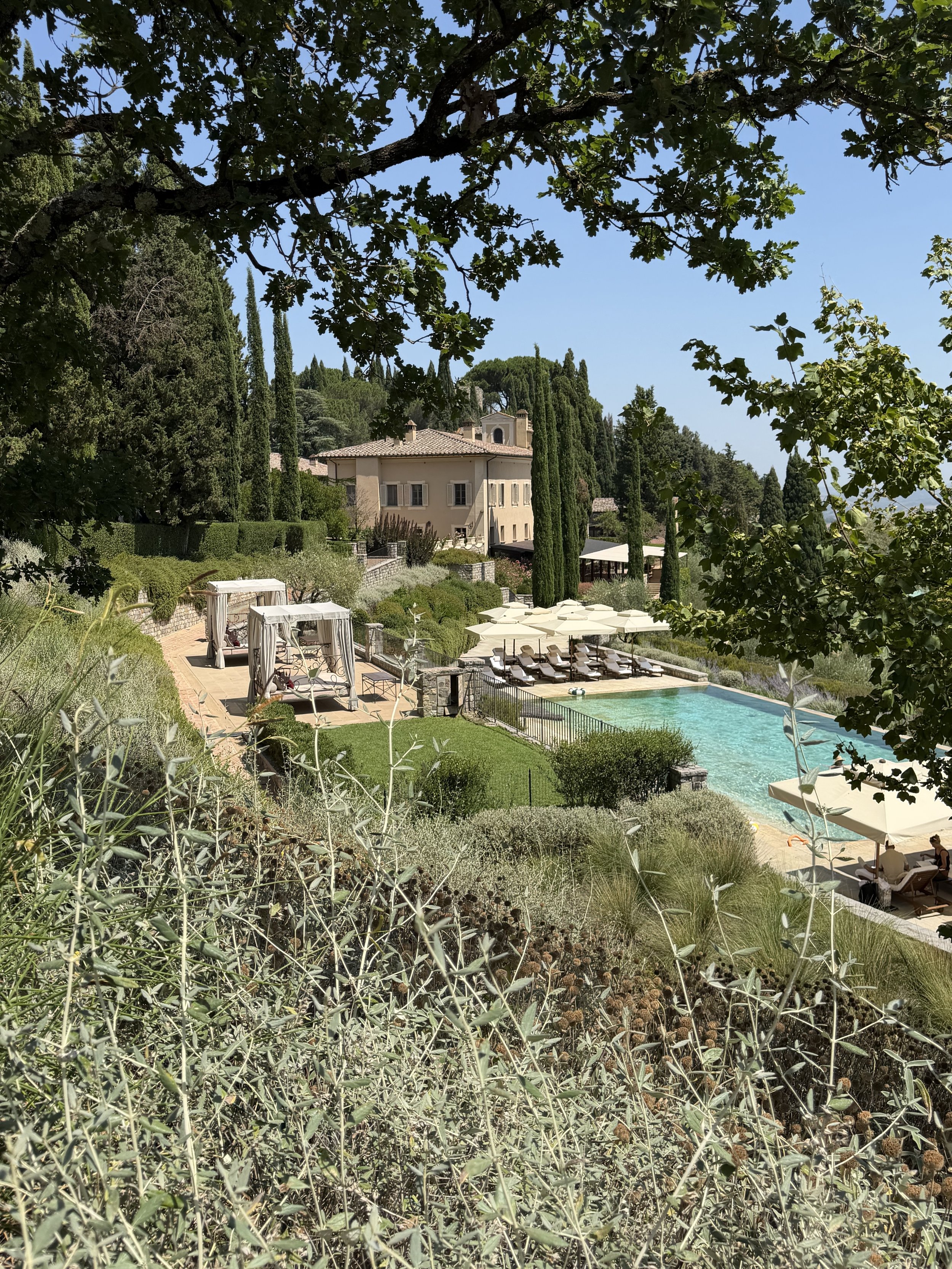
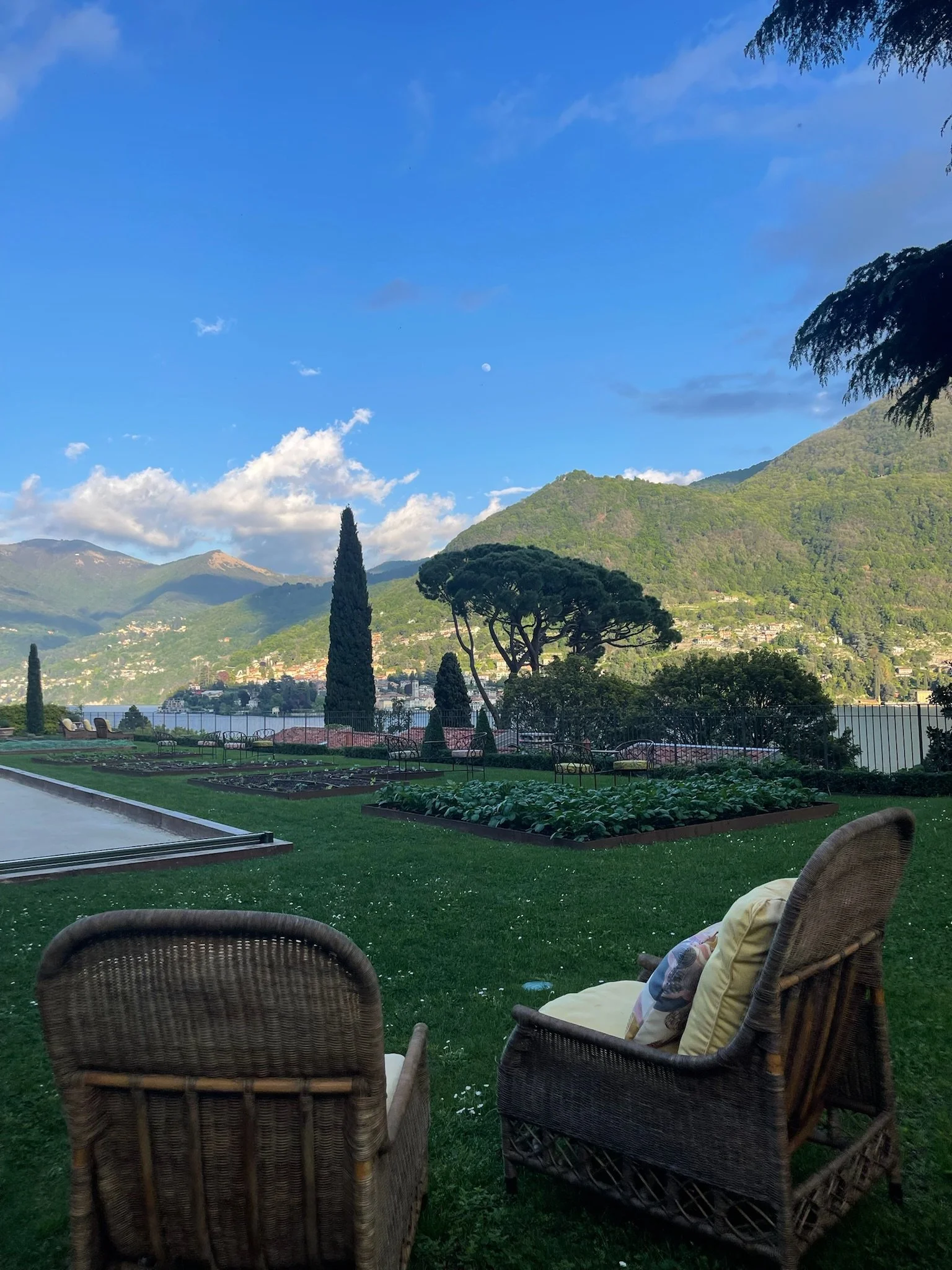
Then there are the seven acres of terraced gardens, planted with centuries-old cedars and magnolias, that lead down toward the pool and private dock. Old tunnels running beneath the villa, originally built in the 1700s, now lead guests to the spa. The gym is tucked into an olive grove, there’s a clay tennis court and a bocce court, and an in-house florist cuts fresh blooms from the garden every day.

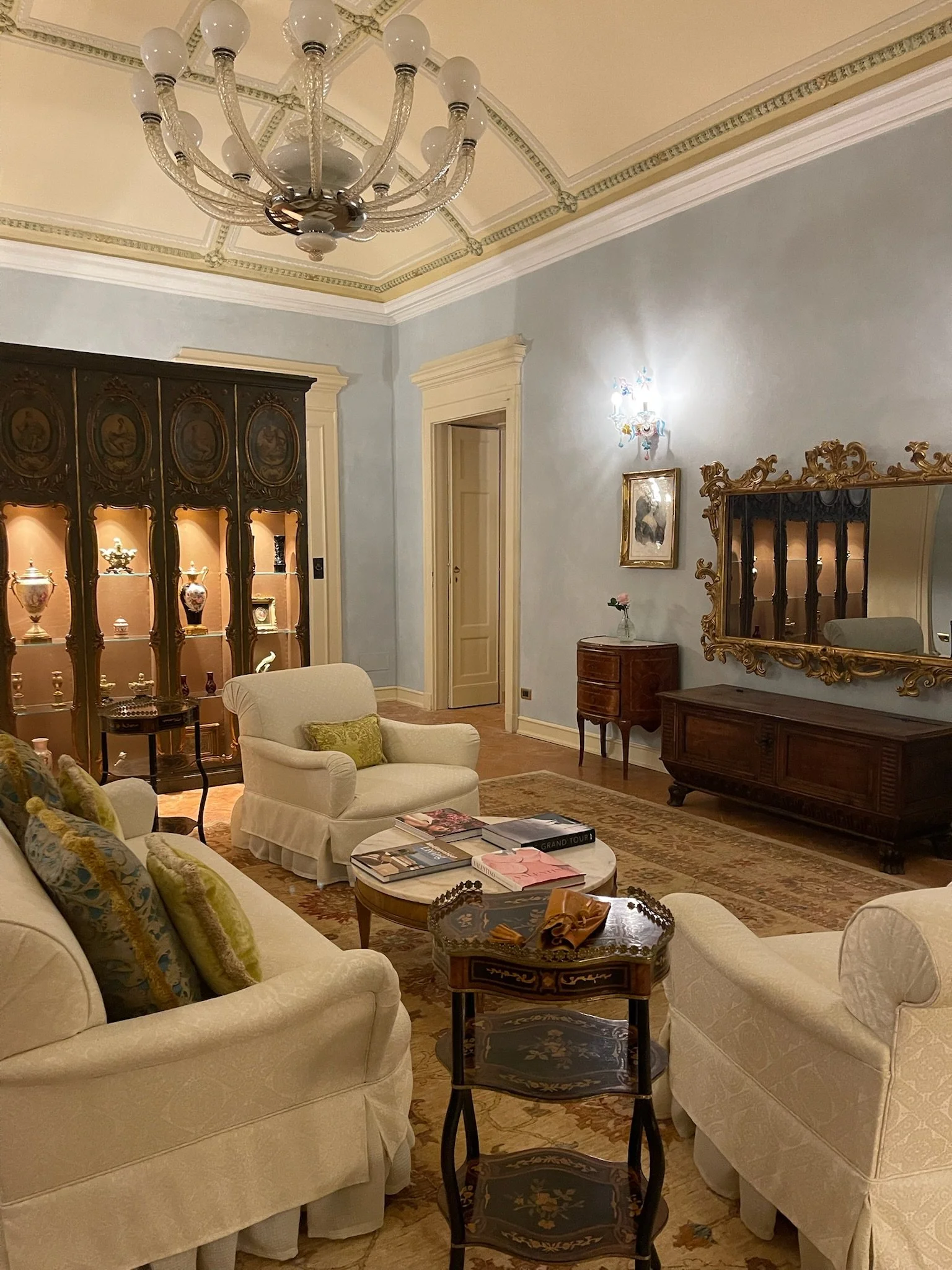
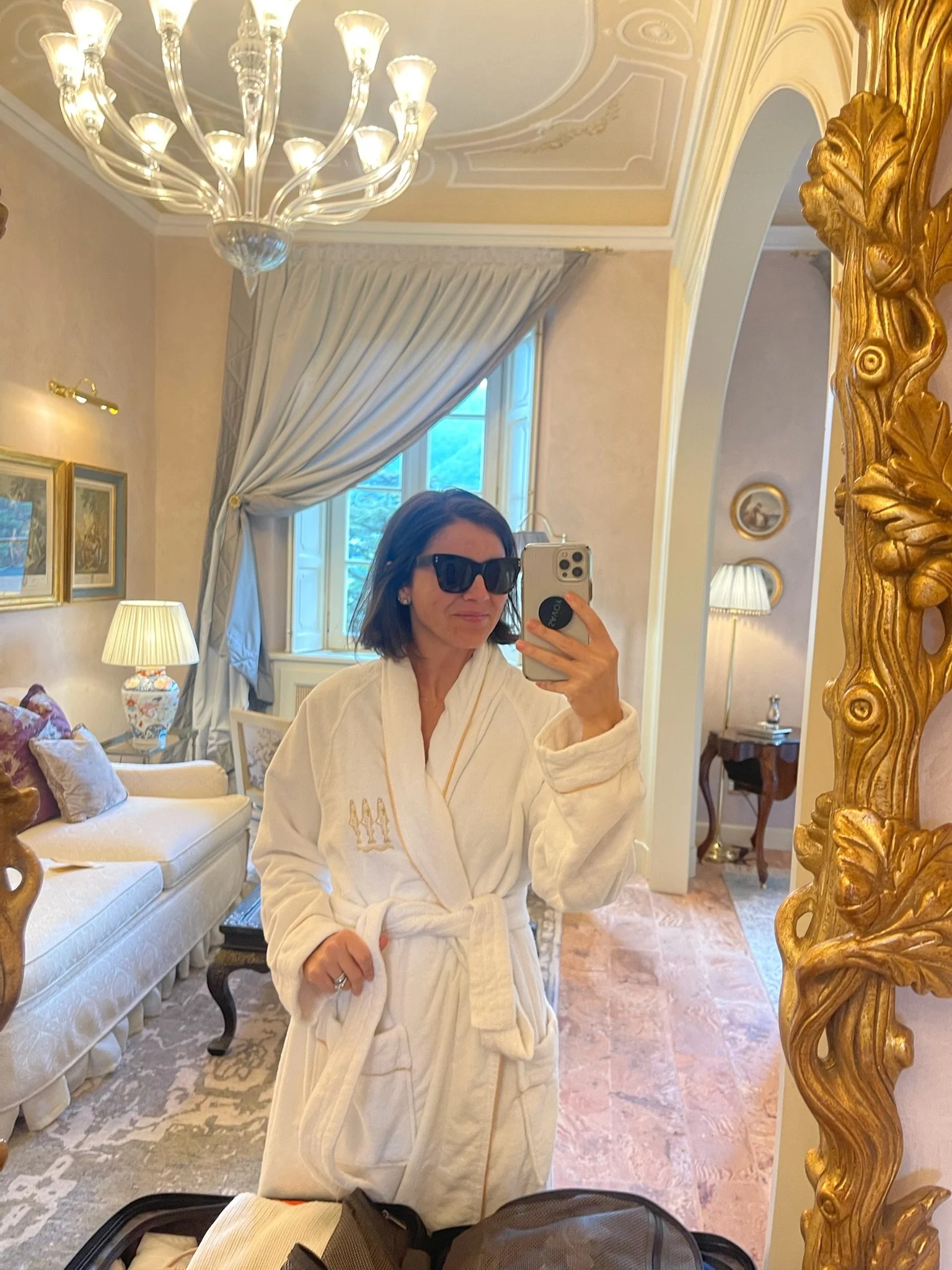
Where Grand Hotel Tremezzo is built around the lake itself, Passalacqua is built around the feeling of staying somewhere private. There's no long list of hotel amenities to work through, just a small team focused on one thing: making guests feel like the villa is theirs for the stay.

Passalacqua sits in Moltrasio, also on the western shore, close to Villa d'Este and about 45 minutes to an hour from Milan Malpensa Airport.

Best for: Couples, honeymooners, and small groups who want the most private, residence-like luxury experience on the lake, and who don't mind a smaller property with fewer public spaces.

How to Choose Between Them

Both hotels share the same standard of service and an amazing stay at both properties is guaranteed. What sets them apart is how each traveler wants to spend their days on the lake.

For travelers who want to swim in the lake, spend afternoons on a private beach, have restaurants and bars to choose from and plenty happening around the property, Grand Hotel Tremezzo is the better fit. Its size also makes it a natural choice for families or larger groups traveling together.

Passalacqua is a different story.

Travelers looking for the quietest, most exclusive version of Lake Como will likely lean toward Passalacqua. Its small scale and residence feel make it especially suited to couples and honeymoons, though it's just as capable of hosting a family looking for a private villa escape.

And then there are the travelers who look at both and think, why choose?

Some travelers book a few nights at each, and that can actually be a great way to experience Lake Como. Grand Hotel Tremezzo brings the resort energy, the pools, the beach and all the activity around the lake. Passalacqua brings the quieter, more intimate side of the experience.

It gives travelers a little bit of both, which can be especially nice on a longer Lake Como stay.

Both properties keep a short winter closure, generally from early January into March, so travel is best planned for spring through fall, with September and early October offering some of the calmest, most pleasant weather on the lake.

Planning Your Lake Como Stay

We can help you arrange stays at both Grand Hotel Tremezzo and Passalacqua. And Lake Como doesn’t have to be the whole trip. At KJ Travel, we regularly build multi-stop itineraries throughout Italy and Europe, connecting a stay on the lake with other destinations, hotels and experiences that make sense for the overall trip.

Ready to experience these properties first hand? Contact a KJ Travel advisor and start planning your Lake Como getaway today!

FAQs: Grand Hotel Tremezzo vs. Passalacqua

Which is more private: Grand Hotel Tremezzo or Passalacqua?

Passalacqua is the more intimate choice. It has only 24 rooms across a private seven-acre estate, compared with Grand Hotel Tremezzo’s 77 rooms and much larger resort setup.

Which is better for a honeymoon?

Passalacqua is particularly suited to honeymooners who want privacy, romantic surroundings and plenty of unstructured time together. Grand Hotel Tremezzo is a better match for couples who prefer a livelier atmosphere with several restaurants, pools and activities.

Which is better for families?

Both hotels can accommodate families. Grand Hotel Tremezzo offers more traditional resort infrastructure and room categories such as the Terrace Garden Suite, which sleeps two adults and two children. At Passalacqua, select rooms interconnect, including Casa al Lago accommodations that can create a two-bedroom family setup.

Which hotel is better for a first visit to Lake Como?

Grand Hotel Tremezzo is especially convenient for a first trip because of its position in the central lake area. Bellagio is approximately 10 minutes away by boat and Varenna about 15 minutes, making it easy to combine hotel time with sightseeing.

Do both hotels offer boats on Lake Como?

Yes. Both properties offer access to Lake Como by private jetty and operate boat experiences. Grand Hotel Tremezzo offers lake excursions from its jetty, while Passalacqua has a fleet that includes vintage and modern launches.

The Dolomites: A Luxury Escape for Every Season

Quick Take

  • The Dolomites are a UNESCO World Heritage mountain range in northern Italy, spanning South Tyrol, Trentino, and Veneto, with 18 peaks over 3,000 meters.

  • It has a genuinely different character in every season: skiing and gourmet mountain lunches in winter, hiking and cycling in summer, and a quieter, arguably more atmospheric window in early autumn.

  • It is not, however, open at full capacity every week of the year. Many five-star hotels and lifts close for a few weeks each spring (roughly April into May) and autumn (October into early December), so exact dates matter.

  • Standout luxury bases include Aman Rosa Alpina and La Perla in Alta Badia, Gardena Grödnerhof in Val Gardena, COMO Alpina Dolomites on the Alpe di Siusi plateau, and Ancora Cortina in Cortina d'Ampezzo, with Mandarin Oriental's first alpine resort now scheduled to open in Cortina in early 2027.

  • South Tyrol is one of Italy's most Michelin-dense regions: 21 starred restaurants and 25 stars total in the 2026 Guide.

UNESCO has described the Dolomites as among the most beautiful mountain landscapes in the world. And the appeal goes beyond the scenery, the Dolomites has a combination of: amazing luxury hotels, a great dining scene, real wellness culture, and a landscape that looks completely different depending on the month.

On her recent stay with her family, KJ Travel advisor Melissa saw this firsthand. She found the Dolomites feel like a different side of Italy than most repeat visitors know, with Austrian, German, and Ladin influences alongside the Italian ones.

Different in Every Season

The Dolomites earn their reputation as a year-round destination in the truest sense: each season brings a full, distinct experience rather than a lesser version of the one before it. Winter means skiing and lunch on snow-covered terraces at the rifugi. Summer brings wildflower meadows, hiking, and cycling. Early autumn, arguably the best-kept secret of the four, brings quiet trails, crisp air, and the region's harvest cuisine, along with the "enrosadira," the local Ladin term for the way the pale rock faces glow pink and red at sunset.

What the Dolomites are not is a destination that runs at full capacity every single week of the year. During the shoulder windows, roughly April into May and October into early December, a number of five-star hotels, mountain huts, and lifts close for a few weeks between seasons. Aman Rosa Alpina in San Cassiano, for example, typically closes from mid-October to early December before reopening for ski season. Ancora Cortina follows a similar pattern, with spring and autumn closures of its own. Melissa saw this firsthand in her early June family trip: trails, parking, and attractions were noticeably quieter than they'd be later in the summer, but some boutiques and restaurants in Cortina were still ramping up for the season. Her takeaway is that early June rewards travelers who prioritize quiet hiking over a full resort-town atmosphere.

None of this makes the destination less appealing. It just means the calendar deserves as much attention as the hotel list, which is one of the many details where planning with a travel advisor pays off.

Winter: Skiing With a Side of Gourmet Culture

Winter is still the Dolomites' signature season, and for good reason. The Dolomiti Superski network connects 12 ski areas across roughly 1,200 kilometers of slopes and 450 lifts, all on a single pass, making it the largest interconnected ski area in the world.

The luxury version of a Dolomites ski day looks different from a typical Alpine one, though. Alta Badia has built its identity around what its tourism board calls "gourmet skiing": chefs create dishes for mountain huts along the slopes, and entire days are built around a proper lunch rather than maximizing vertical feet. A well-planned day might run: a private instructor for a few runs on the Sellaronda circuit, a stop at a mountain hut for lunch, an easy ski home, then a spa afternoon and dinner. It's less about conquering the mountain and more about enjoying it properly.

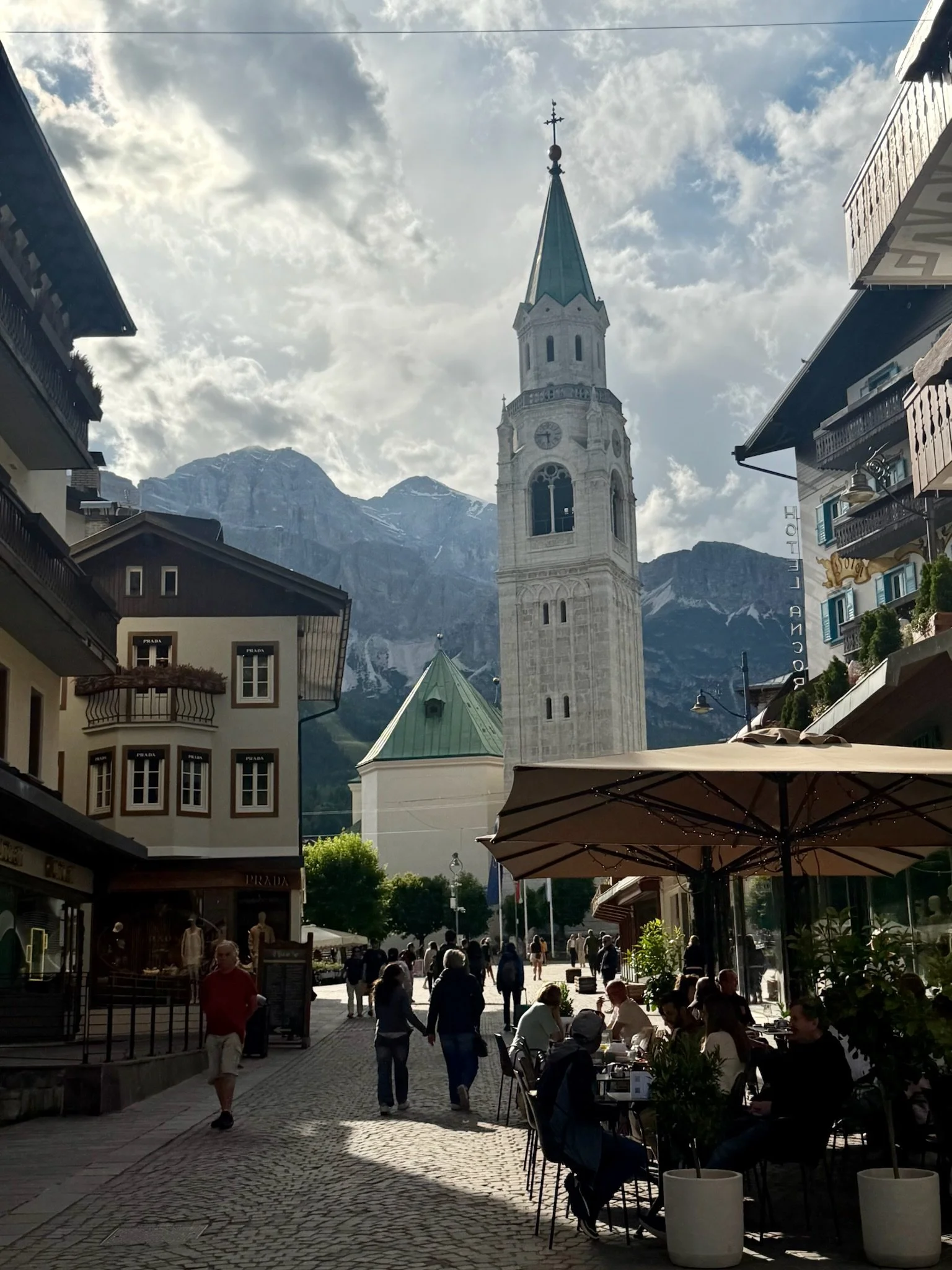
Cortina d'Ampezzo, one of Italy's glamorous mountain towns, offers a different personality entirely: 120 kilometers of local slopes plus a genuine town, with boutiques, restaurants, and an evening scene once the lifts close. That makes it a strong option for couples or families where not everyone wants to ski from first lift to last.

Summer and Early Autumn: The Season Still Underestimated

Once the snow melts, the Dolomites don't become a lesser version of themselves. They become an entirely different destination. Val Gardena alone maintains a trail network running into the hundreds of kilometers, and the wider region offers everything from gentle valley walks to multi-day, hut-to-hut routes.

The activity list is long: private guided hikes along dramatic ridgelines like Seceda, e-bike routes through alpine valleys, via ferrata with a certified mountain guide, horseback riding, golf and tennis around Cortina, and lunches at rifugi (mountain huts) reachable only on foot or by lift. On Melissa's trip, guides consistently flagged that crowds build sharply from mid-June into July at the region's best-known sights, worth building into any itinerary planned around peak summer dates.

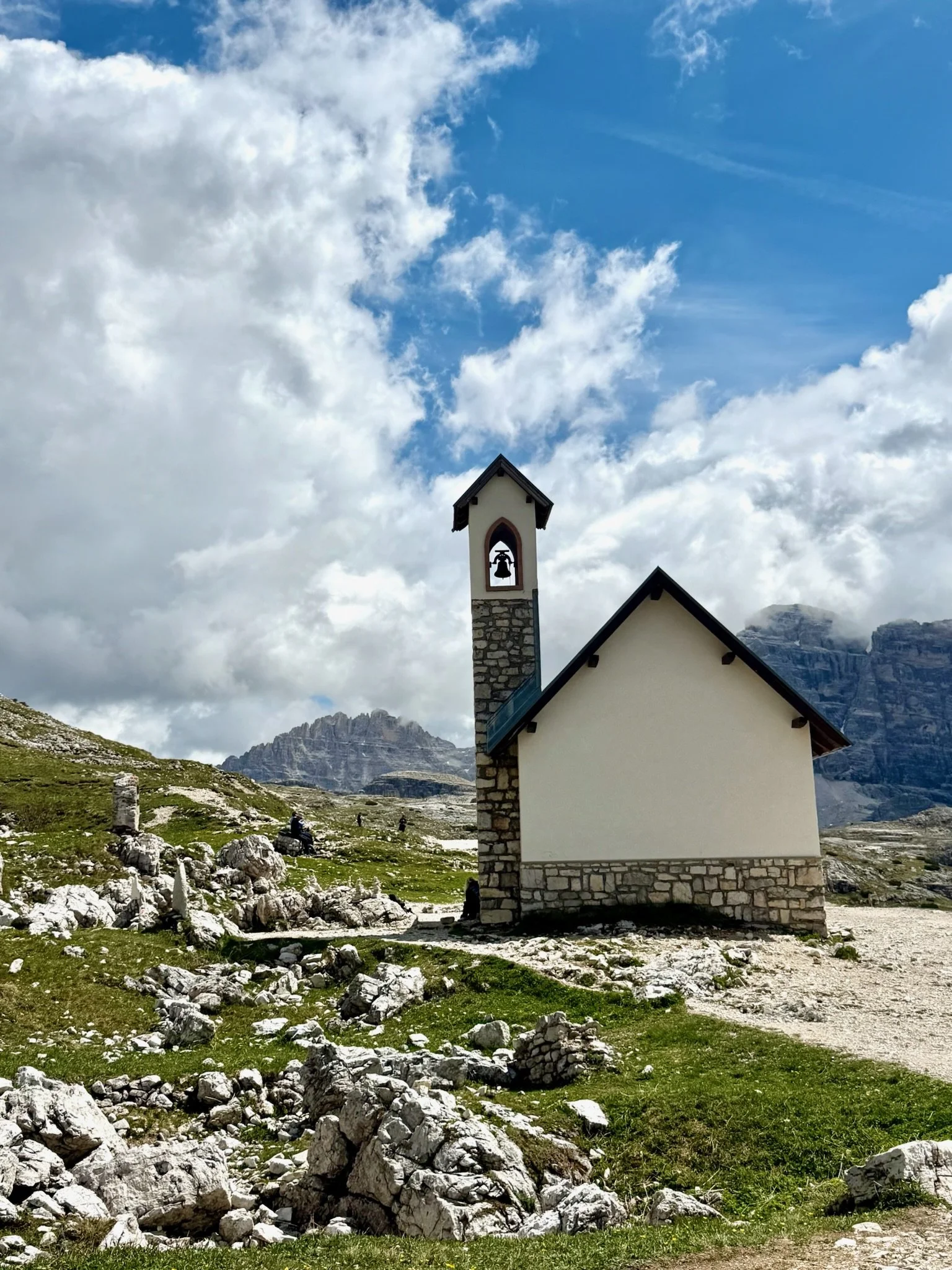
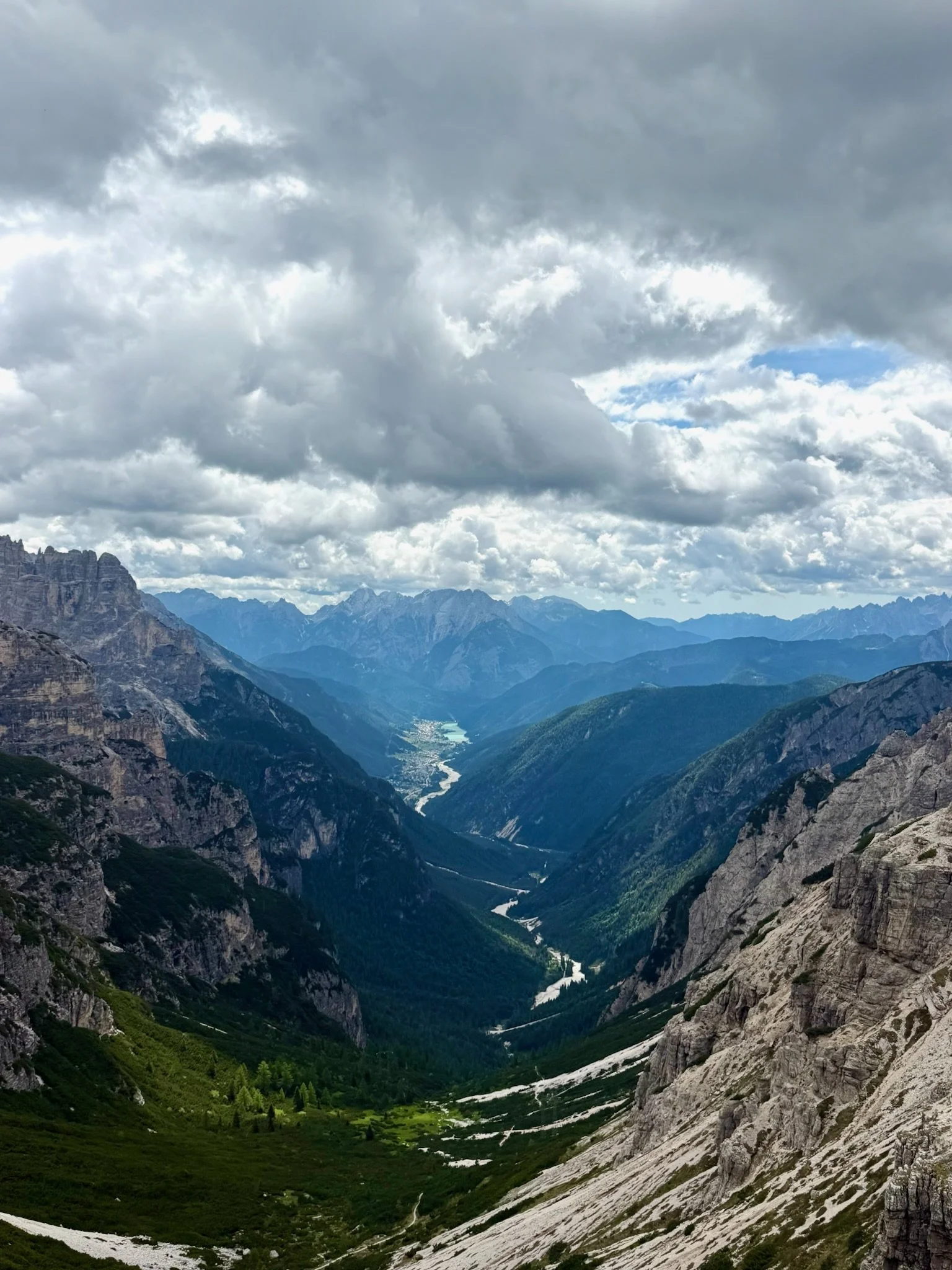
Tre Cime di Lavaredo was, for Melissa, one of the standout hikes of the trip: otherworldly scenery she'd put on any not-to-miss list. The via ferrata outing ranked among the most memorable family activities of the week. A strong guide made the difference, and clipping in together as a family, working through the route and encouraging one another along the way, created a real sense of shared accomplishment, especially with teenagers along for it.

The rifugi lived up to their reputation, too. Melissa found that pairing a hike with a proper mountain lunch, rather than treating the meal as something to rush through before heading back to the hotel, is a big part of what makes summer in the Dolomites feel genuinely luxurious rather than simply active.

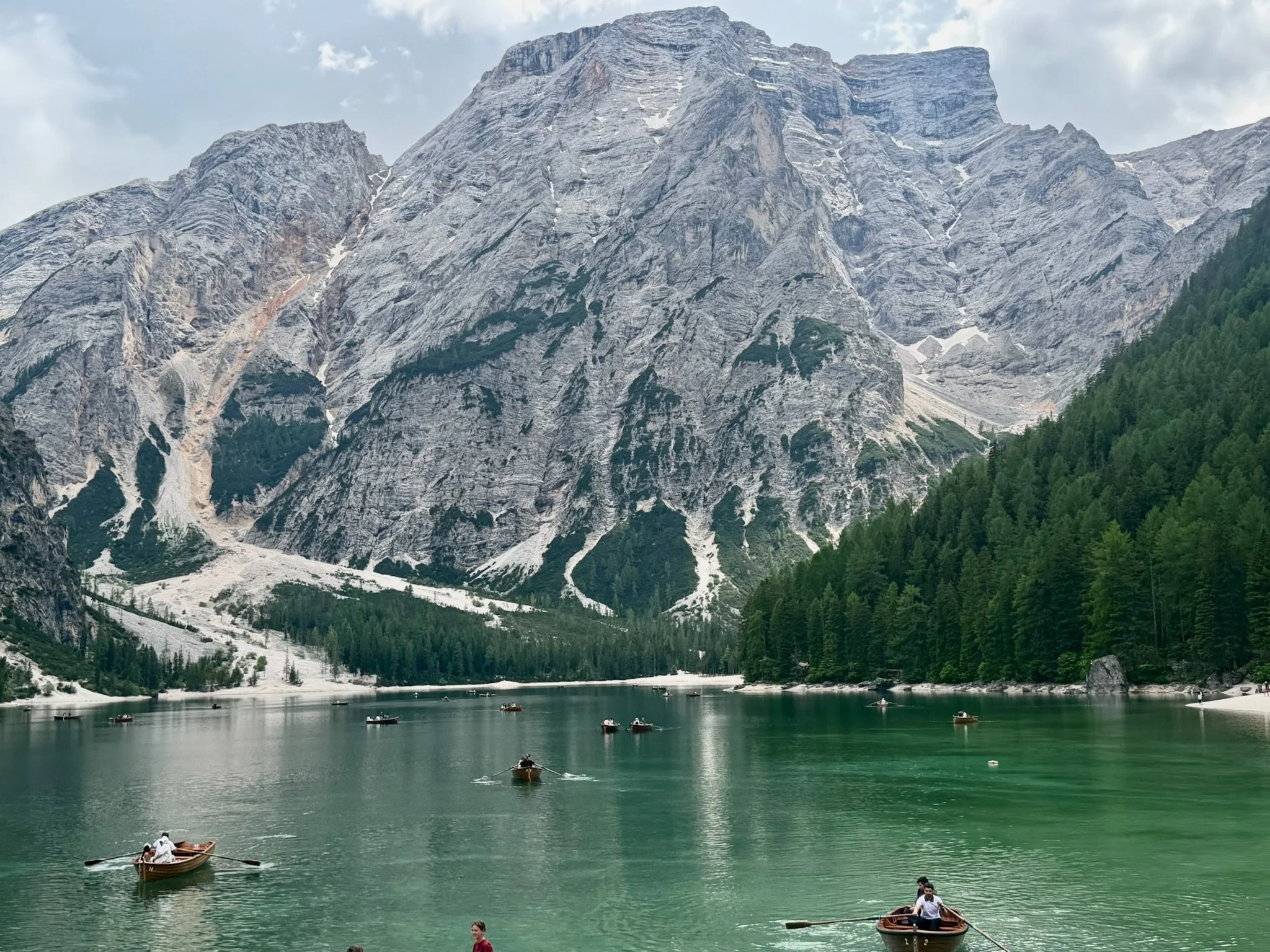
Lago di Braies deserves its own mention. Melissa described rowing one of the lake's traditional wooden boats in the early evening as one of the simplest, best moments of the trip, and during an early-June visit, access and parking were easy. Her advice for clients staying in Cortina, where the lake is roughly an hour away: the boat ride itself is short, so during the busiest weeks it's worth discussing timing with your travel advisor to decide whether an early or later visit makes more sense, rather than assuming a midday trip will be worth the drive.

Those kinds of details matter for a specific kind of traveler: multigenerational families and mixed-ability groups. One person can tackle a hike while another spends the morning at the spa, takes a scenic lift up, and meets everyone for lunch. Few mountain destinations offer that much flexibility without anyone feeling like they compromised.

Where to Stay: Four Very Different Bases

The Dolomites aren't one destination but several, and the valley matters as much as the hotel.

Alta Badia (San Cassiano and Corvara) suits a traveler who wants food, beautiful hotels, and sophisticated skiing or hiking in equal measure. Aman Rosa Alpina in San Cassiano reopened in July 2025 as a full Aman property following an extensive renovation: 51 rooms and suites, an expansive Aman Spa, and ski-butler service to the Piz Sorega lift. A few minutes away in Corvara, Hotel La Perla takes a different approach: deeply rooted in Ladin culture, home to a great wine cellar, and a member of Leading Hotels of the World, with its restaurant, La Stüa de Michil, holding a Michelin star.

Val Gardena (Ortisei and Selva) makes a strong first-time base thanks to its geography. From Ortisei, the Seceda ridgeline (2,519 meters) delivers one of the most photographed views in the range. Gardena Grödnerhof, a five-star Relais & Châteaux property, is one of the valley's most established addresses, and its restaurant, Anna Stuben, has held a Michelin star since 2025.

Alpe di Siusi is for a traveler who wants the mountain itself, not a resort town. COMO Alpina Dolomites sits directly on the plateau, pairing ski-in/ski-out winter access with COMO's Shambhala wellness philosophy and warm-season hiking, biking, and riding. It's the answer when someone wants breathtaking scenery and a great spa.

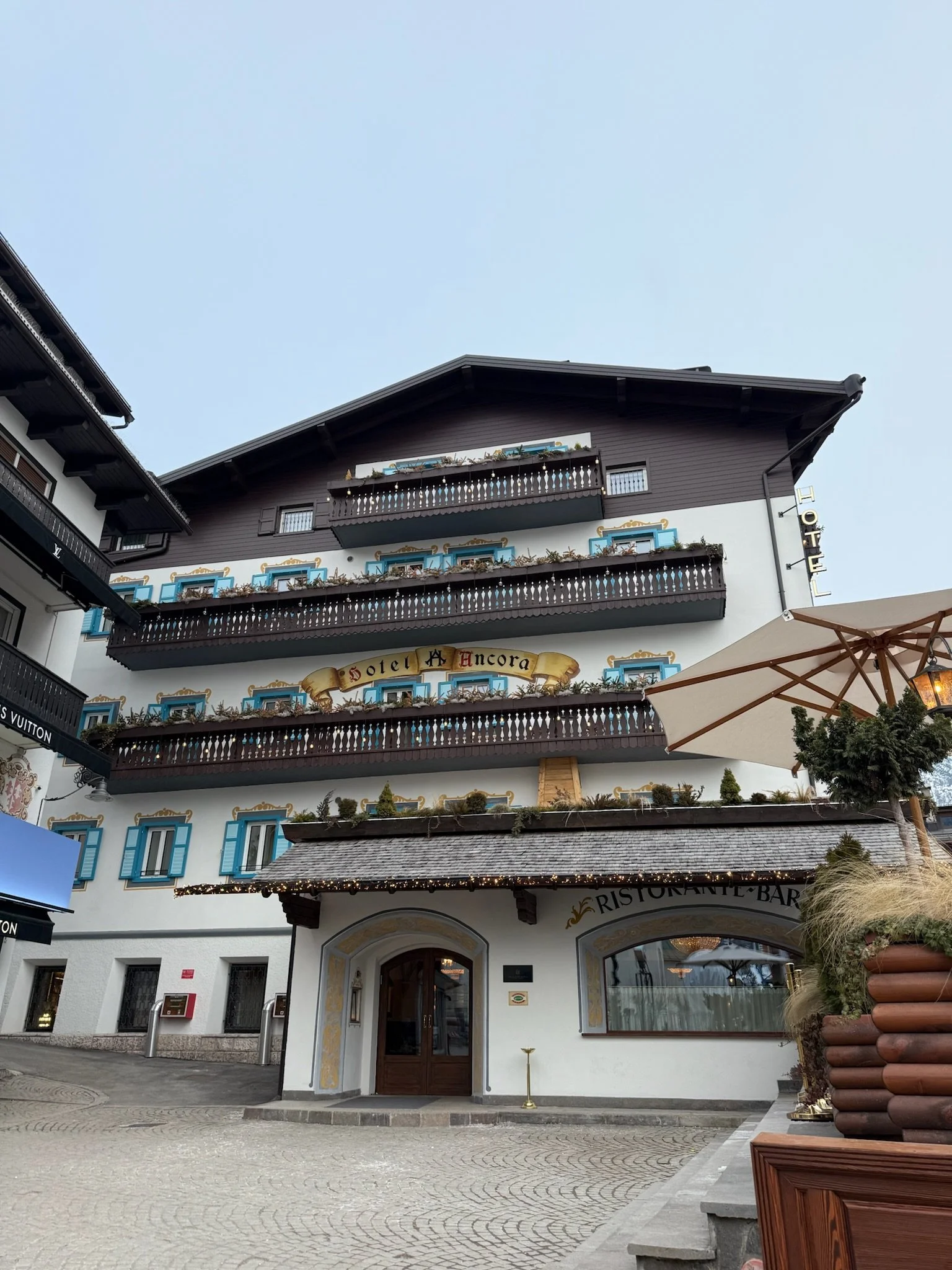
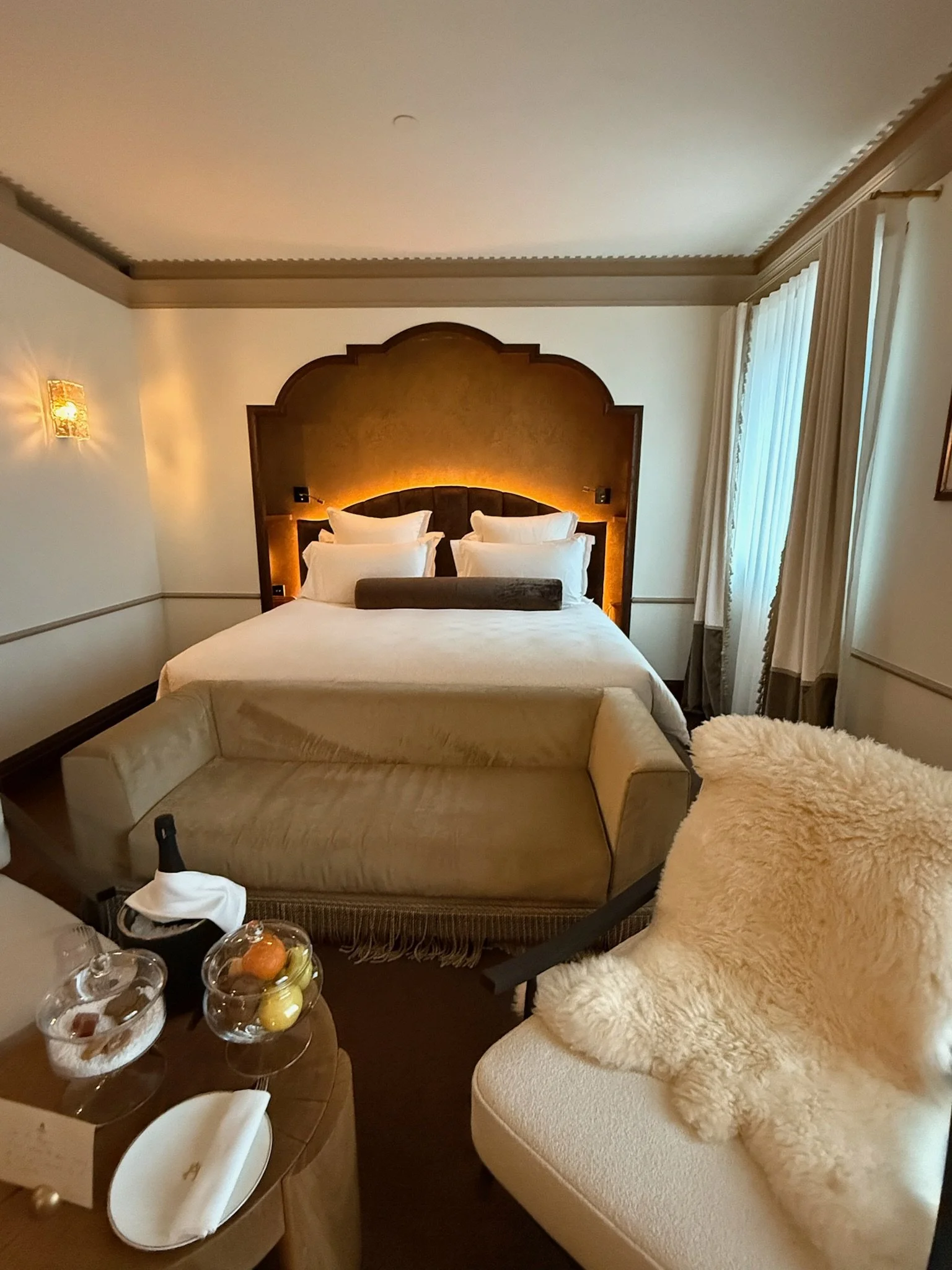
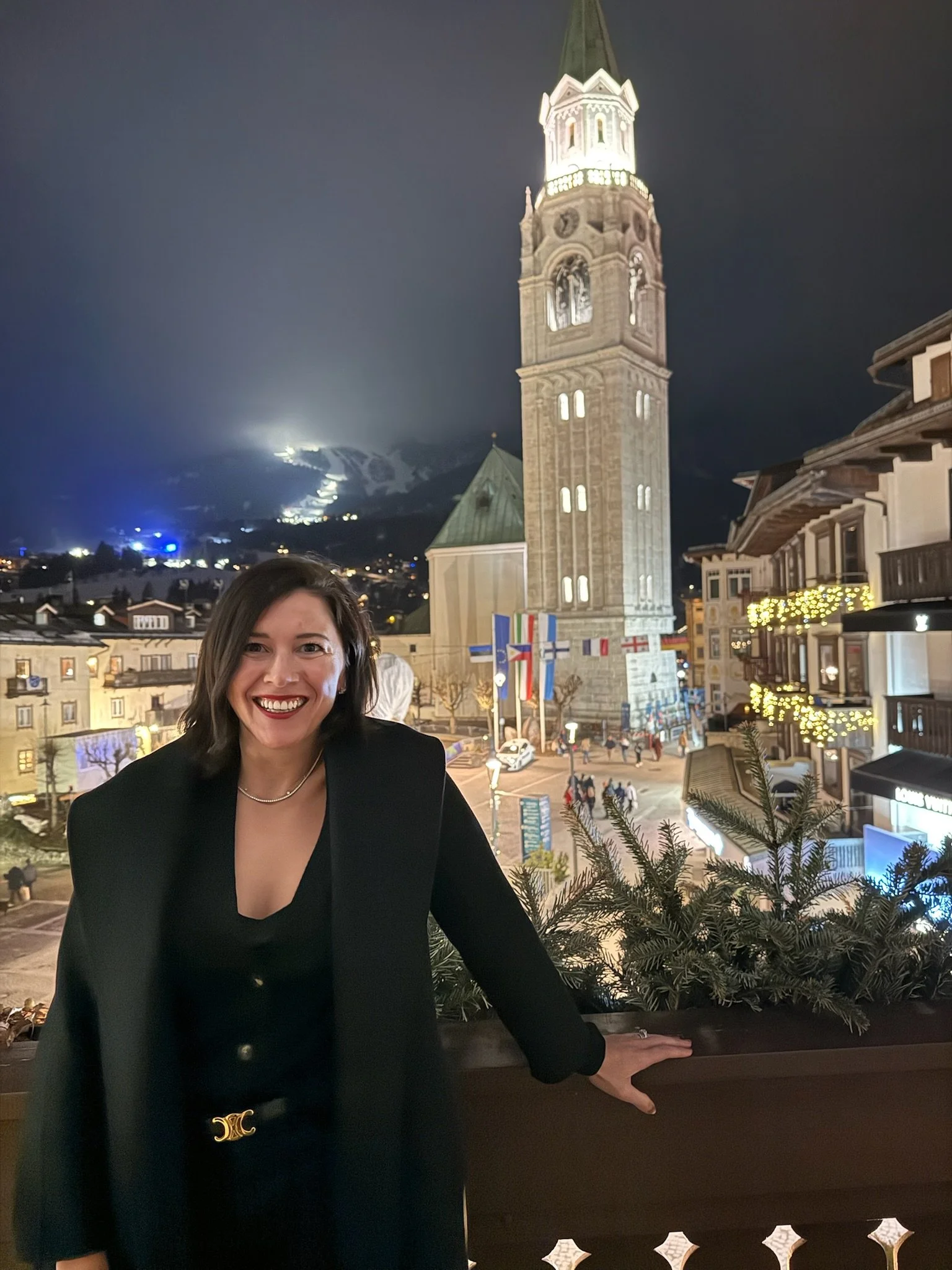
Cortina d'Ampezzo is the Dolomites for a traveler who still wants to feel like they're somewhere: boutiques, restaurants, and an evening out after a day on the mountain. The hotel scene here has moved fast. Ancora Cortina, an 1826 landmark on Corso Italia, reopened in 2025 under Aldo Melpignano's Egnazia hospitality group with 38 rooms and suites, a spa, and a private club. Melissa stayed there with her family and came away impressed: sophisticated interiors, excellent service throughout. She singled out the location as especially useful for families traveling with teenagers, who could walk into town on their own. Mandarin Oriental's first-ever alpine resort, Mandarin Oriental Cristallo, Cortina, is under construction nearby and now scheduled to open in early 2027, worth noting for anyone planning ahead rather than for this coming winter.

Melissa, who chose Cortina for a shorter family trip, sums up the trade-off well: a more secluded property wins on wellness, spa, and retreat atmosphere, while staying in Cortina itself wins on restaurants, shopping, and evening life within walking distance. 

The FOod scene Is a Destination in Itself

This may be the Dolomites' single biggest differentiator from other luxury mountain regions. The food sits at a genuine crossroads of Italian, Austrian, and Ladin traditions, so a week here can move from handmade pasta and refined Italian plates to speck, mountain cheese, and traditional dumplings.

The numbers back up the reputation: the 2026 Michelin Guide lists 21 starred restaurants across South Tyrol carrying 25 stars total, placing the region among Italy's most Michelin-dense. 

Melissa also counts a meal at SanBrite, a Michelin-starred, farm-to-table restaurant just outside Cortina, among the standout meals of her trip, and it's worth considering for any client based in or around town.

Getting There

There's no commercial airport inside the Dolomites. The three practical gateways are Venice Marco Polo Airport (best for Cortina and the eastern valleys, roughly two to two and a half hours by car), Innsbruck (closest by drive time to the northern and western valleys like Alta Badia and Val Gardena, though it typically requires a connection from the US), and Verona (best for western valleys like Val di Fassa, about two and a half to three hours). Private transfer is standard for this segment, and for good reason: the drive itself, particularly along mountain passes like the Pordoi and Falzarego, is part of the experience.

The KJ Travel Takeaway

The Dolomites reward a traveler willing to see them as more than a luxury ski destination: a UNESCO landscape, an increasingly luxury hotel scene, one of Italy's most concentrated culinary regions, and a completely different character depending on the month. Getting the season and the valley right, not just the hotel, is what separates a good Dolomites trip from a memorable one.

Melissa's own advice after her trip: don't underestimate how much time the region deserves. Between hiking, via ferrata, rifugi, lakes, villages, and hotels, ten days would go quickly, and she'd go back without hesitation.

Your Dolomites adventure is waiting! Get in touch with a KJ Travel advisor to start planning

FAQs about traveling to the Dolomites

Is the Dolomites open year-round for luxury travelers? It has a genuinely different, appealing character in every season, but not every hotel, restaurant, or lift runs 365 days a year. Many five-star properties close for a few weeks during the shoulder seasons, roughly April into May and October into early December, so it's worth confirming property-specific dates before booking a trip in those windows.

When is the best time to visit the Dolomites? Winter (December through March) is best for skiing and gourmet mountain culture. Summer (late June through September) is best for hiking, cycling, and wellness. Early autumn (September into early October) is a quieter, excellent alternative to summer. Late spring and late autumn are more limited, since many hotels and lifts close for seasonal transition.

What is Dolomiti Superski? Dolomiti Superski is a network of 12 ski areas across the Dolomites, connected by a single ski pass, covering roughly 1,200 kilometers of slopes and 450 lifts. It's the largest interconnected ski area in the world.

Where should luxury travelers stay in the Dolomites? It depends on the experience. Alta Badia (Aman Rosa Alpina, La Perla) suits travelers who want food and sophisticated skiing or hiking. Val Gardena (Gardena Grödnerhof) suits first-time visitors who want an iconic base with a real town nearby. Alpe di Siusi (COMO Alpina Dolomites) suits a quieter, wellness-focused stay. Cortina d'Ampezzo (Ancora Cortina, and Mandarin Oriental Cristallo from 2027) suits travelers who want boutiques and an evening scene alongside the mountains.

Is the Dolomites good for families or multigenerational trips? Yes, particularly in summer. The range of activity levels, from gentle valley walks and scenic lifts to serious via ferrata and multi-hour hikes, means a group can split up during the day by ability and reconvene for lunch, which works well for mixed-ability or multigenerational travelers.

Sicily: The Italy Trip for Travelers Who Want More Than the Classics

Sicily is the Italy trip for travelers who already know the classics and are ready for something different.

It is not trying to be Rome, Florence, Capri, or the Amalfi Coast. Sicily has its own identity: ancient Greek sites, volcanic landscapes, coastal resorts, private villas, historic cities, serious food and wine, and a culture shaped by centuries of outside influence.

For luxury travelers, that is the appeal. Sicily offers beauty, but it also offers depth. It is a destination for clients who want more than a beautiful hotel and a few easy day trips. It is for travelers who want expert guides, thoughtful pacing, private access, and an itinerary that makes sense for an island that is rich, varied, and not always simple to plan.

That is where a luxury travel advisor-led approach will help you the most when planning a trip to this Italian island.

Quick Take

Sicily is a strong Italian luxury destination for travelers who want more depth than the classic first-time itinerary. It works beautifully for clients who care about history, food, wine, private villas, resort time, coastal scenery, and expert-guided experiences. The key is matching each client to the right region, the right hotel, and the right pace.

Why Sicily Feels So Different

Sicily’s beauty comes from the fact that it has never belonged to only one story.

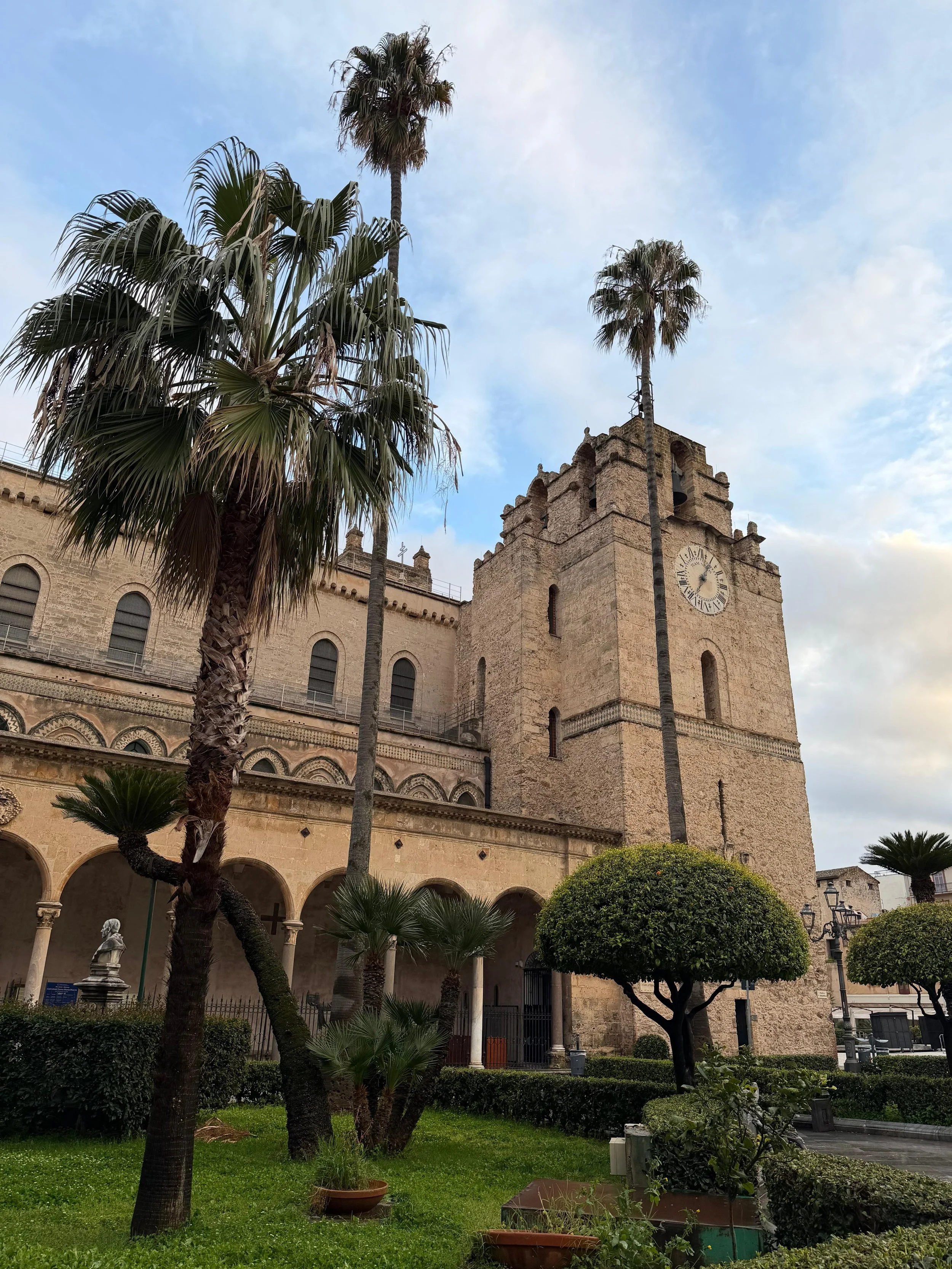
During her visit, Lenni noted how much of the island’s character comes from its layered past: Greek settlements, Jewish history, Spanish churches, Arab-Norman architecture, and the many influences that make Sicily feel so distinct from mainland Italy.

This is an island where a private guide can completely change the experience and ancient ruins are more meaningful with context. Palermo is more rewarding when someone can connect the architecture, markets, churches, and neighborhoods. A wine tasting near Mount Etna becomes more memorable when clients understand why volcanic soil has become such an important part of the region’s wine identity.

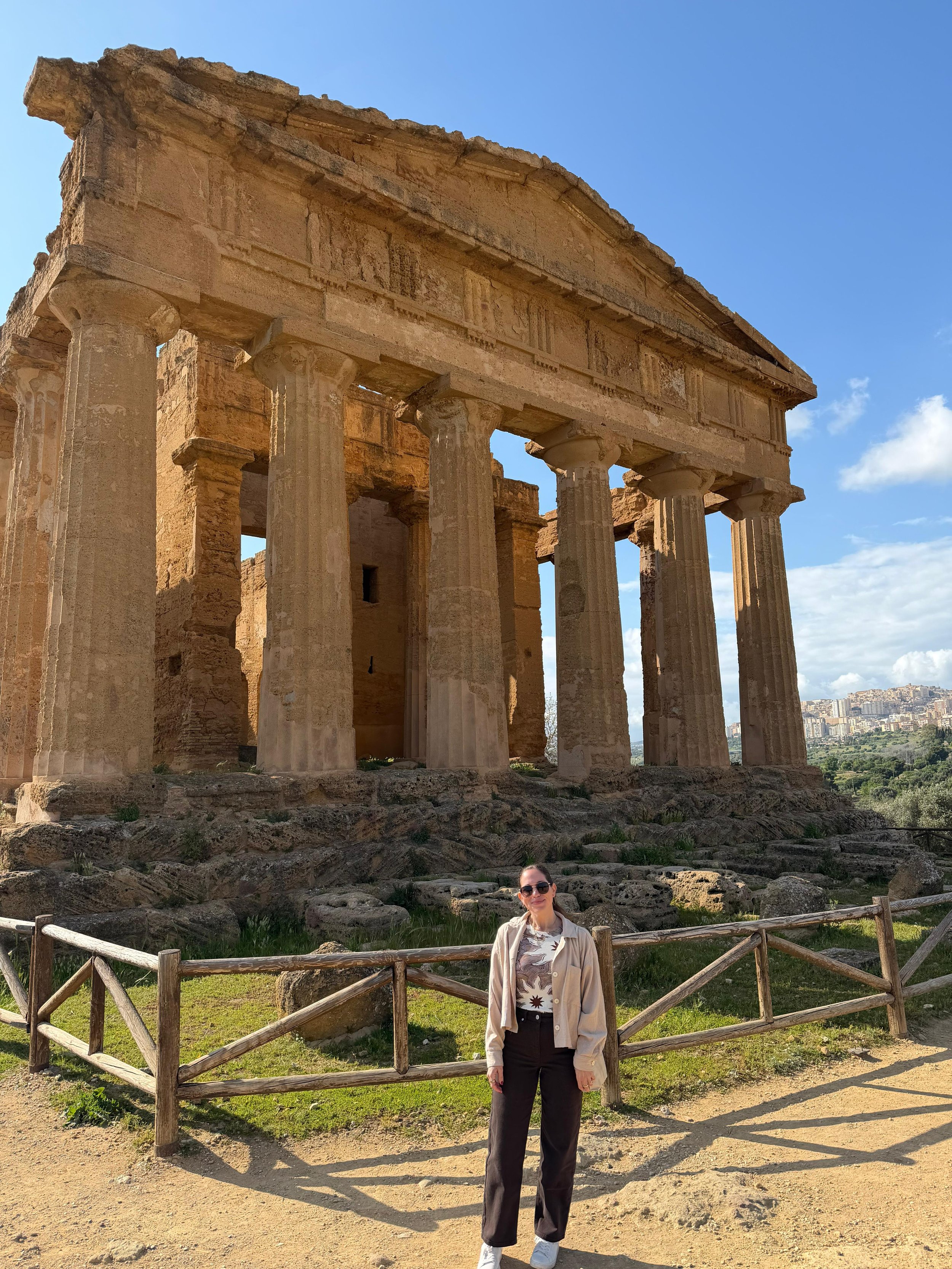
Sicily is also home to several UNESCO World Heritage sites, including Mount Etna, Valley of the Temples, Arab-Norman Palermo and the Cathedral Churches of Cefalù and Monreale, the Archaeological Area of Agrigento, and the Late Baroque Towns of the Val di Noto. For luxury travelers who want substance behind the beauty, this is one of Sicily’s biggest strengths.

Verdura: The Resort Side of Sicily

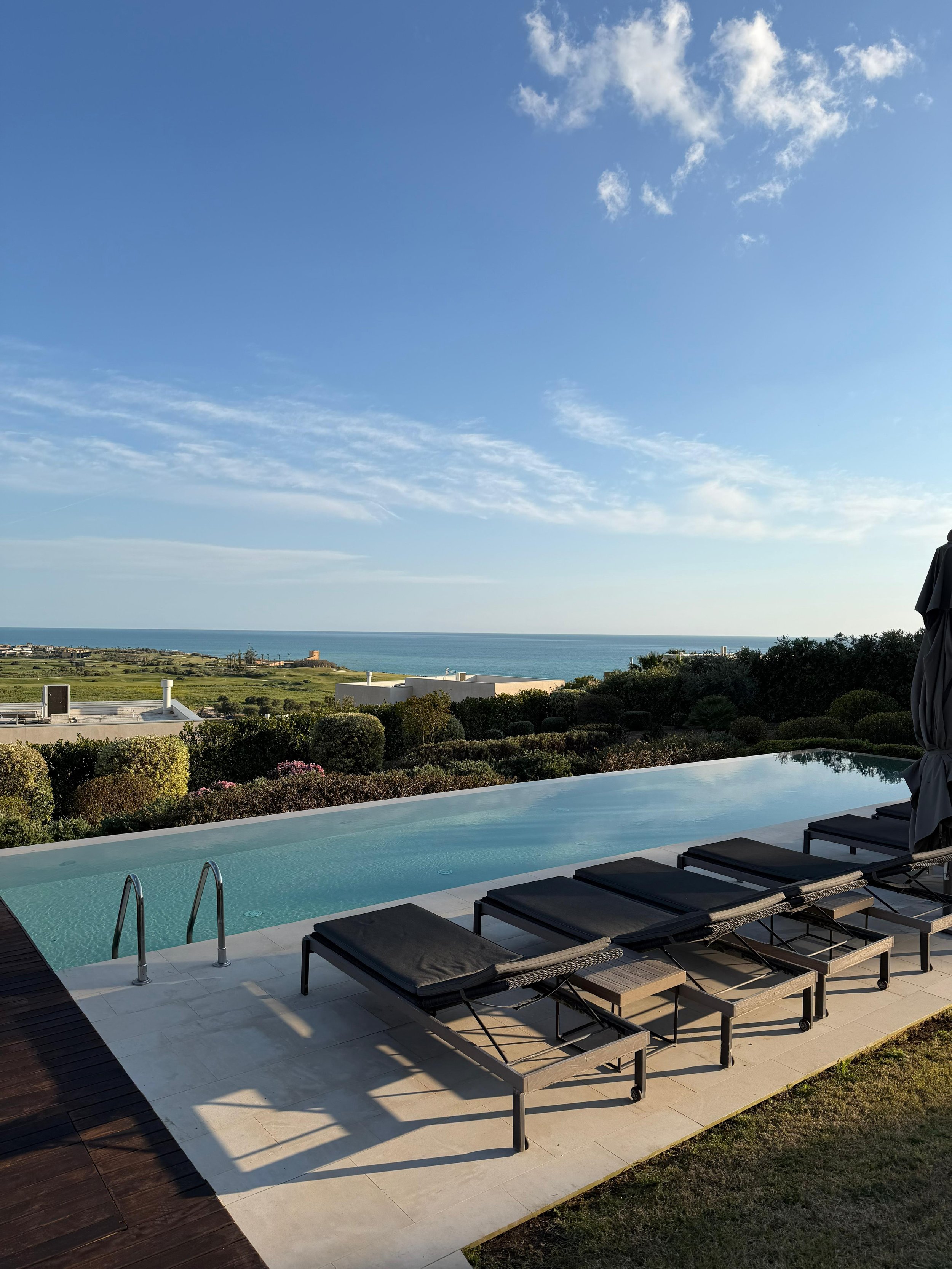
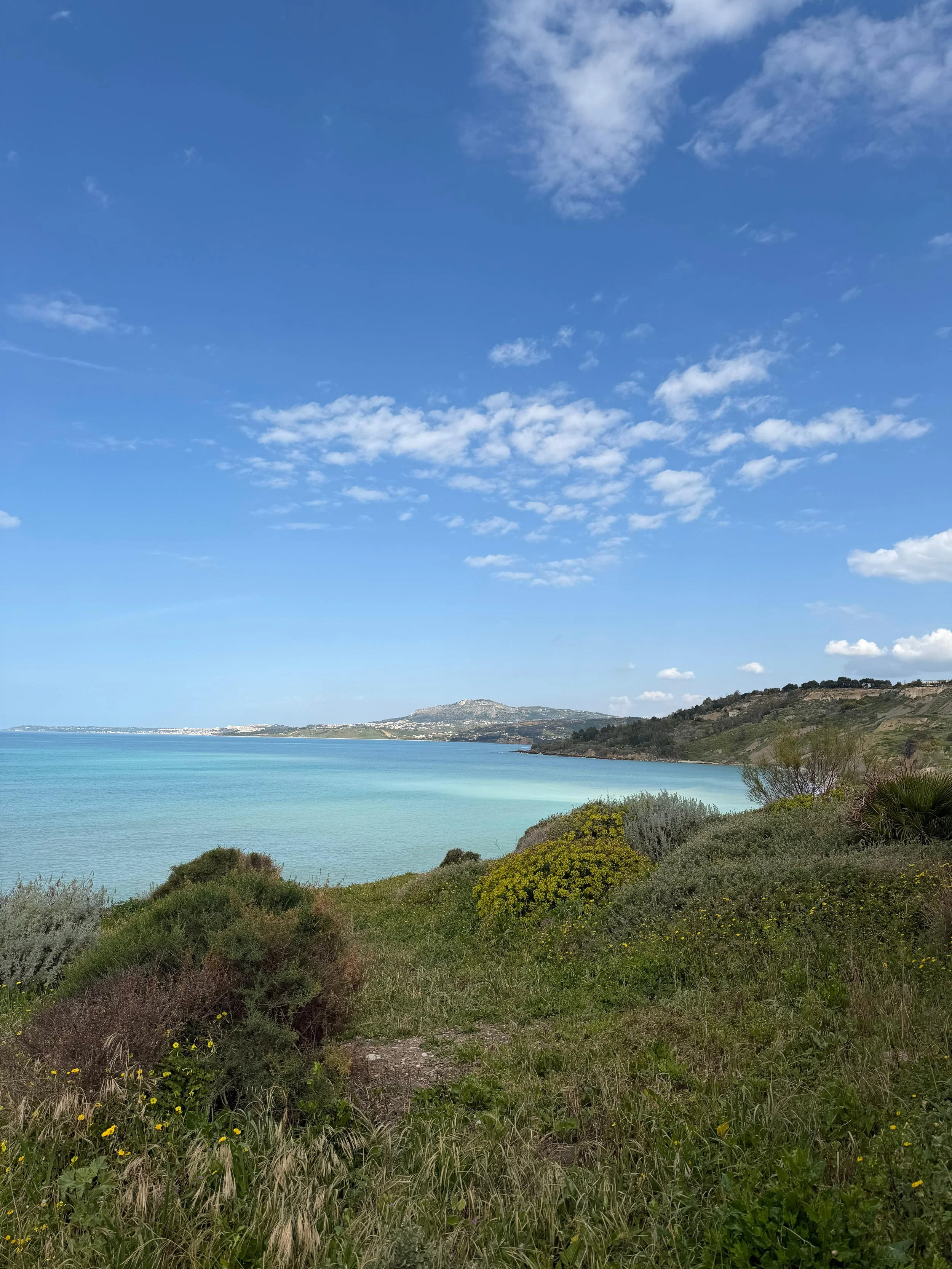
Verdura is the side of Sicily made for long resort days: sea air, wide-open grounds, golf, spa time, slow lunches, family time, and space to settle in.

Lenni’s visit to Verdura Resort offered one of the most important insights: this is a destination resort, not a hotel for clients who want to step outside and immediately wander into town.

Rather than positioning it as a city or village stay, a KJ Travel advisor would match Verdura with travelers who want the ease of a full resort setting. It works especially well for families and multigenerational trips, particularly when some travelers want golf or spa time while others want pool days, activities, or children’s programming.

Golf is a major part of Verdura’s appeal. For travelers who want time on the course, while the rest of the group enjoys the spa, pools, dining, kids programming, or simply a slower resort day, Verdura can be an excellent match.

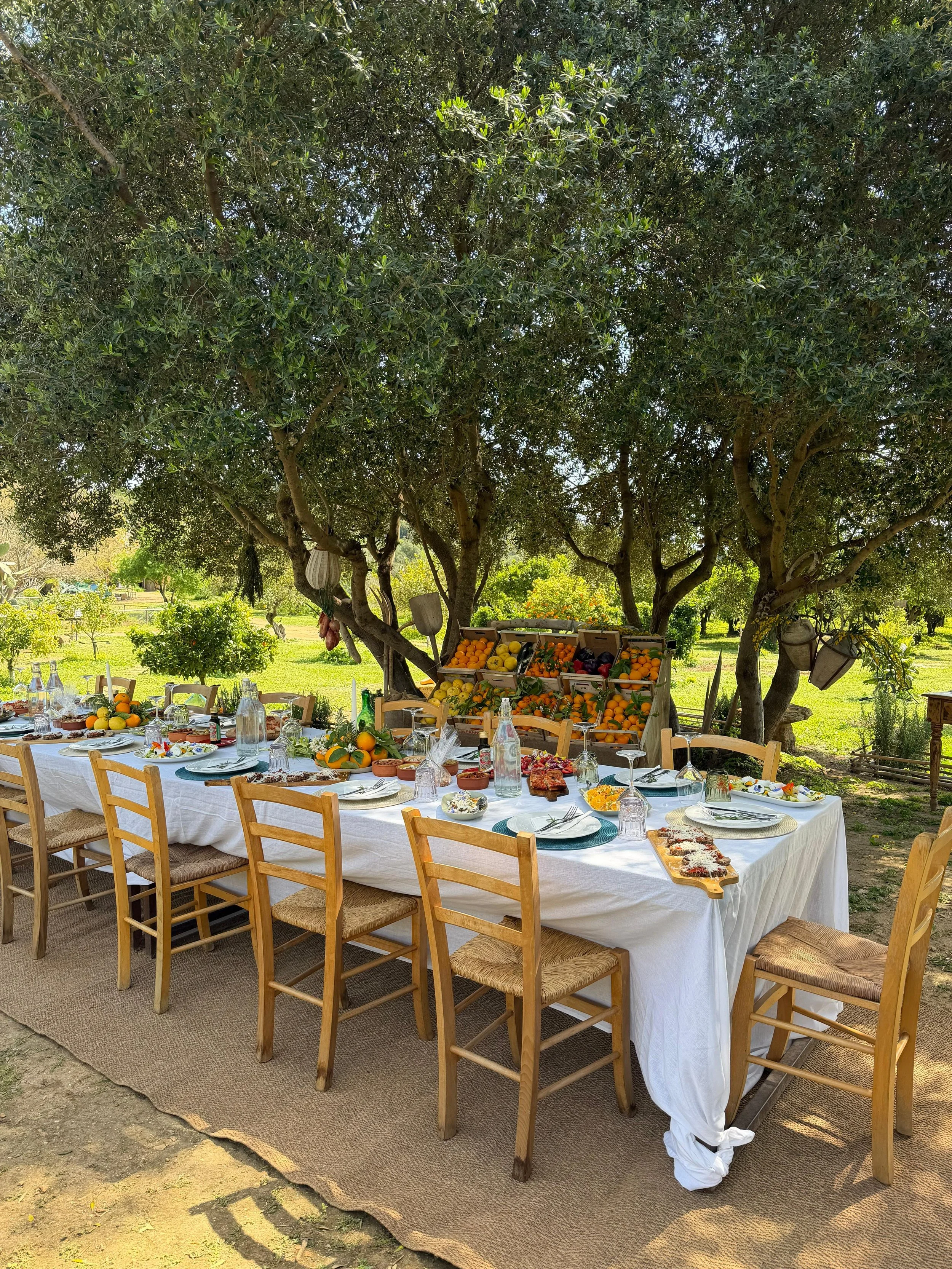
Verdura should not be treated only as a resort stay. While in the area, Lenni called the Valley of the Temples a must-visit. This UNESCO World Heritage Site is home to some of the best-preserved ancient Greek Doric temples outside of Greece, dating back to the 5th and 6th centuries BC. With the right guide, the experience adds real cultural depth to a resort stay, and the KJ Travel team can elevate the day even further with a private farm-to-table lunch in the citrus groves of the valley.

Palermo and Villa Igiea

Palermo is one of Sicily’s most compelling cities: grand, busy, historic, and full of contrast. Ornate churches, aristocratic palaces, lively markets, sea views, and layers of cultural influence all sit close together, which is what makes the city so interesting for travelers who want more than a polished resort experience.

For many luxury travelers, Palermo is best experienced with context. A private guide can connect the city’s Arab-Norman architecture, markets, churches, neighborhoods, and historic influences in a way that makes the experience feel much more rewarding. 

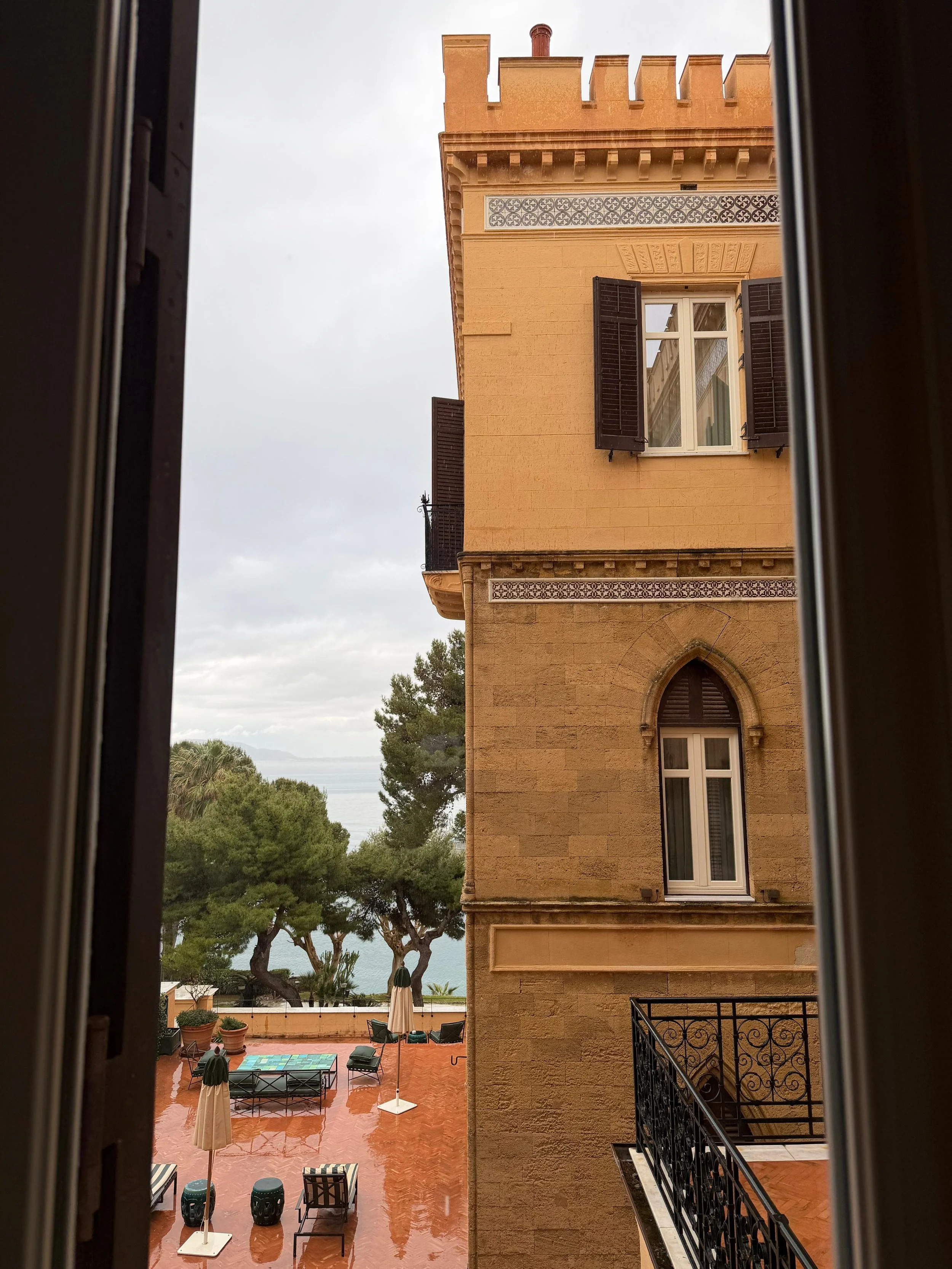
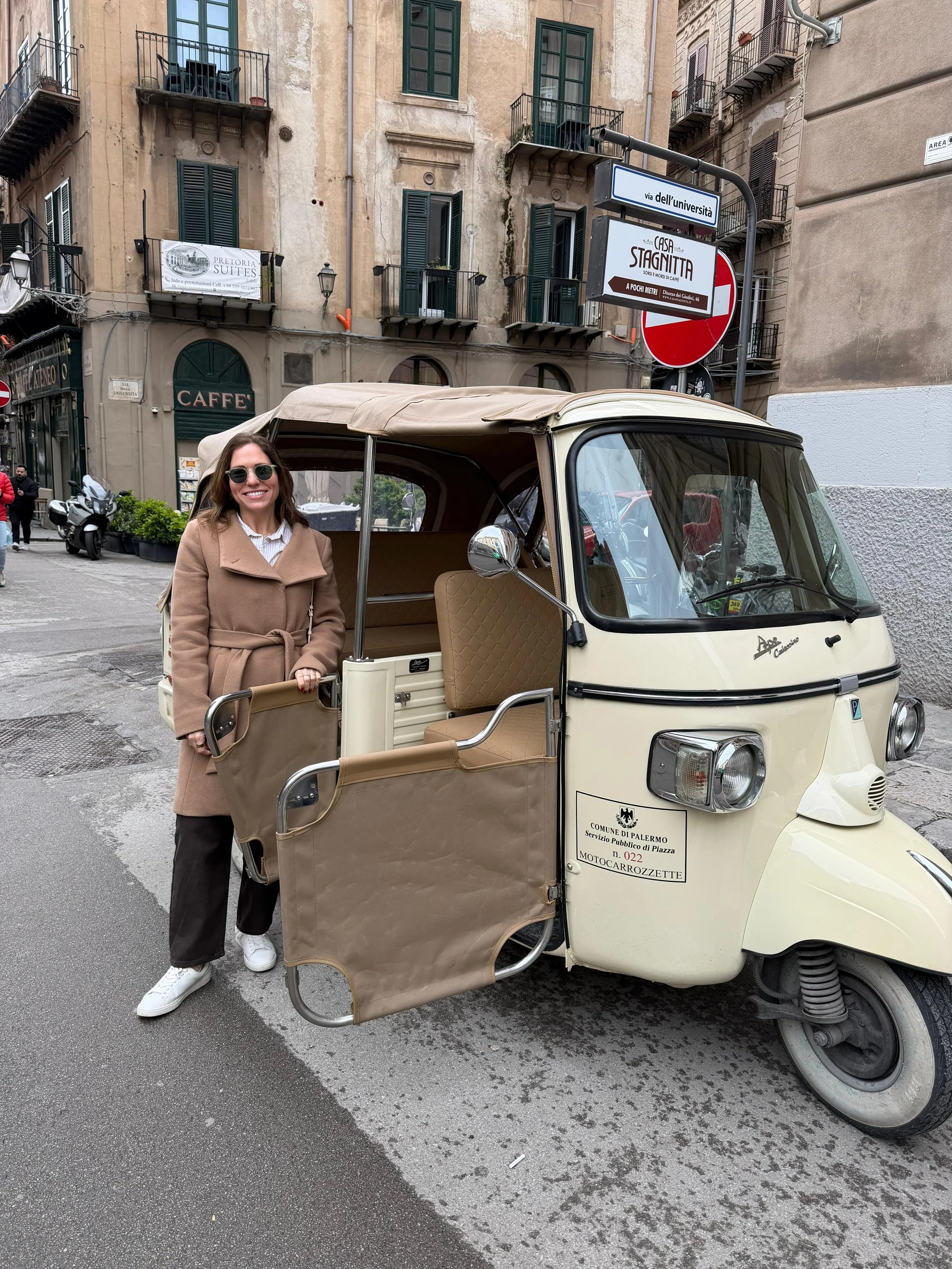
On her recent visit to Palermo, Lenni, who shares more of her travels at @lennzotravels, stayed at Villa Igiea. The hotel’s historic palazzo setting and sea-view room and suite options help create a softer arrival into the city. It gives clients access to Palermo’s cultural depth, with a calm and polished retreat to return to at the end of the day.

Transportation should be planned in advance here. While Uber may exist in Palermo, taxis are more common, and luxury travelers are better served with pre-arranged transfers, hotel taxis, or private drivers. This is especially important for clients who value ease, timing, and a smooth arrival experience.

Food, Wine and the Sicily Clients Remember

Sicily is one of Italy’s most rewarding destinations for travelers who plan around the table. The island’s food is deeply regional, shaped by the sea, the land, and centuries of cultural influence.

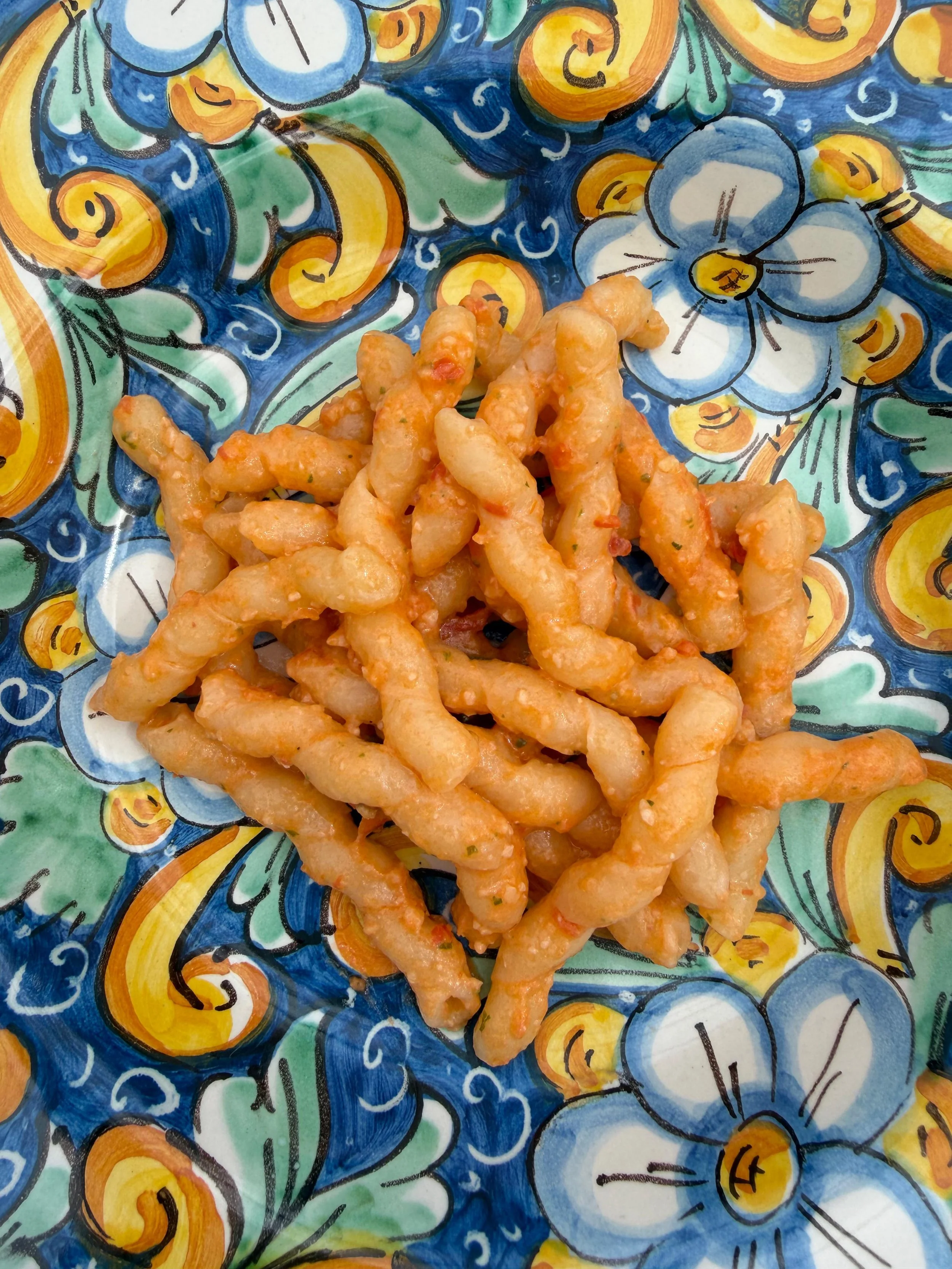
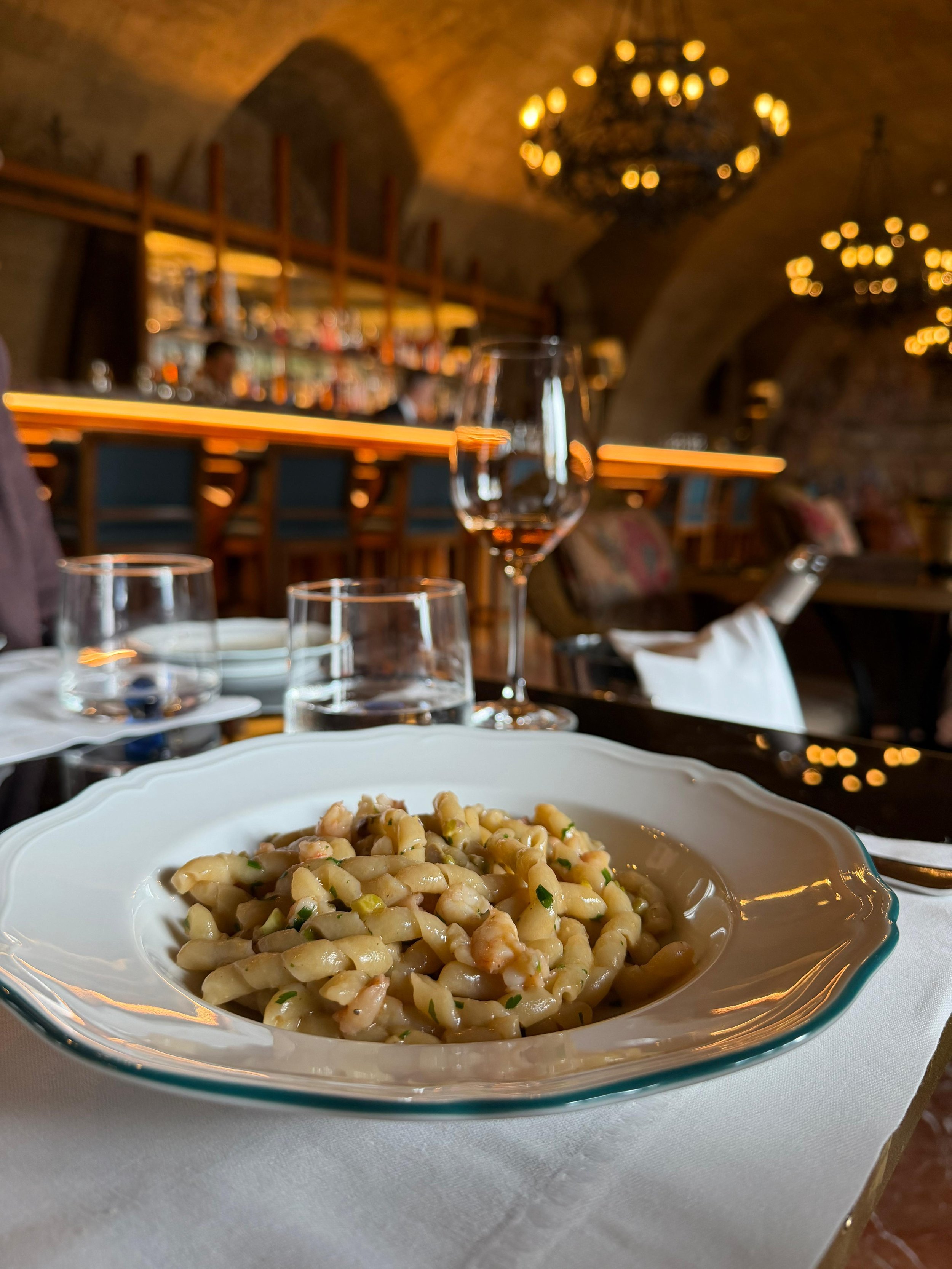
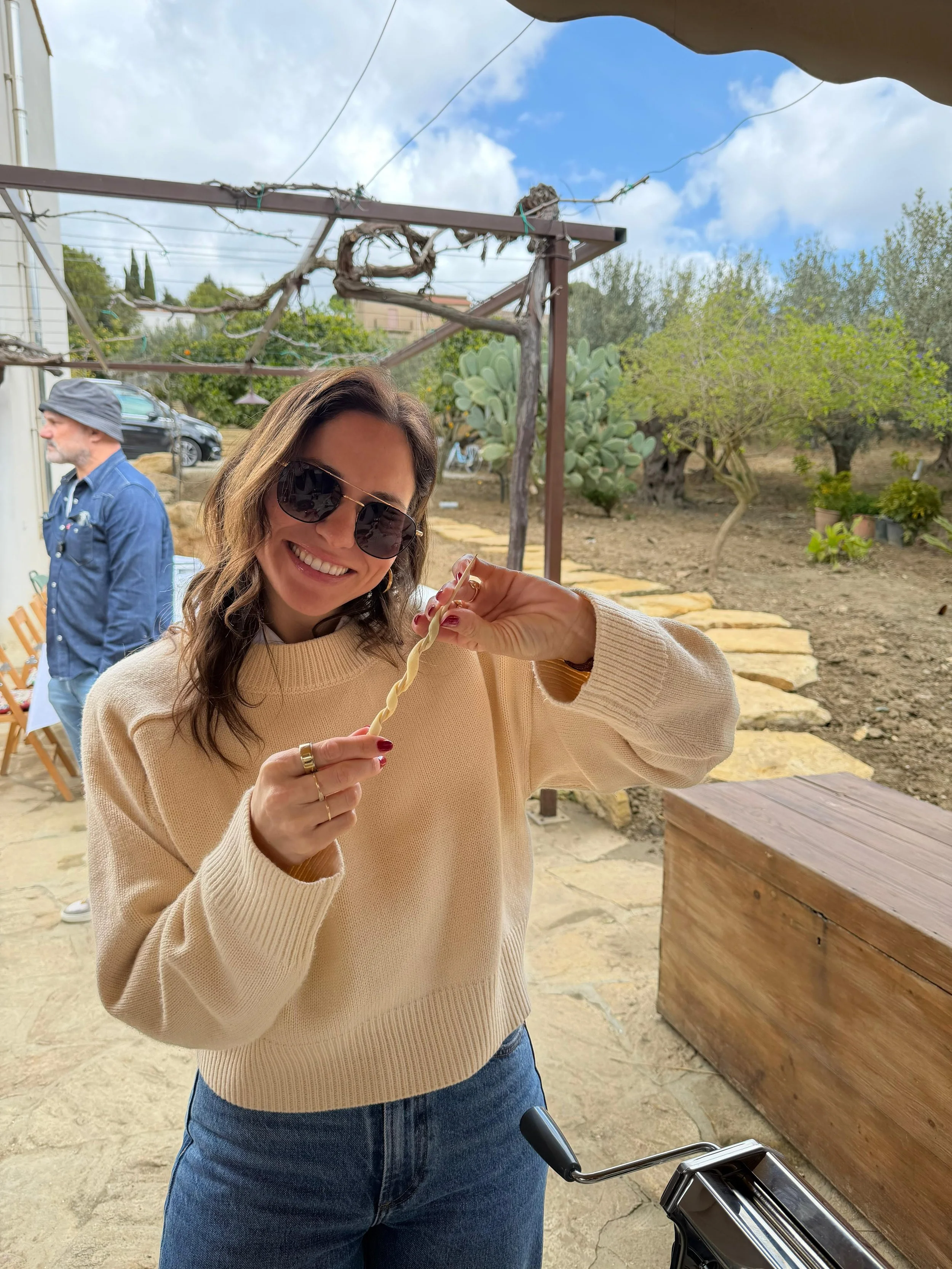
A luxury Sicily itinerary can move from Palermo’s markets to vineyard lunches on the slopes of Mount Etna, from just-caught seafood on the coast to handmade busiate in western Sicily.

Wine is a major part of the experience. Sicily’s wine regions include Etna, Marsala, Alcamo, Contessa Entellina, Pantelleria, and Favignana, with Etna especially known for wines shaped by volcanic soil, altitude, and the climate around the volcano. Marsala, produced in the province of Trapani, is one of Sicily’s most famous fortified wines and was the first DOC wine in Italian history.

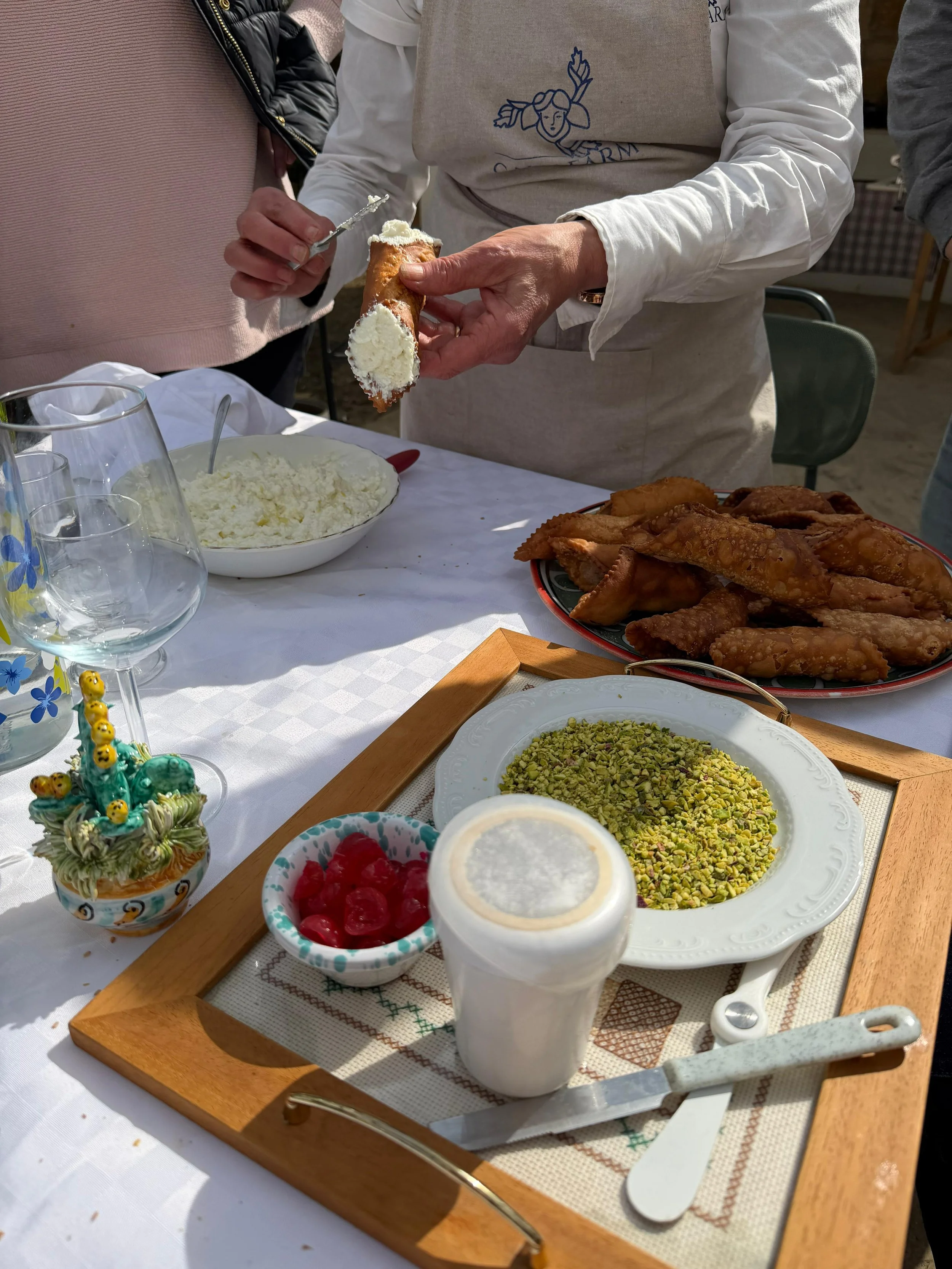
For food-focused travelers, the best Sicily experiences are often private and highly local: a chef-led market visit in Palermo, a cooking class built around regional ingredients, a winery lunch on Etna, a tasting with a small producer, or a seafood meal after a day on the water.

When to visit sicily

Timing in Sicily depends on the kind of trip a client wants. Lenni’s visit in late March and early April brought cooler weather and some rain, so early spring is best approached as a cultural touring season rather than a beach-focused trip. Clients traveling during this window should pack layers, including a jacket for daytime and something warmer for evenings.

Lenni recommends May and September as especially strong months because the weather is generally better without the peak summer heat. For travelers who want to enjoy the beaches at places like Verdura or the east coast around Taormina, June through October is the best window for warmer weather and sea temperatures.

Planning Sicily with KJ Travel

Sicily rewards thoughtful planning.
And the best trips are not built around seeing everything, but around choosing the right combination of places, hotels, guides, meals, and downtime.

For one client, that may mean Palermo paired with Verdura and the Valley of the Temples. For another, it may mean a private villa, Etna wine country, coastal boating, or a slower itinerary through the island’s Baroque southeast.

This is where KJ Travel’s advisor-led planning makes the experience feel seamless. The team helps match the right regions, hotels, room categories, guides, drivers, and experiences to the way each client actually wants to travel.

Ready to pack your bags for  Sicily? Reach out to a KJ Travel advisor to start designing a private Sicily itinerary shaped around your travel style.

FAQs: Luxury Travel to Sicily

Is Sicily a good luxury destination?
Yes. Sicily is a strong luxury destination for travelers who want history, food, wine, private villas, resort time, coastal scenery, and expert-guided experiences. It is best for travelers who want more than a classic mainland Italy itinerary.

When is the best time to visit Sicily?
Lenni recommends May and June or September and October. September and October may be especially strong for clients who want warmer sea temperatures, boating, or swimming.
Is Sicily warm in early spring?
Not always. Lenni noted that Sicily was cold during her early spring visit, and clients would have needed layers, including a jacket during the day and a warmer coat at night. Early spring should not be positioned as a guaranteed beach-weather trip.

Is Verdura Resort right for every Sicily traveler?
No. Verdura is best for travelers who want a full resort experience with golf, spa, dining, villas, family programming, and activities on property. It may not be the right fit for clients who want to walk into town each day.

Why book Sicily through a luxury travel advisor?
Sicily depends heavily on smart logistics. A luxury advisor can match the right hotel and room category, arrange private drivers and expert guides, build in downtime, and design the trip around the traveler’s exact style.

Ischia: The Italian Island That Rewards Travelers Who Look Beyond Capri

Quick Take

  • Ischia sits in the Bay of Naples, close to Capri,  but the experience is entirely its own.

  • The island is volcanic, and thermal wellness is the heart of the destination, not an afterthought.

  • Top luxury properties include Mezzatorre, Botania Resort & Spa, and San Montano Resort.

  • Ideal for travelers who want authentic Italy, meaningful wellness, and much more privacy than other italian destinations.

  • A natural pairing with Rome, Florence, or a short Capri stay in a broader southern Italy itinerary.

The island that travelers keep coming back to

Ischia has a way of surprising people, even those who consider themselves very well-traveled. It sits quietly in the Bay of Naples, just across the water from Capri, yet it operates on a completely different frequency. Where Capri is polished, social, Ischia is restorative, unhurried, and deeply connected to the landscape beneath it.

At the luxury level, this what Ischia offers: genuine space, authentic local life, and a sense of calm. The island is volcanic and that single fact defines everything from the landscape to the hospitality to the reason people come at all.

Wellness as the foundation, not an add-on

Thermal waters run beneath Ischia's surface, feeding natural hot springs that have been drawing visitors for years. The island's wellness offering isn't a spa treatment bolted onto a hotel stay, it's one of the reasons the destination exists in the first place.

The best properties on the island understand this completely. Guests at Mezzatorre Hotel & Thermal Spa, Botania Relais & Spa, and San Montano Resort & Spa find thermal pools, sea-view terraces, and an unhurried rhythm that encourages them to stop planning and simply be somewhere beautiful.

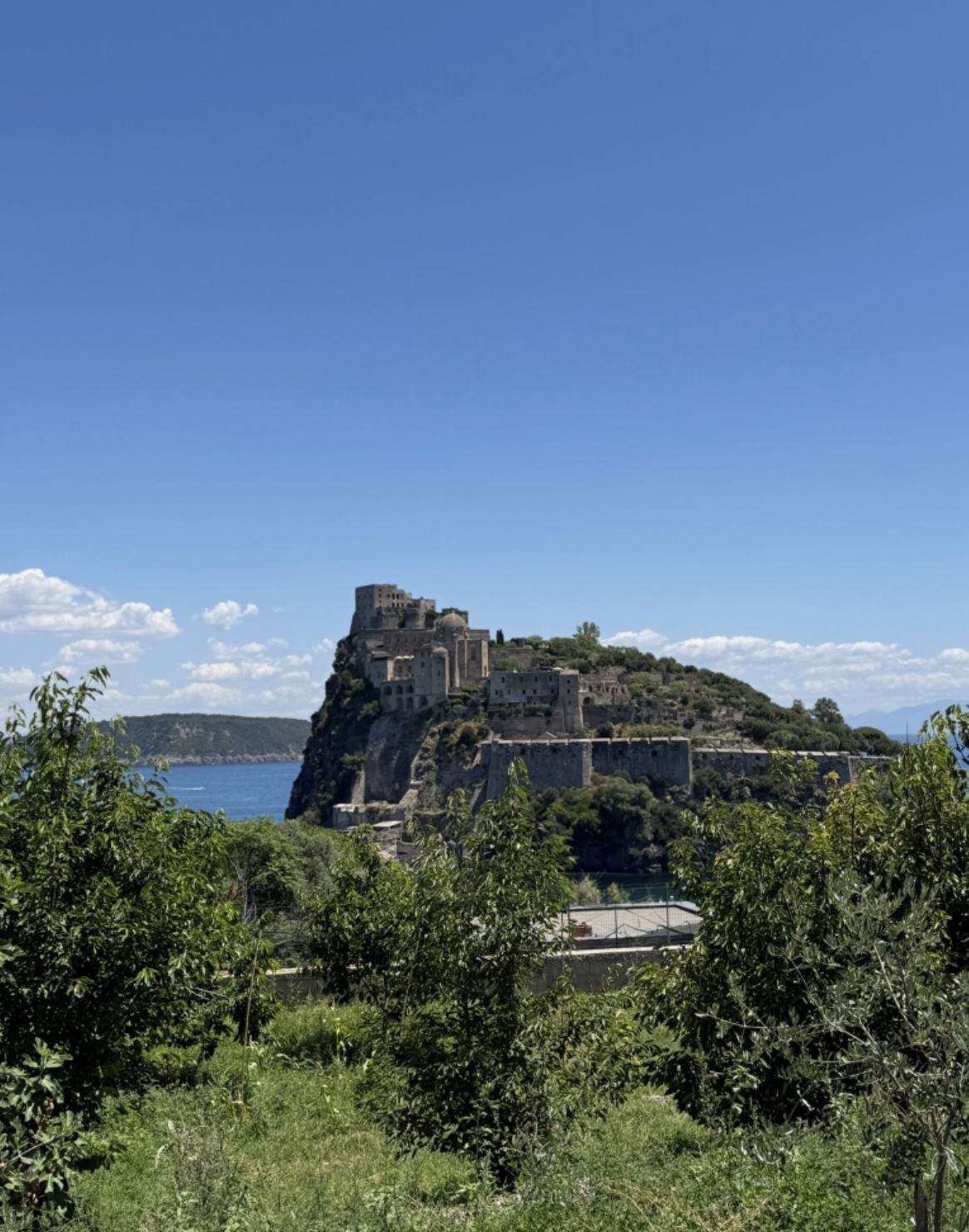
Mezzatorre Hotel & Thermal Spa Set in a converted Aragonese tower within a pine forest. Thermal facilities, rocky coves, and complete seclusion from the outside world.

Botania Relais & Spa Intimate and eco-conscious. Surrounded by botanical gardens with thermal pools set among the greenery. One of the most serene properties on the island.

San Montano Resort & Spa Panoramic sea views, extensive thermal park, and a refined setting in the quieter north of the island. Polished service with a genuine sense of place.

The wellness experience here doesn't feel clinical or prescriptive. It's woven into the rhythm of an Italian way of living: a long lunch on the terrace, a glass of local Biancolella, and then an afternoon spent in a thermal pool watching the light shift over the sea.

An island with real geography

One of the things that sets Ischia apart is its scale. It's larger and more varied than most of the islands that compete for the same high-end traveler. The landscape moves from lush hills and pine forests to working vineyards, quiet beaches, and villages like Sant'Angelo, a car-free fishing port where the pace of life has barely changed in decades.

Guests can hike Mount Epomeo, the island's dominant volcanic peak, in the morning  (rewarded with views across the entire Bay of Naples) then return to a long seaside lunch at a family-run trattoria. An afternoon in the thermal gardens, an evening aperitivo in the village square. The days feel full without feeling rushed, and that's a balance many clients are looking for.

Private boat excursions around the island are a highlight: exploring hidden coves, sea caves, and the quieter coastline that remains well off the tourist track. It's also an easy base for day trips to Capri, the Amalfi Coast, and Naples, which adds real practical value for clients who want to see more without giving up a peaceful home base.

Who Ischia is and isn't for

Ischia isn't the right answer for every client. Travelers who want a buzzy social scene, designer boutiques, and a constant sense of arrival will find more of that in Capri.

Ischia is for the traveler who values calm experience, more focused on nature. Who has done Italy several times and is ready for a version of it that feels more personal. Who finds the idea of thermal pools, volcanic peaks, and unhurried dinners so much more appealing.
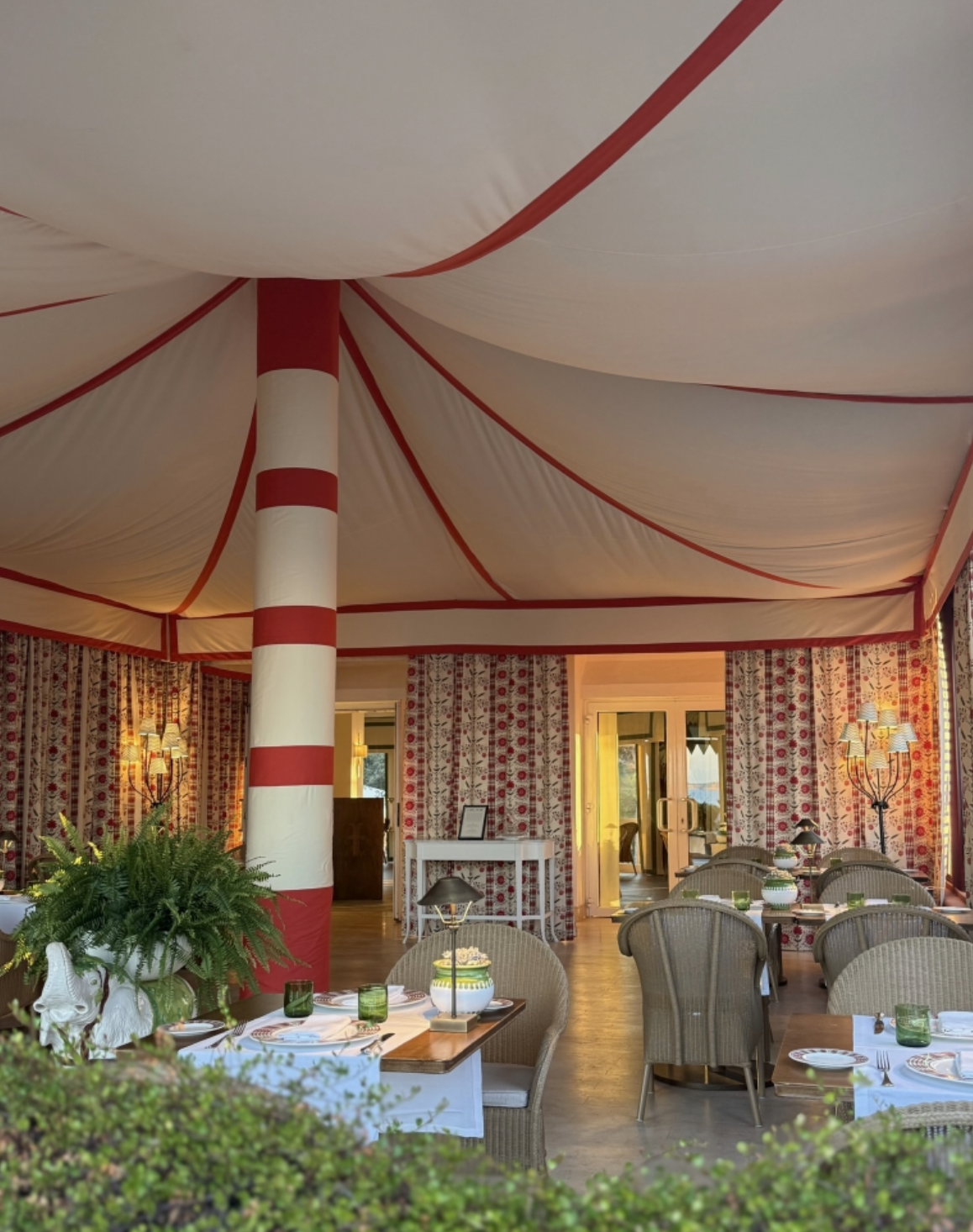
How to build it into an itinerary

Ischia works particularly well as a counterweight in a broader southern Italy trip. Pair it with Rome or Florence for culture and architecture, include a short Capri stay for contrast, and then close in Ischia, somewhere to relax at the end. It consistently becomes the part of the trip guests talk about most, precisely because it feels so different from everything that came before it.

A minimum of four to five nights is recommended to let the pace of the island take hold. Give it time, and Ischia becomes something else entirely.

An Island Worth Remembering

Some destinations are easy to explain. Ischia is easier to remember. It's a place that quietly resets something in the people who spend time there. If that sounds like the type of trip you've been dreaming of, KJ Travel is ready to help you get there! Get in touch with a KJ Travel advisor and start dreaming about la dolce vita.

Frequently asked questions about traveling to Ischia

How does Ischia compare to Capri for luxury travelers? Capri is more social, more scene-driven, and built for visibility. Ischia is quieter, more spacious, and rooted in nature and wellness. Both are genuinely luxury experiences, the difference is in the kind of trip travelers want. Those who value privacy, authenticity, and restoration consistently prefer Ischia. Those who want a buzzy, fashionable atmosphere tend toward Capri.

When is the best time to visit Ischia? Late May through June and September through early October are ideal, warm enough for swimming and outdoor dining, without the peak August crowds. July and August bring peak season energy and higher prices. The thermal gardens operate year-round, making Ischia viable as a shoulder-season destination in a way that many Italian coastal destinations are not.

Is Ischia easy to reach? Yes. Ferries and hydrofoils from Naples run regularly and take between 30 minutes (hydrofoil) and 90 minutes (ferry), depending on the port and vessel type. Naples itself is well-served by international flights, and Rome is a comfortable train ride away. Most luxury properties also assist with private transfer arrangements from the mainland.

Can Ischia be combined with other destinations? Absolutely, and KJ Travel typically recommends it as part of a broader itinerary rather than a standalone trip. It pairs naturally with Rome or Florence for a cultural-to-coastal arc, and works well alongside a short Capri stay for guests who want both experiences. Day trips from Ischia to Naples and the Amalfi Coast are also very manageable.

Is Ischia a good destination for a honeymoon or romantic trip? It's one of the best in Italy for exactly that purpose. The combination of beautiful natural settings, thermal wellness, private boats, intimate restaurants, and a general sense of being removed from the rest of the world makes it exceptionally well-suited for couples.

Italy's Most Glamorous Mountain Town: Cortina d'Ampezzo

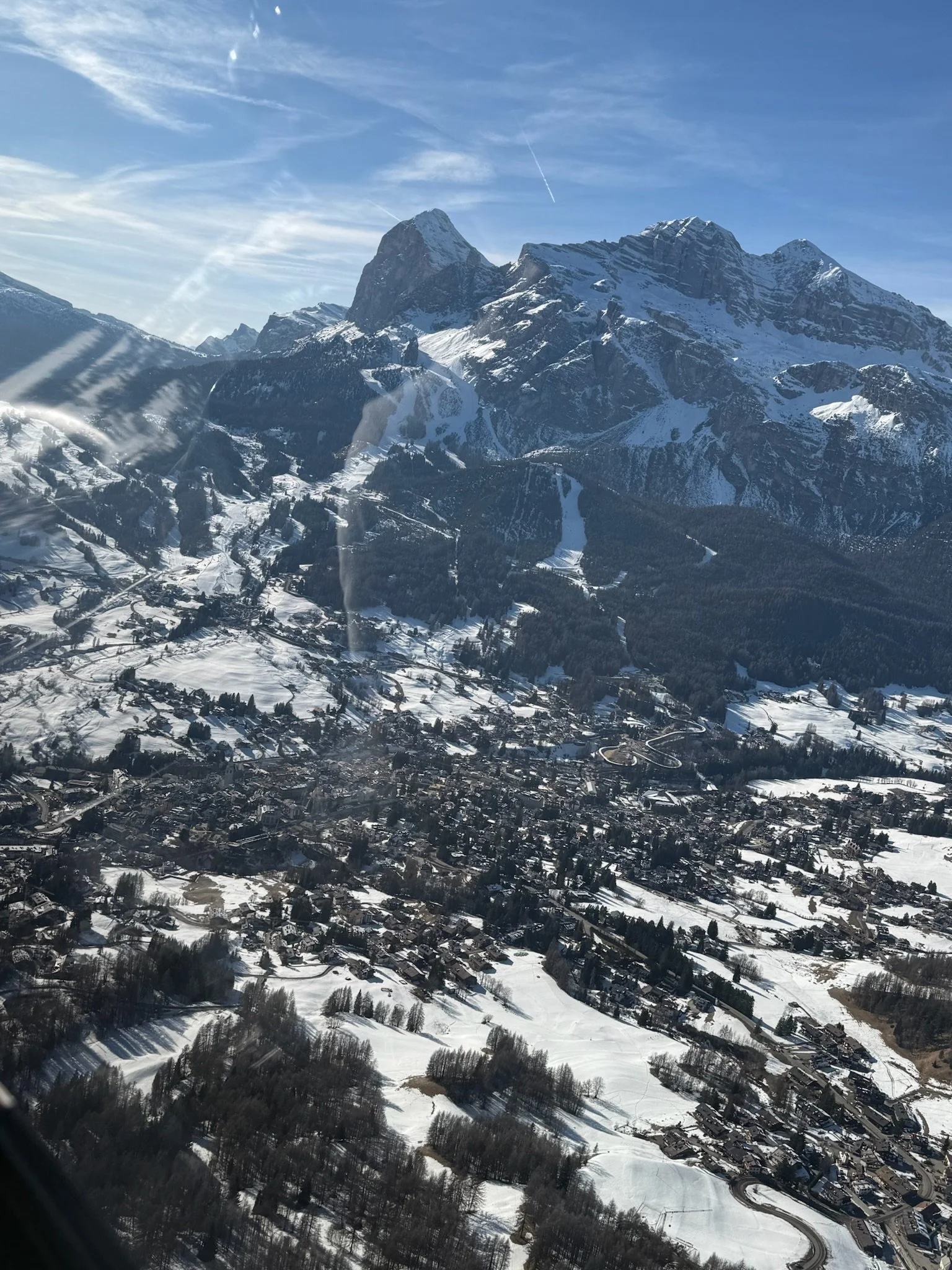
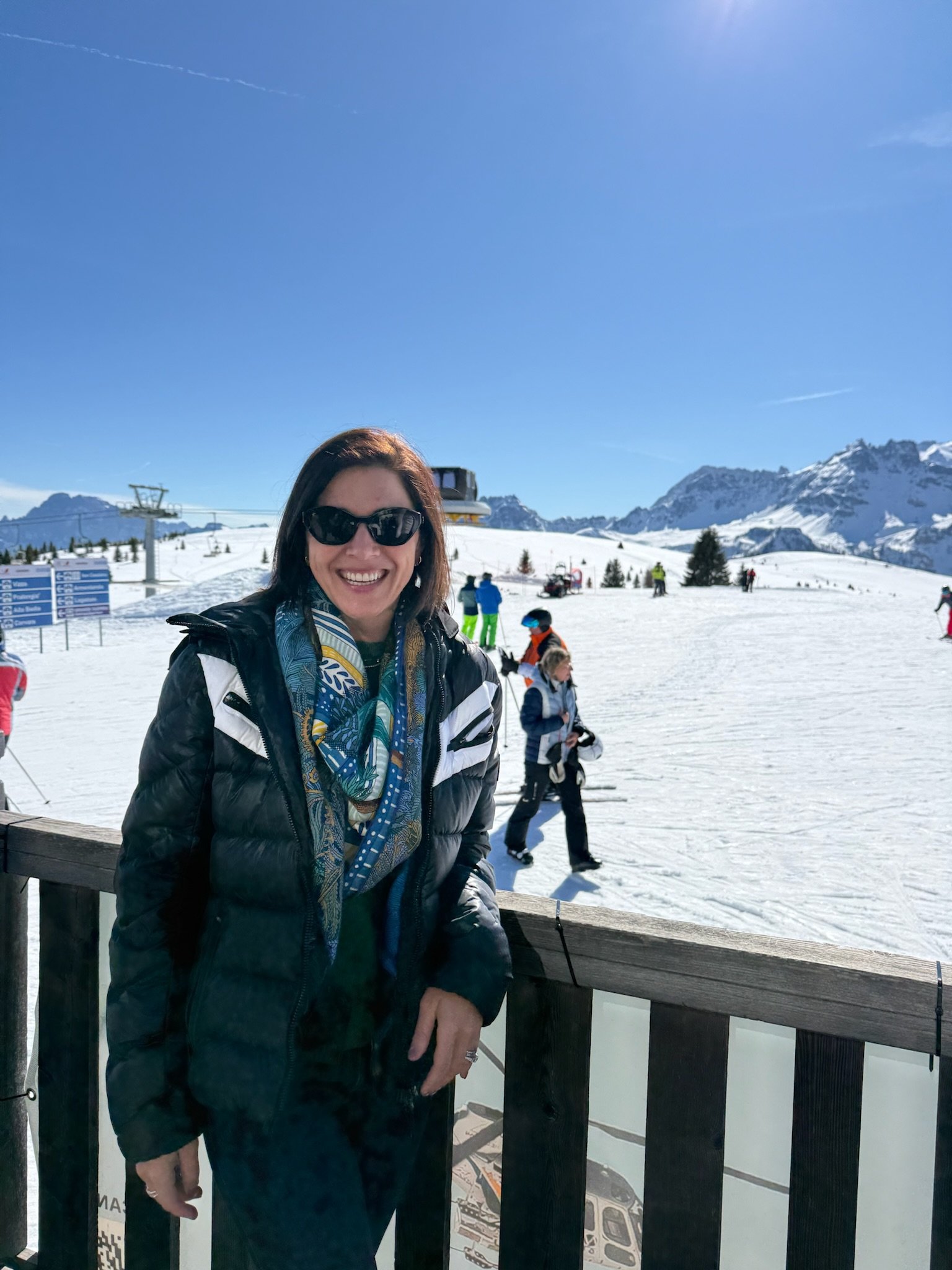
Cortina d'Ampezzo is one of Italy's most iconic luxury ski destinations, known for dramatic Dolomite scenery, elegant hotels, and a ski culture that blends sport with style. Located in the UNESCO-recognized Dolomites, Cortina offers three distinct ski areas in winter, world-class hiking and alpine experiences in summer, refined mountain dining year-round, and one of the most glamorous town centers in the Alps.

Cortina stands out for its combination of scenic terrain, sophisticated après-ski, and tailored experiences on and off the mountain. After a recent visit, Kate returned with firsthand insight on where to ski, where to stay, and how to plan Cortina properly for a high-end experience.

The Three Ski Areas of Cortina d'Ampezzo

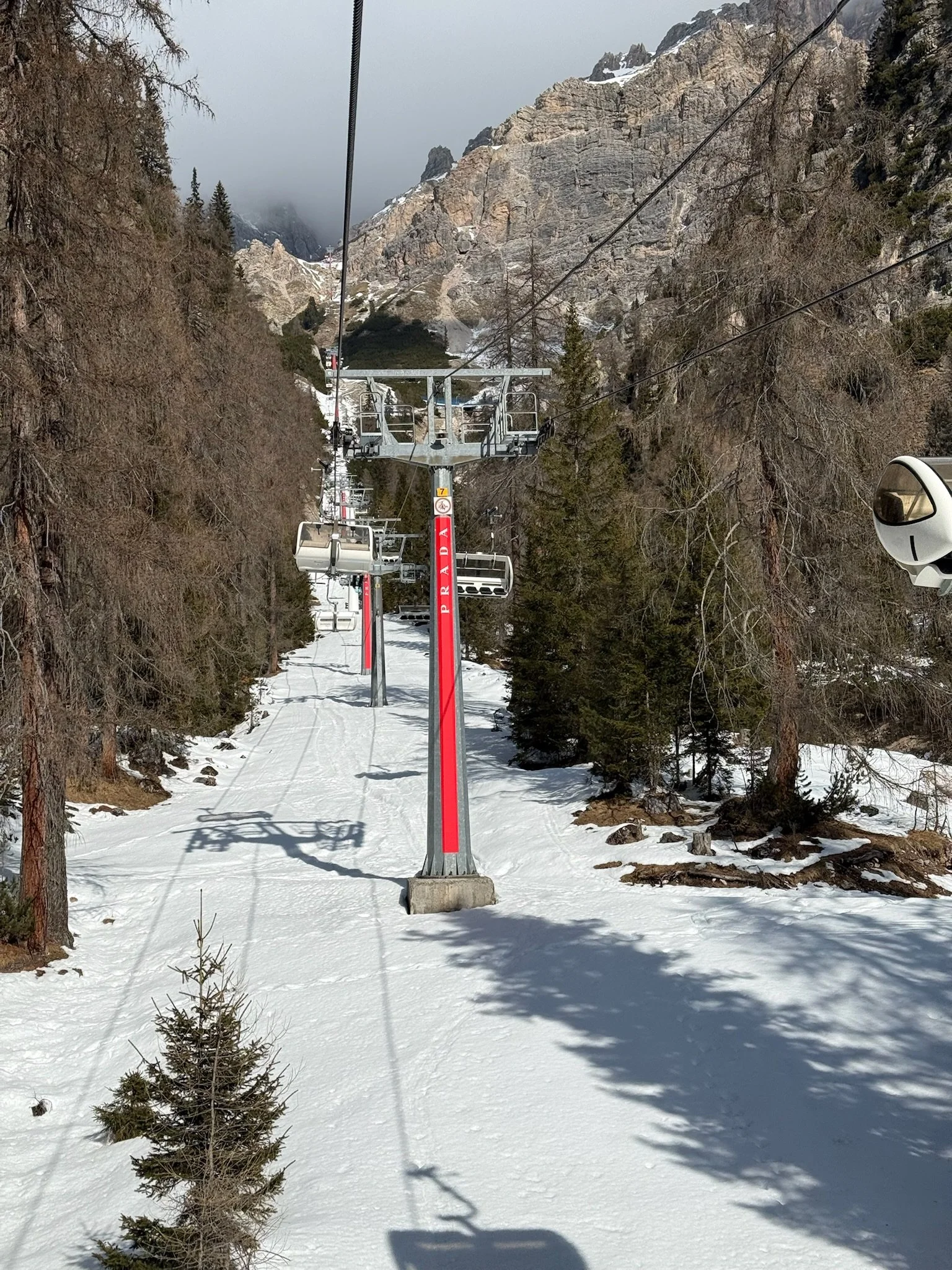
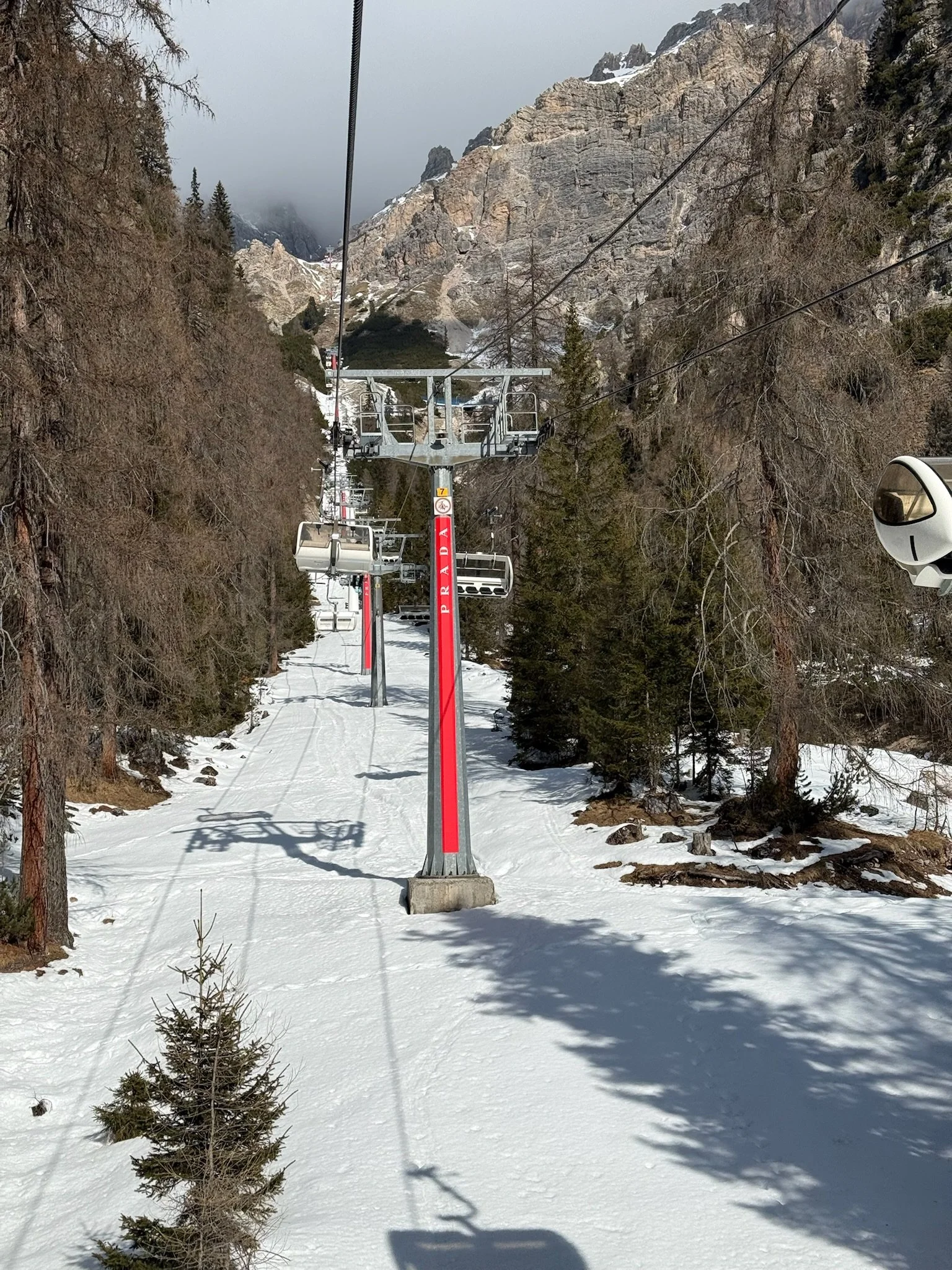
Cortina's 120 kilometers of pistes are spread across three distinct ski areas, each with its own character and terrain. They are not lift-connected to each other, instead, moving between them is part of the Cortina experience, best handled with a private transfer. Each area feels like a world of its own.

1. Tofana-Socrepes (Ra Valles)

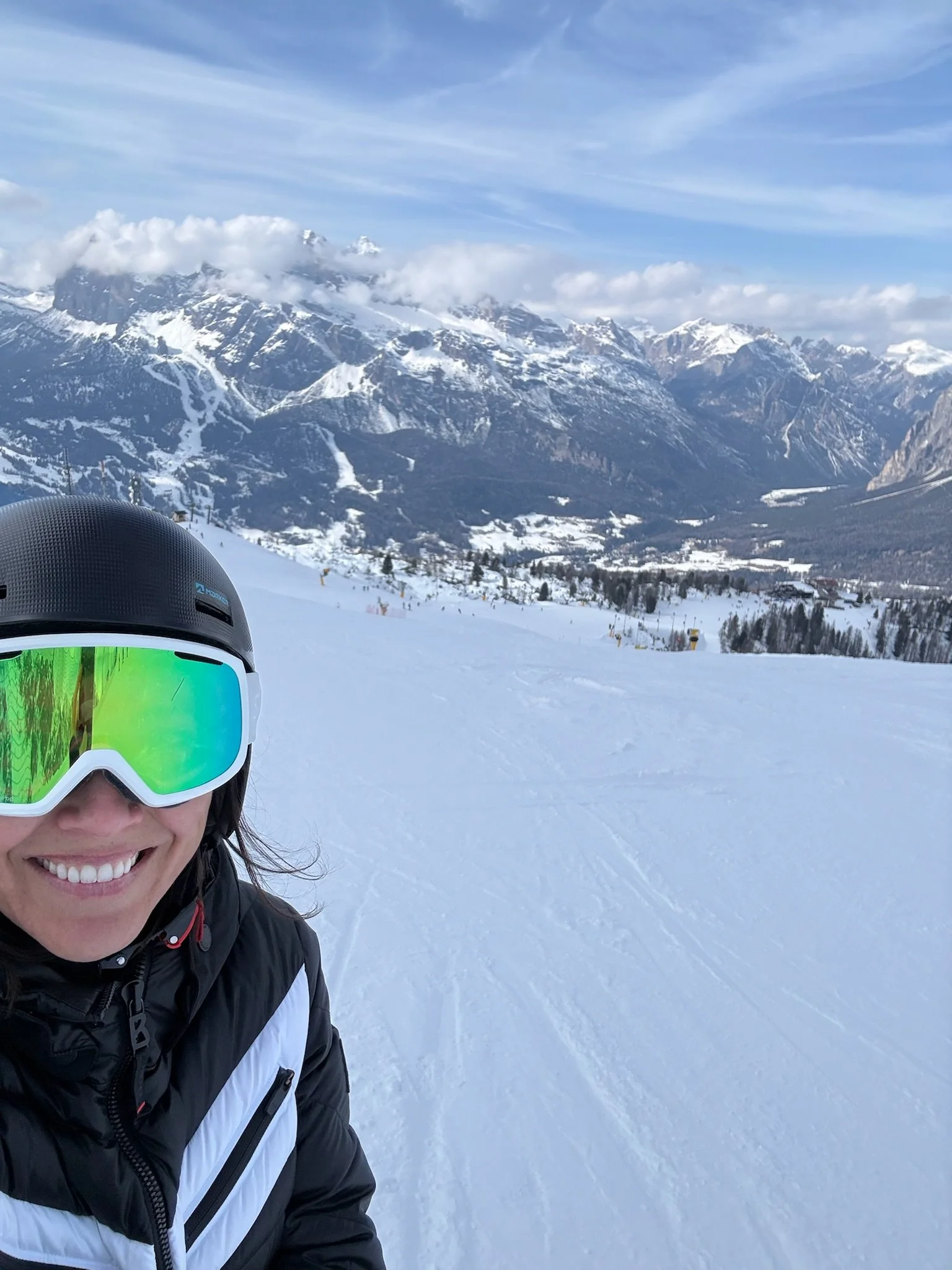
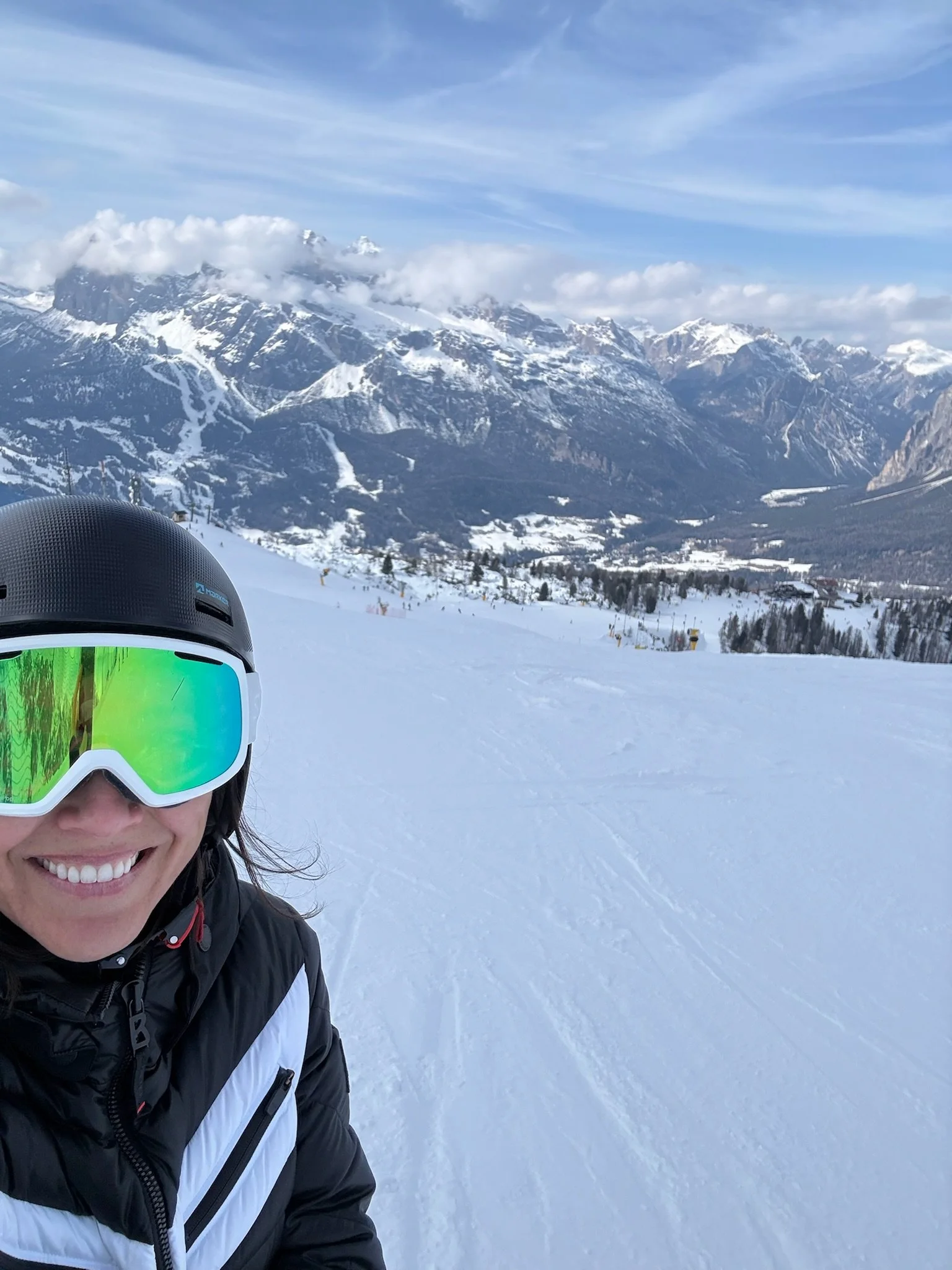
Tofana is Cortina's crown jewel and its most dramatic. This is the largest and highest ski area in Cortina, reaching 2,939 meters at the summit, and on a clear day the panorama is simply extraordinary: a full sweep of Dolomite peaks in every direction, with the town of Cortina sitting far below.

Tofana suits intermediate to advanced skiers particularly well, with long, beautifully groomed runs and genuinely challenging terrain. The lower Socrepes area offers a gentler introduction for those still finding their mountain legs. Mountain dining here is great, and the views from a sun-terrace lunch are a must.

2. Faloria-Cristallo

Accessed by cable car from the eastern edge of town, this combined area delivers two very different skiing personalities within one pass. Faloria, reached first, is intimate and forested slopes that wind through the trees with sweeping views of the Ampezzo Valley opening up at every turn. It tends to be quieter even during Cortina's busiest periods, making it the ideal choice for a long, unhurried ski day.

Cristallo is the highest and more demanding side of this area. The Forcella Rossa slope is a standout: steep, technical, and framed by the iconic Dolomite scenery. The rocky towers above, lit pink and amber in the morning light, are among the most photographed landscapes in the entire Alps.

The Mietres sector adds gentle, family-friendly terrain to the mix: wide, sun-soaked slopes ideal for those who prefer a relaxed rhythm on the mountain. Together, this area covers every ability level and offers some of the most varied skiing in Cortina.

3. Lagazuoi-Cinque Torri (Passo Falzarego)

Located above the Falzarego Pass (a short transfer from Cortina town) Lagazuoi-Cinque Torri offers some of the most remarkable skiing scenery anywhere in the Dolomites. The Cinque Torri (five ancient rock towers rising from the plateau) loom over the slopes like natural sculptures.

The skiing here is accessible and scenic, suited to all levels. When conditions allow, a legendary descent drops from the Lagazuoi cable car through the Fanes Valley all the way to Armentarola, an 8.5-kilometer run through dramatic rock formations that many consider the finest ski descent in Italy. 

This area also serves as the gateway to the wider Dolomiti Superski network, connecting Cortina to Alta Badia and beyond for guests who want to explore further.

Ski Culture in Cortina: What to Know

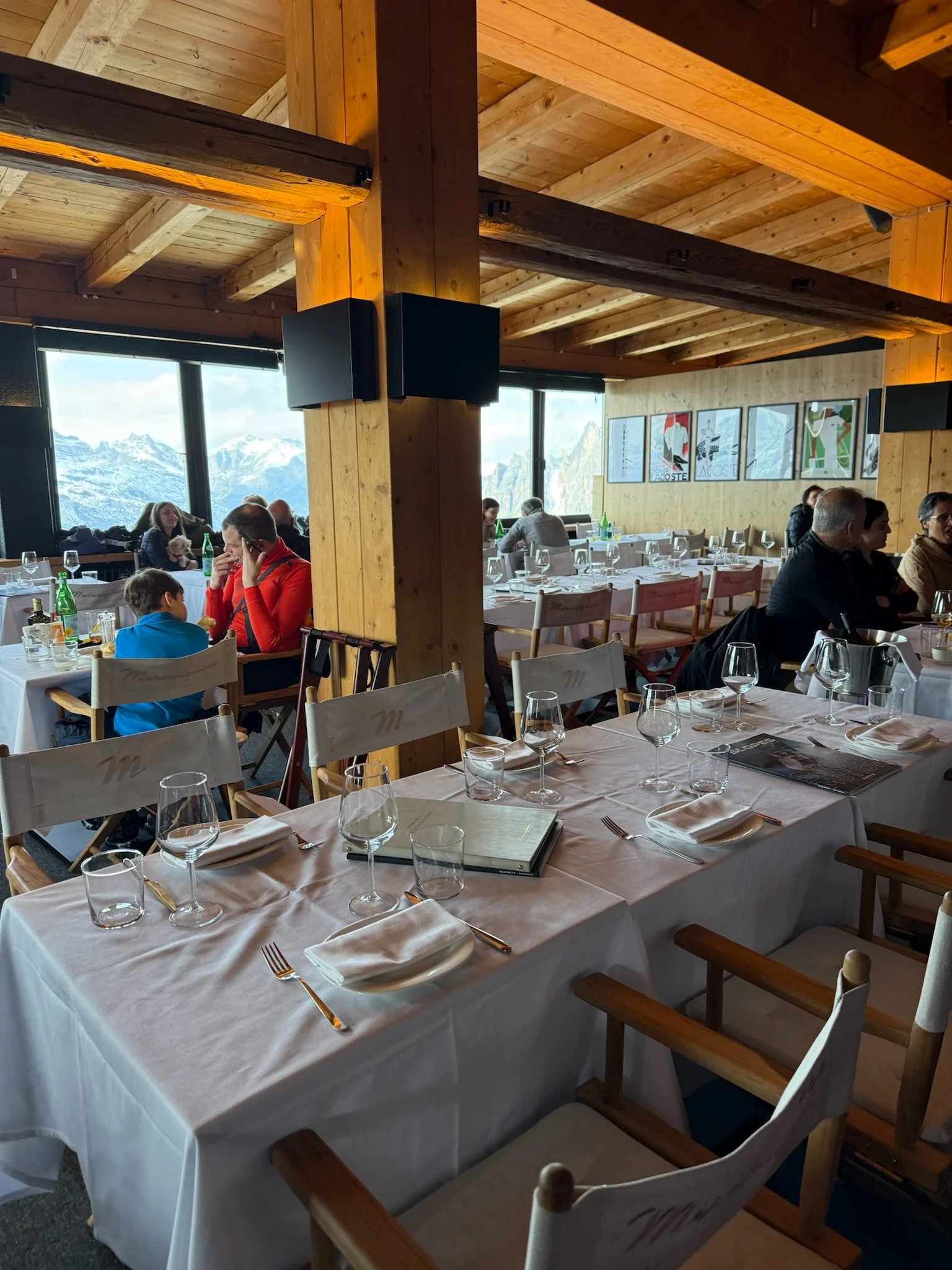
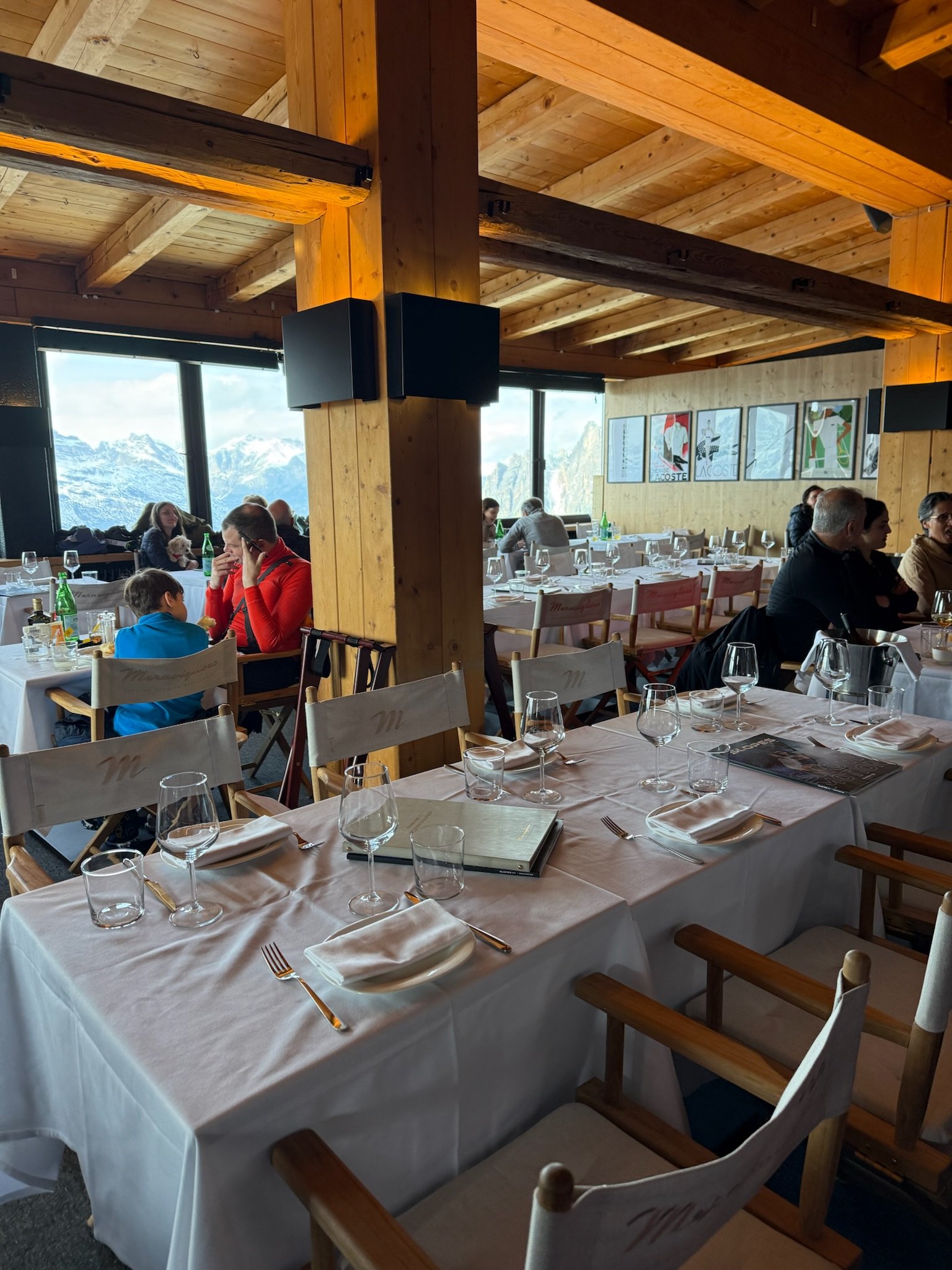
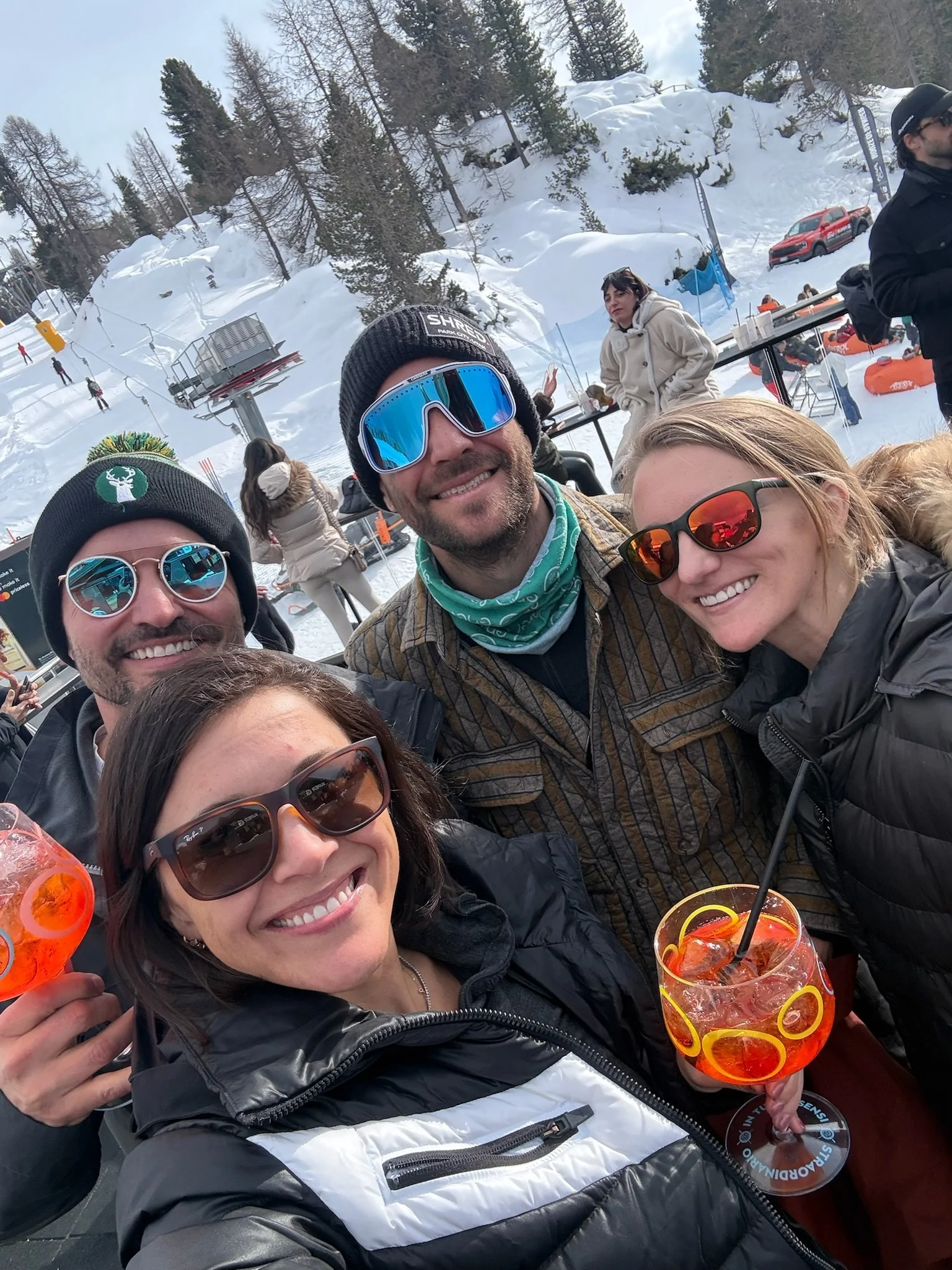
Skiing in Cortina d’Ampezzo is as much about lifestyle as it is about the slopes. The rhythm here moves at a distinctly Italian pace, where the experience of the mountains matters just as much as the number of runs skied in a day. Thanks to the Dolomites’ famously sunny, south-facing slopes, ski days often unfold slowly and socially. A few scenic morning descents through spectacular alpine terrain are followed by one of Cortina’s most beloved traditions: a long, sun-drenched lunch at a mountain rifugio. These alpine restaurants are central to the culture of skiing here, where skiers settle onto panoramic terraces for homemade pasta, regional specialties, and a glass of Franciacorta or Aperol Spritz, lingering for hours while taking in sweeping views of the surrounding peaks. As the lifts close, the energy shifts back to town, where the evening passeggiata along Corso Italia begins. Visitors and locals alike stroll the pedestrian promenade, stopping into wine bars, boutiques, and historic cafés, extending the day’s social rhythm long after the skis have been put away.

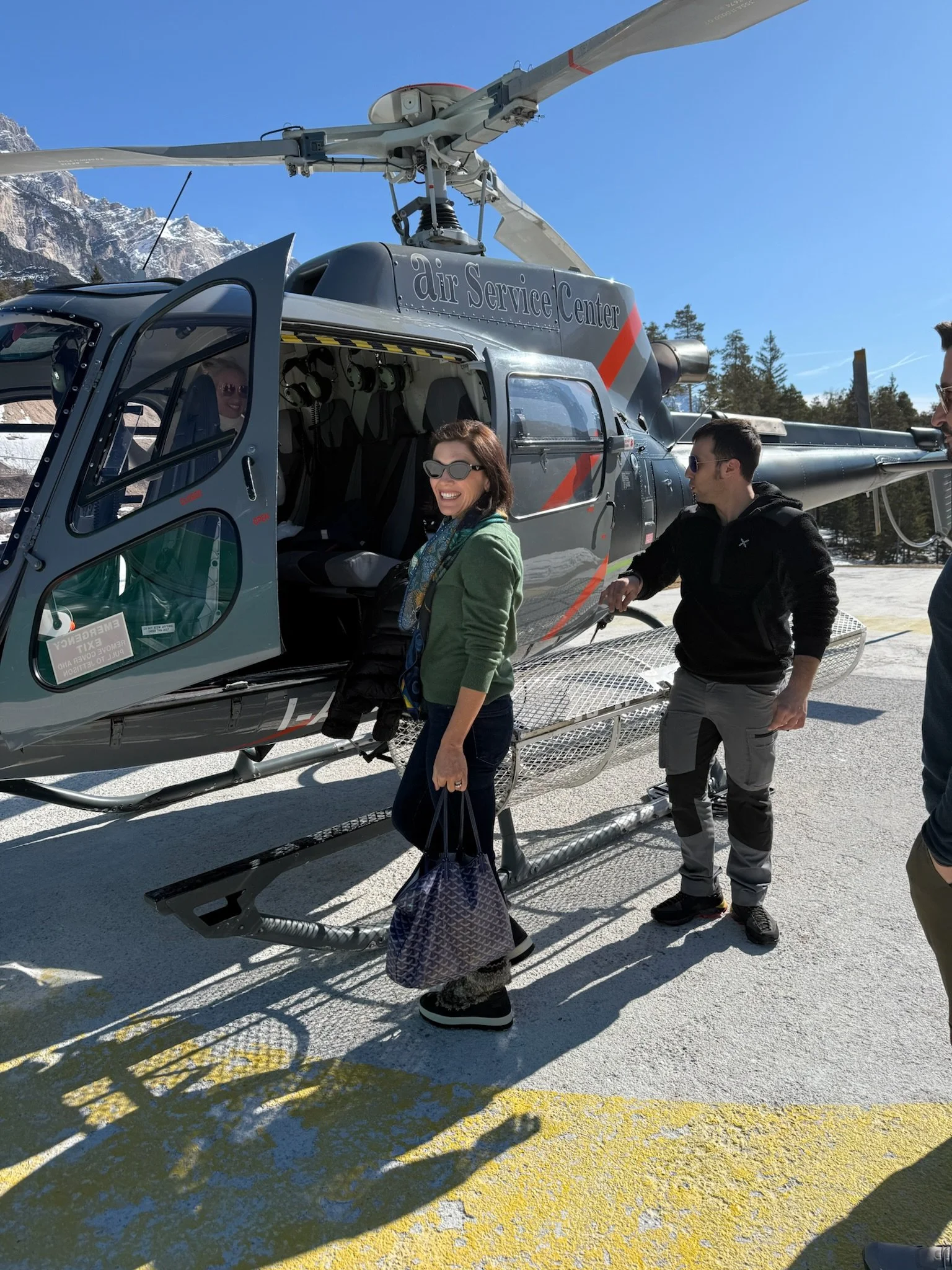
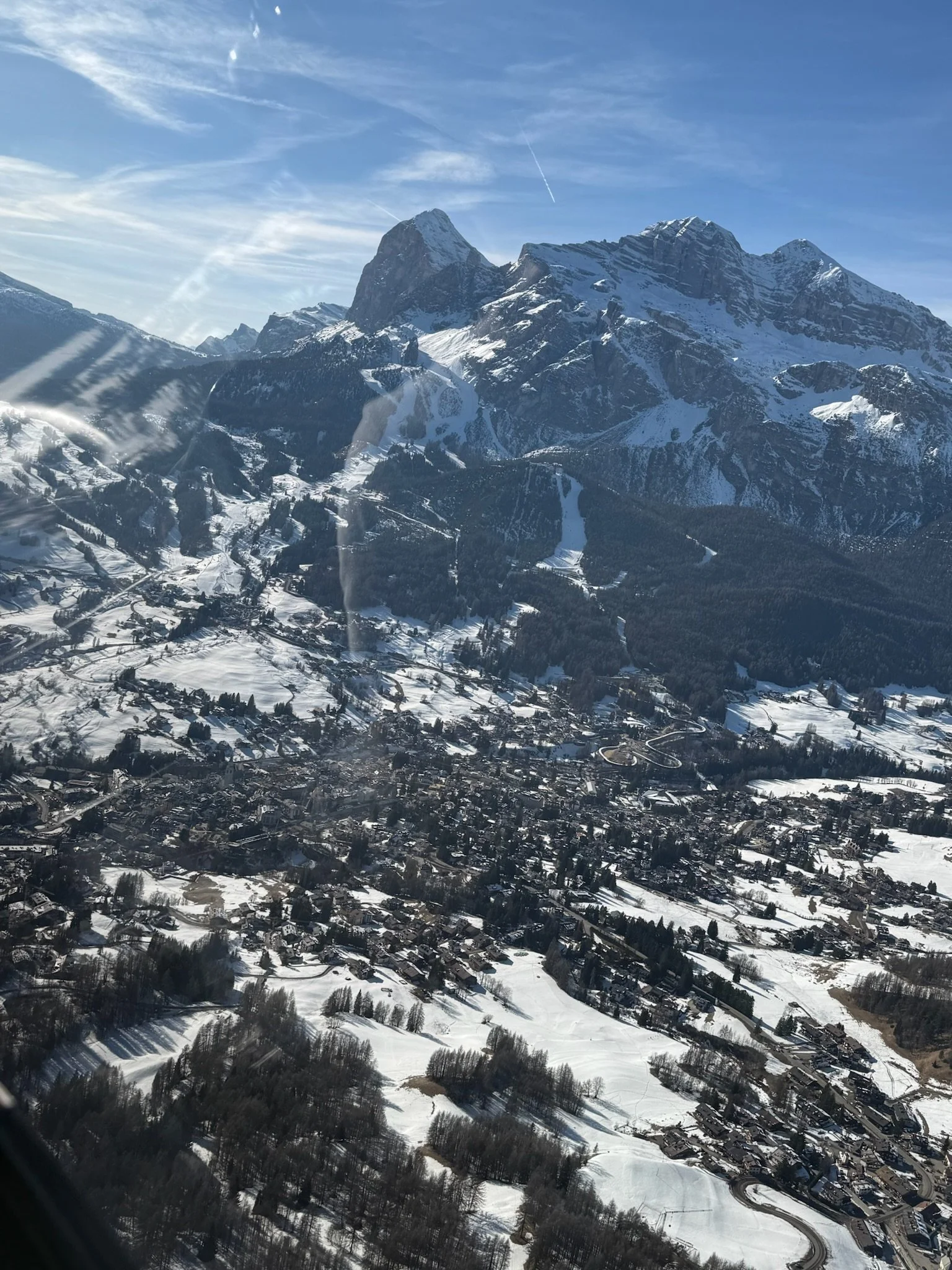
Cortina also lends itself beautifully to elevated mountain experiences that showcase the dramatic landscape from a different perspective. During Kate’s recent visit, she experienced a helicopter transfer from Cortina to Alta Badia, beginning with a breathtaking panoramic flight over the famous Sellaronda circuit and the striking rock formations that define this corner of the Dolomites. The journey ended with a gourmet lunch at a scenic hilltop rifugio, a memorable way to combine the region’s extraordinary scenery with its celebrated mountain cuisine. Experiences like this can be tailored year-round: in winter, guests can heli up to the peaks and ski down through pristine terrain, while in summer the same dramatic summits become the starting point for spectacular hikes back into the valleys below.

Cortina Beyond the Snow

Cortina doesn't close when the snow melts, it simply changes its wardrobe. From July through September, Cortina d'Ampezzo in summer becomes something else entirely: a high-altitude retreat where the Dolomites turn green, the light stays longer, and the pace shifts from exhilarating to deeply restorative. At 1,200 meters above sea level, it's also one of Europe's most refined coolcation destinations, a natural escape from the summer heat where mountain air and breathtaking scenery do the rest.

The cable cars that carry skiers up to Tofana and Faloria in winter run just as reliably in summer, delivering guests to ridgelines where the views over the UNESCO World Heritage Dolomites are, if anything, even more breathtaking without the flat winter light. From there, private mountain guides lead guests along Cortina hiking trails and via ferrata routes through some of the most dramatic rock formations in the Alps (the Cinque Torri, the Fanes Valley, the Great War tunnels carved directly into the Lagazuoi) each one a landscape that rewards those who take the time to explore it.

For something more leisurely, the alpine lakes surrounding Cortina (particularly Lago di Braies, with its famous turquoise water and wooden rowboats) are among the most quietly spectacular settings in northern Italy. Mountain biking, golf, and private motorbike tours through the Giau Pass round out the things to do in Cortina d'Ampezzo in summer, while the rifugios continue to serve long, unhurried lunches on south-facing terraces. And on the Corso Italia, the boutiques and wine bars are as lively as ever, the crowd simply swaps ski boots for hiking boots or something more summery.

Where to Stay in Cortina d’Ampezzo

Ancora Cortina is the oldest hotel in Cortina, built in 1826 and sitting directly on the Corso Italia. This property has 35 rooms and suites with hand-collected art, timber walls, and soft mountain textures. Kate thought it was super nice, a little on the smaller side, but its location in the heart of town makes up for it. So, for guests who want to be in the middle of the action (steps from the Faloria cable car, at the center of the evening promenade) there is no more characterful address in town.

Grand Hotel Savoia remains the grand dame of Cortina: central, stately, with a full spa, multiple dining venues, and a sense of occasion that feels entirely native to this town.

Hotel Tofana Cortina is the property for those who want the slopes at their door. It sits directly on the Tofana slopes, with an in-house ski rental, a spa, and a restaurant. The morning routine here begins on the piste. For serious skiers who want to maximize every hour on snow, there is no better address.

Faloria Mountain Spa Resort, tucked into the hamlet of Zuel just outside town, is the right choice for guests who want genuine seclusion + panoramic Dolomite views and a full-service spa. Kate really loved the feeling of this property, like being in a friend's home and the service was very warm and topnotch.

Rosapetra Spa Resort, a member of Small Luxury Hotels of the World, is the more intimate choice: refined, quietly confident, and with a spa offering that belies its size. For guests who prefer a smaller property without compromising on standard, Rosapetra delivers.

And then there is the arrival that has been anticipated for the better part of a decade. The original Hotel Cristallo (built in 1901, frequented at various points by Frank Sinatra, Peter Sellers, and Brigitte Bardot) is being transformed into Mandarin Oriental Cristallo, opening winter 2026 with 83 rooms and suites, multiple restaurants and bars, and an indoor-outdoor spa and pool. It will be Mandarin Oriental's first mountain resort anywhere in the world.

Also consider Aman Rosa Alpina in San Cassiano (approx. 1 hour from Cortina), for guests with flexibility in their itinerary, or those who want to combine a Cortina with the wider Dolomites.

Planning a Luxury Ski Trip to Cortina with KJ Travel

A Cortina ski trip done properly: private transfers between areas, a guide who knows the mountain, a table at the right rifugio, and a hotel that fits the way you travel, is an entirely different experience from one pieced together on your own.

Curious about Cortina? Reach out to a KJ TRAVEL Advisor and let's start building your dream itinerary.

Top Hotels in Milan

Recently, we had the incredible opportunity to attend DUCO Italy, a conference that's all about showcasing the best of Italy to the world, this year hosted in Milan. And, of course, the luxury hotels in Milan were a highlight. Here’s a closer look at the hotels we explored:

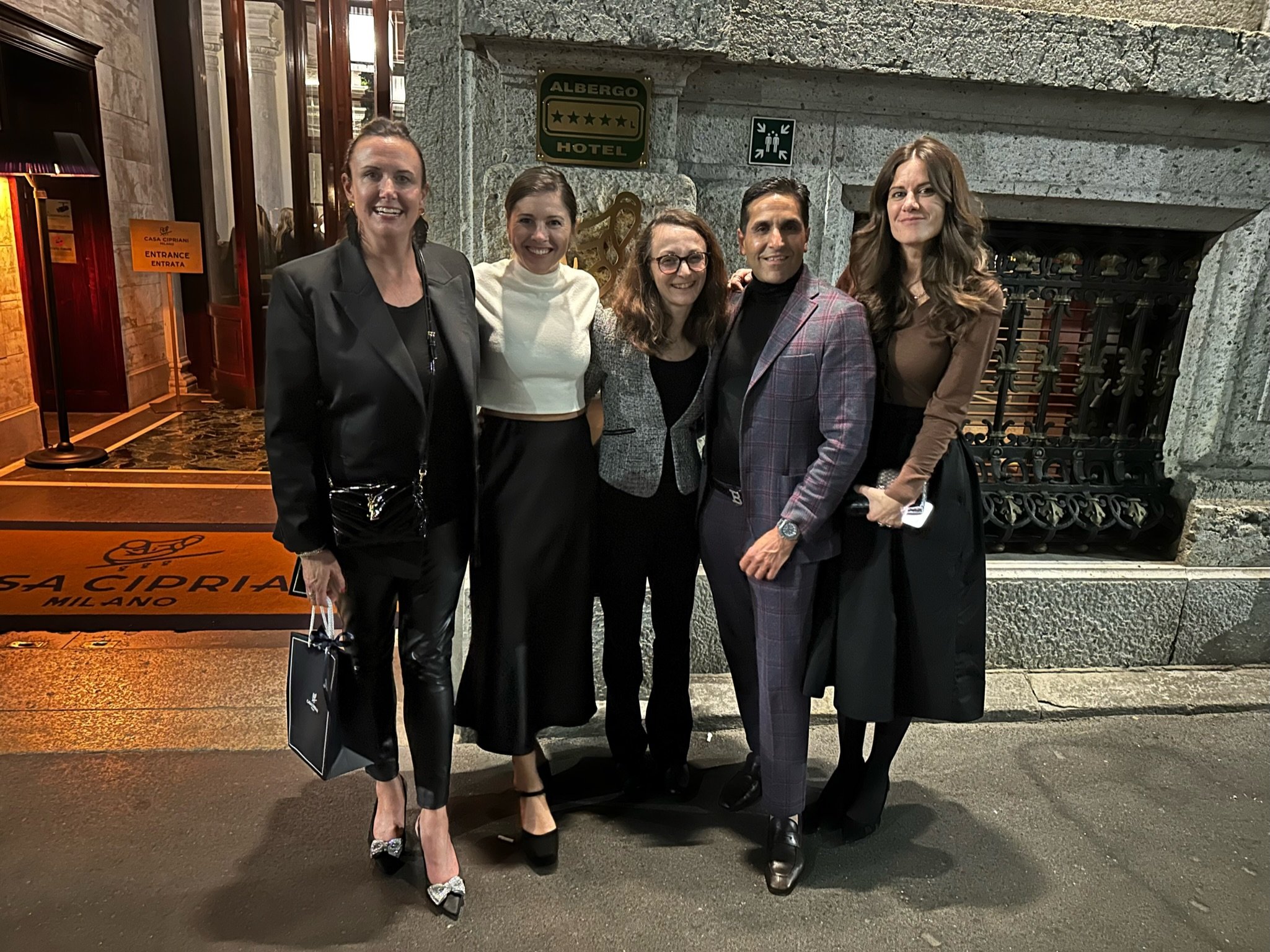
Casa Cipriani

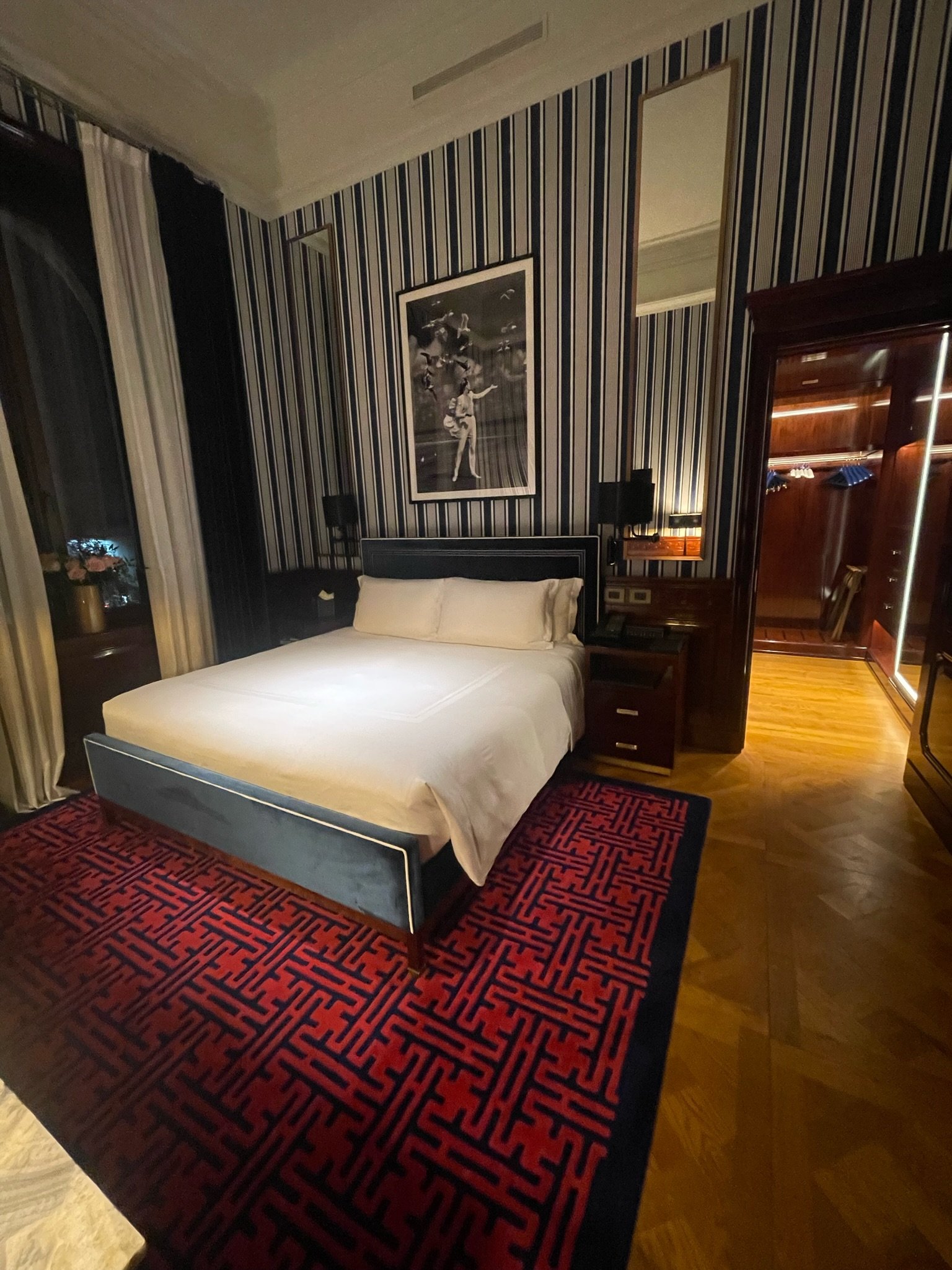
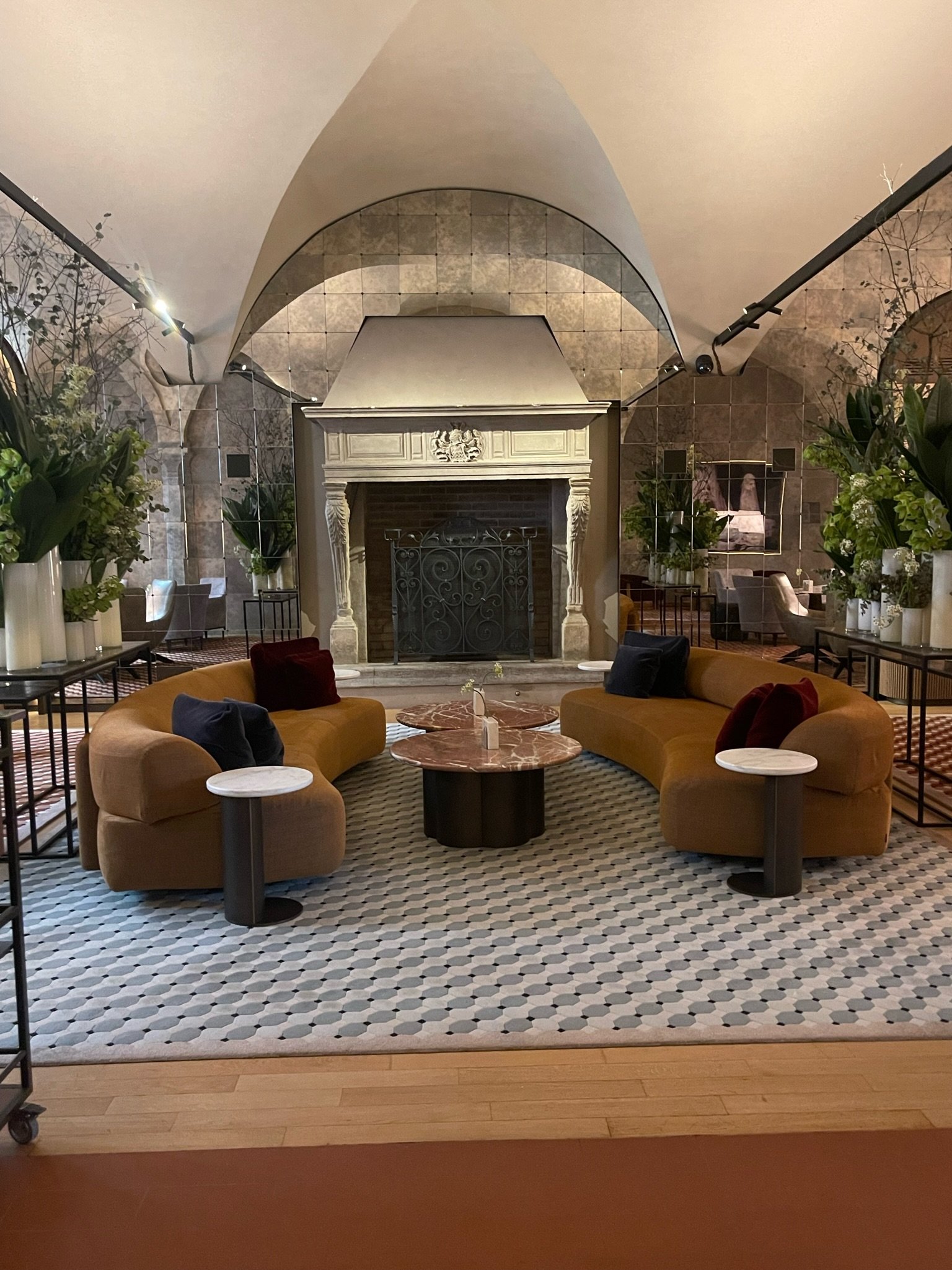
Casa Cipriani is in the historic Palazzo Bernasconi with views overlooking the Indro Montanelli Gardens. Casa Cipriani acts as an exclusive Private Members Club, where hotel guests become temporary members during their stay. It's not just a hotel but also a social club, and only hotel guests can have access to these restaurants. So, if you stay here, you can enjoy the club's perks. The club Restaurant and Living room have amazing panoramic city views. With interiors by Florentine designer Michele Bonan, each of the 15 rooms gives off sophistication, making it the perfect sanctuary in the heart of Milan.

Mandarin Oriental Milan

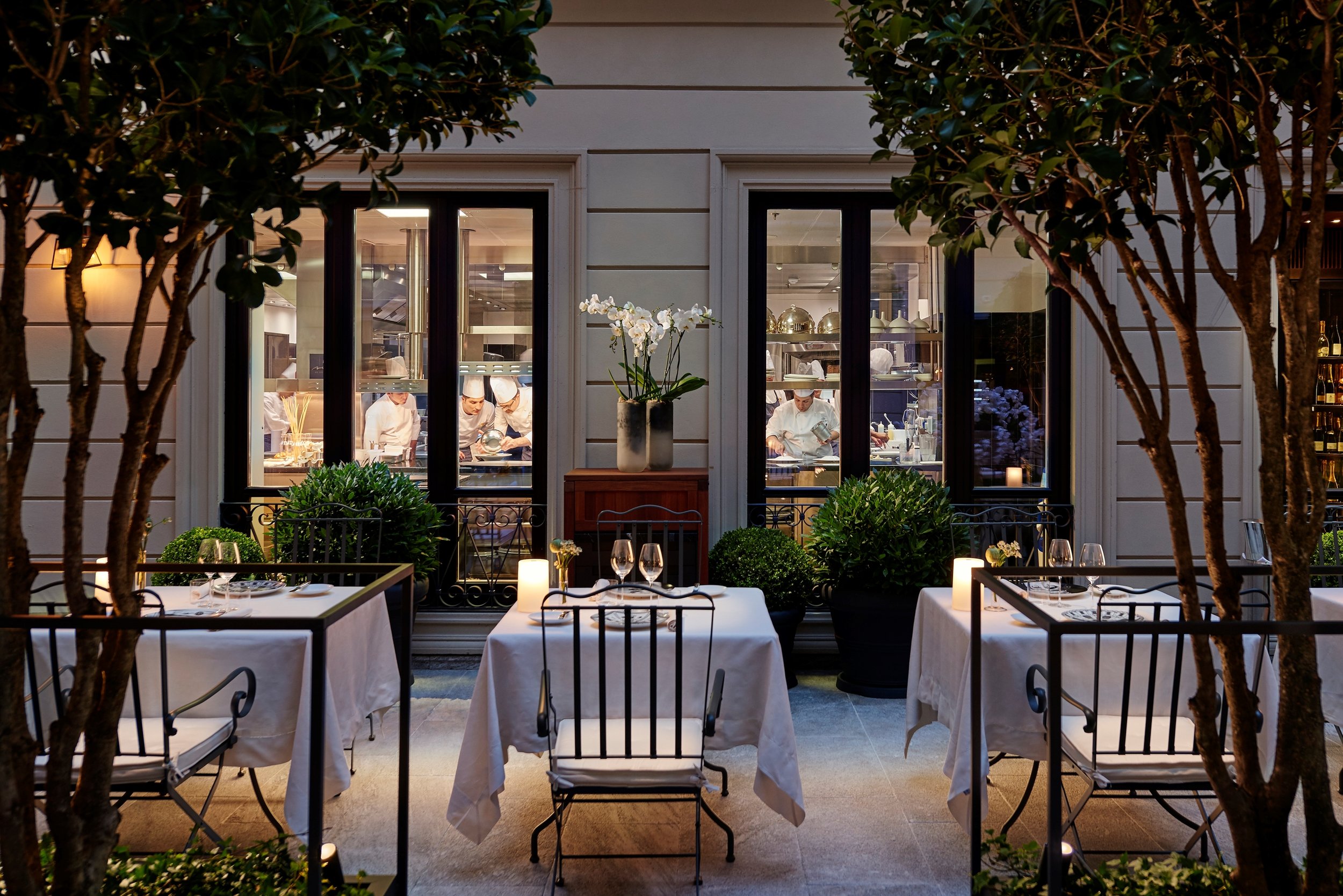
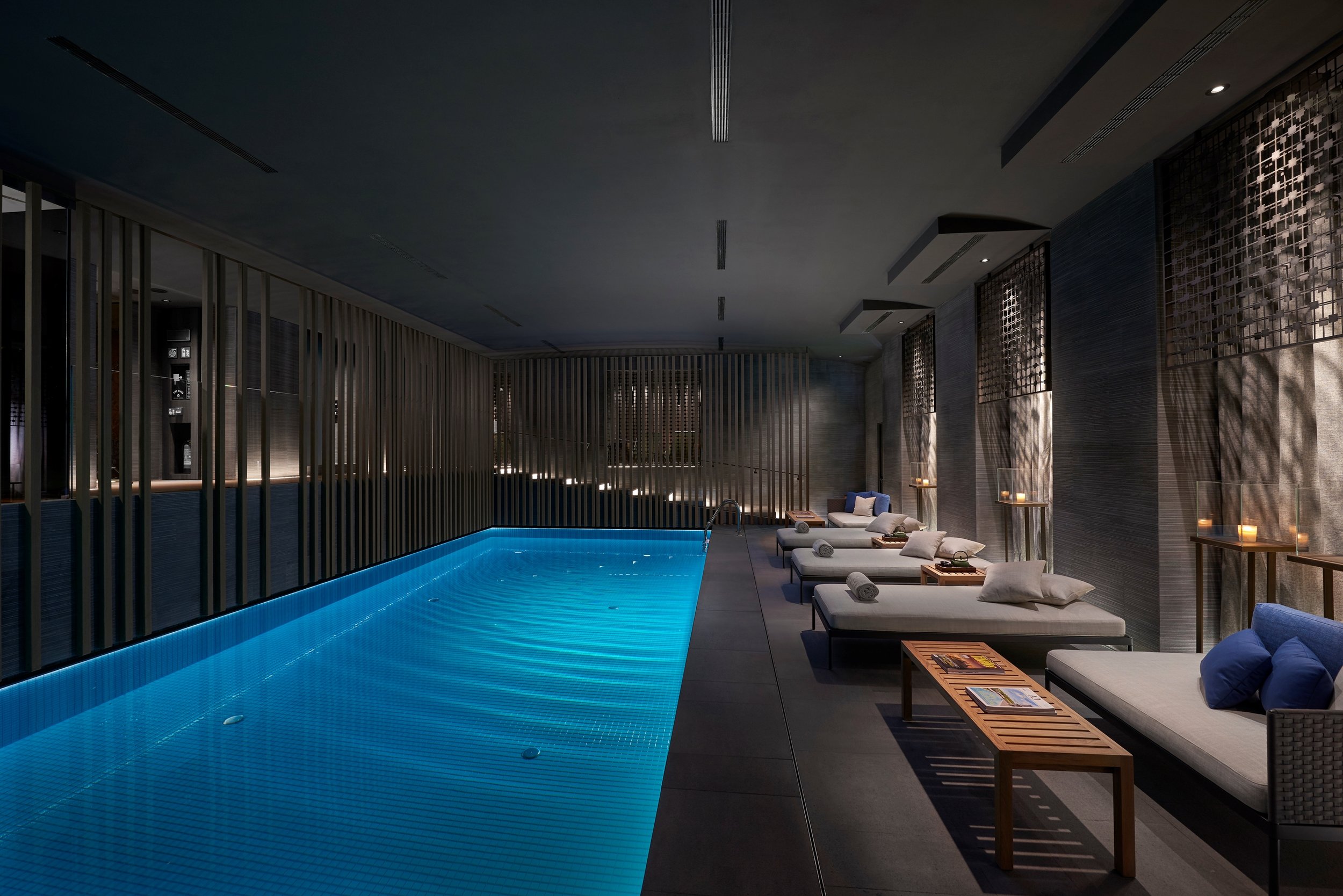
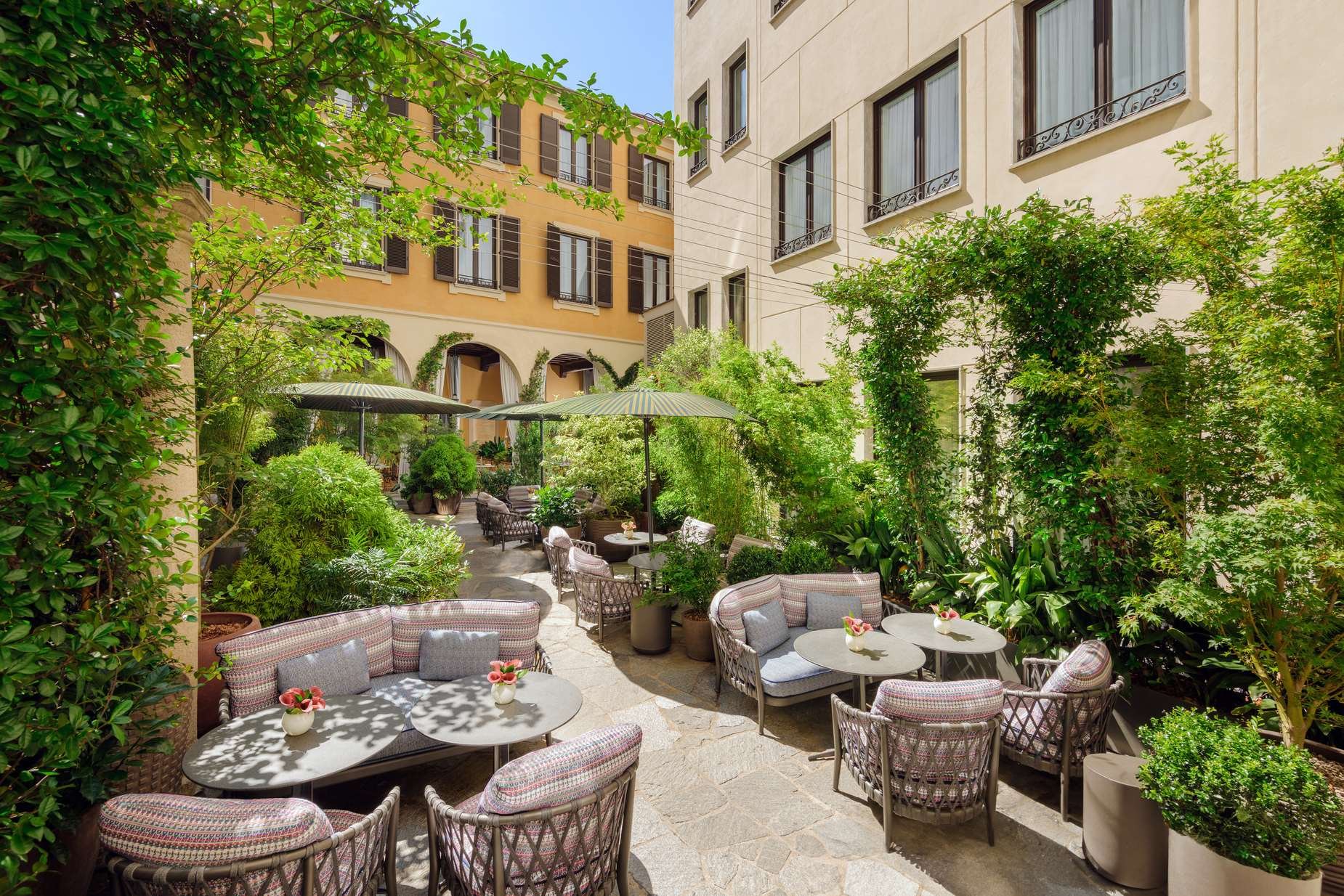
The Mandarin Oriental Milan offers a charming mix of Milanese style and design in the heart of the city. You can discover dining at the two-Michelin-starred restaurant Seta, run by chef Antonio Guida, or unwind in their Mandarin Garden. With access to beautiful outdoor courtyards and the city's largest indoor swimming pool, Mandarin Oriental offers the perfect blend of luxury and relaxation.

The Four Seasons Hotel Milano

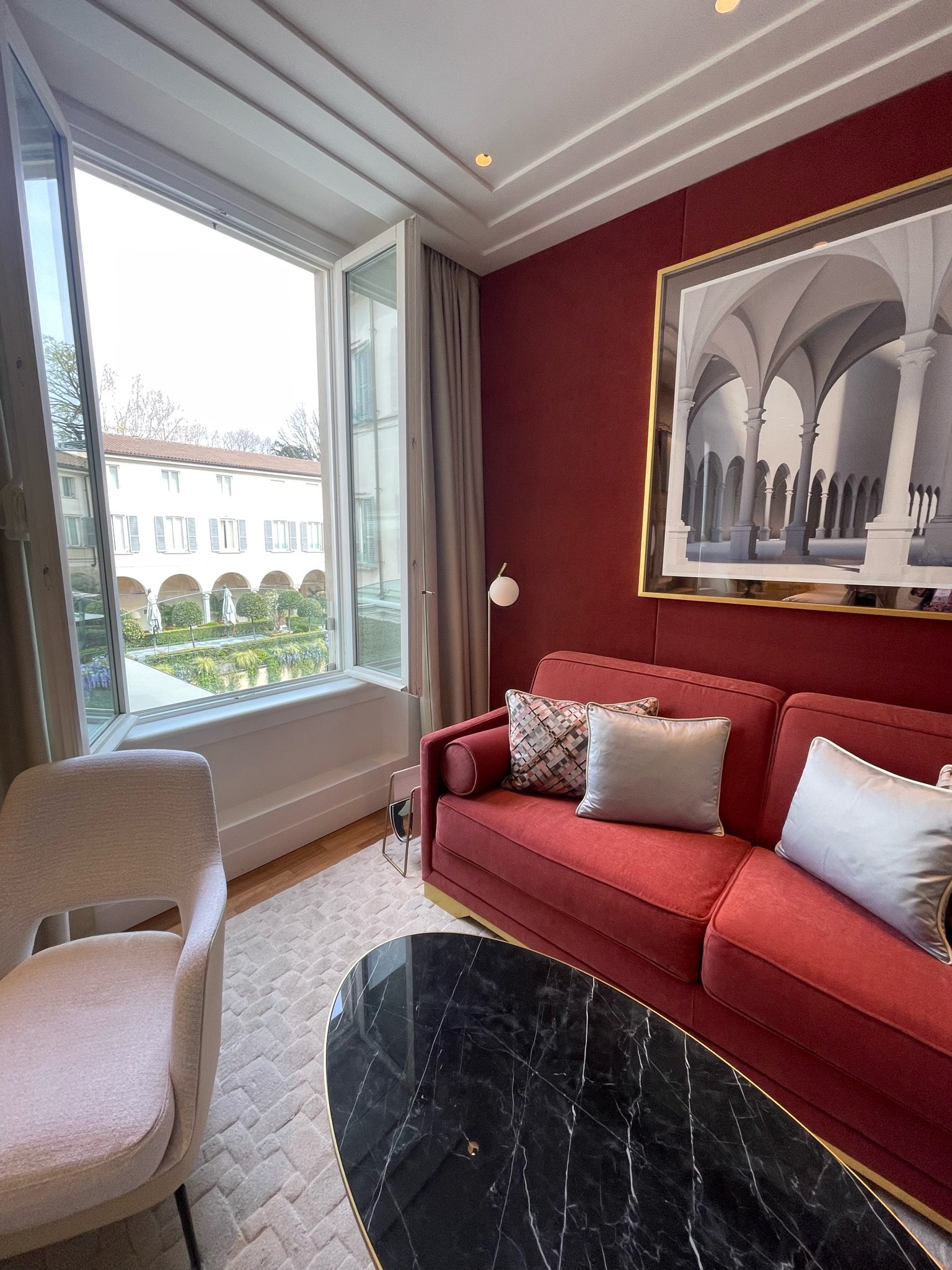
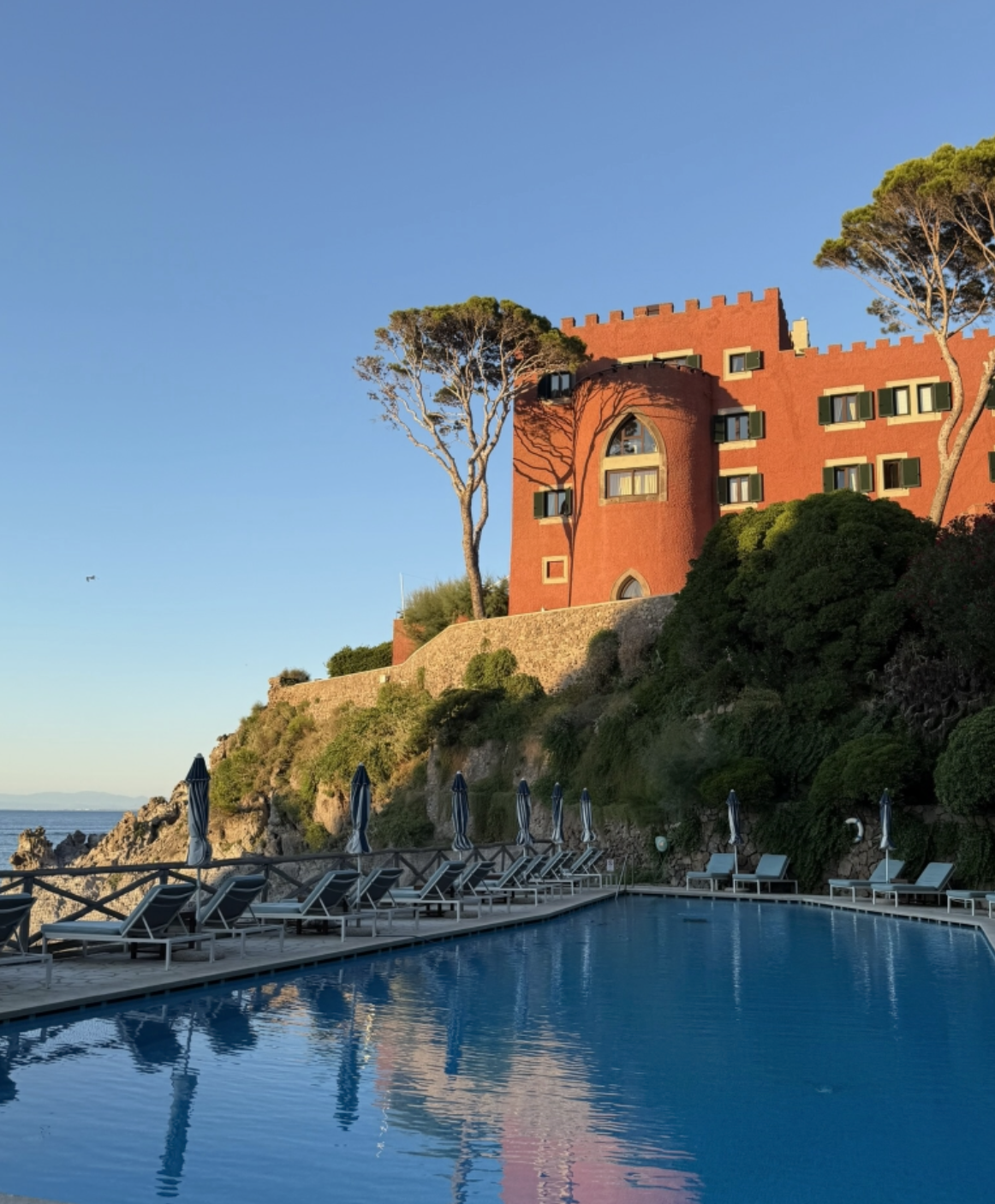
The Four Seasons Hotel Milano is in the heart of Montpellier in between all the shops, this is a fashion shoppers dream location! They are renovating their rooms and we got a sneak peak of the renovation and design and we are so excited about this! Take advantage of the revitalizing spa services or go to nearby sites like the Duomo and Pinacoteca di Brera—all within walking distance.

Palazzo Parigi

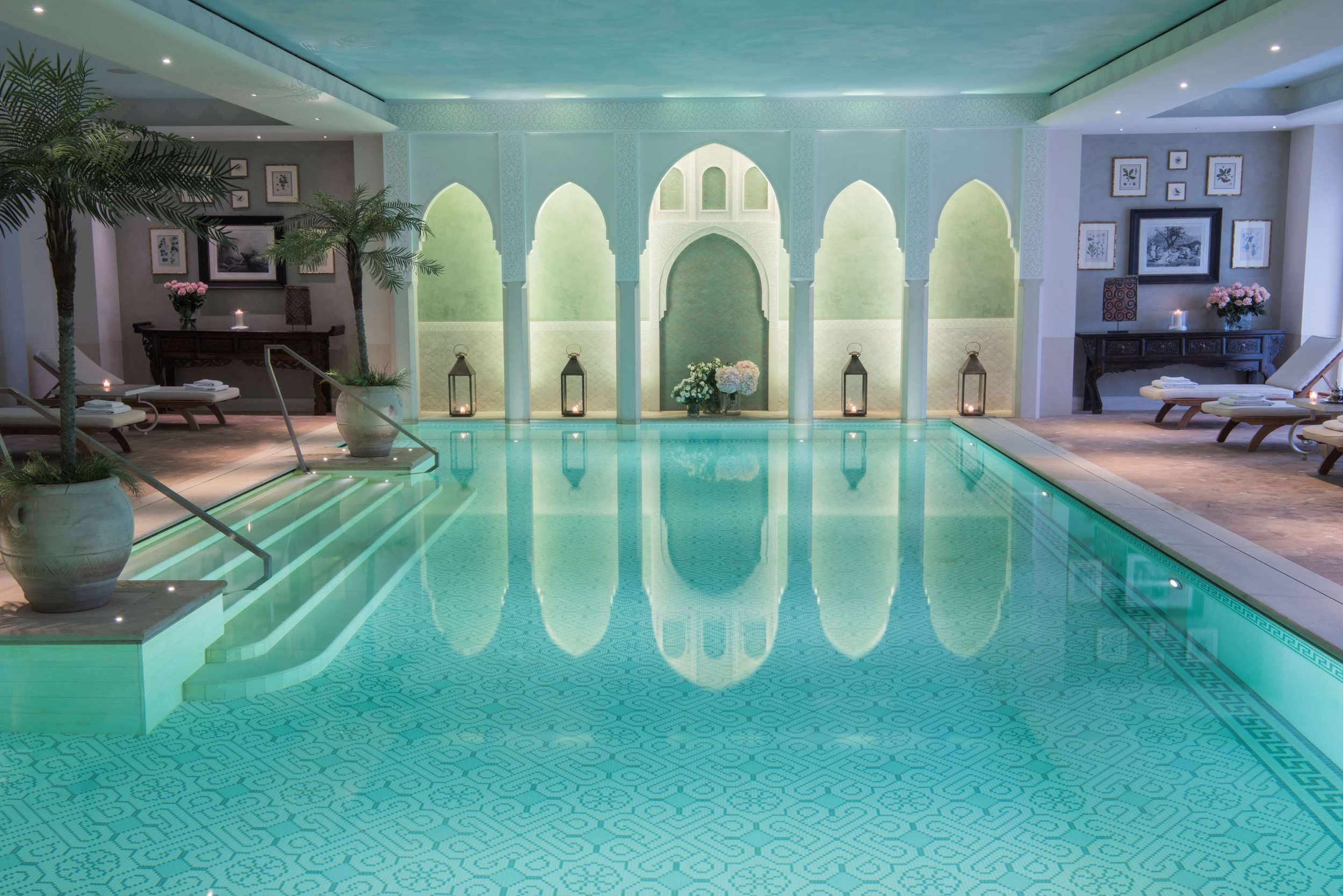
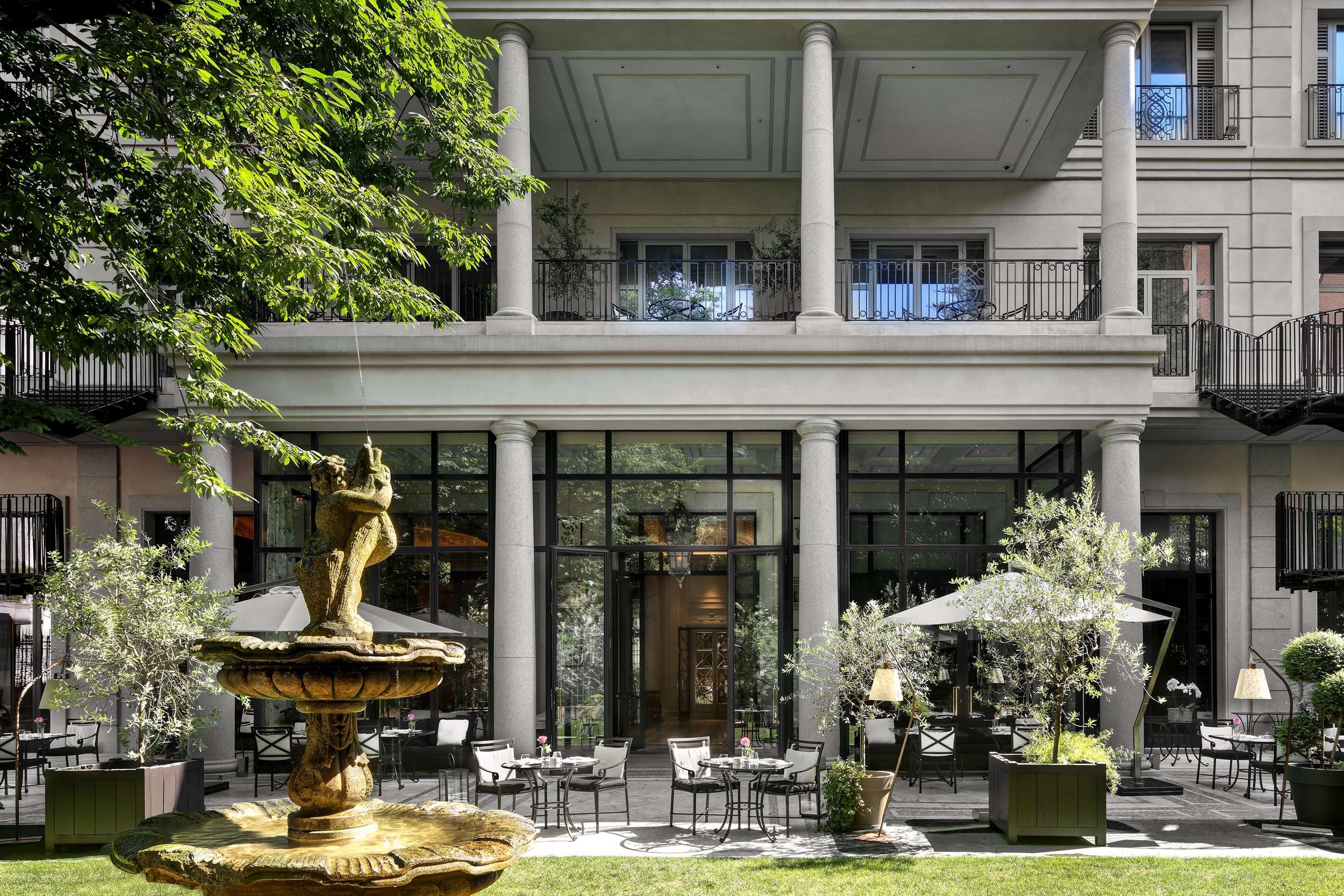
The Palazzo Parigi shows a blend of Italian and French inspiration in Milan's Brera district. Their spa is really unique, inspired by Moroccan traditions which has a private Hammam suite and is strategically located on the 3rd floor, allowing natural light. As for family-friendly amenities, the hotel provides childcare services, high chairs, baby-changing facilities, and offers babysitting arrangements, ensuring that families have everything they need for a comfortable stay.

Park Hyatt Milan 

The Park Hyatt just celebrated their 20th anniversary and is location, location location! It’s directly at the entrance of the Galleria, just one block from the iconic Piazza Duomo and a 3 min walk to the Scala Opera Center. The hotel is located within the historic Galleria Vittorio Emanuele II, an enclosed shopping building housing the original Prada store, where guests can have private shopping experiences which we can arrange. With stylish rooms and suites, as well as renowned bars like Mio Lab, one of the most renowned bars in Milan, it's the perfect destination for travelers seeking sophistication and luxury in the heart of the city.

Portrait Milano

Portrait Milano gives a unique vibe with its captivating interior courtyard, which once served as a space within the monastery that previously occupied the building. Featuring 73 rooms and suites, some even having walk-in closets, this boutique hotel ensures both comfort and style for its guests. The hotel's speakeasy Rumor bar adds an extra layer of excitement with its nightly entertainment, making it a standout destination in Milan's vibrant nightlife scene. And let's not forget, Portrait Milano is part of a beloved collection of sister hotels, that clients love in Florence and Rome, ensuring a consistent standard of excellence and hospitality.
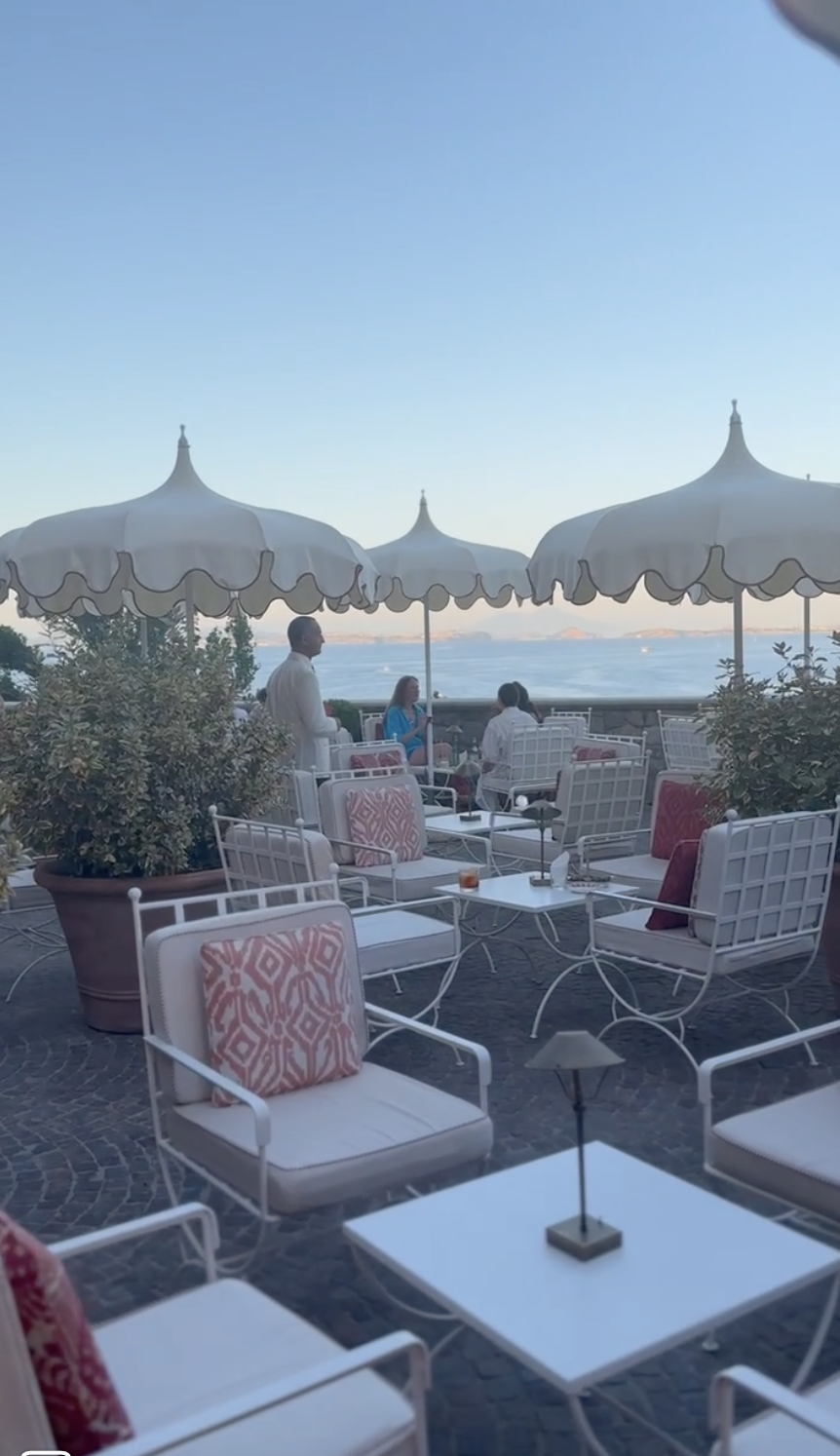
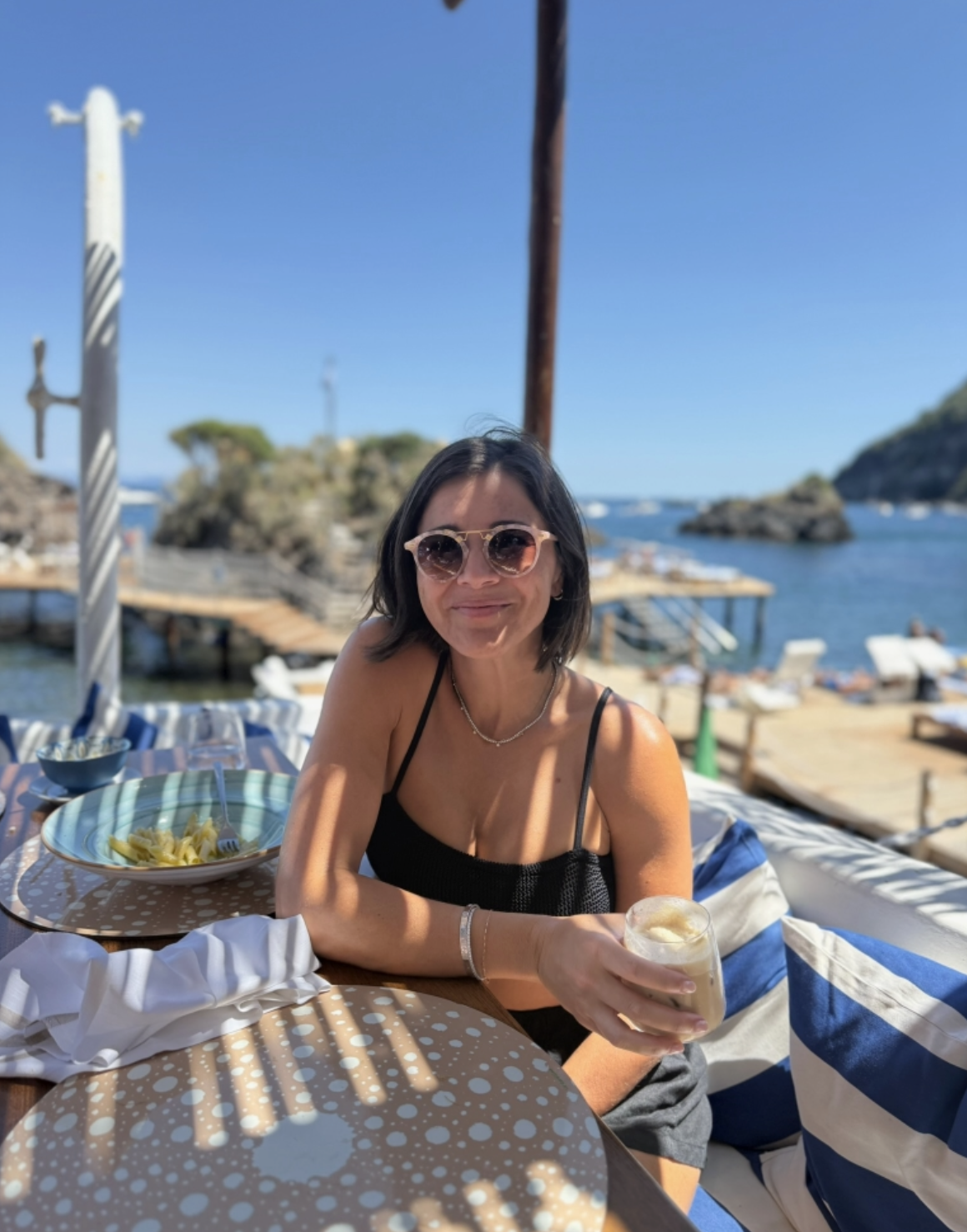
If you want to include Milan on your next Italy vacation fill out our form. As a reminder, KJ Travel clients get perks to our amenities like complimentary breakfast, room upgrades, resort credit, and more.

Our Favorite Luxury Hotels from 2023

2023 was all about exploring new hotels and finding those dreamy destinations. Here at KJ Travel, we've had the pleasure of experiencing some of these remarkable properties firsthand, and we're excited to share our top picks from France to Mexico, and beyond.

FRANCE

Carlton Cannes

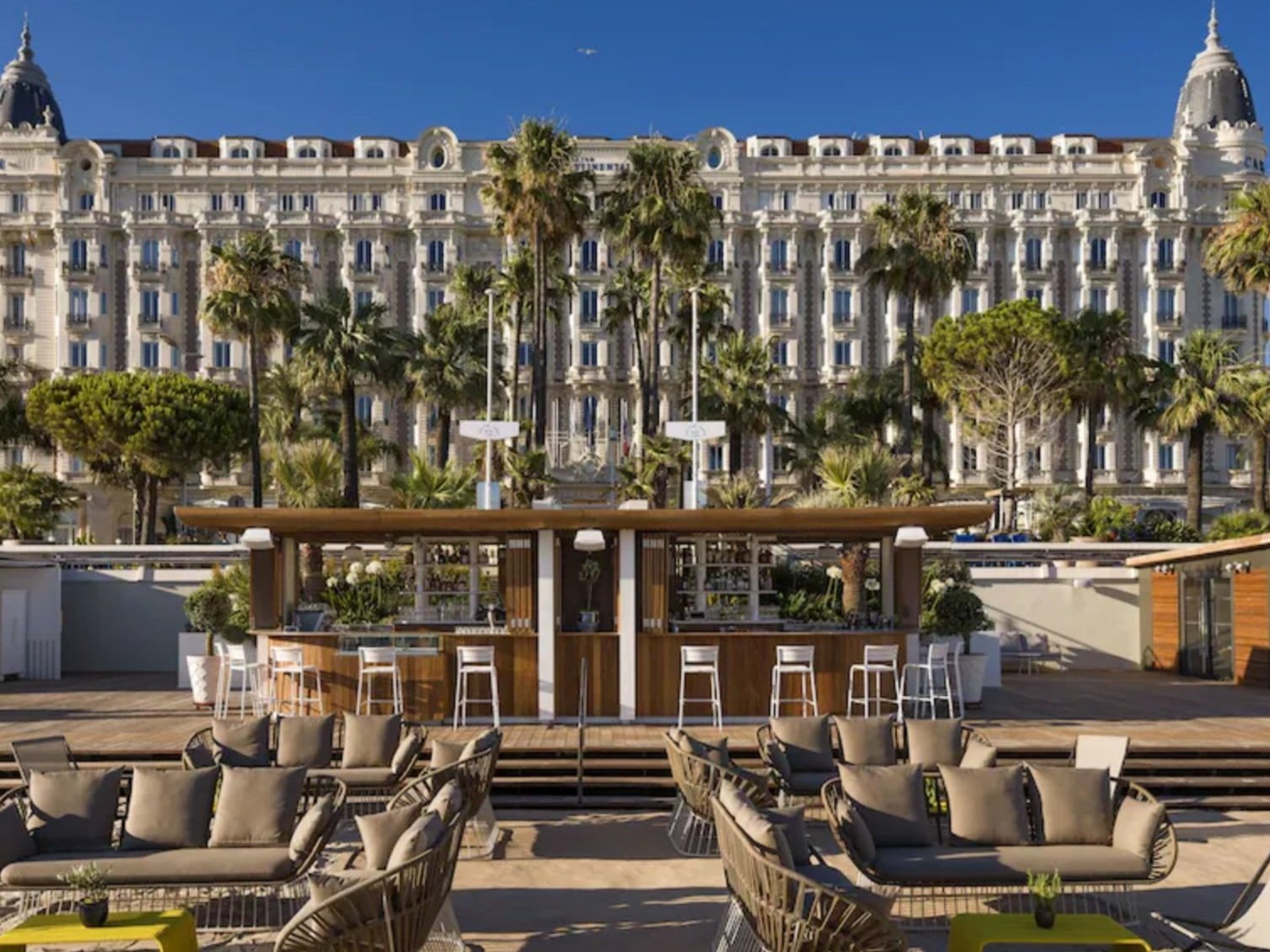
Following a two-year renovation, the Carlon Cannes transformed into a new modern design that still maintains the original Belle époque beauty of its predecessor, the InterContinental Carlton. The $500 million investment includes 37 new residences, a pool, a bar, and terraces for the first-floor rooms. Located on the prestigious Boulevard de la Croisette, Carlton Cannes also boasts a private beach and a terrace with expansive sea views. Kate has fond memories of a stay here years ago, watching the Bastille Day fireworks show over the sea. She loved getting to revisit and see the renovated property in 2023! 

La Fantaisie

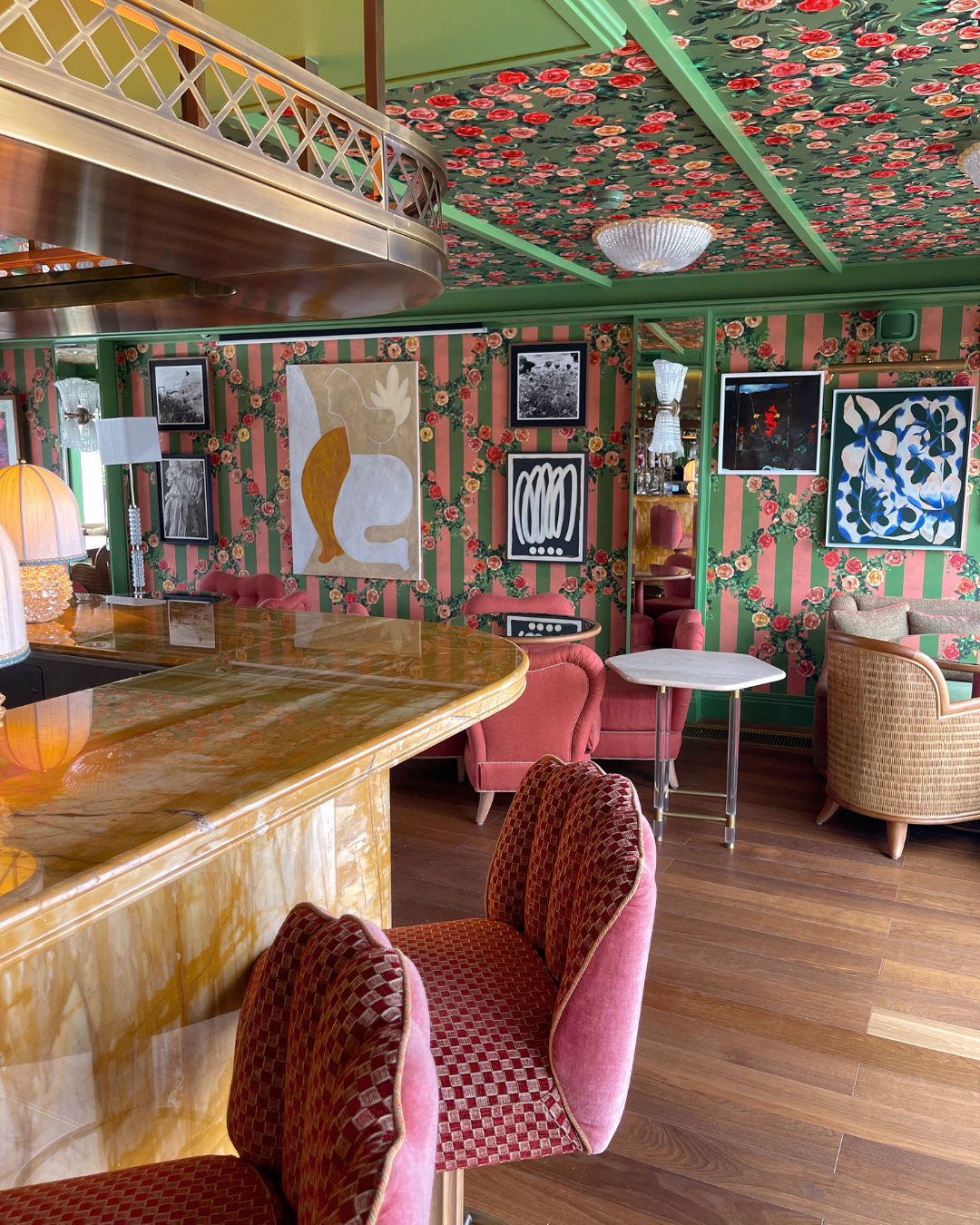
Located on Rue Cadet, La Fantaisie offers the perfect mix of whimsical charm and comfort with 73 rooms, including 10 suites. Plus, if you're into seafood, their restaurant serves up delicious pescatarian dishes. With options for connecting and adjoining rooms, it's great for families and groups. The big windows let in tons of natural light and we recommend the 5th floor, where Juliet balconies offer a charming glimpse of Parisian life. Don’t miss their rooftop, open from 5 PM to 12 AM!

ITALY

Furore Grand Hotel

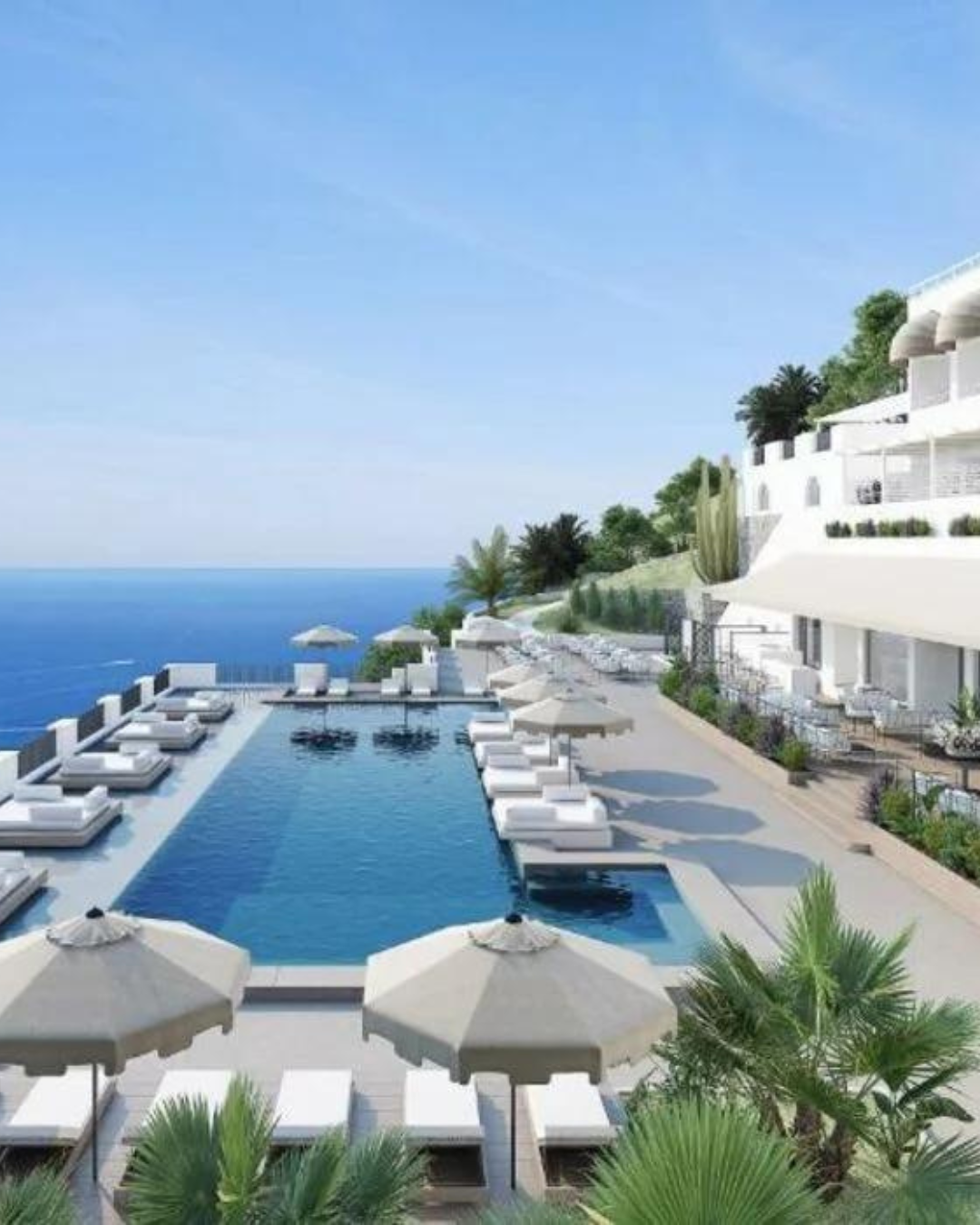
With stunning views of the Tyrrhenian Sea, the Furore Grand Hotel opened for business in June 2023 and is located between Positano and Amalfi. Each of its 37 rooms faces the sea and offers either private balconies or terraces for magnificent views. The Amalfi Coast was one of the most popular destinations for KJT travelers in 2023, so we are delighted to see a new luxury property on the scene!

Six Sense Rome

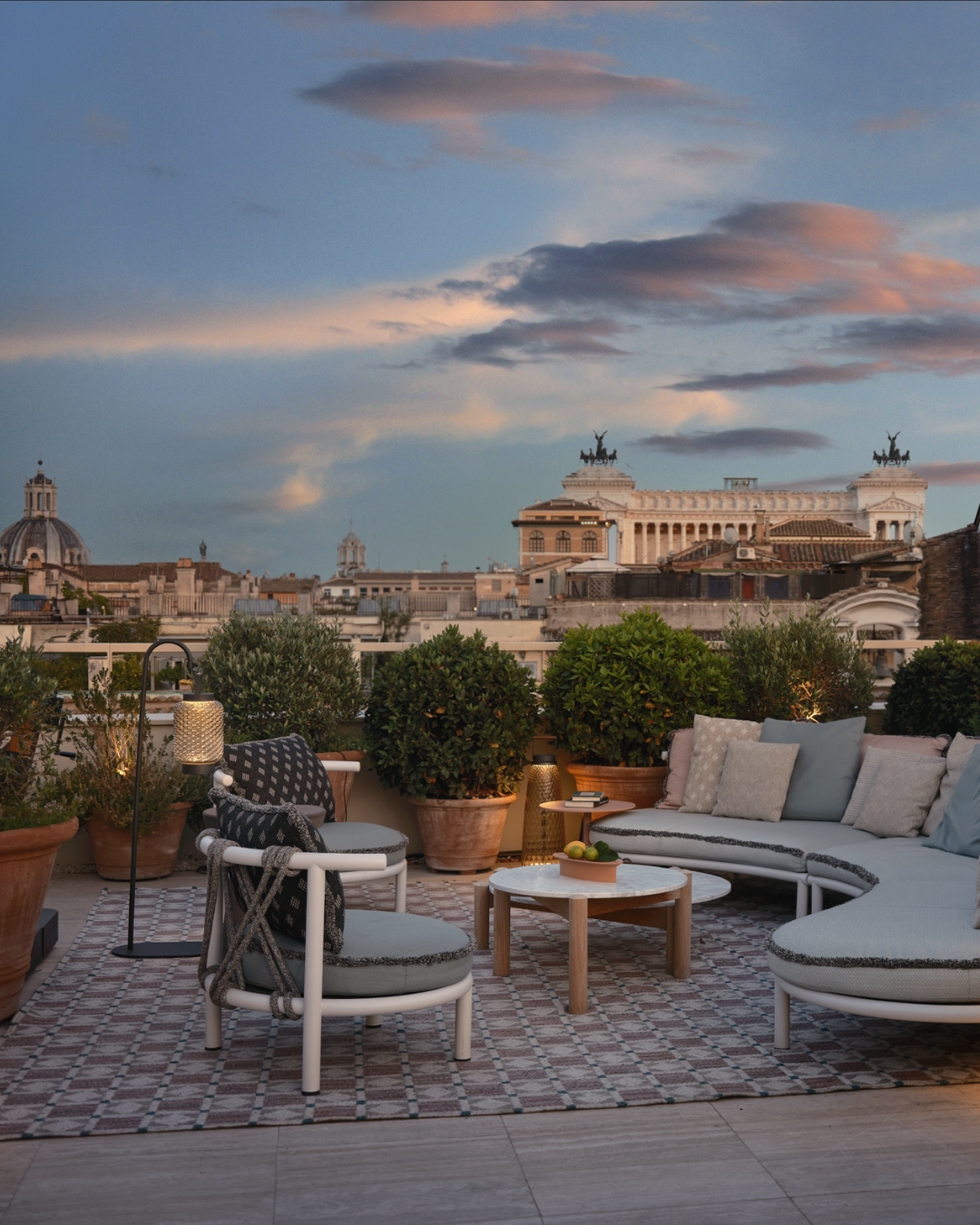
Six Senses made its Italian debut earlier last year, introducing an urban sanctuary with 95 rooms and suites located on the Via del Corso pedestrian shopping promenade, just blocks from the ancient Pantheon and Fontana di Trevi. Guests can enjoy the spa hotel, restaurants, an outdoor courtyard garden, and a rooftop terrace with panoramic views of Rome. The opening of this hotel is incredibly exciting because it’s the first Six Senses in Italy!

Hotel La Palma

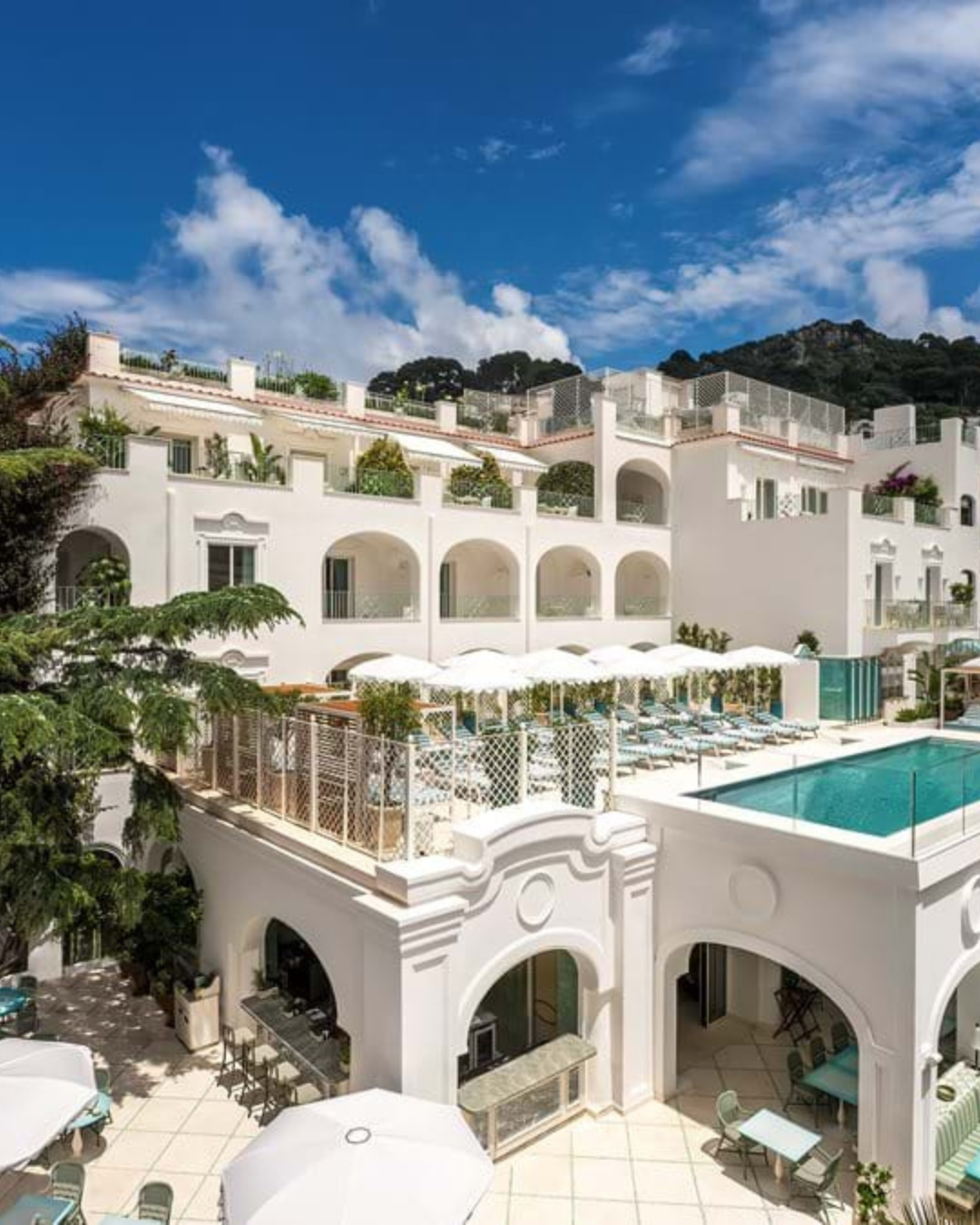
If you're looking for the newest luxury hotel in Capri, La Palma has been transformed into a 5-star elegant Oetker Collection hotel. It’s right in the heart of Capri, just steps away from the Piazzetta. Hotel La Palma has 50 rooms and suites, a rooftop restaurant and bar, an exclusive beach club, and a new pool deck. After a long-awaited reopening, travelers began checking in last summer! The only thing you'll have to worry about is choosing your outfit, but don't worry – we've got you covered with our essentials from our Amazon storefront.

TURKEY & GREECE

THE PENINSULA ISTANBUL

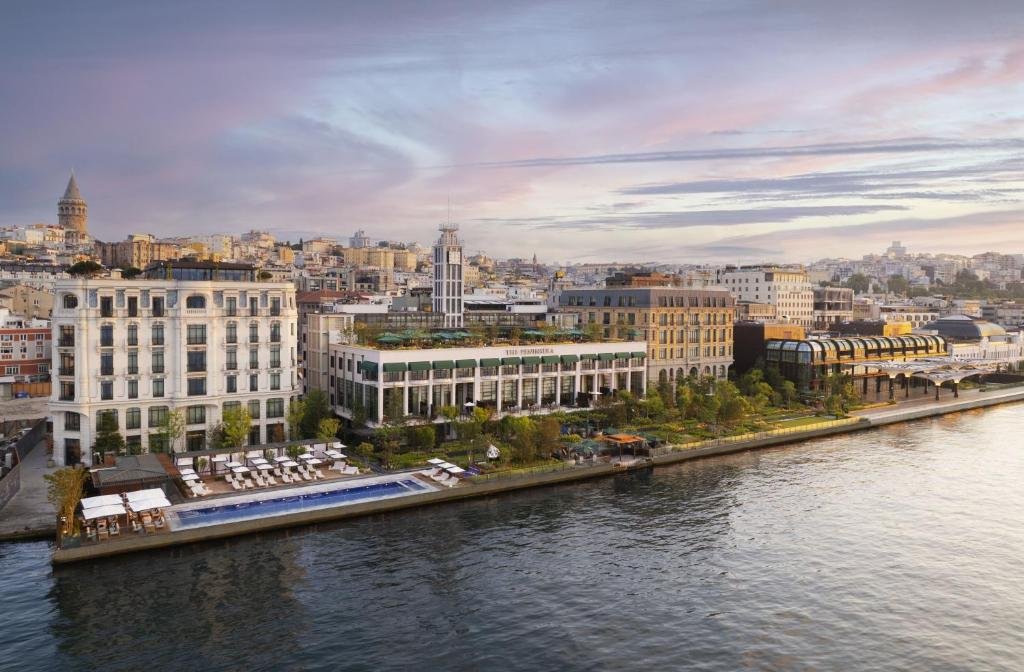
The Peninsula Istanbul is a gorgeous waterfront hotel that opened in early 2023, right on the Bosphorus River. It is the centerpiece of the new Galataport district along with new museums, art galleries, restaurants, and boutiques. There are 177 rooms, many of which have unobstructed river views, several swimming pools, and a luxurious spa.

One&Only, Aesthesis

The newest addition to the Athenian Riviera, One&Only Aesthesis, is a short boat ride away from Kea Island and about 30 minutes from the center of Athens. This is the perfect option for guests looking for a blend of relaxing beach vibes and the excitement of the city. They welcomed their first guests at the beginning of November of 2023. We've had the pleasure of staying at one of the most luxurious hotels in Greece. 

MEXICO

Belmond Maroma

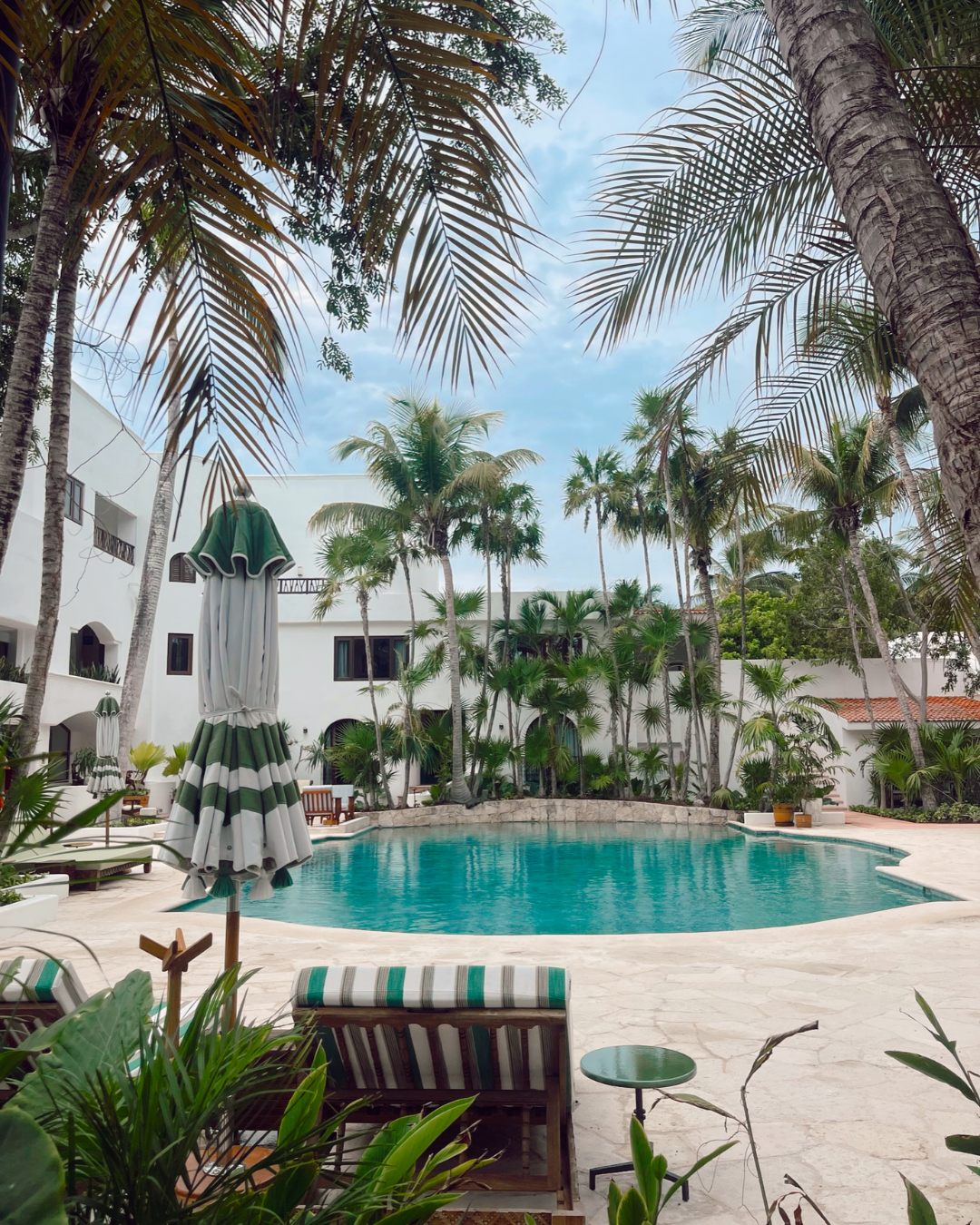
Reopened the main part of the hotel in Aug 2023 in the Riviera Maya, with the Guerlain spa and multi-bedroom suites opening later in the year. Our own Kate Johnson got a tour just weeks after the opening and loved the intimate size of the property, thoughtful Mexican artisan interior decor, prime location along Maroma Beach, and turtle release program. This renovation has benefited from Belmond’s acquisition by LVMH so no expense was spared in making this the luxury Mexico resort worthy of Belmond. We are a Belmond Bellini preferred partner which means when you book with KJT, our clients get the top priority for upgrades and VIP treatment plus daily breakfast, resort credits, and more!

St. Regis Kanai

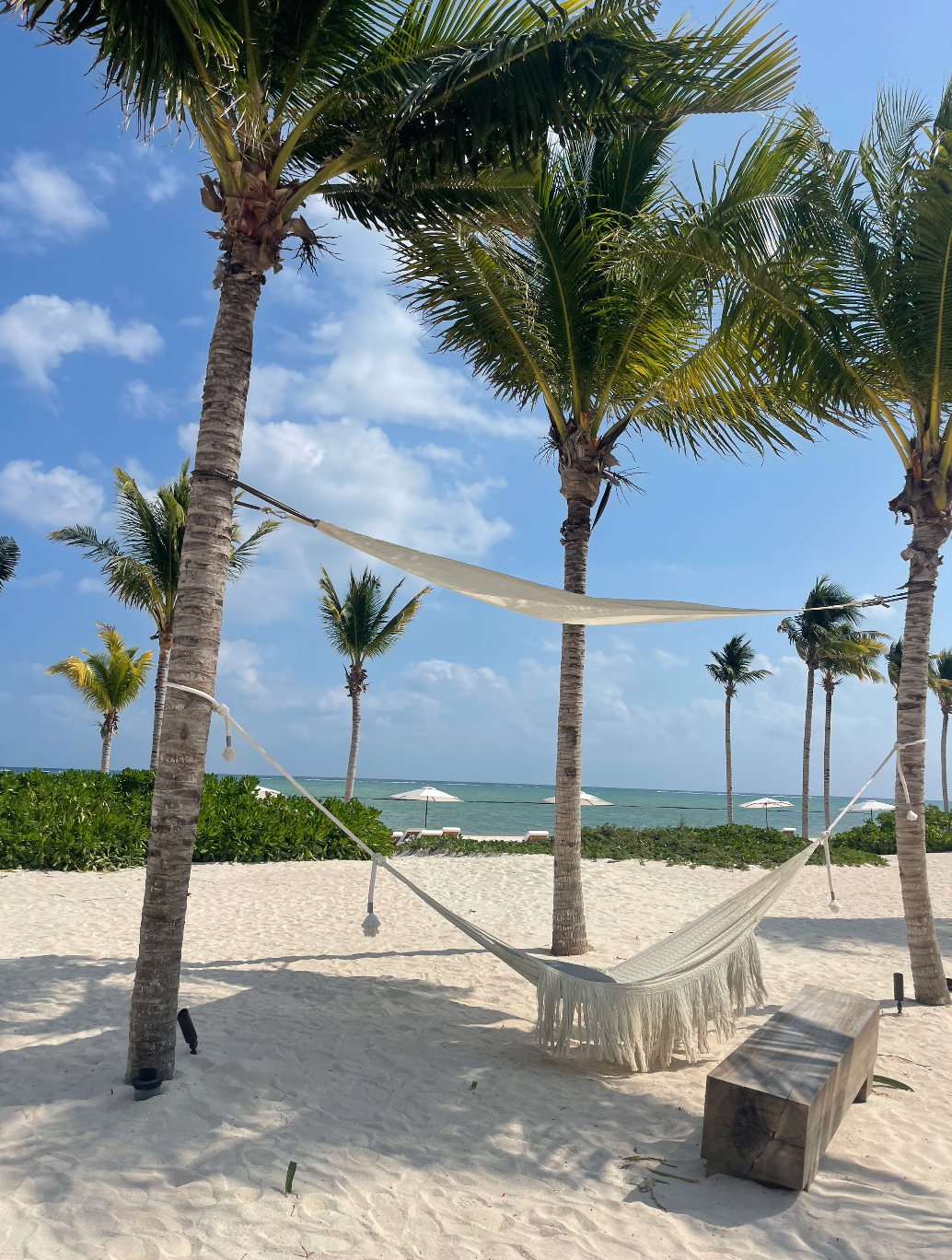
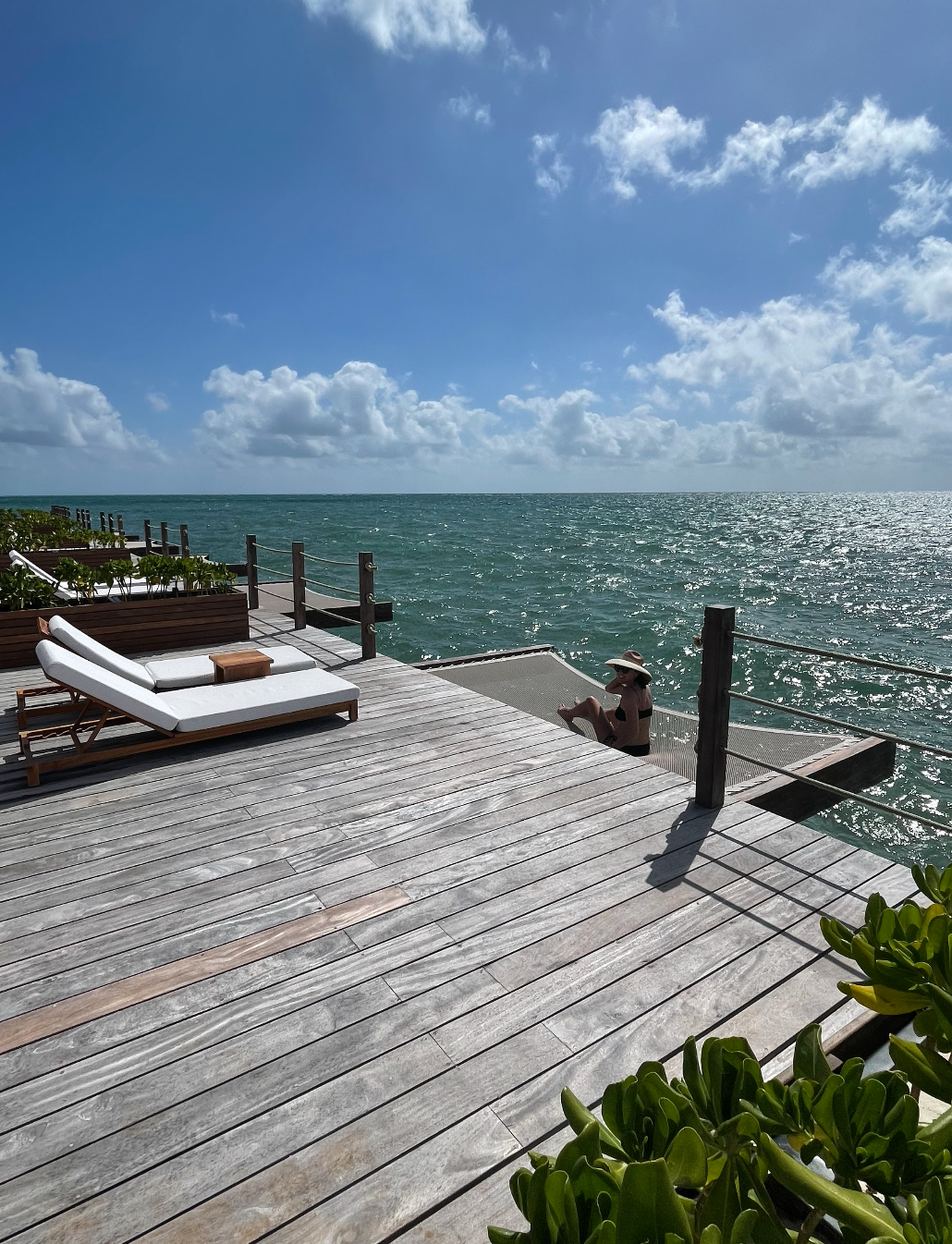
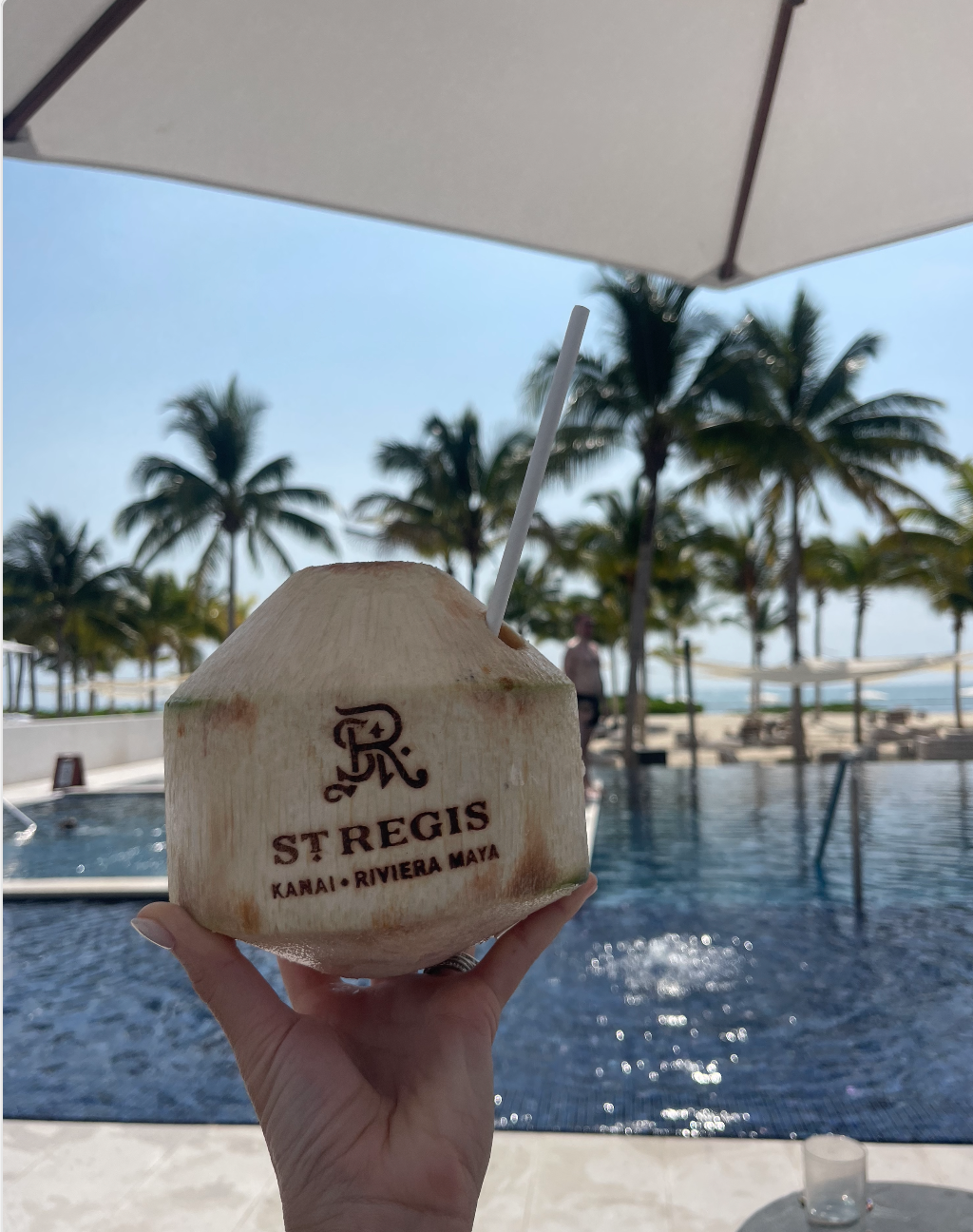
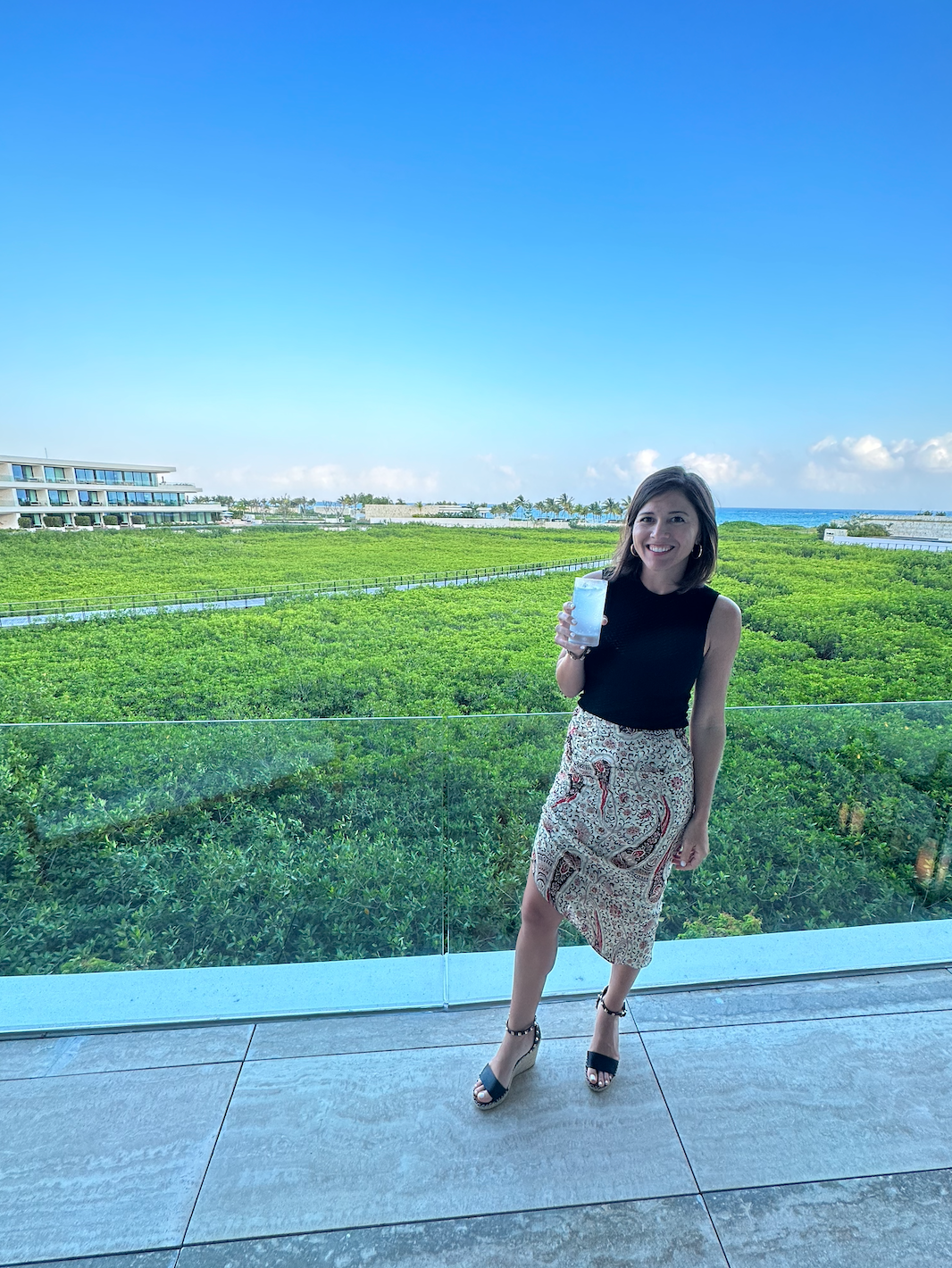
Located in Riviera Maya, offering a stunning setting along the coastline, St. Regis Kanai is a blend of luxury and natural beauty. With its recent opening, the resort has a total of 143 rooms including suites providing guests with many options for accommodations, great beach access, and family programming, making it one of the best family-friendly resorts in Mexico. Right next to St. Regis Kanai is its sister hotel, The Riviera Maya Edition at Kanai, which also had a recent debut. Offering 143 rooms, tasty dining options, and prime beach access, these chic newcomers are perfect for travelers seeking a getaway. 

UNITED STATES

1Hotel Hanalei Bay

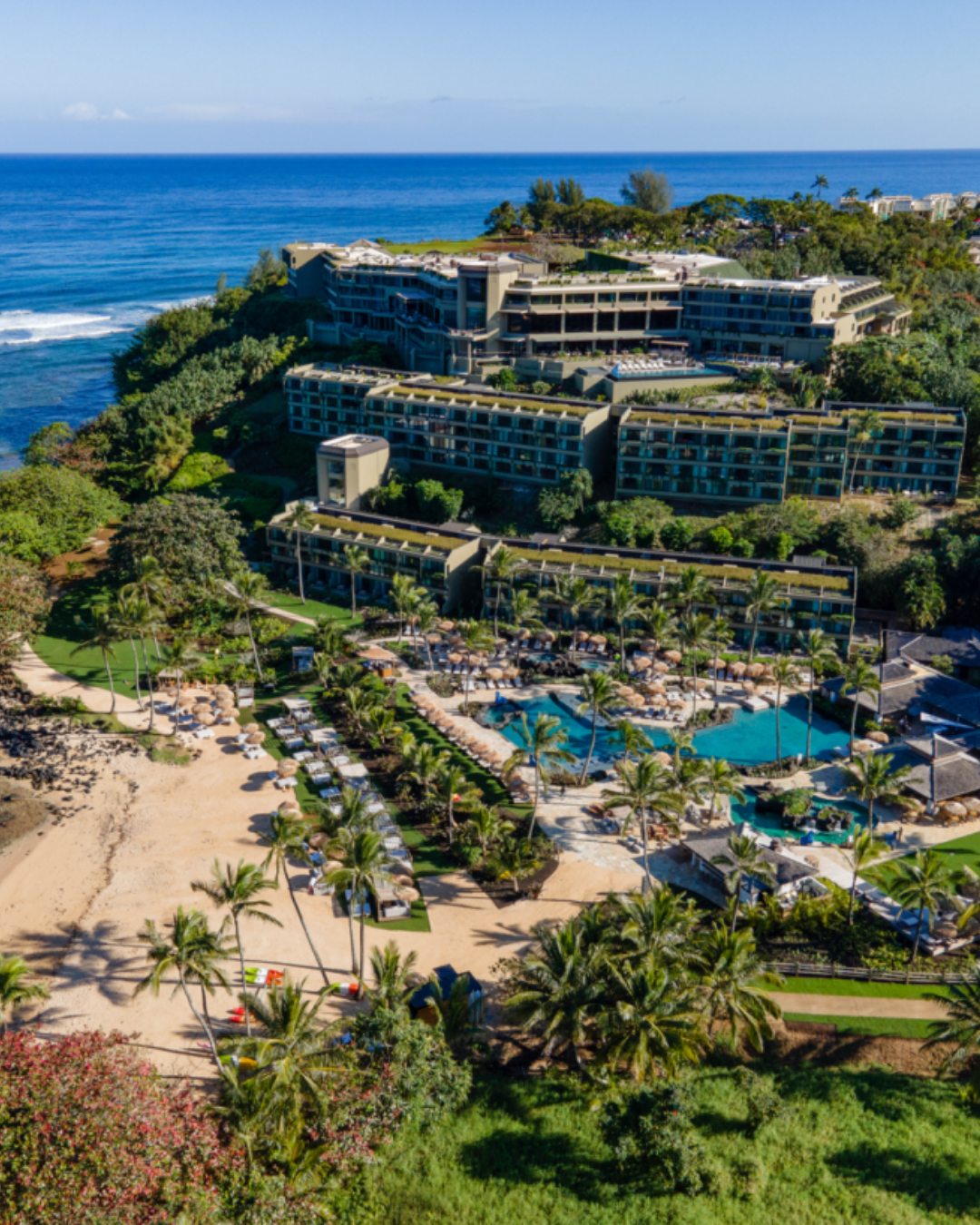
Midway through 2023, 1Hotel Hanalei Bay—a renovated version of the previous Princeville Resort—rose to popularity as Kauai's ideal of sustainability. They have breathtaking views from every corner, farm-to-table dining experiences, 2 pools, and a Bamford Spa (with medi-spa services). If you're planning a luxury family getaway, don't forget to check out our ultimate family vacation packing list for tips on what to bring for every member of the family.

Kona Village Resort

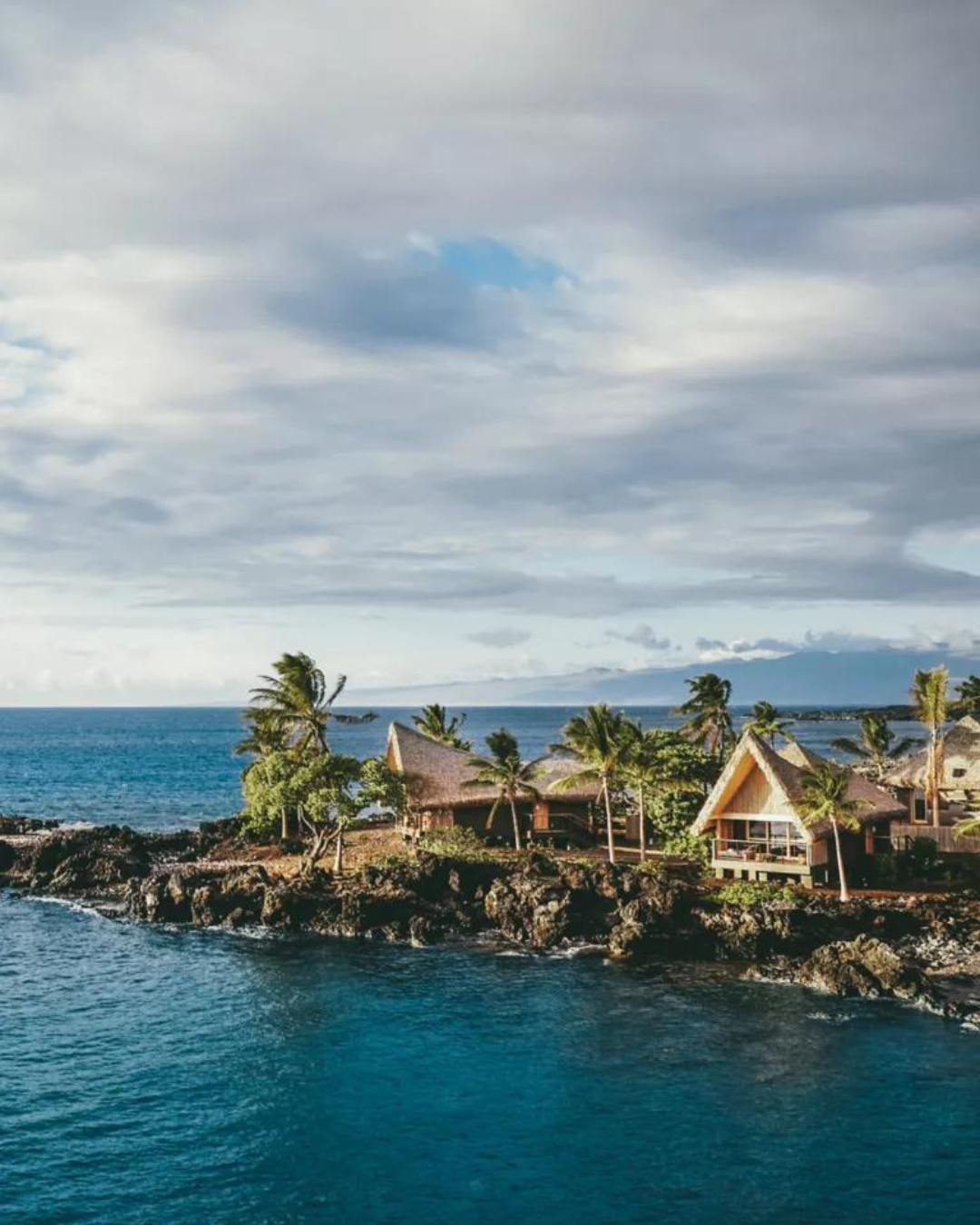
As a member of the Rosewood Hotels, The Kona Village Resort started welcoming guests to the Big Island last summer. Located 30 minutes north of Kona on the island of Hawai’i, this 81-acre resort will truly give you a sense of place featuring 150 stand-alone hales, farm-to-table dining, Sense Spa, and much more.

Reflecting on the past year, we look forward to continued adventures and discoveries that await us in 2024. Whether you're dreaming of a romantic getaway, a beach retreat, or a memorable holiday with your kids, let's make this year one to remember, one unforgettable hotel stay at a time. Reach out to us today to book your next getaway! Happy travels!