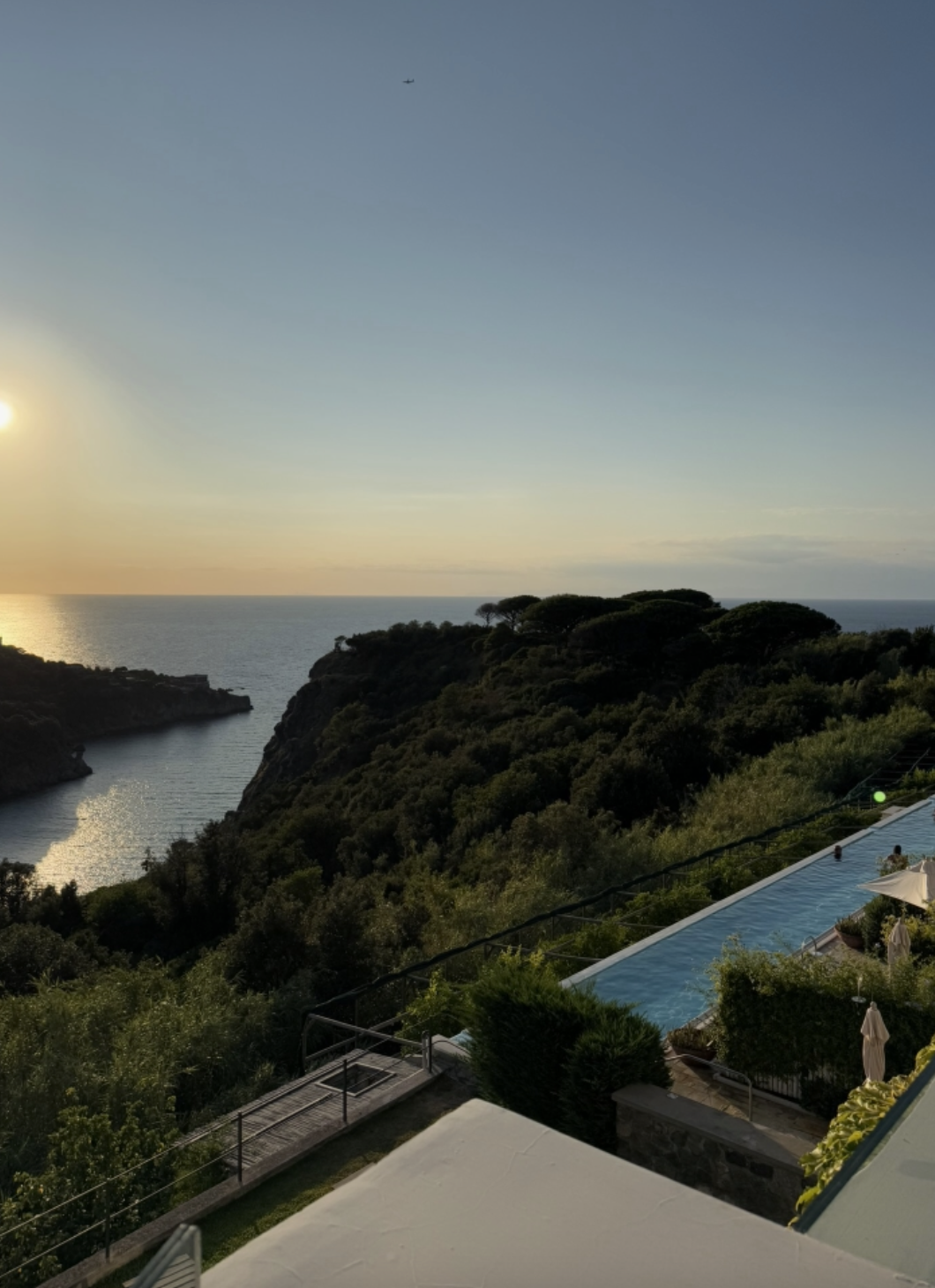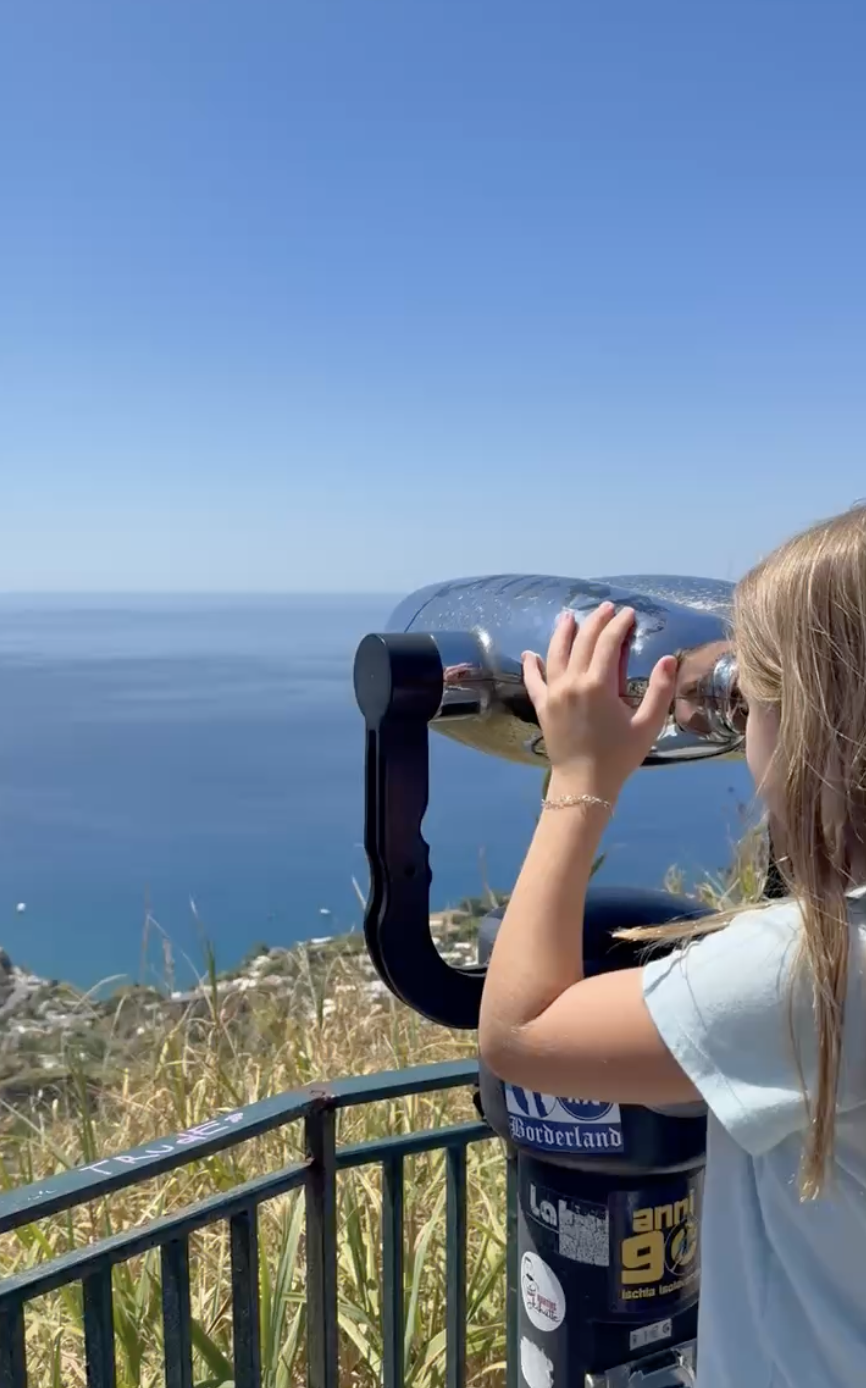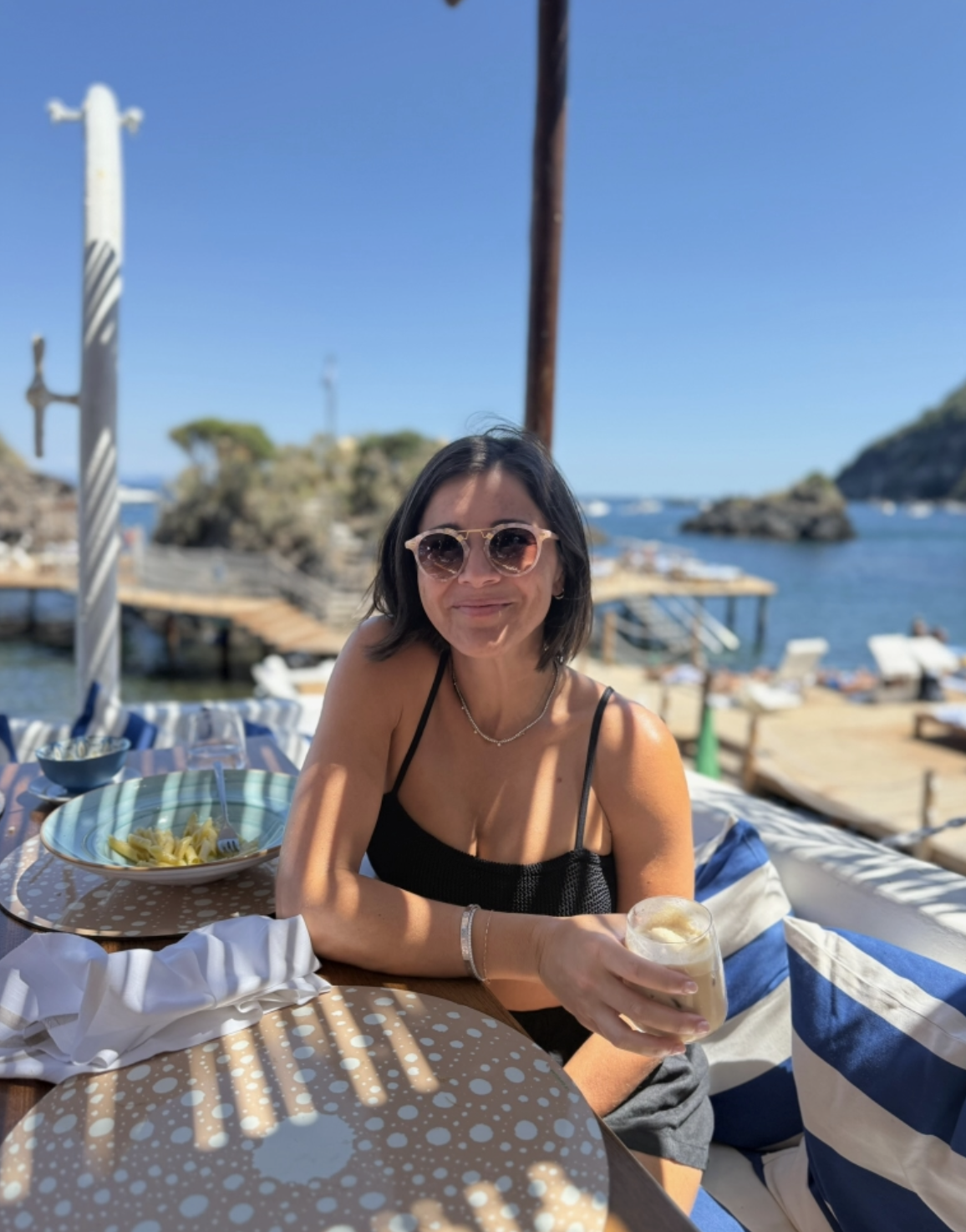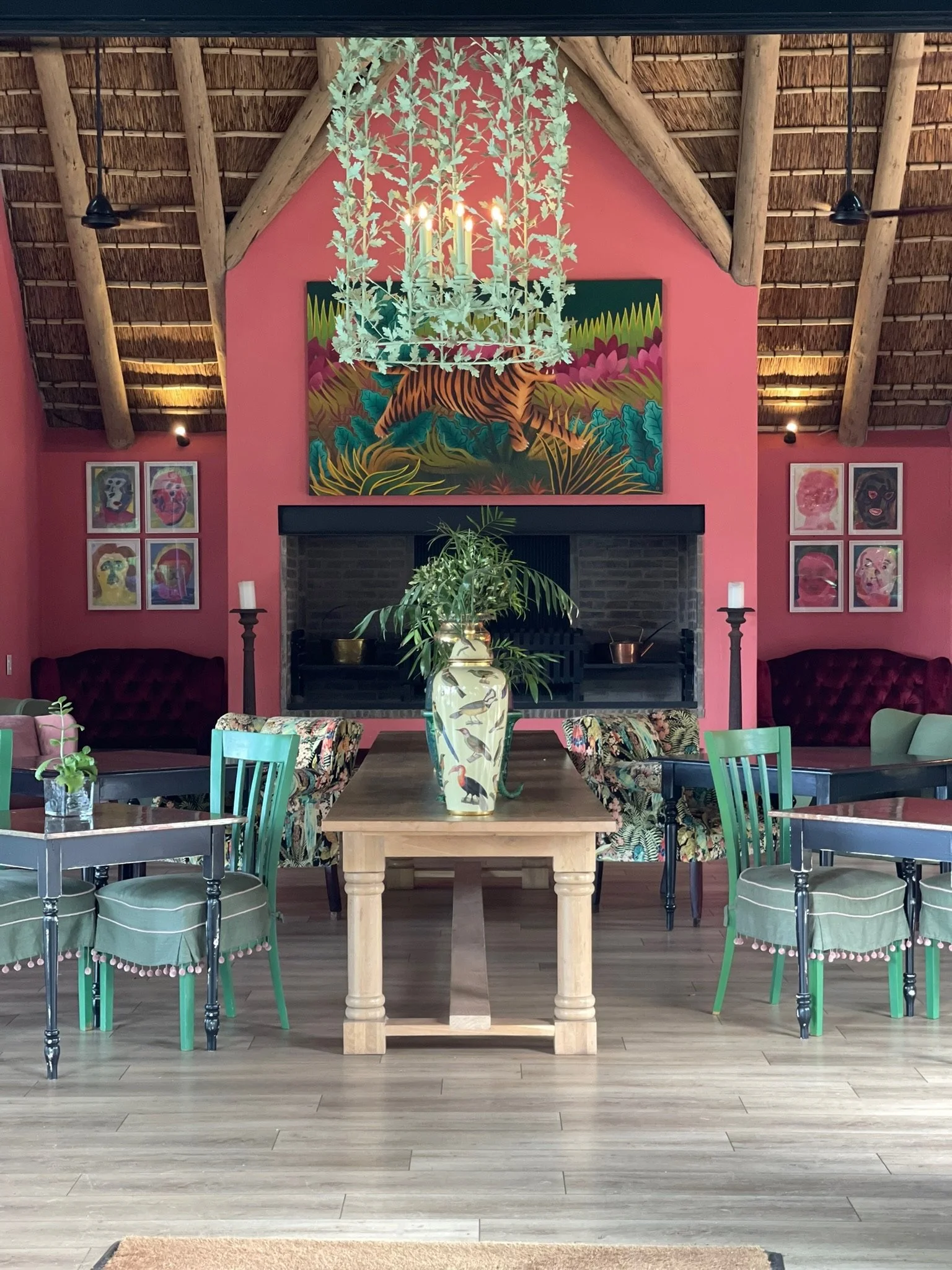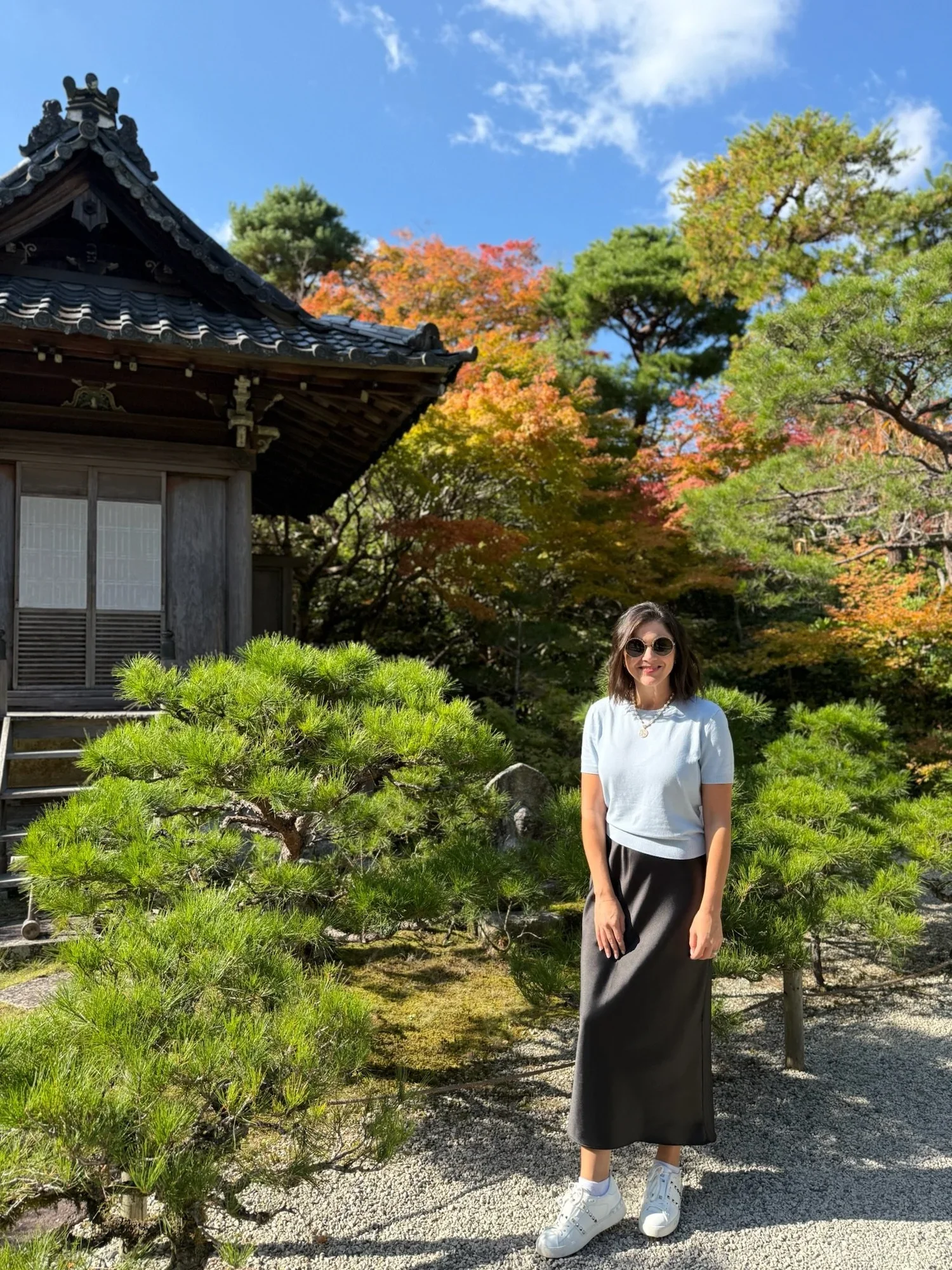
For many travelers, Europe immediately brings to mind summer. Long days along the Amalfi Coast, beach clubs on the French Riviera, and island hopping through Greece often dominate the conversation.
Yet for many experienced luxury travelers, fall is often considered one of the best times to visit Europe.
As the busy summer season begins to fade, many of Europe's most iconic destinations become more enjoyable, more relaxed, and in some cases, even more beautiful. The weather remains pleasant across much of the continent, luxury hotels become easier to secure, and destinations often feel more authentic once peak-season crowds begin to disperse.
From the vineyards of Tuscany to the coastline of Southern France, fall offers a version of Europe that feels calmer.
Quick Take
For luxury travelers, September and October often provide the ideal balance of weather, atmosphere, and overall travel experience.
Fall in Europe offers:
Fewer crowds at major attractions and destinations
Pleasant temperatures across much of Southern Europe
Better availability at luxury hotels
Beautiful seasonal scenery and harvest landscapes
A more relaxed pace compared to peak summer
Warm Mediterranean destinations that remain enjoyable well into October
Many travel advisors consider September and October part of Europe's "shoulder season," a period known for combining favorable weather with a more comfortable travel experience.
Fewer Crowds Create a More Enjoyable Experience
One of the biggest advantages of traveling to Europe in the fall is the noticeable shift in crowds.
During July and August, many of Europe's most popular destinations experience their highest visitor numbers. Famous attractions, luxury hotels, beach clubs, and restaurants often operate at full capacity.
By September and October, the atmosphere begins to change.
While destinations remain vibrant and lively, travelers often find:
Shorter lines at museums and landmarks
Easier restaurant reservations
Less crowded city centers
More space at luxury resorts and beach clubs
A more relaxed pace overall
Cities such as Paris, Rome, Florence, Lisbon, and Barcelona often become significantly more enjoyable once the peak summer rush begins to ease. The same is true for destinations like Santorini, the French Riviera, and parts of coastal Italy.
For luxury travelers, fewer crowds often translate into a more personalized experience, whether that means private guides moving seamlessly through historic sites or enjoying a coveted dinner reservation without months of planning.
Beautiful Weather Across Much of Europe
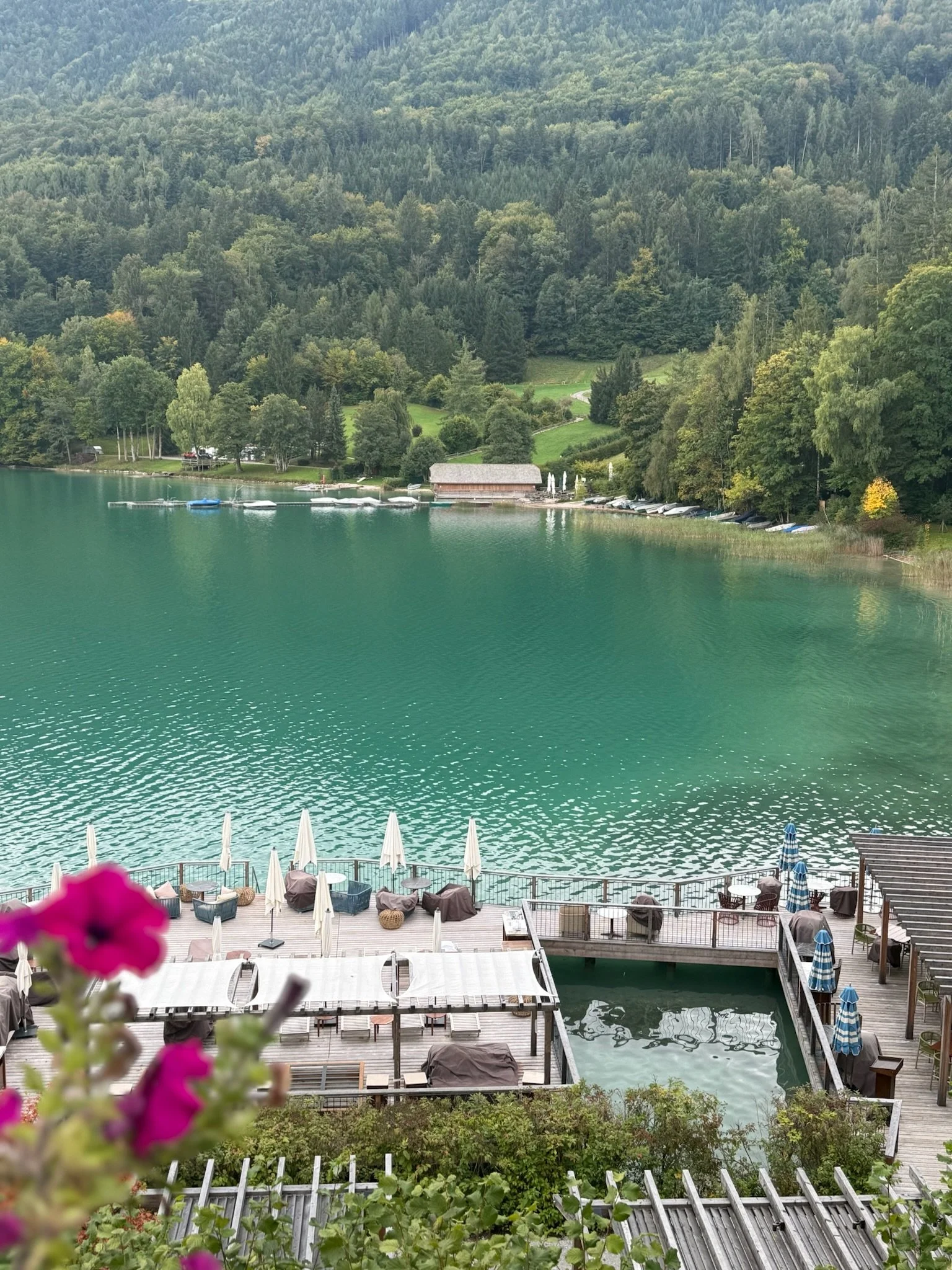
Many travelers assume summer automatically offers the best weather. In reality, fall often delivers more comfortable conditions for sightseeing and exploring.
Across much of Southern Europe, September and October continue to offer warm days and pleasant evenings without the intense heat that can affect destinations during July and August. Recent travel reports increasingly highlight September as one of Europe's most desirable travel months because of its balance between warmth and comfort.
Travelers can often enjoy outdoor dining, coastal experiences, and full sightseeing days in temperatures that feel far more comfortable than peak summer.
The Mediterranean Sea also retains much of its summer warmth well into early fall, making September and even October excellent months for coastal escapes.
Better Value at Luxury Hotels
While Europe's most sought-after luxury properties remain in demand throughout the year, fall often creates opportunities that can be difficult to find during peak summer.
Depending on the destination and timing, travelers may find:
Greater room and suite availability
More flexible booking options
Better overall value compared to peak summer rates
Increased upgrade opportunities when availability allows
This is especially noticeable in destinations that experience intense summer demand, including the Greek Islands, the French Riviera, coastal Italy, and parts of Spain.
Many luxury travelers appreciate being able to enjoy the same five-star hotels, private experiences, and exceptional service without the peak-season intensity that comes with July and August travel.
Europe's Most Beautiful Seasonal Scenery
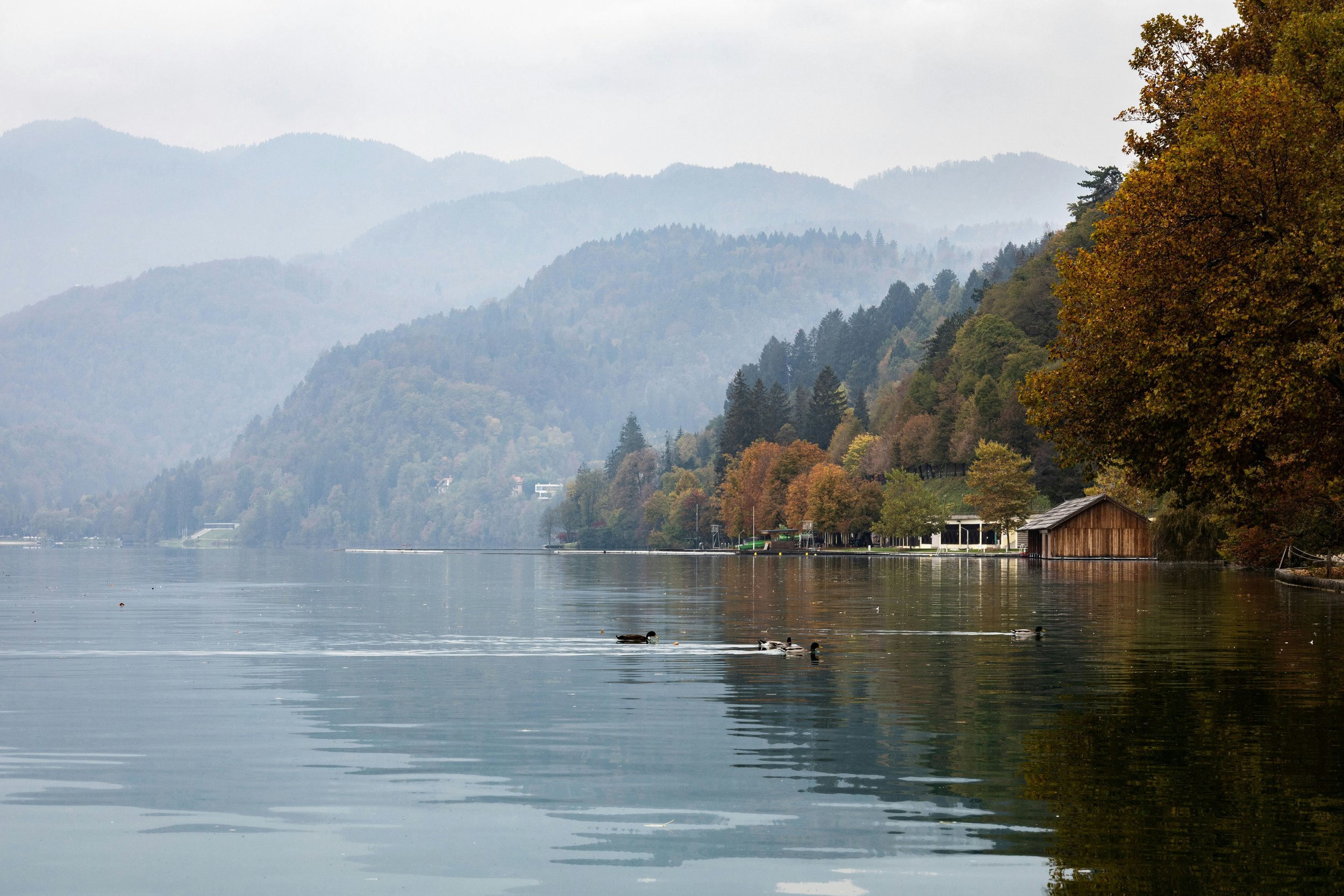
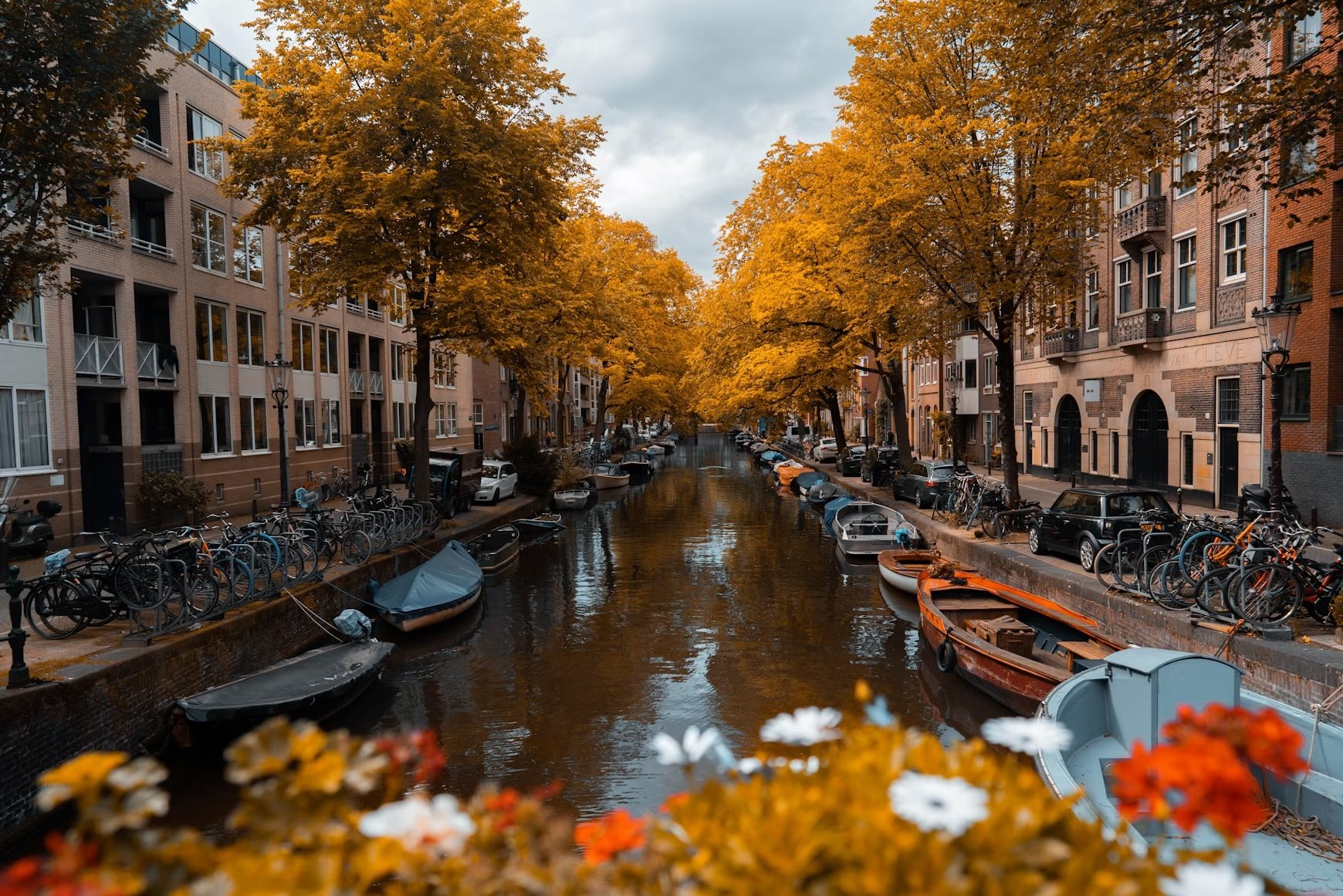
Fall transforms some of Europe's most stunning regions into postcard-worthy landscapes.
Across wine regions, mountain valleys, and historic countryside estates, shades of gold, amber, and deep red begin to appear throughout the landscape.
Some of the most beautiful fall destinations include:
Tuscany, Italy
Rolling vineyards, olive groves, and medieval villages become even more picturesque during harvest season.
Burgundy, France
One of the world's most celebrated wine regions comes alive as vineyards shift into autumn colors and harvest activities begin.
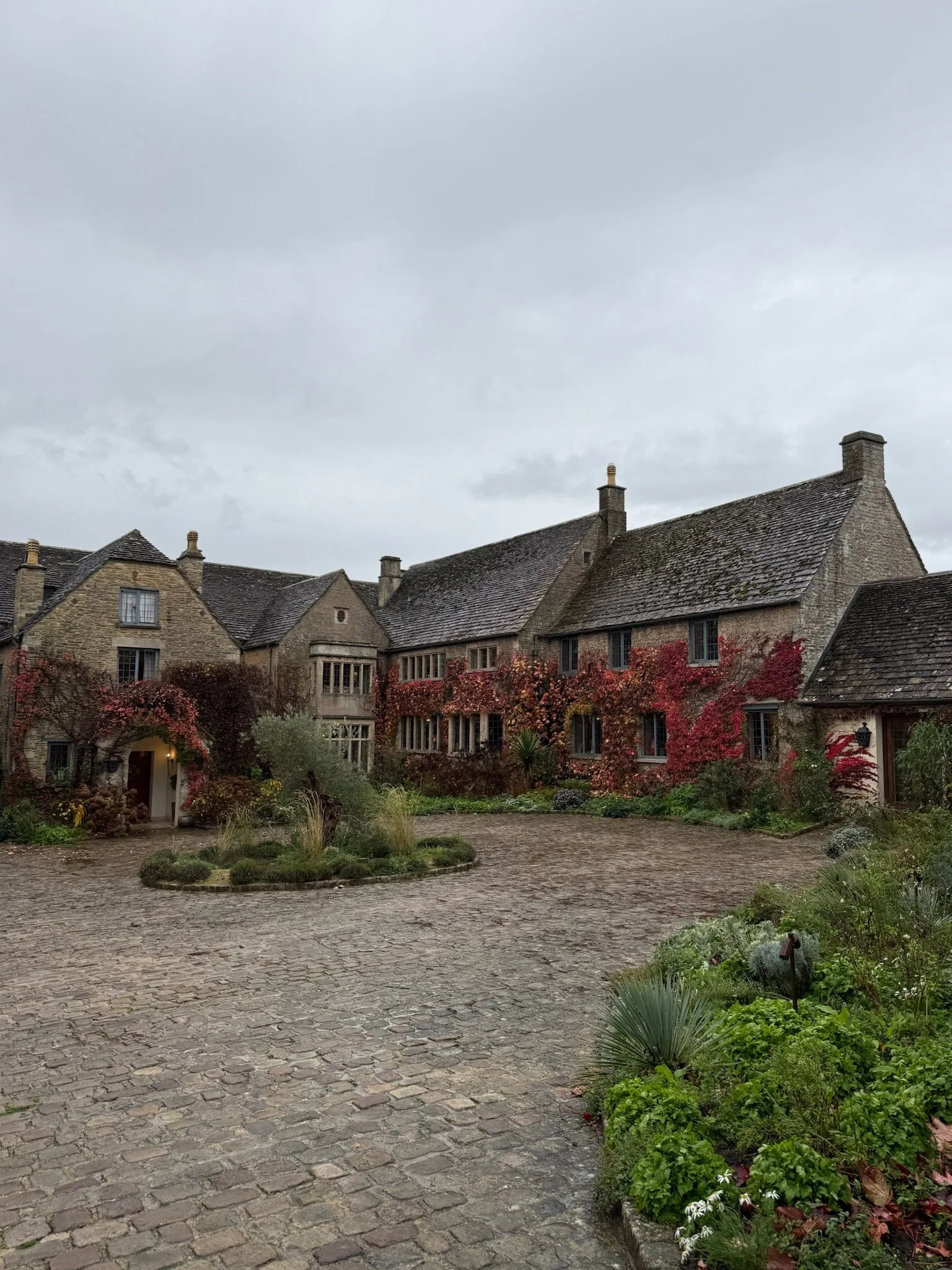
Travelers interested in experiencing Europe beyond the continent's wine regions and mountain landscapes may also find fall to be an ideal time to explore the English countryside and London.
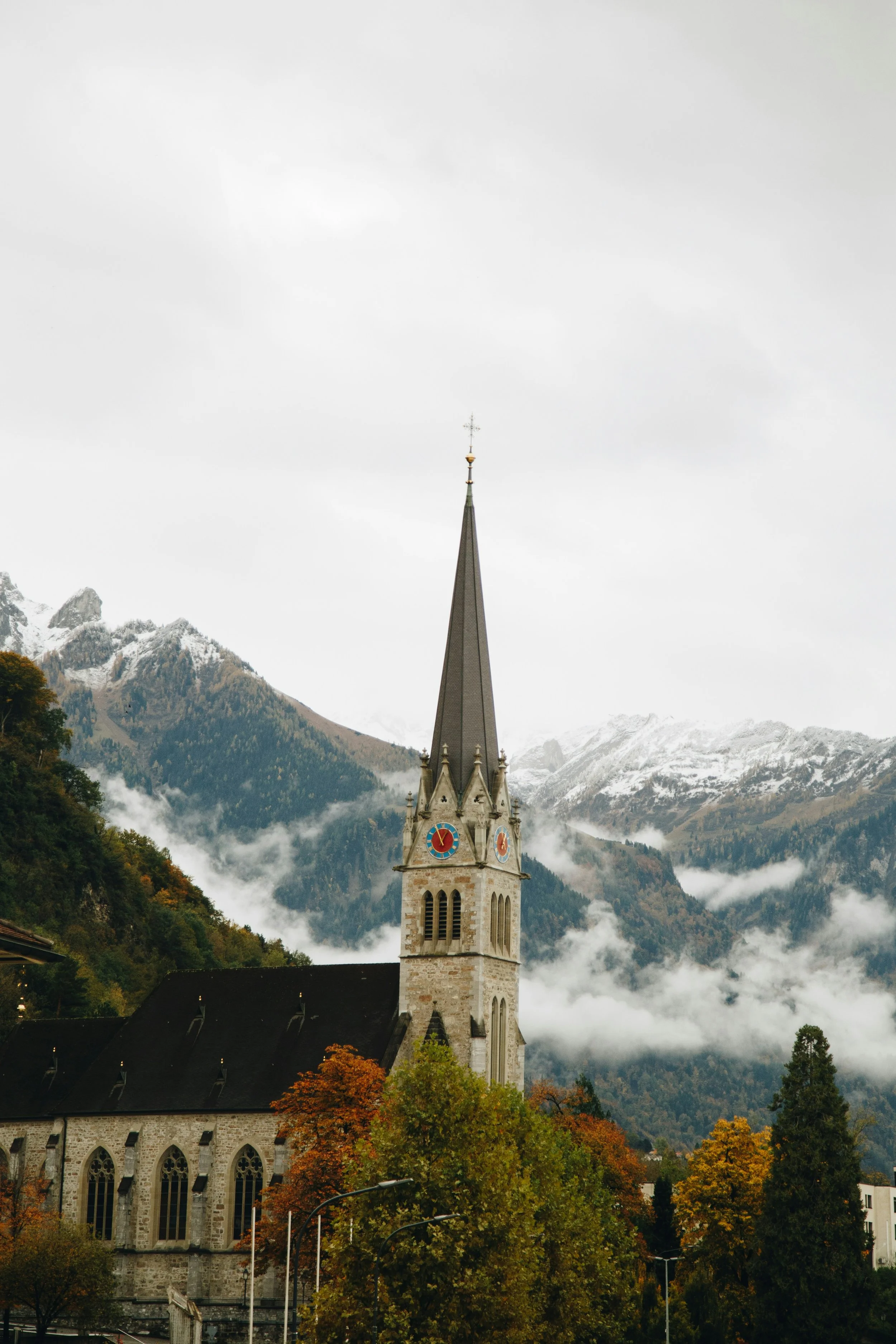
The Swiss Alps
Mountain landscapes become framed by vibrant foliage while maintaining the dramatic scenery that defines the region year-round.
Bavaria and Austria
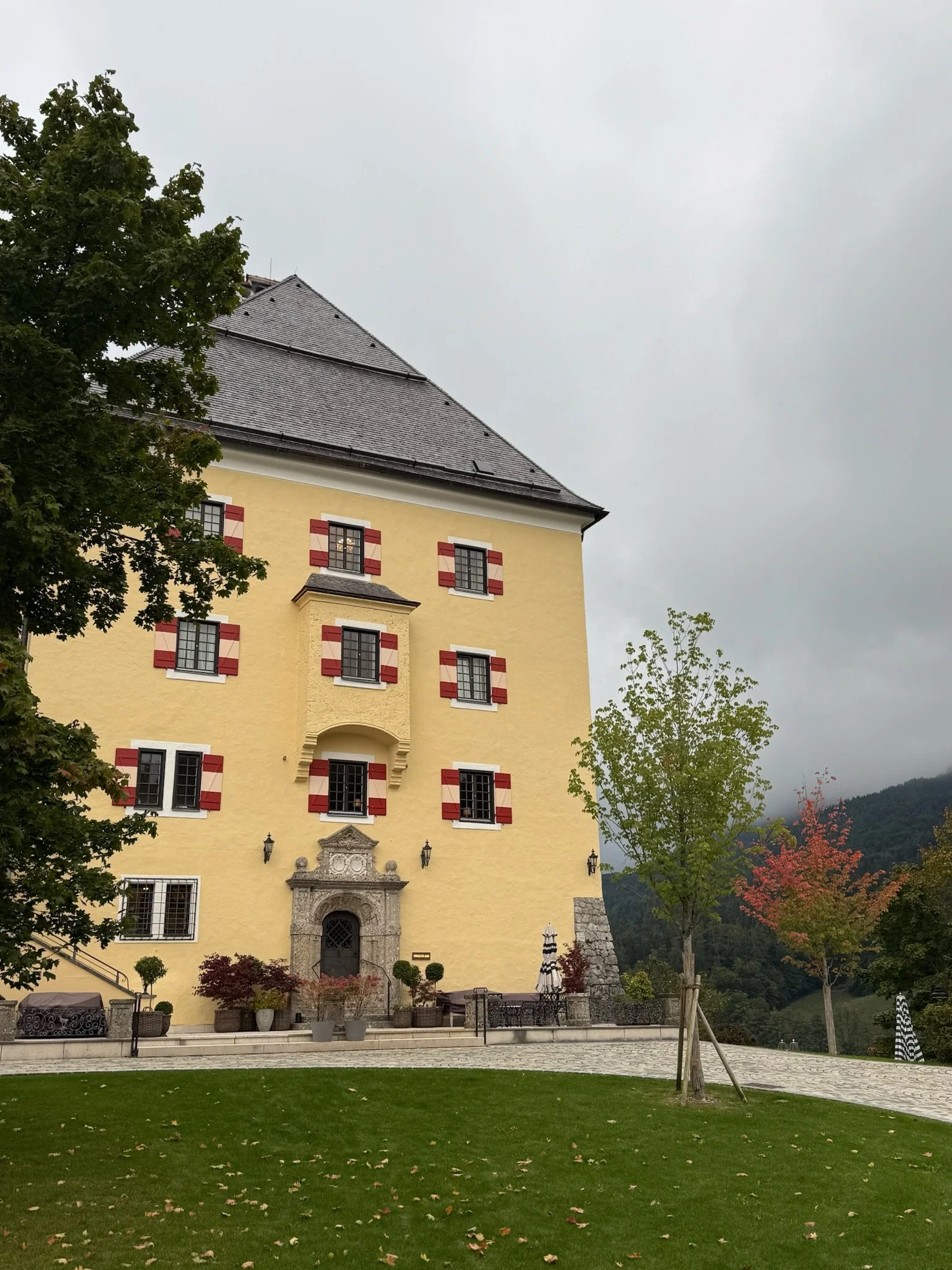
Historic villages, castles, and alpine landscapes create some of Europe's most iconic fall scenery. Fall is also one of the most rewarding times to explore Bavaria and Austria, when alpine landscapes, historic cities, lakeside retreats, and seasonal traditions such as Oktoberfest come together to create an unforgettable European experience.
Across much of Europe, fall also brings softer natural light, making the season particularly appealing for photography, scenic drives, and slow-paced exploration.
The Perfect Balance Between Summer and Winter
One of the reasons experienced travelers return to Europe in the fall year after year is balance.
Summer offers energy and activity, but often comes with crowds and higher temperatures.
Winter delivers festive charm and holiday magic, but shorter days and colder weather can limit certain experiences.
Fall sits comfortably between both seasons.
Travelers can still enjoy:
Outdoor dining
Coastal escapes
Scenic drives
Wine country experiences
Luxury train journeys
Private yacht charters in select destinations
At the same time, many destinations begin to feel calmer and more authentic as local life settles back into its natural rhythm.
This combination of favorable weather, fewer crowds, and a slower pace is why many seasoned travelers consider September and October the sweet spot for visiting Europe.
Final Thoughts
Europe never truly has a bad season, each one has its own charm. However, fall offers something many luxury travelers appreciate: the ideal combination of pleasant weather, fewer crowds, and a more relaxed pace.
The weather remains beautiful, destinations feel less crowded, and the overall pace becomes more relaxed. Luxury hotels, historic cities, wine regions, and coastal escapes all become easier to enjoy when the intensity of peak summer begins to fade.
For travelers wondering about the best time to visit Europe, September and October consistently stand out as two of the most rewarding months of the year.
If you're ready to plan your next European escape, we're here to help from choosing the destination, booking your hotel, securing dinner reservations and experiences and much more.
Get in touch with a KJ Travel advisor
FAQs About Visiting Europe in the Fall
Is fall a good time to visit Europe?
Yes. Many travel experts consider September and October among the best months to visit Europe because they combine pleasant weather, fewer crowds, and beautiful seasonal scenery.
Which month is best for Europe in the fall?
September and October are generally considered the best months. September offers warmer temperatures and a late-summer atmosphere, while October brings fall colors, harvest season, and a quieter pace.
Is Europe less crowded in September and October?
In many destinations, yes. Crowds typically decrease after the peak summer season, particularly in popular destinations such as Italy, France, Greece, and Spain.
Is the weather still warm in Europe during fall?
Across Southern Europe, temperatures often remain pleasantly warm throughout September and much of October. Coastal destinations frequently continue enjoying comfortable beach weather during early fall.
Are luxury hotels less expensive in the fall?
Pricing varies by destination, but many travelers find better availability and more favorable rates compared to the peak summer months, particularly outside major holidays and special events.