Why Fall Is One of the Best Times to Visit Europe

For many travelers, Europe immediately brings to mind summer. Long days along the Amalfi Coast, beach clubs on the French Riviera, and island hopping through Greece often dominate the conversation.

Yet for many experienced luxury travelers, fall is often considered one of the best times to visit Europe.

As the busy summer season begins to fade, many of Europe's most iconic destinations become more enjoyable, more relaxed, and in some cases, even more beautiful. The weather remains pleasant across much of the continent, luxury hotels become easier to secure, and destinations often feel more authentic once peak-season crowds begin to disperse.

From the vineyards of Tuscany to the coastline of Southern France, fall offers a version of Europe that feels calmer.

Quick Take

For luxury travelers, September and October often provide the ideal balance of weather, atmosphere, and overall travel experience.

Fall in Europe offers:

  • Fewer crowds at major attractions and destinations

  • Pleasant temperatures across much of Southern Europe

  • Better availability at luxury hotels

  • Beautiful seasonal scenery and harvest landscapes

  • A more relaxed pace compared to peak summer

  • Warm Mediterranean destinations that remain enjoyable well into October

Many travel advisors consider September and October part of Europe's "shoulder season," a period known for combining favorable weather with a more comfortable travel experience.

Fewer Crowds Create a More Enjoyable Experience

One of the biggest advantages of traveling to Europe in the fall is the noticeable shift in crowds.

During July and August, many of Europe's most popular destinations experience their highest visitor numbers. Famous attractions, luxury hotels, beach clubs, and restaurants often operate at full capacity.

By September and October, the atmosphere begins to change.

While destinations remain vibrant and lively, travelers often find:

  • Shorter lines at museums and landmarks

  • Easier restaurant reservations

  • Less crowded city centers

  • More space at luxury resorts and beach clubs

  • A more relaxed pace overall

Cities such as Paris, Rome, Florence, Lisbon, and Barcelona often become significantly more enjoyable once the peak summer rush begins to ease. The same is true for destinations like Santorini, the French Riviera, and parts of coastal Italy.

For luxury travelers, fewer crowds often translate into a more personalized experience, whether that means private guides moving seamlessly through historic sites or enjoying a coveted dinner reservation without months of planning.
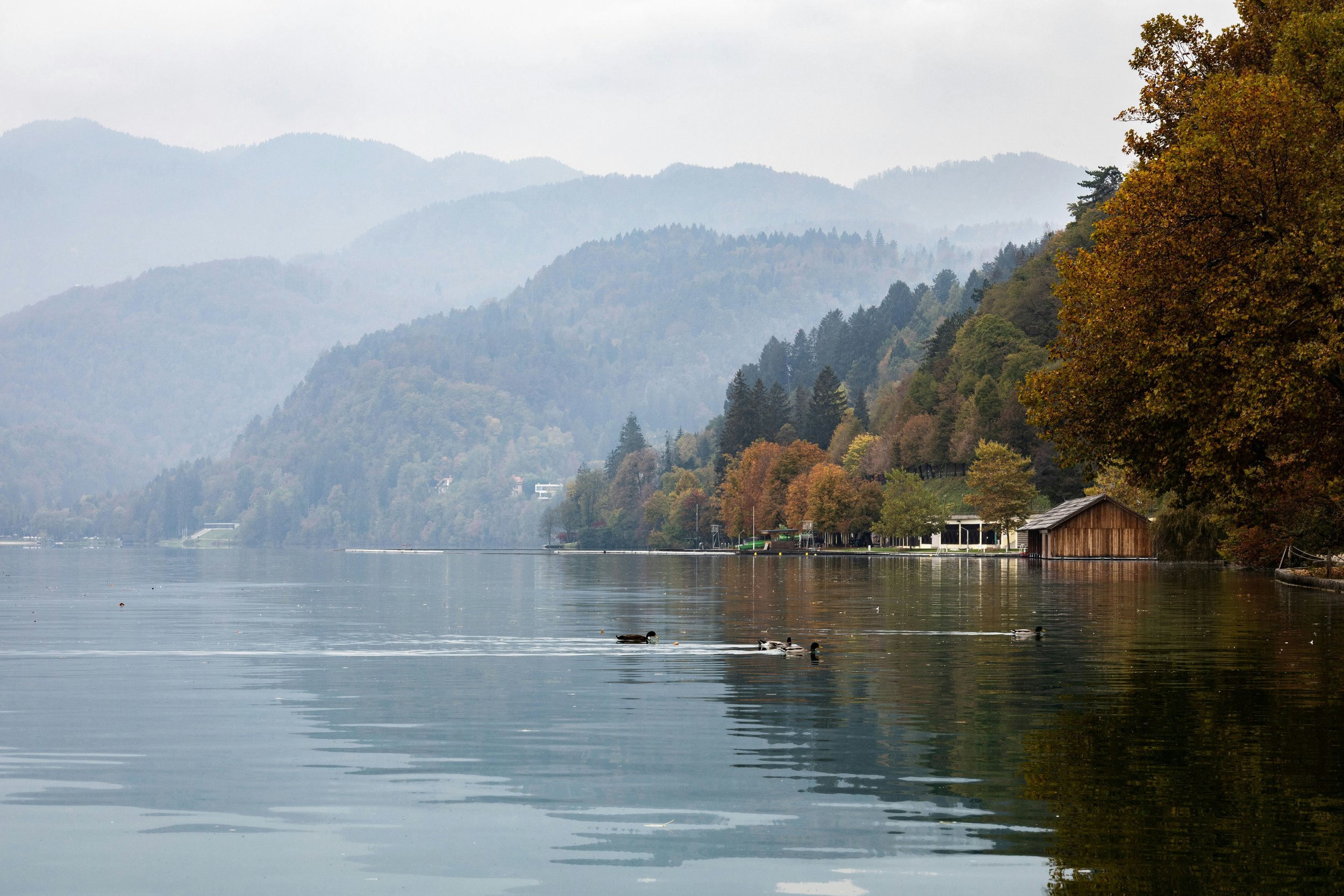
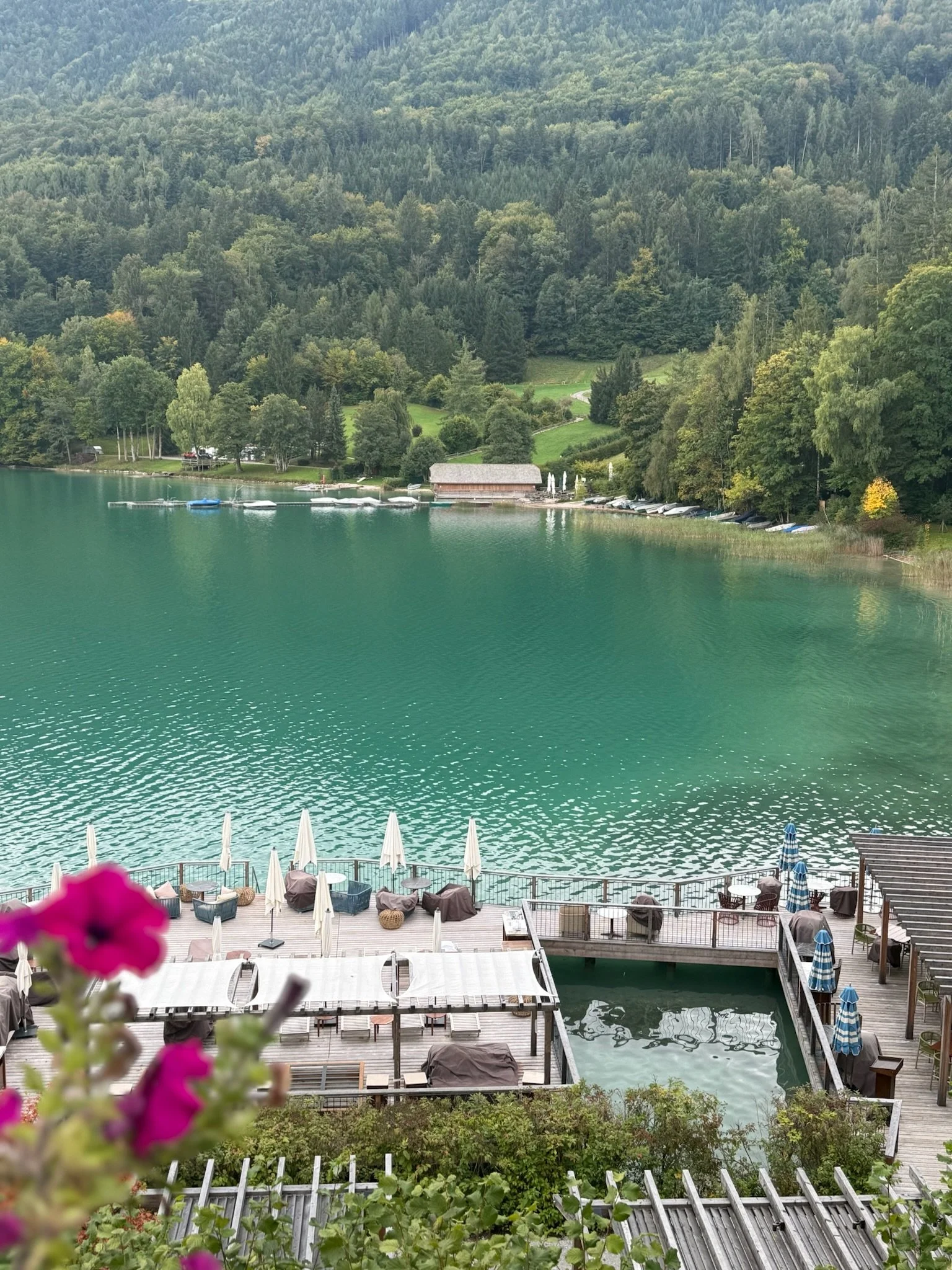
Beautiful Weather Across Much of Europe

Many travelers assume summer automatically offers the best weather. In reality, fall often delivers more comfortable conditions for sightseeing and exploring.

Across much of Southern Europe, September and October continue to offer warm days and pleasant evenings without the intense heat that can affect destinations during July and August. Recent travel reports increasingly highlight September as one of Europe's most desirable travel months because of its balance between warmth and comfort.

Travelers can often enjoy outdoor dining, coastal experiences, and full sightseeing days in temperatures that feel far more comfortable than peak summer.

The Mediterranean Sea also retains much of its summer warmth well into early fall, making September and even October excellent months for coastal escapes.

Better Value at Luxury Hotels

While Europe's most sought-after luxury properties remain in demand throughout the year, fall often creates opportunities that can be difficult to find during peak summer.

Depending on the destination and timing, travelers may find:

  • Greater room and suite availability

  • More flexible booking options 

  • Better overall value compared to peak summer rates

  • Increased upgrade opportunities when availability allows

This is especially noticeable in destinations that experience intense summer demand, including the Greek Islands, the French Riviera, coastal Italy, and parts of Spain.

Many luxury travelers appreciate being able to enjoy the same five-star hotels, private experiences, and exceptional service without the peak-season intensity that comes with July and August travel.
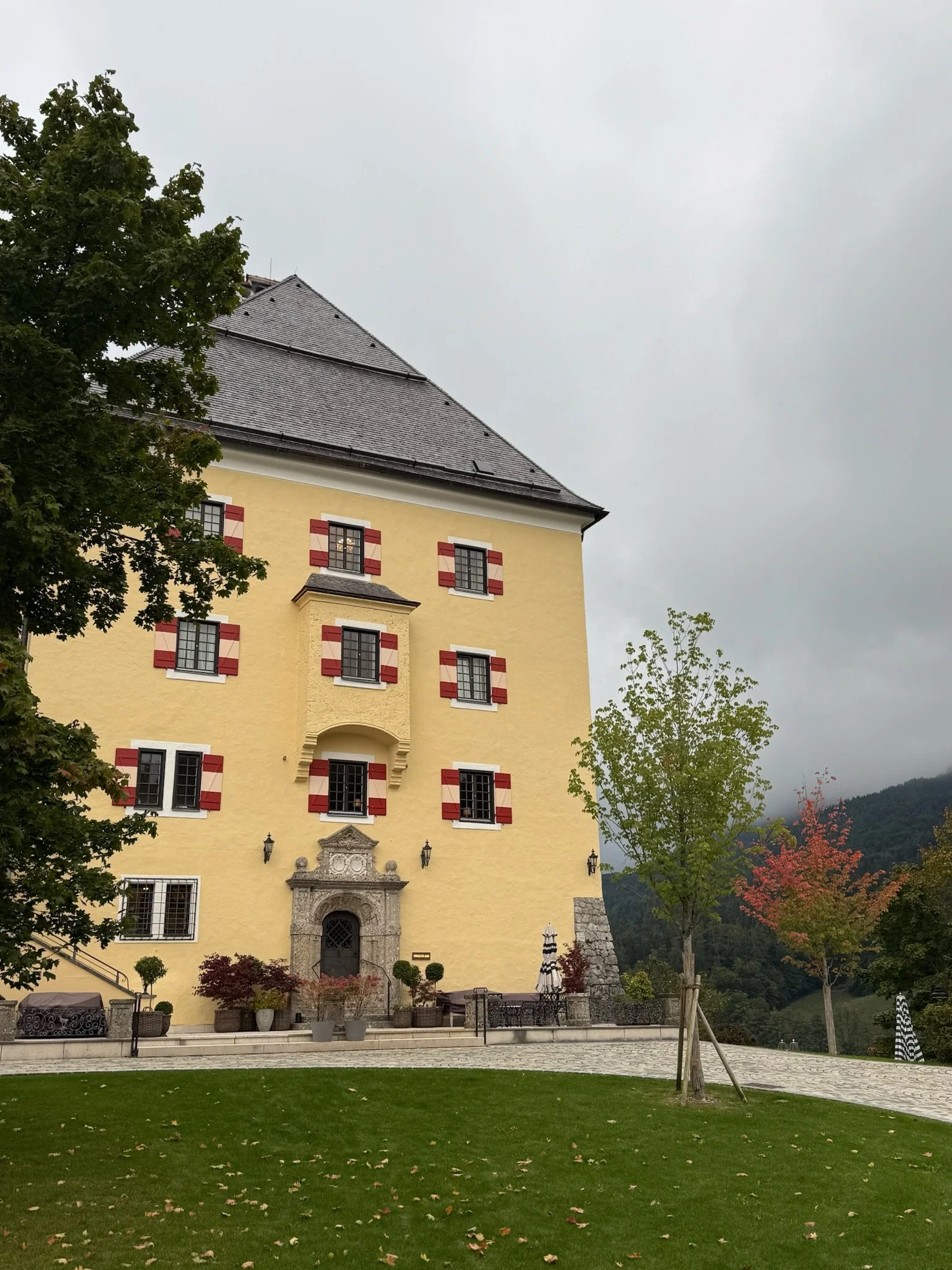
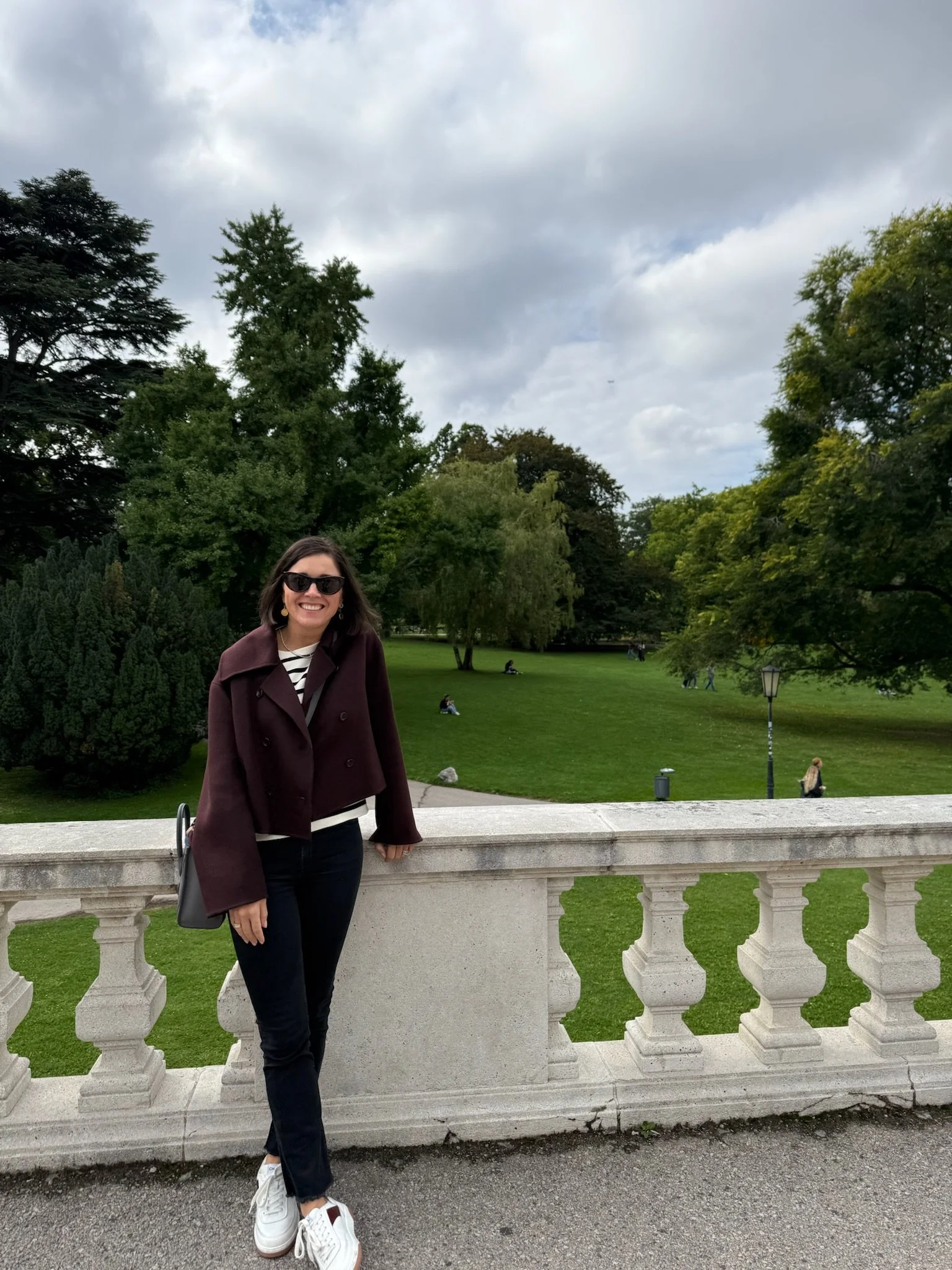
Europe's Most Beautiful Seasonal Scenery

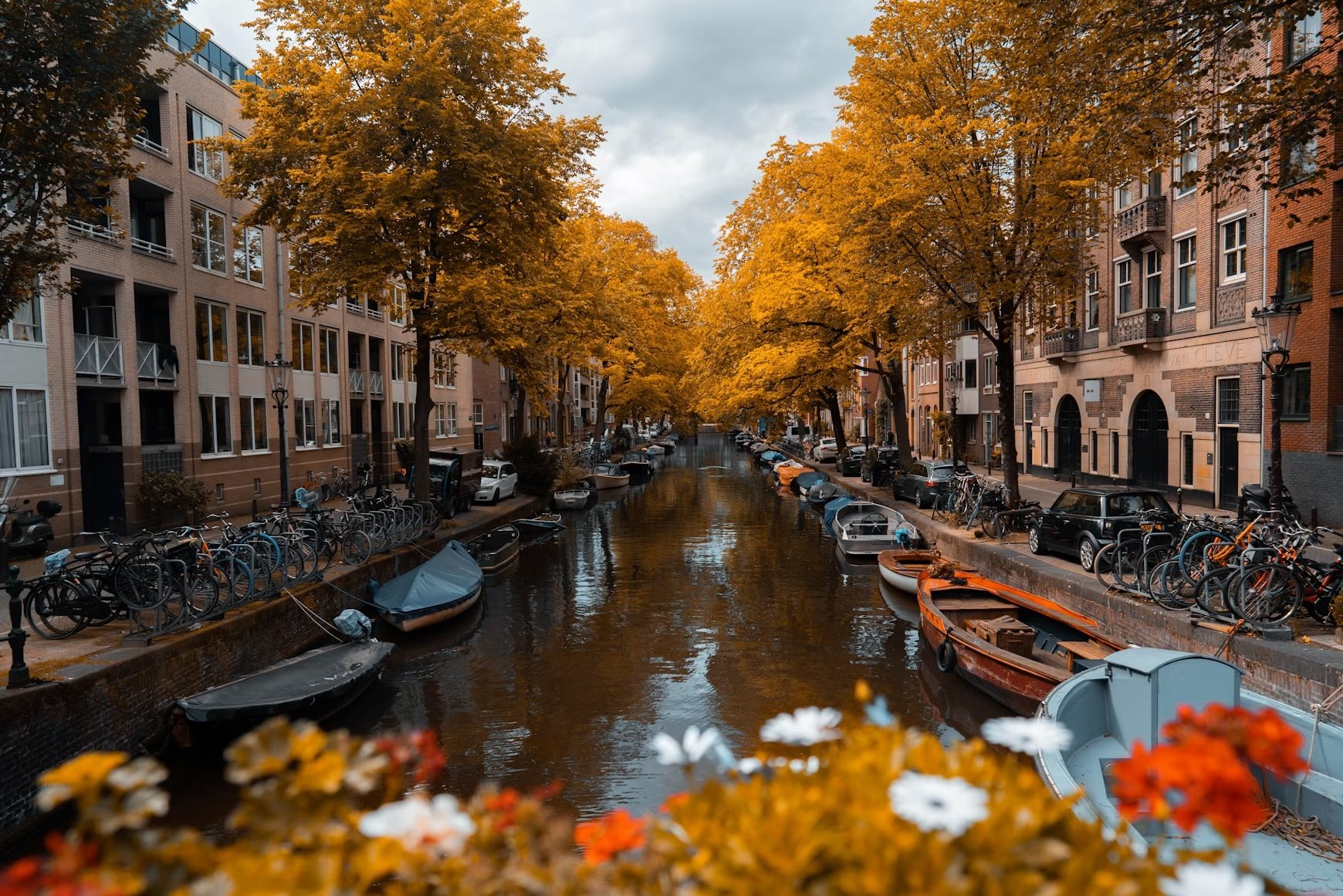
Fall transforms some of Europe's most stunning regions into postcard-worthy landscapes.

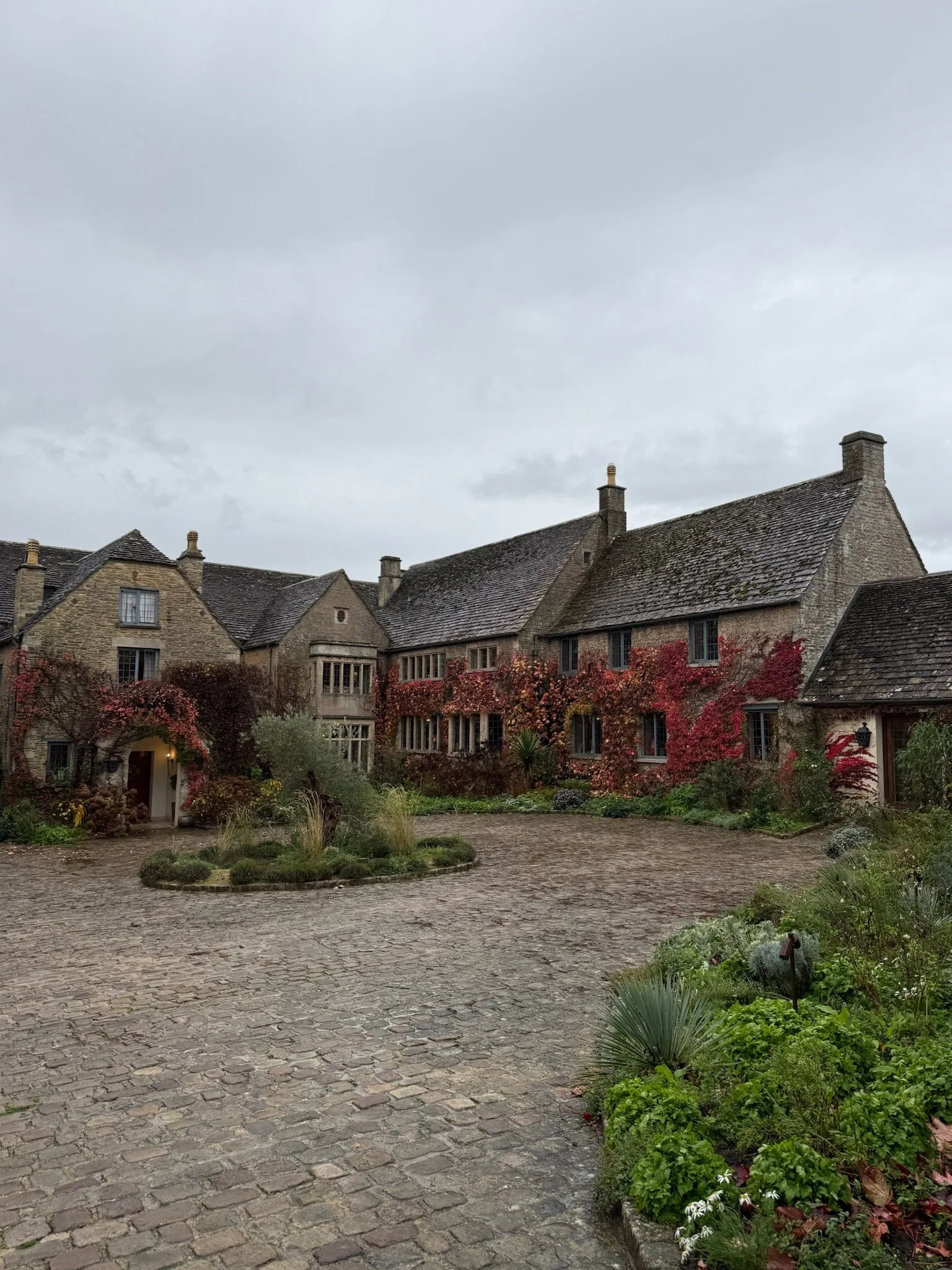
Across wine regions, mountain valleys, and historic countryside estates, shades of gold, amber, and deep red begin to appear throughout the landscape.

Some of the most beautiful fall destinations include:

Tuscany, Italy

Rolling vineyards, olive groves, and medieval villages become even more picturesque during harvest season.

Burgundy, France

One of the world's most celebrated wine regions comes alive as vineyards shift into autumn colors and harvest activities begin.

Travelers interested in experiencing Europe beyond the continent's wine regions and mountain landscapes may also find fall to be an ideal time to explore the English countryside and London.

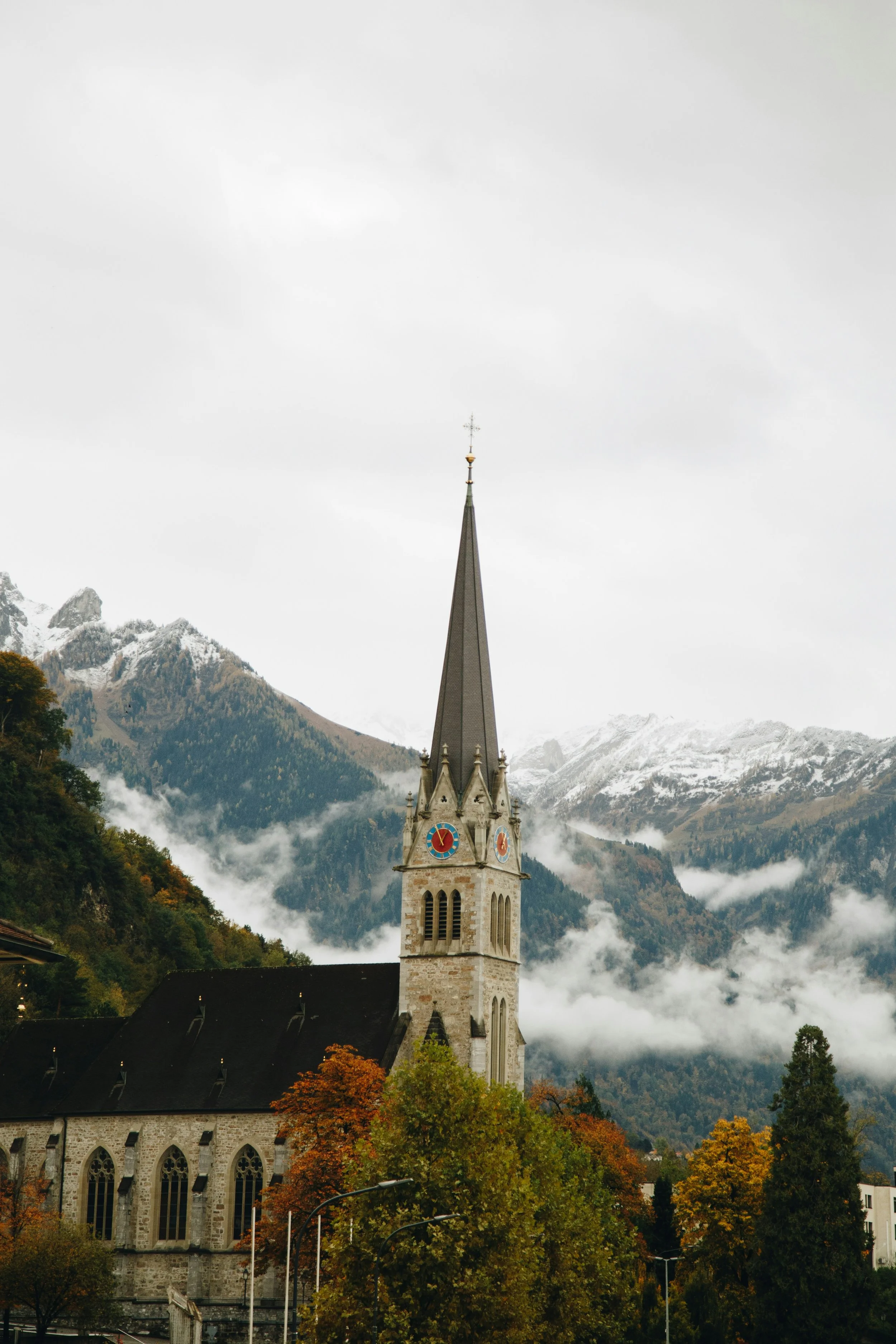
The Swiss Alps

Mountain landscapes become framed by vibrant foliage while maintaining the dramatic scenery that defines the region year-round.

Bavaria and Austria

Historic villages, castles, and alpine landscapes create some of Europe's most iconic fall scenery. Fall is also one of the most rewarding times to explore Bavaria and Austria, when alpine landscapes, historic cities, lakeside retreats, and seasonal traditions such as Oktoberfest come together to create an unforgettable European experience.

Across much of Europe, fall also brings softer natural light, making the season particularly appealing for photography, scenic drives, and slow-paced exploration.

The Perfect Balance Between Summer and Winter

One of the reasons experienced travelers return to Europe in the fall year after year is balance.

Summer offers energy and activity, but often comes with crowds and higher temperatures.

Winter delivers festive charm and holiday magic, but shorter days and colder weather can limit certain experiences.

Fall sits comfortably between both seasons.

Travelers can still enjoy:

  • Outdoor dining

  • Coastal escapes

  • Scenic drives

  • Wine country experiences

  • Luxury train journeys

  • Private yacht charters in select destinations

At the same time, many destinations begin to feel calmer and more authentic as local life settles back into its natural rhythm.

This combination of favorable weather, fewer crowds, and a slower pace is why many seasoned travelers consider September and October the sweet spot for visiting Europe.
Final Thoughts

Europe never truly has a bad season, each one has its own charm. However, fall offers something many luxury travelers appreciate: the ideal combination of pleasant weather, fewer crowds, and a more relaxed pace.

The weather remains beautiful, destinations feel less crowded, and the overall pace becomes more relaxed. Luxury hotels, historic cities, wine regions, and coastal escapes all become easier to enjoy when the intensity of peak summer begins to fade.

For travelers wondering about the best time to visit Europe, September and October consistently stand out as two of the most rewarding months of the year.

If you're ready to plan your next European escape, we're here to help from choosing the destination, booking your hotel, securing dinner reservations and experiences and much more.

Get in touch with a KJ Travel advisor

FAQs About Visiting Europe in the Fall

Is fall a good time to visit Europe?

Yes. Many travel experts consider September and October among the best months to visit Europe because they combine pleasant weather, fewer crowds, and beautiful seasonal scenery.

Which month is best for Europe in the fall?

September and October are generally considered the best months. September offers warmer temperatures and a late-summer atmosphere, while October brings fall colors, harvest season, and a quieter pace.

Is Europe less crowded in September and October?

In many destinations, yes. Crowds typically decrease after the peak summer season, particularly in popular destinations such as Italy, France, Greece, and Spain.

Is the weather still warm in Europe during fall?

Across Southern Europe, temperatures often remain pleasantly warm throughout September and much of October. Coastal destinations frequently continue enjoying comfortable beach weather during early fall.

Are luxury hotels less expensive in the fall?

Pricing varies by destination, but many travelers find better availability and more favorable rates compared to the peak summer months, particularly outside major holidays and special events.

Milestone Travel Planning: The Luxury Advisor's Guide to Anniversaries, Birthdays & Beyond

A 40th birthday. A 25th anniversary. A graduation that took years of hard work to reach. Some moments deserve more than a nice dinner, they deserve a trip built around the occasion itself, where every detail is intentional and nothing is left to chance.

QUICK TAKE

Milestone travel is a category of its own. Unlike a typical vacation, every decision: the destination, the accommodations, the pace, the private experiences are shaped by one goal: making the celebration feel as significant as the moment behind it. This guide walks through how KJ Travel approaches milestone and group trip planning, from the first conversation to the final send-off.

What makes milestone travel different

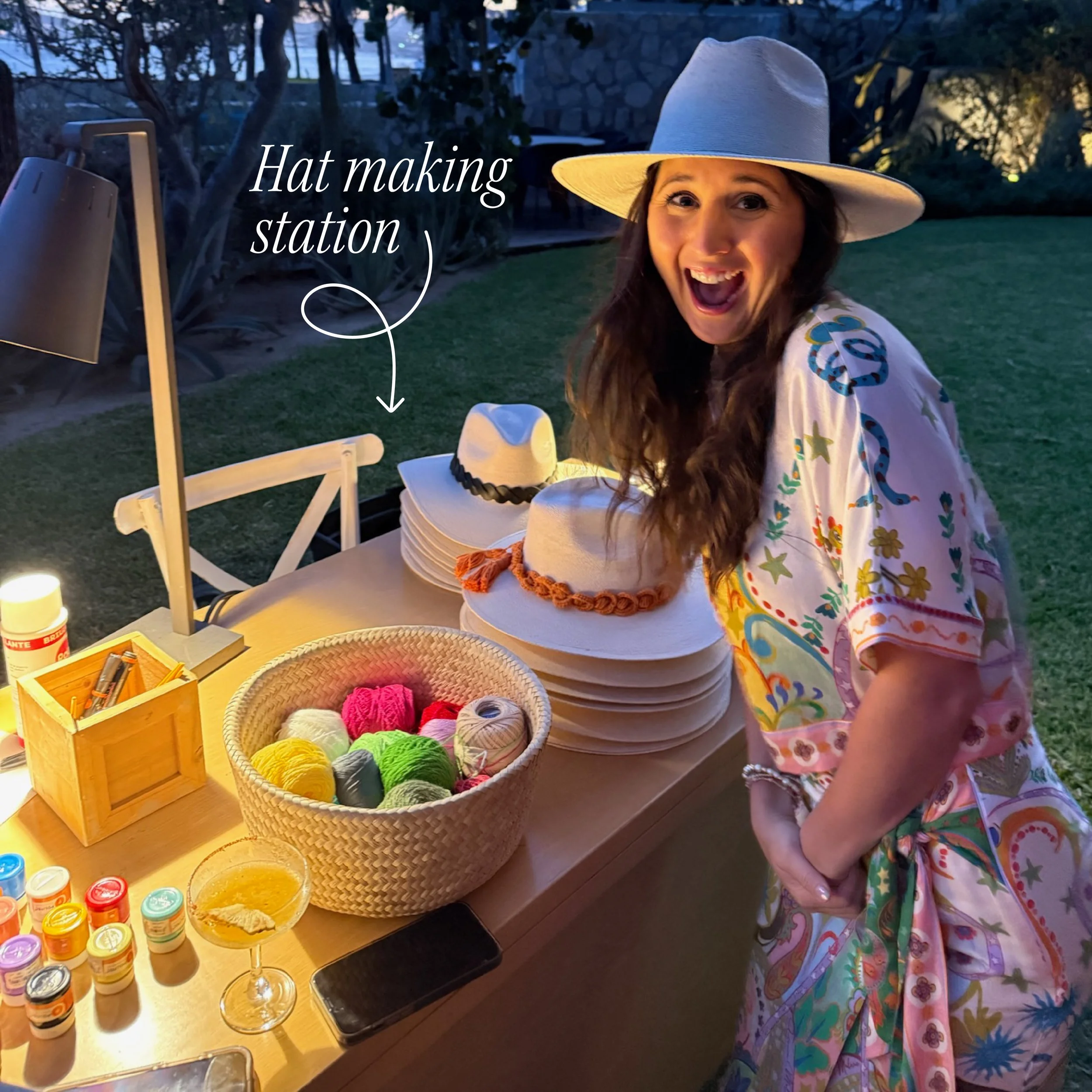
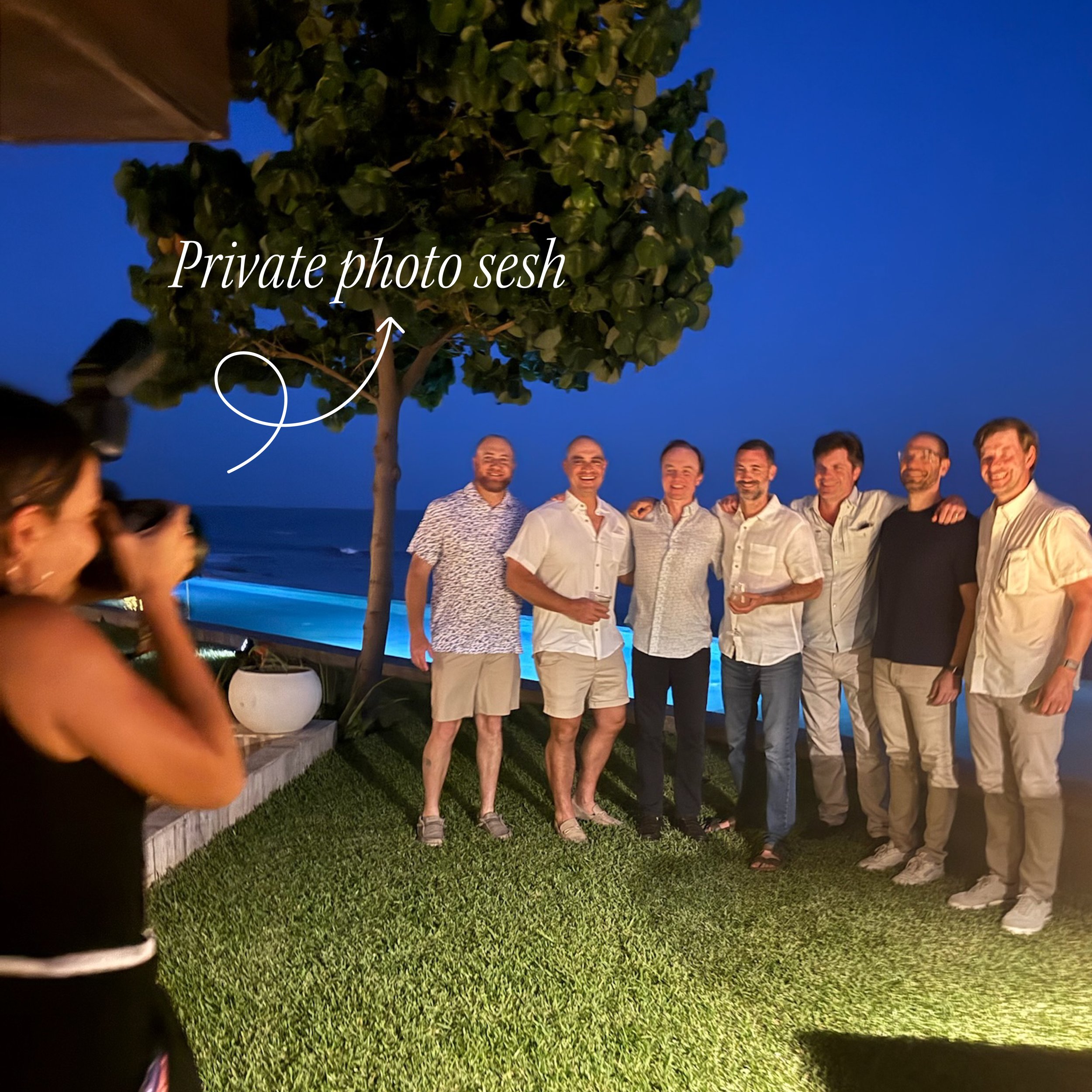
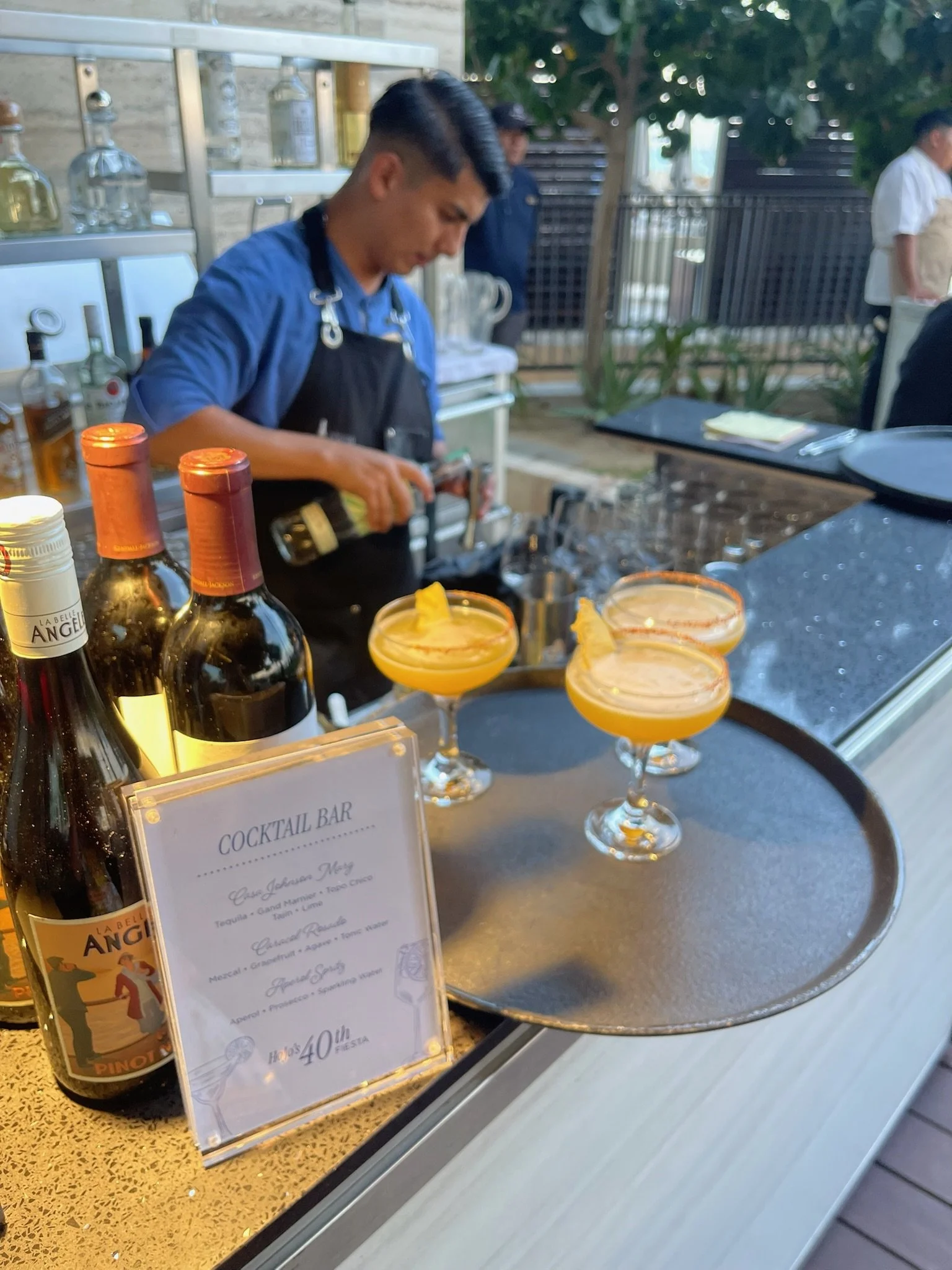
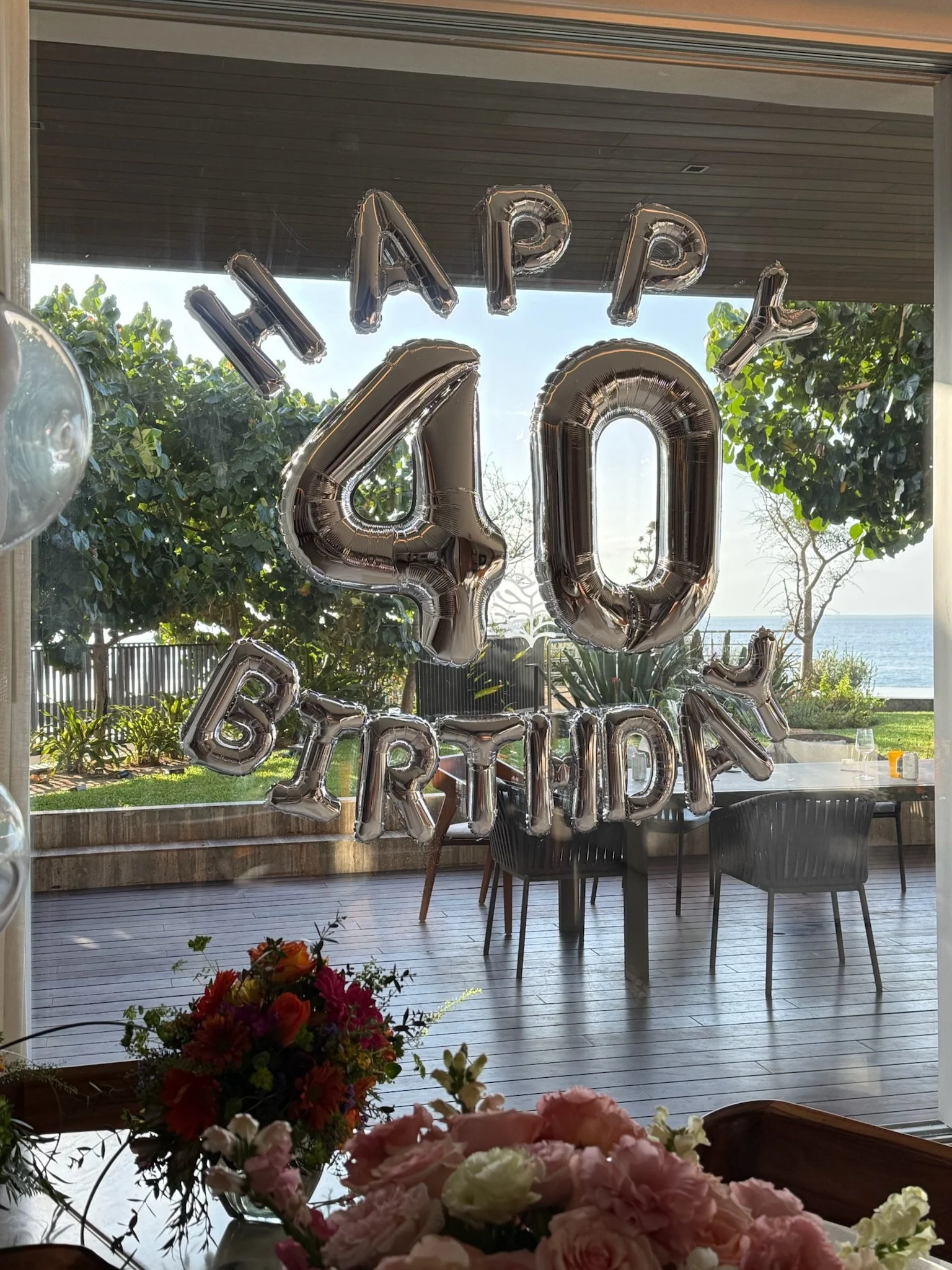
Most trips are about getting away. Milestone trips are about marking something. That shift in purpose changes many things: who's traveling together, what the setting should feel like, how the days are paced, and what kinds of experiences should be a must on the itinerary. A couple celebrating 25 years together wants something entirely different from a group of friends celebrating someone turning 40 (like Kate's recent milestone trip for her husband's big 4-0). The destination, the energy, the private moments, all of it should reflect what the occasion actually means to the people celebrating it.

The KJ Travel process: where to start

Every milestone trip begins with a conversation. Before anything is researched or quoted, the goal is to understand what matters most. That usually means working through a few key questions:

Destination - What kind of setting fits the occasion? Sometimes the destination is already decided. Often, the accommodation wish list:  private villa, overwater suite, safari lodge, actually narrows the destination options.

Practical priorities - Nonstop flights, budget range, ages of kids if it's a family trip. These aren't afterthoughts, they shape everything from destination shortlist to room configuration.

Accommodation style - Private villa or hotel? Individual bookings or a room block? A full buyout? Each option has different pros, cons, and negotiation points and the right answer depends on the group.

Group size & dynamic -  A couple's anniversary needs a completely different structure than a 20-person birthday trip. Understanding who's traveling and how they travel together is essential.

Accommodation: more options than most people realize

For milestone trips, where everyone stays is often the centerpiece of the experience. There's no one-size-fits-all answer, and the options are broader than most clients expect.

Private villas

For groups, a villa creates instant togetherness: shared spaces, shared meals, a home base that feels like it belongs to you. Single or multi-villa configurations are both common depending on group size and privacy preferences.

Hotel blocks vs. individual bookings

Contracted room blocks offer rate protection and negotiated perks, but come with commitment minimums. Individual bookings offer flexibility. The right call depends on how firm the guest list is and what perks matter most: welcome amenities, suite upgrades, F&B credits, early check-in.

Full buyouts

For intimate groups with the right budget, buying out a small boutique hotel or a private yacht creates something completely different: a trip that truly belongs to the group, with staff, programming, and every detail tailored around the occasion.

Cruises & boat charters

For groups who want built-in movement with a home base, a small-ship cruise or private charter can be ideal. The destination changes, the logistics don't,  everything moves with you.

Four things that make or break a milestone trip

Pace - Milestone travel should never feel like a race. With fewer hotel changes, more immersive stays, and intentional downtime between big moments, the trip needs room to breathe so guests can actually be present for what they came to experience.

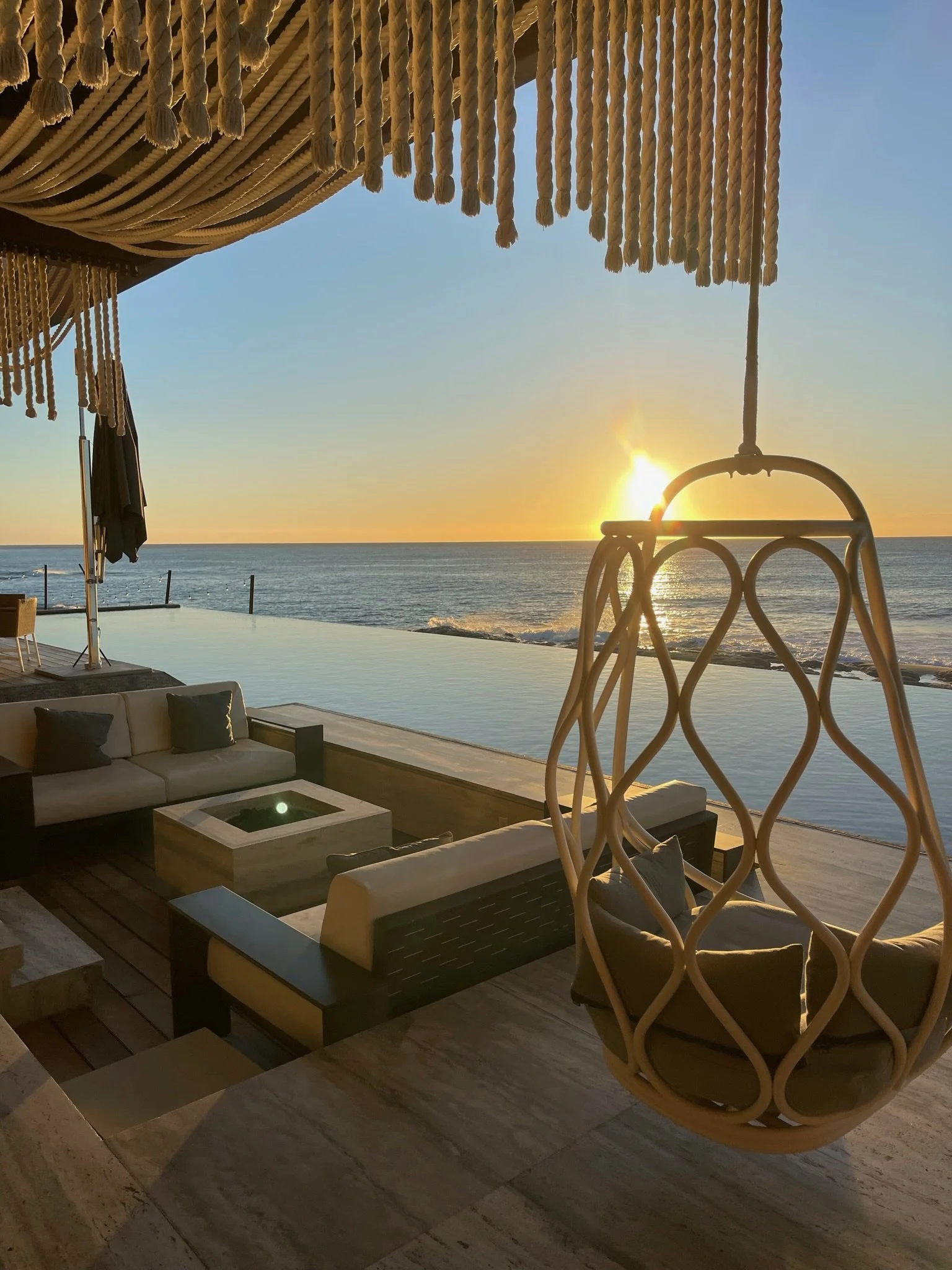
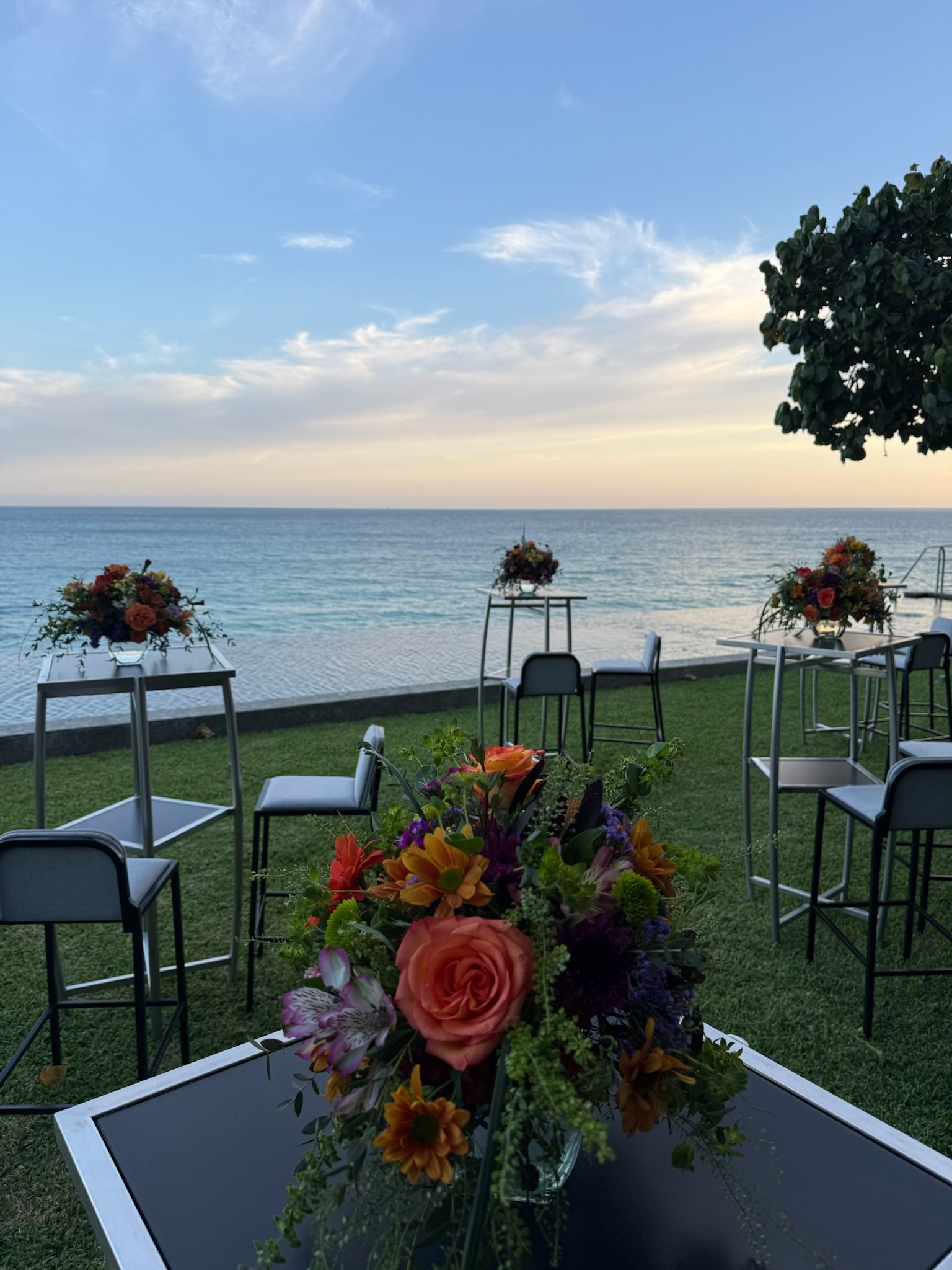
Setting - The environment carries more weight here than on a standard trip. Whether it's a cliffside hotel on the Amalfi Coast, a private villa in Tuscany, a safari lodge in the Serengeti, or an overwater suite in the Maldives,  the destination itself becomes part of the celebration.

Private experiences - This is where the real memories are made. Private guides instead of group tours. After-hours access. A surprise dinner that appears effortlessly but took weeks to orchestrate. A private boat day. A curated wine tasting with a local producer. 

Seamless logistics - Smooth transfers, contingency planning, priority access, and flexible arrangements aren't nice-to-haves, they're essential. Guests celebrating something important should only think about having a great time celebrating.

The details that guests remember most

Beyond the destination and accommodations, it's often the smaller, thoughtful touches that make a milestone trip feel curated rather than just a normal trip.

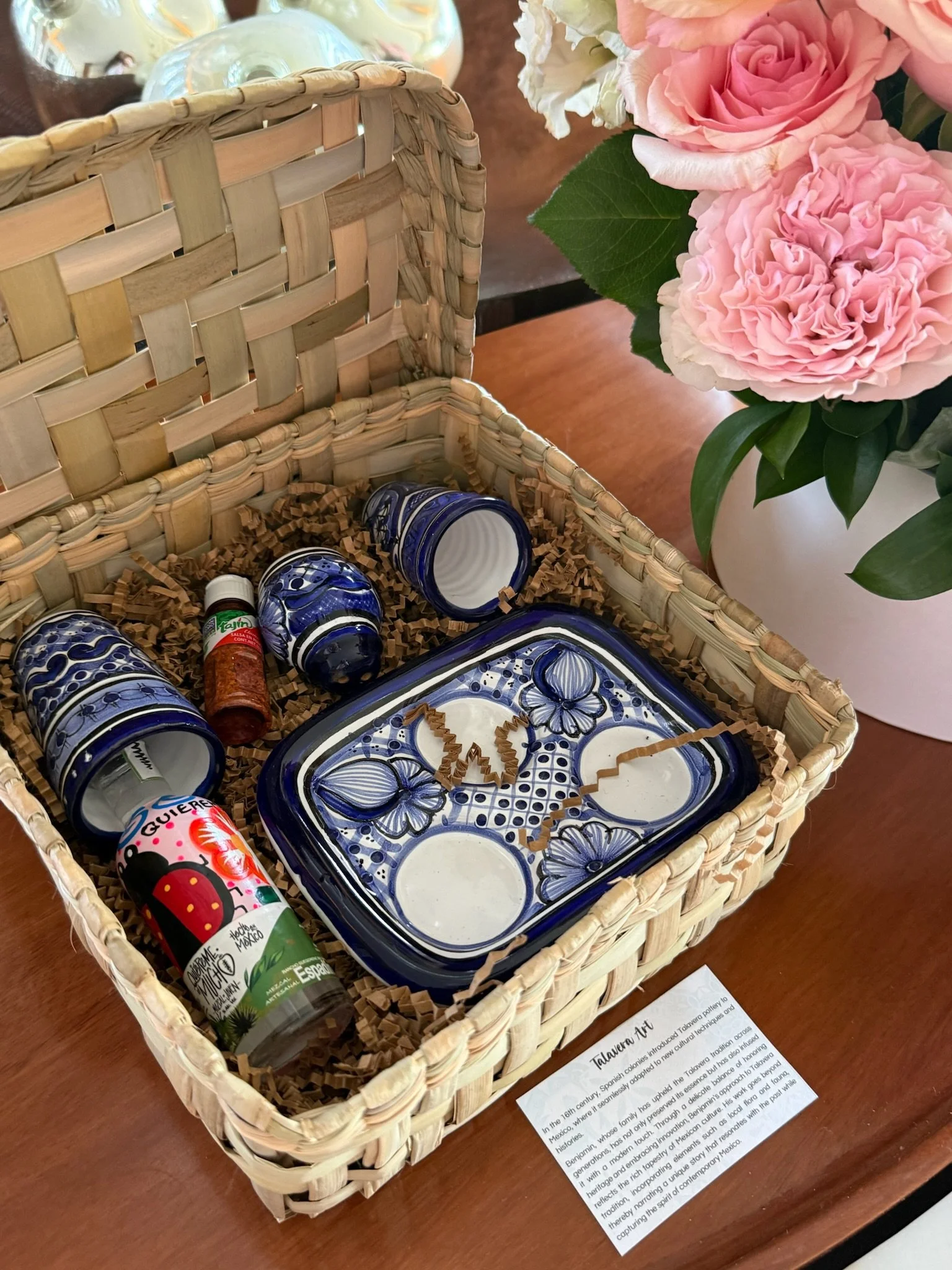
Pre-arrival gifting sets the tone before anyone boards a plane: a personalized luggage tag, a printed agenda, a curated packing list. A welcome gift and a handwritten note on arrival signal that this isn't an ordinary trip. And a proper send-off  (a departure amenity, a final group moment) gives the trip a meaningful ending rather than just a checkout time.

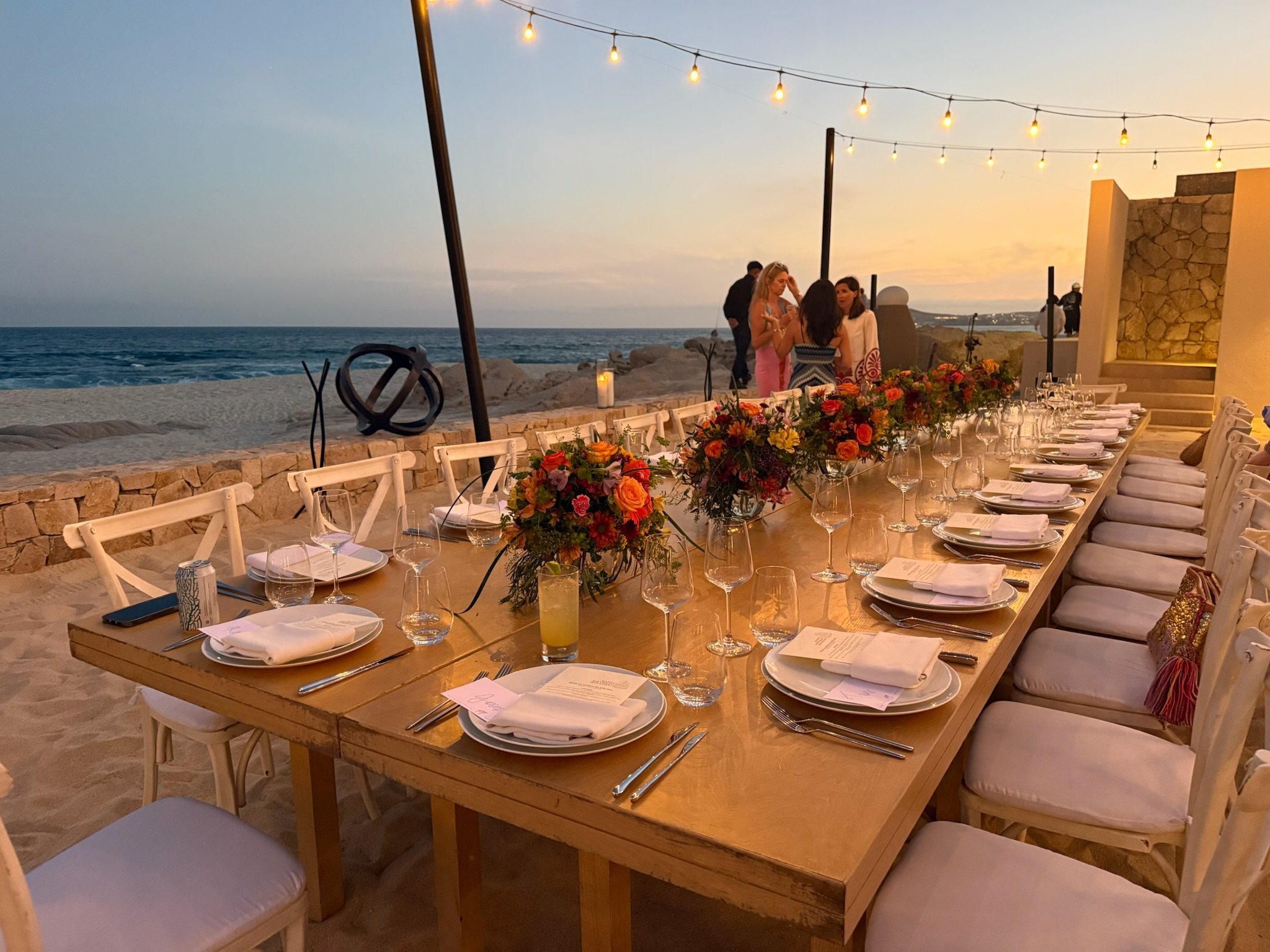
Transportation is another area where the details matter. Coordinating Sprinter vans or private transfers keeps groups together and eliminates the chaos of everyone figuring out logistics independently. For group dining, planning ahead for prix-fixe menus or reserved private dining spaces means the food experience matches the occasion.

Group trip planning: communication is everything

Multi-person milestone trips come with an added layer of complexity: managing different preferences, personalities, and expectations across a group. A few things make a significant difference.

Start with a save the date. Even if dates are tentative, a preliminary outreach helps gauge genuine interest before deposits are made and logistics are set.

Share the agenda early. A clear itinerary (with a packing list and any important details) gives guests time to prepare and reduces last-minute questions.

Set up a communication channel. A group text or WhatsApp thread for on-trip communication keeps everyone connected and the host out of the role of messenger.

Be clear about who pays for what. This conversation is best had early and explicitly. Knowing what's included versus what's personal spend, and communicating it clearly to guests prevents awkward moments later.

Plan for different preferences. The best group itineraries balance structured moments everyone shares with free time for guests to follow their own interests.

Why milestone travel is worth doing right

The case for investing in milestone travel isn't complicated. These trips create something unique: memories that carry real meaning. For couples, a beautifully designed anniversary trip reconnects and recenters. For families, it builds shared history that lasts across generations. For individuals, it can feel like a genuine reward,  a reset after a major life achievement.

And when it's designed well, a milestone trip does something quietly remarkable: it celebrates where someone has been, honors where they are right now, and sets the tone for what comes next.

That's the kind of travel worth planning carefully and worth doing with someone who knows how to get it right.

Reach out to a KJ Travel advisor and let’s start planning something unforgettable.

A Night Under the Venetian Stars: Celebrating Excellence at the Marriott STARS Celestial Gala

The Marriott STARS Celestial Gala at the Venetian Casino was everything its name promised: a night where the luxury travel world dressed up and celebrated. Guests arrived by wooden Venetian boats beneath a starlit sky, stepping directly into an atmosphere of masquerade elegance.

This wasn't a standard black tie. Every attendee wore a bespoke Atelier costume from Venetian couturier Antonia Sautter. Each piece was individually crafted, hand-beaded, ornately masked, distinctly personal. Live performances and musicians carried the night, so it felt less like a corporate event and more like an invitation to an exclusive, timeless celebration.

What the Award Represents

Winning the Marriott STARS Celestial Club Award is a recognition across Marriott’s top luxury brands: The Ritz-Carlton, St. Regis, The Luxury Collection, Bvlgari, and Edition. For us at KJ Travel, it reflects what we have been building for years: trusted relationships with our hotel partners, meticulous attention to every detail of a trip, and a genuine commitment to our clients and their most meaningful moments.

Our clients choose us to plan proposals, anniversaries, multi-generational trips, long-awaited getaways, and everything in between. That trust translates directly into the bookings, loyalty, and repeat stays that Marriott’s luxury portfolio recognizes and celebrates.

Moving Forward

For KJ Travel, this award is not a finish line. It is a promise to keep designing the trips you dream about and then bringing them to life with the access, perks, and expertise that come from truly knowing our partners and our clients.

Ready to create your own unforgettable luxury travel experience? Contact a KJ Travel Advisor today