
The most seamless luxury trips are shaped by what happens behind the scenes. VIP airport assistance, thoughtful pacing, real-time support, and carefully managed logistics remove friction and allow the experience to unfold with ease.
Luxury travel is often associated with where you stay. A private villa overlooking the sea. A suite with uninterrupted views. A perfectly located hotel. But what truly defines a luxury travel experience is how the journey feels from beginning to end.
The best trips are not only well designed. They are carefully supported at every stage, with details many travelers do not think about until they experience the difference themselves.
At this level, luxury is not simply about comfort. It is about ease. Time. Access. Privacy. Flow.
These are the travel details that quietly transform the entire experience.

1. A SMOOTH ARRIVAL, NO MATTER THE DESTINATION
After a long-haul flight, the airport experience can shape the first 24 hours of a trip.
Crowded immigration halls, long waits, delayed luggage, and complicated connections immediately drain energy from the experience, especially during peak travel periods in Europe and other high-traffic destinations.
VIP airport services help remove that friction.
A personal greeter meets travelers upon arrival, either at the gate where permitted or shortly after landing. From there, travelers are escorted through expedited immigration, assisted with luggage, and guided directly to their private driver.
For connections, this same level of support becomes even more valuable. In large international airports, navigating terminals, security checks, and timing between flights can quickly become stressful without guidance.
The goal is not simply convenience. It is protecting energy, time, and peace of mind from the moment the journey begins.
2. SUPPORT, WHEREVER THE TRIP LEADS
Travel is always dynamic and more often than not, unpredictable. Flights are delayed. Weather impacts schedules. Even the most carefully planned itineraries occasionally need adjustments along the way.
This is where real-time support becomes one of the most valuable parts of the experience. Access to a trusted local contact allows changes to happen quickly and quietly behind the scenes.
This level of support is especially valuable in destinations where language barriers, complex logistics, or seasonal demand create additional challenges.
The experience remains seamless because someone is always managing the details in real time.


3. SEAMLESS MOVEMENT THROUGHOUT THE TRIP
One of the most overlooked parts of luxury travel is how travelers move between experiences.
Transitions are where travel fatigue often appears. Waiting for transportation, coordinating drivers, managing luggage, or navigating unfamiliar logistics can interrupt the flow of even the most beautiful itinerary.
Private drivers can be arranged, allowing the day to evolve naturally without watching the clock or coordinating every movement. In destinations where traffic, weather, or timing can shift throughout the day, this flexibility becomes invaluable.
In countries such as Japan and Italy, luggage can often be sent ahead to the next hotel, allowing travelers to move comfortably between destinations without handling bags along the way.
Every transfer is planned intentionally so the experience continues smoothly from one moment to the next.
4. EVERYTHING IN ONE PLACE, ALWAYS UP TO DATE
A well-designed itinerary is far more than a schedule. It becomes the central point for the entire journey.
With a dedicated itinerary app (like the one we use at KJT. We're looking at you AXUS), flights, hotel reservations, dining confirmations, transfers, private tours, and curated recommendations all live in one place. Maps, contact details, and daily timing are immediately accessible. More importantly, updates can be made in real time.
Restaurant reservations shift. Weather changes. Timing evolves throughout a trip. Having one dynamic itinerary eliminates uncertainty and prevents travelers from searching through emails, screenshots, or paperwork while abroad.
The experience feels smoother because every detail remains clear, current, and easy to access.
5. ACCESS THAT ELEVATES THE EXPERIENCE
What makes a destination memorable is often not only what is seen, but how it is experienced.
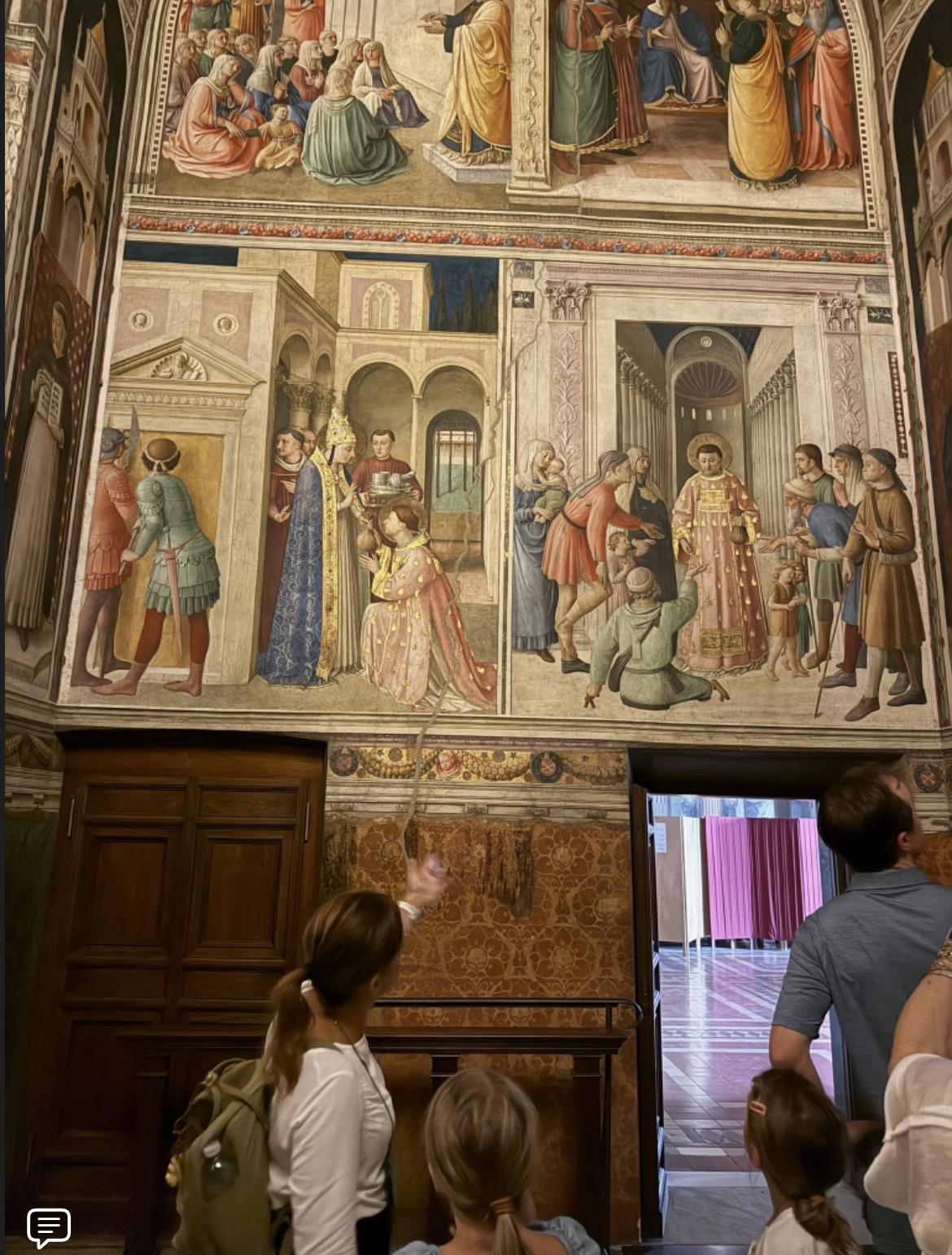
Private guides provide context and insight that completely change the understanding of a place. Early or after-hours access, where available, creates a quieter and more personal atmosphere that simply does not exist during public visiting hours.
In many destinations, privacy itself has become one of the greatest luxuries in travel.
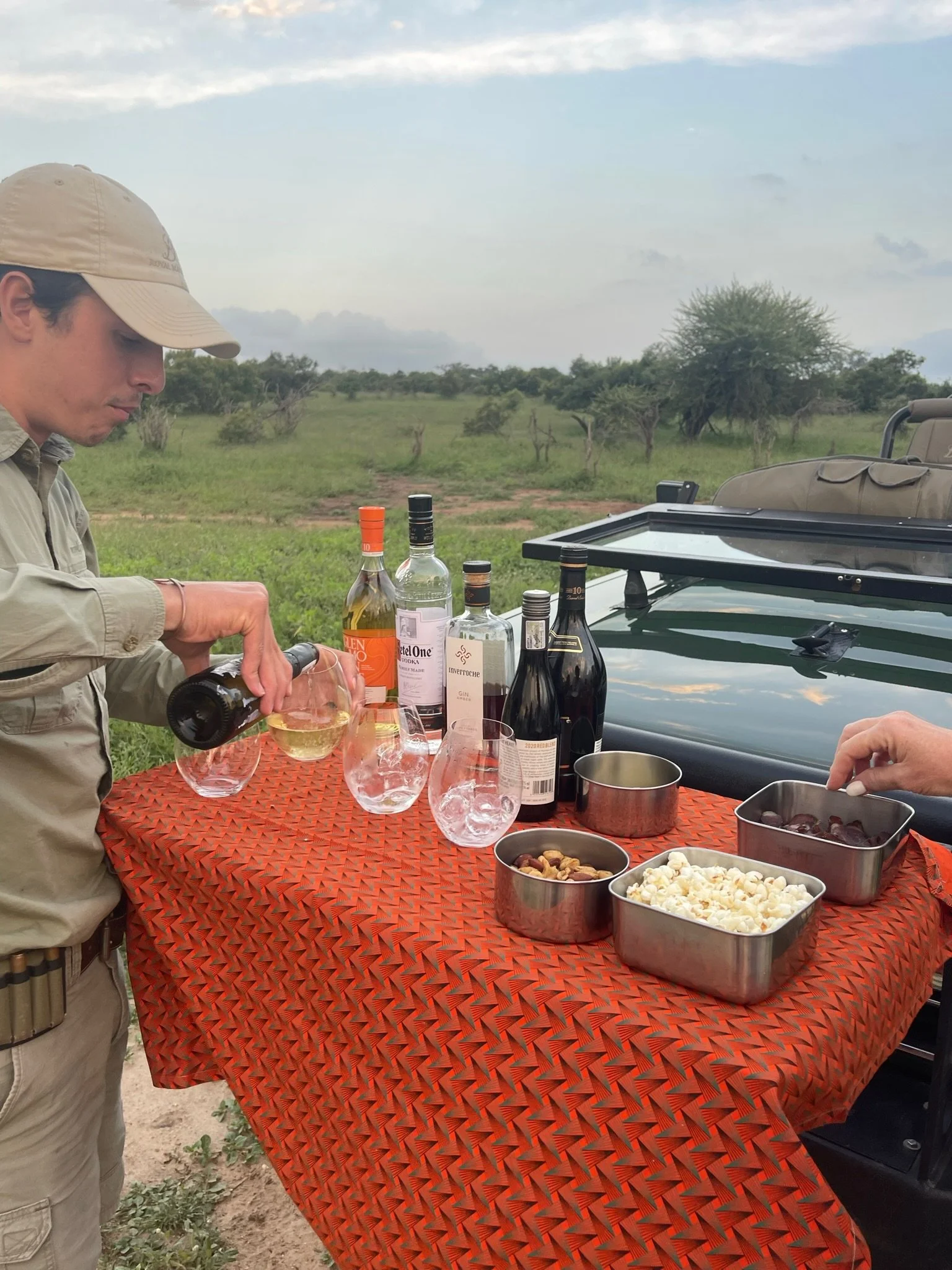
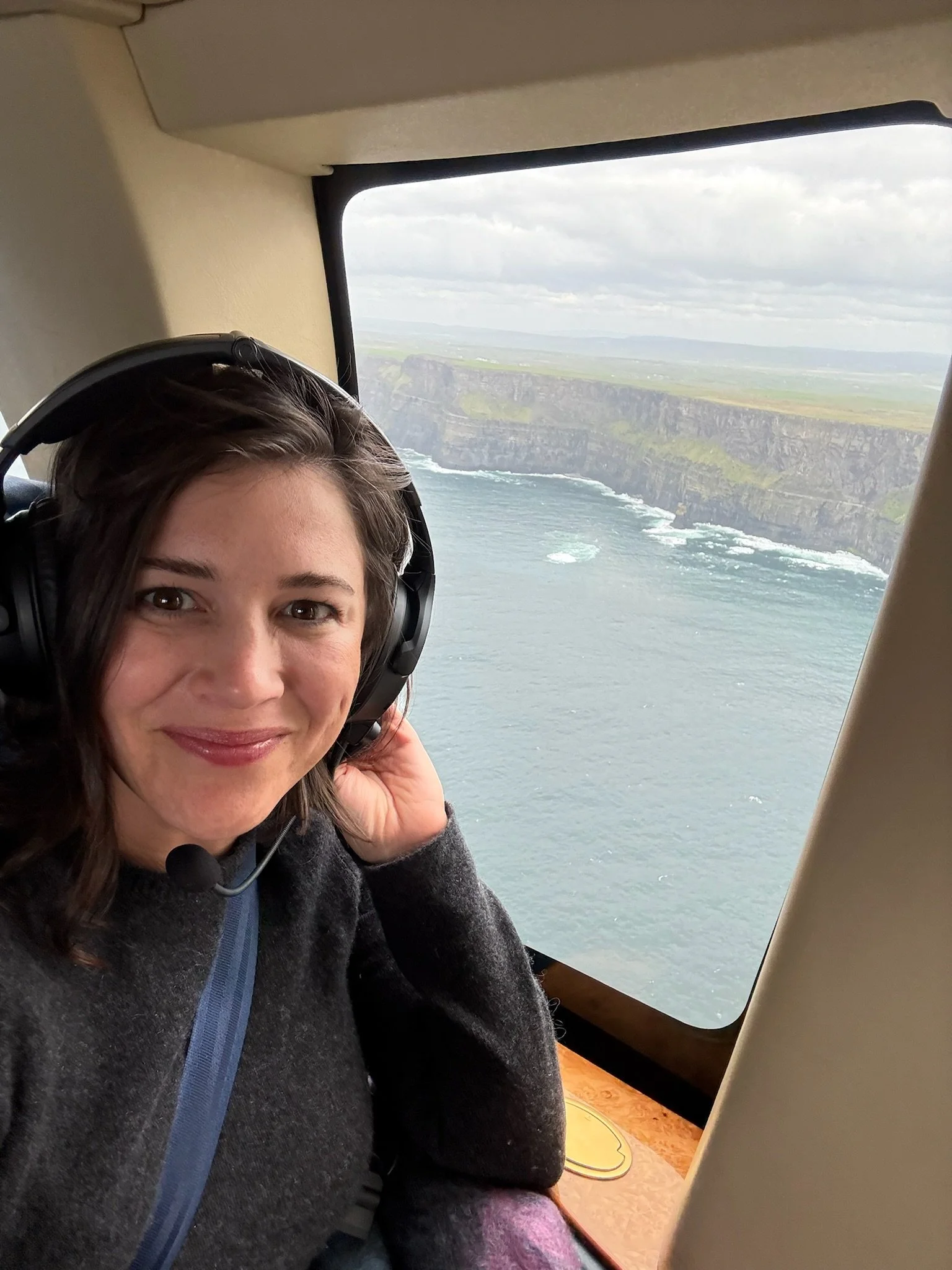
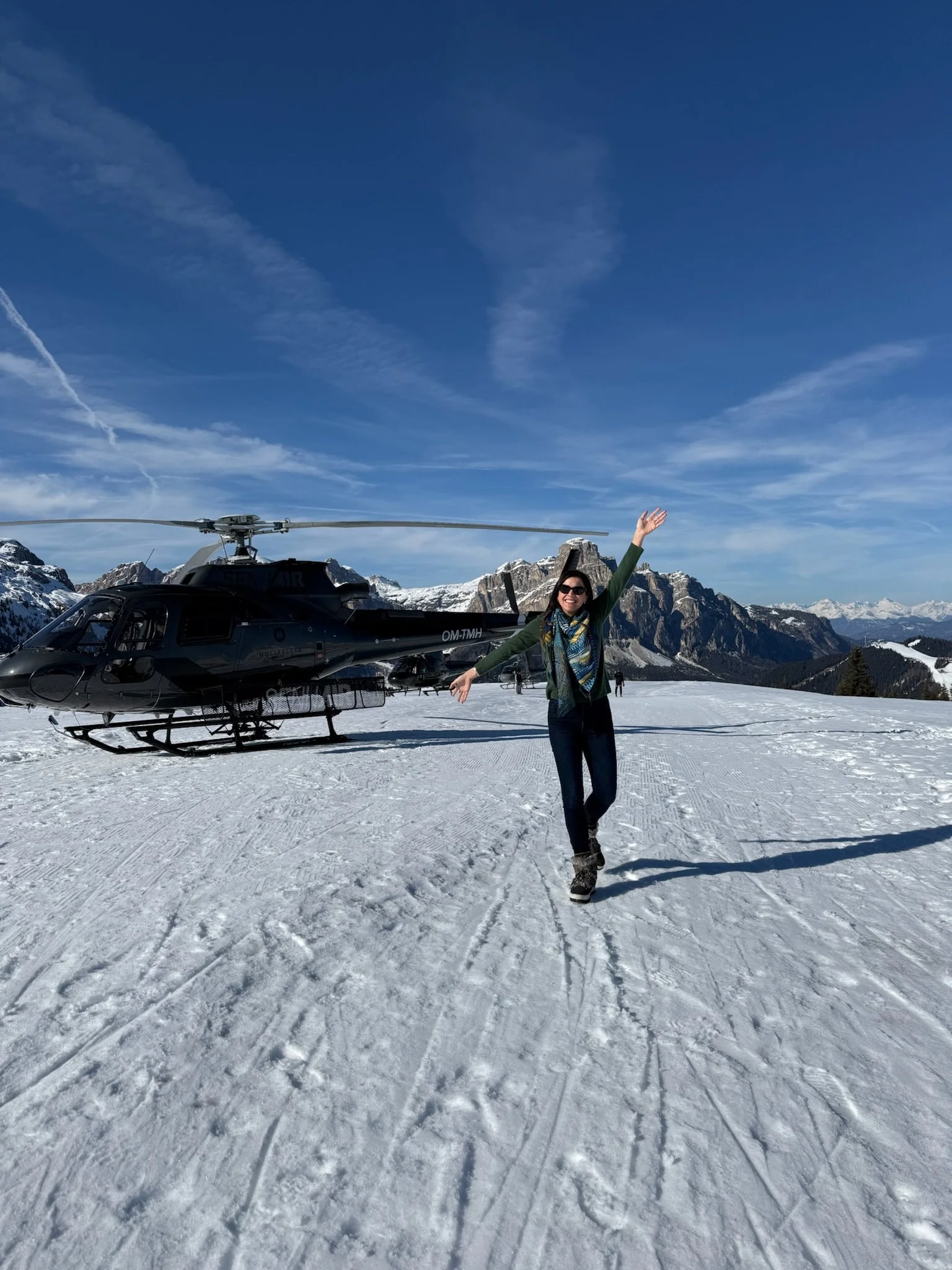
Select experiences such as a private boat along the Amalfi Coast, exclusive vineyard visits, or a helicopter transfer over remote landscapes are chosen carefully and added where they create the most impact.
These moments are designed to create comfort, access, perspective, and a deeper connection to the destination itself.

6. PROTECTION THAT TRAVELS WITH YOU
Luxury travel is a meaningful investment, and protecting that investment is essential.
A well-structured travel insurance policy provides coverage for cancellations, delays, medical care abroad, and emergency evacuation services when needed. This becomes particularly important for more remote or experience-driven itineraries, including safari, yachting, or multi-country travel.
Even exceptionally planned trips can encounter unexpected disruptions. The right coverage helps ensure those moments are manageable without compromising the overall experience. At this level, travel insurance is not simply a formality. It is part of traveling well.
THE BOTTOM LINE
The most exceptional trips are not defined only by the hotel or destination. They are defined by how everything feels along the way.
When every detail is taken care of, every transition is smooth, and support is always within reach, travel becomes what it is meant to be. Immersive and deeply enjoyable. Thoughtful planning and the right support make all the difference along the way.
We can't wait to help you plan your next great adventure! Get in touch with a KJ TRAVEL advisor today.