
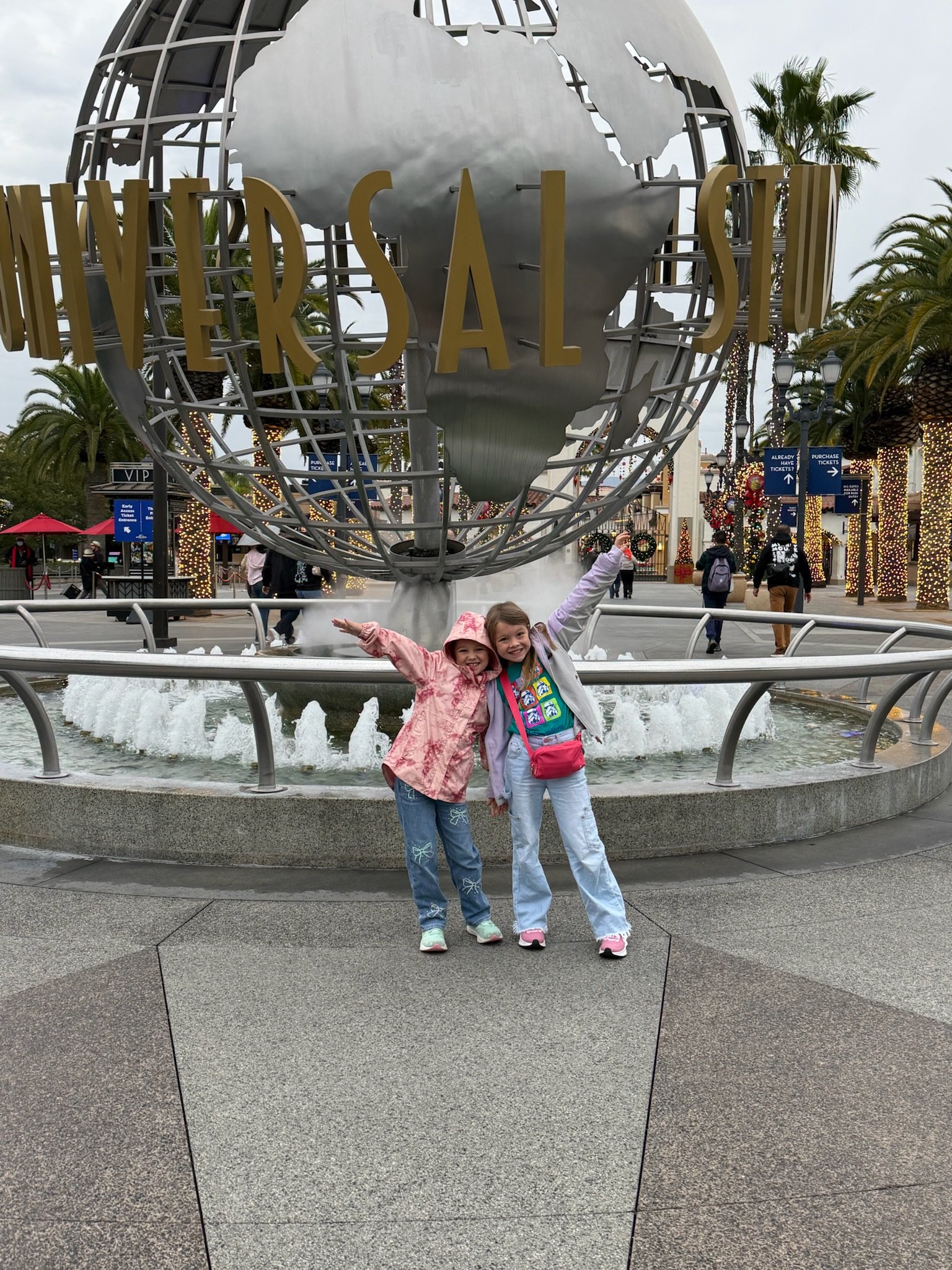
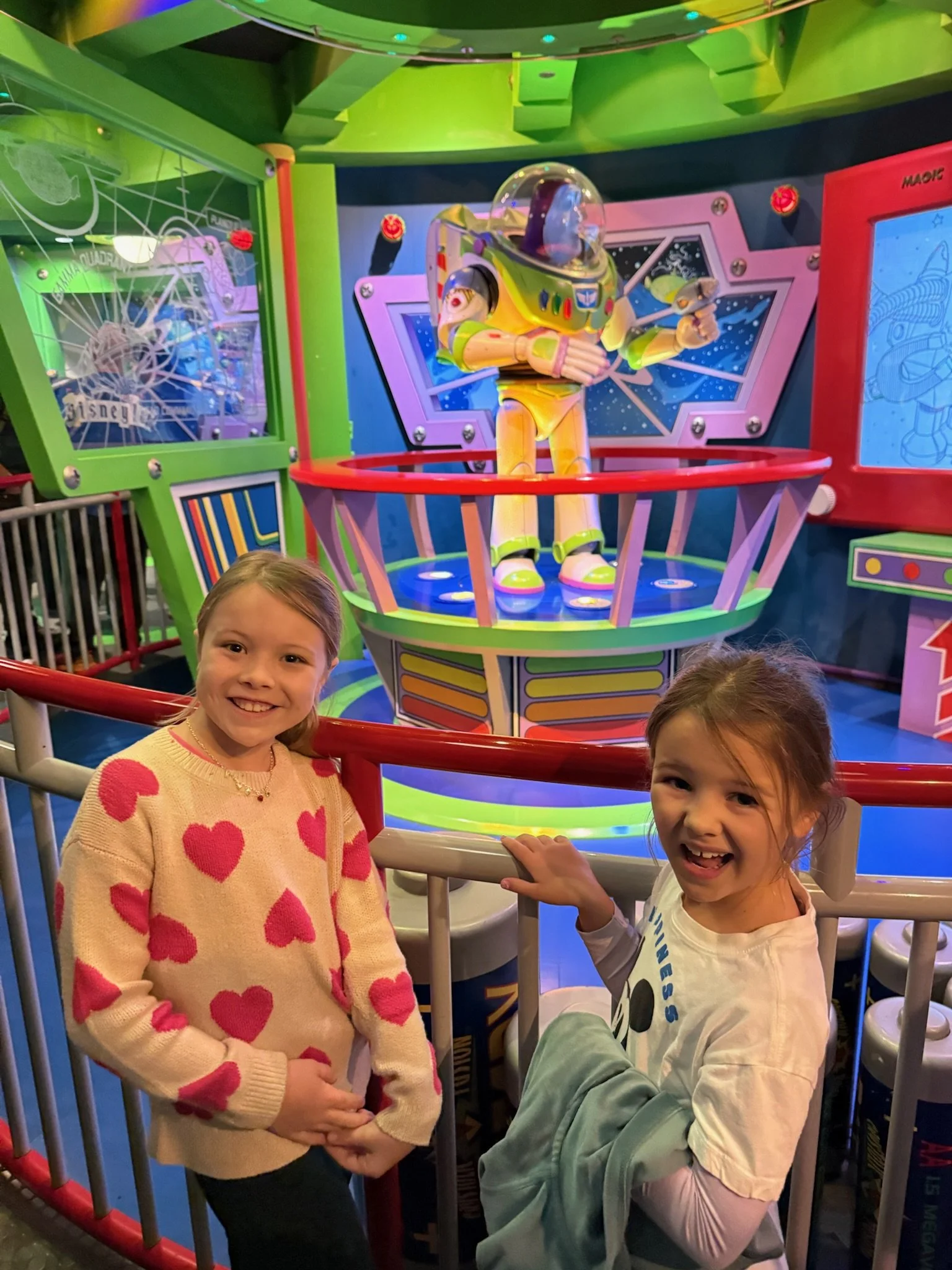
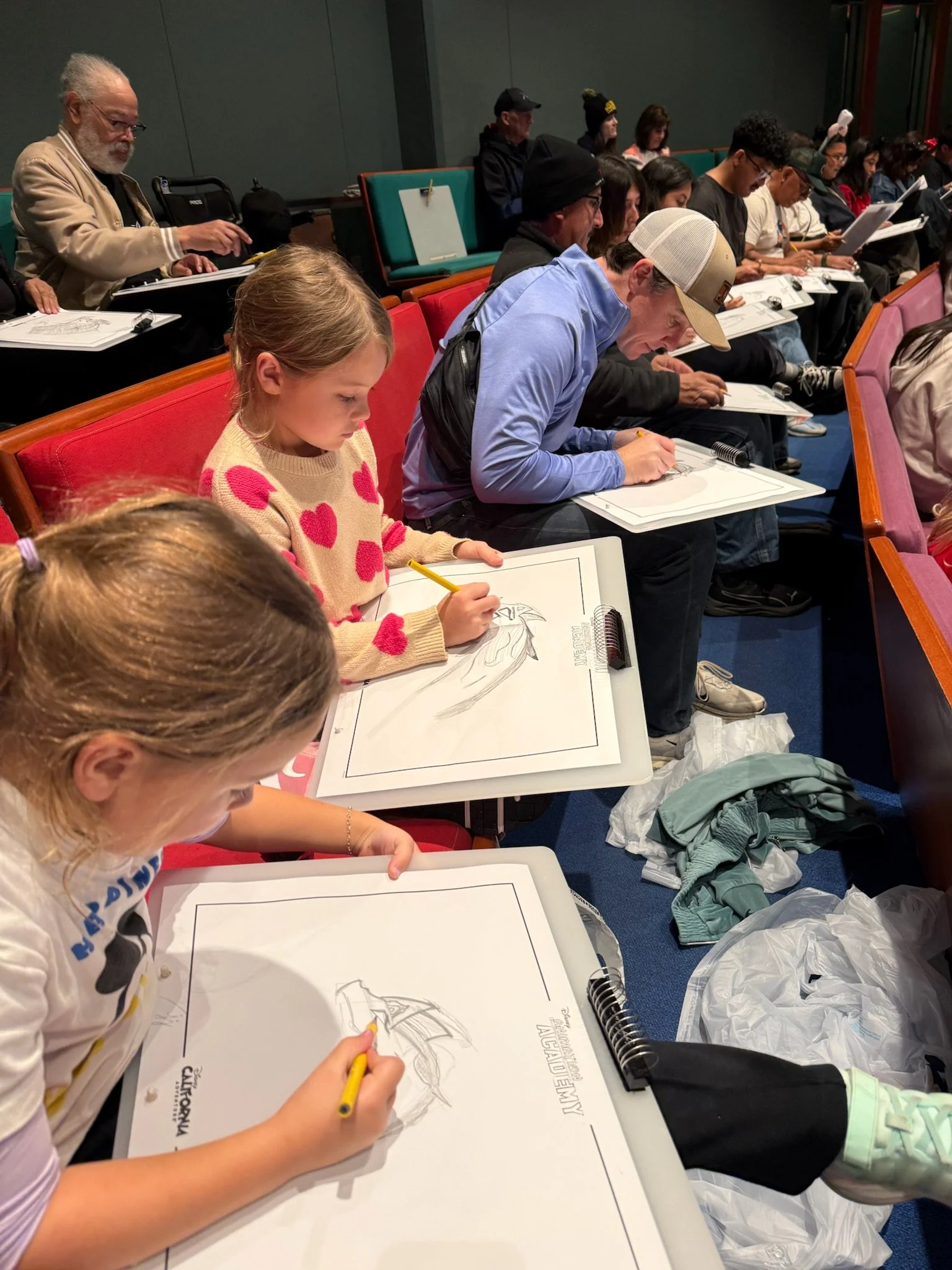
Kate spends her days planning and designing seamless, thoughtfully paced trips for families, where the right hotel, smart timing, and the small details make everything feel easy. But on a recent trip, she stepped into the client seat and took her own kids (ages 10 and 7) to Disneyland and Universal Studios Hollywood. Her biggest takeaway? Theme park travel is its own category of expertise. Yes, it’s magical but it’s also strategic.
Kate recommends approaching it like any luxury itinerary: with a plan that protects your time, keeps energy steady, and builds in real moments to reset. Below are her four key takeaways for families considering Disneyland, Universal, or both.
Where you stay is very important
Choose a hotel that balances proximity and recovery
Yes, being close is convenient. But when you spend all day in stimulation mode, the hotel is where the trip either resets or feels like it never ended. The last thing most people want is to leave the parks and feel like they’re stuck in the theme park ecosystem. That’s why choosing a good hotel to go back to is very important.
Kate’s planning rule - find the sweet spot between:
Access to the parks (easy mornings, less transit friction), and
A hotel that feels like a true retreat: quiet, elevated, and worth coming back to.
What about if you really want to stay at a Disneyland Resort hotel?
On-site perks change over time, so the key is knowing what’s current. As of January 5, 2026, Disneyland Resort hotel guests receive one Lightning Lane entry benefit (one entry to one eligible Lightning Lane Multi Pass attraction, redeemable at any available time on one day of the stay, per registered guest ages 3+).
KJ Travel’s approach is simple: if the on-site benefit meaningfully improves the plan, it’s worth considering. If not, a luxury hotel slightly farther out (paired with smarter park logistics) is a better option for a good reset feeling.
2. Timing + Setting Expectations
One day for Universal. Two for Disneyland, unless you go VIP.
Kate’s pacing takeaway is clear:
Universal Studios Hollywood: you can do it well in one day if you arrive with a plan (and pick the right line-skipping option if crowds demand it).
Disneyland Resort: plan for two days unless you’re doing a VIP-style day. One day is possible, but it’s dense and it can feel rushed.
Setting expectations is important - Disneyland attractions are complex and high-tech, and closures happen, sometimes planned, sometimes not. Disney explicitly notes that refurbishments can change without notice, and attractions/entertainment may also be unavailable for unscheduled reasons.
Kate’s advice: don’t anchor your entire day to “the one ride we have to do.” Build priorities, but be flexible. If something happens, you pivot, because you planned for options.
Strategic timing (without burning everyone out)
Kate also flags a common mistake: trying to do early mornings + late nights back-to-back. Want fireworks? Pick one late night, then plan a slower morning (or a non-park morning) the next day. That’s how the trip stays fun without it being overwhelming.
A small but useful family note
Disneyland ticket pricing defines ages 2 and under as not requiring a ticket (child tickets are ages 3–9).
3. VIP ACCESS
Skip the line, save the day, but only when it counts.
When it comes to VIP access, Kate’s take is this: pay for it when it truly protects your time. Lightning Lane at Disneyland and Express at Universal can be worth it for keeping waits manageable, but a VIP guide isn’t always required.
The real value depends on your exact day, crowd levels, your must-do rides, your group size, and how long you have in the parks. If you only have one day to do Disneyland and you’re trying to hit the big-ticket attractions without feeling rushed, Kate typically recommends upgrading to a VIP guide to keep the day smooth. And if a full in-person guide isn’t the right fit, there’s another option: a remote guide. It’s a more budget-friendly way to get expert planning and a smart game plan, still helpful, especially when you want the strategy without the full VIP spend.
4. Food Strategy
Feed the day before it eats you - optimizing for kids attitudes
A good food strategy = attitude optimization.
When people are hungry, hot, and overstimulated, they stop being fun. So the goal is to keep energy steady.
What Kate recommends:
Mobile ordering ahead of peak meal times
Eating earlier than the crowds
Packing snacks
Reserving one fun dining experience per day
Bonus sanity-saver: the gift shop trap
At the end of so many rides, you’re funneled through a store. Suddenly someone is obsessed with a character they didn’t know existed ten minutes ago. Kate’s move: set expectations before the ride. Decide on a souvenir approach (one item or we’ll decide at the end).
Final Thoughts: Theme Park Trips Deserve Thoughtful Planning
Disneyland and Universal are magical, but they are not easy vacations.
The right hotel, the right ticket strategy, realistic pacing, and thoughtful scheduling completely change the experience. With the right design, theme park travel can feel seamless, joyful, and surprisingly relaxed, even with kids.
If you’re considering a Disney or Universal trip for your family, we’d love to help you bring it to life in a way that feels elevated, organized, and tailored specifically to your children’s ages and interests.
Because magic is wonderful but magic with a plan is even better.
Contact a KJ TRAVEL Advisor and start planning