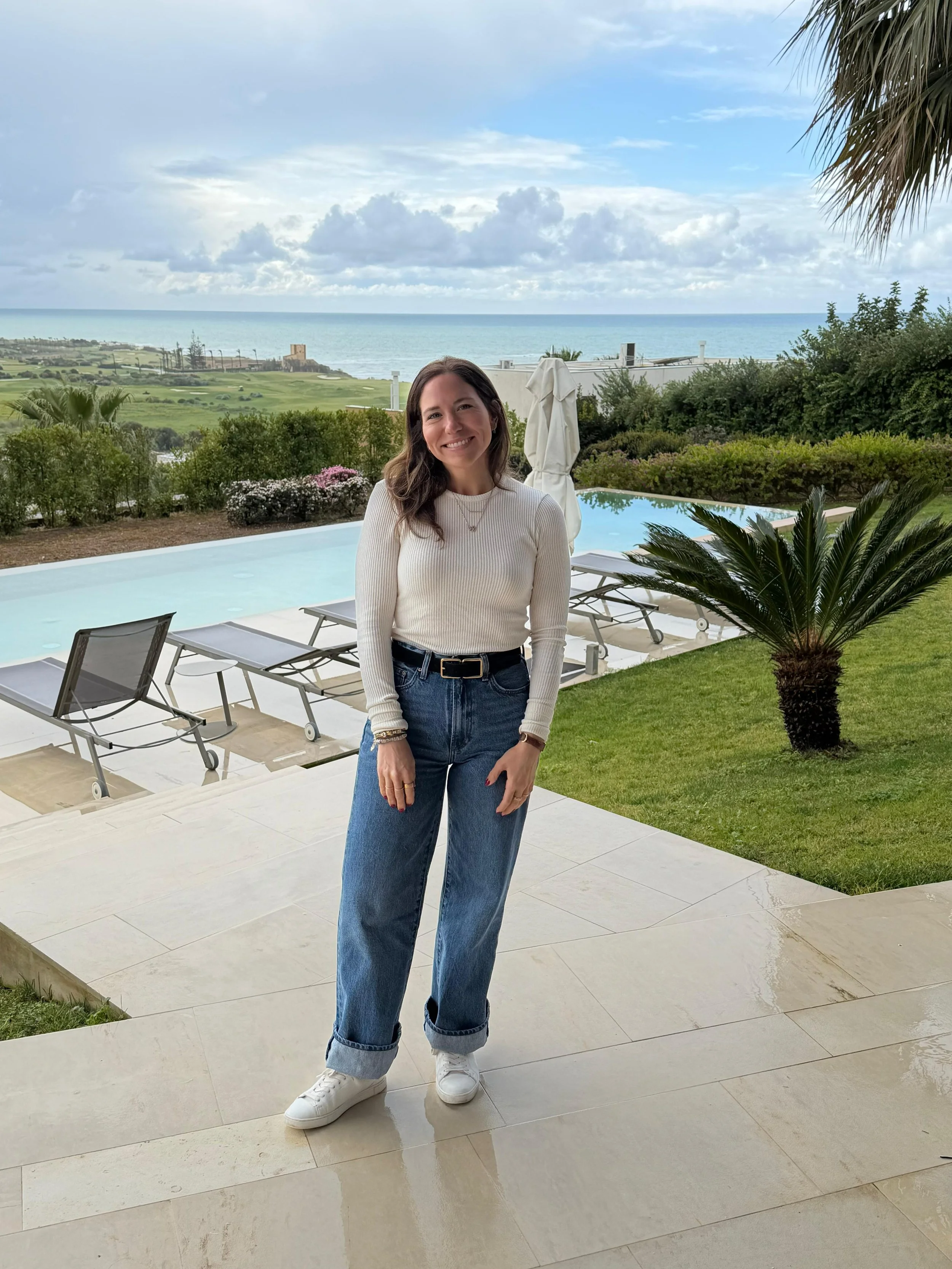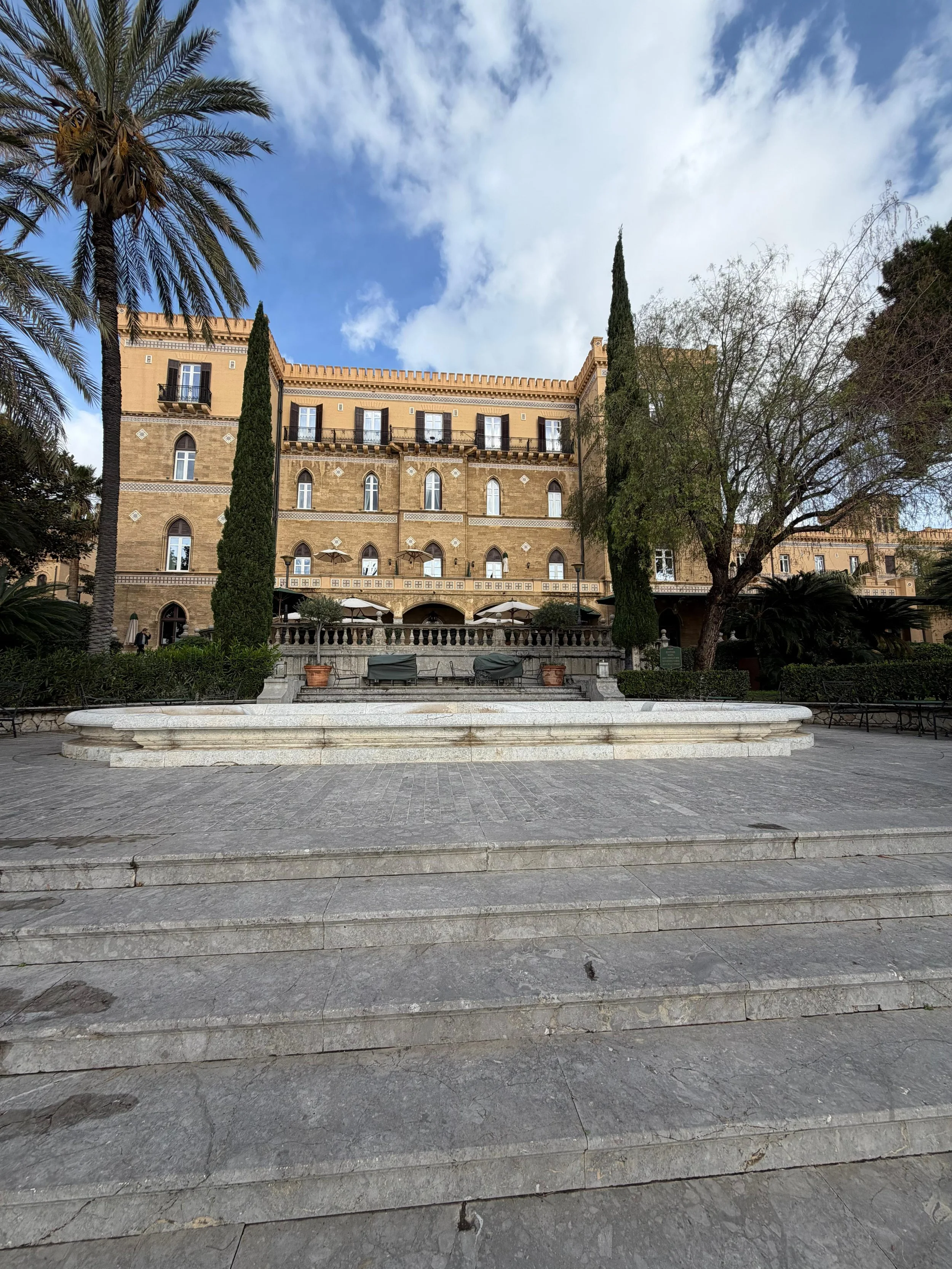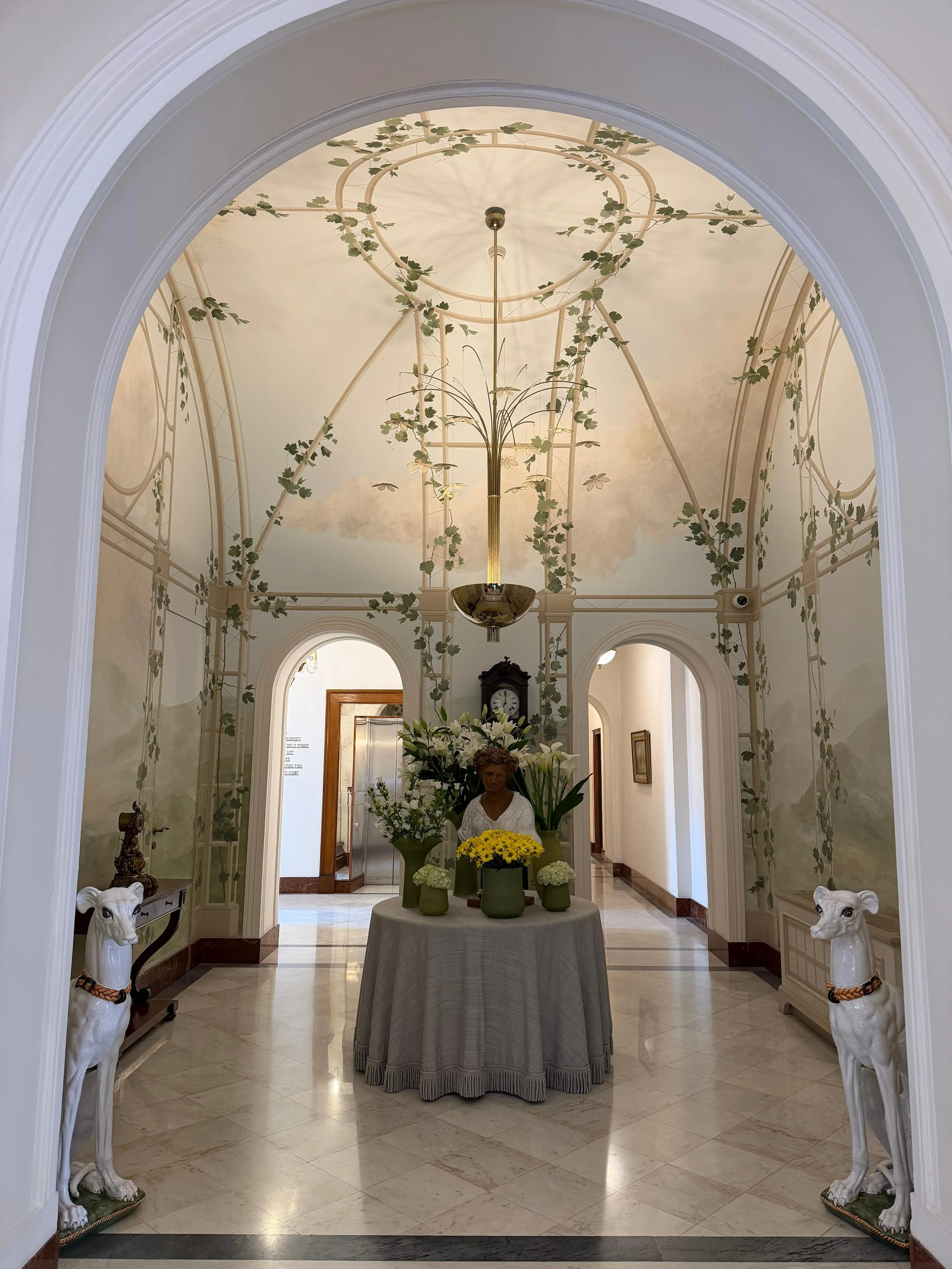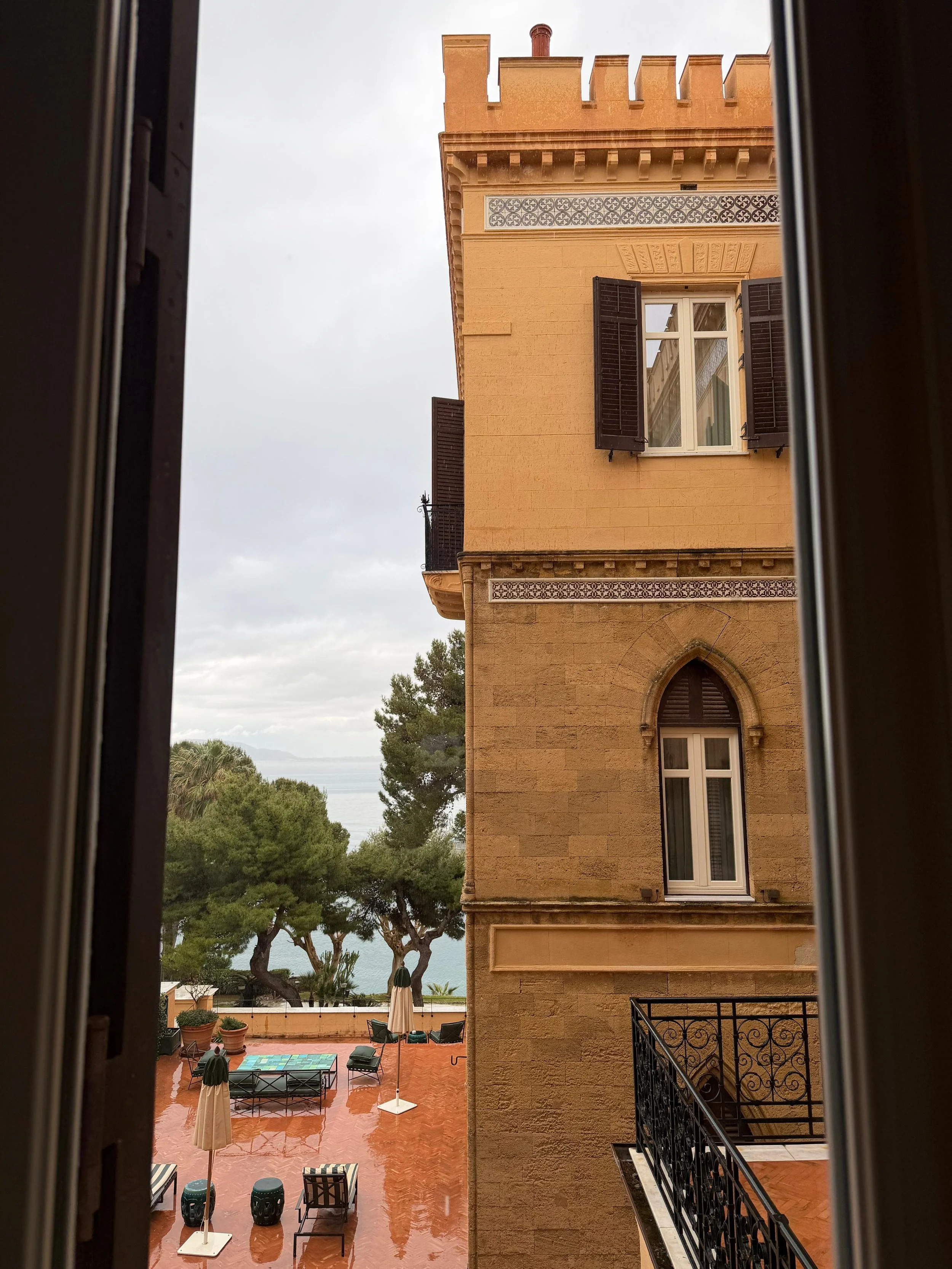
How to Book Your Hotel Through KJ TRAVEL's New Portal (And Unlock Exclusive Perks)

At KJ Travel, we know your time is one of your most valuable assets, and we never take that lightly. That’s why we are always looking for smarter, more seamless ways to support all your travel needs.

We are excited to introduce our new hotel booking portal, an effortless way to book luxury hotels, access your exclusive KJ Travel perks, all in just a few clicks. As a preferred travel partner, we work with more than two dozen world-renowned hotel brands, including Marriott Luxury Group, Belmond, Rocco Forte, Rosewood, Four Seasons, and Virtuoso, among many others.

When you book one of our preferred partner hotels through KJ Travel, you will automatically enjoy exclusive benefits such as hotel credits, complimentary breakfast, room upgrades, and flexible check-in and check-out (based on availability) with no extra steps required.

Here's how it works:

Step 1: As always, your KJT advisor is your first stop, they'll provide you with a special access code.

Step 2: Click here or go to https://kjtravel.travelwits.com/

That's all it takes. A few clicks, and your hotel is booked, complete with the perks you know and love.

As always, our KJ Travel advisors are here if you need any guidance along the way. Whether you're planning your next getaway or locking in dates for a future trip, your next great stay and KJ Travel perks are just a few clicks away.

Ready to book your favorite luxury hotel?

Three Cities. Three Hotels. One Extraordinary Luxury Journey Through London, Paris & Baden-Baden

Today’s travelers are not simply looking for beautiful hotels or iconic cities. They are looking for journeys that feel personal and deeply connected to a place. The experience matters just as much as the destination itself.

Chelsea recently experienced exactly that during an Oetker Collection journey through London, Paris, and Baden-Baden,  three destinations connected by one remarkable standard of hospitality.

From refined London elegance at The Lanesborough to the timeless sophistication of Le Bristol Paris and the restorative atmosphere of Brenners Park-Hotel & Spa in Germany’s Black Forest region, the itinerary showcased a slower, more immersive side of Europe centered around exceptional hotels.

London: Classic Elegance at The Lanesborough

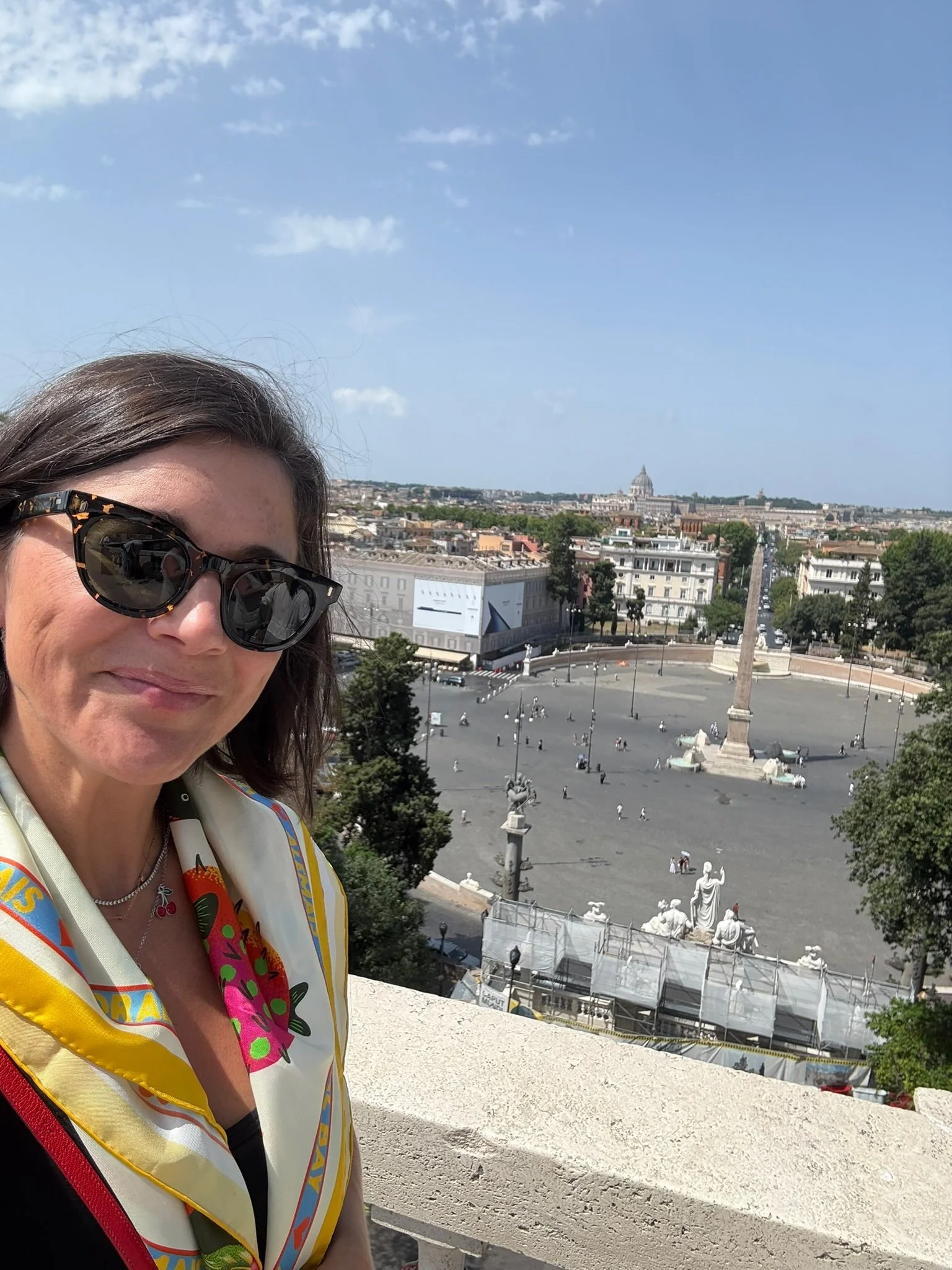
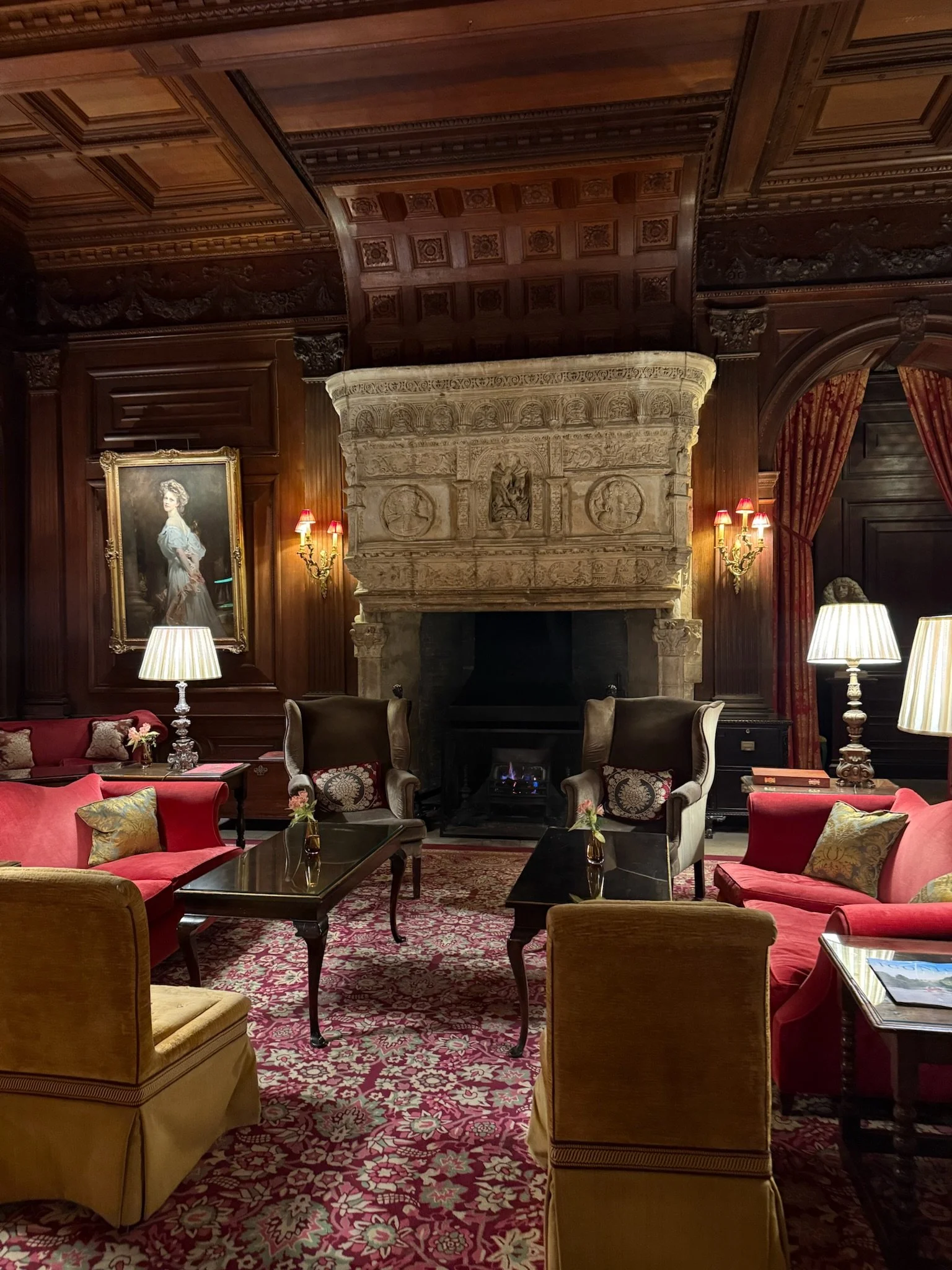
Chelsea’s journey began in London at The Lanesborough, one of the city’s most distinguished luxury hotels overlooking Hyde Park Corner in Belgravia.

What immediately stands out about The Lanesborough is its atmosphere. While undeniably grand, the hotel feels intimate rather than overly formal. The service is polished yet warm, creating the feeling of stepping into a private London residence instead of a traditional luxury hotel.

For travelers planning luxury family holidays in London, The Lanesborough offers a quieter and more sophisticated base, with spacious accommodations and easy access to Hyde Park, Knightsbridge, and some of the city’s best shopping and cultural attractions.

For luxury travelers who prioritize privacy and personalized service, The Lanesborough delivers exceptionally well. Dedicated butler service for every room and suite reinforces the hotel’s highly attentive approach to hospitality and adds to the sense of comfort that sets it apart from many of London’s larger luxury hotels.

The location is another major advantage. Positioned between Belgravia, Knightsbridge, and Hyde Park, the hotel offers immediate access to some of London’s best shopping, dining, and green spaces while still maintaining a quieter atmosphere than many of the city’s busier luxury addresses. For travelers who want London energy without constant crowds, the setting feels ideal.

Chelsea’s experience leaned fully into classic British luxury with thoughtful modern touches.

One highlight was the hotel’s Bridgerton-inspired afternoon tea in The Withdrawing Room. The setting felt theatrical in the best way, combining Regency-era elegance with impeccable presentation.

Wellness also played a major role during the stay. Guests spent time at The Lanesborough Club & Spa, widely considered one of London’s leading wellness destinations. More private members’ club than traditional hotel spa, the space offers advanced fitness facilities, expert-led treatments, hydrotherapy experiences, and an atmosphere designed for longer stays and slower routines.

Beyond the hotel, the itinerary focused on experiencing London through a more refined local lens. A panoramic black cab tour offered a stylish introduction to the city’s historic landmarks and neighborhoods, followed by shopping and time to explore Belgravia’s elegant streets.

Evenings centered around sophisticated dining and classic cocktail culture. Pre-dinner drinks at The Library Bar, home to one of the city’s most impressive cognac collections, perfectly captured the timeless character of the hotel.

For travelers seeking a London experience that feels discreet, elegant, and deeply connected to the city’s heritage, The Lanesborough continues to set the standard.

Paris: The Art of Parisian Luxury at Le Bristol Paris

Chelsea's journey continued aboard the Eurostar to Paris, where Le Bristol Paris offered a completely different expression of European luxury.

If London felt classic and club-like, Paris felt effortlessly glamorous.

Located on Rue du Faubourg Saint-Honoré, Le Bristol is one of Paris’s most iconic palace hotels, known for combining traditional French elegance with a warmth that feels genuinely welcoming rather than overly formal. The location places guests in the heart of Paris’s luxury shopping and cultural district while still maintaining a quiet, residential atmosphere that feels removed from the city’s busiest tourist areas.

For discerning travelers, that balance is part of what makes Le Bristol so appealing. While many Paris palace hotels lean heavily into grandeur, Le Bristol feels softer, more intimate, and remarkably livable. The hotel has long attracted guests who return to Paris regularly and want a stay that feels elegant without feeling overwhelmed.

The stay focused heavily on gastronomy, craftsmanship, and the refined details that define Parisian luxury.

Guests enjoyed lunch at Café Antonia before unwinding at Le Bristol Spa by La Mer, where wellness and exceptional skincare expertise come together in one of the city’s most serene settings. The spa’s calm atmosphere feels particularly valuable after a day in Paris, offering a quieter and more restorative side of the city experience. Le Bristol’s rooftop swimming pool overlooking the Paris skyline adds another layer of exclusivity rarely found among the city’s palace hotels.

One of the most memorable experiences was visiting the Ateliers du Bristol, offering a behind-the-scenes look at the artistry and savoir-faire that shape the hotel’s identity. Experiences like this reveal what truly separates legendary hotels from simply beautiful ones.

Dining naturally became a centerpiece of the stay. Breakfast at Epicure, the hotel’s three-Michelin-starred restaurant, highlighted the extraordinary precision and hospitality that Le Bristol is known for worldwide. Rather than feeling overly formal, the experience reflects the hotel’s overall philosophy: refined, deeply attentive, and quietly confident.

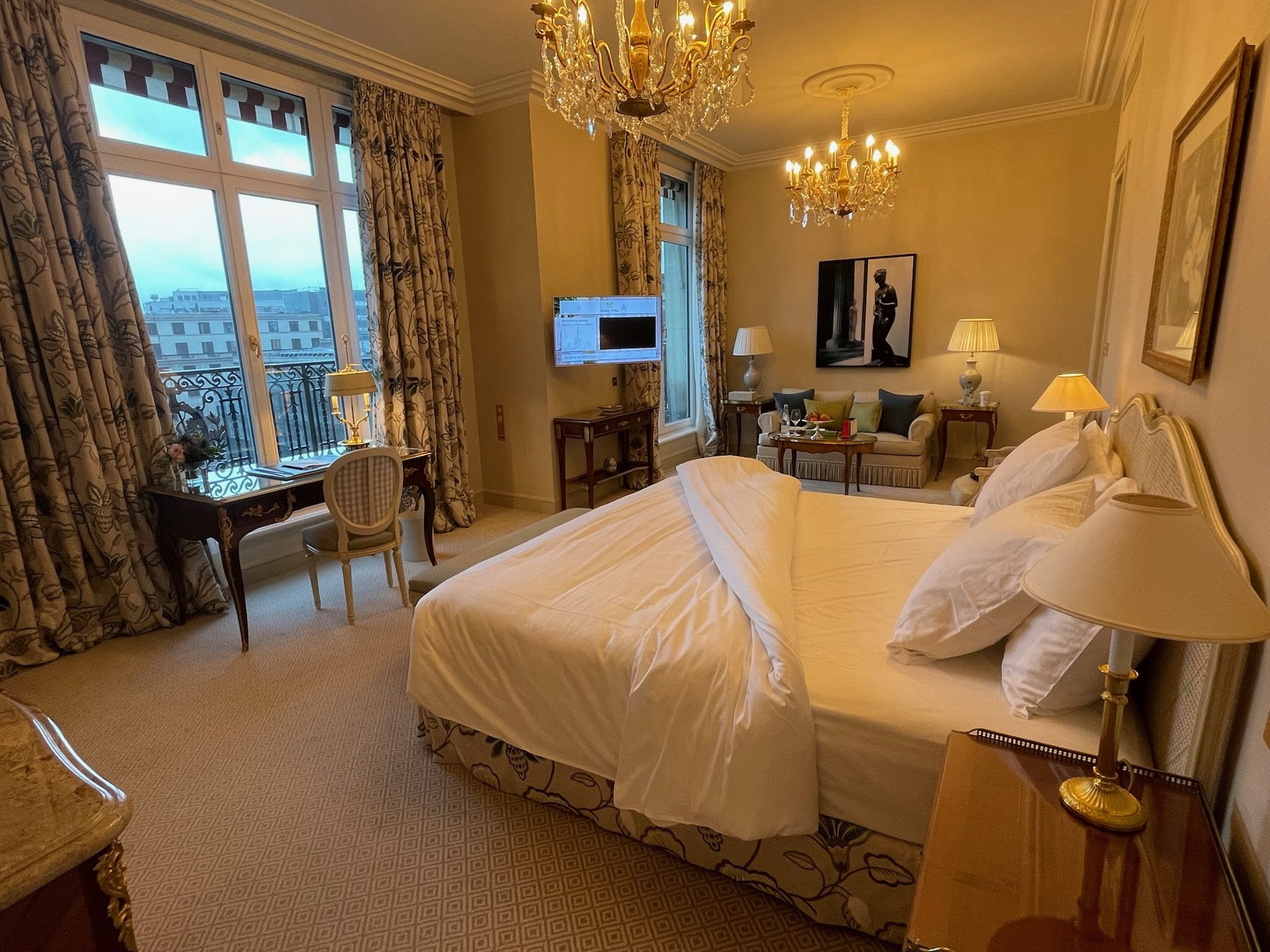
Chelsea's visit included a Parisian city experience and evenings spent inside the hotel’s recently redesigned Signature Suites, which feel like elegant Parisian residences. Spacious layouts, classic detailing, and exceptional natural light create the comfort luxury travelers increasingly prioritize for longer stays in Europe.

For travelers who appreciate understated sophistication, exceptional service, and a more residential approach to Parisian luxury, Le Bristol remains one of the city’s defining addresses.

Baden-Baden: Europe’s Most Elegant Wellness Escape

After the energy of London and Paris, Baden-Baden introduced a slower and more restorative side of European luxury. The journey continued via TGV to Strasbourg before arriving at Brenners Park-Hotel & Spa, one of Germany’s most celebrated wellness hotels.

Set alongside the tree-lined Lichtentaler Allee, Brenners feels deeply connected to nature while maintaining the elegance and highly personalized service expected from Oetker Collection. The atmosphere is calm, discreet, and intentionally unhurried, a sharp contrast to the pace of Europe’s larger capitals. For many luxury travelers, that slower rhythm is exactly the appeal.

Baden-Baden has long been known as one of Europe’s great spa and wellness destinations, attracting visitors seeking wellness, fresh air, and restorative experiences for generations. Today, it continues to resonate with travelers looking for a more understated form of luxury centered around well-being, privacy, and meaningful experiences rather than constant activity.
Chelsea's experience focused on wellness, craftsmanship, and outdoor experiences.

Guests enjoyed time at Brenners Spa, where treatments and wellness facilities are designed around relaxation, longevity, and balance rather than quick, trend-driven experiences. Villa Stéphanie, the hotel’s dedicated wellness retreat, has become one of Europe’s leading destinations for travelers prioritizing restorative wellness and long-term well-being. The property’s connection to nature creates an immediate sense of calm, making it particularly appealing for travelers spending multiple weeks throughout Europe.

The experience also highlighted the region’s strong appreciation for craftsmanship. A visit to artisan shoemaker Vickermann & Stoya offered a glimpse into the world of bespoke leather goods and custom shoemaking, reflecting the same attention to detail and personalization found throughout the hotel experience.

The following day showcased the natural beauty of the region through a guided e-bike ride across Baden-Baden and the Black Forest, followed by a vineyard picnic lunch surrounded by rolling countryside. Experiences like these reveal a quieter and more immersive side of luxury travel, one centered less on sightseeing and more on how a destination makes travelers feel.

The balance between wellness, culture, and gastronomy made this portion of the trip especially memorable. Visits to Museum Frieder Burda added an artistic layer to the experience, while dinners at Wintergarten and Fritz & Felix highlighted the region’s blend of French influence and contemporary German cuisine.

Baden-Baden may not appear on every traditional luxury Europe itinerary, but that is precisely what makes it so compelling. It offers privacy, wellness, natural beauty, and a quieter sophistication that perfectly complements Europe’s larger cities, particularly for travelers seeking a more balanced and intentional style of luxury travel.

Final Thoughts

Europe will always have iconic cities and legendary hotels. What truly defines a luxury journey today is how those experiences come together.

This particular itinerary through London, Paris, and Baden-Baden demonstrated how three completely different destinations can feel connected through extraordinary hospitality, thoughtful pacing, and a deep sense of place.

Through The Lanesborough, Le Bristol Paris, and Brenners Park-Hotel & Spa, Oetker Collection delivered more than luxury accommodations. It created a journey that felt immersive, elegant, and unforgettable from beginning to end. For travelers looking to experience Europe through its most iconic hotels while slowing down enough to truly enjoy it, this is exactly the kind of journey worth taking.
As an Oetker Pearl partner KJ Travel unlocks special perks for clients that are looking to book Oetker Collection hotels across the globe.

Ready to book your next great stay? Contact a KJ Travel advisor today!

Luxury Travel Details That Make Every Trip Extraordinary

The most seamless luxury trips are shaped by what happens behind the scenes. VIP airport assistance, thoughtful pacing, real-time support, and carefully managed logistics remove friction and allow the experience to unfold with ease.

Luxury travel is often associated with where you stay. A private villa overlooking the sea. A suite with uninterrupted views. A perfectly located hotel. But what truly defines a luxury travel experience is how the journey feels from beginning to end.

The best trips are not only well designed. They are carefully supported at every stage, with details many travelers do not think about until they experience the difference themselves.

At this level, luxury is not simply about comfort. It is about ease. Time. Access. Privacy. Flow.

These are the travel details that quietly transform the entire experience.

1. A SMOOTH ARRIVAL, NO MATTER THE DESTINATION

After a long-haul flight, the airport experience can shape the first 24 hours of a trip.

Crowded immigration halls, long waits, delayed luggage, and complicated connections immediately drain energy from the experience, especially during peak travel periods in Europe and other high-traffic destinations.
VIP airport services help remove that friction.

A personal greeter meets travelers upon arrival, either at the gate where permitted or shortly after landing. From there, travelers are escorted through expedited immigration, assisted with luggage, and guided directly to their private driver.

For connections, this same level of support becomes even more valuable. In large international airports, navigating terminals, security checks, and timing between flights can quickly become stressful without guidance.

The goal is not simply convenience. It is protecting energy, time, and peace of mind from the moment the journey begins.

2. SUPPORT, WHEREVER THE TRIP LEADS

Travel is always dynamic and more often than not, unpredictable. Flights are delayed. Weather impacts schedules. Even the most carefully planned itineraries occasionally need adjustments along the way.

This is where real-time support becomes one of the most valuable parts of the experience. Access to a trusted local contact allows changes to happen quickly and quietly behind the scenes. 

This level of support is especially valuable in destinations where language barriers, complex logistics, or seasonal demand create additional challenges.

The experience remains seamless because someone is always managing the details in real time.

3. SEAMLESS MOVEMENT THROUGHOUT THE TRIP

One of the most overlooked parts of luxury travel is how travelers move between experiences.

Transitions are where travel fatigue often appears. Waiting for transportation, coordinating drivers, managing luggage, or navigating unfamiliar logistics can interrupt the flow of even the most beautiful itinerary.

Private drivers can be arranged, allowing the day to evolve naturally without watching the clock or coordinating every movement. In destinations where traffic, weather, or timing can shift throughout the day, this flexibility becomes invaluable.

In countries such as Japan and Italy, luggage can often be sent ahead to the next hotel, allowing travelers to move comfortably between destinations without handling bags along the way.

Every transfer is planned intentionally so the experience continues smoothly from one moment to the next.

4. EVERYTHING IN ONE PLACE, ALWAYS UP TO DATE

A well-designed itinerary is far more than a schedule. It becomes the central point for the entire journey.

With a dedicated itinerary app  (like the one we use at KJT. We're looking at you AXUS), flights, hotel reservations, dining confirmations, transfers, private tours, and curated recommendations all live in one place. Maps, contact details, and daily timing are immediately accessible. More importantly, updates can be made in real time.

Restaurant reservations shift. Weather changes. Timing evolves throughout a trip. Having one dynamic itinerary eliminates uncertainty and prevents travelers from searching through emails, screenshots, or paperwork while abroad.

The experience feels smoother because every detail remains clear, current, and easy to access.

5. ACCESS THAT ELEVATES THE EXPERIENCE

What makes a destination memorable is often not only what is seen, but how it is experienced.

Private guides provide context and insight that completely change the understanding of a place. Early or after-hours access, where available, creates a quieter and more personal atmosphere that simply does not exist during public visiting hours.

In many destinations, privacy itself has become one of the greatest luxuries in travel.

Select experiences such as a private boat along the Amalfi Coast, exclusive vineyard visits, or a helicopter transfer over remote landscapes are chosen carefully and added where they create the most impact.

These moments are designed to create comfort, access, perspective, and a deeper connection to the destination itself.

6. PROTECTION THAT TRAVELS WITH YOU

Luxury travel is a meaningful investment, and protecting that investment is essential.

A well-structured travel insurance policy provides coverage for cancellations, delays, medical care abroad, and emergency evacuation services when needed. This becomes particularly important for more remote or experience-driven itineraries, including safari, yachting, or multi-country travel.

Even exceptionally planned trips can encounter unexpected disruptions. The right coverage helps ensure those moments are manageable without compromising the overall experience. At this level, travel insurance is not simply a formality. It is part of traveling well.
THE BOTTOM LINE

The most exceptional trips are not defined only by the hotel or destination. They are defined by how everything feels along the way.

When every detail is taken care of, every transition is smooth, and support is always within reach, travel becomes what it is meant to be. Immersive and deeply enjoyable. Thoughtful planning and the right support make all the difference along the way.

We can't wait to help you plan your next great adventure! Get in touch with a KJ TRAVEL advisor today.

Four Seasons I: The Voyages You Need To Start Exploring

Quick Take

Four Seasons I is the world's most exclusive new yacht joining the era of the superyachts with 95 suites, nearly 190 guests, and a crew that almost matches them one-to-one. It launched in March 2026 and sails the Mediterranean in summer, the Caribbean and Bahamas in winter.

Who is it for? Travelers who already know what a great hotel feels like and want that same feeling on the water, without compromising on space, service, or where the ship can actually go.

What makes it different? This luxury yacht is small enough to dock where cruise ships cannot, big enough to carry 11 restaurants and a nearly 10,000-square-foot penthouse. Most ports are visited as overnight, not rushed half-day stops.

What Traveling on Four Seasons I Actually Feels Like

More often than not, travel  stops being about the destination and starts being about the entire experience, in this case: the ship, the service, the sense of arrival, and the way time moves differently when you're in the middle of the sea.

The voyages available in 2026 and 2027, spanning the Mediterranean, the Adriatic, the Caribbean, the Bahamas, and upcoming Egypt and Costa Rica, make a genuinely compelling case for rethinking what seeing the world onboard a luxury cruise ship can look like.

The Yacht Up Close

Before getting into the voyages, it's worth knowing a few numbers. Four Seasons I carries 95 suites, with the entry-level Seaview Suite at 473 square feet (58% larger than the entry suite on the Ritz-Carlton's smallest yacht) and the Funnel Suite at nearly 10,000 square feet across four levels, making it one of the largest accommodations afloat anywhere in the world. Approximately 190 crew look after approximately 190 guests, a nearly 1:1 ratio that produces service which anticipates rather than reacts. Eleven dining and bar venues are available simultaneously and not on a schedule, from 24-hour in-suite dining to a champagne and caviar bar. A transverse marina opens on both sides of the yacht, putting kayaks, paddleboards, and the open sea directly within reach.

The Voyages That Will Have You Booking Now

With 32 voyages across the inaugural year and 33 more announced for 2027, these are the itineraries we think are worth paying close attention to (and booking ASAP).

1. The Rivieras: Porto Cervo and Saint-Tropez

Route: Monte Carlo to Portovenere to Porto Cervo to Fréjus to Saint-Tropez to Port-Vendres to Palma de Mallorca
Length: 7 nights | Dates: August 9-16 and August 23-30, 2026 

Summer on the French and Italian Rivieras, need we say more? The beach clubs are at full swing. The harbor at Saint-Tropez is entirely given over to the global yachting set. Porto Cervo, on Sardinia's Costa Smeralda, is doing exactly what it was built to do: host the world's finest yachts in one of the Mediterranean's most beautiful bays. This is the Riviera at its most alive, and this voyage puts travelers at the center of it.

The route opens in Monaco, sweeps south along the Ligurian coast to Portovenere, crosses to Porto Cervo at the height of the Costa Smeralda season, runs along the Côte d'Azur through Fréjus and Saint-Tropez, and finishes in Palma de Mallorca. The Mediterranean's greatest hits, in the right order, at the right time of year.

2. The Istrian Riviera: Hvar to Venice

Route: Dubrovnik to Hvar to Trogir to Mali Lošinj to Porec to Rovinj to Piran to Venice
Length: 7 nights | Dates: June 14-21 and June 28 to July 5, 2026 

Most travelers know Dubrovnik. Fewer know what lies north of it.

The Istrian Riviera, running up through Croatia's Dalmatian islands, past the limestone-terraced coast of Istria, and into the Venetian-influenced towns of Slovenia, is one of Europe's most beautiful and undervisited stretches of coastline. This voyage traces it end to end, then finishes in Venice.

Mali Lošinj is a car-free Croatian island with Roman-era pine forests, clear Adriatic water, and a harbor town so well-preserved. Rovinj is a hilltop Venetian town that climbs a rocky peninsula above its harbor, cobblestoned, bell-towered, and beautiful. Piran is Slovenia's only coastal town: a miniature Venice on the Adriatic, almost entirely overlooked by international travelers. Venice is the grand finale.

3. The Ionian and Dalmatian Coast

Route: Athens to Monemvasia to Pýlos to Cephalonia to Corfu to Tivat to Primošten to Brac to Dubrovnik
Length: 9 nights | Dates: June 5-14, 2026 

This is the voyage for the traveler who has already done Santorini. It opens in Athens and immediately navigates into places that almost never appear on standard Mediterranean itineraries. 

Monemvasia is a Byzantine rock fortress rising from the Peloponnese coast. Its name literally means "single entrance" in Greek, and the medieval town is accessible only by a narrow causeway connecting it to the mainland. Inside: Byzantine churches, ancient ruins, and stone lanes unchanged in centuries. No cars. No large hotels. Essentially no tourists other than those who specifically seek it out. 

The Bay of Navarino at Pýlos is where one of history's most decisive naval battles was fought in 1827. The bay is now a protected wetland, deep and still, overlooked by a Venetian fortress.

Tivat, Montenegro sits at the entrance to the Bay of Kotor, one of the Mediterranean's most dramatic inland waterways, ringed by mountains and medieval towns.

For the culturally curious luxury traveler, this nine-night itinerary delivers a version of the Mediterranean that most people never reach.

4. The Rivieras: Bonifacio and Positano

Route: Monte Carlo to Bonifacio to Ponza to Amalfi to Positano to Gozo to Valletta
Length: 7 nights | Dates: September 6-13, 2026 

September in the Mediterranean. The crowds have thinned. The light has changed. The water is at its warmest.

This voyage earns its reputation on two ports alone.

Bonifacio sits at the southern tip of Corsica, its medieval old town perched on white limestone cliffs seventy meters above the sea. The view from the water, with fortress walls hanging over the cliff edge and the Strait of Bonifacio below, is one of the Mediterranean's great arrivals. There is genuinely no way to appreciate Bonifacio without approaching it by sea.

Ponza is Italy's best-kept secret: a small volcanic island off the Lazio coast, three hours by ferry from Rome and worlds away from the tourist circuit. The harbor fills each summer with Italian superyachts. There is no airport, minimal hotel infrastructure, and almost nothing to do except swim, eat remarkably well, and live the Dolce Vita at its fullest.

This is the voyage for the traveler who wants to say they have been to Italy and mean somewhere entirely new.

5. The Grand Mediterranean: Ischia, Stromboli, and the Aeolian Islands

Route: Valletta to Stromboli to Lipari to Ischia to Porto Ercole to Cavalaire-sur-Mer to Saint-Cyr to Monte Carlo
Length: 7 nights | Dates: August 2-9, 2026 

One detail sets this voyage apart from everything else in the 2026 program: Stromboli at night.

Stromboli is an active volcano in the Aeolian Islands, one of Europe's most consistently active, in near-continuous eruption for over 2,000 years. Small explosive bursts of glowing lava occur roughly every 10 to 20 minutes from the summit craters, giving rise to its ancient nickname: the "Lighthouse of the Mediterranean." From the sea, anchored offshore at dusk, the spectacle is unlike anything else in the Mediterranean.

The voyage builds around this: opening in Malta, sailing through the Aeolian Islands (Stromboli and Lipari), stopping at Ischia, the thermal island in the Amalfi Coast and finishing on the Côte d'Azur.

For travelers who have covered the Italian and French coasts before, the Aeolian Islands add a dimension of geological wonder.

The Non-Traditional Ports: Where the Yacht Goes That Others Cannot

One of the most consistent themes in Four Seasons Yachts' approach to itinerary planning is the deliberate inclusion of ports that simply do not appear on large-ship itineraries: either because the harbor is too small or the anchorage too shallow.

Portovenere, Italy (Ligurian Riviera) Standing at the gateway to the Cinque Terre on a rocky promontory above the Gulf of La Spezia (known as the Gulf of Poet), Portovenere is a UNESCO World Heritage site that receives a fraction of the tourist traffic of its famous neighbors.

Gozo, Malta Malta's quieter sister island is home to the Ggantija Temples, among the world's oldest freestanding structures, pre-dating both Stonehenge and the Egyptian pyramids by over 1,000 years and recognized by UNESCO.

Monemvasia, Greece - A medieval fortified rock rising from the Peloponnese coast. One causeway in, its very name meaning "single entrance" in Greek. Inside: Byzantine churches, ancient ruins, and stone lanes unchanged in centuries. Essentially no tourists other than those who specifically seek it out. 

Cassis, France - Thirty minutes east of Marseille, at the foot of France's highest coastal cliffs, sits a small Provençal fishing village surrounded by white wine vineyards and dramatic limestone gorges (the Calanques).

Ponza, Italy - Already described above, but worth repeating: this is the Italian yachting elite's most closely guarded secret.

Looking Ahead: The 2027 Season

For travelers already thinking beyond 2026, the 2027 Mediterranean season is worth knowing about now, as it introduces 33 entirely new voyages with no repeated itineraries from the inaugural year. Four Seasons II is confirmed to debut in 2027 as the second vessel in the fleet.

The headline addition is Egypt.

Three voyages feature Egypt as the central destination: two 7-night Eastern Mediterranean sailings and a 14-night Grand Mediterranean journey that combines both. Every Egypt luxury itinerary includes overnight stays in port, specifically programmed to allow proper time ashore, including a full day at the Pyramids of Giza, the Valley of the Kings, Luxor Temple, and Alexandria's storied waterfront.

This Is Just the Beginning

If the 2027 Mediterranean season signals ambition, the 2027-2028 Caribbean season confirms that Four Seasons Yachts is only getting started.

Costa Rica makes its debut as part of an entirely new Caribbean lineup featuring 18 voyages and 18 new destinations. Four Seasons I will call Marina Papagayo and Bahía Golfito: two private marina gateways that open onto coastlines, wildlife refuges, and protected ecosystems that most travelers never reach.
Marina Papagayo sits within Culebra Bay on the Guanacaste Peninsula, framed by dry tropical forest and calm Pacific waters. It sits just minutes from Four Seasons Resort Peninsula Papagayo, which means guests can move seamlessly between the yacht and one of Central America's most celebrated resort properties. Snorkeling sheltered coves, kayaking the peninsula, and hiking trails alive with howler monkeys, iguanas, and tropical birds are all on offer. Select January and February sailings are timed to coincide with humpback whale migration along Costa Rica's Pacific coast.

The same season also introduces a 9-night Lesser Antilles voyage featuring Barbados and Dominica (April 16-25, 2028). Dominica is one of the most compelling islands in the Eastern Caribbean and one of the least visited: no mass-market resort strips, no large-ship crowds, just dense rainforest, boiling lakes, world-class diving on untouched reefs, and some of the best whale watching in the Atlantic. Barbados anchors the voyage with its polished, sun-drenched elegance. Together, they make a pairing that is as contrasting as it is well-matched.

For travelers who want something genuinely new, this is worth watching closely.

The Right Voyage Is Waiting

The voyages, the ports, the suite sizes, the crew ratio: the details add up to something that is genuinely difficult to find elsewhere at sea. Four Seasons I is built for travelers who have stopped settling.

KJ Travel is a Four Seasons Preferred Partner. For personalized voyage recommendations, suite selection, and exclusive partner benefits on Four Seasons Yachts sailings, contact a KJT Advisor.

FAQ: Four Seasons Yachts

How is Four Seasons Yachts different from a regular luxury cruise? The primary differences are scale, service, and access. With approximately 190 guests maximum and nearly a 1:1 crew ratio, the experience is closer to a private yacht than a cruise ship. The smaller vessel size allows access to ports that large cruise ships cannot enter: boutique harbors, yacht-only anchorages, and shallow-water destinations. Suite sizes start at 473 square feet of interior space, significantly larger than standard cruise ship cabins.

How much does a Four Seasons Yacht voyage cost? Pricing starts from approximately $3,000 per suite per night, with total voyage costs ranging from around $19,900 per suite for a 7-night Caribbean sailing to $52,000 or more per suite for the 9-night Ionian and Dalmatian Coast voyage.
When will the Four Seasons Yacht sail the Mediterranean? Mediterranean sailings run from spring through autumn, typically from March to November. The 2026 inaugural Mediterranean season includes Greek Isles, Adriatic Sea, Ionian Coast, French and Italian Riviera, and Balearic Islands voyages. The 2027 Mediterranean season adds Egypt, Morocco, Portugal, and more than 40 new destinations.

Can Four Seasons Yacht be chartered privately? Yes. Full yacht charters are available for large celebrations, family reunions, and private events. With 95 suites and 11 dining venues, Four Seasons I can accommodate significant groups while maintaining the full level of personalized service.

What ports do Four Seasons Yacht visit that other ships cannot? Several ports on the itinerary are only accessible to vessels of this size, including Palmetto Point (Barbuda), the Exuma Sound cays (Bahamas), Ponza (Italy), Monemvasia (Greece), and various small Adriatic harbors. In many of these destinations, Four Seasons I is confirmed to be the only vessel in port.

One&Only Moonlight Basin vs. Montage Big Sky: Montana's Two Greatest Luxury Mountain Resorts

QUICK TAKE

Both One&Only Moonlight Basin and Montage Big Sky deliver five-star luxury skiing at the foot of America's biggest ski mountain, but they could not feel more different.

One&Only is intimate and design-forward: a boutique hideaway for guests who want seclusion and natural beauty. Montage is bold, social, and built for groups: Montana's largest spa, five dining outlets, and enough on-site programming that a multi-generational family could stay a week without running out of things to do.

The right choice comes down to one question: do you want to disappear into the mountain, or do you want the mountain to come alive around you?

TWO ADDRESSES. ONE LEGENDARY MOUNTAIN.

Big Sky, Montana already had one of the most compelling arguments in luxury travel: the largest ski resort in America for now, big-sky views that actually live up to the name, and a proximity to Yellowstone that turns a ski trip into something far more memorable. Montage Big Sky opened in December 2021 and immediately set a new standard for the region. Then, in November 2025, One&Only Moonlight Basin arrived as the brand's first-ever resort in the United States and raised the stakes entirely.

Now, for the first time, luxury travelers arriving in Big Sky have a genuine choice to make. And it's a meaningful one.

Kate just returned from spending time at both properties and came back with a clear sense of who belongs where. Here's the full breakdown.

ONE&ONLY MOONLIGHT BASIN VS. MONTAGE BIG SKY: LOCATION AND MOUNTAIN ACCESS

Montage Big Sky's convenient Spanish Peaks enclave offers ski-in/ski-out access to the Lewis & Clark lift and a quick 12-minute drive to downtown, suiting seamless family adventures and town proximity, while One&Only Moonlight Basin's secluded Moonlight Basin setting on Lone Peak's north side provides gondola ski access and a 20-25 minute twisty-road drive from town, ideal for privacy and intimate mountain immersion. Both properties sit at stunning alpine elevations around 7,700 feet, with Yellowstone under an hour away and year-round access to Big Sky Resort's vast terrain, enabling trips tailored for all kinds of pace and activities. If a mountain getaway is what you’re looking for this summer, make sure to explore the summer trails at Big Ski.

ONE&ONLY MOONLIGHT BASIN

If this resort were a person, it would be that quiet, effortlessly cool friend who knows every hidden corner of Montana and somehow makes you feel like you've discovered something the rest of the world hasn't found yet. This is One&Only's first alpine resort and first U.S. property.

The Accommodations

Spread across three lodges, 73 guest rooms and suites, and 19 freestanding cabins, the property is deliberately intimate. The main lodge hosts just 7 rooms. The Lone Mountain View rooms are the most requested on property, and the views of the Madison Mountain Range are cinematic in every season.

Rooms connect from a king to a double queen for families. The Meadow Cabin works well for a couple plus young children. The Alpine Cabins are more secluded with beautiful plaster wall finishes at a slightly higher price point. A few practical notes: no rollaways or pull-out sofas, suites max at three occupants, and chaise lounges are available for kids up to age 5. For full residential privacy, the Signature 5-bedroom home has no nightly minimums and includes ski rentals.

The Dining

Six restaurants and bars anchor the property. Akira Back brings Michelin-starred Japanese-Korean cuisine. Wildwood handles ranch-to-table breakfasts. The Landing sits steps from the gondola for casual alpine comfort food. After dark, the Moonshack and Speakeasy, both set in an original 1800s trappers cabin, are adults-only, hotel guests only, and two of the most memorable evening experiences in Montana.

The Mountain and Activities 

Private ski guides meet guests at the Sky Lodge. Golf tee times (two guaranteed per day in summer) need to be requested at booking as they fill fast. Tuesday evenings bring rodeos at nearby Lone Mountain Ranch. The on-site observatory, housing one of fewer than 10 PlaneWave CDK700 telescopes in the country, offers guided stargazing sessions that are genuinely unlike anything else at this altitude. The Kids Club (ages 4 and up) is complimentary. Additionally, the property has tennis courts for warm-weather stays, a heated resort pool, and a well-equipped fitness center for those looking to add some extra movement during their stay. 

Choose One&Only Moonlight Basin if you...

  • Want true seclusion and a boutique, design-forward experience

  • Prioritize exceptional dining and one-of-a-kind evening experiences

  • Are traveling as a couple, small group, or with your family

  • Want a private guide, private gondola access, and a resort that feels like it belongs to you

  • Are planning a summer trip with Yellowstone as a natural extension (roughly an hour away)

MONTAGE BIG SKY

If One&Only is where you go to disappear, Montage is where you go to gather. Opened in December 2021 and currently the largest building in Montana, it's a grand resort with interiors that blend mountain warmth with real luxury polish. At 7,000 feet with the Spanish Peaks as a backdrop, it's a setting that delivers on every promise Montana makes.

The Accommodations

With 139 guest rooms, suites, and residences, this property is built for groups and multi-generational travel. Guest rooms run from 1 to 3 bedrooms; residences scale from 4 to 6. One important note before booking: resort view rooms face the driveway. Request peak views on higher floors. The Deluxe Peak one-bedroom suite is the one to ask for: it adds a balcony, pullout couch, and second full bath. Only 8 exist on property, so book early. The 6th floor has vaulted ceilings available on request, and some two-bedroom configurations include bunk beds for higher occupancy.

For larger groups, 14 Mountain Homes (7 in the rental program) offer 5 and 6-bedroom layouts, all ski-in/ski-out with private garages, ski lockers, hot tubs, balcony grills, bunk rooms, dry saunas, in-room dining, and daily housekeeping. Signature homes offer the most secluded positioning and best ski access. Lodge residences have guaranteed bedding configurations; Inn residences are slightly more affordable.

The Dining and Après

Alpenglow anchors all-day dining with live music most evenings and a DJ on weekends. S'mores run nightly from 6 to 8pm. The Rivalry Room, a sports pub with bowling, shuffleboard, arcade games, and golf simulators, is the kind of place families return to every evening. In winter or summer, the Ramcharger 8 gondola up to Everett's 8800 is worth building into any itinerary.

The Mountain and Activities

Ski-in/ski-out access via the Lewis & Clark Chairlift leads directly to beginner and intermediate terrain, with a ski beach at the base for easy post-run gatherings. Compass Sports offers private lessons at a Deer Valley-caliber level. Paintbrush, the kids program for ages 5 to 12, runs morning, afternoon, full-day, and Kids Night Out sessions.

Beyond skiing: tubing, magic carpets, the Founders Loop trail, Ousel Falls hikes, and mountain bikes and e-bikes round out the activity calendar. The 10,000 sq ft Spa Montage is Montana's largest, with an indoor pool open to all guests and three outdoor pools year-round. A Tom Weiskopf 18-hole course plus a new par-3 opening soon makes summer equally compelling. Guided Yellowstone safaris depart directly from the hotel.

Choose Montage Big Sky if you...

  • Are traveling with a multi-generational group or large family

  • Want ski-in/ski-out access with beginner and intermediate terrain steps from the door

  • Value a full on-property entertainment ecosystem: après-ski, bowling, live music, spa

  • Are planning a stay that mixes skiing with spa days, Yellowstone excursions, and lively evenings

  • Need residences sleeping 4 to 6 with the full comforts of a private home plus hotel services

  • Want exceptional kids programming with a structured, resort-style schedule

FAMILY TRAVEL: WHICH RESORT WORKS BETTER?

Montage Big Sky is the stronger family choice, and genuinely one of the best ski family destinations. Paintbrush (ages 5 to 12) covers morning, afternoon, full-day, and Kids Night Out sessions. The Rivalry Room keeps older kids and teens occupied. Beginner terrain is out the front door, and residences with bunk rooms make large-group logistics easy.

One&Only works well for families with older children. The Kids Club (ages 4 and up) is complimentary, and the cabins and private homes offer real privacy. That said, the adults-only evening venues and boutique scale mean the property leans more romantic than family-social.

THE VERDICT

Choose One&Only Moonlight Basin for seclusion, world-class design, and a resort that feels like it belongs entirely to you. Choose Montage Big Sky for the full mountain resort experience: great skiing, great après, a world-class spa, and enough variety that nobody runs out of things to do.

Both are less than 90 minutes from Bozeman Yellowstone International Airport (BZN), and for the right traveler, doing both on a single Montana trip is a very reasonable idea.

Pro Tip: As a Virtuoso member agency and Four Seasons Preferred Partner, KJ Travel unlocks exclusive perks at both properties including room upgrades, resort credits, complimentary breakfast, and early check-in/late checkout where available.

Connect with a KJ Travel advisor today and let us build the Montana experience that's right for you.

And if the mountains are calling beyond Montana, discover thebest luxury ski resorts in the French Alps

FREQUENTLY ASKED QUESTIONS

What is the closest airport to One&Only Moonlight Basin and Montage Big Sky? Both resorts are approximately 50–60 miles from Bozeman Yellowstone International Airport (BZN), making it roughly a 90-minute transfer. Private ground transfers are available and strongly recommended for a seamless arrival.

Which resort has better ski-in/ski-out access? Montage Big Sky has the more direct ski-in/ski-out experience, with the Lewis & Clark Chairlift just 500 yards from the property and easy green-to-blue terrain right from the door. One&Only Moonlight Basin connects to Big Sky Resort via its private One&Only Gondola from the Sky Lodge, with the Madison 8 heated gondola departing from the Madison base. Both deliver excellent mountain access; they simply feel different.

Can you visit Yellowstone National Park from either resort? Yes. Yellowstone's West Entrance is approximately 60 minutes from both properties. Montage Big Sky offers guided Yellowstone safari experiences that depart directly from the hotel. One&Only Moonlight Basin also makes an excellent Yellowstone base, particularly for summer or shoulder-season visits.

Which resort is better for groups or multi-generational travel? Montage Big Sky, without question. The Mountain Homes sleeping 5 to 6 guests, the multi-level residences, the breadth of dining and entertainment options, and the structured kids programming make it significantly better suited to larger parties.

How far in advance should Big Sky luxury trips be booked? For peak winter (Christmas through New Year's, Presidents' Week, and February school holidays), 9 to 12 months in advance is strongly recommended, especially for suites, residences, and mountain homes. Spring and summer trips have somewhat a bit more flexibility, but both properties fill quickly.

What is the best time of year to visit? For skiing: January through March offers the most reliable snow and the full resort experience. For shoulder seasons: late June through September offers hiking, cycling, fly-fishing, Yellowstone excursions, and golf in spectacular alpine conditions with fewer crowds.

Can a travel advisor help with choosing between the two? Absolutely, and it matters more here than at most destinations. The two properties serve genuinely different travel styles. A KJ Travel advisor who knows both properties firsthand can match the right resort to any group's priorities, handle booking logistics, and unlock exclusive partner benefits at both.

Whistler: Fairmont Chateau vs. Four Seasons

QUICK TAKE

Both the Fairmont Chateau Whistler and Four Seasons Resort Whistler are five-star properties delivering exceptional mountain experiences, but they cater to different travel styles. The Fairmont is the ultimate ski-in/ski-out choice for skiers who want to live at the center of the action. The Four Seasons is the better fit for families, groups, or anyone who wants space, privacy, and a more residential feel without sacrificing world-class service.

Two Icons at the Base of the Same Mountain. Two Very Different Experiences.

Whistler delivers on every front. The real question is how you want to experience it.

At the base of Blackcomb Mountain sit two of the most iconic luxury properties in North America: Fairmont Chateau Whistler and Four Seasons Resort Whistler. Both are exceptional. Both offer five-star service. But the feeling of staying at each is entirely different, and that distinction shapes your trip more than most travelers expect.

KJ Travel Advisors Kate & Lenni recently spent time at both properties. What became clear is that choosing between them isn’t about which is better. It’s about which one aligns with how you want your days to unfold.

Fairmont Chateau Whistler

The Setting

There’s a certain kind of ease that comes from staying at the Fairmont Chateau Whistler, and it starts the moment you step outside. This is widely considered the most seamless ski-in/ski-out luxury hotel experience on Blackcomb Mountain, and that level of access changes everything for clients. On a cold powder morning, there’s no coordination, no waiting, no extra steps. You’re simply on the mountain and good to go.

The hotel sits right at the base, surrounded by the movement and energy of the resort. It feels lively, social, and very much at the center of it all. For travelers who want to be immersed in the rhythm of Whistler, this setting is for you.

Fairmont Gold: A Hotel Within a Hotel

The Gold level at the Chateau is where the experience shifts into something more exclusive. Think of it as a private club layered on top of an already excellent resort. Gold rooms on dedicated floors have been updated and include fireplaces, which is the kind of detail that makes a mountain property feel like it's supposed to. The private Gold Lounge is the heart of the experience: dedicated check-in, a personal concierge, and all-day dining that covers continental breakfast, mid-day snacks, coffee and tea, and evening cocktail canapés with complimentary beverages.

The Rooms

The rooms lean into a classic alpine style. Warm, comfortable, and well-appointed, they feel appropriate to the setting rather than overly designed. Fireplaces in select categories add that essential mountain touch, especially after a long day on the slopes.

That said, the Chateau is not built around large residential-style accommodations. The largest suite configuration is a 2-bedroom that sleeps six, but for larger groups or multi-generational travel, space can feel limited compared to other options in Whistler.

Beyond the Room

Life at the Chateau naturally extends beyond the room. The indoor/outdoor heated pool, multiple dining venues, and the steady hum of après-ski create a sense of momentum that carries throughout the day.

This is a property where everything revolves around access and energy. Skiing flows easily into après, and from there into dinner, without ever feeling like you’ve left the center of the action.

Four Seasons Resort Whistler

The Setting

The Four Seasons sits just off the main Whistler Village, close enough that guests are never far from anything, but set back enough that the property has a calm and residential quality. 

You’re still only minutes from the lifts, and the hotel makes that distance feel effortless with a well-run shuttle and ski concierge service. But that small separation creates a noticeable shift in pace. The experience feels quieter, more intentional, and less tied to the constant movement of the resort.

The Residences

For families and larger groups, this is where the Four Seasons truly stands apart. The residences are designed to feel like a private alpine home away from home, with two- to four-bedroom configurations, full kitchens, and generous living spaces that allow everyone to gather comfortably.

What makes them particularly appealing is the flexibility they offer. Groceries can be stocked prior to arrival, and the concierge can arrange in-residence dining experiences or coordinate private chefs when desired. At the same time, you still have full access to the hotel’s services, from the spa to the ski concierge.

It’s a balance that solves one of the most common challenges in luxury travel: having space and privacy without giving up service.

Service & Amenities

The Four Seasons runs on a level of anticipatory service that the brand is rightly famous for. The recently renovated spa is excellent, Kate visited and came away genuinely impressed with both the quality of the treatments and the design of the space. Daily complimentary afternoon wine tasting, along with s'mores and seasonal treats, gives the property a warmth that goes beyond the standard luxury checklist.

For families, the Four Seasons has put real thought into programming. There's a dedicated kids and teen room with video games, air hockey, and other activities. Weekend kids' entertainment programming means younger guests are genuinely looked after, and parents can enjoy their own time as well.

The Spa

The recently renovated spa at the Four Seasons Whistler is worth building into the itinerary deliberately, not just as a rainy-day fallback or as a recovery after hitting the slopes. The treatments are thoughtful, the space is beautifully designed.

Whistler: More Than a Ski Destination

Whistler is one of those rare destinations that truly delivers in every season. In winter, it’s known for its world-class skiing experience and snowboarding across Whistler and Blackcomb, with terrain that appeals to everyone from first-timers to seasoned skiers. But the experience extends far beyond the slopes. Heli-skiing opens access to vast, untouched backcountry, while dog sledding, snowmobiling, snowshoeing and tubing offer memorable alternatives for non-skiers and adventure seekers alike. In summer, the landscape transforms completely. Guided wildlife viewing experiences (often centered around black bear sightings) offer a safari-style perspective on the region, while excursions to nearby glaciers provide a striking, unexpected view of British Columbia’s alpine terrain. It’s a destination that naturally invites repeat visits, as each season reveals a completely different side of the mountain.

Which Whistler Stay Is Right for You?

Whether you're drawn to the ski-in/ski-out access at the Fairmont Chateau or the residential luxury of the Four Seasons, the KJ Travel team knows both properties firsthand. 

Get in touch with a KJ Travel advisor and let us build the Whistler experience that's right for you.

Frequently Asked Questions

Is the Fairmont Chateau Whistler or Four Seasons Whistler better for skiers?
The Fairmont Chateau Whistler is the stronger choice for dedicated skiers. Its ski-in/ski-out access directly onto Blackcomb Mountain is unmatched, there's no shuttle, no coordination, just immediate access to the slopes from the hotel door.

Which Whistler luxury hotel is better for families?
The Four Seasons Resort Whistler is the standout choice for families. The multi-bedroom residences with full kitchens, dedicated kids and teen programming, and the property's quieter setting make it exceptionally well-suited to family travel.

What is Fairmont Gold at Chateau Whistler?
Fairmont Gold is an elevated tier of rooms and service within the Chateau, offering access to a private lounge, dedicated concierge, and all-day food and beverage service including continental breakfast and evening cocktail canapés. It functions as a hotel-within-a-hotel experience.

Does the Four Seasons Whistler have ski-in/ski-out access?
The Four Seasons is not directly ski-in/ski-out in the same way as the Fairmont, but it is only minutes from the lifts and provides a complimentary shuttle and dedicated ski concierge to make the connection seamless.

How far in advance should I book a luxury Whistler ski trip?
Peak ski season at Whistler (particularly around the holidays and February) books out well in advance. We recommend reaching out to a travel advisor at least six to nine months ahead to secure preferred room categories and availability at both properties.

Can a travel advisor help me choose between these two properties?
Absolutely. Both hotels offer different experiences, and the right fit depends on your group size, travel style, and priorities. A KJ Travel advisor can walk you through the details and handle everything from booking to pre-arrival coordination.

Ischia: The Italian Island That Rewards Travelers Who Look Beyond Capri

Quick Take

  • Ischia sits in the Bay of Naples, close to Capri,  but the experience is entirely its own.

  • The island is volcanic, and thermal wellness is the heart of the destination, not an afterthought.

  • Top luxury properties include Mezzatorre, Botania Resort & Spa, and San Montano Resort.

  • Ideal for travelers who want authentic Italy, meaningful wellness, and much more privacy than other italian destinations.

  • A natural pairing with Rome, Florence, or a short Capri stay in a broader southern Italy itinerary.

The island that travelers keep coming back to

Ischia has a way of surprising people, even those who consider themselves very well-traveled. It sits quietly in the Bay of Naples, just across the water from Capri, yet it operates on a completely different frequency. Where Capri is polished, social, Ischia is restorative, unhurried, and deeply connected to the landscape beneath it.

At the luxury level, what Ischia offers: genuine space, authentic local life, and a sense of calm that never feels like a compromise. The island is volcanic and that single fact defines everything from the landscape to the hospitality to the reason people come at all.

Wellness as the foundation, not an add-on

Thermal waters run beneath Ischia's surface, feeding natural hot springs that have been drawing visitors for years. The island's wellness offering isn't a spa treatment bolted onto a hotel stay, it's one of the reasons the destination exists in the first place.

The best properties on the island understand this completely. Guests at Mezzatorre Hotel & Thermal Spa, Botania Relais & Spa, and San Montano Resort & Spa find thermal pools, sea-view terraces, and an unhurried rhythm that encourages them to stop planning and simply be somewhere beautiful.

Mezzatorre Hotel & Thermal Spa Set in a converted Aragonese tower within a pine forest. Thermal facilities, rocky coves, and complete seclusion from the outside world.

Botania Relais & Spa Intimate and eco-conscious. Surrounded by botanical gardens with thermal pools set among the greenery. One of the most serene properties on the island.

San Montano Resort & Spa Panoramic sea views, extensive thermal park, and a refined setting in the quieter north of the island. Polished service with a genuine sense of place.

The wellness experience here doesn't feel clinical or prescriptive. It's woven into the rhythm of an Italian way of living: a long lunch on the terrace, a glass of local Biancolella, and then an afternoon spent in a thermal pool watching the light shift over the sea.

An island with real geography

One of the things that sets Ischia apart is its scale. It's larger and more varied than most of the islands that compete for the same high-end traveler. The landscape moves from lush hills and pine forests to working vineyards, quiet beaches, and villages like Sant'Angelo, a car-free fishing port where the pace of life has barely changed in decades.

Guests can hike Mount Epomeo, the island's dominant volcanic peak, in the morning  (rewarded with views across the entire Bay of Naples) then return to a long seaside lunch at a family-run trattoria. An afternoon in the thermal gardens, an evening aperitivo in the village square. The days feel full without feeling rushed, and that's a balance many clients are looking for.

Private boat excursions around the island are a highlight: exploring hidden coves, sea caves, and the quieter coastline that remains well off the tourist track. It's also an easy base for day trips to Capri, the Amalfi Coast, and Naples, which adds real practical value for clients who want to see more without giving up a peaceful home base.

Who Ischia is and isn't for

Ischia isn't the right answer for every client. Travelers who want a buzzy social scene, designer boutiques, and a constant sense of arrival will find more of that in Capri.

Ischia is for the traveler who values calm experience, more focused on nature. Who has done Italy several times and is ready for a version of it that feels more personal. Who finds the idea of thermal pools, volcanic peaks, and unhurried dinners so much more appealing.

How to build it into an itinerary

Ischia works particularly well as a counterweight in a broader southern Italy trip. Pair it with Rome or Florence for culture and architecture, include a short Capri stay for contrast, and then close in Ischia, somewhere to relax at the end. It consistently becomes the part of the trip guests talk about most, precisely because it feels so different from everything that came before it.

A minimum of four to five nights is recommended to let the pace of the island take hold. Give it time, and Ischia becomes something else entirely.

An Island Worth Remembering

Some destinations are easy to explain. Ischia is easier to remember. It's a place that quietly resets something in the people who spend time there. If that sounds like the type of trip you've been dreaming of, KJ Travel is ready to help you get there! Get in touch with a KJ Travel advisor and start dreaming about la dolce vita.

Frequently asked questions about traveling to Ischia

How does Ischia compare to Capri for luxury travelers? Capri is more social, more scene-driven, and built for visibility. Ischia is quieter, more spacious, and rooted in nature and wellness. Both are genuinely luxury experiences, the difference is in the kind of trip travelers want. Those who value privacy, authenticity, and restoration consistently prefer Ischia. Those who want a buzzy, fashionable atmosphere tend toward Capri.

When is the best time to visit Ischia? Late May through June and September through early October are ideal, warm enough for swimming and outdoor dining, without the peak August crowds. July and August bring peak season energy and higher prices. The thermal gardens operate year-round, making Ischia viable as a shoulder-season destination in a way that many Italian coastal destinations are not.

Is Ischia easy to reach? Yes. Ferries and hydrofoils from Naples run regularly and take between 30 minutes (hydrofoil) and 90 minutes (ferry), depending on the port and vessel type. Naples itself is well-served by international flights, and Rome is a comfortable train ride away. Most luxury properties also assist with private transfer arrangements from the mainland.

Can Ischia be combined with other destinations? Absolutely, and KJ Travel typically recommends it as part of a broader itinerary rather than a standalone trip. It pairs naturally with Rome or Florence for a cultural-to-coastal arc, and works well alongside a short Capri stay for guests who want both experiences. Day trips from Ischia to Naples and the Amalfi Coast are also very manageable.

Is Ischia a good destination for a honeymoon or romantic trip? It's one of the best in Italy for exactly that purpose. The combination of beautiful natural settings, thermal wellness, private boats, intimate restaurants, and a general sense of being removed from the rest of the world makes it exceptionally well-suited for couples.

Villas vs. Resorts: Which One Should You Book?

There's no wrong answer when every option is five-star. But choosing between a private villa and a luxury resort can genuinely shape how a trip feels day to day. Both offer an elevated experience. The difference is in how that experience unfolds.

QUICK TAKE

Choosing between a villa and a resort comes down to one question: How do you want to spend your time? If privacy and space are the priority, a villa delivers. If seamless service and on-site amenities matter most, a resort wins. And if both sound appealing? Many top luxury properties offer villa-style accommodations within a resort, the best of both worlds.

The Case for a Private Villa

For travelers who want their vacation to feel like a home away from home or a private retreat  more  than a hotel stay, a villa is hard to beat.

Imagine: your own pool, your own schedule, no shared lobby, no waiting for a table. It's a residential-style experience designed around complete privacy and it's especially well-suited for families, multigenerational groups, or a close circle of friends traveling together.

A villa is the right call when:

  • Traveling with a large group

  • Planning a longer stay (7+ nights)

  • Privacy is non-negotiable

  • The goal is to slow down and actually live in a destination


What makes it special:

  • Complete privacy, no shared spaces, no strangers nearby.

  • Multiple bedrooms and generous living areas that give everyone room to spread out.

  • A private pool, outdoor terraces, and space that genuinely feels like yours.

  • The "live like a local" atmosphere that a hotel simply can't replicate.

Dedicated staff:  housekeepers, private chefs, and on-site concierges are common at the luxury level

One thing worth knowing: villa life calls for a bit more intention. Meals mean either collaborating with a private chef or venturing out, and logistics like transportation and reservations reward advance thought. But when the right local team is in place (which is precisely how we work at KJT) a villa can feel every bit as seamless as the finest five-star resort and even a little more tailored to your needs.

The Case for a Luxury Resort

When the goal is effortless luxury (everything in one place, every detail handled) a resort delivers exactly that.

It's the natural choice for couples, families, honeymooners, and anyone who wants to arrive and let the property do the rest. Multiple restaurant options, spas, pools, kids clubs, curated excursions, and round-the-clock service: luxury resorts are built so that guests never have to think too hard about anything.

A resort is the right call when:

  • Traveling as a couple, family or on a honeymoon

  • Staying for a shorter trip (4–6 nights)

  • On-site amenities and dining variety matter

  • The goal is pure relaxation without any logistics


What makes it special:

  •  Multiple restaurants and bars, from beach clubs to fine dining, all steps away

  • Spa and wellness facilities

  • Concierge, room service, and housekeeping 

  • Built-in activities and excursions for guests who want to explore

  • The kind of structure and convenience that makes short trips feel complete

The Sweet Spot: Villa-Style Living Inside a Resort

Many of today's most coveted luxury properties have eliminated the need to choose at all.

Resort villas (private villa accommodations set within a full-service resort) offer the seclusion and space of a standalone villa with the amenities, staff, and service of a five-star property. A private plunge pool, a dedicated butler, and a restaurant reservation that's already been made. It's a seamless combination, and for many discerning travelers, it's exactly where the experience needs to be.

How to Choose

Ultimately, the finest accommodation is the one that fits how a destination is meant to be lived and experienced. A villa in Tuscany is made for slow mornings, long lunches, and unhurried afternoons. A resort in the Bahamas is built for you to just enjoy and have everything taken care of from the moment you step off the plane. Getting that match right is what transforms a beautiful trip into an unforgettable one.

Ready to Book Your Dream Stay?

Not sure which option is right for your destination, group, or travel style? That's exactly what we're here for. Whether you're drawn to a private villa in the Dominican Republic or a resort suite in Mexico with a plunge pool and a butler on call, our travel advisors will help you find the property that fits and handle every detail from there.

Get in touch with a KJ Travel Advisor and let's start planning your next getaway.

Milestone Travel Planning: The Luxury Advisor's Guide to Anniversaries, Birthdays & Beyond

A 40th birthday. A 25th anniversary. A graduation that took years of hard work to reach. Some moments deserve more than a nice dinner, they deserve a trip built around the occasion itself, where every detail is intentional and nothing is left to chance.

QUICK TAKE

Milestone travel is a category of its own. Unlike a typical vacation, every decision: the destination, the accommodations, the pace, the private experiences are shaped by one goal: making the celebration feel as significant as the moment behind it. This guide walks through how KJ Travel approaches milestone and group trip planning, from the first conversation to the final send-off.

What makes milestone travel different

Most trips are about getting away. Milestone trips are about marking something. That shift in purpose changes many things: who's traveling together, what the setting should feel like, how the days are paced, and what kinds of experiences should be a must on the itinerary. A couple celebrating 25 years together wants something entirely different from a group of friends celebrating someone turning 40 (like Kate's recent milestone trip for her husband's big 4-0). The destination, the energy, the private moments, all of it should reflect what the occasion actually means to the people celebrating it.

The KJ Travel process: where to start

Every milestone trip begins with a conversation. Before anything is researched or quoted, the goal is to understand what matters most. That usually means working through a few key questions:

Destination - What kind of setting fits the occasion? Sometimes the destination is already decided. Often, the accommodation wish list:  private villa, overwater suite, safari lodge, actually narrows the destination options.

Practical priorities - Nonstop flights, budget range, ages of kids if it's a family trip. These aren't afterthoughts, they shape everything from destination shortlist to room configuration.

Accommodation style - Private villa or hotel? Individual bookings or a room block? A full buyout? Each option has different pros, cons, and negotiation points and the right answer depends on the group.

Group size & dynamic -  A couple's anniversary needs a completely different structure than a 20-person birthday trip. Understanding who's traveling and how they travel together is essential.

Accommodation: more options than most people realize

For milestone trips, where everyone stays is often the centerpiece of the experience. There's no one-size-fits-all answer, and the options are broader than most clients expect.

Private villas

For groups, a villa creates instant togetherness: shared spaces, shared meals, a home base that feels like it belongs to you. Single or multi-villa configurations are both common depending on group size and privacy preferences.

Hotel blocks vs. individual bookings

Contracted room blocks offer rate protection and negotiated perks, but come with commitment minimums. Individual bookings offer flexibility. The right call depends on how firm the guest list is and what perks matter most: welcome amenities, suite upgrades, F&B credits, early check-in.

Full buyouts

For intimate groups with the right budget, buying out a small boutique hotel or a private yacht creates something completely different: a trip that truly belongs to the group, with staff, programming, and every detail tailored around the occasion.

Cruises & boat charters

For groups who want built-in movement with a home base, a small-ship cruise or private charter can be ideal. The destination changes, the logistics don't,  everything moves with you.

Four things that make or break a milestone trip

Pace - Milestone travel should never feel like a race. With fewer hotel changes, more immersive stays, and intentional downtime between big moments, the trip needs room to breathe so guests can actually be present for what they came to experience.

Setting - The environment carries more weight here than on a standard trip. Whether it's a cliffside hotel on the Amalfi Coast, a private villa in Tuscany, a safari lodge in the Serengeti, or an overwater suite in the Maldives,  the destination itself becomes part of the celebration.

Private experiences - This is where the real memories are made. Private guides instead of group tours. After-hours access. A surprise dinner that appears effortlessly but took weeks to orchestrate. A private boat day. A curated wine tasting with a local producer. 

Seamless logistics - Smooth transfers, contingency planning, priority access, and flexible arrangements aren't nice-to-haves, they're essential. Guests celebrating something important should only think about having a great time celebrating.

The details that guests remember most

Beyond the destination and accommodations, it's often the smaller, thoughtful touches that make a milestone trip feel curated rather than just a normal trip.

Pre-arrival gifting sets the tone before anyone boards a plane: a personalized luggage tag, a printed agenda, a curated packing list. A welcome gift and a handwritten note on arrival signal that this isn't an ordinary trip. And a proper send-off  (a departure amenity, a final group moment) gives the trip a meaningful ending rather than just a checkout time.

Transportation is another area where the details matter. Coordinating Sprinter vans or private transfers keeps groups together and eliminates the chaos of everyone figuring out logistics independently. For group dining, planning ahead for prix-fixe menus or reserved private dining spaces means the food experience matches the occasion.

Group trip planning: communication is everything

Multi-person milestone trips come with an added layer of complexity: managing different preferences, personalities, and expectations across a group. A few things make a significant difference.

Start with a save the date. Even if dates are tentative, a preliminary outreach helps gauge genuine interest before deposits are made and logistics are set.

Share the agenda early. A clear itinerary (with a packing list and any important details) gives guests time to prepare and reduces last-minute questions.

Set up a communication channel. A group text or WhatsApp thread for on-trip communication keeps everyone connected and the host out of the role of messenger.

Be clear about who pays for what. This conversation is best had early and explicitly. Knowing what's included versus what's personal spend, and communicating it clearly to guests prevents awkward moments later.

Plan for different preferences. The best group itineraries balance structured moments everyone shares with free time for guests to follow their own interests.

Why milestone travel is worth doing right

The case for investing in milestone travel isn't complicated. These trips create something unique: memories that carry real meaning. For couples, a beautifully designed anniversary trip reconnects and recenters. For families, it builds shared history that lasts across generations. For individuals, it can feel like a genuine reward,  a reset after a major life achievement.
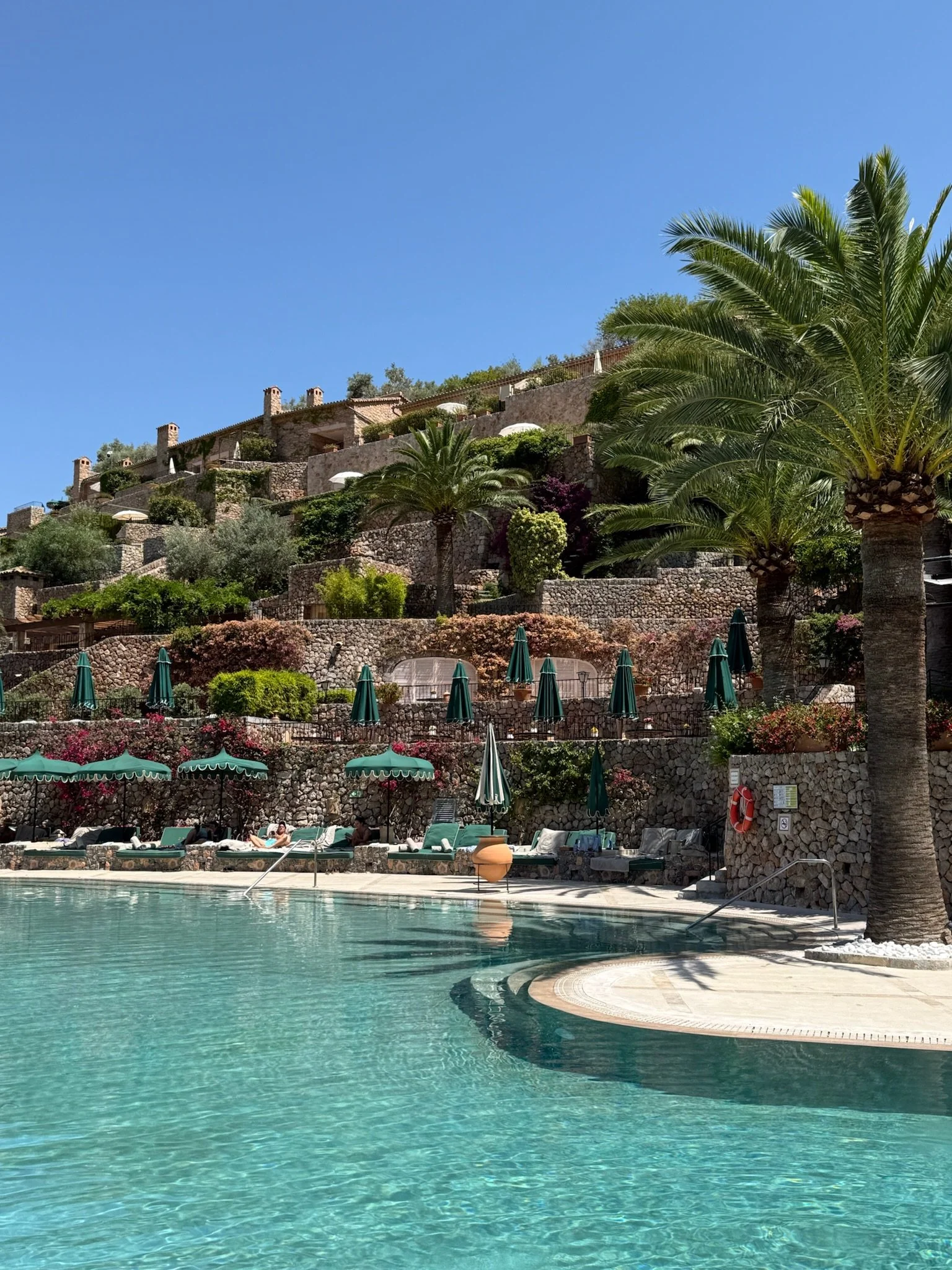
And when it's designed well, a milestone trip does something quietly remarkable: it celebrates where someone has been, honors where they are right now, and sets the tone for what comes next.

That's the kind of travel worth planning carefully and worth doing with someone who knows how to get it right.

Reach out to a KJ Travel advisor and let’s start planning something unforgettable.

Luxury Family Spring Break: Trips from Our Travel Advisors

Whether you're chasing powder-dusted peaks or postcard-perfect beaches, our team is here to help bring your dream spring break vacation to life. Our travel advisors explore the world with their own families, discovering new destinations and experiences firsthand so we can offer our clients genuinely informed recommendations. Here's a look at where some of our luxury travel advisors  spent their spring breaks this year.
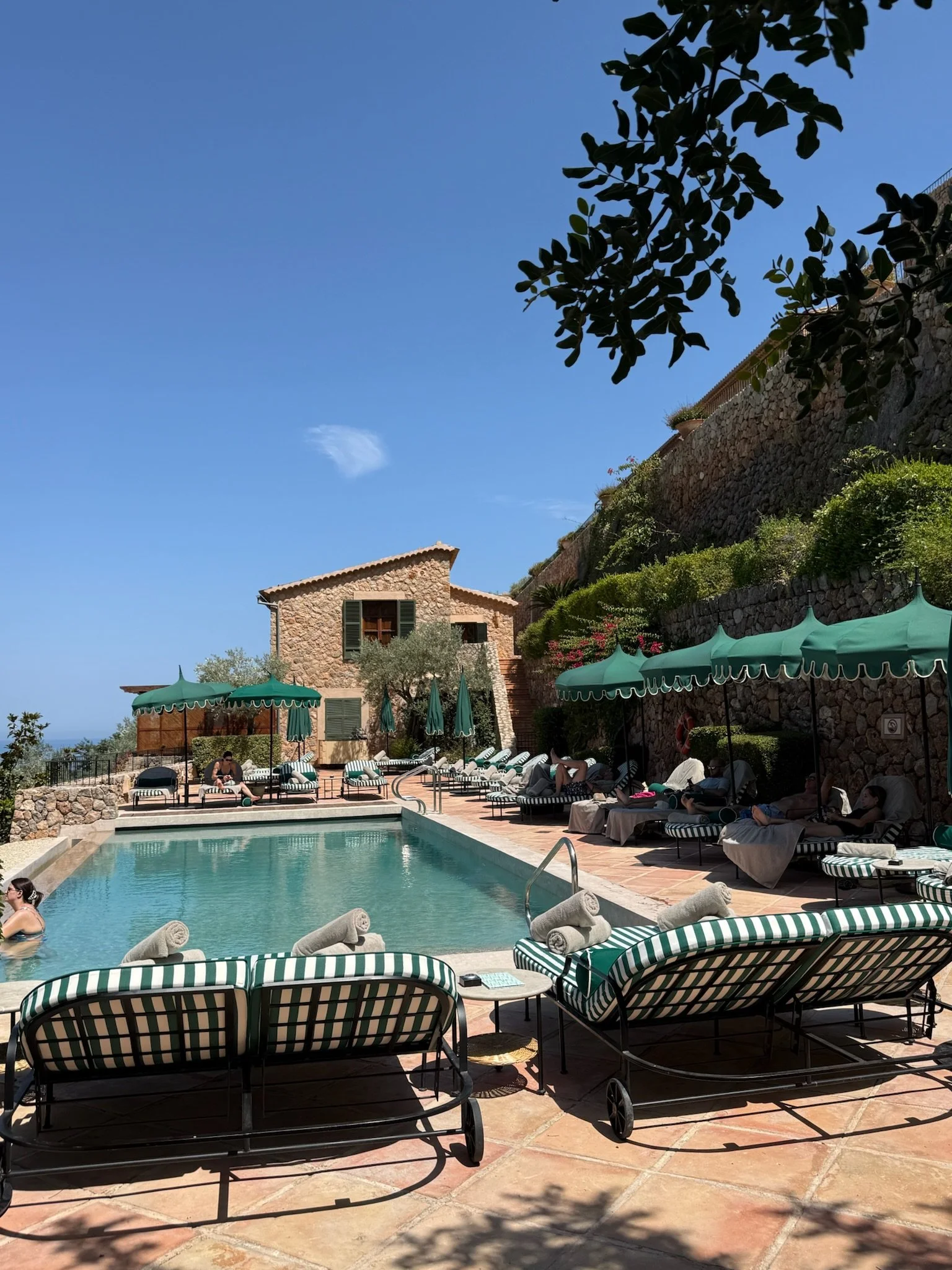
Whistler + Four Seasons

This spring break KJT Advisors Kate & Lenni joined forces, packed their bags and headed to one of North America's top luxury ski destinations. With two mountains and over 200 runs, the scale alone is breathtaking. But what makes Whistler one of the best family ski destinations in North America is everything beyond the slopes: a charming, fully walkable village with exceptional dining, boutique shopping, and plenty of non-ski activities to keep the whole family happy between runs.
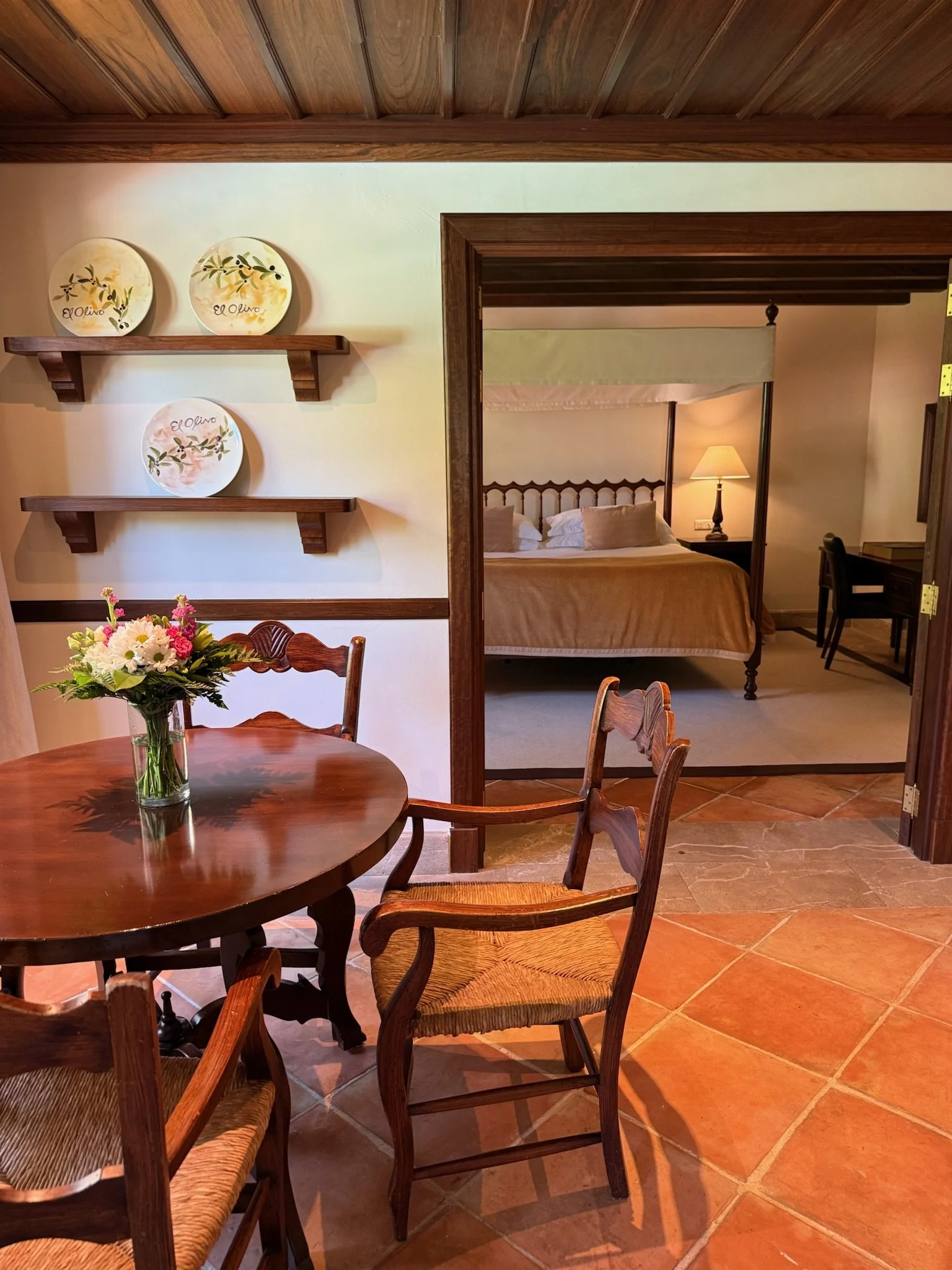
Their home base: the Four Seasons Whistler, Canada's only AAA Five Diamond mountain resort. The ski concierge sits right at the base of Blackcomb Mountain:  rentals, storage, tuning, fittings, lessons, all taken care of before you even hit the chairlift. After the slopes? Complimentary s'mores by the fire, hot chocolate, and an afternoon wine tasting. The heated outdoor pool, sauna, and hot tubs round it all out perfectly. Non-negotiable.

Need more space? The Four Seasons Residences are a separate building with two- to four-bedroom layouts, a private pool, hot tub, and their own dedicated concierge. Ideal for families or groups. And the resort's family programming goes above and beyond kids' bathrobes and slippers, a playroom, childcare, and the signature "Kids for All Seasons" program. They genuinely think of everything.

The Bahamas: Two Stays in Paradise

Unlike Lenni and Kate, Melissa swapped grey skies for the ultimate warm-weather winter getaway across two of the Bahamas' most celebrated luxury resorts, each offering a completely different take on Caribbean paradise.

Her first stop: the Four Seasons Ocean Club. Peaceful, idyllic, and refined in the way only a true classic can be. This resort feels equally perfect for a romantic escape or a family with a taste for the elevated. Days happen between the pools, the beach, and long, unhurried strolls through the resort's stunning gardens. Evenings began at the Martini Bar, where the legendary Keith shakes what guests regularly call the world's best martini, before moving on to a fabulous dinner by the ocean,  highlights included a memorable lionfish ceviche and an array of thoughtfully prepared local favorites.

From there, the trip shifted gears with a stay at the Rosewood Baha Mar: vibrant, stylish, and full of energy. For Melissa, mornings started with breakfast in the garden, followed by some downtime by the beautiful pools or settling into the resort's sleek beach cabanas (highly recommended, but book in advance). The spa offers a welcome retreat for parents who need a moment to themselves, and the Manor Bar, with its polished atmosphere and inventive cocktail list, is the ideal spot to regroup as the afternoon winds down.

Evenings at Rosewood Baha Mar come with a natural draw toward the on-site Baha Mar Casino. And for families, the Baha Mar Waterpark was, by universal consensus, the biggest hit of the trip,  kids and adults alike.

Turks & Caicos: Private Villa, Grace Bay

If there's a destination that is great for large families, Turks and Caicos in spring is hard to beat. Warm, calm turquoise water, reliably perfect weather, and some of the most beautiful beaches in the Caribbean. Brynne took the whole crew (parents, in-laws, and kids in tow)  and did it the right way: a private villa just minutes from Grace Bay.

Their stay: Villa Milestone, an eight-bedroom estate (including a two-bedroom guest house). This one is purpose-built for big groups: multiple king bedrooms, a heated pool and spa, outdoor pavilions, and direct beach access. Kayaks and paddleboards are right there for when anyone gets the itch to explore. The turquoise water just off the property is clear enough to snorkel straight from the shoreline, and some of Brynne's crew made the most of it with a full-day bonefishing charter, one of the best fishing experiences the island offers. Four others in the crew headed out deep sea fishing and came back with a fresh tuna that the villa's chef turned into dinner that night. Hard to top that.

Speaking of the chef,  full staff is included, which is a must  if you just want to sit back and relax. Housekeeping in the morning, turn-down at night, and a chef who makes the whole process feel effortless. Brynne pre-stocked the villa ahead of arrival (very handy to have all the basics ready for your arrival) and from there, the chef took over, checking in each morning to talk through lunch and dinner ideas. The last day he asked if the family wanted fresh lobster, the last of the season. That's the kind of detail you only get with a private villa chef. For guests with dietary needs: the team accommodated one of the guests dietary needs. They are well-practiced in handling complex dietary requirements.

For excursions, Half Moon Bay is worth the short boat ride,  only accessible by water, with pristine deserted beaches and calm reef snorkeling that's well-suited for families and kids. 

One practical note for your arrival: Brynne strongly recommends adding VIP airport arrival and departure services when booking your Turks and Caicos trip, especially during spring break. Your advisor will help you handle this in advance.

Arizona: Grand Canyon + Enchantment Resort Sedona

Arizona in spring is something else entirely. The crowds are manageable, the weather is as close to perfect as it gets, and the scenery (from the rim of the Grand Canyon to the red rock formations of Sedona)  genuinely stops you in your tracks. Ann took her family out west this spring break, splitting the trip between two of Arizona's most iconic destinations, and returned already wanting to go back.

The Grand Canyon needs no introduction and Spring is a great to visit, mild temperatures make hiking the rim trails comfortable, and the softer light in the morning hours makes for unforgettable views (and photos).

On her next stop, Ann and her family stayed at Enchantment Resort in Sedona. Tucked into Boynton Canyon, the resort feels like it was carved directly into the landscape. The dramatic red rock views are everywhere: from your room, from the pool, from the spa. Mii Amo, the resort's world-renowned destination spa, is reason alone to book a genuine wellness reset for parents while kids are well taken care of. Sedona's vortex hikes, and jeep tour adventures make for easy half-day excursions that the whole family can enjoy, and the town itself has great dining and galleries worth exploring.

Spring Break may be over, but your next unforgettable trip is just around the corner!  Whether you're thinking about a summer family getaway, a romantic fall escape, or a festive holiday trip, now’s the time to start planning and we can't wait to help you.

Get in touch with a KJ Travel advisor and start planning your next unforgettable getaway together.

5 Things Every Luxury Traveler Should Do Before Leaving for Summer

There's nothing quite like a summer at its finest, a villa perched above the Amalfi Coast, a private charter cutting through the Aegean. Summer has a way of making every destination feel alive. But it's also the season that demands the most preparation.

Curating all kinds of trips, especially peak-season trips for luxury travelers has revealed one consistent truth: the most seamless experiences don't happen by accident. They're well thought out and planned.

Here are five important steps for getting it right.

1. Always Build in a Buffer Day

Summer is the most disruption-prone travel season of the year. Air traffic congestion, and fully-booked flights create an environment where recovery is slow and flexibility is scarce.

If the trip involves a cruise departure, a safari camp, a yacht charter, arrive at least one full day early. It's not just a precaution. It's protecting the investment.

That buffer day also has its own reward: a quiet dinner in the port town, a morning swim before the other guests arrive, a chance to slip into the destination on its own terms.

2. Choose Nonstop Flights and Route Strategically

In peak season, every connection is a risk. Delayed inbound flights, congested hubs, and full standby lists leave very little room for error.

Whenever possible (especially on the outbound international leg) nonstop is the right call. If a connection is unavoidable, allow a genuine 2–3 hour minimum for international transfers. We can also assist clients with VIP meet and greet and custom expediting when needed. Avoid the last flight of the evening into smaller destinations; if it's canceled, there's often no path forward until morning.

It's also worth knowing which airports are under particular strain.Routing through more reliable hubs or flying nonstop entirely is the cleaner move.

The goal is simple: get there on time, ready to enjoy every hour of what's been planned.

3. Protect the Trip with Travel Insurance

Private villa bookings, chartered vessels, first-class tickets, exclusive guides, most of the time these don't come with generous cancellation windows. A robust travel insurance policy isn't a formality. It's essential risk management.

A complete policy for this level of travel should cover:

  • Trip cancellation and interruption — for the unexpected events that can unravel plans entirely

  • Medical coverage abroad — particularly important in more remote destinations

  • Emergency evacuation — a priority for safari, yachting, or adventure-adjacent travel

  • Trip delay and baggage protection — because even the best-laid logistics can hit turbulence

In summer, this is not optional. It's the foundation every trip should be built on.

4. Travel Light and Track Everything

European airports and Mediterranean destinations are under significant pressure in July and August. Anxiety about the airport experience is rising, with nearly half of travelers saying they constantly fear delays or cancellations. Even for those flying in business class, luggage can still go astray.
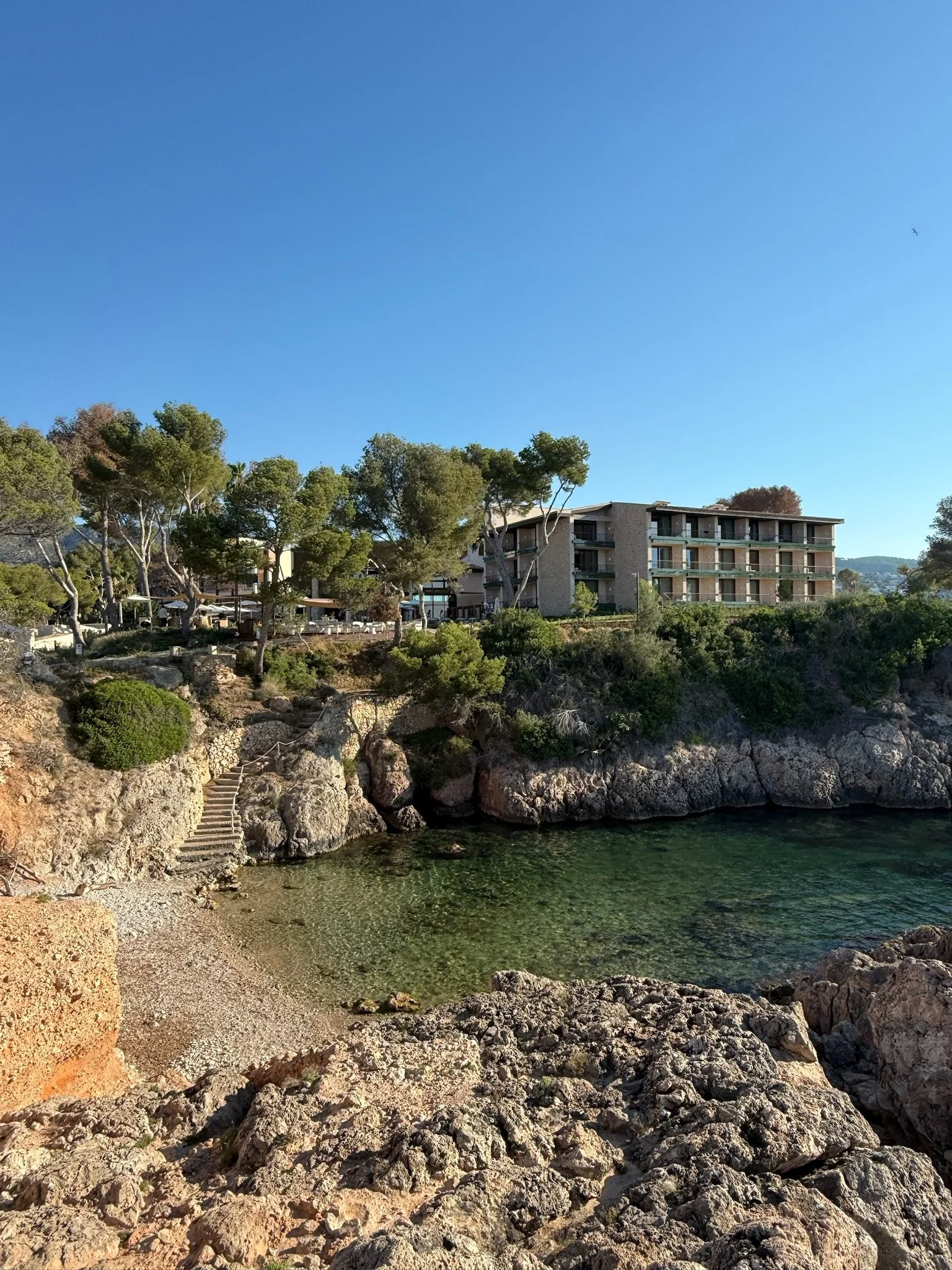
A few practices that consistently make a difference:

  • Keep essentials — medication, swimwear, one complete outfit, in the carry-on

  • Place AirTags inside every checked bag

  • Photograph luggage before handing it over at check-in

This isn't about expecting problems. It's about making sure that if something goes sideways, the first day at a beachfront property isn't spent waiting at a baggage claim desk.

5. Secure Reservations and Experiences Well in Advance

The best of any destination in summer is, almost without exception, already spoken for.

The best private guides. The beach clubs with the best table. The restaurant that requires a reservation in advance. These experiences don't wait for the spontaneous traveler, and in July and August, spontaneity typically leads to compromise.

Demand for luxury villa rentals and exclusive experiences has never been higher, with the most sought-after properties filling quickly. The same is true for private guides, premium transfers, and sought-after dining reservations across Europe's most coveted destinations.
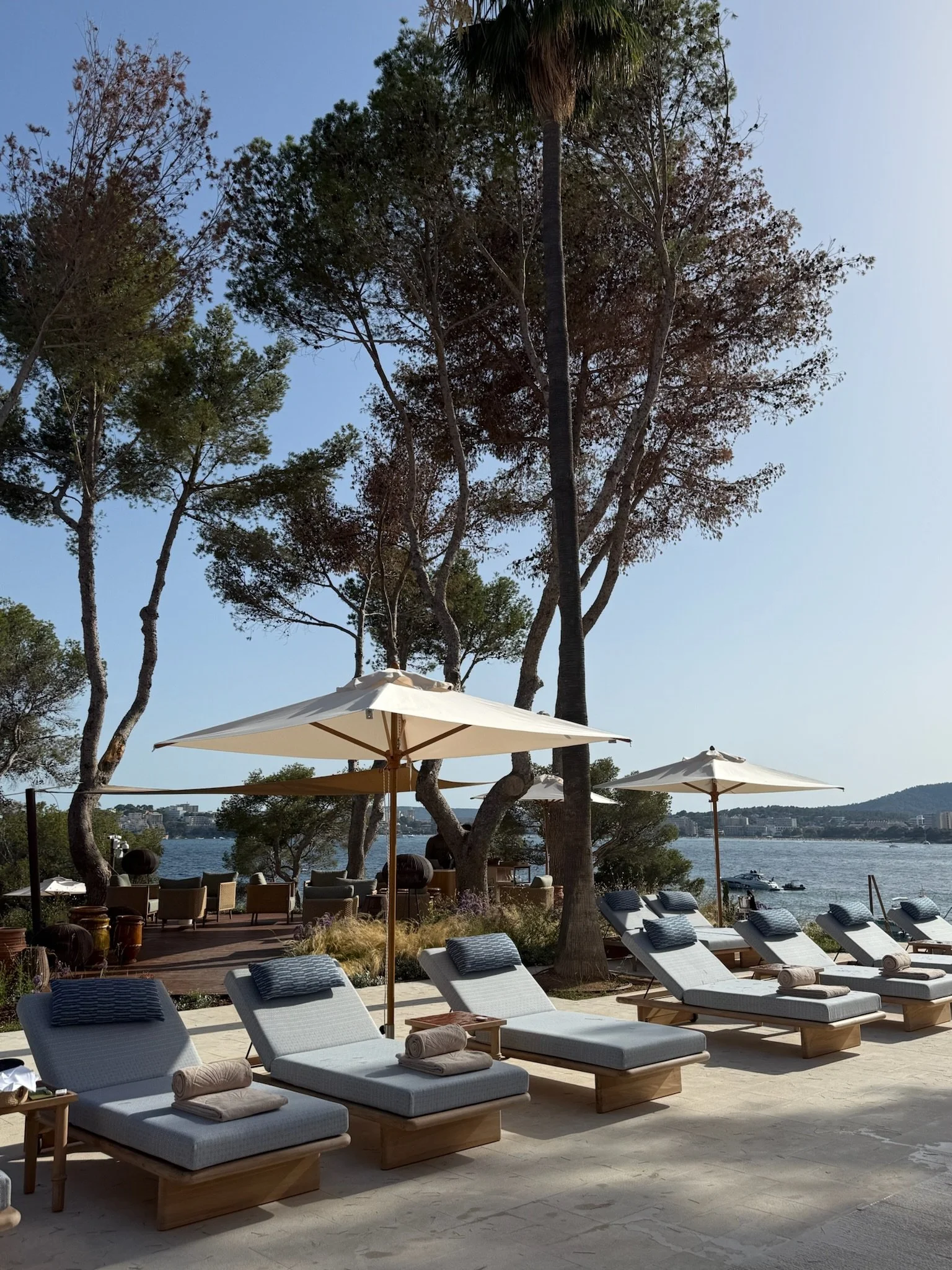
Securing experiences in advance isn't about being rigid. It's about arriving at a destination already unlocked, so every day can be exactly what it was meant to be.

The Bottom Line

Summer travel at this level should feel effortless. And while the logistics behind the scenes are anything but simple, that's exactly what a great travel advisor is for. KJ Travel has spent years making sure clients arrive ready to enjoy. If this summer's trip is still taking shape, now is the right time to start.

Contact a KJ TRAVEL Advisor and Let's Plan Your Summer Trip Today!

Italy's Most Glamorous Mountain Town: Cortina d'Ampezzo

Cortina d'Ampezzo is one of Italy's most iconic luxury ski destinations, known for dramatic Dolomite scenery, elegant hotels, and a ski culture that blends sport with style. Located in the UNESCO-recognized Dolomites, Cortina offers three distinct ski areas in winter, world-class hiking and alpine experiences in summer, refined mountain dining year-round, and one of the most glamorous town centers in the Alps.

Cortina stands out for its combination of scenic terrain, sophisticated après-ski, and tailored experiences on and off the mountain. After a recent visit, Kate returned with firsthand insight on where to ski, where to stay, and how to plan Cortina properly for a high-end experience.

The Three Ski Areas of Cortina d'Ampezzo

Cortina's 120 kilometers of pistes are spread across three distinct ski areas, each with its own character and terrain. They are not lift-connected to each other, instead, moving between them is part of the Cortina experience, best handled with a private transfer. Each area feels like a world of its own.

1. Tofana-Socrepes (Ra Valles)

Tofana is Cortina's crown jewel and its most dramatic. This is the largest and highest ski area in Cortina, reaching 2,939 meters at the summit, and on a clear day the panorama is simply extraordinary: a full sweep of Dolomite peaks in every direction, with the town of Cortina sitting far below.

Tofana suits intermediate to advanced skiers particularly well, with long, beautifully groomed runs and genuinely challenging terrain. The lower Socrepes area offers a gentler introduction for those still finding their mountain legs. Mountain dining here is great, and the views from a sun-terrace lunch are a must.

2. Faloria-Cristallo

Accessed by cable car from the eastern edge of town, this combined area delivers two very different skiing personalities within one pass. Faloria, reached first, is intimate and forested slopes that wind through the trees with sweeping views of the Ampezzo Valley opening up at every turn. It tends to be quieter even during Cortina's busiest periods, making it the ideal choice for a long, unhurried ski day.

Cristallo is the highest and more demanding side of this area. The Forcella Rossa slope is a standout: steep, technical, and framed by the iconic Dolomite scenery. The rocky towers above, lit pink and amber in the morning light, are among the most photographed landscapes in the entire Alps.

The Mietres sector adds gentle, family-friendly terrain to the mix: wide, sun-soaked slopes ideal for those who prefer a relaxed rhythm on the mountain. Together, this area covers every ability level and offers some of the most varied skiing in Cortina.

3. Lagazuoi-Cinque Torri (Passo Falzarego)

Located above the Falzarego Pass (a short transfer from Cortina town) Lagazuoi-Cinque Torri offers some of the most remarkable skiing scenery anywhere in the Dolomites. The Cinque Torri (five ancient rock towers rising from the plateau) loom over the slopes like natural sculptures.

The skiing here is accessible and scenic, suited to all levels. When conditions allow, a legendary descent drops from the Lagazuoi cable car through the Fanes Valley all the way to Armentarola, an 8.5-kilometer run through dramatic rock formations that many consider the finest ski descent in Italy. 

This area also serves as the gateway to the wider Dolomiti Superski network, connecting Cortina to Alta Badia and beyond for guests who want to explore further.

Ski Culture in Cortina: What to Know

Skiing in Cortina d’Ampezzo is as much about lifestyle as it is about the slopes. The rhythm here moves at a distinctly Italian pace, where the experience of the mountains matters just as much as the number of runs skied in a day. Thanks to the Dolomites’ famously sunny, south-facing slopes, ski days often unfold slowly and socially. A few scenic morning descents through spectacular alpine terrain are followed by one of Cortina’s most beloved traditions: a long, sun-drenched lunch at a mountain rifugio. These alpine restaurants are central to the culture of skiing here, where skiers settle onto panoramic terraces for homemade pasta, regional specialties, and a glass of Franciacorta or Aperol Spritz, lingering for hours while taking in sweeping views of the surrounding peaks. As the lifts close, the energy shifts back to town, where the evening passeggiata along Corso Italia begins. Visitors and locals alike stroll the pedestrian promenade, stopping into wine bars, boutiques, and historic cafés, extending the day’s social rhythm long after the skis have been put away.
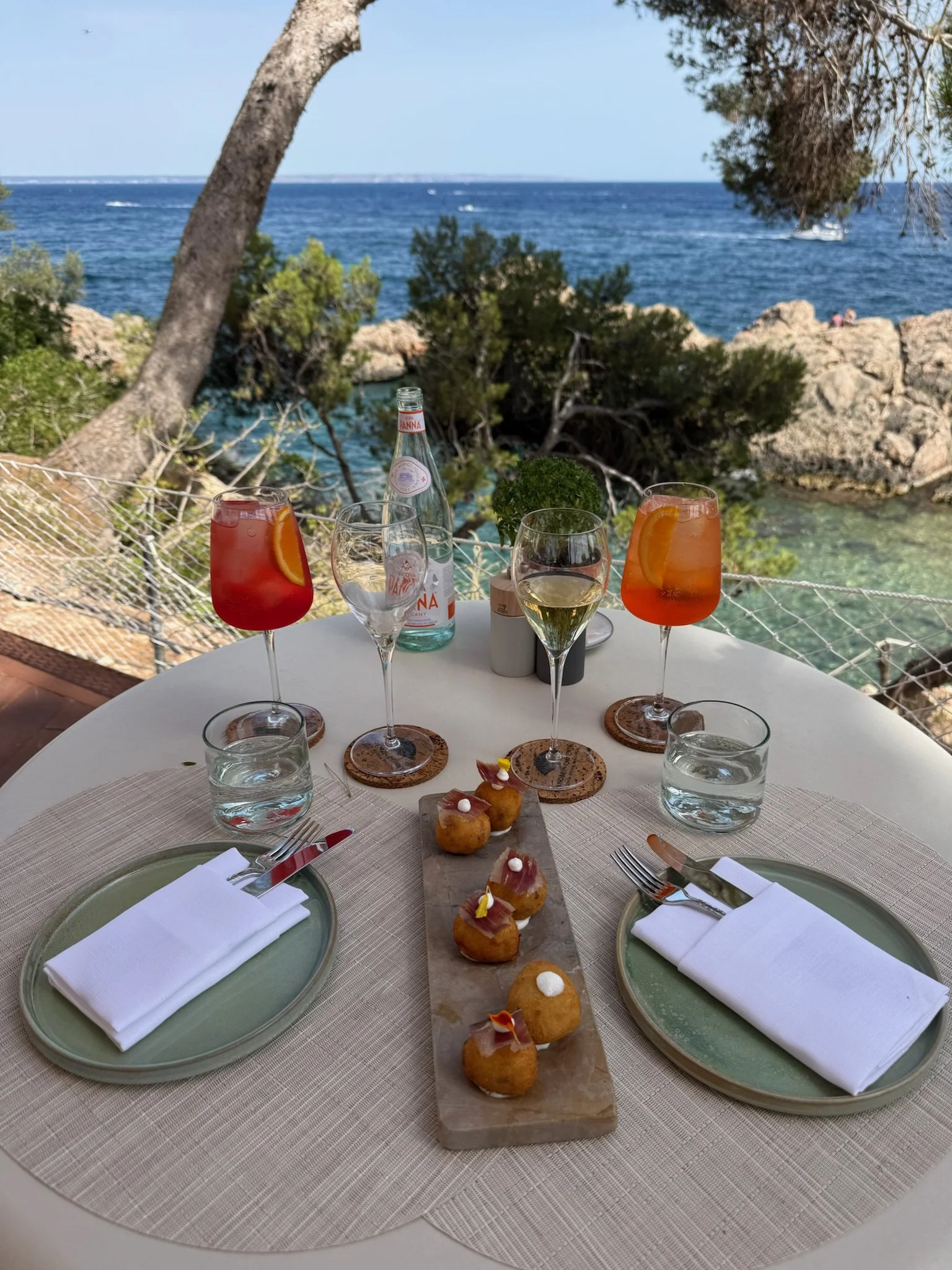
Cortina also lends itself beautifully to elevated mountain experiences that showcase the dramatic landscape from a different perspective. During Kate’s recent visit, she experienced a helicopter transfer from Cortina to Alta Badia, beginning with a breathtaking panoramic flight over the famous Sellaronda circuit and the striking rock formations that define this corner of the Dolomites. The journey ended with a gourmet lunch at a scenic hilltop rifugio, a memorable way to combine the region’s extraordinary scenery with its celebrated mountain cuisine. Experiences like this can be tailored year-round: in winter, guests can heli up to the peaks and ski down through pristine terrain, while in summer the same dramatic summits become the starting point for spectacular hikes back into the valleys below.
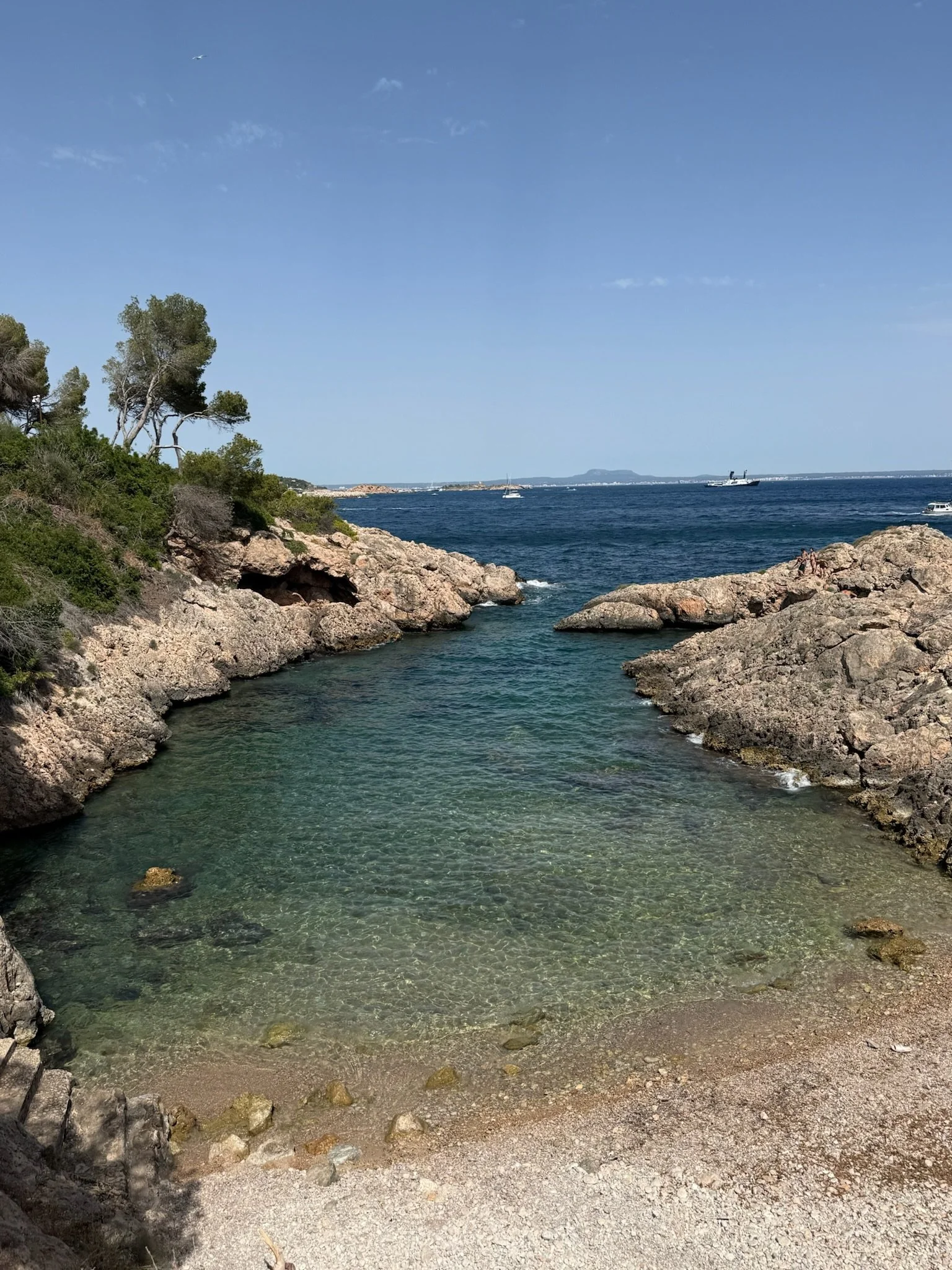
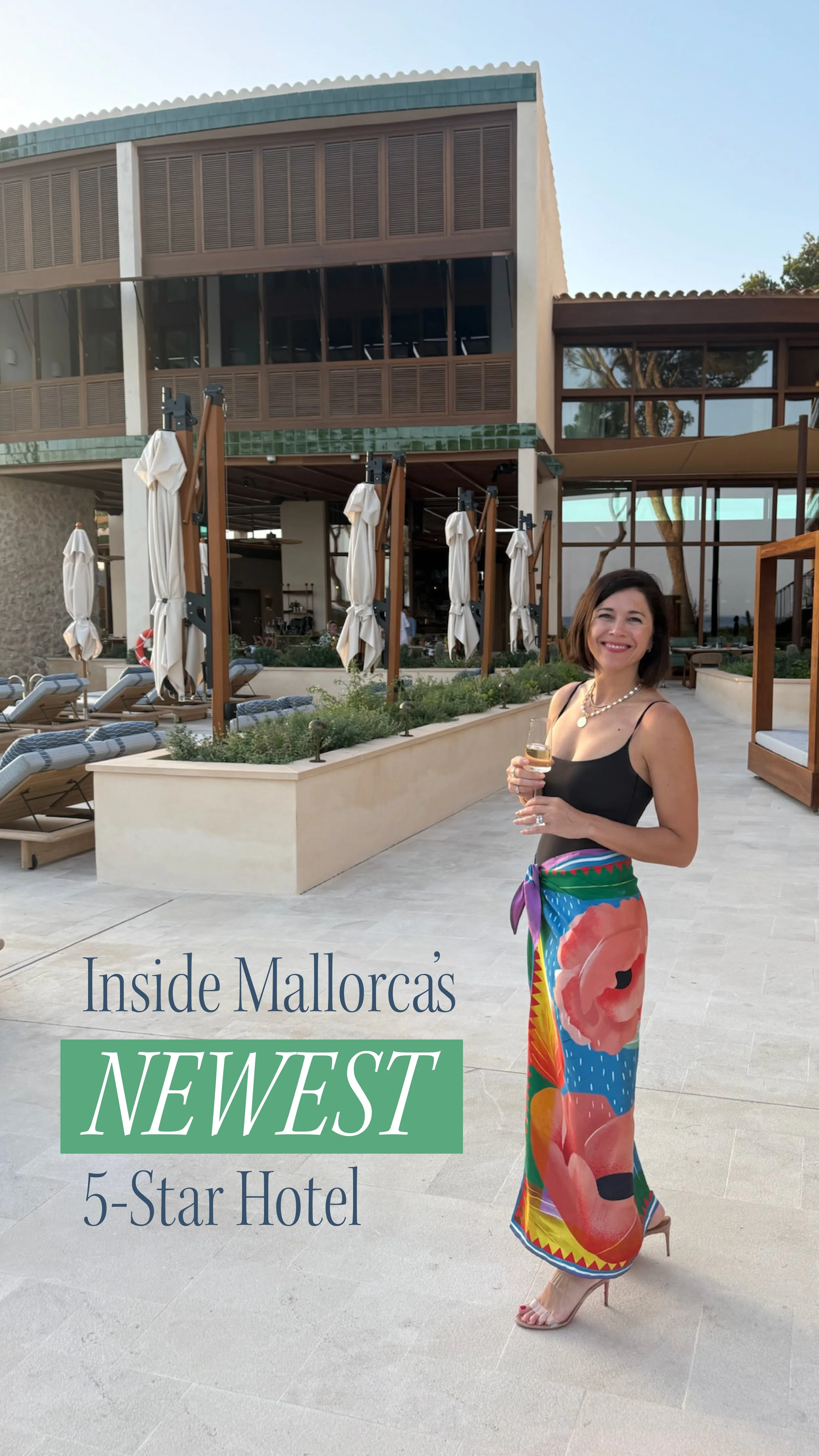
Cortina Beyond the Snow

Cortina doesn't close when the snow melts, it simply changes its wardrobe. From July through September, Cortina d'Ampezzo in summer becomes something else entirely: a high-altitude retreat where the Dolomites turn green, the light stays longer, and the pace shifts from exhilarating to deeply restorative. At 1,200 meters above sea level, it's also one of Europe's most refined coolcation destinations, a natural escape from the summer heat where mountain air and breathtaking scenery do the rest.

The cable cars that carry skiers up to Tofana and Faloria in winter run just as reliably in summer, delivering guests to ridgelines where the views over the UNESCO World Heritage Dolomites are, if anything, even more breathtaking without the flat winter light. From there, private mountain guides lead guests along Cortina hiking trails and via ferrata routes through some of the most dramatic rock formations in the Alps (the Cinque Torri, the Fanes Valley, the Great War tunnels carved directly into the Lagazuoi) each one a landscape that rewards those who take the time to explore it.

For something more leisurely, the alpine lakes surrounding Cortina (particularly Lago di Braies, with its famous turquoise water and wooden rowboats) are among the most quietly spectacular settings in northern Italy. Mountain biking, golf, and private motorbike tours through the Giau Pass round out the things to do in Cortina d'Ampezzo in summer, while the rifugios continue to serve long, unhurried lunches on south-facing terraces. And on the Corso Italia, the boutiques and wine bars are as lively as ever, the crowd simply swaps ski boots for hiking boots or something more summery.

Where to Stay in Cortina d’Ampezzo

Ancora Cortina is the oldest hotel in Cortina, built in 1826 and sitting directly on the Corso Italia. This property has 35 rooms and suites with hand-collected art, timber walls, and soft mountain textures. Kate thought it was super nice, a little on the smaller side, but its location in the heart of town makes up for it. So, for guests who want to be in the middle of the action (steps from the Faloria cable car, at the center of the evening promenade) there is no more characterful address in town.

Grand Hotel Savoia remains the grand dame of Cortina: central, stately, with a full spa, multiple dining venues, and a sense of occasion that feels entirely native to this town.

Hotel Tofana Cortina is the property for those who want the slopes at their door. It sits directly on the Tofana slopes, with an in-house ski rental, a spa, and a restaurant. The morning routine here begins on the piste. For serious skiers who want to maximize every hour on snow, there is no better address.

Faloria Mountain Spa Resort, tucked into the hamlet of Zuel just outside town, is the right choice for guests who want genuine seclusion + panoramic Dolomite views and a full-service spa. Kate really loved the feeling of this property, like being in a friend's home and the service was very warm and topnotch.

Rosapetra Spa Resort, a member of Small Luxury Hotels of the World, is the more intimate choice: refined, quietly confident, and with a spa offering that belies its size. For guests who prefer a smaller property without compromising on standard, Rosapetra delivers.

And then there is the arrival that has been anticipated for the better part of a decade. The original Hotel Cristallo (built in 1901, frequented at various points by Frank Sinatra, Peter Sellers, and Brigitte Bardot) is being transformed into Mandarin Oriental Cristallo, opening winter 2026 with 83 rooms and suites, multiple restaurants and bars, and an indoor-outdoor spa and pool. It will be Mandarin Oriental's first mountain resort anywhere in the world.

Also consider Aman Rosa Alpina in San Cassiano (approx. 1 hour from Cortina), for guests with flexibility in their itinerary, or those who want to combine a Cortina with the wider Dolomites.

Planning a Luxury Ski Trip to Cortina with KJ Travel

A Cortina ski trip done properly: private transfers between areas, a guide who knows the mountain, a table at the right rifugio, and a hotel that fits the way you travel, is an entirely different experience from one pieced together on your own.

Curious about Cortina? Reach out to a KJ TRAVEL Advisor and let's start building your dream itinerary.

Setting Sail on Ilma a Ritz-Carlton Yacht: The World’s First Five-Star Cruise Ship

For years, discerning travelers have sought cruise experiences that match the exact standards of land-based luxury resorts. The Ritz-Carlton Yacht Collection answers this call with Ilma, a superyacht that completely redefines the concept of sailing. Crowned the world’s first Five-Star cruise ship by the Forbes Travel Guide in February 2026, the vessel brings the impeccable service of a world-class hotel directly to the sea.

The Superyacht Experience

Ilma is built for travelers who want the ease of a five-star hotel, but with a new view every morning. It is a smaller, more intimate style of cruising that focuses less on big-ship production and more on privacy, calm design, and service that feels personal. Ilma sets the tone for what follows: suites that feel residential, dining that stays flexible, and days that revolve around the destination (and the sea) instead of a strict schedule.

Space and Serenity

Forget the traditional cruise cabin, every room on Ilma is a beautifully appointed suite featuring a private, ocean-view terrace. The design brings the calm, elegant aesthetic of a land-based Ritz-Carlton resort directly onto the water. Kate noted the rooms are very nice, but she thought the bathrooms were the true standout. Designed with the discerning traveler in mind, Kate liked that the bathrooms feature huge showers and a highly spacious feel, noting they felt noticeably larger than those on competitor luxury ships. Beyond the physical space, the in-suite experience is effortless; Kate thought Wi-Fi was good and liked that it is included, and she thought the dedicated Personal Concierge service was very good, ensuring guests have everything they need without ever feeling crowded

Dining and Bespoke Culinary Experience

With five dining venues, seven bars, and a signature wine vault, the culinary variety is great. Staff work closely with guests on embarkation day to easily set and adjust dining reservations, ensuring a completely customized schedule. Meals are not just beautifully plated; food arrives very fast, making meals feel efficient and smooth. To elevate the experience further, a strong sommelier presence across the restaurants offers expert wine, cocktail, and sake pairings. The culinary team also goes to extraordinary lengths for individual preferences, and the ship accommodates bespoke private dining requests effortlessly

Service: The Ritz-Carlton Standard, But Better

The Ritz-Carlton's service philosophy translates remarkably well at sea. The guest-to-staff ratio is nearly one-to-one, and it shows. From the moment of embarkation, staff escort guests personally rather than pointing them in the right direction. That small detail signals the tone for the entire voyage

A Personal Concierge is available to all guests and, while unobtrusive, is ready to handle anything, from organizing excursions to sourcing Dramamine during rough patches at sea. During Kate's voyage, the captain communicated proactively during any weather changes, keeping guests informed and comfortable throughout. An onboard doctor is also available for peace of mind.

Kate highlighted a few moments that stood out as exceptional service examples. One guest requested a custom cocktail, and it became her personal drink during the voyage, prepared exactly as she liked it each time. Another guest asked for music by the pool, and staff made it happen. Kate also witnessed an onboard chef go ashore to source specific Indian spices so he could prepare a special regional curry for guests who had mentioned a preference. The guests were blown away. These were not scripted gestures, they were genuine responses to what guests actually wanted.

For special occasions, the ship goes the extra mile. Kate notes that Ilma is particularly great for milestone celebrations. Birthdays and anniversaries receive nightly special touches, including rose petals and personalized room amenities. This makes Ilma an exceptional choice for couples celebrating something meaningful.

The Marina: The Cherry On Top

One of Ilma's most talked-about features is its expanded marina, a direct-access platform at sea level that opens directly onto the ocean. When weather permits, the marina becomes a hub for watersports. Kayaking, paddleboarding, and a range of equipment are available to guests at no extra charge. It is the feature that separates Ilma most clearly from traditional luxury cruise experiences.​

Kate describes the marina experience as super fun and one of the highlights of her sailing. She notes that guests are informed in advance that marina access depends on weather conditions, so expectations are clear. Kate also points out that longer Caribbean sailings tend to offer more marina time due to calmer conditions.

The marina connects directly to Ilma's excursion programming. The Destination Experiences team manages a curated portfolio of shore experiences, and Kate was particularly impressed by the follow-through. Even after the standard sign-up window had closed, staff noted her interest in a waitlisted experience, tracked it, and delivered vouchers directly to her suite when a spot opened, something she greatly appreciated.

Destinations and Excursions: The Caribbean, Done Right

Ilma's Caribbean itineraries typically sail from San Juan, Fort Lauderdale, and Bridgetown, covering destinations including the British Virgin Islands, St. Barths, and St. Lucia. Being a smaller vessel, Ilma can access ports and anchorages that larger cruise ships simply cannot reach, which translates directly into more intimate, authentic destination experiences.

Shore excursions are organized under five categories: Active Explorations, Cultural Connections, Iconic Sights, Stirring the Senses, and Epicurean Experiences. Guests also benefit from dedicated Concierge Ashore service and, on many itineraries, extended overnight port stays that allow for genuine exploration rather than a rushed few hours.

Kate's advice is practical and valuable: book excursions and marina time as soon as possible after boarding.

Where Ilma Sails

Ilma divides her time between the Mediterranean in the spring and summer, and the Caribbean during the winter. Mediterranean itineraries call at ports across the French Riviera, Italian coast, and Greek Islands, many with overnight stays in major ports. Caribbean sailings range from 5 to 13 nights, with itineraries designed for guests who want depth over breadth. For those who want to extend the experience, The Ritz-Carlton Yacht Collection offers cruise-and-land packages that combine sailing with stays at Ritz-Carlton properties in port cities

Who Ilma Is Perfect For

Ilma is designed for travelers who have done the large-ship luxury cruise and are ready for something more private, more personal, and more thoughtfully curated. It suits couples celebrating milestone occasions, groups of adult friends who want a shared experience without compromise, and seasoned luxury travelers who expect the same standard to follow them onto the water. While Ilma is quiet and refined without the high-energy entertainment of a mega-ship, it does uniquely welcome families. The dedicated Ritz Kids program offers educational and fun-filled activities for younger travelers, particularly during holidays and summer months

Kate recommends Ilma for adult friend groups and couples. She sees it as an especially strong choice for anyone celebrating a milestone, given how naturally the ship caters to special occasions. She also considers it an ideal option for luxury travelers who value personalized, bespoke service over programmed activities and who appreciate the kind of flexibility that lets them tailor the experience to exactly what they want.

Ready to Sail Ilma?

KJ Travel specializes in curating Ritz-Carlton Yacht Collection sailings and other yachts and cruises for discerning travelers. From suite selection and pre-voyage hotel stays to excursion planning and special occasion arrangements, the team handles every detail. 

Reach out to the KJ Travel team to start planning.

FAQs

How is a Ritz-Carlton yacht different from a traditional luxury cruise ship? The Ritz-Carlton Yacht Collection operates superyachts rather than traditional cruise ships, offering a more intimate and refined travel experience. Ships like Ilma feature all-suite accommodations with private terraces, highly personalized service, and a relaxed onboard atmosphere. Because of their smaller size, these yachts can also access smaller ports and secluded destinations that larger cruise ships cannot reach, making the journey feel more exclusive and destination-focused.

What is included when sailing on the Ritz-Carlton Yacht Collection? A Ritz-Carlton yacht voyage includes many of the amenities travelers expect from a luxury resort. Guests enjoy suite accommodations, multiple dining venues, premium beverages, Wi-Fi, and personalized concierge service.Dining is intentionally flexible, with several restaurants and bars onboard and a culinary program that easily accommodates special requests or private dining experiences. The goal is to create a seamless experience where guests can relax and enjoy the journey without worrying about logistics.

Why should I book a Ritz-Carlton yacht cruise through a luxury travel advisor? Booking through a travel advisor ensures the experience is fully tailored from start to finish. Advisors can help you select the best suite category, choose the right itinerary, and coordinate pre- and post-cruise stays at luxury hotels in the embarkation city. They also assist with arranging excursions, celebrating special occasions onboard, and managing waitlists for popular experiences. Because a yacht sailing is often part of a larger luxury journey, working with an advisor ensures every detail (from flights to private transfers) is handled seamlessly.

Who is the ideal traveler for a Ritz-Carlton yacht sailing? Ritz-Carlton yachts appeal most to travelers who prefer intimate, design-forward travel experiences rather than large cruise ships. They are especially popular with couples celebrating milestones, adult friend groups, and seasoned luxury travelers who want the comfort of a five-star resort combined with the excitement of exploring multiple destinations.

Ritz-Carlton Yacht vs. Silversea vs. Regent: which is better? It depends on the type of luxury travel experience you’re looking for.

  • Ritz-Carlton Yacht Collection offers a superyacht-style experience with fewer guests, a relaxed atmosphere, and a design-forward feel similar to a boutique luxury hotel at sea. Ships like Ilma focus on spacious all-suite accommodations with private terraces and highly personalized service.

  • Regent Seven Seas is known for being the most all-inclusive luxury cruise line, with fares that typically include shore excursions, premium beverages, gratuities, Wi-Fi, and sometimes airfare or pre-cruise hotel stays.

  • Silversea combines classic ultra-luxury cruising with one of the strongest expedition cruise programs, offering both traditional luxury sailings and adventure itineraries to destinations such as Antarctica and the Galápagos.

The Dominican Republic: A Luxury Insider's Guide to Punta Cana & Cap Cana

The Dominican Republic has long been on the radar of discerning travelers, but not all of it is created equal. Punta Cana is the region, a sweeping stretch of the island's eastern coastline known for its powder-white beaches and crystal-clear Caribbean waters. Nested within it is Cap Cana: a fully private, gated community conceived from the ground up as an ultra-luxury destination with its own infrastructure, 24/7 security, world-class marina, and a collection of properties that rival the best in the Caribbean.

The KJ Travel team recently made the trip firsthand, touring villas, sitting down with resort teams, and experiencing both properties as guests, so every recommendation here is rooted in real, on-the-ground knowledge.

Why Punta cana & Cap Cana Stand Apart

Cap Cana and Punta Cana are often used interchangeably, but they are not the same. Punta Cana refers to the broader region, while Cap Cana is a distinct, private luxury enclave within it. A quieter, more refined side of the island. In both you can find private villas, elite golf courses, and boutique five-star hotels replacing the large all-inclusive resorts that dominate the rest of the area.

The distinction matters for luxury travelers. Cap Cana operates like a private city: impeccably maintained roads, controlled access, and a level of privacy that's hard to find anywhere else in the Caribbean. It's home to the largest marina in the Caribbean, upscale dining, designer shopping, and golf courses that have earned international recognition.

The Private Villa Experience

One of Punta Cana's & Cap Cana's most compelling offerings is its collection of private villas and staying in one sets an entirely different tone for a trip. Rather than a hotel lobby and shared amenities, guests arrive at their own gated estate: private pools, dedicated staff, personal chefs, and the flexibility that no resort can fully replicate.​

The KJ Travel team based the trip in a private villa with the help of a local concierge partner, which made all the difference. Having a trusted, on-the-ground team coordinate the villa and logistics meant the experience was seamless from the moment of arrival, the right starting point for any luxury itinerary in Cap Cana.

For clients who prioritize privacy, space, and a home-away-from-home atmosphere without sacrificing any five-star touches, a private villa in Punta Cana & Cap Cana is the answer.​

The St. Regis Cap Cana

The St. Regis Cap Cana is one of the newest luxury properties to arrive in the Dominican Republic, and it has already set a high bar. With 200 rooms and suites (including swim-out options) set along 800 feet of private beach, the resort strikes a balance between intimate scale and full-service luxury. Four pools, a Jack Nicklaus–designed golf course directly next door, and eight distinct dining experiences round out an already impressive offering.

What makes a stay here feel special isn't just the design, which leans into natural light, tropical greenery, and seamless indoor-outdoor living, it's the service. The St. Regis brand is known for its butler service and evening turndown traditions, and that signature attention to detail carries through at every touchpoint. Every room also includes 24/7 room service, with the ocean and the golf course just steps away.​

The KJ Travel team had the opportunity to tour the property with the resort team, get to know the people behind the experience, and deepen the working relationship, the kind of access that directly benefits clients when it comes time to book.

Eden Roc Cap Cana

Eden Roc Cap Cana is in a category of its own. A Relais & Châteaux property recently named the #1 Resort in the Caribbean by Condé Nast Traveler, it blends barefoot ease with genuine world-class hospitality. The resort sits directly on a private beach, with suites that each feature private pools and indoor hot tubs, a full-service spa, and a dining program overseen by Culinary Director Chef Adriano Venturini, whose philosophy weaves Mediterranean refinement into the flavors and spirit of the Caribbean.

The spa experience here goes beyond standard treatments. Guests can book sound healing sessions alongside traditional spa treatments, a wellness offering that reflects Eden Roc's genuine commitment to holistic restoration. The KJ Travel team spent their final days at the property fully immersed: ocean views, spa time, sound healing, and an Omakase all'Italiana evening that left an impression long after checkout.

Dining at Eden Roc is an experience in itself. The signature restaurant La Palapa is celebrated for its premium fresh seafood, while Blue offers a more casual take with Peruvian and Japanese influences. The omakase dining, whether Italian or Japanese in style, is the kind of meal that becomes the highlight of a trip.

Planning a Trip to The Dominican Republic

The Dominican Republic rewards those who plan intentionally. Here's what luxury travelers should keep in mind:

  • Private villa vs. resort: Both options are exceptional, but the right choice depends on the group. Villas are ideal for families, groups, or travelers who want full privacy and flexibility; resorts like the St. Regis and Eden Roc are better suited for couples or anyone who wants to be fully taken care of with zero coordination.​

  • Golf: The Punta Espada Golf Club, designed by Jack Nicklaus, is one of the top courses in the Caribbean, dramatic sea-front holes, impeccable conditions, and preferred access for guests of select properties including the St. Regis.

  • Getting there: Cap Cana is approximately 15 minutes from Punta Cana International Airport, making it one of the most accessible luxury destinations in the Caribbean.​

  • When to go: The Dominican Republic enjoys warm weather year-round, with the dry season running from December through April,  peak time for beach and golf travel.

Ready to Experience It for Yourself?

The Dominican Republic has always been beautiful, but Punta Cana & Cap Cana takes it to another level entirely. Between the privacy of a villa, the polish of The St. Regis, and the soul of Eden Roc, this corner of the island offers something unique.

If the Dominican Republic is calling, we're ready to help plan every detail. From private villa selection and resort recommendations to dining reservations and on-the-ground logistics. Reach out to a KJ Travel advisor and let's start building the trip.

Top Four Takeaways To Doing Universal Studios Hollywood & Disneyland With Kids

Kate spends her days planning and designing seamless, thoughtfully paced trips for families, where the right hotel, smart timing, and the small details make everything feel easy. But on a recent trip, she stepped into the client seat and took her own kids (ages 10 and 7) to Disneyland and Universal Studios Hollywood. Her biggest takeaway? Theme park travel is its own category of expertise. Yes, it’s magical but it’s also strategic.

Kate recommends approaching it like any luxury itinerary: with a plan that protects your time, keeps energy steady, and builds in real moments to reset. Below are her four key takeaways for families considering Disneyland, Universal, or both.

  1. Where you stay is very important

Choose a hotel that balances proximity and recovery

Yes, being close is convenient. But when you spend all day in stimulation mode, the hotel is where the trip either resets or feels like it never ended. The last thing most people want is to leave the parks and feel like they’re stuck in the theme park ecosystem. That’s why choosing a good hotel to go back to is very important.

Kate’s planning rule - find the sweet spot between:

  • Access to the parks (easy mornings, less transit friction), and

  • A hotel that feels like a true retreat: quiet, elevated, and worth coming back to.

What about if you really want to stay at a Disneyland Resort hotel?

On-site perks change over time, so the key is knowing what’s current. As of January 5, 2026, Disneyland Resort hotel guests receive one Lightning Lane entry benefit (one entry to one eligible Lightning Lane Multi Pass attraction, redeemable at any available time on one day of the stay, per registered guest ages 3+).

KJ Travel’s approach is simple: if the on-site benefit meaningfully improves the plan, it’s worth considering. If not, a luxury hotel slightly farther out (paired with smarter park logistics) is a better option for a good reset feeling.

2. Timing + Setting Expectations

One day for Universal. Two for Disneyland, unless you go VIP.

Kate’s pacing takeaway is clear:

  • Universal Studios Hollywood: you can do it well in one day if you arrive with a plan (and pick the right line-skipping option if crowds demand it).

  • Disneyland Resort: plan for two days unless you’re doing a VIP-style day. One day is possible, but it’s dense and it can feel rushed.

Setting expectations is important - Disneyland attractions are complex and high-tech, and closures happen, sometimes planned, sometimes not. Disney explicitly notes that refurbishments can change without notice, and attractions/entertainment may also be unavailable for unscheduled reasons.

Kate’s advice: don’t anchor your entire day to “the one ride we have to do.” Build priorities, but be flexible. If something happens, you pivot, because you planned for options.

Strategic timing (without burning everyone out)

Kate also flags a common mistake: trying to do early mornings + late nights back-to-back. Want fireworks? Pick one late night, then plan a slower morning (or a non-park morning) the next day. That’s how the trip stays fun without it being overwhelming.

A small but useful family note

Disneyland ticket pricing defines ages 2 and under as not requiring a ticket (child tickets are ages 3–9).

3. VIP ACCESS

Skip the line, save the day, but only when it counts.

When it comes to VIP access, Kate’s take is this: pay for it when it truly protects your time. Lightning Lane at Disneyland and Express at Universal can be worth it for keeping waits manageable, but a VIP guide isn’t always required.

The real value depends on your exact day, crowd levels, your must-do rides, your group size, and how long you have in the parks. If you only have one day to do Disneyland and you’re trying to hit the big-ticket attractions without feeling rushed, Kate typically recommends upgrading to a VIP guide to keep the day smooth. And if a full in-person guide isn’t the right fit, there’s another option: a remote guide. It’s a more budget-friendly way to get expert planning and a smart game plan, still helpful, especially when you want the strategy without the full VIP spend.

4. Food Strategy

Feed the day before it eats you - optimizing for kids attitudes

A good food strategy = attitude optimization.
When people are hungry, hot, and overstimulated, they stop being fun. So the goal is to keep energy steady.

What Kate recommends:

  • Mobile ordering ahead of peak meal times

  • Eating earlier than the crowds

  • Packing snacks

  • Reserving one fun dining experience per day

Bonus sanity-saver: the gift shop trap

At the end of so many rides, you’re funneled through a store. Suddenly someone is obsessed with a character they didn’t know existed ten minutes ago. Kate’s move: set expectations before the ride. Decide on a souvenir approach (one item or we’ll decide at the end).

Final Thoughts: Theme Park Trips Deserve Thoughtful Planning

Disneyland and Universal are magical, but they are not easy vacations.

The right hotel, the right ticket strategy, realistic pacing, and thoughtful scheduling completely change the experience. With the right design, theme park travel can feel seamless, joyful, and surprisingly relaxed, even with kids.

If you’re considering a Disney or Universal trip for your family, we’d love to help you bring it to life in a way that feels elevated, organized, and tailored specifically to your children’s ages and interests.

Because magic is wonderful but magic with a plan is even better.

Contact a KJ TRAVEL Advisor and start planning

Summer Travel Destination Ideas for Luxury Travelers

Some summers call for the classics. Others call for a new pin on the map. For luxury travelers, the destination matters, but the experience matters more: a hotel that gets everything right, a pace that feels effortless, and a few unforgettable moments that could only happen there.

Each destination below offers a distinct version of summer luxury, with one common thread: exceptional settings, standout hospitality, and experiences worth crossing oceans for.

Quick Take

If you want summer that feels elevated, not overcrowded, start here:

  • Ischia for thermal wellness and quiet Italian island glamour

  • The Dolomites for alpine scenery with five-star comfort

  • South Africa for a best-in-class safari paired with Cape Town and the Winelands

  • Croatia for Adriatic island-hopping with yacht culture and rising luxury

  • Japan for meticulous service, cultural depth, and cities that redefine modern luxury

Ischia: Italy's Thermal Paradise

While neighboring Capri draws the spotlight, Ischia remains a more discreet Italian icon: a volcanic island where thermal springs have attracted those in the know for centuries. It’s the kind of place where sophisticated travelers truly unwind, trading crowds for tranquility without sacrificing luxury.

Ischia’s signature is world-class wellness with authentic island life. Naturally heated waters feed thermal gardens and spa properties, while restaurants deliver refined Mediterranean dining rooted in local ingredients. Privacy comes easily here, with secluded coves, intimate hotels, and a slower rhythm that makes real rest possible.

Best for: Wellness-focused travelers, couples seeking a romantic Mediterranean escape, families who want downtime, and travelers who love Italian culture without the intensity of more crowded islands.

Ideal length of stay: 4–5 nights to sample multiple thermal experiences, explore the island’s different corners, and settle into the restorative pace.

The Dolomites: Alpine Majesty Meets Italian Elegance

Summer is when the Dolomites show off. Meadows bloom, valleys open up for hiking and cycling, and mountain rifugios become perfect stops for local cheese, speck, and regional wines. Cortina d’Ampezzo adds polish with shopping and dining, while valleys like Val Gardena bring a quieter, more authentic mountain feel.

This region’s charm is its blend of Italian, Austrian, and Ladin influences, paired with luxury hotels that take wellness seriously: beautiful spas, thoughtful design, and dramatic mountain backdrops that make even “doing nothing” feel cinematic.

Best for: Active travelers who want adventure without compromising comfort, food lovers, couples who want a romantic alpine setting, and families seeking a sophisticated mountain summer.

Ideal length of stay: 5–7 nights to explore multiple valleys, mix in hikes or via ferrata, enjoy standout dining, and actually use the spa.

South Africa: Where Safari Meets Sophistication

Few places deliver this much variety in one trip. South Africa pairs world-class safari with coastal scenery, award-winning vineyards, and cities with serious style, all tied together by warm, confident hospitality.

On safari, private reserves like Sabi Sands and Singita set a high bar for exclusivity and service. Think plunge pools overlooking the bush, outdoor showers under the stars, and ranger-led game drives designed around privacy and high-touch guiding.

Beyond the bush, Cape Town brings a striking mix of natural beauty and cosmopolitan energy, with the Winelands (Stellenbosch, Franschhoek, and Paarl) offering estate stays, tastings, and dining that can hold their own on any global luxury itinerary.

Best for: Big Five seekers who want five-star comfort, wine lovers, travelers who want range (wildlife + city + vineyards), families that are ready for a big adventure and clients looking for exceptional luxury value.

Ideal length of stay: 9–11 nights, ideally 4–5 nights on safari, 3–4 nights in Cape Town/Winelands, plus optional time to add a scenic extension.

Croatia: The Adriatic's Hidden Gem

Croatia has evolved from a secret to a headline destination, yet it still delivers something rare in the Mediterranean: a sense of discovery with genuine character. Along the Dalmatian Coast, medieval architecture and cinematic seascapes create a naturally luxurious setting that feels both storied and fresh.

The coastline can rival Italy and Greece, but often with more room to explore. Private yacht charters make island-hopping effortless, and the luxury landscape continues to rise. For travelers who want variety without unpacking daily, small-ship luxury cruising offers an elegant way to see multiple ports while keeping comfort front and center.

Best for: Yacht lovers and island-hoppers, history enthusiasts who want refined stays in atmospheric places, food and wine travelers exploring emerging regions, and clients who want Mediterranean beauty with a more curated feel.

Ideal length of stay: 7–10 nights, often built as Dubrovnik + an island stay (like Hvar), with optional additions (Istria wine country or a luxury coastal cruise).

Japan: Where Ancient Tradition Meets Modern Luxury

Japan operates on a different level when it comes to service and attention to detail. Summer brings festivals, fireworks, and a lushness to the countryside, creating experiences that connect travelers to traditions stretching back centuries, all while enjoying comfort and sophistication that’s distinctly contemporary. If you’re shaping a first trip, Japan’s top destinations: Tokyo, Kyoto, Osaka & Hakone is a helpful starting point for building the right route and rhythm.

Tokyo demonstrates what a modern luxury city should be. Private guides lead curated experiences, from behind-the-scenes cultural access to evenings designed around the city’s most atmospheric neighborhoods. Hotels like Aman Tokyo bring urban sanctuary to new heights, with design that honors Japanese aesthetics while providing every modern luxury.

Kyoto, the cultural heart of Japan, reveals itself slowly. Narrow streets in Gion lead to kaiseki restaurants where meals become multi-course works of art. Private tea experiences offer a window into Japanese philosophy. Luxury ryokans provide something you can’t replicate elsewhere: tatami rooms, kaiseki dinners, and onsen bathing fed by natural hot springs.

Best for: Cultural travelers seeking deep immersion, food enthusiasts exploring the world's finest cuisine, those who appreciate meticulous service and attention to detail, and anyone wanting to experience a culture entirely different from Western norms while maintaining five-star comfort.

Ideal length of stay: 9-11 nights for a comprehensive first visit: 3-4 nights in Tokyo, 4 nights in Kyoto with day trips, 2-3 nights in mountain regions or onsen towns, plus time for additional

Planning the Perfect Summer Escape

These destinations are designed to spark new ideas without asking luxury travelers to compromise. Each one delivers a distinct version of summer, anchored by excellent hotels and experiences that feel personal, seamless, and worth the flight.

The key to maximizing any of these lies in working with a travel advisor who will recommend the hotel stay that will fit you the best, will open doors to private tours and give you access to private experiences that can only be unlocked with the connections of an advisor.


It's time to explore new destinations and we're here to help you. Contact a KJ TRAVEL advisor and start planning your summer.

Courchevel vs Val d'Isère: Which French Alps Ski Resort is Right for You?

When travelers dream of skiing in the French Alps, two names consistently rise to the top: Courchevel and Val d'Isère. Both destinations have earned their legendary status through decades of delivering exceptional experiences. Yet beneath the surface of five-star service and pristine powder lies a fundamental difference in character. Understanding these distinctions makes all the difference in planning the perfect alpine escape.

The Tale of Two Alpine Icons

Courchevel, with its collection of five distinct villages cascading down the mountainside, epitomizes refined mountain living. The most famous village, Courchevel 1850, sits like a jewel box of luxury, where ski-in/ski-out chalets command premium positions and Michelin-starred restaurants outnumber those in most capital cities.

Val d'Isère presents a different story. This high-altitude village, nestled at the end of the Tarentaise Valley, maintains authentic Savoyard charm with its 17th-century baroque church and stone chalets. The atmosphere buzzes with energy as skiers gather at legendary venues where the party starts on the mountain and continues well past midnight. The terrain demands respect, this is where Olympic champions train and weekend warriors challenge themselves on famous faces like La Face de Bellevarde.

Understanding the Terrain: Where You'll Ski

Courchevel: The Three Valleys Advantage

For beginners, Courchevel delivers confidence-building terrain. The Pralong and Golf zones offer gentle magic carpet lifts and protected spaces where first-timers can find their ski legs without dodging experts. Intermediate skiers discover endless blue and red runs through tree-lined passages, while advanced skiers access serious challenges in couloirs and off-piste areas throughout the Three Valleys network.

The logistics work seamlessly. Every village connects via lifts or shuttle buses. Ski school meeting points sit conveniently near accommodations. Even on busy February half-term weeks, the vastness of the terrain absorbs crowds.

Val d'Isère: Big Mountain Character

The terrain leans toward confident skiers. While beginners have adequate green runs near the Solaise area with dedicated magic carpets and a family-friendly Day Lodge, Val d'Isère shines for intermediates and experts. Red runs roll with satisfying pitch, blacks deliver true challenges, and off-piste opportunities attract powder hunters from around the globe. The famous Face de Bellevarde (site of Olympic downhill races) serves as both a thrilling descent and a reminder that this resort doesn't hold your hand.

One consideration: those final runs into the village can intimidate. La Face and alternative routes skew toward red and black difficulty, which may stress intermediate families at day's end. The solution? Take the lifts down or plan your timing carefully.

The Luxury Factor: Where You'll Stay

Courchevel 1850 owns the title of world's best collection of ski chalets and hotels. These properties are the epitome of mountain luxury. The ski-in/ski-out access proves genuine, step out the door, clip into bindings, and glide directly onto perfectly groomed runs. Lenni really appreciated how seamless ski service can be in these properties: you can come down in slippers, the team helps you into your boots, and your skis are staged outside by your room number.

Hotels match this standard. Properties like Cheval Blanc, K2 Palace, L'Apogée, Fouquet's Courchevel and Aman Le Mélézin deliver palace-level experiences with direct piste access, ski butlers to handle equipment, and restaurant options for the most refined palates. The altiport allows private jet arrivals, making this the choice for those who value time as much as arriving in style.

Fouquet's Courchevel is a cozy, intimate option, more warm and tucked-in than see-and-be-seen, with details like heated floors and a single all-day dining anchor (LouLou) that works well for breakfast, lunch, and dinner.

For families, Lenni really liked Barrière’s kids club setup: it can run until 10pm at no extra cost, and it includes dinner plus activities (they have themed nights like a pool party, bowling outings, and more).

Airelles (Courchevel) is a smart half-board option, meaning breakfast plus a daily meal is included, with several on-property restaurants covered  (a buffet option plus local specialties like fondue, and Italian), while Matsuhisa is à la carte.

She loved the always available snacks and the fact that guests often get one included activity per day (examples she saw: snowmobiling, dog sledding, cooking or pastry classes, mixology, horse-drawn carriage, and even first tracks).

Another Airelles detail luxury travelers appreciate: two cinemas that can often be privatized without an extra fee.

Val d'Isère offers exceptional accommodations but with different character. Luxury hotels like Airelles Val d'Isère, Les Barmes de l'Ours (both ski-in/ski-out) and Le Blizzard provide five-star service in the village center. Lenni described Airelles Val d’Isère as ultra-luxe in every way, with the kind of service that feels personal from the first hour: minibar included, snacks available throughout the day, nightly turndown gifts (often personalized), and a team that quickly learns your name and preferences. She also noted that half-board (or full board) is often the standard way guests book it, which can feel like a real value once you see the food and service level.

Lenni pointed out that many of the top hotels are close enough to make evenings easy: a short walk into town for bars and dining, or a quick hop in the hotel car when it is cold and late.

Family Considerations: Where Your Kids Will Thrive

Courchevel built its reputation on family-friendly design. The Village des Enfants creates an enclosed ski area exclusively for children, where young skiers build confidence without worrying about fast-moving traffic. Hotels and chalets typically include kids' clubs, babysitting services, and family-friendly amenities. The logistics favor families. Green runs lead back to every village, allowing beginners to ski home confidently.

Courchevel can feel easy for families staying in five-star hotels: ski school access is simple, instructor meet-ups can happen right at the hotel ski room, and the hotel teams handle the ski flow so parents are not juggling gear in the morning.

Val d'Isère welcomes families but requires more planning. The resort holds the Famille Plus label, indicating commitment to family services. Ski schools excel here too, with dedicated areas and professional instruction.

Activities include dog sledding, ice driving, snowshoeing, and access to the Vanoise National Park for wildlife watching. However, steeper home runs and more challenging overall terrain mean parents need to coordinate logistics more thoughtfully. Families with confident young skiers will thrive; those with timid beginners might find Courchevel's gentler options more suitable.

Lenni’s practical note for parents choosing Airelles (Courchevel): the kids club runs long hours (roughly 9am–10pm), but meals may depend on the property setup (she saw meals included at Barrière’s kids club, while Airelles’ kids club did not include meals, and nanny support may be required for younger children under 6).

Dining and Après: Lenni's recommendations

Courchevel restaurant picks Lenni recommended: Le Ferme Saint-Amour, Kinugawa, L’Adventure, and Alessandro.

Courchevel après and lunch spots Lenni thinks are fun: Cap Horn, Bagatelle, LouLou, Chalet de Pierres (a great mountain lunch), and La Folie Douce in Méribel

Val d’Isère restaurant picks Lenni recommended: Le Garage, The XV, Fondue Factory, La Carrousel, and Le Panoramic (just for lunch).

Making Your Choice: Which Resort Fits Your Group?

Choose Courchevel if you:

  • Travel with mixed skiing abilities, especially beginners

  • Value ski-in/ski-out convenience and seamless logistics

  • Prefer Michelin dining and polished après-ski

  • Want the security of always having easy routes home

  • Enjoy exploring massive terrain

  • Seek the ultimate in chalet luxury and impeccable service

  • Want the most “handled” ski experience, with hotel-based fittings, ski valets, and ski school meet-ups that can start right in the hotel

Choose Val d'Isère if you:

  • Ski at intermediate level or above with confidence

  • Thrive on big-mountain energy and challenging terrain

  • Love lively après-ski that continues into the night

  • Appreciate authentic village character with modern luxuries

  • Want snow-sure conditions with high-altitude reliability

  • Value both luxury accommodations and genuine Alpine spirit

  • Care about top-tier service that feels personal and proactive, especially at properties like Airelles Val d’Isère, where Lenni felt “they don’t say no” and the concierge can truly move mountains

Practical Planning Details

Both resorts sit roughly 2-2.5 hours from Geneva or Lyon airports. Chambéry Airport offers closer access to Courchevel (90 minutes) and Val d'Isère (2 hours). Private transfers provide the most seamless journey, while helicopter transfers from Geneva deliver the ultimate arrival experience. Train connections run to nearby Bourg-Saint-Maurice or Moutiers, with private shuttle services completing the journey.

Best times to visit: February and March are often the safest all-around window, by then the snow base is typically well established, and March brings longer days with brighter, more springlike light. Both destinations are designed for snow reliability with high-altitude terrain. You can ski beautifully in December, but conditions are more variable week to week than mid-winter. April can still deliver great spring skiing; Courchevel typically closes in mid-to-late April (with some sectors closing earlier), while Val d’Isère commonly runs into early May.

Which French Alp destination is calling you?

For information on logistics and more get in touch with a KJT Advisor today!

TCS World Travel: Redefining Luxury Travel Through Private Jet Expeditions

Quick Take

TCS World Travel is the world's premier private jet expedition company with over 30 years of experience, offering all-inclusive luxury journeys to more than 200 destinations across seven continents. With custom-configured Airbus A321 aircraft seating just 52 guests, meticulously curated itineraries, and award-winning service, TCS delivers once-in-a-lifetime experiences that seamlessly blend cultural immersion, exclusive access, and unparalleled comfort. KJT Advisor Brynne just came back from an expedition through Central and South America, with standout stays in Chile’s Atacama Desert and Costa Rica’s Peninsula Papagayo.

The Pioneer of Private Jet Luxury Travel

When it comes to traveling the globe in absolute luxury, few companies have mastered the art quite like TCS World Travel. Founded in 1991 and headquartered in Seattle, Washington, TCS has spent over three decades perfecting the private jet expedition experience, having operated nearly 300 luxury jet tours to more than 200 destinations worldwide.

What began as an experimental concept for the American Museum of Natural History has evolved into the gold standard of luxury travel. Today, TCS stands as the most experienced and most awarded private jet expedition company in the world.

Take a sneak peek of the jet with Kate:

The Aircraft: Your Home in the Sky

Brynne’s experience with the jet felt less like transportation and more like a private flying residence. TCS calls it a home away from home, and the experience starts the moment guests step onboard and hear the words: “Welcome home.” They are greeted with a glass of champagne, then settled into a preassigned seat stocked with a TCS-branded duffle bag of thoughtful amenities, including a hat, slippers, and other essentials.

An onboard chef handles elevated meals, with snacks available throughout the flight, from M&M’s to chips and anything in between. If travelers preselect beverages, the crew stocks them onboard in advance. Every seat includes an iPad and Bluetooth headphones, with entertainment already loaded, and TCS expedition experts deliver a destination briefing on each flight, turning transit time into part of the journey. With a polished crew, standout pilots, and genuinely comfortable seating (arranged in an intimate 2-2 configuration), it all lands exactly where it’s meant to: effortless, well-orchestrated, and seriously impressive.

What makes it feel truly seamless, Brynne noted, is the support that travels with you. Each expedition includes a full team, from expedition experts to dedicated support staff, so guests can select activities in advance and adjust along the way with help on the ground. There is also an onboard doctor, equipped with medication and the essentials travelers might need, adding a quiet layer of reassurance to an already well-run experience.

Brynne also thought one of the biggest perks was how little friction there is in the logistics: no long lines, and no handling bags. Guests simply pack and leave their luggage outside the door. The team picks it up, loads it onto the jet, and it reappears in the room at the next destination.

On-the-Ground Take: Atacama to Papagayo expedition

Brynne joined the final week of the Wildlife and Wonders of  Central and South America trip, with two standout stays: Nayara Alto Atacama in Chile’s Atacama Desert and Four Seasons Resort Costa Rica at Peninsula Papagayo.

At Nayara Alto Atacama, the setting felt almost otherworldly, a lush oasis tucked into a stark, Mars-like desert landscape (as Brynne describes it). From a high-elevation base near San Pedro de Atacama, she headed into the salt flats to spot flamingos, then stopped in a nearby village along the way. Evenings leaned into the region’s biggest flex: stargazing - which Brynne thought might be one of the best places for stargazing in the world.

One of the highlights was an early-morning visit to El Tatio, one of the world’s highest-altitude geyser fields, timed perfectly for sunrise. Steam rising in the cold morning air, the landscape waking up in layers, and breakfast served with a wide-open valley view made it feel like a reward for the early alarm. Back at the Nayara Alto, she closed her experience with two spa treatments before her next stop.

In Costa Rica, the pace shifted to rainforest and coastline at Four Seasons Resort Costa Rica, one of the most sought-after luxury hotels in Costa Rica. With just two days on the ground, she prioritized the essentials: a sunset catamaran cruise and a zip-line experience. As Brynne noted, it’s an exceptional family destination, with spectacular food and beautifully designed accommodations.

Booking Timeline

Popular expeditions sell out quickly, often 12-18 months in advance. TCS releases schedules approximately two years ahead, allowing for optimal planning and preparation.

Why Book Through a Luxury Travel Advisor

Working with an experienced luxury travel advisor like KJ Travel offers distinct advantages:

  • Insider knowledge of which expeditions best match your travel style

  • Additional amenities through preferred partnerships

  • Seamless coordination with other travel arrangements

  • Advocacy should any issues arise

  • Objective guidance on choosing between TCS and other ultra-luxury options

Ready to embark on the journey of a lifetime with TCS World Travel? Contact a KJT Advisor today for personalized guidance, insider insights, and seamless booking assistance for your private jet expedition.

FAQ’s

How far in advance should I book a TCS expedition?
Popular itineraries often sell out 12-18 months in advance. For optimal selection, book as soon as schedules are released, typically two years ahead. Last-minute opportunities occasionally become available 3-6 months before departure.

Can I choose my seat on the private jet?
While seating is assigned by TCS to optimize the guest experience and group dynamics, preferences can be noted. All seats offer identical flatbed comfort with 6.5 feet of personal space.

What happens if I need medical attention during the trip?
An emergency room-trained physician travels with every expedition and is available for consultation. TCS also maintains relationships with medical facilities at each destination and closely monitors health situations globally.

How does TCS handle dietary restrictions or special requirements?
Your dedicated guest services manager collects detailed preference information before departure, including dietary needs, mobility considerations, and any special requirements. The onboard chef and local partners accommodate virtually any restriction.

Can I extend my stay in certain cities?
While group expeditions follow set itineraries, TCS's Private Custom Travel division can arrange pre- or post-expedition extensions. Contact your KJ Travel advisor to discuss customization options.

What's the age range of typical guests?
Most TCS travelers are 50-75 years old, though ages range from 30s to 80s. The common thread is curiosity, appreciation for cultural immersion, and valuing expertly curated experiences over independent planning.

How does TCS compare to Four Seasons Private Jet?
Both use custom Airbus A321 aircraft with similar capacities. TCS operates as the tour operator for Four Seasons expeditions and offers broader itinerary options beyond the Four Seasons partnership. TCS has 30+ years of experience versus Four Seasons' newer private jet program.

Is travel insurance required?
While not mandatory, TCS strongly recommends their best-in-class insurance program, which offers unique benefits including the ability to purchase any time before final payment, waiving pre-existing conditions, COVID-19 coverage, and pay-in-installments flexibility.

Trade Grey Skies for Ocean Breeze: Top Warm-Weather Winter Getaways

The current forecast promises cold weather and more layers. But here's a comforting truth: warm sand, sunshine and turquoise water are just hours away.

These destinations offer genuine luxury experiences even when booked on short notice. Direct flights from major U.S. cities, world-class properties with availability, and weather that delivers consistent sunshine make these spots particularly smart for spontaneous escapes.

Grand Cayman: Refined Caribbean Living

Seven Mile Beach is one of the Caribbean’s most famous stretches of sand, and Grand Cayman nails the mix of polished luxury and relaxed island rhythm. For travelers looking for a luxury Grand Cayman escape, the island offers a strong lineup of established resorts.

The Luxury Experience

The Ritz-Carlton, Grand Cayman
(good option for families) is known for service that feels effortless and dining that’s worth dressing up for. Its restaurant Blue, a Forbes Five-Star experience, raises the bar for fine dining in Grand Cayman, a standout for travelers who care as much about the restaurant scene as the beach.

The Kimpton Seafire Resort + Spa (family friendly) brings a modern, open-air feel to Seven Mile Beach. Many suites include private balconies facing the Caribbean, and the beachfront setting delivers wide ocean views from multiple angles across the property.

Palm Heights (ideal for couples) is Grand Cayman’s all-suite boutique hideaway on Seven Mile Beach, every suite is built around ocean views and generous space. Dinner can be effortlessly romantic: a breezy, sea-view night at Tillies or cocktails at the Coconut Club, followed by a reset at the Garden Club spa: outdoor hammam, sauna/steam, plunge pools, and private treatment rooms

Caribbean Club (good option for couples) is an all-suite luxury boutique hotel on Seven Mile Beach that feels like a private beachfront residence, which makes it a strong fit for couples who want space and privacy. It offers full concierge service, daily housekeeping and turndown, private beach cabanas, an infinity pool, and a modern, well-equipped gym. Its on-property restaurant, Luca, adds an easy romance factor with oceanfront Italian dining and a famous Sunday brunch, plus guest-exclusive room service and daytime beach service.

Beyond Beach Days
Stingray City is Grand Cayman’s must-do experience. At these shallow sandbars, visitors can stand in clear, waist-deep water while southern stingrays glide by. Early tours work well here, leaving the rest of the day open for spa time or George Town duty-free shopping.

For a cool break during the warmest hours, the Cayman Crystal Caves offer an easy change of scenery. The limestone caves feature stalactites, stalagmites, and underground pools, with lighting that shows off the natural details. Tours run throughout the day, so it’s a good option to fit into a Grand Cayman itinerary.

Riviera Maya: White-Sand Days Meet Resort Refinement

The Riviera Maya delivers what cold-weather escapees want: warm days, lower humidity, and a dry-season feel that makes beach time comfortable. December through March is a prime window for swimming, dining outdoors, and long pool days without the heavy summer heat. Making it one of Mexico’s top beach getaways.

The Luxury Experience

Hotel Esencia is a quiet, boutique beachfront escape, ideal for couples who want privacy and calm over a busy resort scene. Many suites and villas are tucked into tropical gardens, and several include private plunge pools, which makes the stay feel intimate. The spa is built for true downtime, with couples treatment rooms, plus sauna, steam room, and hot tub. For date nights, there’s no need to leave the property: Beefbar Riviera Maya sits on-site for an elevated dinner in the gardens.

Belmond Maroma Resort & Spa is a luxury beachfront resort, tucked between lush jungle and the turquoise Caribbean water, made for couples who want privacy and a calm, romantic setting. Choose an oceanfront suite (some include private pools or plunge pools) or step up to the Signature Suites & Villas for elevated extras like airport transfers and a complimentary stocked in-room bar. The standout for couples is Maroma Spa by Guerlain, with couples treatment rooms and a full circuit—sauna, steam-room hydrotherapy, Jacuzzi, cold plunge, and a temazcal. Dining stays on-property and date-night ready, with Casa Mayor, Woodend by Curtis Stone, and Freddy’s Bar for sundowners by the sea.

Rosewood Mayakoba is a standout luxury family resort set along Mayakoba’s lagoons and the Caribbean Sea. Many suites are designed for easy family stays, with private plunge pools, large terraces, and thoughtful privacy, plus personalized butler service that keeps everything running smoothly. The Rosewood Explorers kids program adds built-in fun for younger travelers, so the trip feels elevated for parents and exciting for kids.

Fairmont Mayakoba (family-focused option) is a luxury resort, set among tropical waterways and canals with a relaxed nature-meets-luxury  feel. It is built for easy family days, with two kids’ clubs for ages 5–11 and a teen lounge, so parents can actually get real downtime. The pool setup is a major win: nine freshwater pools, including a beachfront infinity pool and a kids’ pool with a waterslide. The beach adds simple, high-value fun with watersports like sailing, jet skiing, and scuba diving right on site. 

All-Inclusive family-friendly luxury option: For travelers bringing kids (and still wanting true luxury), Grand Velas Riviera Maya is a top-tier all-inclusive benchmark in the greater Cancún/Riviera Maya region. It’s widely recognized as a AAA Five Diamond luxury all-inclusive, with family-forward spaces, generous suites, and dining that feels elevated.

Beyond the resorts
Mayan ruins at Tulum sit above the Caribbean from dramatic coastal cliffs, an easy way to add culture and scenery to a beach stay.

Cenote swimming adds adventure with camera-ready scenery. These natural sinkholes are known for clear, cool water and striking limestone formations, and guided tours keep the logistics simple, even with younger kids. Another greatly recommended experience is a visit to Akumal to swim with turtles.

Cabo San Lucas: Pacific Drama Meets Desert Sophistication

Cabo delivers a kind of scenery that feels cinematic. Where the Pacific Ocean meets the Sea of Cortez, desert mountains drop into deep blue water and wave-carved rock formations frame the coastline. Winter here is more than warm weather. From December through April, humpback whales arrive in Baja waters, and sightings are common from boats and sometimes even from ocean-facing patios and terraces.

Cabo delivers a kind of scenery that feels cinematic. Where the Pacific Ocean meets the Sea of Cortez, desert mountains drop into deep blue water and wave-carved rock formations frame the coastline, exactly why luxury getaways in Cabo feel so surreal. Winter here is more than warm weather. From December through April, humpback whales arrive in Baja waters, and sightings are common from boats and sometimes even from ocean-facing patios and terraces.

Understanding Cabo’s Beaches
Cabo’s Pacific-facing beaches can be powerful and unpredictable. Strong currents mean many stretches are better for views than for swimming. That’s why swimmable beaches matter in Los Cabos. Resorts with protected water tend to book quickly and price at a premium. 

The Luxury Experience

Four Seasons Resort and Residences Los Cabos at Costa Palmas is a standout for families who want calmer water and a more tucked-away setting on the East Cape. It offers two miles of swimmable beach and a complimentary kids club, making it a rare “true luxury + truly family-friendly” combo in Los Cabos.

Solaz (family-friendly option) beachfront resort on the Sea of Cortez along the Cabo Corridor, with a polished and modern feel. Families can lean on the Cabo Nauta kids club for supervised activities, then regroup by the resort’s multiple pools, including family-friendly pool areas. Rooms and suites offer space to spread out, and some categories add extra comfort with features like private plunge pools. Dining is also simple with several on-site restaurants, so meals are easy to plan without leaving the resort 

Four Seasons Cabo del Sol (good option for couples) delivers classic Los Cabos energy: big views, a dramatic coastline, and a resort scene that feels polished and lively. The beach is in a protected cove and is often described as swimmable, but it’s still Cabo: expect a rocky entry and seasonal variations in water conditions, with some days better for a quick dip than an all-afternoon swim.

Las Ventanas al Paraíso (couple / girls trip friendly option) is a benchmark for Baja luxury. With 84 suites and villas, service feels genuinely personal, and the design leans into regional character: handcrafted details, warm textures, and an atmosphere that reads “Baja” instead of generic beachfront

Activities under the sun

Whale watching typically runs from December through April. Private charters deliver a close-up experience, but peak season often brings plenty of viewing from coastal vantage points. 

Golf is a major winter draw in Los Cabos. Quivira Golf Club features a Jack Nicklaus Signature design and is one of the region’s most talked-about courses. 

Downtown Cabo San Lucas adds nightlife and marina energy, while San José del Cabo’s Art Walk brings a slower, gallery-focused contrast to resort days, easy variety without complicated planning.

The Bahamas (Nassau): Easy Glamour, Zero Effort

Nassau, Bahamas is an easy warm-weather escape when winter hits. It’s a quick flight from many U.S. cities (Miami can be about an hour), so a quick getaway during long weekends is realistic. On Cable Beach, Baha Mar anchors the destination with luxury stays in the Bahamas and a resort setup that makes everything simple in one place.

Rosewood Baha Mar (more family-friendly, still luxe) is the quiet-luxury corner of the Baha Mar complex, with exclusive access to Cable Beach, two pools for Rosewood guests, and a strong wellness setup that includes Sense, A Rosewood Spa and Salon. Families get real support, not just lip service: Rosewood Explorers Club is a dedicated kids program for ages 4–12. Dining lands at the right level, with Café Boulud for a dressed-up night and Costa for elevated Mexican in a beautiful setting.

The Ocean Club, A Four Seasons Resort, Bahamas (couples-leaning, family-welcoming) is known for a secluded, low-rise feel set along a long stretch of white-sand beach and Versailles-inspired gardens: classic, romantic, and calm. It sells itself on grown-up pleasures: a Balinese-style spa and DUNE by Jean-Georges for an easy “this is the night” dinner. Families are supported too, thanks to the complimentary Kids For All Seasons program (ages 4–12).

Beyond the Resort
Downtown Nassau adds color and culture to a resort stay, from Parliament Square’s pastel colonial buildings to the energy of Bay Street. The Nassau Straw Market is the classic stop for locally made souvenirs: handwoven straw goods, small crafts, and gifts that actually feel like The Bahamas.

Choosing Your Winter Escape

These four destinations share practical benefits that make them particularly smart for winter travel. Multiple daily flights from major U.S. cities provide schedule flexibility. Established tourism infrastructure ensures smooth experiences. Winter weather delivers consistent warmth and sunshine when northern climates turn grey and cold.

The beaches are waiting and the weather is perfect. The only missing piece is you!

Let's start planning today. Get in touch with your KJ TRAVEL advisor

Luxury Spring Break Destination Ideas for 2026

Quick Take

Spring Break isn’t about following the crowd. It’s about traveling smart while the kids are out of school. In 2026, many of these destinations land in a shoulder-season sweet spot, which can mean fewer crowds, better hotel availability, and stronger value for a luxury family vacation. And it’s not just “five days off.” It’s the perfect window to use the full week and turn it into a nine-day Europe trip that can be far more affordable than peak summer. From Hawaiian beach days to Morocco’s desert escapes and Africa's wildlife paired with five-star hospitality, these ideas are built to help families knock out bucket-list destinations and make the most of their Spring Break.

Hawaii: Big Island Volcanic Adventure Meets Five-Star Ease

Best For: Multi-generational families seeking culture + adventure + luxury, and empty nesters wanting wellness and pristine beaches
Travel Window: Mid-March through early April (Spring Break 2026—peak season, book well in advance)

Hawaii delivers bucket-list natural wonders without international complications. The Big Island anchors this perfectly: active volcanoes, black-sand beaches, and resort luxury all within easy reach. Mauna Lani, Auberge Resorts Collection just completed renovations with Hawaii's first Goop store and an adults-only infinity pool. Four Seasons Resort Hualalai wrapped its renovations with redesigned villas and pristine beachfront. For Maui lovers, Grand Wailea unveiled Kilolani Spa (Hawaii's largest at 50,000 square feet) and Maui's first Nobu. Between resort time, explore Hawaii Volcanoes National Park, snorkel with manta rays, or book private cultural experiences with native Hawaiian practitioners.

The Strategic Advantage: Daytime temperatures hover in the high 70s to low 80s°F with warm ocean temps, plus it's the final month to catch humpback whales migrating through Hawaiian waters. We know which resort areas offer the best multi-gen programming, when to visit lesser-known beaches without crowds, and how to secure private experiences.

Guanacaste, Costa Rica: Adventure Meets Five-Star Refinement

Best For: Active families who want adventure without compromising luxury
Travel Window: December through April (dry season—peak tourist period, premium pricing, book well in advance)

The Guanacaste region shines during Costa Rica's dry season from December through April, when the country sees peak tourism, hot, sunny weather ideal for active itineraries. Nekajui, a Ritz-Carlton Reserve opened in February 2025, joining the longstanding Four Seasons Resort Costa Rica at Peninsula Papagayo. Just up the coast, Waldorf Astoria Costa Rica Punta Cacique opened April 22, 2025 on Playa Penca, adding more luxury resorts in the Guanacaste region. Spring 2026 represents the ideal window after both properties' inaugural seasons.

This is the Papagayo standard: mornings spent zip-lining, hiking, and getting out on the water, then an easy pivot into wellness and dining. Nekajui's Nimbu Spa spans 27,000 square feet with Latin America's largest hydrotherapy pool. Waldorf Astoria adds cliffside sophistication with six dining concepts.

The Strategic Advantage: Costa Rica's dry season from December through April is perfect for active families who want guaranteed conditions. Waldorf Astoria sits just 17 miles from Liberia International Airport (LIR), while Four Seasons and Nekajui are roughly 40 minutes away. We know which properties offer the best value for families, when to book for optimal rates, and how to secure adventure excursions during high season.

Marbella, Spain: Sunshine, minus the crowds

Best For: Families seeking easy beach days and real infrastructure (kids clubs, sports) or couples wanting great dining, wellness, and polished people-watching
Travel Window: Mid-March through early April (Spring Break 2026-shoulder season, pleasant weather, fewer crowds than summer)

Marbella, Spain, is a smart Spring Break escape: sunny days, light-jacket evenings, and none of August’s peak-season intensity,perfect for families planning luxury stays in Marbella. Mild temperatures and refreshing Mediterranean water suit travelers who want beach proximity without peak-summer heat. Marbella’s seafront Paseo Marítimo sets the rhythm luxury travelers love: morning coffee, coastal bike rides, long lunches, then back to the hotel before dinner, while linking the Old Town to Puerto Banús and its marina scene. For a classic family-friendly luxury hotel base, Marbella Club Hotel delivers garden-filled glamour, one of Europe’s best kids clubs, and standout thalasso wellness. For livelier resort energy (especially for teens + dining), Puente Romano Beach Resort brings La Casita Kids Club, 20+ restaurants, and the Six Senses Spa.

The Strategic Advantage: A quick hop via Málaga (easy 40-minute transfers, minimal jet lag from U.S. East Coast), and genuine shoulder-season value. Spring brings pleasant weather with far fewer crowds than peak summer. We know which hotels offer the best kids programming for your family's ages, when to visit for optimal bloom-to-crowd ratio, and how to experience Marbella's sophistication without summer's intensity.

Rome + Tuscany, Italy: Big Highlights, Villa-Style Ease

Best For: families who want iconic sights without a frantic pace and who want food, wine, and beautiful hotels with a sense of place.
Travel Window: March–April (shoulder season, Rome is reliably open; Tuscany countryside requires careful property selection as many don't open until mid-March)

Rome + Tuscany is the Italy Spring Break pairing that works for almost everyone because it gives you two complementary experiences without complicated logistics, if you plan strategically (here is where your KJT advisor can make all things run smoothly). Start in Rome for the "wow" factor moments: private, skip-the-line touring that keeps kids engaged and parents sane, plus time built in for long lunches and gelato breaks (in our opinion the best kind of break). Then shift to Tuscany for the reset: countryside drives, winery lunches, and villa-style resorts where families can spread out and adults can lean into spa time and quiet. The key? We know exactly which Tuscan towns come alive in March and which properties open mid-month, because much of the countryside operates on seasonal closures and won't hit peak season until summer. 

The Strategic Advantage: Two destinations that balance each other perfectly. Rome delivers the bucket-list history moments, Tuscany delivers the downtime, but only when you've vetted timing and availability. Let's not forget you'll now be able to fly directly to Italy from Houston.

Paris & London: European Classics

Best For: Multi-generational families seeking iconic culture + world-class museums, Michelin-starred dining and luxury shopping
Travel Window: Mid-March through early April (Shoulder season, pleasant weather, fewer crowds than summer)

Paris and London deliver Europe's iconic duo, just a two-hour Eurostar connecting two capitals at their springtime best. Start with three nights in Paris when the city blooms: cherry blossoms peak late March to mid-April in Jardin des Tuileries and Parc de Sceaux and Notre-Dame Cathedral welcomes visitors after its 2024 reopening with enhanced accessibility. Four Seasons Hotel George V anchors luxury travelers with five Michelin stars across three restaurants (the most of any European hotel), while Hôtel Ritz Paris delivers Belle Époque grandeur with its exclusive Chanel Spa. Then shift to London for three nights of royal heritage: Buckingham Palace, world-class theater in the West End, and spring blooms in Hyde Park and Kensington Gardens. Claridge's remains Mayfair's Art Deco icon, The Chancery Rosewood made its debut last year in the former U.S. embassy, while The Connaught delivers impeccable butler service and two-Michelin-starred dining.

The Strategic Advantage: March and April represent shoulder season in both cities: pleasant weather with far fewer crowds than peak summer and very good value this time of year. The Eurostar from Paris Gare du Nord to London St Pancras takes just 2 hours 15 minutes, making this Europe's easiest luxury two-city pairing. We know which museums to visit, which private tours are a must and which authentic experiences will allow you to make the most of your time in these two iconic cities.

Morocco: Marrakech Glamour, With Desert Charm

Best For: Families who want a Spring Break that feels elevated (culture + pools + kids programs) and travelers who want design, dining, and wellness with a sense of place
Travel Window: March–April (peak tourist season—ideal weather, high demand, book well in advance)

Morocco is one of the smartest Spring Break plays when you want something that feels different. Start in Marrakech for high-style hotels, vibrant souks, manicured gardens, and private guided experiences that keep the day moving (and keep everyone happy, from grandparents to kids). Royal Mansour delivers 53 private riads that feel like your own hidden home in the city, each with rooftop terraces, plunge pools, and ultra-personal service via discreet underground tunnels. Four Seasons Resort Marrakech is the go-to for families who want space, multiple pools (including a dedicated family pool), and the complimentary Kids For All Seasons club for ages 4-12, complete with its own "kasbah," theater, and shallow pool. 

The Strategic Advantage: It's a multi-gen win with two easy stops in one country. Marrakech delivers culture, shopping, and bucket-list moments. But here's what requires planning: March and April represent peak tourist season when temperatures are ideal and landscapes are in bloom. Hotels command premium rates, popular riads book months ahead, and advance reservations are essential. We know which properties deliver luxury without sacrificing authenticity, which Marrakech experiences avoid tourist traps, and how to time your movements for the best weather-to-crowd ratio, transforming a beautiful trip into an effortlessly luxurious experience.

South Africa: Safari & Cape Town, The Ultimate Luxury Pairing

Best For: Multi-generational families seeking Big Five safaris + cosmopolitan luxury, wildlife, and world-class dining
Travel Window: Mid-March through early April (Shoulder season for safari, summer peak for Cape Town)

South Africa delivers the continent's most accessible luxury safari experience paired with one of the world's most captivating cities. Start with three to four nights in Sabi Sands, the private reserve adjacent to Kruger National Park renowned for the planet's best leopard sightings and Big Five encounters. New luxury lodges opening in 2026 include Sabi Sabi's N'weti Camp (adults-only with private plunge pools) and Shisaka Camp on the rewilded Sandringham Reserve, joining established icons like Singita, Londolozi, and Lion Sands. March and April represent shoulder season for safari, vegetation is still lush and green from summer rains, temperatures are pleasant, and you'll experience excellent game viewing as wildlife becomes more visible with thinning bush.

Then shift to Cape Town for four nights of urban sophistication: Table Mountain, Cape Winelands day trips, world-class dining, and oceanfront luxury. Belmond Mount Nelson remains the city's grand dame with iconic afternoon tea and sprawling gardens, while One&Only Cape Town delivers modern waterfront elegance at the V&A Waterfront.

The Strategic Advantage: Spring Break timing works beautifully for this pairing. March-April is Cape Town's summer peak season, while it's shoulder season for safari (fewer crowds, lower rates than peak winter months May-September, still excellent game viewing). Direct flights from Houston to Johannesburg launched recently, making access easier than ever. We know which Sabi Sands lodges offer the best family programming versus romantic seclusion, and how to seamlessly coordinate private transfers between safari and city.

Contact a KJT advisor today to start planning your family's Spring Break 2026 itinerary while there's still availability for these top luxury destinations.